

Resilience is a remarkable quality that resides within each of us, waiting to be tapped into during times of hardship. It is the ability to bounce back from setbacks, to rise after a fall, and to emerge stronger than before. Life is filled with challenges, and while they may seem daunting, they also present us with opportunities for growth and transformation.
When we face adversity, we are given a chance to discover our inner strength, to learn more about ourselves, and to cultivate a deeper sense of empathy for others who are struggling. Overcoming adversity is not merely about enduring pain; it is about harnessing that pain to fuel our journey forward. Each challenge we encounter can serve as a stepping stone toward personal development.
By reframing our perspective on difficulties, we can view them as valuable lessons rather than insurmountable obstacles. This shift in mindset allows us to embrace resilience as a powerful tool, enabling us to navigate life’s storms with grace and determination.
Key Takeaways
- Resilience is the key to overcoming adversity and bouncing back from tough times.
- Finding purpose in pain can help turn struggles into sources of strength and growth.
- Embracing change and adapting to life’s unexpected challenges is essential for personal growth.
- Building a support system and seeking help and encouragement from others is crucial during tough times.
- Cultivating self-compassion and being kind to yourself is important for maintaining mental and emotional well-being.
Finding Purpose in Pain: Turning Struggles into Strength
Pain is an inevitable part of the human experience, but it can also be a catalyst for profound change. When we find purpose in our struggles, we transform our pain into a source of strength. This process often begins with self-reflection—taking the time to understand what we are going through and why it matters.
Finding purpose in pain can lead us to discover new passions or ignite old ones. Many individuals who have faced significant challenges have gone on to become advocates for change, using their experiences to inspire others.
By sharing our stories and lessons learned, we not only empower ourselves but also create a ripple effect of hope and resilience in those around us. Embracing our struggles as part of our unique journey can help us cultivate a sense of purpose that propels us forward.
Embracing Change: Adapting to Life’s Unexpected Challenges
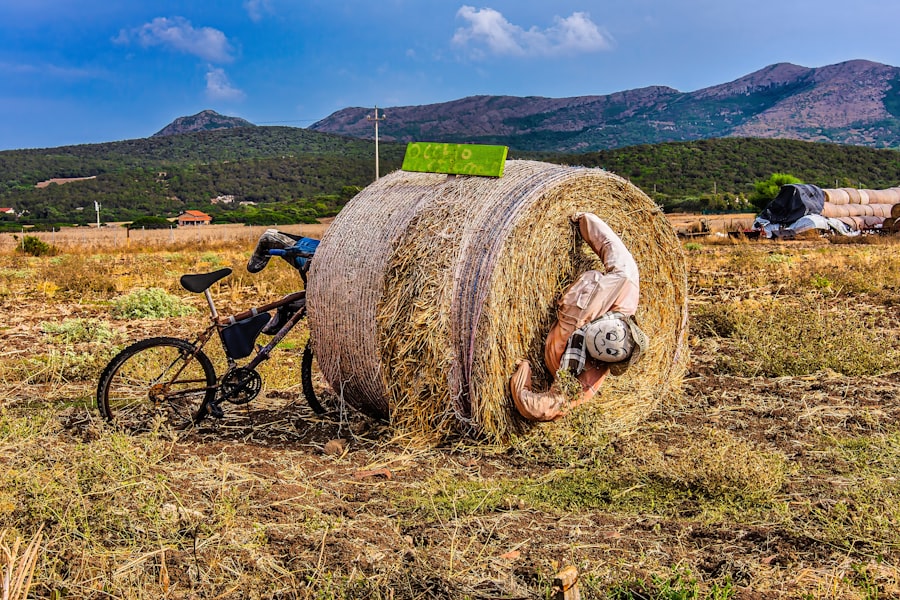
Change is one of life’s constants, yet it often brings discomfort and uncertainty. Learning to embrace change is essential for personal growth and resilience. When faced with unexpected challenges, it is natural to feel overwhelmed or resistant.
However, by shifting our perspective and viewing change as an opportunity for growth, we can navigate these transitions with greater ease. Adapting to change requires flexibility and an open mind. It invites us to step outside our comfort zones and explore new possibilities.
While the initial shock of change may be unsettling, it often leads to new experiences that enrich our lives in unexpected ways. By cultivating a mindset that welcomes change, we empower ourselves to face whatever comes our way with courage and optimism.
Building a Support System: Finding Help and Encouragement
| Support System | Importance | Benefits |
|---|---|---|
| Family | High | Emotional support, understanding |
| Friends | Medium | Shared experiences, advice |
| Therapist/Counselor | High | Professional guidance, coping strategies |
| Support Groups | Medium | Community, empathy |
No one should have to navigate life’s challenges alone. Building a strong support system is crucial for fostering resilience and finding encouragement during tough times. Surrounding ourselves with positive influences—friends, family, mentors—can provide the emotional sustenance we need to persevere.
These connections remind us that we are not alone in our struggles and that there are people who genuinely care about our well-being. Creating a support system involves reaching out and being vulnerable with others. It may require us to share our feelings and experiences openly, which can be daunting but ultimately liberating.
By allowing ourselves to lean on others, we not only receive support but also strengthen our relationships. In turn, this creates a network of mutual encouragement where everyone involved can thrive together.
Cultivating Self-Compassion: Being Kind to Yourself in Tough Times
In moments of difficulty, it is all too easy to fall into the trap of self-criticism. We may berate ourselves for not handling challenges better or for feeling overwhelmed. However, cultivating self-compassion is essential for healing and growth.
It involves treating ourselves with the same kindness and understanding that we would offer a friend in need. Practicing self-compassion means acknowledging our struggles without judgment. It encourages us to embrace our imperfections and recognize that everyone faces challenges at some point in their lives.
By being gentle with ourselves during tough times, we create space for healing and self-acceptance. This nurturing approach allows us to build resilience from within, empowering us to face future challenges with greater confidence.
The Role of Mindfulness: Finding Peace and Clarity in Chaos
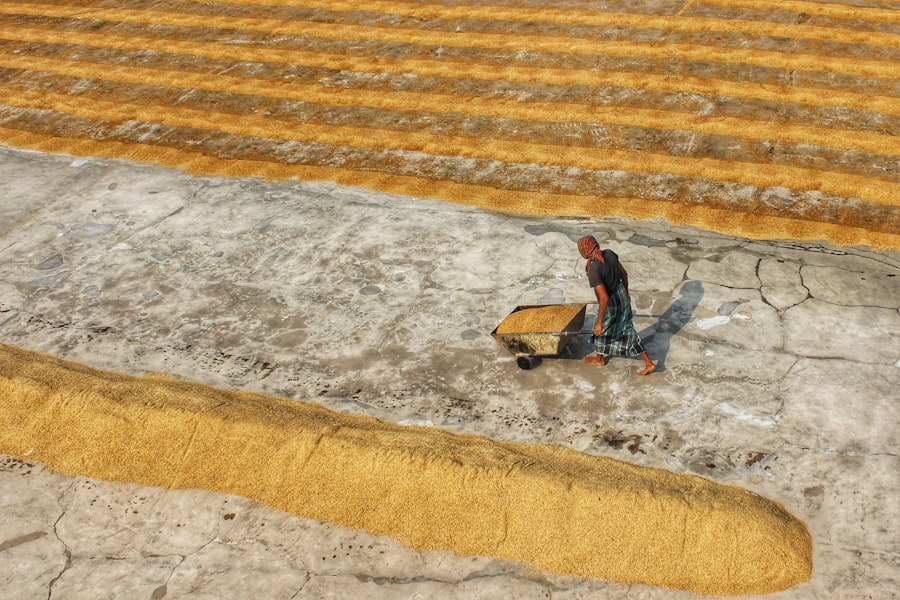
In the midst of chaos, mindfulness serves as a powerful tool for finding peace and clarity. Mindfulness encourages us to be present in the moment, allowing us to observe our thoughts and feelings without becoming overwhelmed by them. This practice can help us cultivate a sense of calm amidst life’s storms, enabling us to respond thoughtfully rather than react impulsively.
Incorporating mindfulness into our daily routines can take many forms—meditation, deep breathing exercises, or simply taking a moment to appreciate our surroundings. By grounding ourselves in the present moment, we can gain perspective on our challenges and develop a clearer understanding of our emotions. This clarity empowers us to make informed decisions and take proactive steps toward overcoming adversity.
Setting Realistic Goals: Taking Small Steps Towards Big Triumphs
When faced with overwhelming challenges, it can be helpful to break down our goals into smaller, more manageable steps. Setting realistic goals allows us to focus on progress rather than perfection. Each small victory builds momentum and reinforces our sense of accomplishment, ultimately leading us toward larger triumphs.
By celebrating these incremental achievements, we cultivate a positive mindset that fuels our motivation. It’s important to remember that progress is not always linear; there may be setbacks along the way.
Seeking Professional Help: When and How to Find a Therapist or Counselor
There are times when the challenges we face may feel too heavy to bear alone. Seeking professional help from a therapist or counselor can provide invaluable support during these moments. It’s important to recognize that asking for help is a sign of strength, not weakness.
Mental health professionals are trained to guide us through difficult times and offer tools for coping and healing. When considering therapy, it’s essential to find a professional who aligns with your needs and values. Researching different therapists or counselors can help you identify someone who resonates with you.
Many people find comfort in seeking recommendations from friends or family members who have had positive experiences with therapy. Remember that it’s okay to try different professionals until you find the right fit—your mental health journey is uniquely yours.
Finding Inspiration: Stories of Triumph and Perseverance
Throughout history, countless individuals have faced adversity and emerged stronger on the other side. Their stories serve as powerful reminders of the human spirit’s resilience and capacity for growth. From renowned figures like Nelson Mandela and Malala Yousafzai to everyday heroes who have overcome personal struggles, these narratives inspire us to persevere in the face of challenges.
By sharing these stories of triumph and perseverance, we create a sense of community among those who are struggling. They remind us that we are not alone in our battles and that hope exists even in the darkest moments. Drawing inspiration from others’ journeys can ignite our own determination and encourage us to keep moving forward.
The Importance of Gratitude: Finding Joy in the Midst of Difficulty
Practicing gratitude can be a transformative experience, especially during challenging times. It encourages us to shift our focus from what is lacking in our lives to what we already have—no matter how small it may seem. By cultivating an attitude of gratitude, we can find joy even amidst difficulty.
Keeping a gratitude journal or taking time each day to reflect on what we appreciate can help foster this mindset. Recognizing the positive aspects of our lives allows us to build resilience by reminding us that there is still beauty and goodness present, even when faced with adversity. This practice not only uplifts our spirits but also strengthens our ability to cope with challenges.
Moving Forward: Creating a Plan for a Brighter Future
As we navigate life’s ups and downs, it’s essential to create a plan for moving forward—a roadmap that guides us toward a brighter future. This plan should encompass both short-term goals and long-term aspirations, allowing us to envision where we want to go while remaining flexible in our approach. Taking time to reflect on what truly matters to us can help shape this plan.
What are our passions? What do we want to achieve? By aligning our goals with our values, we empower ourselves to pursue paths that resonate deeply within us.
As we take small steps toward these aspirations, we cultivate hope for the future while embracing the journey itself. In conclusion, life’s challenges may test our resilience, but they also offer opportunities for growth, healing, and self-discovery. By embracing change, building supportive relationships, practicing self-compassion, and finding inspiration in others’ stories, we can navigate adversity with grace and strength.
Let us remember that within each struggle lies the potential for transformation—a chance to emerge stronger than ever before as we create a brighter future filled with hope and possibility.
If you are struggling with the challenges of life and feeling overwhelmed, you may benefit from seeking support at a mental health retreat. These retreats offer a safe and nurturing environment where you can focus on your well-being and receive guidance from trained professionals. One related article that may interest you is about the importance of mental health nurse practitioners in providing comprehensive care to individuals facing mental health issues. To learn more about this topic, you can read the article here.
FAQs
What is the hardest life?
The term “hardest life” refers to a life that is filled with extreme challenges, difficulties, and hardships.
What are some examples of the hardest life?
Examples of the hardest life may include living in poverty, experiencing war or conflict, dealing with chronic illness or disability, facing discrimination and oppression, or enduring extreme natural disasters.
How does the hardest life impact individuals?
Living the hardest life can have significant negative impacts on individuals, including physical and mental health issues, limited access to resources and opportunities, and a decreased quality of life.
What are some ways to support individuals living the hardest life?
Support for individuals living the hardest life can include access to basic needs such as food, shelter, and healthcare, as well as opportunities for education, employment, and social services. Additionally, advocacy for systemic change and addressing root causes of hardship can help support those living the hardest life.