
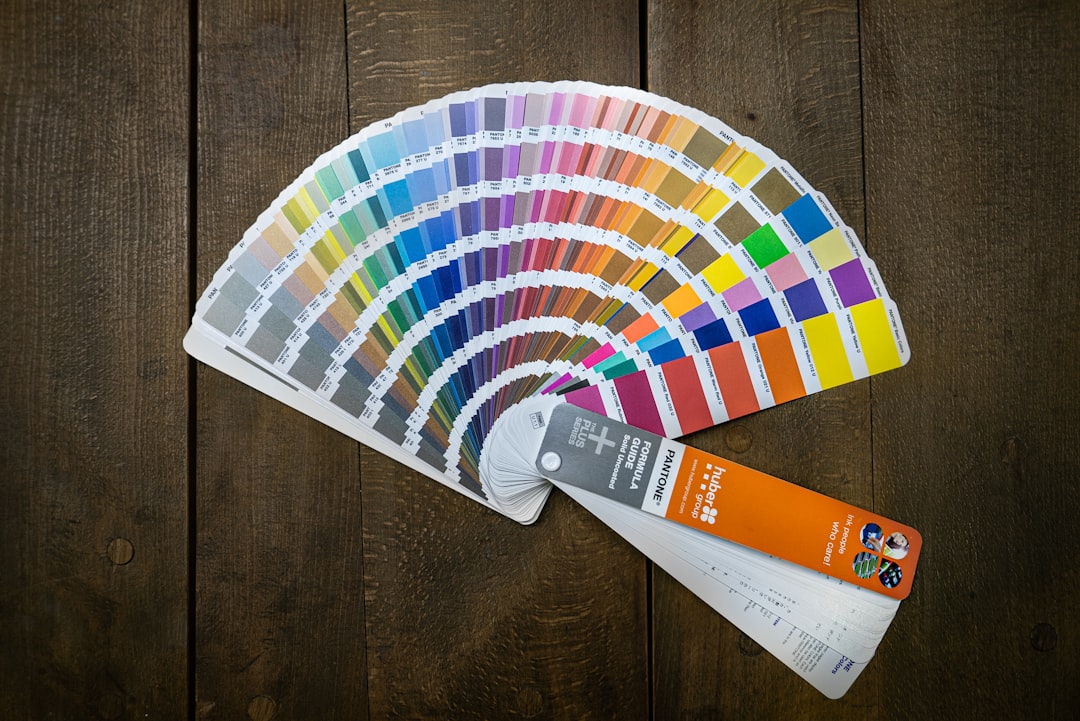
As I delve into the fascinating world of color psychology, I find myself captivated by how colors influence our emotions, behaviors, and perceptions. Color is not merely a visual experience; it is a powerful tool that can evoke feelings and set the tone for our environments. From the vibrant hues of a sunset to the muted tones of a rainy day, colors surround us and shape our experiences in profound ways.
The study of color psychology reveals that different colors can elicit specific emotional responses, making them essential in various fields such as marketing, art, and design. Understanding the psychology of color allows me to appreciate the subtle yet significant impact that colors have on my daily life. For instance, I notice how certain colors can uplift my mood or create a sense of calm.
This awareness extends beyond personal experiences; it also plays a crucial role in branding and advertising. Companies carefully select colors to convey their brand identity and connect with their target audience. By exploring the meanings and associations behind different colors, I can better understand how to harness their power in my own life.
Key Takeaways
- Color psychology plays a significant role in influencing human emotions and behavior.
- Red is associated with passion, energy, and excitement, making it a powerful choice for creating a sense of urgency or drawing attention.
- Blue is known for its calming and stabilizing effects, making it an ideal choice for promoting trust and reliability.
- Yellow is linked to optimism and creativity, making it a great choice for promoting positivity and innovation.
- Green is associated with growth and harmony, making it a popular choice for promoting balance and tranquility in design.
Red: The Color of Passion and Energy
When I think of red, the first words that come to mind are passion and energy. This bold color is often associated with strong emotions, from love and desire to anger and intensity.
Whether it’s the vibrant red of a rose or the fiery hue of a sunset, this color ignites a spark within me, stirring feelings of excitement and enthusiasm. In various cultures, red holds significant meanings that further enhance its emotional impact. In many Eastern cultures, red symbolizes good fortune and joy, often used in celebrations and weddings.
Conversely, in Western contexts, it can represent danger or warning. This duality fascinates me, as it highlights how context can shape our perception of color. I often find myself drawn to red when I want to make a bold statement or express my passion for something, whether it’s through fashion choices or home decor.
Blue: The Color of Calm and Stability

Blue is a color that resonates deeply with me, evoking feelings of calmness and stability. When I gaze at a clear blue sky or the tranquil surface of a lake, I am reminded of the serenity that this color brings. Blue is often associated with trust, loyalty, and wisdom, making it a popular choice in corporate branding and professional settings.
I appreciate how blue can create a sense of peace in my surroundings, allowing me to focus and think clearly. The psychological effects of blue extend beyond mere aesthetics; studies have shown that exposure to blue light can lower heart rates and reduce stress levels. This understanding encourages me to incorporate more blue into my life, whether through painting my walls or choosing blue clothing.
I find that surrounding myself with this calming color helps me maintain a sense of balance amidst the chaos of daily life.
Yellow: The Color of Optimism and Creativity
Yellow is a color that instantly brightens my mood and fills me with optimism. Often associated with sunshine and happiness, yellow has an infectious energy that inspires creativity and joy. Whenever I see yellow flowers or bright yellow accents in my environment, I can’t help but smile.
This color encourages me to embrace positivity and think outside the box, making it an essential part of my creative process. In addition to its uplifting qualities, yellow also stimulates mental activity and enhances concentration. I’ve noticed that when I incorporate yellow into my workspace—whether through decor or stationery—I feel more motivated and inspired to tackle tasks.
It’s fascinating how such a vibrant color can influence my mindset and productivity. By embracing yellow in my life, I cultivate an atmosphere that fosters creativity and encourages a positive outlook.
Green: The Color of Growth and Harmony
Green is a color that embodies growth, renewal, and harmony. As I reflect on my experiences in nature—whether hiking through lush forests or strolling through botanical gardens—I am reminded of the soothing effects that green has on my spirit. This color symbolizes balance and tranquility, making it an ideal choice for creating peaceful environments.
I often find solace in green spaces, where the abundance of nature rejuvenates my mind and body. Moreover, green is associated with health and vitality, which resonates with my desire for personal growth and well-being. Incorporating green into my life—whether through plants in my home or green foods in my diet—serves as a reminder to nurture myself both physically and emotionally.
The presence of green encourages me to seek balance in all aspects of my life, fostering a sense of harmony that is essential for overall well-being.
Purple: The Color of Royalty and Luxury

Purple has always held a special allure for me; it is a color steeped in history and symbolism. Traditionally associated with royalty, luxury, and power, purple evokes a sense of sophistication that captivates my imagination. When I see deep shades of purple in fashion or decor, I am reminded of its rich heritage and the elegance it conveys.
This color has an air of mystery that intrigues me, inviting exploration into its deeper meanings. In addition to its regal associations, purple is also linked to creativity and spirituality. I find that surrounding myself with purple—whether through art or textiles—encourages introspection and inspires my creative endeavors.
The combination of passion from red and calmness from blue creates a unique balance in purple that resonates with my desire for both expression and tranquility. By embracing this color in my life, I tap into its transformative power.
Orange: The Color of Enthusiasm and Adventure
Orange is a color that embodies enthusiasm and adventure—a vibrant hue that ignites excitement within me. Whenever I see orange, whether in nature’s sunsets or playful designs, I feel an urge to embrace new experiences and take risks. This color radiates warmth and energy, encouraging me to step out of my comfort zone and explore the world around me.
The psychological effects of orange extend beyond mere aesthetics; it is known to stimulate social interaction and communication. I’ve noticed that when I wear orange or incorporate it into my surroundings, I feel more open to connecting with others. This sense of camaraderie is invigorating, reminding me of the importance of community and shared experiences.
By embracing orange in my life, I cultivate an adventurous spirit that encourages exploration and connection.
Pink: The Color of Love and Compassion
Pink is a color that resonates deeply with love and compassion—a gentle hue that evokes feelings of warmth and tenderness. Whenever I see pink flowers or soft pink fabrics, I am reminded of the beauty of nurturing relationships and self-love. This color embodies kindness and empathy, encouraging me to express affection towards myself and others.
In various cultures, pink is often associated with femininity and romance; however, its meanings extend far beyond gender stereotypes. Pink represents compassion in all forms—whether it’s love for family, friends, or even oneself. By incorporating pink into my life—through decor or personal style—I create an environment that fosters love and understanding.
This gentle reminder encourages me to approach life with an open heart.
Black: The Color of Power and Sophistication
Black is a color that exudes power and sophistication—a timeless hue that commands attention wherever it appears. When I wear black or decorate with it, I feel an air of confidence that empowers me to take on challenges head-on. Black is often associated with elegance and formality; it serves as a blank canvas against which other colors can shine.
Beyond its aesthetic appeal, black also carries connotations of mystery and depth. It invites introspection while allowing me to explore the complexities within myself. In moments when I seek clarity or strength, black becomes my go-to choice—a reminder that embracing one’s power can lead to profound transformation.
By incorporating black into my life thoughtfully, I cultivate an aura of sophistication while remaining grounded in authenticity.
White: The Color of Purity and Innocence
White is a color that embodies purity and innocence—a fresh canvas that symbolizes new beginnings. Whenever I see white flowers or pristine landscapes blanketed in snow, I am reminded of the beauty found in simplicity. This color evokes feelings of peace and clarity; it encourages me to embrace minimalism in both my surroundings and mindset.
In many cultures, white represents hope and renewal—a reminder that every day offers an opportunity for growth. By incorporating white into my life—whether through decor choices or personal style—I create an atmosphere conducive to reflection and mindfulness. This purity serves as a gentle reminder to let go of negativity while embracing positivity as I navigate life’s journey.
How to Use Color to Reflect Your Personality
As I explore the world of colors further, I realize how essential it is to use them as tools for self-expression. Each hue carries unique meanings that resonate with different aspects of my personality; by consciously incorporating these colors into my life, I can create an environment that reflects who I am at my core. To begin this journey of self-discovery through color, I first assess which colors resonate most deeply with me—those that evoke strong emotions or inspire creativity within me.
Once identified, I can strategically incorporate these hues into various aspects of my life—from wardrobe choices to home decor—to create spaces that feel authentic. Moreover, experimenting with different combinations allows me to express different facets of myself depending on the occasion or mood. For instance, wearing bold reds may reflect confidence during important meetings while softer pastels might convey warmth during social gatherings.
Ultimately, embracing color as an extension of my personality empowers me not only to express myself but also to connect more deeply with others who share similar sentiments about specific hues. By harnessing the psychology behind colors thoughtfully throughout various aspects of life—from fashion choices down to interior design—I cultivate an environment where authenticity thrives alongside creativity!
If you’re interested in learning more about anxiety and how it can affect your mental health, you may want to check out this article on Understanding Anxiety: Causes, Symptoms, and Strategies for Relief. This article delves into the various factors that can contribute to anxiety, as well as ways to manage and alleviate symptoms. Understanding the root causes of anxiety can help individuals develop effective coping mechanisms and improve their overall well-being.
FAQs
What is the significance of the color you are drawn to?
The color you are drawn to can reveal insights into your personality, emotions, and behavior. Different colors are often associated with specific traits and characteristics.
How does your favorite color reflect your personality?
Your favorite color can reflect your personality by indicating your preferences, emotions, and tendencies. For example, people who favor blue may be seen as calm and trustworthy, while those who prefer red may be viewed as passionate and energetic.
Can your favorite color affect your mood?
Yes, research has shown that colors can have a psychological impact on mood and emotions. For example, warm colors like red and yellow are often associated with energy and excitement, while cool colors like blue and green can evoke feelings of calm and relaxation.
Are there cultural differences in the interpretation of colors?
Yes, the interpretation of colors can vary across different cultures. For example, in Western cultures, white is often associated with purity and innocence, while in some Eastern cultures, it is associated with mourning and death.
Can your favorite color change over time?
Yes, it is possible for your favorite color to change over time. Factors such as life experiences, personal growth, and exposure to new influences can all contribute to a shift in color preferences.