
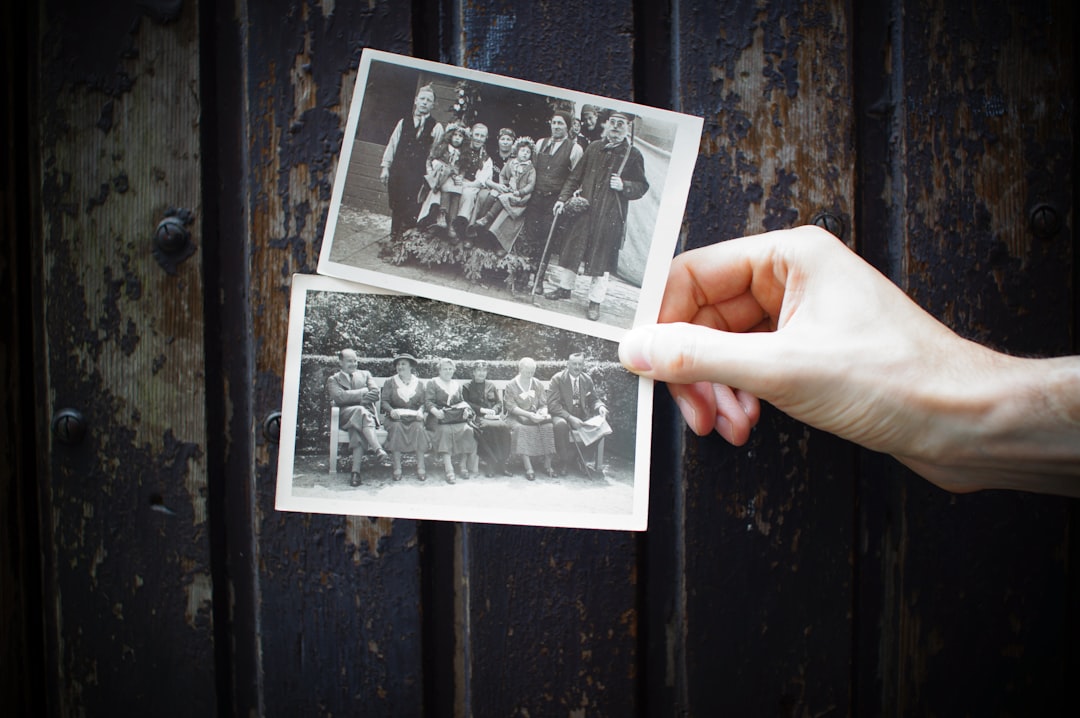
As I delve into the intricate world of love styles, I find myself captivated by the myriad ways in which individuals express affection and connect with one another. Love styles are not merely a reflection of romantic inclinations; they are deeply rooted in our experiences, shaped by our upbringing, and influenced by the relationships we cultivate throughout our lives. Understanding these styles is essential for fostering healthier connections and navigating the complexities of love.
By examining the various factors that contribute to our love styles, I can gain insight into my own behaviors and patterns, ultimately leading to more fulfilling relationships. In my exploration of love styles, I have come to appreciate that they are not static; rather, they evolve over time as we encounter new experiences and relationships. Each person’s love style is a unique tapestry woven from their past, present, and aspirations for the future.
By recognizing the influences that shape our love styles, I can better understand my own emotional responses and the dynamics I bring into my relationships. This journey of self-discovery is not only enlightening but also empowering, as it allows me to embrace healthier ways of loving and being loved.
Key Takeaways
- Love styles are influenced by childhood experiences, attachment theory, parental relationships, sibling relationships, childhood trauma, cultural and societal influences, and the connection between childhood and adult romantic relationships.
- Childhood experiences play a significant role in shaping love styles, as they can impact attachment styles and influence the way individuals form and maintain relationships in adulthood.
- Attachment theory helps to understand how early relationships with caregivers can impact love styles, as individuals may develop secure, anxious, or avoidant attachment styles that influence their romantic relationships.
- Parental relationships have a profound impact on shaping love styles, as children often model their own relationships after their parents’ relationship dynamics and communication styles.
- Sibling relationships can also influence love styles, as they can impact individuals’ understanding of intimacy, conflict resolution, and communication in romantic relationships.
The Influence of Childhood Experiences on Love Styles
Shaping My Perception of Love
For instance, if I grew up in a nurturing environment where love was freely expressed, I might find it easier to be open and vulnerable in my adult relationships. Conversely, if my childhood was characterized by neglect or emotional distance, I may struggle with trust and intimacy. Moreover, the lessons learned during childhood often manifest in my adult relationships in subtle yet significant ways.
Unconscious Patterns in Relationships
I have noticed that my reactions to conflict or expressions of affection are often echoes of my early experiences. If I was taught to suppress emotions or avoid confrontation, I might find myself doing the same in my romantic partnerships.
Towards a Healthier Love Style
Recognizing these patterns has been a crucial step in understanding how my childhood has influenced my love style and has prompted me to seek healthier ways to engage with others.
Attachment Theory and its Impact on Love Styles

Attachment theory has provided me with a valuable framework for understanding my love style and how it relates to my early attachments. According to this theory, the bonds formed with primary caregivers during infancy and childhood significantly influence our emotional responses and relationship dynamics in adulthood. As I reflect on my own attachment style—whether secure, anxious, avoidant, or disorganized—I can see how it shapes my interactions with romantic partners.
For instance, if I identify with a secure attachment style, I may approach relationships with confidence and a sense of safety. This allows me to communicate openly and establish trust with my partner. On the other hand, if I lean towards an anxious attachment style, I might find myself seeking constant reassurance and fearing abandonment.
Understanding these attachment patterns has been instrumental in helping me navigate the complexities of love and intimacy, as it sheds light on why I react the way I do in various situations.
The Role of Parental Relationships in Shaping Love Styles
The relationships I had with my parents have played a pivotal role in shaping my love style. My parents served as my first models for love and affection, teaching me what it means to connect with others emotionally. If my parents demonstrated healthy communication and mutual respect, I am more likely to replicate those behaviors in my own relationships.
However, if their relationship was fraught with conflict or emotional distance, I may struggle to establish similar connections. As I reflect on my parents’ relationship dynamics, I can identify specific traits that have influenced my own approach to love. For example, if they exhibited a strong partnership built on trust and support, I might feel more comfortable expressing vulnerability with my partner.
Conversely, if their relationship was characterized by criticism or emotional withdrawal, I may find myself mirroring those patterns in my romantic life. Recognizing these influences has allowed me to consciously work towards breaking unhealthy cycles and fostering healthier connections.
Sibling Relationships and Love Styles
Sibling relationships have also played a significant role in shaping my love style. Growing up alongside siblings provided me with opportunities to learn about sharing, conflict resolution, and emotional support. The dynamics within these relationships often mirror those found in romantic partnerships.
For instance, if I had a sibling who was nurturing and supportive, I may have developed a love style that values empathy and cooperation in adult relationships. Conversely, if my sibling relationships were marked by rivalry or competition, I might struggle with feelings of inadequacy or jealousy in romantic contexts. These early interactions have taught me valuable lessons about trust and communication that continue to influence how I engage with partners today.
By reflecting on these sibling dynamics, I can better understand the roots of my love style and work towards cultivating healthier patterns in my adult relationships.
The Impact of Childhood Trauma on Love Styles
Childhood trauma can have a profound impact on love styles, often leading to maladaptive patterns that affect adult relationships. As I consider my own experiences or those of others around me, it becomes clear that trauma can create barriers to intimacy and trust. For instance, if I experienced neglect or abuse during formative years, I may develop an avoidant love style as a protective mechanism against further pain.
The effects of trauma can manifest in various ways—difficulty trusting others, fear of vulnerability, or an overwhelming need for control in relationships.
By acknowledging the impact of childhood trauma on my love style, I can begin to address these issues and work towards healthier ways of relating to others.
This journey may involve seeking therapy or support groups to process past experiences and develop new coping strategies.
Cultural and Societal Influences on Love Styles
Cultural and societal influences also play a significant role in shaping love styles. The values and norms prevalent in society can dictate how we perceive love and relationships. For instance, growing up in a culture that emphasizes individualism may lead me to prioritize personal fulfillment over collective harmony in relationships.
Conversely, cultures that value community and interdependence may encourage more collaborative approaches to love. As I navigate my own love style within the context of societal expectations, I find myself grappling with conflicting messages about what constitutes a healthy relationship. Media portrayals of romance often set unrealistic standards that can distort my perceptions of love.
By critically examining these cultural influences, I can better understand how they shape my beliefs about intimacy and connection while striving to cultivate a love style that aligns with my values.
The Connection Between Childhood and Adult Romantic Relationships
The connection between childhood experiences and adult romantic relationships is undeniable. As I reflect on my own journey, it becomes evident that the lessons learned during childhood continue to influence how I approach love as an adult. The patterns established in early relationships often resurface in romantic partnerships, creating a cycle that can be difficult to break.
For example, if I experienced consistent emotional support as a child, I may find it easier to establish healthy boundaries and communicate openly with partners. Conversely, if my childhood was marked by instability or emotional neglect, I might struggle with feelings of unworthiness or fear of abandonment in adult relationships. Recognizing this connection has been instrumental in helping me understand the roots of my behaviors and motivations within romantic contexts.
Healing Childhood Wounds to Improve Love Styles
Healing childhood wounds is a crucial step towards improving love styles and fostering healthier relationships. As I embark on this journey of healing, I recognize the importance of self-compassion and understanding. Acknowledging past traumas allows me to confront the emotions associated with those experiences rather than allowing them to dictate my present.
These tools provide an opportunity to process emotions and develop healthier coping mechanisms. By actively working through childhood wounds, I can begin to reshape my love style into one that promotes connection rather than fear or avoidance.
Recognizing and Changing Unhealthy Love Patterns
Recognizing unhealthy love patterns is essential for personal growth and relationship improvement. As I reflect on my past relationships, I can identify recurring themes—such as fear of commitment or difficulty expressing emotions—that have hindered my ability to connect authentically with partners. Acknowledging these patterns is the first step towards change.
To facilitate this transformation, I have found it helpful to engage in self-reflection and seek feedback from trusted friends or therapists. By examining the underlying beliefs that contribute to these unhealthy patterns—such as fear of vulnerability or low self-esteem—I can begin to challenge them and replace them with healthier perspectives on love and intimacy.
Embracing Healthy Love Styles
In conclusion, embracing healthy love styles is a journey that requires introspection, healing, and a willingness to grow. As I reflect on the various influences that have shaped my love style—from childhood experiences to cultural norms—I am reminded of the importance of self-awareness in fostering meaningful connections with others. By recognizing the impact of past experiences on my present behaviors, I can actively work towards cultivating healthier patterns of love.
Ultimately, this journey is not just about understanding myself; it is about creating space for authentic connections with others. By embracing vulnerability, practicing open communication, and prioritizing emotional well-being, I can foster relationships that are rooted in mutual respect and understanding. As I continue on this path of self-discovery and growth, I am hopeful for the future—one where healthy love styles flourish and enrich both my life and the lives of those around me.
If you are interested in exploring how childhood experiences can impact mental health, you may find the article Understanding Depression: A Comprehensive Guide to be informative. This article delves into the various factors that can contribute to depression and offers insights on how to manage and cope with this mental health condition. Understanding the link between childhood experiences and mental health can be crucial in developing effective strategies for healing and growth.
FAQs
What are love styles?
Love styles refer to the ways in which individuals tend to approach and experience romantic relationships. These styles are influenced by a variety of factors, including childhood experiences and attachment patterns.
How does childhood affect love styles?
Childhood experiences, particularly those related to attachment and relationships with caregivers, can have a significant impact on an individual’s love style. For example, individuals who experienced secure attachments in childhood may be more likely to have healthy, secure love styles in adulthood.
What are some common love styles influenced by childhood experiences?
Some common love styles influenced by childhood experiences include secure attachment, anxious attachment, and avoidant attachment. These styles can impact how individuals approach intimacy, trust, and communication in their romantic relationships.
Can love styles change over time?
While childhood experiences can have a lasting impact on love styles, it is possible for individuals to develop and change their love styles over time. Therapy, self-reflection, and healthy relationship experiences can all contribute to shifts in love styles.
Are there ways to overcome negative childhood influences on love styles?
Yes, individuals can work to overcome negative childhood influences on their love styles through therapy, self-awareness, and intentional efforts to develop healthier relationship patterns. Building secure and supportive relationships in adulthood can also help to counteract negative childhood experiences.