Blog

  • Difference Between Bipolar and Borderline: Key Signs

    Difference Between Bipolar and Borderline: Key Signs

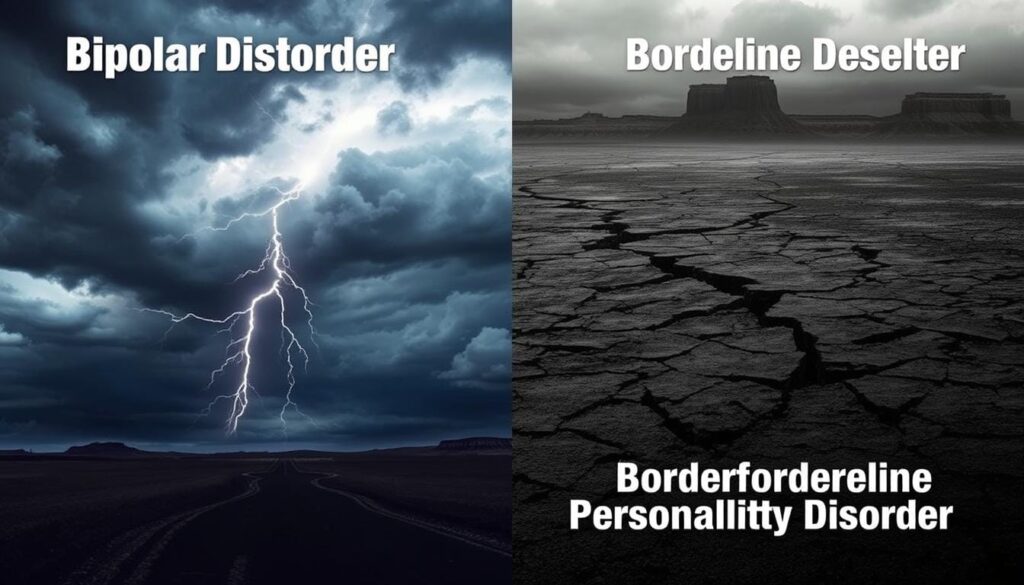
    As someone who has closely witnessed the challenges faced by loved ones navigating mental health conditions, I understand the importance of distinguishing between the nuances of bipolar disorder and borderline personality disorder. These two mental health diagnoses can often present with overlapping symptoms, making accurate identification crucial for effective treatment and support. In this article, we’ll explore the key differences between these conditions, empowering you with the knowledge to better understand and advocate for those affected.

    Key Takeaways

    • Bipolar disorder and borderline personality disorder are distinct mental health conditions with unique characteristics.
    • Bipolar disorder is marked by episodic mood changes between mania, hypomania, and depression, while borderline personality disorder involves pervasive mood instability.
    • Understanding the differences in symptoms, duration of episodes, and emotional regulation is essential for accurate diagnosis and tailored treatment approaches.
    • Comorbidity between the two conditions is not uncommon, underscoring the importance of comprehensive evaluation by mental health professionals.
    • Challenging misconceptions and promoting open discussions can help reduce the stigma surrounding these mental health conditions.

    Understanding Bipolar Disorder

    Bipolar disorder is a complex mental health condition marked by dramatic shifts in mood, energy, and behavior. This disorder, also known as manic depression, involves extreme highs (mania or hypomania) and lows (depression) that can significantly impact an individual’s daily life. Understanding the different types of bipolar disorder and their associated symptoms is crucial for recognizing and addressing this condition effectively.

    Definition of Bipolar Disorder

    Bipolar disorder is a chronic and recurrent mental illness characterized by alternating periods of elevated mood (mania or hypomania) and depressed mood. These mood episodes can significantly interfere with an individual’s ability to function in various aspects of their life, including work, relationships, and personal responsibilities.

    Types of Bipolar Disorder

    • Bipolar I Disorder: This type is defined by the presence of manic episodes that last at least 7 days, often accompanied by depressive episodes.
    • Bipolar II Disorder: Individuals with Bipolar II experience hypomanic episodes (less severe than full-blown mania) and depressive episodes.
    • Cyclothymic Disorder: Also known as cyclothymia, this type is characterized by milder mood fluctuations, with both hypomanic and depressive symptoms, over an extended period.

    Symptoms of Each Type

    The symptoms of bipolar disorder can vary depending on the specific type an individual is experiencing:

    • Bipolar I Disorder: Manic episodes characterized by increased energy, reduced need for sleep, racing thoughts, and impulsive behavior, followed by depressive episodes with feelings of sadness, hopelessness, and loss of interest.
    • Bipolar II Disorder: Hypomanic episodes with elevated mood, increased productivity, and decreased sleep, as well as depressive episodes similar to those in Bipolar I.
    • Cyclothymic Disorder: Persistent mood swings, with periods of mild depression and hypomania, that may not meet the criteria for a full-blown manic or depressive episode.

    Accurate diagnosis and understanding of the specific type of bipolar disorder are essential for developing an effective treatment plan and supporting individuals in managing their condition.

    Overview of Borderline Personality Disorder

    Borderline Personality Disorder (BPD) is a complex mental health condition characterized by a persistent pattern of instability in emotions, behavior, and relationships. Individuals with BPD often experience intense fear of abandonment, a fragile sense of self, and difficulty regulating their emotions. This emotional dysregulation can lead to impulsive actions and turbulent interpersonal dynamics, significantly impacting their daily lives.

    Definition of Borderline Personality Disorder

    BPD is defined by the American Psychiatric Association as a mental disorder marked by a pattern of ongoing instability in moods, behavior, self-image, and functioning. This condition typically manifests in early adulthood and is often associated with significant distress and impairment in various areas of life.

    Key Characteristics

    • Intense and rapidly changing emotions, often in response to perceived abandonment or rejection
    • Unstable and chaotic relationships, with a fear of being alone or abandoned
    • Impulsive and risky behaviors, such as substance abuse, reckless driving, or self-harm
    • Distorted or unstable self-image, leading to feelings of emptiness or a lack of identity
    • Difficulty regulating emotions, often resulting in angry outbursts or mood swings

    Common Symptoms

    Individuals with BPD may experience a range of symptoms that can significantly impact their daily lives, including:

    1. Emotional dysregulation: Rapid and extreme mood swings, from intense anger to profound sadness
    2. Impulsive behaviors: Engaging in risky or self-destructive actions, such as substance abuse, reckless driving, or self-harm
    3. Unstable relationships: Difficulty maintaining stable, healthy relationships due to a fear of abandonment and intense emotional reactions
    4. Identity disturbance: A fragile or unstable sense of self, leading to feelings of emptiness or a lack of direction
    5. Suicidal ideation: Recurrent thoughts of suicide or making suicidal gestures or attempts

    Borderline Personality Disorder is a complex condition that can significantly impact an individual’s quality of life. Understanding the key characteristics and common symptoms of BPD is crucial for recognizing and addressing this mental health challenge.

    Core Differences Between Bipolar and Borderline

    While bipolar disorder and borderline personality disorder (BPD) may share some overlapping symptoms, there are distinct differences that set them apart. By understanding these core distinctions, we can better distinguish between the two mood disorders and provide appropriate treatment and support.

    Mood Changes and Stability

    One of the primary differences lies in the nature and duration of mood changes. Individuals with bipolar disorder experience episodic mood shifts, with manic episodes lasting days to months, followed by depressive periods of similar length. In contrast, BPD is characterized by rapid, intense mood swings that can fluctuate within hours or days, often triggered by interpersonal conflicts.

    Emotional Regulation

    Emotional regulation is another key distinction. Bipolar mood changes are less directly influenced by external factors, whereas BPD emotional instability is typically triggered by relationship-related events or perceived abandonment. People with BPD may struggle to control their emotional responses, leading to impulsive behaviors and strained interpersonal relationships.

    Duration of Episodes

    The duration of mood episodes also varies between the two conditions. Bipolar disorder episodes have a clear onset and offset, with a distinct shift from one state to another. In BPD, the emotional instability is more persistent, with individuals experiencing a chronic pattern of emotional dysregulation.

    Understanding these core differences is crucial in accurately distinguishing between bipolar disorder and borderline personality disorder, ensuring individuals receive the appropriate diagnosis and targeted treatment approaches.

    Causes and Risk Factors

    Bipolar disorder and borderline personality disorder (BPD) have both genetic and environmental contributors to their development. Understanding the complex interplay of these factors is crucial for effectively managing and treating these conditions.

    Genetic Contributions

    Bipolar disorder is known to have a strong genetic component, often running in families. Research suggests that individuals with a first-degree relative with bipolar disorder have a 10 times greater risk of developing the condition themselves. The specific genetic markers and inheritance patterns are still being studied, but the evidence points to a significant hereditary influence.

    In the case of BPD, genetics also play a significant role. Estimated heritability of BPD ranges from 37% to 69%, making it one of the most heritable personality disorders. Studies have identified genetic markers on chromosome 9 that are relevant to the characteristics associated with BPD.

    Environmental Influences

    Environmental factors, particularly adverse childhood experiences such as abuse, neglect, or trauma, are critical in the development of BPD. These early life experiences can shape an individual’s emotional regulation and interpersonal functioning, contributing to the core symptoms of BPD.

    While bipolar disorder is not as directly linked to environmental factors as BPD, certain triggers can contribute to the onset or worsening of symptoms. Stressful life events, disruptions in sleep patterns, and substance abuse have all been associated with triggering bipolar episodes.

    Triggers for Each Condition

    Individuals with bipolar disorder often experience mood episodes triggered by factors such as stress, sleep disturbances, or substance abuse. In contrast, BPD symptoms are frequently triggered by perceived rejection or abandonment in interpersonal relationships.

    Bipolar Disorder Borderline Personality Disorder
    Stress, sleep disturbances, substance abuse Perceived rejection or abandonment in relationships

    Understanding the unique causes and risk factors for bipolar disorder and BPD is essential for developing targeted interventions and providing effective support for individuals affected by these mental health conditions.
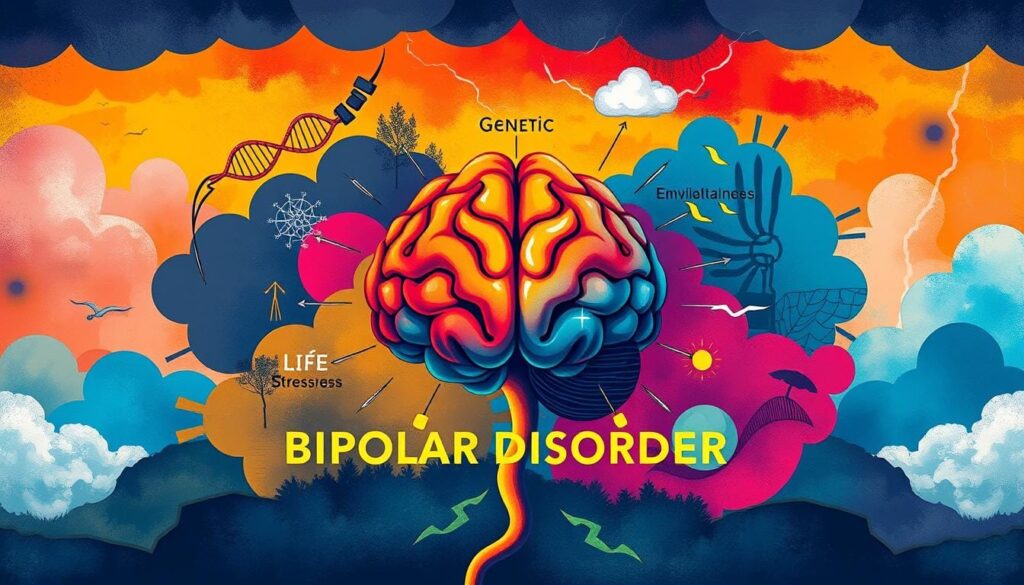
    bipolar disorder causes

    Diagnosis: How Are They Identified?

    Accurately diagnosing bipolar disorder and borderline personality disorder can be a complex process, as some of the symptoms may overlap. However, mental health professionals utilize specific diagnostic criteria to distinguish between these two conditions.

    Diagnostic Criteria for Bipolar Disorder

    The diagnosis of bipolar disorder requires the presence of at least one manic or hypomanic episode, depending on the type of the disorder. For Bipolar I Disorder, individuals must have experienced a full-blown manic episode lasting at least one week, or severe enough to require hospitalization. Bipolar II Disorder is characterized by cycles of depressive and hypomanic episodes, but without a history of a full manic episode.

    Diagnostic Criteria for Borderline Personality Disorder

    Borderline personality disorder is diagnosed when an individual meets at least five of the nine specific criteria, including a fear of abandonment, unstable and intense relationships, and a fluctuating sense of self. These symptoms must be persistent and pervasive, affecting various aspects of the individual’s life.

    Importance of Professional Evaluation

    Seeking a comprehensive evaluation from a mental health professional, such as a psychiatrist or psychologist, is crucial for an accurate diagnosis. Symptoms of bipolar disorder and borderline personality disorder can overlap with other mental health conditions, and a professional assessment is necessary to distinguish between them. Misdiagnosis can lead to ineffective treatment and worsening of symptoms, so a thorough evaluation is essential for providing appropriate care.

    Diagnostic Criteria Bipolar Disorder Borderline Personality Disorder
    Mood Changes Distinct episodes of mania and depression Rapid and unpredictable mood swings
    Impulsivity Can occur during manic episodes Pervasive and persistent
    Relationships Relationships may be affected during mood episodes Intense and unstable relationships
    Self-Image May fluctuate during mood episodes Unstable and rapidly changing sense of self

    Distinguishing between bipolar disorder and borderline personality disorder is crucial for providing the appropriate treatment and support. A professional mental health evaluation is essential to ensure an accurate diagnosis and effective management of these complex conditions.

    Treatment Approaches for Bipolar Disorder

    Managing bipolar disorder often requires a comprehensive treatment approach that combines medication and psychotherapy. Individuals with bipolar disorder typically experience mood swings that alternate between manic episodes and depressive episodes, lasting days, weeks, or even months. Effective treatment can help stabilize these mood fluctuations and improve overall well-being.

    Medication Options

    Mood stabilizers, such as lithium, valproic acid, and lamotrigine, are the primary medications used to treat bipolar disorder. These medications help regulate the extremes of mood by reducing the severity and duration of manic and depressive episodes. Antipsychotics and antidepressants may also be prescribed in some cases to further manage symptoms.

    Therapy Considerations

    Psychotherapy, particularly cognitive behavioral therapy (CBT) and psychoeducation, can be highly effective in the treatment of bipolar disorder. CBT helps individuals develop coping strategies to manage their symptoms, while psychoeducation provides a deeper understanding of the condition and its management. Family therapy can also be beneficial in supporting the individual and improving communication within the household.

    Support and Lifestyle Changes

    • Maintaining a regular sleep schedule and avoiding substance use can play a crucial role in managing bipolar disorder symptoms.
    • Building a strong support network, including family, friends, and support groups, can provide invaluable emotional and practical assistance.
    • Engaging in stress-reducing activities, such as exercise, meditation, or mindfulness practices, can help individuals better cope with the challenges of bipolar disorder.

    Effective treatment for bipolar disorder often requires a combination of medication, therapy, and lifestyle changes. By working closely with mental health professionals, individuals with bipolar disorder can learn to manage their symptoms, improve their quality of life, and achieve long-term stability.

    Treatment Considerations for Borderline Personality Disorder

    Borderline personality disorder (BPD) is a complex mental health condition that requires a multifaceted approach to treatment. Unlike bipolar disorder, which is primarily treated with medication, the management of BPD focuses heavily on psychotherapy and the development of coping strategies.

    Psychotherapy Techniques

    Dialectical Behavior Therapy (DBT) is considered the gold standard for treating borderline personality disorder. This evidence-based approach combines cognitive-behavioral techniques with mindfulness and emotion regulation skills. Other effective psychotherapy options include Mentalization-Based Therapy (MBT), which helps patients understand their own and others’ mental states, and Transference-Focused Psychotherapy (TFP), which explores the patient-therapist relationship.

    Medication Options

    While medications are not the primary treatment for BPD, they can be helpful in managing specific symptoms, such as depression, anxiety, or impulsivity. Medications like antidepressants, mood stabilizers, or anti-anxiety drugs may be prescribed, but only as an adjunct to psychotherapy.

    Coping Strategies and Skills Development

    • Learning to recognize and regulate emotions
    • Developing healthy interpersonal skills and communication techniques
    • Building a strong support network of family, friends, and mental health professionals
    • Practicing self-care activities, such as exercise, mindfulness, and relaxation techniques
    • Avoiding impulsive or self-destructive behaviors

    The ultimate goal of borderline personality disorder treatment is to improve overall functioning, reduce symptoms, and enhance the individual’s quality of life. With the right combination of psychotherapy, medication, and coping strategies, many individuals with BPD can achieve significant improvement and lead fulfilling lives.

    Misconceptions About Bipolar and Borderline

    Navigating the complexities of mental health disorders can be a daunting task, often clouded by myths and misconceptions. When it comes to understanding the differences between bipolar disorder (BD) and borderline personality disorder (BPD), we must challenge the stereotypes and promote accurate information.

    Common Myths

    One of the prevailing myths is that individuals with these disorders are inherently violent or unable to maintain healthy relationships. In reality, research shows that those with BD or BPD are no more likely to be violent than the general population. The key is to recognize the unique symptoms and behaviors associated with each condition.

    Understanding the Stigma

    Stigma often stems from a lack of understanding about mental health disorders. Many people still believe that those with BD or BPD are “choosing” to engage in volatile or attention-seeking behaviors. This perception can prevent individuals from seeking the help they need, further perpetuating the cycle of misunderstanding.

    Challenging Stereotypes

    To break down the stigma surrounding mental health, it’s crucial to promote accurate information and share personal stories. Misdiagnosis of borderline personality disorder as bipolar disorder is relatively common, and it’s essential to understand the distinct characteristics of each condition. By challenging stereotypes and fostering open discussions, we can create a more compassionate and supportive environment for those affected by these disorders.

    mental health stigma

    Education and awareness campaigns can play a vital role in reducing the stigma associated with mental health disorders. By addressing the common misconceptions surrounding bipolar and borderline personality disorders, we can empower individuals to seek the care and support they need, ultimately improving their overall well-being and quality of life.

    Comorbidity: When Conditions Overlap

    Bipolar disorder and borderline personality disorder (BPD) are complex mental health conditions that can sometimes co-occur, resulting in what is known as a comorbid or dual diagnosis. The overlap between these two conditions can complicate the diagnostic process and require specialized treatment considerations.

    Possible Overlapping Symptoms

    Individuals with both bipolar disorder and BPD may exhibit a range of overlapping symptoms, including mood instability, impulsivity, and difficulties with emotional regulation. This can lead to challenges in accurately differentiating between the two conditions and developing an appropriate treatment plan.

    Treatment Considerations

    When bipolar disorder and BPD co-occur, the treatment approach must address the symptoms of both conditions. This may involve a combination of medication management and specialized psychotherapy techniques, such as dialectical behavior therapy (DBT) or schema-focused therapy. The goal is to provide a comprehensive and tailored treatment plan that addresses the complex interplay of symptoms.

    Impact on Recovery

    The presence of comorbid conditions can significantly impact the recovery process. Research has shown that individuals with both bipolar disorder and BPD often experience longer hospital stays, higher costs, increased drug abuse prevalence, higher suicide risk, and greater utilization of electroconvulsive. This underscores the importance of addressing comorbid mental health conditions and dual diagnosis to improve clinical outcomes and support the patient’s overall well-being.

    Condition Lifetime Prevalence Rates of Co-occurring Disorders
    Borderline Personality Disorder (BPD)
    • 83% for mood disorders
    • 85% for anxiety disorders
    • 78% for substance use disorders (SUDs)
    • 53% for other personality disorders
    Bipolar Disorder
    • BPD co-occurs with bipolar I or II disorder in about 10-20% of cases

    By understanding the complexities of comorbid mental health conditions and dual diagnosis, healthcare professionals can develop more effective treatment strategies and support individuals on their journey to recovery.

    The Role of Support Networks

    Managing mental health conditions like bipolar disorder and borderline personality disorder (BPD) can be a challenging journey, but having a strong support network can make a significant difference. Family members, friends, and professional help play crucial roles in providing the necessary resources and guidance for individuals navigating these complex disorders.

    Importance of Family and Friends

    Loved ones can offer invaluable emotional support, help monitor symptoms, and assist in maintaining treatment plans. By educating themselves about the nature of these disorders, family members and friends can better understand the challenges faced by their loved ones and offer tailored, compassionate support. This involvement in the treatment process can greatly improve the individual’s chances of long-term recovery and well-being.

    Support Groups and Resources

    Joining support groups, either in-person or online, can provide individuals with bipolar disorder or BPD a sense of community and a platform to share their experiences, coping strategies, and insights. These groups offer a safe space for open discussions, mutual understanding, and the exchange of practical advice. Additionally, accessing reputable online resources and educational materials can empower individuals to better manage their conditions and advocate for their mental health needs.

    Professional Help

    Seeking professional assistance, such as that of therapists and psychiatrists, is essential for the comprehensive management of bipolar disorder and BPD. These healthcare providers can offer tailored treatment plans, including medication management and evidence-based psychotherapies, to help individuals develop effective coping mechanisms and achieve long-term stability. Regular check-ins and open communication with these professionals can ensure ongoing support and adjustments to the treatment approach as needed.

    By leveraging the support of family, friends, support groups, and mental health professionals, individuals with bipolar disorder or BPD can navigate their challenges with a greater sense of empowerment, resilience, and hope for a brighter future.

    mental health support

    Long-Term Outcomes for Individuals

    When it comes to the long-term prognosis for individuals dealing with mental health conditions like bipolar disorder and borderline personality disorder, there are both encouraging and complex factors to consider. With proper treatment and support, many people living with these mood disorders can achieve remarkable progress in their mental health recovery and lead fulfilling, stable lives.

    Prognosis of Bipolar Disorder

    For those with bipolar disorder, the long-term outlook can be positive. Research indicates that with consistent adherence to medication, therapy, and lifestyle management, a significant number of individuals are able to maintain symptom stability and minimize the disruption of mood episodes over time. Early intervention and diligent long-term management of this chronic condition are key to improving long-term outcomes.

    Prognosis of Borderline Personality Disorder

    The prognosis for borderline personality disorder (BPD) is often more complex, but still hopeful. While BPD symptoms can be challenging to manage, many people with this disorder experience a natural improvement in their symptoms as they age, particularly by middle adulthood. Engaging in effective psychotherapy, developing healthy coping strategies, and building a strong support network are critical factors that can enhance long-term recovery.

    Factors Affecting Recovery

    • Adherence to prescribed treatment plans
    • Strength and consistency of an individual’s support system
    • Development of effective coping mechanisms and self-management skills
    • Access to and utilization of mental health resources and professionals
    • Ability to maintain a healthy lifestyle, including regular sleep, exercise, and stress management

    Ultimately, the long-term prognosis for individuals living with bipolar disorder or borderline personality disorder can vary, but with appropriate care and a commitment to their mental health recovery, many are able to achieve significant improvement and lead fulfilling lives. Early intervention and consistent management of these mood disorders are crucial for enhancing long-term outcomes.

    “With the right support and treatment, people living with bipolar disorder or borderline personality disorder can absolutely thrive and live meaningful, productive lives.”

    Developing Coping Mechanisms

    Navigating the challenges of mental illness can be daunting, but developing effective coping mechanisms is crucial for managing both bipolar disorder and borderline personality disorder. By identifying triggers, maintaining a regular routine, and practicing stress-reduction techniques like mindfulness and meditation, individuals can gain better control over their symptoms and improve their overall well-being.

    Strategies for Managing Symptoms

    Recognizing and addressing the unique triggers that exacerbate symptoms is a vital first step. Individuals may find it helpful to keep a journal to track their moods, thoughts, and behaviors, allowing them to identify patterns and develop personalized strategies. Incorporating relaxation practices, such as deep breathing exercises or yoga, can also aid in managing the intense emotions and mood swings associated with these conditions.

    Self-Help Techniques

    Engaging in self-help activities, such as regular exercise, creative pursuits, and social connections, can be tremendously beneficial for individuals coping with mental health challenges. Physical activity can help regulate mood, while creative outlets like journaling or art-making can provide a healthy outlet for emotional expression. Maintaining a support network and participating in peer-led support groups can also foster a sense of community and reduce feelings of isolation.

    Seeking Professional Guidance

    While self-help strategies can be a valuable part of the recovery process, seeking professional guidance is essential for developing personalized coping mechanisms and ensuring their effectiveness. Mental health professionals, such as therapists and psychiatrists, can provide tailored treatment plans, medication management, and evidence-based therapies like Dialectical Behavior Therapy (DBT) or Cognitive Behavioral Therapy (CBT) to help individuals manage their symptoms and improve their overall quality of life.

    “With the right support and coping strategies, individuals with bipolar disorder or borderline personality disorder can learn to thrive and lead fulfilling lives.”

    coping with mental illness

    Coping with mental illness can be a challenging and ongoing process, but by proactively developing a toolbox of strategies, individuals can take control of their well-being and work towards a brighter future. Remember, you are not alone – resources and support are available to help you navigate this journey.

    Conclusion: Moving Toward Understanding

    As we have explored, the differences between bipolar disorder and borderline personality disorder (BPD) are significant, yet they can often be misunderstood. By recognizing the distinct characteristics of each condition, such as variations in mood stability, emotional regulation, and episode duration, we can work towards more accurate diagnosis and effective treatment approaches.

    Recap of Key Differences

    Bipolar disorder is marked by distinct periods of mania and depression, while BPD is characterized by a pervasive pattern of emotional instability and impulsive behavior. Individuals with bipolar disorder may experience more prolonged mood episodes, whereas those with BPD often deal with rapid, intense mood swings that can last for hours or days.

    Importance of Awareness

    Raising awareness about the nuances between these mental health conditions is crucial to reducing the stigma and promoting understanding. By educating ourselves and others, we can foster a more compassionate and supportive environment for those affected by bipolar disorder and BPD. Increased mental health awareness can also encourage individuals to seek professional help and access the resources they need for their recovery.

    Encouraging Open Discussions

    Openly discussing mental health challenges, such as the differences between bipolar disorder and BPD, can help destigmatize these conditions and empower individuals to prioritize their well-being. By creating safe spaces for honest conversations, we can normalize the experiences of those living with mood disorders and inspire others to share their stories, ultimately leading to greater understanding and empathy within our communities.

    FAQ

    What is the difference between bipolar disorder and borderline personality disorder?

    Bipolar disorder and borderline personality disorder (BPD) are distinct mental health conditions with overlapping symptoms. Bipolar disorder is characterized by episodic mood changes between mania, hypomania, and depression, while BPD involves pervasive mood changes related to experiences or interpersonal exchanges.

    How are the symptoms of bipolar disorder different from those of borderline personality disorder?

    Bipolar disorder symptoms include increased energy, decreased need for sleep, racing thoughts, and periods of depression. Borderline personality disorder symptoms involve rapid mood swings, impulsive behaviors, chronic feelings of emptiness, and intense anger.

    What are the core differences between bipolar disorder and borderline personality disorder?

    The main differences lie in the nature and duration of mood changes. Bipolar disorder involves episodic mood shifts lasting days to months, while BPD mood swings are more rapid, often occurring within hours or minutes. Emotional regulation in BPD is typically triggered by interpersonal conflicts, whereas bipolar mood changes are less affected by external factors.

    What are the possible causes and risk factors for bipolar disorder and borderline personality disorder?

    Bipolar disorder has a strong genetic link and can be triggered by stress, sleep disturbances, or substance abuse. Borderline personality disorder may be influenced by genes affecting brain function and emotional regulation, as well as environmental factors like childhood trauma or neglect.

    How are bipolar disorder and borderline personality disorder diagnosed?

    Diagnosis of bipolar disorder requires at least one manic or hypomanic episode, while BPD diagnosis involves meeting at least five of nine specific criteria, including fear of abandonment and unstable relationships. Professional evaluation is crucial for accurate diagnosis, as symptoms can overlap with other mental health conditions.

    What are the treatment approaches for bipolar disorder and borderline personality disorder?

    Treatment for bipolar disorder typically involves a combination of medication and psychotherapy, such as cognitive behavioral therapy and psychoeducation. For BPD, the primary focus is on psychotherapy, with Dialectical Behavior Therapy (DBT) being particularly effective. Medications may be prescribed to address specific symptoms.

    Can bipolar disorder and borderline personality disorder coexist?

    Yes, bipolar disorder and BPD can co-occur, complicating diagnosis and treatment. Overlapping symptoms like mood instability and impulsivity require a comprehensive approach that addresses the symptoms of both conditions.

    What is the role of support networks in managing bipolar disorder and borderline personality disorder?

    Support from family, friends, and support groups is crucial for managing both bipolar disorder and BPD. These networks can provide emotional support, help monitor symptoms, and encourage adherence to treatment. Professional guidance is also essential for ongoing management and development of personalized coping strategies.

    What are the long-term outcomes for individuals with bipolar disorder and borderline personality disorder?

    With proper treatment, many individuals with bipolar disorder can achieve symptom stability and lead fulfilling lives. BPD symptoms often improve with age and therapy, with many experiencing significant reduction in symptoms by middle adulthood. Early intervention and consistent management are key to improving long-term outcomes.


  • Understanding Panic Attacks and Depression Together

    Understanding Panic Attacks and Depression Together

    As we navigate the complexities of mental health, it’s crucial to recognize the profound connection between panic attacks and depression. These two conditions often coexist, impacting millions of individuals worldwide and challenging our understanding of the human psyche. In this comprehensive exploration, we’ll delve into the intricate relationship between panic attacks and depression, shedding light on the underlying factors that contribute to their co-occurrence.

    Key Takeaways

    • Panic attacks and depression are often comorbid, with 60% of individuals experiencing symptoms of both conditions.
    • Anxiety disorders, including panic disorder, and depression share genetic and environmental risk factors.
    • The link between panic attacks and depression is bidirectional, with one condition potentially triggering the other.
    • Both panic attacks and depression involve changes in neurotransmitter function, particularly serotonin.
    • Comprehensive treatment approaches addressing both conditions are crucial for effective management and improved quality of life.

    Definition and Overview of Panic Attacks

    Panic attacks are sudden, intense episodes of fear or discomfort that can be overwhelming and distressing. These episodes are characterized by a range of physical and psychological symptoms, including a rapid heartbeat, sweating, trembling, shortness of breath, chest pain, nausea, and feelings of impending doom or loss of control.

    Symptoms of Panic Attacks

    To be diagnosed with a panic attack, an individual must experience at least four of the following symptoms:

    • Rapid heartbeat
    • Sweating
    • Trembling
    • Shortness of breath
    • Chest pain
    • Nausea
    • Dizziness
    • Numbness or tingling
    • Chills or hot flushes
    • Fear of losing control
    • Fear of dying
    • Feeling of detachment from reality
    • Out-of-body experience

    Causes of Panic Attacks

    Panic attacks can be triggered by various factors, including medical conditions such as thyroid problems, asthma, heart problems, neurological issues, or substance use. Environmental stressors, genetic predisposition, and imbalances in brain chemistry can also contribute to the development of panic attacks.

    Panic Attacks vs. Anxiety Disorders

    While panic attacks are a key feature of panic disorder, they can also occur in other anxiety disorders, such as generalized anxiety disorder, phobic disorders, and post-traumatic stress disorder (PTSD). The main difference is that panic disorder involves repeated, unexpected panic attacks and a persistent fear of having another attack, while other anxiety disorders may involve more general and persistent feelings of worry and fear.

    Panic Attacks Anxiety Disorders
    Sudden, intense episodes of fear or discomfort Persistent, excessive, and unrealistic worry
    Characterized by physical and psychological symptoms Associated with a range of emotional and physical symptoms
    Often occur unexpectedly and resolve within minutes or hours Anxiety is a constant or chronic condition
    Key feature of panic disorder Include conditions like generalized anxiety disorder, phobias, and PTSD

    Understanding the differences between panic attacks and other anxiety disorders is crucial for proper diagnosis and effective treatment.

    Definition and Overview of Depression

    Depression is a prevalent mood disorder that affects millions of people worldwide. It is characterized by persistent feelings of sadness, hopelessness, and a loss of interest in activities that were once enjoyable. Depression can have a significant impact on an individual’s quality of life, often interfering with their ability to function in daily activities, work, and social relationships.

    Symptoms of Depression

    The symptoms of depression can vary from person to person, but some of the most common include changes in sleep patterns (either oversleeping or insomnia), changes in appetite (either overeating or loss of appetite), low energy and fatigue, feelings of worthlessness or excessive guilt, difficulty concentrating, and recurrent thoughts of death or suicide. Approximately 1 in 10 people with depression may experience suicidal thoughts or attempts.

    Types of Depression

    There are several different types of depression, including major depressive disorder, persistent depressive disorder, and seasonal affective disorder. Each type has its own unique characteristics and may require different treatment approaches.

    • Major depressive disorder is the most common form of depression, characterized by persistent low mood and loss of interest in activities.
    • Persistent depressive disorder, also known as dysthymia, involves a chronic, low-grade depression that can last for years.
    • Seasonal affective disorder (SAD) is a type of depression that occurs during specific times of the year, often during the winter months when there is less sunlight.

    Causes of Depression

    The causes of depression are complex and involve a combination of genetic, biological, environmental, and psychological factors. Research indicates that depression can be triggered by stressful life events, such as the loss of a loved one, financial difficulties, or chronic health problems. Additionally, certain medical conditions, such as thyroid disorders or Parkinson’s disease, can also contribute to the development of depression.

    Factors Associated with Depression Prevalence
    Pregnancy and postpartum 7% of pregnant women in the U.S. experience depression during pregnancy, with possibly higher rates in lower-income countries
    Chronic health conditions Depression can be a symptom of various health conditions, such as bipolar disorder, cyclothymic disorder, substance-induced mood disorder, or depressive disorder due to another medical condition
    Stressful life events Studies have suggested that depression rates can be higher in individuals with a history of anxiety, life stress, poor social support, unintended pregnancy, or intimate partner violence during pregnancy

    Depression is a complex and multifaceted condition that affects millions of people around the world. Understanding the symptoms, types, and causes of depression is crucial in providing effective treatment and support for those who are struggling with this debilitating mental health condition.

    The Relationship Between Panic Attacks and Depression

    Panic attacks and depression often go hand-in-hand, with each condition having the potential to trigger or exacerbate the other. The distressing experience of panic attacks can lead to feelings of hopelessness and helplessness, contributing to the development of depressive symptoms. Conversely, the persistent low mood and negative thought patterns associated with depression can increase an individual’s vulnerability to experiencing panic attacks. This bidirectional relationship highlights the importance of addressing both panic attacks and depression in comprehensive treatment approaches.

    How Panic Attacks Can Trigger Depression

    When individuals struggle with recurrent panic attacks, the intense physical and emotional distress can take a toll on their mental well-being. The fear and uncertainty surrounding panic attacks can lead to a sense of loss of control and feelings of inadequacy, which in turn can contribute to the onset of depressive symptoms. The persistent worry about future panic episodes and the disruption to daily life can further compound these negative emotions, creating a vicious cycle of panic and depression.

    How Depression Can Lead to Panic Attacks

    The link between depression and panic attacks is also well-documented. The persistent low mood, negative thought patterns, and lack of motivation associated with depression can increase an individual’s vulnerability to experiencing panic attacks. The cognitive distortions and feelings of hopelessness that often characterize depression can make it more challenging for individuals to manage the physical symptoms of panic, leading to a heightened state of physiological arousal and anxiety.

    The comorbidity of panic attacks and depression is a significant mental health concern, with studies suggesting that up to 60% of individuals with anxiety disorders also experience symptoms of depression, and vice versa. Understanding the complex interplay between these two conditions is crucial for developing effective treatment strategies that address the unique needs of each individual.

    By recognizing the bidirectional relationship between panic attacks and depression, healthcare professionals and individuals can work collaboratively to address both conditions, ultimately improving overall mental well-being and quality of life.

    Risk Factors Associated with Panic Attacks and Depression

    Understanding the risk factors associated with panic attacks and depression is crucial for early intervention and prevention strategies. These mental health conditions can be influenced by a complex interplay of genetic, environmental, and lifestyle factors.

    Genetic Factors

    Genetic predisposition plays a significant role in the development of panic attacks and depression. Studies have shown that individuals with a family history of these conditions are more likely to experience them. According to the National Institute of Mental Health, panic disorder is characterized by a specific occurrence rate within the general population, with statistics pointing to the number of individuals affected by this condition.

    Environmental Influences

    Environmental stressors, such as childhood trauma, current life events, and social isolation, can contribute to the vulnerability of developing panic attacks and depression. Research by Chen, Hu, Lee, and Lin has uncovered the increased risk of stroke among panic disorder patients, showcasing data on the likelihood of developing stroke within this particular population.

    Lifestyle Choices

    Certain lifestyle factors, including substance use disorders, poor sleep habits, and lack of physical activity, can increase the risk of experiencing panic attacks and depression. Studies examining the prognosis of panic episodes, as conducted by Batelaan, de Graaf, Penninx, and others, provide statistical information on the 2-year outlook for individuals experiencing panic episodes.

    Risk Factor Impact on Panic Attacks Impact on Depression
    Genetic Predisposition Increased likelihood of developing panic disorder Increased susceptibility to depression
    Environmental Stressors Heightened risk of experiencing panic episodes Elevated vulnerability to depressive symptoms
    Lifestyle Choices Potential triggering of panic attacks Increased risk of developing depressive disorders

    By recognizing these risk factors, individuals can take proactive steps to address mental health concerns and seek appropriate support or treatment, ultimately improving their overall well-being.

    Diagnosis of Panic Attacks and Depression

    Accurate diagnosis of panic attacks and depression requires a comprehensive evaluation by a mental health professional. Identifying the underlying condition is crucial, as panic attacks and depression often co-occur and can have overlapping symptoms. Proper diagnosis not only helps in developing an effective treatment plan but also enables individuals to better understand their mental health challenges and take the necessary steps towards recovery.

    Importance of Professional Evaluation

    While individuals may be able to recognize the presence of panic attacks or depression based on their symptoms, a professional assessment is essential for an accurate diagnosis. Mental health experts, such as psychiatrists, psychologists, and licensed therapists, have the expertise to conduct a thorough evaluation, rule out other potential causes, and provide a proper diagnosis in accordance with the Diagnostic and Statistical Manual of Mental Disorders (DSM-5) criteria.

    Diagnostic Criteria for Panic Attacks

    The diagnosis of panic attacks involves the presence of intense fear or discomfort, accompanied by a specific set of physical and cognitive symptoms. These may include rapid heartbeat, sweating, trembling, shortness of breath, chest pain, and feelings of impending doom. The DSM-5 outlines the diagnostic criteria for panic attacks, which include the abrupt onset of these symptoms, their peak within minutes, and the absence of a clear trigger or external cause.

    Diagnostic Criteria for Depression

    The diagnosis of depression involves assessing the duration and severity of symptoms, such as persistent low mood, loss of interest in activities, changes in sleep and appetite, feelings of worthlessness or guilt, and recurrent thoughts of death or suicide. The DSM-5 provides specific criteria for the various types of depressive disorders, including major depressive disorder, persistent depressive disorder, and seasonal affective disorder.

    Seeking professional assessment is crucial for distinguishing between panic attacks, depression, and other mental health conditions, as well as identifying any potential comorbidities. This ensures that individuals receive the most appropriate and effective treatment for their unique mental health needs.

    Diagnostic Criteria for Panic Attacks Diagnostic Criteria for Depression
    • Abrupt onset of intense fear or discomfort
    • Physical symptoms like rapid heartbeat, sweating, trembling
    • Cognitive symptoms like feelings of impending doom
    • Symptoms peak within minutes
    • No clear external trigger
    • Persistent low mood
    • Loss of interest in activities
    • Changes in sleep and appetite
    • Feelings of worthlessness or guilt
    • Recurrent thoughts of death or suicide

    Treatment Options for Panic Attacks

    Panic attacks can be a debilitating experience, but the good news is that effective treatments are available. Managing panic attacks often involves a multifaceted approach, combining psychotherapy, medication, and lifestyle modifications. Let’s explore the various treatment options that can help individuals regain control and find relief.

    Cognitive Behavioral Therapy (CBT)

    Cognitive Behavioral Therapy (CBT) is widely regarded as the most effective psychological intervention for panic attacks. CBT helps individuals identify and challenge the distorted thought patterns and irrational beliefs that contribute to their panic episodes. Through this process, individuals learn to reframe their thought processes and develop more adaptive coping strategies.

    Medications

    In some cases, healthcare providers may prescribe anti-anxiety medications, such as selective serotonin reuptake inhibitors (SSRIs), to help manage the physical and emotional symptoms of panic attacks. These medications can work by regulating the brain’s neurotransmitters, which play a crucial role in the body’s stress response.

    Lifestyle Modifications

    Incorporating healthy lifestyle changes can significantly support the management of panic attacks. Regular exercise, stress reduction techniques like meditation and deep breathing, and avoiding stimulants like caffeine and alcohol can all contribute to reducing the frequency and intensity of panic episodes.

    Panic Attack Treatment Effectiveness Potential Side Effects
    Cognitive Behavioral Therapy (CBT) High None
    Anti-Anxiety Medications (SSRIs) Moderate to High Nausea, headaches, drowsiness
    Lifestyle Modifications (Exercise, Meditation) Moderate to High None

    By incorporating a combination of these approaches, individuals can effectively manage panic attacks and regain a sense of control over their mental health. Remember, seeking professional guidance is crucial in developing a tailored treatment plan that addresses the unique needs and circumstances of each individual.

    Panic Attack Treatment

    Treatment Options for Depression

    Depression is a complex mental health condition that often requires a multifaceted approach to treatment. While the journey to recovery may vary for each individual, there are several proven treatment options that can help alleviate depressive symptoms and improve overall well-being. Let’s explore the key treatment approaches for depression.

    Psychotherapy Approaches

    Psychotherapy, also known as talk therapy, plays a crucial role in the treatment of depression. Several psychotherapeutic approaches have been found to be effective, including:

    • Cognitive-Behavioral Therapy (CBT): CBT helps individuals identify and challenge negative thought patterns, ultimately leading to more positive and constructive behaviors.
    • Interpersonal Therapy (IPT): IPT focuses on improving interpersonal relationships and communication, as well as addressing issues related to life transitions and role changes.
    • Psychodynamic Therapy: This approach explores the underlying emotional and psychological factors that may contribute to depression, often by examining past experiences and their impact on current thoughts and behaviors.

    Antidepressant Medications

    Antidepressant medications are another common and effective treatment option for depression. These drugs work by regulating the neurotransmitters in the brain that influence mood, such as serotonin, norepinephrine, and dopamine. Some of the most commonly prescribed antidepressants include:

    1. Selective Serotonin Reuptake Inhibitors (SSRIs)
    2. Serotonin-Norepinephrine Reuptake Inhibitors (SNRIs)
    3. Atypical Antidepressants
    4. Serotonin Modulators

    Holistic Treatments

    In addition to psychotherapy and medication, holistic treatments can also be beneficial in the management of depression. These approaches focus on overall well-being and include:

    • Exercise: Regular physical activity has been shown to improve mood and reduce depressive symptoms.
    • Mindfulness and Meditation: Practices like mindfulness meditation can help individuals develop greater self-awareness and coping strategies.
    • Light Therapy: Exposure to bright, artificial light can be helpful for individuals with seasonal affective disorder or depression related to changes in daylight.

    The choice of treatment for depression often depends on the severity of symptoms, individual preferences, and potential side effects. A combination of psychotherapy, medication, and holistic approaches may be the most effective strategy for many individuals seeking to manage their depression treatment.

    Co-occurrence and Its Challenges

    Panic attacks and depression often go hand-in-hand, presenting unique challenges for individuals and healthcare providers. When these two mental health conditions co-occur, the emotional consequences can be more severe, and the impact on daily life can be profoundly disruptive.

    Emotional Consequences

    The co-occurrence of panic attacks and depression can intensify feelings of hopelessness, fear, and worthlessness. Individuals may struggle with a heightened sense of anxiety, leading to a cycle of panic and despair. This emotional turmoil can make it increasingly difficult to manage daily tasks and maintain a positive outlook.

    Impact on Daily Life

    The combination of panic attacks and depression can significantly impair an individual’s ability to function in various aspects of their life. Work performance may suffer, as the intrusive symptoms make it challenging to maintain focus and productivity. Social relationships may also be strained, as the individual may withdraw from loved ones or find it difficult to engage in meaningful interactions.

    Ultimately, the co-occurrence of panic attacks and depression can have a profound impact on an individual’s overall quality of life. The complexity of these comorbid mental health conditions requires a comprehensive and tailored approach to diagnosis and treatment, ensuring that both conditions are addressed simultaneously.

    “The combination of panic attacks and depression can make it extremely difficult to manage daily responsibilities and maintain a sense of well-being. It’s crucial to seek professional help to navigate these challenges effectively.”

    comorbid mental health conditions

    Coping Strategies for Panic Attacks and Depression

    Panic attacks and depression can be overwhelming, but there are effective coping strategies we can employ to manage these mental health challenges. From mindfulness and meditation to physical activity and exercise, these self-care techniques can make a significant difference in our well-being.

    Mindfulness and Meditation

    Practicing mindfulness and meditation can help us stay grounded and centered during panic attacks. By focusing on our breath and being present in the moment, we can reduce stress and improve emotional regulation. Techniques like deep breathing exercises and guided meditations can be invaluable tools in our coping toolkit.

    Physical Activity and Exercise

    Regular physical activity and exercise have been shown to alleviate the symptoms of both panic attacks and depression. Activities like walking, jogging, swimming, or yoga can release feel-good endorphins, boost mood, and provide a healthy outlet for stress and anxiety. Incorporating even a brief workout into our daily routine can make a noticeable difference.

    Support Networks

    Building and maintaining strong support networks, including friends, family, and support groups, can provide crucial emotional support and practical assistance during difficult times. Sharing our experiences and connecting with others who understand what we’re going through can help us feel less alone and more empowered in our journey to better mental health.

    By embracing a variety of coping mechanisms, such as mindfulness, physical activity, and relying on our support systems, we can navigate the challenges of panic attacks and depression with greater resilience and self-care. These strategies can complement professional treatment and empower us to take an active role in our mental well-being.

    “The greatest weapon against stress is our ability to choose one thought over another.” – William James

    Seeking Help: When to Reach Out

    When dealing with the challenges of panic attacks and depression, it’s crucial to recognize when it’s time to seek professional help. These conditions can significantly impact our daily lives, and there’s no shame in reaching out for mental health support.

    Signs It’s Time to Consult a Professional

    If you’re experiencing persistent feelings of hopelessness, recurrent panic attacks, or suicidal thoughts, it’s time to consult a mental health professional. When you’re unable to manage your daily responsibilities or find relief through self-help efforts, it’s a clear indication that professional mental health help is needed.

    Finding the Right Mental Health Provider

    Selecting the right mental health provider can make all the difference in your journey towards recovery. Research the credentials, specialties, and treatment approaches of various therapy options to ensure a good fit for your individual needs and preferences. Look for providers who specialize in professional treatment for panic attacks and depression, as they’ll be better equipped to address your specific concerns.

    Remember, seeking help is a sign of strength, not weakness. By taking the first step towards professional treatment, you’re empowering yourself to overcome the challenges of panic attacks and depression and reclaim your well-being.

    “The greatest weapon against stress is our ability to choose one thought over another.” – William James

    mental health help

    The Role of Family and Friends

    When it comes to supporting loved ones with panic attacks and depression, the role of family and friends cannot be overstated. By providing emotional support, understanding, and patience, we can make a significant impact on the recovery journey of those struggling with these mental health challenges.

    Supporting Loved Ones with Panic Attacks and Depression

    During difficult times, the comfort and understanding of family and friends can be a beacon of hope. By educating ourselves about panic attacks and depression, we can learn how to respond effectively and offer the support our loved ones need. This may involve assisting with daily tasks, encouraging professional treatment, and creating a safe, nurturing environment.

    Encouraging Open Conversations

    Open and honest communication is key to fostering mental health awareness and reducing the stigma surrounding panic attacks and depression. By initiating conversations and providing a non-judgmental listening ear, we can empower our loved ones to share their experiences and seek the help they need. This open dialogue can also help family members and friends better understand the challenges their loved ones face, enabling them to offer more compassionate and informed support.

    Remember, the road to recovery is not always linear, and our loved ones may need our continued support throughout their journey. By standing by their side, we can make a meaningful difference in their lives and contribute to their overall well-being.

    “The greatest gift you can give someone is your time, your attention, and your presence.” – Unknown

    The Importance of Education and Awareness

    Addressing the stigma surrounding mental health conditions like panic attacks and depression is crucial for fostering a more supportive and understanding society. By promoting mental health education and public awareness, we can empower individuals to recognize the signs and symptoms, seek timely intervention, and break down the misconceptions that often prevent people from getting the help they need.

    Understanding Mental Health Conditions

    One of the key steps in reducing the stigma associated with panic attacks and depression is to educate the public about the biological and psychological factors that contribute to these mental health conditions. Mental health awareness campaigns can help dispel the myths and misconceptions that often surround these issues, such as the false belief that they are a sign of personal weakness or that those affected can simply “snap out of it.” By providing factual information about the nature and prevalence of these conditions, we can encourage a more compassionate and informed approach to supporting those in need.

    Addressing Stigma and Misconceptions

    • According to the National Institute of Mental Health (NIMH), one in five adults in the United States now lives with a moderate to severe mental health condition.
    • The National College Health Assessment (NCHA) noted that in 2019, 20.2% of surveyed students reported experiencing depression and 27.8% reported experiencing anxiety that affected their studies in the preceding year.
    • Suicide is the 11th leading cause of death in the U.S. overall and the 2nd leading cause of death among individuals between the ages of 10-14 and 25-34, as well as the 3rd leading cause of death for Americans 15-24 years old, as per the NIMH.

    By raising awareness and addressing the stigma surrounding mental health conditions, we can create a more supportive environment where individuals feel empowered to seek the care and resources they need. This, in turn, can lead to earlier intervention, more effective treatment, and better long-term outcomes for those affected by panic attacks and depression.

    mental health education

    Long-term Management Strategies

    Effectively managing panic attacks and depression requires a comprehensive long-term approach. Developing skills to monitor symptoms, recognize triggers, and maintain a healthy lifestyle are key elements in this process. By proactively addressing these aspects, individuals can foster greater stability, prevent relapse, and enhance their overall mental well-being.

    Monitoring Symptoms

    Regularly monitoring the intensity and frequency of panic attack symptoms and depressive episodes is crucial for identifying patterns and addressing concerns early on. This can involve keeping a journal to track mood fluctuations, physical sensations, and any factors that may contribute to episodes. Recognizing the early warning signs of an impending panic attack or depressive episode can empower individuals to implement coping strategies before the situation escalates.

    Recognizing Triggers

    Identifying and managing the triggers that contribute to panic attacks and depression is vital for long-term management. These triggers can include stressful life events, specific situations, or even certain thoughts and emotions. By being mindful of these triggers, individuals can develop strategies to avoid or effectively navigate them, reducing the likelihood of symptom recurrence.

    Maintaining a Healthy Lifestyle

    Adopting and consistently maintaining a healthy lifestyle can greatly contribute to the management of panic attacks and depression. This includes establishing regular sleep patterns, engaging in physical activity, practicing stress management techniques, and maintaining a balanced diet. These lifestyle choices can help strengthen resilience, boost mood, and minimize the impact of panic attacks and depressive episodes.

    Navigating the long-term management of panic attacks and depression requires a multifaceted approach. By actively monitoring symptoms, recognizing triggers, and prioritizing a healthy lifestyle, individuals can take proactive steps towards mental health management, relapse prevention, and healthy habits. Seeking professional support and utilizing available resources can further enhance the effectiveness of these long-term strategies.

    “The greatest weapon against stress is our ability to choose one thought over another.” – William James

    Resources for Further Information

    When it comes to understanding and managing panic attacks and depression, there is a wealth of information and support available. We’ve compiled a list of reliable websites, organizations, and books that can provide valuable resources for individuals seeking further education and guidance.

    Websites and Organizations

    • National Institute of Mental Health (NIMH) – The NIMH is the leading federal agency for research on mental health disorders, offering comprehensive information on panic attacks, depression, and other mental health conditions.
    • Anxiety and Depression Association of America (ADAA) – The ADAA is a nonprofit organization dedicated to promoting the prevention, treatment, and cure of anxiety, depression, and related disorders through education, practice, and research.
    • National Alliance on Mental Illness (NAMI) – NAMI is the nation’s largest grassroots mental health organization, providing free education, support, and advocacy for individuals and families affected by mental health conditions.
    • Mental Health America (MHA) – MHA is a leading community-based nonprofit dedicated to addressing the needs of those living with mental illness and to promoting overall mental health for all.

    Books and Literature

    In addition to online resources, there are numerous books and publications recommended by mental health professionals that provide in-depth understanding and coping strategies for panic attacks and depression:

    1. The Anxiety and Phobia Workbook by Edmund J. Bourne
    2. Feeling Good: The New Mood Therapy by David D. Burns
    3. Mind Over Mood: Change How You Feel by Changing the Way You Think by Dennis Greenberger and Christine A. Padesky
    4. Cognitive Behavioral Therapy for Dummies by Rhena Branch and Rob Willson

    By exploring these mental health resources, support organizations, and educational materials, individuals can gain a deeper understanding of panic attacks and depression, as well as find the tools and guidance needed to manage these conditions effectively.

    Conclusion: Promoting Mental Health Together

    Promoting mental health is a collective responsibility that requires open discussions and a supportive environment. By working together to increase awareness, reduce stigma, and improve access to mental health resources, we can create a society that prioritizes the well-being of individuals affected by panic attacks, depression, and other mental health conditions.

    Encouraging Open Discussions

    Open discussions about mental health are essential to fostering a culture of understanding and empathy. We must encourage individuals to share their experiences, challenges, and coping strategies without fear of judgment or discrimination. This open dialogue can help break down the barriers that prevent people from seeking the support they need.

    Fostering a Supportive Environment

    Creating a supportive environment in our communities, workplaces, and families can have a profound impact on individuals’ mental health. By offering compassionate support, promoting mental health education, and ensuring access to appropriate resources, we can empower those affected by panic attacks and depression to take an active role in their recovery and wellness. Research has shown that strong social networks and a sense of belonging can significantly improve mental well-being and reduce the risk of disability.

    Together, we can promote mental health promotion, community support, and collective well-being, ensuring that no one has to face the challenges of panic attacks and depression alone. By prioritizing mental health, we can create a more compassionate and inclusive society that supports individuals at every stage of their journey.

    FAQ

    What are the key symptoms of panic attacks?

    Panic attacks are characterized by sudden, intense fear or discomfort, often accompanied by physical symptoms such as rapid heartbeat, sweating, and difficulty breathing.

    What are the main types of depression?

    The main types of depression include major depressive disorder, persistent depressive disorder, and seasonal affective disorder.

    How can panic attacks and depression be related?

    Panic attacks and depression often coexist, with each condition potentially triggering or exacerbating the other. The experience of panic attacks can lead to feelings of hopelessness and helplessness, contributing to the development of depression, and the persistent low mood and negative thinking associated with depression can increase vulnerability to panic attacks.

    What are some common risk factors for panic attacks and depression?

    Risk factors include genetic predisposition, environmental influences such as childhood trauma and current life stressors, as well as lifestyle factors like substance use disorders, poor sleep habits, and lack of physical activity.

    How are panic attacks and depression typically treated?

    Treatment for panic attacks often involves a combination of cognitive behavioral therapy (CBT), medication, and lifestyle changes. Depression is commonly treated with psychotherapy, antidepressant medications, and holistic approaches like exercise and mindfulness.

    What are some effective coping strategies for managing panic attacks and depression?

    Effective strategies include mindfulness and meditation techniques, regular physical activity, and building and maintaining strong support networks.

    When should someone seek professional help for panic attacks and depression?

    Signs that indicate the need for professional consultation include persistent feelings of hopelessness, recurrent panic attacks, suicidal thoughts, or inability to manage daily responsibilities.

    How can family and friends support individuals with panic attacks and depression?

    Providing emotional support, understanding, and patience, as well as educating oneself about these conditions and learning specific ways to assist during episodes, can significantly impact recovery.

  • Understanding Hyper Anxiety: Causes and Solutions

    Understanding Hyper Anxiety: Causes and Solutions

    Anxiety is a natural human emotion, but for some, it can become an overwhelming and debilitating experience. Hyper anxiety, an intense form of this condition, goes beyond typical worry and fear, significantly impacting our daily lives. As we delve into this important topic, I hope to share my personal journey and insights, offering a compassionate perspective on managing this challenging mental health concern.

    For years, I grappled with the relentless grip of hyper anxiety, experiencing a constant state of heightened fear and tension. Simple tasks and social situations that others seemed to navigate with ease would leave me paralyzed with worry. I would find myself caught in a vicious cycle of anxious thoughts, physical symptoms, and the dread of another episode. It was a struggle to maintain a sense of control and balance in my life.

    Key Takeaways

    • Hyper anxiety is an acute form of anxiety that goes beyond typical worry and fear.
    • It can significantly impact daily life, leading to physical, emotional, and cognitive symptoms.
    • Understanding the causes and risk factors of hyper anxiety is crucial for effective management.
    • A combination of medication, therapy, and lifestyle changes can help individuals regain control and find relief.
    • Seeking professional support and building a strong support network are essential for coping with hyper anxiety.

    As I navigated this journey, I learned that hyper anxiety is not a personal weakness, but a treatable mental health condition that affects millions of people worldwide. By shedding light on the causes, symptoms, and available solutions, I hope to empower others who may be struggling with similar experiences. Together, we can overcome the challenges of hyper anxiety and reclaim our wellbeing.

    Defining Hyper Anxiety: What It Is and How It Differs

    Anxiety is a natural human response to stress, but for some individuals, it can escalate to debilitating levels. Hyper anxiety, also known as severe or intense anxiety, is characterized by persistent, excessive worry that is disproportionate to the actual situation at hand. Unlike general anxiety, which can be manageable, hyper anxiety can significantly impair an individual’s daily functioning and overall quality of life.

    The Spectrum of Anxiety Disorders

    Anxiety disorders exist on a spectrum, ranging from mild to severe. Some of the most common forms include:

    • Generalized Anxiety Disorder (GAD): Characterized by chronic, exaggerated worrying about a variety of concerns.
    • Panic Disorder: Marked by recurrent, unexpected panic attacks and fear of experiencing another attack.
    • Social Anxiety Disorder: Extreme fear and avoidance of social situations due to concerns about being judged or embarrassed.
    • Specific Phobias: Irrational fear and avoidance of particular objects or situations, such as heights, animals, or enclosed spaces.

    Key Characteristics of Hyper Anxiety

    Hyper anxiety is distinguished by its intensity and pervasiveness. Individuals with hyper anxiety may experience:

    1. Excessive, uncontrollable fear and worry that is disproportionate to the situation.
    2. Debilitating physical symptoms like rapid heartbeat, sweating, and nausea.
    3. Avoidance behaviors that interfere with daily activities and responsibilities.

    Distinguishing Hyper Anxiety from General Anxiety

    While general anxiety can be managed through various coping strategies, hyper anxiety often requires professional intervention. Unlike normal anxiety, hyper anxiety is debilitating and can significantly disrupt an individual’s personal, social, and professional life.

    “Hyper anxiety can feel like an emotional rollercoaster, with intense fear and worry that never seems to subside. It’s a constant struggle to maintain control and function normally in daily life.”

    Understanding the nuances between general anxiety and hyper anxiety is crucial for seeking the appropriate support and treatment. By recognizing the distinct characteristics of hyper anxiety, individuals can take the necessary steps to address this challenging condition and regain a sense of balance and well-being.

    Causes of Hyper Anxiety: Underlying Factors

    Hyper anxiety can be a complex and multifaceted issue, with a range of underlying factors contributing to its development. From biological influences to environmental triggers and psychological factors, understanding the root causes is crucial in effectively managing and overcoming this challenging condition.

    Biological Influences on Anxiety Levels

    Research suggests that anxiety causes can have a strong biological component. Genetic predisposition and imbalances in brain chemistry, such as serotonin and norepinephrine levels, can play a significant role in an individual’s susceptibility to anxiety disorders. Studies have shown that

    certain neurological conditions and medical factors can also contribute to the development of hyper anxiety.

    Environmental Triggers and Stressors

    Environmental factors, such as traumatic experiences, chronic stress, and major life changes, can also trigger or exacerbate hyper anxiety. Exposure to stressful situations, whether in the workplace, personal relationships, or other areas of life, can overwhelm the body’s natural stress management mechanisms, leading to heightened anxiety levels.

    Psychological Factors Contributing to Hyper Anxiety

    • Perfectionism and unrealistic expectations can fuel the need for constant control, contributing to hyper anxiety.
    • Low self-esteem and negative thought patterns can amplify feelings of insecurity and worry, reinforcing mental health challenges.
    • Substance abuse and certain medical conditions can also play a role in the development and maintenance of anxiety disorders.

    Understanding the multifaceted nature of hyper anxiety is the first step towards developing effective coping strategies and seeking appropriate professional support. By addressing the underlying causes, individuals can work towards managing their anxiety and regaining a sense of balance and well-being.

    Symptoms of Hyper Anxiety: Recognizing the Signs

    Experiencing hyper anxiety can be a distressing and overwhelming experience, with a range of emotional, physical, and cognitive symptoms that impact our daily lives. Understanding the common signs of hyper anxiety is crucial for seeking timely support and effective management.

    Emotional Symptoms We Might Experience

    Individuals with hyper anxiety often struggle with intense feelings of fear, apprehension, and restlessness. They may feel constantly on edge, leading to irritability, difficulty relaxing, and a heightened sense of worry about future events. These emotional symptoms can significantly interfere with our ability to enjoy daily activities and maintain healthy relationships.

    Physical Symptoms of Hyper Anxiety

    Hyper anxiety can manifest through a range of physical symptoms, including a rapid heartbeat, sweating, trembling, and shortness of breath. These physical reactions can be severe enough to cause dizziness, lightheadedness, and even chest pain, leading to a sense of panic or impending doom. Muscle tension, particularly in the neck, back, and shoulders, is another common physical symptom of hyper anxiety.

    Cognitive Symptoms: Thoughts and Focus

    • Individuals with hyper anxiety often experience racing thoughts, making it challenging to focus on the present moment. They may constantly worry about future events or catastrophize potential scenarios, leading to a state of persistent anxiety.
    • Difficulty concentrating and a sense of mind “fogginess” can also be experienced, as the mind becomes preoccupied with anxious thoughts and worries.

    Recognizing these emotional, physical, and cognitive symptoms is crucial for identifying hyper anxiety and seeking the necessary support and treatment. By addressing the underlying causes and learning effective coping strategies, individuals with hyper anxiety can regain control over their lives and achieve greater well-being.

    “Panic attacks may feel like a heart attack or losing touch with reality, leaving individuals feeling overwhelmed and out of control.”

    The Impact of Hyper Anxiety on Daily Life

    Hyper anxiety, a more severe form of general anxiety, can have a profound impact on various aspects of our daily lives. From the workplace to personal relationships, this condition can create significant challenges that require effective coping strategies.

    Effects on Work and Career

    Individuals struggling with hyper anxiety may find it increasingly difficult to maintain productivity and meet deadlines in the workplace. Heightened feelings of worry, fear, and self-doubt can lead to decreased focus, difficulty making decisions, and strained relationships with colleagues. Developing anxiety coping strategies, such as time management techniques and open communication with employers, can help mitigate these work-related challenges.

    Implications for Relationships

    Hyper anxiety can also have a profound impact on our personal relationships. Feelings of social anxiety and the need for constant reassurance can strain romantic partnerships, family connections, and friendships. Withdrawal, irritability, and a reluctance to engage in social situations often accompany hyper anxiety, making it challenging to maintain healthy relationships. Seeking support from loved ones and practicing stress management techniques can help navigate these relationship-related difficulties.

    Coping with Hyper Anxiety in Social Situations

    Social interactions can be particularly challenging for individuals with hyper anxiety. The fear of being judged, scrutinized, or overwhelmed by social stimuli can lead to avoidance behaviors and a sense of isolation. Developing effective coping strategies, such as mindfulness practices, gradual exposure to social settings, and seeking professional help, can enable individuals with hyper anxiety to better navigate and manage social situations.

    By acknowledging the impact of hyper anxiety on daily life and implementing appropriate coping strategies, individuals can strive to maintain a balanced and fulfilling lifestyle despite the challenges posed by this condition.

    “Anxiety is the dizziness of freedom.” – Søren Kierkegaard

    anxiety coping strategies

    Diagnosis of Hyper Anxiety: How It’s Identified

    Diagnosing hyper anxiety, also known as generalized anxiety disorder (GAD), involves a comprehensive assessment by mental health professionals. They use diagnostic criteria from the Diagnostic and Statistical Manual of Mental Disorders (DSM-5) to evaluate the presence and severity of anxiety symptoms, as well as their impact on daily functioning.

    Professional Assessment Procedures

    During the assessment process, mental health providers, such as psychologists and psychiatrists, will conduct in-depth interviews and administer various psychological tests and questionnaires. These tools help them gather information about the individual’s symptoms, emotional state, thought patterns, and overall well-being. A thorough medical examination may also be necessary to rule out any underlying physical conditions that could be contributing to the anxiety.

    Self-Reporting Tools and Questionnaires

    In addition to professional evaluation, self-reporting tools and questionnaires can be valuable in the initial screening and ongoing monitoring of anxiety symptoms. One commonly used measure is the Generalized Anxiety Disorder-7 (GAD-7) scale, which assesses the frequency and severity of anxiety-related thoughts, feelings, and behaviors. These self-assessment tools can help individuals identify potential issues and provide a starting point for seeking professional help.

    Early and accurate diagnosis of hyper anxiety is crucial for developing an effective treatment plan. By working closely with mental health professionals, individuals can gain a better understanding of their condition and take the necessary steps to manage their anxiety and improve their overall well-being.

    Diagnostic Criteria for Generalized Anxiety Disorder (DSM-5) Symptoms
    • Excessive anxiety and worry about a variety of topics, events, or activities
    • Difficulty controlling the worry
    • The anxiety and worry are associated with at least three of the following six symptoms:
      • Restlessness or feeling on edge
      • Easily fatigued
      • Difficulty concentrating or mind going blank
      • Irritability
      • Muscle tension
      • Sleep disturbance (difficulty falling or staying asleep, or restless, unsatisfying sleep)
    • The anxiety, worry, or physical symptoms cause clinically significant distress or impairment in social, occupational, or other important areas of functioning
    • The disturbance is not better explained by another medical condition
    • Excessive and persistent worrying
    • Restlessness or feeling on edge
    • Fatigue
    • Difficulty concentrating
    • Irritability
    • Muscle tension
    • Sleep disturbances

    Remember, seeking professional help is crucial for accurate diagnosis and effective treatment of hyper anxiety. By understanding the assessment process and available tools, individuals can take the first step towards managing their anxiety and improving their overall well-being.

    Treatment Options for Hyper Anxiety: An Overview

    Individuals experiencing hyper anxiety often require a multifaceted approach to manage their symptoms effectively. While the journey to finding the right treatment plan can be challenging, there are several evidence-based options available that can provide relief and support.

    Cognitive Behavioral Therapy (CBT)

    Cognitive Behavioral Therapy (CBT) is a highly effective psychotherapy method that helps individuals with hyper anxiety identify and change negative thought patterns and behaviors. By addressing the root causes of anxiety, CBT empowers individuals to develop healthy coping mechanisms and gain a better understanding of their condition.

    Medication and Its Role

    In conjunction with therapy, medications such as selective serotonin reuptake inhibitors (SSRIs), serotonin-norepinephrine reuptake inhibitors (SNRIs), and benzodiazepines may be prescribed to manage the symptoms of hyper anxiety. These medications can provide short-term relief and help regulate neurotransmitters responsible for anxiety. However, it’s crucial to work closely with a healthcare provider to determine the most appropriate medication and dosage.

    Lifestyle Modifications We Can Implement

    • Regular exercise, such as aerobic activities and yoga, can help reduce anxiety levels and improve overall mental well-being.
    • Practicing stress management techniques, including mindfulness, meditation, and deep breathing exercises, can be highly beneficial in managing hyper anxiety.
    • Improving sleep habits, maintaining a healthy diet, and avoiding excessive caffeine and alcohol can also contribute to better anxiety management.

    The most effective treatment plans for hyper anxiety often involve a combination of these approaches, tailored to the individual’s specific needs and preferences. By working closely with healthcare professionals and implementing a comprehensive strategy, individuals can regain control over their anxiety and improve their overall quality of life.

    “The goal of treatment for hyper anxiety is not to eliminate anxiety entirely, but to help individuals manage it in a healthy and effective way, allowing them to lead fulfilling lives.”

    Self-Care Strategies for Managing Hyper Anxiety

    Navigating the challenges of hyper anxiety can feel overwhelming, but incorporating effective self-care strategies into our daily lives can make a significant difference. By prioritizing our mental health and well-being, we can take proactive steps to manage anxiety, improve our overall quality of life, and enhance our ability to cope with stressful situations.

    Mindfulness and Relaxation Techniques

    Practicing mindfulness and relaxation techniques can be powerful tools in our arsenal against hyper anxiety. Engaging in deep breathing exercises, meditation, or guided imagery can help us cultivate a sense of inner calm and present-moment awareness, reducing the intensity of anxious thoughts and physical symptoms. Dedicating even a few minutes each day to these practices can have a profound impact on our mental well-being.

    Importance of Physical Activity

    Regular physical activity has been shown to be a highly effective anxiety coping strategy. Engaging in activities such as brisk walking, swimming, or yoga can trigger the release of endorphins, which have a natural calming effect on the body and mind. Exercise not only helps alleviate anxiety but also enhances overall physical and mental health, making it a crucial component of a holistic self-care routine.

    Nutritional Considerations for Mental Health

    What we consume can have a significant influence on our mental well-being. Limiting our intake of caffeinated beverages, which can exacerbate anxiety, and incorporating a balanced, nutrient-rich diet can support our mental health. Staying hydrated and nourishing our bodies with whole, unprocessed foods can help us manage the physiological symptoms of hyper anxiety and promote overall well-being.

    By embracing these self-care strategies, we can empower ourselves to take an active role in managing hyper anxiety. Through mindfulness, physical activity, and nutritional considerations, we can cultivate a sense of inner peace, resilience, and the ability to navigate the challenges of anxiety with greater ease and confidence.

    “Taking care of yourself is the most powerful way to begin to take care of others.” – Bryant McGill

    Support Systems: Finding Help for Hyper Anxiety

    Navigating the challenges of hyper anxiety can be daunting, but you don’t have to face it alone. Building a strong support system is crucial for managing this condition effectively. From professional assistance to the invaluable support of family and friends, there are various resources available to help you on your journey to better mental health.

    Professional Support Options

    Reaching out to mental health professionals who specialize in anxiety disorders can provide the guidance and expertise you need. Therapists, psychologists, and psychiatrists can offer evidence-based treatments, such as cognitive-behavioral therapy (CBT), to help you develop coping strategies and overcome the debilitating effects of hyper anxiety.

    Importance of Family and Friends

    The love and understanding of your loved ones can be a powerful antidote to the isolation and stress often associated with hyper anxiety. Confiding in family members and close friends can help them better understand your experiences and provide the emotional support you need during difficult times.

    Support Groups and Community Resources

    Connecting with others who share your struggles can be immensely beneficial. Joining in-person or online support groups can provide a sense of community, allowing you to share your story, learn from others’ experiences, and find practical tips for managing hyper anxiety. Additionally, community resources like mental health clinics and educational workshops can offer valuable information and additional support.

    Remember, you are not alone in this journey. By tapping into the available support systems, you can take important steps towards managing your hyper anxiety and reclaiming your well-being.

    anxiety support

    “Surround yourself with people who get it. The right support system can make all the difference in navigating the challenges of hyper anxiety.”

    Preventive Measures: Reducing Risk Factors

    Preventing or minimizing hyper anxiety involves proactively addressing risk factors and building resilience. By implementing effective stress management techniques, developing resilience against anxiety, and being vigilant in identifying early symptoms, we can take significant strides towards safeguarding our mental health and well-being.

    Stress Management Techniques

    Effective stress management is paramount in reducing the risk of hyper anxiety. This includes practices such as time management, setting realistic goals, and regularly engaging in relaxation methods. A study found that people with physically active lifestyles have about a 60% lower chance of developing anxiety symptoms compared to the general population. Additionally, eliminating unhealthy coping mechanisms like excessive alcohol consumption and smoking can greatly improve anxiety symptoms.

    Building Resilience Against Anxiety

    Cultivating resilience is a powerful defense against hyper anxiety. This involves developing a positive outlook, maintaining strong social connections, and learning from past experiences. Research has shown that positive mental health characteristics, such as happiness, optimism, and mindfulness, are linked to lower risk factors for heart disease and other health issues associated with stress.

    Early Identification of Symptoms

    Early detection of anxiety symptoms is crucial for timely intervention and prevention of hyper anxiety. Regular mental health check-ups and maintaining awareness of one’s emotional state can help individuals identify and address anxiety issues before they escalate. By being proactive and seeking professional support when needed, we can take control of our mental health and build a strong foundation for resilience.

    “Stress is diagnosed subjectively and cannot be measured with tests; questionnaires may be used to assess stress levels and impacts on an individual’s life.”

    By implementing a comprehensive approach to stress management, building resilience, and staying vigilant about mental health, we can significantly reduce the risk of hyper anxiety and foster a healthier, more balanced lifestyle.

    The Role of Technology in Managing Hyper Anxiety

    In our fast-paced, technology-driven world, the management of hyper anxiety has evolved significantly. Numerous innovative apps and online resources have emerged, offering individuals valuable tools and support in their journey to navigate and overcome the challenges of heightened anxiety.

    Apps and Online Resources

    The realm of anxiety apps has expanded exponentially, providing users with a wealth of options tailored to their specific needs. These apps often feature intuitive interfaces and a range of functionalities, from anxiety tracking and symptom monitoring to guided relaxation exercises and cognitive behavioral therapy (CBT) techniques. By harnessing the power of technology, individuals can now access personalized strategies and resources at their fingertips, empowering them to take a more active role in managing their hyper anxiety.

    In addition to anxiety-specific apps, a plethora of online mental health resources have surfaced, offering educational materials, self-help guides, and support communities. These platforms provide individuals with the opportunity to deepen their understanding of hyper anxiety, learn coping mechanisms, and connect with others who share similar experiences. The accessibility and anonymity of these online resources can be particularly beneficial for those who may be hesitant to seek in-person support.

    Teletherapy and Virtual Support Options

    The COVID-19 pandemic has accelerated the adoption of teletherapy, a transformative approach to mental health care. Through secure video conferencing platforms, individuals can now connect with licensed therapists and counselors from the comfort of their own homes. This remote delivery of professional support has been a game-changer for those grappling with hyper anxiety, as it eliminates the barriers of geographical distance and physical accessibility.

    Furthermore, virtual support groups and online communities have emerged as invaluable resources for individuals seeking camaraderie and shared experiences. These digital spaces foster open dialogues, facilitate the exchange of coping strategies, and provide a sense of community for those navigating the challenges of hyper anxiety.

    While technology has undoubtedly become a powerful tool in the management of hyper anxiety, it is important to recognize its limitations and use these resources in conjunction with professional guidance. The combination of digital support and personalized intervention can be a transformative approach to addressing the complexities of this mental health condition.

    Anxiety Apps

    Personal Stories: Experiences with Hyper Anxiety

    Navigating the challenges of anxiety experiences can be a profound and transformative journey. Through the powerful lens of personal mental health stories, we can find solace, inspiration, and invaluable insights into overcoming the obstacles posed by hyper anxiety.

    Stories of Struggle and Triumph

    Each individual’s path with anxiety is unique, yet shared experiences often resonate profoundly. We hear of the challenges faced in daily life, from the debilitating panic attacks that disrupted careers and relationships to the crippling self-doubt that hindered personal growth. But woven through these narratives are also stories of resilience, courage, and the steadfast determination to reclaim control over one’s mental well-being.

    Lessons Learned from Our Journeys

    Reflecting on these anxiety experiences reveals crucial lessons that can guide others on their own path to healing. We learn the importance of early intervention, how seeking professional support and implementing effective coping strategies can profoundly impact symptom management. The power of perseverance shines through, as individuals share their hard-won victories over intrusive thoughts, emotional dysregulation, and the overwhelming sensations that once defined their lives.

    Anxiety Experiences Overcoming Anxiety Mental Health Stories
    Panic attacks disrupting daily life Seeking professional help and therapy Building resilience and self-acceptance
    Debilitating social anxiety Developing effective coping mechanisms Finding strength in community support
    Emotional hyperarousal and dysregulation Implementing lifestyle changes and self-care Navigating the journey towards healing

    While each person’s anxiety experiences are unique, the profound impact of sharing these mental health stories cannot be overstated. By embracing vulnerability and shedding light on the realities of overcoming anxiety, these narratives can reduce stigma, foster empathy, and inspire others to embark on their own transformative journeys.

    Future Directions: Research and Insights on Hyper Anxiety

    The field of anxiety research is rapidly evolving, with ongoing studies providing new insights and promising treatment possibilities for individuals struggling with hyper anxiety. Researchers are exploring the neurobiological basis of anxiety, developing more targeted medications with fewer side effects, and investigating the potential of alternative therapies.

    Current Trends in Anxiety Research

    One of the key focuses in anxiety research is understanding the underlying neuroscience of anxiety disorders. Researchers are using advanced neuroimaging techniques and genetic analysis to uncover the neurobiological mechanisms that contribute to the development and maintenance of hyper anxiety. This knowledge could lead to more personalized and effective treatment approaches.

    In addition, researchers are exploring innovative treatment methods, such as the use of virtual reality exposure therapy. This approach allows individuals to confront their fears in a controlled and safe environment, potentially leading to more effective exposure-based interventions.

    Innovations in Treatment and Support

    Another exciting area of research involves the integration of artificial intelligence (AI) and machine learning in mental health care. Researchers are investigating how AI-powered tools can assist in the early detection of anxiety symptoms, provide personalized recommendations for treatment, and offer real-time support and guidance to individuals struggling with hyper anxiety.

    Furthermore, the field of personalized medicine is making strides in the treatment of anxiety disorders. By leveraging genetic profiles and other biomarkers, healthcare providers can develop more targeted and effective treatment plans for individuals with hyper anxiety, tailored to their unique needs and characteristics.

    These advancements in anxiety research and treatment hold great promise for the future, offering new hope and support for those affected by the challenges of hyper anxiety.

    Neuroscience of anxiety

    “Understanding the neurological basis of anxiety is crucial for developing more effective treatments and support for individuals with hyper anxiety.”

    Conclusion: Moving Forward with Awareness

    Navigating the complexities of hyper anxiety is an ongoing journey, but one that holds the promise of greater self-understanding and resilience. By embracing our experiences, both the challenges and the triumphs, we can unlock valuable insights and cultivate a deeper appreciation for the human experience.

    Embracing Our Experiences

    Acknowledging the realities of hyper anxiety, without judgment or self-criticism, is a crucial first step. Our struggles with obsessive thoughts, hyperawareness, and social disconnection are not weaknesses, but opportunities for growth. By sharing our stories and learning from one another, we can foster a sense of community, reduce the stigma surrounding mental health, and empower others who walk a similar path.

    Committing to Ongoing Education and Support

    As we move forward, it is essential to maintain a commitment to ongoing education about anxiety disorders and the available treatment options. Staying informed about the latest research, innovative therapies, and self-care strategies can empower us to make informed choices and take an active role in our mental health journey. Moreover, seeking professional support, engaging with support groups, and cultivating a network of understanding friends and loved ones can provide the essential resources and encouragement needed to manage hyper anxiety effectively.

    By embracing our experiences and committing to ongoing education and support, we can navigate the challenges of hyper anxiety with greater awareness, resilience, and self-compassion. Through this process, we not only improve our own mental health, but also contribute to a broader societal shift towards mental health awareness and acceptance.

    FAQ

    What is hyper anxiety and how does it differ from general anxiety?

    Hyper anxiety is an intense form of anxiety that goes beyond typical levels of worry. It’s characterized by excessive fear, overwhelming anxiety, and significant impacts on daily life. Unlike general anxiety, hyper anxiety is more severe and debilitating, often requiring professional intervention.

    What are the common symptoms of hyper anxiety?

    Symptoms of hyper anxiety include emotional symptoms like intense fear and irritability, physical symptoms like rapid heartbeat and sweating, and cognitive symptoms such as racing thoughts and difficulty concentrating. These symptoms can significantly interfere with daily activities and relationships.

    What are the underlying factors that contribute to hyper anxiety?

    Hyper anxiety can result from a combination of biological, environmental, and psychological factors. This includes genetic predisposition, brain chemistry, traumatic experiences, chronic stress, and negative thinking patterns.

    How does hyper anxiety impact daily life?

    Hyper anxiety can have far-reaching effects, including decreased productivity at work, strained personal relationships, and challenges in social situations. Developing effective coping strategies is essential for managing these impacts and maintaining a balanced life.

    How is hyper anxiety diagnosed and assessed?

    Diagnosing hyper anxiety involves comprehensive professional assessment procedures, including the use of diagnostic criteria, self-reporting tools, and thorough medical examinations. Early and accurate diagnosis is crucial for effective treatment planning.

    What are the treatment options for hyper anxiety?

    Treatment for hyper anxiety typically involves a combination of approaches, such as Cognitive Behavioral Therapy (CBT), medication, and lifestyle modifications. The most effective treatment plans are often tailored to individual needs.

    What self-care strategies can help manage hyper anxiety?

    Self-care strategies for managing hyper anxiety include mindfulness and relaxation techniques, regular physical activity, and maintaining a balanced diet. Implementing these practices can complement professional treatment and enhance overall well-being.

    Where can individuals with hyper anxiety find support?

    Individuals with hyper anxiety can find support through professional mental health providers, family and friends, support groups, and community resources. Having a strong support system is vital for managing this condition.

    How can we prevent or minimize the impact of hyper anxiety?

    Preventing or minimizing hyper anxiety involves addressing risk factors, building resilience, and practicing effective stress management techniques. Early identification of symptoms and regular mental health check-ups are crucial for timely intervention.

    How can technology help in managing hyper anxiety?

    Technology plays an important role in managing hyper anxiety, with various apps, online resources, and teletherapy options available. These resources can complement professional guidance and support when dealing with severe anxiety.

  • BPD vs Bipolar: Understanding Key Differences

    BPD vs Bipolar: Understanding Key Differences

    As someone who has experienced the challenges of navigating mental health conditions, I understand the importance of accurately differentiating between Borderline Personality Disorder (BPD) and Bipolar Disorder. These two conditions, while sharing some similarities, have distinct characteristics that are crucial to recognize for effective treatment and management. In this article, we will explore the nuances that set BPD and Bipolar Disorder apart, empowering you with the knowledge to better understand and support loved ones or yourself on the path to wellness.

    Key Takeaways

    • BPD and Bipolar Disorder are distinct mental health conditions with overlapping symptoms, making accurate diagnosis crucial.
    • BPD involves pervasive mood changes related to experiences or interpersonal exchanges, while Bipolar Disorder is characterized by episodic changes in mood, concentration, self-perception, and energy levels.
    • BPD mood shifts can occur multiple times daily, while Bipolar mood episodes typically last for weeks or months.
    • Understanding the differences between BPD and Bipolar Disorder is essential for effective treatment and management.
    • Seeking professional help is recommended for individuals struggling with either condition to ensure proper diagnosis and personalized care.

    Introduction to BPD and Bipolar Disorders

    Navigating the complexities of mental health can be challenging, especially when it comes to understanding the differences between borderline personality disorder (BPD) and bipolar disorder. These two mood disorders, while distinct, can share some overlapping symptoms, making it crucial to delve deeper into their unique characteristics.

    Definition of BPD

    Borderline personality disorder is a mental health condition characterized by a persistent pattern of instability in interpersonal relationships, self-image, and emotional regulation. Individuals with BPD often experience intense and rapidly changing moods, lasting from hours to days, which can significantly impact their daily lives.

    Definition of Bipolar Disorder

    Bipolar disorder, on the other hand, is a mood disorder that causes extreme mood swings between manic or hypomanic episodes (periods of elevated mood and energy) and depressive episodes. These mood changes can last for days, weeks, or even months, affecting an individual’s ability to function effectively.

    Prevalence of Both Disorders

    The prevalence of these mental health conditions varies, with studies indicating that 2.2% to 16.1% of people with BPD also have bipolar I disorder, and 4.8% to 18.7% have bipolar II disorder. Understanding the prevalence and distinguishing features of these disorders is crucial for proper diagnosis and effective treatment.

    “Emotional regulation is the key difference between BPD and bipolar disorder. While both involve mood swings, the nature and duration of these mood changes differ significantly.”

    Similarities Between BPD and Bipolar Disorder

    While Borderline Personality Disorder (BPD) and Bipolar Disorder (BD) are distinct mental health conditions, they do share some common features that can make differentiation challenging. Both disorders are characterized by emotional instability, significant impacts on daily life, and complex treatment considerations.

    Emotional Instability

    Individuals with BPD and BD often experience intense and rapidly changing emotions, including mood swings, irritability, and heightened sensitivity. These emotional fluctuations can significantly disrupt their ability to function effectively in various aspects of their lives, including personal relationships, work, and daily routines.

    Impacts on Daily Life

    The impulsive behavior associated with both BPD and BD can lead to risky or harmful actions, such as substance abuse, self-harm, and reckless decision-making. These impulsive behaviors can have far-reaching consequences, affecting an individual’s interpersonal relationships, financial stability, and overall well-being.

    Treatment Challenges

    Accurately diagnosing and effectively treating BPD and BD can be complex due to the overlap in symptoms. Clinicians must carefully evaluate each individual’s symptoms, medical history, and response to treatment to ensure an accurate diagnosis and appropriate treatment plan. This process can be further complicated by the potential for comorbidity, where an individual may have both BPD and BD.

    Statistic Value
    Approximately 20% of patients with BD-II and 10% of patients with BD-I also have a diagnosis of BPD Indicating a co-occurrence of the two conditions
    No laboratory test, brain imaging exam, or other workup tools that can assist clinicians in distinguishing between BD and BPD Making the diagnosis challenging
    The stigma associated with BPD has influenced clinicians in their treatment approach Sometimes hesitating to diagnose BPD due to societal misconceptions

    Recognizing the similarities and differences between BPD and BD is crucial for healthcare professionals, individuals affected by these conditions, and their loved ones. By understanding the nuances of each disorder, we can work towards more accurate diagnoses, effective treatments, and a more compassionate understanding of the challenges faced by those living with these mental health conditions.

    Key Differences: Symptoms

    While Borderline Personality Disorder (BPD) and Bipolar Disorder share some similarities, they exhibit distinct symptoms that set them apart. Understanding these unique characteristics is crucial for accurate diagnosis and effective treatment.

    Unique Symptoms of BPD

    Individuals with BPD often experience intense fear of abandonment, leading to unstable and chaotic relationships. They may also struggle with a distorted self-image, feeling chronically empty, and difficulties in managing their anger. These emotional regulation challenges can trigger impulsive behaviors, such as self-harm or substance abuse, as coping mechanisms.

    Unique Symptoms of Bipolar Disorder

    Bipolar Disorder, on the other hand, involves distinct manic or hypomanic episodes characterized by increased energy, decreased need for sleep, and racing thoughts. These periods of heightened activity are followed by depressive episodes marked by prolonged sadness, changes in appetite and sleep patterns, and feelings of worthlessness.

    The key difference is that the mood changes in BPD are often triggered by external factors, while the mood shifts in Bipolar Disorder can occur without apparent causes. Additionally, BPD typically involves more frequent, short-lived mood changes compared to the longer-lasting episodes seen in Bipolar Disorder.

    “Accurate diagnosis is crucial for effective treatment, as it allows healthcare professionals to tailor interventions to address the unique symptoms and needs of individuals with BPD or Bipolar Disorder.”

    Diagnosis Process for BPD and Bipolar Disorder

    Accurate diagnosis is crucial when it comes to mental health conditions like Borderline Personality Disorder (BPD) and Bipolar Disorder. Healthcare professionals use a thorough evaluation process to determine the appropriate diagnosis, considering a range of symptoms, duration, and impact on daily functioning.

    How Healthcare Professionals Diagnose BPD

    To diagnose BPD, mental health professionals look for the presence of at least five out of nine formal symptoms that manifest across different situations and over time. These symptoms include intense fear of abandonment, unstable relationships, distorted self-image, impulsive behaviors, and emotional instability. Traumatic experiences, such as childhood abuse or neglect, are often found to be significant contributing factors to the development of BPD.

    How Healthcare Professionals Diagnose Bipolar Disorder

    The diagnosis of Bipolar Disorder depends on the specific type. Bipolar I Disorder requires at least one manic episode, while Bipolar II Disorder involves at least one hypomanic and one depressive episode. Cyclothymic Disorder, a milder form, involves cyclical mood swings over an extended period. Healthcare providers use the Diagnostic and Statistical Manual of Mental Disorders (DSM-5-TR) criteria to make an accurate diagnosis, considering patterns, duration, and the impact on an individual’s functionality.

    Regardless of the specific mental health condition, the diagnostic process for both BPD and Bipolar Disorder relies on a thorough evaluation by qualified mental health professionals. This comprehensive approach ensures that individuals receive the appropriate treatment and support to manage their mental health conditions and mood disorders effectively.

    mental health conditions

    Treatment Options for BPD

    Managing borderline personality disorder (BPD) often requires a multifaceted approach, with a range of treatment options tailored to the individual’s needs. Psychotherapy plays a central role in BPD treatment, with Dialectical Behavior Therapy (DBT) being particularly effective.

    Psychotherapy Approaches

    DBT focuses on teaching individuals skills for regulating emotions, coping with stress, and improving interpersonal relationships. This evidence-based therapy helps patients develop a greater sense of control over their thoughts, feelings, and behaviors. Additionally, cognitive-behavioral therapy (CBT) can be beneficial in addressing negative thought patterns and maladaptive coping mechanisms.

    Medication Considerations

    While there are no medications specifically approved for the treatment of BPD, certain medications may be prescribed to address co-occurring issues like depression or anxiety. Antidepressants, mood stabilizers, and anti-anxiety medications can be used in conjunction with psychotherapy to help manage the symptoms of BPD.

    Coping Strategies

    Developing effective coping strategies is crucial for individuals with BPD. This may include mindfulness practices, such as meditation and deep breathing, to help regulate emotions. Building a strong support network, engaging in self-care activities, and practicing healthy communication skills can also be beneficial in managing the challenges of BPD.

    In severe cases, where an individual’s safety is at risk, hospitalization may be necessary to ensure stability and access to intensive treatment. The goal of BPD treatment is to help individuals develop the tools and strategies to navigate their emotions, improve their relationships, and lead a fulfilling life.

    Treatment Options for Bipolar Disorder

    Managing bipolar disorder typically involves a combination of medication and psychotherapy. Mood stabilizers, antipsychotics, and antidepressants are commonly prescribed to help regulate mood fluctuations and control symptoms. Lithium, for instance, is a well-established mood stabilizer that can be highly effective in treating both manic and depressive episodes.

    Mood Stabilizers and Antidepressants

    Medications play a crucial role in the treatment of bipolar disorder. Mood stabilizers, such as lithium, valproate, and lamotrigine, help prevent and control mood swings. Antipsychotics, including olanzapine and quetiapine, can also be used to manage manic episodes. Antidepressants, when combined with mood stabilizers, can aid in the treatment of depressive symptoms.

    Role of Therapy

    Psychotherapy, particularly Cognitive-Behavioral Therapy (CBT), is an essential component of bipolar disorder treatment. CBT helps individuals with bipolar disorder identify and change negative thought patterns, develop healthy coping strategies, and improve their overall functioning. Psychoeducation, which involves learning about the disorder and its management, is also a crucial aspect of therapy for both patients and their families.

    Support Resources

    • Support groups: Connecting with others who share similar experiences can provide invaluable emotional support and practical advice.
    • Online communities: Online forums and support networks offer a safe space for individuals with bipolar disorder to share their stories and access information.
    • Educational materials: Reliable sources, such as the National Institute of Mental Health and the Depression and Bipolar Support Alliance, provide in-depth information about bipolar disorder and its treatment options.

    Ongoing medication management and regular therapy sessions are essential for individuals with bipolar disorder to maintain long-term stability and effectively manage their symptoms. With a comprehensive treatment plan and a supportive network, individuals with bipolar disorder can lead fulfilling and productive lives.

    bipolar disorder treatment

    Impact of BPD on Relationships

    Borderline personality disorder (BPD) can have a profound impact on interpersonal relationships. Due to the condition’s hallmark traits, such as fear of abandonment, intense and unstable emotions, and rapidly shifting perceptions of others, individuals with BPD often face significant challenges in maintaining healthy and fulfilling relationships.

    Understanding Interpersonal Relationships

    People with BPD may struggle with trust, boundaries, and consistent emotional responses in their relationships. They may idealize or devalue others, leading to a pattern of tumultuous connections. These relationship dynamics can leave individuals with BPD feeling isolated and reinforce negative self-perceptions, creating a cycle of interpersonal difficulties.

    Common Challenges Faced

    • Frequent conflicts and arguments within relationships
    • Difficulty maintaining long-term, stable relationships
    • Intense attachment and fear of abandonment
    • Rapidly shifting perceptions of others, from idealization to devaluation
    • Impulsive behaviors, such as overspending or risky sexual activities, that strain relationships
    • Emotional dysregulation, leading to intense and unpredictable emotional responses

    These relationship challenges can have far-reaching consequences, affecting employment, legal matters, marital stability, and overall social functioning. However, with proper treatment and support, individuals with BPD can learn to manage their emotions, improve communication skills, and build stronger, more fulfilling interpersonal relationships.

    By understanding the impact of BPD on relationships and seeking appropriate professional help, individuals with the disorder can work towards greater emotional regulation and more positive interpersonal relationships.

    Impact of Bipolar Disorder on Relationships

    Living with Bipolar Disorder can have a profound impact on an individual’s interpersonal relationships. The unpredictable nature of mood swings and episode-related behaviors can create significant challenges in maintaining healthy relationships.

    Understanding Relational Dynamics

    During manic episodes, individuals with Bipolar Disorder may engage in impulsive and risky actions that can strain their relationships with partners, family, and friends. They may exhibit increased energy, reduced need for sleep, and a sense of grandiosity that can lead to poor judgment and strained communication. Conversely, depressive episodes can result in withdrawal, neglect of relationships, and an inability to engage meaningfully with loved ones.

    The sudden shifts in mood and behavior can leave partners and family members feeling overwhelmed, frustrated, and unsure of how to best support their loved one. Maintaining a sense of stability and understanding the underlying causes of these mood swings is crucial for managing relationships affected by Bipolar Disorder.

    Strategies for Managing Relationships

    • Practice open and honest communication about the disorder, its symptoms, and its impact on relationships.
    • Involve partners and family members in the treatment plan, encouraging their participation and understanding.
    • Develop crisis management strategies to address sudden mood changes and mitigate their effects on relationships.
    • Emphasize the importance of consistency in treatment and a mutual commitment to managing the disorder.
    • Encourage empathy, patience, and a willingness to learn about the unique challenges posed by Bipolar Disorder.

    By fostering open communication, building a support network, and employing effective coping strategies, individuals with Bipolar Disorder and their loved ones can navigate the challenges and maintain healthy, fulfilling relationships.

    Interpersonal relationships

    “The unpredictability of Bipolar Disorder can be overwhelming, but with understanding and a shared commitment to managing the condition, relationships can thrive.”

    Misconceptions About BPD and Bipolar Disorder

    Mental health conditions like borderline personality disorder (BPD) and bipolar disorder are often plagued by misconceptions and cultural stigmas. These inaccurate beliefs not only perpetuate harmful stereotypes but can also deter individuals from seeking the help they need. By understanding and addressing these misconceptions, we can work towards greater awareness and acceptance of these serious mental health conditions.

    Cultural Stigmas

    One of the most pervasive misconceptions is the view that mental health conditions, such as BPD and bipolar disorder, are not serious or debilitating. This is far from the truth – these mood disorders can profoundly impact an individual’s daily life, relationships, and overall well-being. Additionally, the notion that those with mental health issues are inherently violent or dangerous is a dangerous myth. In reality, individuals with mental health conditions are more likely to be victims of violence than perpetrators.

    Common Myths Debunked

    Another common myth is that therapy and treatment are only necessary for severe cases of mental health conditions. This is a misconception that can prevent individuals from seeking help at the earliest stages, when early intervention can be highly beneficial. Furthermore, the belief that those with BPD or bipolar disorder are “untreatable” or “hopeless” cases is simply not accurate. With the right support and treatment, many individuals with these conditions can learn to manage their symptoms and live fulfilling lives.

    “The stigma around mental health is the biggest barrier to people getting the help they need.”

    Addressing these misconceptions and cultural stigmas is crucial for improving access to care and supporting those living with mental health conditions. By educating the public and fostering open conversations, we can work towards a more compassionate and understanding society that empowers individuals to seek the help they deserve.

    Myth Reality
    Mental health conditions are not serious BPD and bipolar disorder can be severely debilitating
    Individuals with mental health issues are violent Those with mental health conditions are more likely to be victims of violence
    Therapy is only for severe cases Early intervention can be highly beneficial
    BPD and bipolar disorder are untreatable With the right support, many can manage their symptoms and live fulfilling lives

    Importance of Education and Awareness

    Borderline Personality Disorder (BPD) and Bipolar Disorder are complex mental health conditions that require comprehensive understanding and compassionate support. Raising awareness within our communities is crucial for early identification, appropriate treatment, and reducing the stigma often associated with these mood disorders.

    Raising Awareness in Our Communities

    Community-based awareness programs can play a vital role in educating the public about the unique symptoms, challenges, and treatment options for both BPD and Bipolar Disorder. By fostering open dialogues and dispelling common misconceptions, we can encourage individuals to seek professional help and support without fear of judgment or misunderstanding.

    • Organize educational workshops and support group discussions to share accurate information and personal experiences.
    • Collaborate with local mental health organizations and healthcare providers to develop informative resources and referral networks.
    • Utilize social media and digital platforms to amplify stories and connect individuals affected by these conditions.
    • Advocate for increased funding and resources for mental health services in our communities.

    Resources for Further Learning

    Accessing reliable and comprehensive information is crucial for individuals, families, and caregivers seeking to deepen their understanding of BPD and Bipolar Disorder. Explore the following resources to continue your journey of learning and empowerment:

    1. National Alliance on Mental Illness (NAMI): Comprehensive information, support, and advocacy resources.
    2. American Psychiatric Association (APA): Educational materials, diagnostic criteria, and treatment guidelines.
    3. Substance Abuse and Mental Health Services Administration (SAMHSA): Fact sheets, toolkits, and treatment locators.
    4. Local and online support groups: Connect with others affected by these conditions and share experiences.

    By fostering greater awareness and access to educational resources, we can empower individuals to seek the support they need, navigate the complexities of these mental health conditions, and ultimately, pave the way for more compassionate and inclusive communities.

    mental health awareness

    The Role of Support Systems

    Navigating the challenges of Borderline Personality Disorder (BPD) or Bipolar Disorder can be a daunting journey, but with the right support systems in place, individuals can find the resources and guidance they need to manage their symptoms and work towards recovery. Whether it’s family, friends, or dedicated support organizations, building a strong network of support is essential for long-term well-being.

    Family and Friends in the Healing Process

    The involvement of family and friends can be invaluable for individuals with BPD or Bipolar Disorder. These loved ones can provide emotional support, help monitor symptoms, and assist in treatment adherence. For individuals with BPD, family participation in Dialectical Behavior Therapy (DBT) has been shown to be particularly beneficial, as it helps foster better communication and understanding within the household.

    Support Organizations and Groups

    In addition to personal support systems, individuals with BPD or Bipolar Disorder can find valuable resources and community through support organizations and groups. These groups offer a safe space for sharing experiences, accessing educational materials, and participating in group therapy sessions. For those struggling with Bipolar Disorder, support groups can be instrumental in helping individuals and their families cope with the unique challenges of the condition.

    Building a strong support network is essential for long-term management and recovery, whether it’s through the involvement of family and friends or the resources provided by support organizations. By fostering a sense of community and shared understanding, these support systems can play a crucial role in the treatment options and interpersonal relationships of individuals navigating BPD or Bipolar Disorder.

    Seeking Professional Help

    When it comes to mental health conditions like Borderline Personality Disorder (BPD) and Bipolar Disorder, seeking professional help is crucial. These disorders can significantly impact our daily lives, relationships, and overall well-being. If you or a loved one is struggling with persistent emotional turmoil, drastic mood swings, or behaviors that disrupt normal functioning, it’s time to consider seeking guidance from a qualified mental health professional.

    When to Seek Help

    For individuals with BPD, persistent feelings of emptiness, intense mood swings, and unstable relationships are key indicators that professional intervention may be needed. Similarly, for those with Bipolar Disorder, extreme mood changes, sleep disturbances, and risky behaviors during manic episodes warrant immediate attention.

    Seeking help is not a sign of weakness, but rather a proactive step towards managing these complex mental health conditions. The sooner we address the symptoms, the better the chances of finding effective treatment options and improving our overall quality of life.

    How to Find a Qualified Professional

    Navigating the mental healthcare system can be daunting, but there are resources available to help you find the right professional. Start by consulting your primary care physician, who can provide referrals to licensed therapists, psychiatrists, or specialized treatment centers. You can also reach out to local mental health organizations or use online directories to find providers who specialize in mood disorders.

    When selecting a mental health professional, look for individuals who have experience working with BPD or Bipolar Disorder and who employ evidence-based treatment approaches. Don’t be afraid to interview multiple providers to find the right fit for your individual needs and preferences.

    Remember, taking the first step towards seeking professional help is a courageous act that can set you on a path to better managing your mental health conditions and improving your overall well-being.

    Conclusion: Moving Forward for Better Understanding

    Understanding the differences between Borderline Personality Disorder (BPD) and Bipolar Disorder (BD) is crucial for accurate diagnosis and effective treatment. As we’ve learned, these two mental health conditions share some similarities, but they also have distinct symptoms, causes, and management approaches. Continued research and education are essential for improving outcomes for individuals living with these disorders.

    Encouragement to Seek Knowledge

    We encourage everyone to seek knowledge and continue learning about the nuances of BPD and Bipolar Disorder. By understanding the difference between these “difference between bpd and bipolar” conditions, we can work towards reducing the stigma surrounding “mental health conditions” and promoting early intervention. With the right support and treatment, individuals with BPD and Bipolar Disorder can lead fulfilling lives.

    Invitation for Open Conversations

    It’s time to have open and honest conversations about mental health. By sharing our experiences and insights, we can foster a more compassionate and understanding society. Whether you’re directly affected by these conditions or simply want to learn more, we invite you to join us in this important dialogue. Together, we can work towards a future where everyone has access to the resources and support they need to thrive.

    FAQ

    What is the difference between Borderline Personality Disorder (BPD) and Bipolar Disorder?

    Borderline Personality Disorder (BPD) and Bipolar Disorder are distinct mental health conditions with overlapping symptoms. BPD involves pervasive mood changes related to experiences or interpersonal exchanges, while Bipolar Disorder is characterized by episodic changes in mood, concentration, self-perception, and energy levels. BPD mood shifts can occur multiple times daily, while Bipolar mood episodes typically last for weeks or months.

    What are the key symptoms of BPD and Bipolar Disorder?

    BPD symptoms include intense fear of abandonment, unstable relationships, distorted self-image, chronic emptiness, and anger management issues. Bipolar Disorder involves manic/hypomanic episodes (increased energy, decreased sleep need, racing thoughts) and depressive episodes (prolonged sadness, changes in appetite/sleep, feelings of worthlessness).

    How do healthcare professionals diagnose BPD and Bipolar Disorder?

    For BPD, at least five of nine formal symptoms must be present across different situations and over time. Bipolar Disorder diagnosis depends on the type: Bipolar I requires at least one manic episode, Bipolar II needs at least one hypomanic and one depressive episode, and Cyclothymic Disorder involves milder symptoms over an extended period. Healthcare professionals use the Diagnostic and Statistical Manual of Mental Disorders (DSM-5-TR) criteria for accurate diagnosis.

    What are the treatment options for BPD and Bipolar Disorder?

    BPD treatment primarily involves psychotherapy, with Dialectical Behavior Therapy (DBT) being particularly effective. For Bipolar Disorder, treatment typically combines medication and psychotherapy, such as mood stabilizers, neuroleptics, antidepressants, and Cognitive-Behavioral Therapy (CBT).

    How do BPD and Bipolar Disorder affect relationships?

    BPD significantly affects relationships due to fear of abandonment, intense and unstable emotions, and rapidly shifting perceptions of others. Bipolar Disorder affects relationships through mood episode-related behaviors, such as risky or impulsive actions during manic phases and withdrawal during depressive episodes.

    What are some common misconceptions about BPD and Bipolar Disorder?

    Common misconceptions include viewing BPD and Bipolar Disorder as not serious or equating them with violence. In reality, these disorders can be severely debilitating, and individuals with mental health issues are more likely to be victims of violence than perpetrators. Another myth is that therapy is only for severe cases, when early intervention can be highly beneficial.

    Why is it important to seek professional help for BPD and Bipolar Disorder?

    Seeking professional help is crucial when symptoms significantly impact daily life, relationships, or work. For BPD, persistent feelings of emptiness, intense mood swings, and unstable relationships are key indicators. For Bipolar Disorder, extreme mood changes, sleep disturbances, and risky behaviors during manic episodes warrant professional attention.

  • Understanding Signs of Bad Anxiety: Know the Red Flags

    Understanding Signs of Bad Anxiety: Know the Red Flags

    As someone who has struggled with anxiety myself, I know firsthand the debilitating impact it can have on daily life. Anxiety disorders are more common than you might think, affecting millions of Americans every year. In fact, according to the National Institute of Mental Health, a staggering 23% of adults in the United States live with some form of mental illness.

    The challenge is that anxiety can manifest in various ways, making it difficult to recognize the signs of a more severe problem. What may start as normal worrying can quickly spiral into a chronic, uncontrollable state that significantly interferes with your ability to function. That’s why it’s so important to understand the red flags of bad anxiety and know when to seek help.

    Key Takeaways

    • Generalized anxiety disorder (GAD) affects people who experience constant and chronic worrying, nervousness, and tension.
    • Symptoms of GAD include persistent worrying, uncontrollable anxiety, intrusive thoughts, and physical symptoms like muscle tension and sleep disturbances.
    • Differentiating between normal stress and severe anxiety is crucial, as GAD can significantly disrupt daily life and activities.
    • Early intervention is key, as addressing anxiety disorders can help prevent long-term consequences on mental and physical health.
    • Recognizing the signs of bad anxiety, such as changes in behavior, cognition, and emotions, can empower you to take proactive steps towards managing your mental well-being.

    What is Anxiety?

    Anxiety is a natural human emotion that everyone experiences at times. However, for some individuals, anxiety can become a persistent and debilitating condition, leading to a range of physical, emotional, and behavioral symptoms that significantly impact their daily lives. Understanding the nature of anxiety disorders is crucial in identifying and addressing the challenges they pose.

    Definition of Anxiety Disorders

    Anxiety disorders are a group of mental health conditions characterized by excessive and persistent worry, fear, and tension that interfere with normal functioning. These disorders are among the most common mental health issues, affecting millions of people worldwide.

    Types of Anxiety Disorders

    • Generalized Anxiety Disorder (GAD)
    • Panic Disorder
    • Social Anxiety Disorder
    • Obsessive-Compulsive Disorder (OCD)
    • Post-Traumatic Stress Disorder (PTSD)
    • Phobias

    Common Symptoms of Anxiety

    Individuals experiencing anxiety may exhibit a range of physical, emotional, and behavioral symptoms, including persistent worrying, restlessness, difficulty concentrating, irritability, muscle tension, fatigue, and physical manifestations like rapid heartbeat and sweating. These symptoms can significantly disrupt daily functioning and overall well-being.

    Recognizing the signs and symptoms of anxiety disorders is crucial for seeking appropriate support and treatment. By understanding the nature of these conditions, we can better navigate the challenges they present and take steps toward managing and overcoming them.

    How Bad Anxiety Differs from Normal Stress

    While stress is a natural and often healthy response to the challenges we face, severe anxiety can be a significantly more intense, long-lasting, and disproportionate reaction. Understanding the differences between stress and anxiety is crucial for recognizing when our worries have become a serious issue that requires attention.

    Understanding Stress vs. Anxiety

    Stress is generally proportional to the event or situation that triggers it. It comes on suddenly and tends to subside just as quickly once the stressful circumstance has passed. Anxiety, on the other hand, is often disproportionate to its trigger and can persist long after the original cause has been resolved.

    Chronic stress can result from ongoing problems like financial troubles, health concerns, or an unhealthy living situation. Anxiety disorders, however, can be triggered by external events but often flare up without an obvious stressor, causing uncontrollable worry and tension.

    Signs that Anxiety is Becoming Severe

    While occasional anxiety is a normal part of life, there are several red flags that indicate when it has become a serious problem:

    • Uncontrollable worrying that interferes with daily activities
    • Inability to relax or unwind, even in the absence of a clear stressor
    • Significant disruption to work, relationships, and personal goals
    • Persistent physical symptoms like insomnia, fatigue, or muscle tension

    If you’re experiencing these symptoms of recognizing anxiety attacks and high anxiety red flags, it may be time to seek professional help to manage your anxiety and reclaim control over your life.

    Recognizing Physical Signs of Bad Anxiety

    Severe anxiety can manifest in a variety of physical symptoms that significantly impact our daily lives. From insomnia and sleep disturbances to chronic fatigue and persistent muscle tension, these physical signs are important to recognize and address.

    Insomnia and Sleep Disturbances

    One of the most common physical indicators of overwhelming anxiety is difficulty falling asleep or staying asleep. Individuals struggling with anxiety may find themselves tossing and turning at night, unable to quiet their racing thoughts. This can lead to daytime exhaustion, further exacerbating the cycle of anxiety.

    Fatigue and Low Energy

    Chronic fatigue is another hallmark of severe anxiety. Individuals may experience a persistent lack of energy, making even the simplest tasks feel like a tremendous effort. This exhaustion can stem from both the physiological effects of anxiety and the disruption to sleep patterns.

    Muscle Tension and Headaches

    Anxiety can also manifest physically through muscle tension, which can lead to persistent aches, pains, and headaches. This tension can be especially pronounced in the neck, shoulders, and back, causing discomfort and impacting overall well-being.

    These physical signs of bad anxiety can significantly impact our daily functioning and overall quality of life. Recognizing and addressing these symptoms is crucial for managing anxiety and reclaiming our health and well-being.

    “Anxiety is like a rocking chair. It gives you something to do, but it doesn’t get you very far.” – Jodi Picoult

    Identifying Emotional Indicators of Anxiety

    Anxiety disorders can manifest through a range of emotional symptoms that significantly impact daily life. One of the primary signs of bad anxiety is persistent and excessive worrying. Individuals with anxiety may find themselves consumed by concerns about everyday situations, unable to control their thought patterns.

    Another common emotional indicator of severe anxiety is a pervasive sense of dread or impending doom. Even in non-threatening circumstances, those struggling with anxiety may experience a persistent feeling that something terrible is about to happen. This overwhelming sense of foreboding can lead to social withdrawal and strained relationships.

    Irritability and Mood Swings

    Irritability and unpredictable mood swings are also hallmarks of bad anxiety. Individuals may find themselves becoming easily frustrated, snapping at loved ones, or experiencing sudden shifts in their emotional state. This emotional volatility can further exacerbate anxiety, creating a vicious cycle.

    Recognizing these emotional signs of anxiety is crucial for seeking appropriate treatment and support. By understanding the psychological factors contributing to anxiety, individuals can take proactive steps to manage their symptoms and improve their overall well-being.

    emotional indicators of anxiety

    “Anxiety is a thin stream of fear trickling through the mind. If encouraged, it cuts a channel into which all other thoughts are drained.” – Arthur Somers Roche

    Behavioral Changes Associated with Bad Anxiety

    Severe anxiety can often lead to significant behavioral changes that profoundly impact an individual’s daily life and relationships. One of the most common responses to debilitating anxiety signals is the avoidance of anxiety-provoking situations. This coping mechanism may limit personal and professional opportunities, as individuals tend to steer clear of activities or environments that trigger their anxiety.

    Furthermore, changes in eating habits are frequently observed in those struggling with coping with extreme anxiety. Some individuals may turn to overeating as a means of soothing their anxious thoughts, while others may experience a complete loss of appetite. These behavioral shifts can have detrimental effects on physical health and overall wellbeing.

    Lastly, the decline in social interactions is another hallmark of severe anxiety. As individuals withdraw from friends, family, and social activities, they may find themselves increasingly isolated and disconnected from their support systems. This withdrawal can further exacerbate feelings of anxiety, creating a vicious cycle that can be challenging to break.

    Avoidance of Certain Situations

    Individuals with debilitating anxiety often find themselves avoiding situations or activities that trigger their anxious responses. This avoidance can lead to a narrowing of their personal and professional opportunities, as they steer clear of anything that may provoke their anxiety.

    Changes in Eating Habits

    Anxiety can have a significant impact on eating habits, with some individuals turning to overeating as a coping mechanism, while others may experience a complete loss of appetite. These behavioral changes can have detrimental effects on physical health and overall wellbeing.

    Decline in Social Interactions

    As individuals with severe anxiety withdraw from social activities and interactions, they may find themselves increasingly isolated and disconnected from their support systems. This withdrawal can further exacerbate feelings of anxiety, creating a vicious cycle that can be challenging to break.

    “Anxiety can have a profound impact on an individual’s behavior, leading to avoidance, changes in eating habits, and a decline in social interactions. These behavioral changes can significantly disrupt daily life and relationships, underscoring the importance of seeking professional help to manage severe anxiety.”

    Cognitive Symptoms of Severe Anxiety

    Severe anxiety can have a profound impact on our cognitive abilities, leading to a range of concerning symptoms that can significantly disrupt our daily lives. Among the most prevalent cognitive symptoms of acute anxiety warning signs are difficulty concentrating, memory problems, and racing thoughts.

    Difficulty Concentrating

    When anxiety levels spike, our ability to focus and concentrate on tasks can become severely impaired. The overwhelming anxiety indicators can make it challenging to stay present and engaged, as our mind becomes consumed by worries, fears, and catastrophic thinking. This can lead to decreased productivity, poor decision-making, and difficulty completing even routine tasks.

    Memory Problems

    Severe anxiety can also take a toll on our memory, causing us to experience forgetfulness and difficulty retaining information. The cognitive strain of racing thoughts and persistent worry can interfere with our ability to encode and recall memories, leading to frustration and a sense of mental exhaustion.

    Racing Thoughts

    One of the most distressing cognitive symptoms of overwhelming anxiety is the experience of racing thoughts. These intrusive, rapid-fire thoughts often focus on worst-case scenarios, fueling a cycle of worry and apprehension. The inability to control these thoughts can be mentally and physically draining, further exacerbating the anxiety response.

    Recognizing and addressing these cognitive symptoms of severe anxiety is crucial for managing the condition and regaining a sense of control over our mental well-being. By seeking professional support and implementing effective coping strategies, we can work to mitigate the impact of these acute anxiety warning signs and improve our overall cognitive functioning.

    Cognitive symptoms of anxiety

    Symptom Description
    Difficulty Concentrating The overwhelming anxiety indicators can make it challenging to stay present and engaged, leading to decreased productivity and poor decision-making.
    Memory Problems Severe anxiety can interfere with our ability to encode and recall memories, causing forgetfulness and a sense of mental exhaustion.
    Racing Thoughts Intrusive, rapid-fire thoughts that often focus on worst-case scenarios, fueling a cycle of worry and apprehension.

    The Impact of Bad Anxiety on Daily Life

    Severe anxiety can have a significant impact on various aspects of daily life. From work and productivity to personal relationships and goal-setting, the debilitating anxiety signals can create profound challenges for those struggling with intense anxiety.

    Effects on Work and Productivity

    Anxiety disorders can significantly hinder workplace performance. Individuals may experience decreased productivity, difficulty meeting deadlines, and increased absenteeism due to the overwhelming nature of their anxiety symptoms. The constant state of worry and tension can make it challenging to focus on tasks, leading to a decline in overall work output.

    Consequences for Relationships

    Severe anxiety can also take a toll on personal relationships. Individuals may withdraw from social interactions, become irritable, or develop a heightened dependency on their loved ones, straining the dynamics within their support system. The emotional turmoil associated with managing intense anxiety can make it challenging to maintain healthy, fulfilling relationships.

    Limitations on Personal Goals

    Anxiety disorders can also hinder individuals from pursuing their personal goals and aspirations. The lack of confidence, fear of failure, and avoidance of certain situations can prevent individuals from taking risks, exploring new opportunities, or stepping out of their comfort zones. This can lead to a sense of stagnation and unfulfillment, further exacerbating the negative impact of anxiety on daily life.

    Addressing the effects of severe anxiety on various aspects of life is crucial for individuals seeking to regain control and achieve a greater sense of overall well-being. By recognizing the multifaceted impact of anxiety and seeking appropriate support, individuals can work towards managing their symptoms and reclaiming their daily lives.

    The Role of Genetics in Anxiety Disorders

    Genetics play a crucial role in the development of severe anxiety disorders. Studies have shown that individuals with a family history of anxiety are more likely to develop these conditions. Identical twins, for example, are more likely to both have anxiety or depression compared to fraternal twins, suggesting a hereditary link.

    Family History and Heredity

    Close family members, such as twins, parents, or siblings with anxiety or depression, increase the likelihood of inheriting a tendency for these mental health conditions. Family members often share environmental and lifestyle factors, complicating the understanding of the role of genetics. However, research has indicated that family members are more likely to develop anxiety or depression if these conditions manifest before the age of 20.

    Studies on Genetic Factors

    While no single gene that causes severe anxiety disorders has been identified, studies have revealed that certain genetic variants may contribute to the susceptibility of these conditions. For instance, variants in the BDNF gene, which influences stress response regulation, have been linked to an increased risk of anxiety disorders. Additionally, pharmacogenetics, which analyzes genetic variants associated with medication metabolism, can help in more effective anxiety treatment.

    It’s important to note that genetics alone do not determine the development of anxiety disorders. Environmental factors, such as stressful life events, social relationships, and lifestyle choices, also play a significant role in the manifestation and progression of these conditions. A comprehensive approach that considers both genetic and environmental factors is crucial for understanding and addressing severe anxiety disorders.

    severe anxiety disorder

    Worldwide, one in 13 people suffers from anxiety, according to the World Health Organization. Despite its high treatment potential, nearly half of individuals diagnosed with anxiety disorders receive the necessary treatment. By understanding the genetic and environmental factors contributing to severe anxiety, we can work towards earlier detection, more personalized interventions, and improved mental health outcomes for those affected.

    Environmental Factors Contributing to Anxiety

    Anxiety disorders can be significantly influenced by various environmental factors. [Stressful life events](https://www.medicalnewstoday.com/articles/323456), such as trauma, loss, or major life changes, can act as triggers, exacerbating signs of bad anxiety and leading to the development of acute anxiety warning signs. Additionally, our social relationships, including family dynamics and peer interactions, can also play a crucial role in shaping our anxiety levels.

    Stressful Life Events

    Chronic stress, abuse, and neglect are all risk factors for developing anxiety disorders. These stressful life experiences can have a profound impact on our mental well-being, making us more vulnerable to the onset and severity of signs of bad anxiety.

    Influence of Social Relationships

    Our social relationships, both within our families and among our peers, can significantly influence our susceptibility to acute anxiety warning signs. Dysfunctional family dynamics, lack of social support, and experiences of discrimination or rejection can all contribute to the development and exacerbation of anxiety disorders.

    “Anxiety disorders affect nearly 30% of adults at some point in their lives.” – American Psychiatric Association, 2023

    Environmental factors, such as the ones discussed above, play a crucial role in the onset and progression of anxiety disorders. By understanding the impact of these factors, we can better recognize the signs of bad anxiety and take proactive steps to address the acute anxiety warning signs that may arise.

    Identifying Triggers of Bad Anxiety

    Recognizing the triggers that can set off episodes of severe anxiety is a crucial step in managing this mental health condition. Understanding the common triggers in everyday life, as well as learning to cope with unexpected triggers, can help individuals gain more control over their anxiety and prevent it from disrupting their daily lives.

    Common Triggers in Everyday Life

    Numerous aspects of daily living can serve as triggers for individuals with anxiety disorders. Some of the most common triggers include:

    • Work-related stress and deadlines
    • Financial concerns or economic instability
    • Health issues, either one’s own or a loved one’s
    • Relationship problems or conflicts with family and friends

    Coping with Unexpected Triggers

    In addition to the predictable triggers, individuals with anxiety may also face unexpected situations that can suddenly provoke intense feelings of fear or panic. These can include:

    1. Sudden changes in routine or environment
    2. Exposure to crowded or unfamiliar social settings
    3. Specific phobias, such as heights, public speaking, or certain animals

    Developing coping strategies to address these unexpected triggers is crucial for managing recognizing anxiety attacks and coping with extreme anxiety. Techniques like deep breathing, mindfulness, and seeking support from loved ones can help individuals regain a sense of control and prevent anxiety from spiraling out of control.

    Trigger Prevalence
    Consumption of caffeine 68% of individuals with anxiety disorders
    Financial distress or concerns 64% of individuals with anxiety disorders
    Conflict or relationship problems 53% of individuals with anxiety disorders
    Lack of sleep or poor quality sleep 60% of individuals with anxiety disorders
    Relationship problems 45% of individuals with anxiety disorders
    Substance abuse 29% of individuals with anxiety disorders

    By proactively identifying and addressing the unique triggers that contribute to their anxiety, individuals can take important steps towards managing this mental health condition and reclaiming their wellbeing.

    Recognizing Anxiety Triggers

    How Bad Anxiety Affects Physical Health

    Severe anxiety can have a significant impact on our physical well-being. Chronic anxiety is closely linked to an increased risk of developing various health issues, including cardiovascular disease, gastrointestinal disorders, and respiratory problems. Additionally, anxiety can weaken our immune system, making us more susceptible to infections and illnesses.

    Connection Between Anxiety and Chronic Illness

    Approximately a third of U.S. adults will experience an anxiety disorder at some point in their lives, and the prevalence is on the rise, particularly among younger adults. Chronic stress and anxiety can trigger the release of hormones like cortisol and adrenaline, which can contribute to the development of chronic illnesses over time. For instance, anxiety has been associated with an increased risk of heart disease, as it can lead to elevated blood pressure and inflammation in the body.

    Impact on the Immune System

    Anxiety can also have a detrimental effect on our immune system. When we experience persistent anxiety, our body’s stress response can become overactivated, leading to chronic inflammation. This chronic inflammation can weaken the immune system, making us more susceptible to infections and illnesses. Studies have shown that individuals with anxiety disorders are more likely to report frequent colds, flu, and other respiratory infections.

    Moreover, anxiety can manifest in physical symptoms, such as headaches, muscle tension, and digestive issues. Headaches associated with anxiety often present as a persistent, dull ache, typically concentrated around the forehead or temples. Stomach problems, like nausea and gastrointestinal discomfort, can also be linked to the nervous system’s response to stress.

    Symptom Description Impact
    Headaches Persistent, dull ache around the forehead or temples Chronic pain and discomfort
    Muscle Tension Concentrated in the neck, shoulders, and back Chronic pain and reduced mobility
    Digestive Issues Nausea, gastrointestinal discomfort Disruption of digestive function and overall well-being

    Addressing the physical symptoms of anxiety is crucial for maintaining overall health and well-being. Seeking professional help, practicing relaxation techniques, and implementing lifestyle changes can be effective in managing the physical manifestations of severe anxiety symptoms and overwhelming anxiety indicators.

    When to Seek Professional Help

    Recognizing the signs of bad anxiety is crucial, as ignoring these warning signs can lead to the worsening of symptoms and a significant impact on daily life. If your anxiety becomes persistent, overwhelming, and interferes with your ability to work, study, engage socially, or perform daily tasks, it may be time to seek professional help.

    Warning Signs That Require Attention

    Persistent worry lasting six months or more, recurrent panic attacks, avoidance of certain situations, and physical symptoms such as chronic fatigue, headaches, and digestive issues are all signs that your anxiety has become severe and requires professional intervention. Recognizing anxiety attacks and identifying acute anxiety warning signs are the first steps in addressing the problem effectively.

    The Importance of Early Intervention

    Early intervention is crucial for managing anxiety disorders. Seeking help from a mental health professional can lead to a proper diagnosis and the development of a tailored treatment plan. Various effective therapies, such as Cognitive Behavioral Therapy (CBT), Exposure Therapy, and Dialectical Behavior Therapy (DBT), can help you develop coping strategies and replace negative thought patterns with positive reactions and rational thinking. Medications, such as Selective Serotonin Reuptake Inhibitors (SSRIs) and Serotonin-Norepinephrine Reuptake Inhibitors (SNRIs), may also be prescribed to alleviate the symptoms of anxiety.

    According to the National Institute of Mental Health, about a third of American women and men suffer from an anxiety disorder at some point during their lives. By seeking professional help and addressing the issue early on, you can take control of your mental health and improve your overall quality of life.

    “Cognitive behavioral therapy and psychodynamic therapy can be very effective in helping people manage anxiety disorders.”

    Types of Treatments for Bad Anxiety

    Managing intense anxiety or coping with extreme anxiety can be a daunting challenge, but there are effective treatments available. Two primary approaches to addressing severe anxiety are therapy and medication.

    Therapy Options

    Cognitive Behavioral Therapy (CBT) is a widely used therapeutic approach for anxiety disorders. CBT helps individuals identify and change the negative thought patterns that contribute to their anxiety. Through this process, patients learn to replace unhelpful thoughts with more realistic and adaptive perspectives.

    Exposure therapy is another effective treatment for severe anxiety. This approach gradually exposes patients to the situations or stimuli that trigger their anxiety, allowing them to confront and overcome their fears in a controlled environment.

    Medications for Anxiety Disorders

    • Antidepressants, such as selective serotonin reuptake inhibitors (SSRIs), can be prescribed to manage the symptoms of anxiety disorders.
    • Anti-anxiety medications, including benzodiazepines, can provide quick relief for acute anxiety episodes but may carry a risk of dependency.
    • Antihistamines and beta-blockers can also be used to alleviate physical symptoms of anxiety, such as rapid heartbeat or muscle tension.

    In many cases, a combination of therapy and medication yields the best results for individuals struggling with managing intense anxiety or coping with extreme anxiety. It’s essential to work closely with healthcare professionals to develop a comprehensive treatment plan that addresses the unique needs and challenges faced by each patient.

    “Anxiety is not something you have to live with forever. With the right treatment and support, it is possible to manage and overcome the challenges of severe anxiety.”

    Self-Help Strategies for Managing Anxiety

    Dealing with intense anxiety or extreme anxiety can be challenging, but there are various self-help strategies you can adopt to manage these overwhelming feelings. By incorporating mindfulness and relaxation techniques, as well as making lifestyle changes, you can take proactive steps to improve your mental well-being and cope with anxiety more effectively.

    Mindfulness and Relaxation Techniques

    Mindfulness-based practices can be incredibly beneficial for managing anxiety. Engaging in deep breathing exercises, meditation, and progressive muscle relaxation can help you stay present in the moment, interrupt anxious thoughts, and ease stress. Grounding techniques that focus on your senses, such as sight, sound, smell, taste, and touch, can also be effective in anchoring you to the present and reducing anxiety symptoms.

    Lifestyle Changes to Reduce Anxiety

    Making certain lifestyle adjustments can have a significant impact on your ability to manage intense anxiety or extreme anxiety. Regular physical activity, such as short bursts of exercise like walking, running, or dancing, can release brain chemicals that alleviate tension and boost your mood. Maintaining a healthy, balanced diet rich in complex carbohydrates and omega-3 fatty acids can also contribute to improved mental well-being. Additionally, limiting your intake of caffeine and alcohol, which can exacerbate anxiety symptoms, and ensuring you get enough quality sleep can be beneficial.

    Developing a consistent self-care routine that incorporates these strategies can be crucial for long-term anxiety management. By taking an active role in managing your anxiety through self-help techniques, you can learn to better cope with the challenges of intense or extreme anxiety and improve your overall quality of life.

    Self-Help Strategies Benefits
    Mindfulness and Relaxation Techniques
    • Stay present in the moment
    • Interrupt anxious thoughts
    • Ease stress and tension
    Lifestyle Changes
    • Regular physical activity
    • Healthy, balanced diet
    • Limiting caffeine and alcohol
    • Ensuring adequate sleep

    “Anxiety is the handmaiden of creativity.” – T.S. Eliot

    By incorporating a combination of mindfulness, relaxation techniques, and lifestyle changes, individuals struggling with managing intense anxiety or coping with extreme anxiety can take proactive steps to improve their mental well-being and manage their symptoms more effectively.

    The Importance of Support Systems

    Navigating the challenges of coping with extreme anxiety can feel isolating, but building a strong support system can make all the difference. Community resources, such as support groups, mental health clinics, and online forums, can provide invaluable assistance and information to individuals struggling with intense anxiety. These outlets offer a safe space to share experiences, learn coping strategies, and connect with others who understand the unique challenges of managing anxiety disorders.

    In addition to professional support, cultivating a network of caring friends, family members, and trusted mental health providers is essential for long-term anxiety management. Open communication about anxiety symptoms and needs can help strengthen these relationships, ensuring loved ones are better equipped to provide the emotional and practical support required during difficult times. Research shows that perceived social support has a more significant impact on mental health than the actual support received, underscoring the importance of building a robust support system tailored to individual needs.

    By taking proactive steps to access community resources and nurture a network of support, individuals can empower themselves to effectively cope with extreme anxiety and manage intense anxiety symptoms. This holistic approach can lead to improved mental well-being, better coping mechanisms, and a greater sense of resilience in the face of life’s challenges.

    FAQ

    What are the signs of bad anxiety?

    Signs of bad anxiety include persistent worrying, difficulty relaxing, significant disruption of daily life, physical symptoms like sleep disturbances and muscle tension, emotional indicators like feelings of dread, and behavioral changes such as avoidance and social withdrawal.

    How does severe anxiety differ from normal stress?

    Severe anxiety is more intense, long-lasting, and often disproportionate to the situation, leading to uncontrollable worry, inability to relax, and significant disruption of daily life, unlike the normal stress response.

    What are the physical signs of bad anxiety?

    Physical signs of severe anxiety include sleep disturbances, chronic fatigue, persistent muscle tension, unexplained aches and pains, stomach problems, and headaches, which can significantly impact daily functioning.

    How does bad anxiety affect emotions and behavior?

    Emotional indicators of severe anxiety include persistent worrying, a pervasive sense of dread, irritability, and mood swings. Behavioral changes include avoidance of anxiety-provoking situations, changes in eating habits, and social withdrawal.

    What are the cognitive symptoms of bad anxiety?

    Cognitive symptoms of severe anxiety include difficulty concentrating, memory problems, and racing thoughts, leading to mental exhaustion and increased anxiety.

    How does bad anxiety impact daily life?

    Severe anxiety can significantly impact work performance, relationships, and personal goals, leading to decreased productivity, absenteeism, strained relationships, and the abandonment of aspirations.

    What is the role of genetics in anxiety disorders?

    Genetic factors play a role in the development of anxiety disorders, as individuals with a family history of anxiety are more likely to develop these conditions, though environmental factors also significantly contribute.

    What environmental factors contribute to bad anxiety?

    Environmental factors that can contribute to the development and exacerbation of anxiety disorders include stressful life events, social relationships, and chronic stress, abuse, or neglect.

    When should someone seek professional help for anxiety?

    Professional help should be sought when anxiety significantly interferes with daily life, relationships, or work, and includes persistent worry lasting six months or more, panic attacks, avoidance behaviors, and physical symptoms that don’t improve.

    What are the treatment options for severe anxiety?

    Effective treatments for severe anxiety include therapy, such as Cognitive Behavioral Therapy and exposure therapy, as well as medications like antidepressants and anti-anxiety drugs, often with the best results using a combination approach.

    What self-help strategies can help manage bad anxiety?

    Self-help strategies for managing anxiety include mindfulness and relaxation techniques, lifestyle changes like regular exercise and a healthy diet, and developing a consistent self-care routine.

    Why is a strong support system important for managing severe anxiety?

    A strong support system, including community resources, mental health professionals, and a network of supportive friends and family, is crucial for long-term anxiety management and ensuring better support during difficult times.

  • Understanding Fear and Anxiety Symptoms: A Complete Guide

    Understanding Fear and Anxiety Symptoms: A Complete Guide

    As we navigate the complexities of modern life, it’s easy to feel overwhelmed by the waves of fear and anxiety that can wash over us. These emotions, while natural and even necessary for our survival, can sometimes become all-consuming, interfering with our daily lives and well-being. But what if I told you that by understanding the symptoms and causes of fear and anxiety, we could unlock the path to greater emotional resilience and inner peace?

    In this comprehensive guide, we’ll delve into the intricacies of fear and anxiety, exploring the physical and psychological manifestations, the situational triggers, and the role of genetics and environment. Together, we’ll uncover the crucial differences between these two powerful emotions, empowering you with the knowledge to better manage their impact on your life.

    Key Takeaways

    • Fear is a response to an identifiable threat, while anxiety is a reaction to uncertain or potential threats.
    • Both fear and anxiety can trigger physical reactions like increased heart rate, shortness of breath, and muscle tension.
    • Anxiety disorders are characterized by persistent feelings of worry and fear that interfere with daily activities.
    • Effective management of fear and anxiety may involve therapy, medication, lifestyle changes, and mindfulness practices.
    • Seeking guidance from mental health professionals can provide personalized strategies for coping with these emotions.

    What Are Fear and Anxiety Symptoms?

    Fear and anxiety are common human experiences, but understanding the distinct differences between them is crucial. Fear is an emotional response triggered by an identifiable threat or danger, which prompts a “fight or flight” reaction within the body. Anxiety, on the other hand, is a reaction to uncertain or potential threats, and it can persist for longer periods, causing persistent worry and obsessive thoughts.

    Definitions of Fear and Anxiety

    Fear is a natural response to a specific, immediate threat, whether real or perceived. It serves as a protective mechanism, enabling us to react quickly and appropriately to dangerous situations. Anxiety, however, is a more general feeling of apprehension, unease, or dread that may not be linked to a specific trigger. Anxiety can be triggered by a wide range of factors, from work-related stress to financial concerns, and it can linger long after the initial source of worry has passed.

    Common Misconceptions

    • Anxiety is always irrational or excessive worrying.
    • Anxiety is a sign of weakness or personal failure.
    • Anxiety disorders are a choice or something that can be easily controlled.

    These misconceptions can be harmful, as they can prevent people from seeking the help and support they need to manage their anxiety effectively. It’s important to understand that anxiety disorders are a genuine mental health condition that requires proper diagnosis and treatment.

    By recognizing the differences between fear and anxiety, and addressing common misconceptions, we can better understand the symptoms, causes, and management strategies for these common emotional experiences. This knowledge can empower us to seek the support and resources needed to navigate challenging moments with greater ease and resilience.

    The Physical Symptoms of Fear and Anxiety

    Anxiety and fear can manifest in various physical symptoms that can significantly impact our well-being. Understanding these physical signs is crucial for recognizing and addressing anxiety disorders effectively.

    Sweating and Heart Racing

    One of the most common physical symptoms of anxiety is increased sweating and a rapid heartbeat. This is the result of the body’s fight-or-flight response, which prepares us to confront or avoid perceived threats. During an anxiety episode, the heart may race, and palms may become sweaty as the body readies itself for action.

    Muscle Tension

    Anxiety can also lead to muscle tension, which can cause aches, soreness, and a general feeling of physical discomfort. This muscle tension is the body’s way of bracing itself for potential danger, and it can persist even when the threat has passed.

    Gastrointestinal Issues

    The physical symptoms of anxiety can also extend to the digestive system. Anxiety can cause nausea, stomach discomfort, diarrhea, and a loss of appetite. These gastrointestinal issues are often the result of the body’s redirection of resources to prepare for a perceived threat, leaving the digestive system temporarily compromised.

    Recognizing these physical manifestations of anxiety and panic attacks is crucial for understanding and managing the condition. By addressing the physical symptoms, individuals can take steps to alleviate the overall burden of anxiety and regain control over their well-being.

    “Anxiety is a normal human emotion, but when it becomes excessive or persistent, it can have a significant impact on our physical and mental health.”

    Physical Symptom Potential Causes Impact
    Sweating and Heart Racing Fight-or-flight response, adrenaline surge Prepares the body for action, can be distressing
    Muscle Tension Bracing for perceived danger, stress response Causes aches, soreness, and physical discomfort
    Gastrointestinal Issues Redirection of resources, disruption of digestive system Nausea, stomach discomfort, diarrhea, loss of appetite

    The Psychological Symptoms of Fear and Anxiety

    Anxiety and fear can manifest not only in physical symptoms but also in profound psychological experiences. One of the most common psychological symptoms is persistent worrying. Individuals struggling with anxiety may find themselves consumed by obsessive thoughts, continuously anticipating and fretting over potential threats or negative outcomes. This relentless cycle of worry can make it challenging to focus on the present moment and enjoy daily activities.

    In addition to worrying, difficulty concentrating is another prevalent psychological symptom of fear and anxiety. When the mind is constantly preoccupied with anxious thoughts, it becomes increasingly challenging to maintain focus and engage in tasks effectively. This can lead to decreased productivity, poor decision-making, and feelings of frustration.

    Furthermore, individuals experiencing fear and anxiety may also grapple with feelings of detachment. They may feel disconnected from their surroundings, their loved ones, or even from their own thoughts and emotions. This sense of dissociation can contribute to a profound sense of isolation and make it harder to build meaningful connections with others.

    Recognizing these psychological symptoms is crucial for seeking appropriate support and developing effective coping mechanisms. By addressing the mental and emotional aspects of fear and anxiety, individuals can take significant steps towards regaining control over their well-being and living a more fulfilling life.

    Situational Triggers for Fear and Anxiety

    Anxiety is a natural response to perceived threats or stressful situations. While some level of anxiety can be adaptive, helping us stay alert and motivated, it can become debilitating when it interferes with our daily lives. Understanding the common scenarios that trigger fear and anxiety is the first step in developing effective coping strategies.

    Common Scenarios That Cause Anxiety

    Situational anxiety can be triggered by a variety of everyday experiences, including:

    • Public speaking or performance-based activities
    • Job interviews, work deadlines, and work-related stress
    • Social gatherings, such as parties or meetings with new people
    • Health-related appointments or procedures
    • Travel, especially air travel or unfamiliar environments

    Around 12.5% of adults in the United States will experience a specific phobia, such as a fear of public speaking or flying, at some point in their lives. These situational triggers can lead to a range of anxiety symptoms, including rapid heartbeat, shortness of breath, sweating, muscle tension, and difficulty concentrating.

    Understanding Your Personal Triggers

    While some anxiety triggers are widely shared, the specific situations that cause us distress can vary greatly from person to person. Our personal triggers are often shaped by our past experiences, underlying anxiety disorders, and the way we perceive and respond to change or uncertainty.

    Taking the time to reflect on the circumstances that consistently make you feel anxious can help you develop a better understanding of your unique triggers. This self-awareness is a crucial step in learning to manage anxiety triggers and stress management.

    Anxiety Triggers

    By identifying your personal anxiety triggers and understanding the physical and psychological symptoms they elicit, you can begin to implement tailored coping strategies to regain a sense of control and resilience.

    How Fear and Anxiety Manifest Differently

    Navigating the complexities of fear and anxiety can be a nuanced journey. While these two emotional states may share some similarities, they can manifest quite differently in our lives. Understanding the distinctions between acute fear and chronic anxiety is crucial for seeking the appropriate support and treatment.

    Acute vs. Chronic Symptoms

    Fear, typically, arises as an immediate response to a perceived threat or danger. This acute reaction triggers a cascade of physiological changes, such as increased heart rate, sweating, and muscle tension, preparing the body for a “fight-or-flight” response. In contrast, anxiety often presents as a more persistent and pervasive state, marked by ongoing worries, restlessness, and a sense of unease that can last for extended periods.

    Variability in Individual Responses

    The way fear and anxiety manifest can vary greatly from person to person. Some individuals may experience primarily physical symptoms, such as panic attacks or gastrointestinal issues, while others may struggle more with psychological effects, like difficulty concentrating or feelings of detachment. This variability underscores the importance of seeking professional support to address the unique needs and experiences of those dealing with anxiety disorders or panic attacks.

    “Understanding the nuances between fear and anxiety is the first step in navigating these complex emotional landscapes and finding effective strategies for managing them.”

    The Role of Genetics in Fear and Anxiety

    Genetics play a significant role in the development of anxiety disorders. Studies of twins and families have revealed that anxiety may be hereditary to some degree. Biological factors, including brain chemistry and structure, can also influence an individual’s susceptibility to anxiety. However, it’s important to note that environmental factors and life experiences also play crucial roles in the overall development of anxiety disorders.

    Family History

    Researchers have found that individuals with a family history of anxiety disorders are more likely to develop these conditions themselves. The risk increases if a close relative, such as a parent or sibling, has experienced an anxiety disorder. This suggests that there may be a genetic component to the transmission of anxiety-related traits within families.

    Biological Factors

    Anxiety regulation involves multiple neurotransmitters and brain structures, including GABA, serotonin, norepinephrine, the amygdala, hippocampus, and prefrontal cortex. Genetic variations in the genes that control these systems can contribute to an individual’s susceptibility to anxiety disorders, such as Panic Disorder and Phobias.

    Additionally, temperamental differences observable at birth, which may have a genetic basis, can increase the risk of developing anxiety disorders later in life. Individuals born with extra-sensitive temperaments are more likely to experience pathological levels of anxiety due to heightened reactivity to stress.

    Genetic Factor Anxiety Disorder Linked
    FOXP2 gene expression Potential target for anxiety-related disorders
    Neuroticism (personality trait) Increased risk of anxiety disorders
    Variations in neurotransmitter systems Panic Disorder, Phobias

    While genetics play a significant role in the development of anxiety disorders, environmental factors and individual experiences also contribute to the overall picture. A comprehensive approach to anxiety management involves considering these various factors to create personalized treatment plans for effective symptom management.

    Genetic factors in anxiety disorders

    The findings from this research could lead to the development of new drug targets by focusing on specific cell types within the amygdala, the brain region responsible for processing fear and anxiety. By understanding the genetic and biological underpinnings of anxiety disorders, we can work towards more targeted and effective treatments for these prevalent mental health conditions.

    Environmental Influences on Symptoms

    As we navigate the complexities of stress management and anxiety triggers, it’s crucial to understand the significant impact that environmental factors can have on our mental well-being. Stressful life events, such as trauma, chronic stress, or adverse childhood experiences, can significantly contribute to the development and severity of anxiety symptoms.

    Research has consistently shown that environmental influences play a crucial role in shaping our psychological responses. A recent review of 35 studies, involving a total sample size of 45,667 individuals, found that eco-anxiety, or anxiety related to environmental issues, strongly correlates with various mental health outcomes, including psychological distress, depression, and anxiety symptoms.

    Environmental Factor Impact on Anxiety Symptoms
    Exposure to air pollutants (PM2.5, NO2, SO2) Strongly associated with exacerbation of anxiety, schizophrenia, and depression symptoms. Positive association with increased outpatient anxiety visits (4.11% for SO2 and 3.97% for NO2).
    Childhood trauma or abuse Increases the risk of developing anxiety disorders later in life.
    Chronic stress Contributes to the development and severity of anxiety symptoms.

    It’s important to note that the interplay between genetic predisposition and environmental influences is complex and multifaceted. Understanding this dynamic is crucial for developing comprehensive strategies for managing stress and anxiety triggers. By addressing the environmental factors that contribute to our psychological well-being, we can take proactive steps towards improving our overall mental health and resilience.

    Coping Mechanisms for Fear and Anxiety

    Navigating the challenges of fear and anxiety can be daunting, but there are practical strategies and techniques we can employ to manage these overwhelming emotions. By incorporating a range of coping mechanisms into our daily lives, we can take proactive steps towards stress management and anxiety relief.

    Practical Strategies to Manage Symptoms

    One of the most effective ways to alleviate fear and anxiety is through relaxation techniques. Deep breathing exercises, progressive muscle relaxation, and guided imagery can help calm the mind and body, enabling us to regain a sense of control. Additionally, engaging in regular physical activity, such as a 30-minute brisk walk or yoga session, can release endorphins and reduce stress hormone levels.

    Challenging negative thought patterns through cognitive-behavioral strategies can also be highly beneficial. By identifying and reframing irrational or unhelpful beliefs, we can cultivate a more balanced and realistic perspective, leading to a reduction in anxiety-provoking thoughts.

    Importance of Mindfulness and Relaxation Techniques

    Incorporating mindfulness and relaxation practices into our daily routines can have a profound impact on our ability to manage fear and anxiety. Mindfulness-based techniques, such as meditation and deep breathing, can help us become more present-focused, allowing us to observe our thoughts and emotions without judgment. This can, in turn, reduce the intensity of anxious feelings and provide a sense of calm and clarity.

    Equally important is the role of self-care in managing anxiety. Ensuring adequate sleep, maintaining a balanced diet, and avoiding unhealthy coping mechanisms like excessive alcohol or drug use can positively influence our mental well-being and resilience to stress.

    Remember, coping with fear and anxiety is a journey, and different strategies may work better for different individuals. Experiment, be patient, and don’t hesitate to seek professional support if needed. Together, we can navigate these challenges and reclaim our sense of emotional well-being.

    stress management

    “The greatest weapon against stress is our ability to choose one thought over another.” – William James

    Professional Treatment Options

    When it comes to managing anxiety, professional treatment options can make a significant difference in alleviating symptoms and improving overall well-being. These interventions include various therapy modalities, medication, and support groups, all of which work together to provide a comprehensive approach to anxiety treatment.

    Therapy Modalities

    Cognitive-behavioral therapy (CBT) is the most widely used and effective therapy for anxiety disorders. This approach aims to address negative thought patterns and distortions that contribute to anxiety, helping individuals develop coping strategies and a sense of control. Exposure therapy, a form of CBT, gradually exposes individuals to their fears, allowing them to overcome anxiety through a step-by-step process.

    Another effective therapy option is acceptance and commitment therapy (ACT), which focuses on embracing and accepting one’s thoughts and emotions, rather than trying to eliminate them. This approach helps individuals cultivate mindfulness and redirect their focus towards meaningful life activities.

    Medication and Its Role

    In some cases, medication may be prescribed alongside therapy to manage anxiety symptoms. Anti-anxiety medications, such as benzodiazepines, can provide quick relief, while antidepressants like selective serotonin reuptake inhibitors (SSRIs) can help address the underlying causes of anxiety over time. However, it’s important to work closely with a healthcare provider to determine the appropriate medication and dosage, as well as to monitor potential side effects.

    Support Groups

    Joining a support group can be a valuable addition to professional treatment for anxiety. These groups provide a safe and supportive environment where individuals can share their experiences, learn from others, and develop coping strategies. By connecting with others who understand the challenges of living with anxiety, individuals can feel less alone and more empowered in their recovery journey.

    When it comes to seeking professional help for anxiety, a combination of evidence-based therapies, medication (if needed), and peer support can create a comprehensive approach to managing symptoms and improving overall quality of life.

    The Connection Between Fear and Anxiety Disorders

    Anxiety disorders, including generalized anxiety disorder (GAD), panic disorder, and specific phobias, are closely linked to the experience of fear and anxiety. These mental health conditions are prevalent, chronic, and can significantly impact an individual’s quality of life.

    Generalized Anxiety Disorder

    Generalized anxiety disorder (GAD) is characterized by persistent, excessive, and uncontrollable worry about various aspects of life. Individuals with GAD often experience physical symptoms such as muscle tension, fatigue, and difficulty concentrating, as well as psychological symptoms like irritability and restlessness.

    Panic Disorder

    Panic disorder is marked by recurrent, unexpected panic attacks. These episodes of intense fear or discomfort are accompanied by physical symptoms like a rapid heartbeat, sweating, and shortness of breath. Individuals with panic disorder often live in fear of experiencing another attack, which can lead to avoidance behavior and further anxiety.

    Specific Phobias

    Specific phobias are intense, irrational fears of particular objects or situations, such as heights, animals, or public speaking. Individuals with specific phobias may go to great lengths to avoid the source of their fear, which can significantly disrupt their daily lives and social functioning.

    Understanding the connection between fear, anxiety, and these specific disorders is crucial for accurate diagnosis and effective treatment. Anxiety therapy, including cognitive-behavioral therapy (CBT) and exposure therapy, can help individuals manage their symptoms and regain control over their lives.

    “Anxiety disorders are the most common mental health condition in the United States, affecting nearly 40 million adults each year.”

    Lifestyle Changes to Alleviate Symptoms

    Navigating the challenges of anxiety can be daunting, but there are effective lifestyle changes we can implement to alleviate its symptoms. From exercise to nutrition, the choices we make each day can have a profound impact on our mental well-being.

    Exercise and Physical Activity

    Regular exercise has been consistently shown to reduce anxiety and improve mood. Engaging in physical activities, such as brisk walking, jogging, or yoga, can help release endorphins, the body’s natural feel-good chemicals. Incorporating 30 to 60 minutes of exercise into our daily routines can work wonders in managing stress management and anxiety relief techniques.

    Nutrition and Its Impact on Mental Health

    The foods we consume can significantly influence our mental state. Eating a balanced diet rich in nutrients, such as protein, complex carbohydrates, and omega-3 fatty acids, can help stabilize blood sugar levels and promote a calming effect on the brain. Conversely, limiting caffeine, alcohol, and processed foods can minimize anxiety-provoking reactions. By paying attention to our dietary choices, we can leverage the power of nutrition to enhance our anxiety relief techniques.

    Nutrient Impact on Anxiety
    Protein Eating protein at breakfast can help keep blood sugar steady, providing more energy for the day.
    Carbohydrates Carbohydrates are believed to increase serotonin levels in the brain, promoting a calming effect.
    Hydration Mild dehydration can impact mood and increase anxiety levels.
    Alcohol Alcohol, while initially calming, can lead to feeling edgy as its effects wear off.
    Caffeine Caffeine consumption can cause jitteriness, nervousness, and increased anxiety.

    By making conscious choices about our lifestyle and incorporating these proven stress management and anxiety relief techniques, we can take meaningful steps towards managing anxiety and improving our overall well-being.

    Self-Help Techniques for Fear and Anxiety

    Managing anxiety and fear can be a daunting task, but with the right self-help techniques, we can regain control over our emotional well-being. Two powerful tools in our arsenal are journaling and breathing exercises.

    Journaling and Reflection

    Putting pen to paper can be a liberating experience when dealing with anxiety. Journaling allows us to explore our innermost thoughts, identify triggers, and gain a deeper understanding of our emotional patterns. By regularly reflecting on our experiences, we can learn to navigate anxiety-provoking situations with greater clarity and self-awareness.

    Breathing Exercises

    Breathing exercises, such as diaphragmatic breathing, can be remarkably effective in reducing anxiety symptoms. When we feel overwhelmed, taking a few moments to focus on our breath can calm the mind and body. Slow, deep breaths activate the parasympathetic nervous system, counteracting the “fight-or-flight” response that accompanies anxiety.

    Other self-help techniques that can alleviate anxiety and stress include progressive muscle relaxation, mindfulness meditation, and positive self-talk. By incorporating these practices into our daily routines, we can develop a robust toolkit to manage anxiety and fear, empowering us to lead more fulfilling and stress-free lives.

    Technique Benefits
    Journaling Identifies triggers, explores emotions, and promotes self-awareness.
    Breathing Exercises Calms the mind and body, activating the parasympathetic nervous system.
    Progressive Muscle Relaxation Reduces muscle tension and promotes overall relaxation.
    Mindfulness Meditation Enhances present-moment awareness and reduces rumination.
    Positive Self-Talk Challenges negative thought patterns and fosters self-compassion.

    Remember, self-help techniques are not a substitute for professional treatment, but they can be valuable tools in managing anxiety and fear on a day-to-day basis. If you’re struggling with persistent or severe symptoms, don’t hesitate to seek support from a qualified mental health professional.

    Anxiety relief techniques

    When to Seek Help

    Anxiety is a common experience, but when it starts to significantly interfere with our daily lives, relationships, or work, it’s time to consider seeking professional help. Severe anxiety symptoms may include persistent panic attacks, intense fears that prevent us from engaging in normal activities, or anxiety that leads to substance abuse. A thorough evaluation by a healthcare professional can provide an accurate diagnosis and guide us towards the most appropriate treatment plan for managing our anxiety.

    Identifying Severe Symptoms

    Anxiety disorders like generalized anxiety disorder (GAD), social anxiety disorder, panic disorder, and others require professional evaluation and treatment when the anxiety is disproportionate to the situation, lasting for six months or more, and hindering our daily functioning. Persistent anxiety can lead to physical symptoms such as headaches, chronic fatigue, and digestive issues, indicating a decline in our physical health due to anxiety.

    Seeking Professional Evaluation

    When our anxiety interferes with daily life activities such as work, social interactions, or completing tasks, seeking professional intervention is critical. An individual seeking help for anxiety should be wary of unmanageable worry that impacts peace of mind and relaxation, avoidance behavior towards people, places, or situations, and turning to substances like alcohol, drugs, or medication for coping. A professional evaluation can provide an accurate diagnosis and guide us towards the most appropriate treatment plan for managing our anxiety.

    Addressing anxiety early is crucial, as untreated anxiety can potentially worsen over time. Seeking treatment for anxiety can involve medication, therapy, or a combination of both provided by healthcare professionals like primary care providers, psychiatrists, and registered therapists. By taking the first step to seek help, we can learn effective coping strategies and regain control over our well-being.

    The Long-Term Outlook for Managing Symptoms

    The long-term outlook for managing anxiety symptoms is generally positive when individuals adopt effective coping strategies and receive proper treatment. Recovery often involves ongoing practice of anxiety management and may include continued therapy or medication. Setting realistic expectations and understanding that managing anxiety is often a lifelong process can help individuals maintain progress and prevent relapses.

    Recovery and Management Strategies

    Effective long-term strategies for managing anxiety include:

    • Cognitive-behavioral therapy (CBT) to address negative thought patterns and develop healthier coping mechanisms
    • Dialectical behavior therapy (DBT) to improve emotion regulation and stress tolerance
    • Regular exercise, mindfulness practices, and stress management techniques to reduce physiological symptoms
    • Maintaining a healthy lifestyle with adequate sleep, balanced nutrition, and social support
    • Exploring medication options, such as antidepressants or anti-anxiety drugs, under the guidance of a healthcare professional

    Realistic Expectations

    It’s important to have realistic expectations when managing anxiety in the long term. While the goal is to achieve a significant reduction in symptoms and improved quality of life, anxiety management is often a lifelong process. Individuals may experience periods of stability punctuated by occasional setbacks or fluctuations in symptom severity. The key is to maintain a consistent practice of coping strategies and seek support when needed.

    By embracing a long-term, holistic approach to anxiety management and setting realistic strategies, individuals can navigate the journey of managing anxiety symptoms and reclaim their well-being over time.

    “Recovery from anxiety and panic attacks may result in fewer, less intense attacks, improved sleep quality, better stress coping skills, increased social engagement, and a sense of control over emotions.”

    Myths vs. Facts About Fear and Anxiety

    Anxiety disorders are more common than many people realize. Yet, misconceptions about these conditions persist, often hindering individuals from seeking the support they need. It’s time to separate the myths from the facts and gain a deeper understanding of the realities of fear and anxiety.

    Debunking Common Misunderstandings

    One prevalent myth is that anxiety is not a legitimate medical condition, but rather a sign of weakness or an inability to “cope.” In reality, anxiety disorders are recognized as legitimate mental health conditions that require proper treatment. Another myth is that anxiety always necessitates medication, when in fact, various evidence-based therapies, lifestyle changes, and integrative practices can be highly effective in managing symptoms.

    Highlighting the Truth

    • Anxiety disorders are among the most common mental health conditions, affecting over 40 million adults in the U.S. alone.
    • Physiological changes in the brain and body occur during anxiety, and these responses can significantly disrupt daily functioning.
    • Effective treatments, including therapy and medication, can significantly improve anxiety symptoms and quality of life for those struggling with these conditions.
    • Facing stressors with robust coping strategies is more beneficial than avoidance, as anxiety rarely resolves on its own.
    • Discussing anxiety openly can foster understanding, reduce stigma, and encourage individuals to seek the help they need.

    By understanding the truth about anxiety myths and anxiety facts, we can create a more compassionate and supportive environment for those navigating the challenges of fear and anxiety. Together, we can empower individuals to seek the care and resources they need to thrive.

    Resources for Further Learning

    Gaining a deeper understanding of anxiety and finding effective ways to manage its symptoms can be a transformative journey. Fortunately, there are numerous resources available to support you in this process. From insightful books and articles to online platforms and support forums, we’ve curated a comprehensive list to guide you on your path to better mental health.

    Books and Articles

    Dive into the insights shared by mental health professionals through their well-researched books and articles. From exploring the science behind anxiety disorders to discovering practical coping strategies, these resources can provide a solid foundation for your learning. Some notable titles include “Never Enough: When Achievement Culture Becomes Toxic—and What We Can Do About It,” “Give Me Space but Don’t Go Far: My Unlikely Friendship with Anxiety,” and “Unwinding Anxiety.”

    Online Platforms and Support Forums

    Connect with a community of individuals who understand the challenges of living with anxiety. Online platforms and support forums offer a safe space to share experiences, seek advice, and find comfort in knowing you’re not alone. Explore resources like the “The OCD Stories” podcast, “Just Roll with It: (A Graphic Novel),” and “The ACT Workbook For Teens With OCD.” These interactive platforms can provide valuable insights and practical tools to help manage your anxiety.

    Remember, your mental health is just as important as your physical well-being. By exploring these anxiety resources and support groups, you’ll be empowered to take meaningful steps towards a more balanced and fulfilling life.

    Conclusion: Moving Forward Together

    Managing fear and anxiety is a journey that requires patience, persistence, and often support from others. By acknowledging our progress, no matter how small, we can maintain the motivation to continue on this path. Community support, whether through therapy, support groups, or trusted friends and family, plays a crucial role in managing anxiety effectively.

    Remember that seeking help is a sign of strength, not weakness. Together, we can navigate the complexities of anxiety and find ways to manage its impact on our lives. By prioritizing our well-being and fostering a supportive network, we can take meaningful strides towards a healthier, more balanced future.

    As we move forward, let us embrace the power of anxiety management and the transformative potential of a strong community. By supporting one another and celebrating our successes, we can create a more understanding and compassionate world, where everyone has the resources they need to thrive.

    FAQ

    What are the definitions of fear and anxiety?

    Fear is an emotional response to an identifiable threat or danger, triggering a ‘fight or flight’ response. Anxiety is a reaction to uncertain or potential threats, lasting longer and causing persistent worry.

    What are some common misconceptions about anxiety?

    Common misconceptions include believing anxiety is always irrational or that it’s simply excessive worrying. Understanding the differences between fear and anxiety is essential for proper diagnosis and treatment.

    What are the physical symptoms of fear and anxiety?

    Physical symptoms include increased heart rate, shortness of breath, sweating, trembling, and nausea. Anxiety can also lead to muscle tension, gastrointestinal distress, dizziness, and sleep disturbances.

    What are the psychological symptoms of anxiety?

    Psychological symptoms include persistent worrying, difficulty concentrating, and feelings of detachment. Other symptoms may include irritability, restlessness, and anticipating the worst outcomes.

    What are common triggers for fear and anxiety?

    Common triggers include work-related stress, financial worries, health concerns, and social situations. Personal triggers can vary widely between individuals and may be influenced by past experiences or learned behaviors.

    How do fear and anxiety manifest differently?

    Fear typically manifests as an acute response to immediate threats, while anxiety can be more chronic and persistent. Individual responses can vary greatly, with some people experiencing primarily physical symptoms and others more psychological effects.

    What is the role of genetics in fear and anxiety?

    Genetics play a significant role in the development of anxiety disorders. Studies indicate that anxiety may be hereditary to some degree, and biological factors, including brain chemistry and structure, can influence susceptibility to anxiety.

    How do environmental factors impact fear and anxiety?

    Environmental factors, such as stressful life events, trauma, or chronic stress, can significantly impact the development and severity of anxiety symptoms. Childhood experiences, including abuse or neglect, can also increase the risk of anxiety disorders.

    What are some effective coping mechanisms for fear and anxiety?

    Effective coping mechanisms include relaxation techniques, mindfulness practices, and cognitive-behavioral strategies. Regular exercise, adequate sleep, and a balanced diet also play important roles in managing anxiety symptoms.

    What are the professional treatment options for anxiety disorders?

    Professional treatment options include various therapy modalities, such as cognitive-behavioral therapy (CBT), exposure therapy, and acceptance and commitment therapy (ACT). Medications, including antidepressants and anti-anxiety drugs, may also be prescribed in some cases.

    What are the different types of anxiety disorders?

    Anxiety disorders include generalized anxiety disorder (GAD), panic disorder, and specific phobias. GAD involves persistent, excessive worry, panic disorder is characterized by recurrent, unexpected panic attacks, and specific phobias are intense fears of particular objects or situations.

    How can lifestyle changes impact anxiety symptoms?

    Lifestyle changes such as regular exercise, a balanced diet, adequate sleep, and stress reduction techniques can significantly impact anxiety symptoms. These changes can help manage anxiety and improve overall mental health.

    What are some self-help techniques for managing anxiety?

    Self-help techniques include journaling, breathing exercises, progressive muscle relaxation, mindfulness meditation, and positive self-talk. These practices can be effective tools for managing anxiety in daily life.

    When should someone seek professional help for anxiety?

    It’s important to seek professional help when anxiety symptoms significantly interfere with daily life, relationships, or work. Severe symptoms may include persistent panic attacks, intense fears that prevent normal activities, or anxiety that leads to substance abuse.

    What is the long-term outlook for managing anxiety symptoms?

    The long-term outlook for managing anxiety symptoms is generally positive with proper treatment and management strategies. Recovery often involves ongoing practice of coping skills and may include continued therapy or medication. Setting realistic expectations and understanding that managing anxiety is often a lifelong process can help individuals maintain progress and prevent relapses.

    What are some common myths about anxiety?

    Common myths include the belief that anxiety is not a real medical condition or that it’s a sign of weakness. Other myths include the idea that anxiety always requires medication or that it can be overcome by simply “toughening up.” Educating oneself about the facts of anxiety is crucial for proper understanding and management.

    What resources are available for further learning about fear and anxiety?

    Reputable books and articles written by mental health professionals, online platforms, support forums, and national mental health organizations can provide valuable information and resources for further learning about fear and anxiety.

  • Effective Nervousness Treatment: Expert Solutions Today

    Effective Nervousness Treatment: Expert Solutions Today

    Anxiety and nervousness can be overwhelming, leaving us feeling restless, tense, and unable to focus on the present moment. As someone who has personally struggled with these challenges, I know how debilitating they can be. However, I’ve also discovered that with the right approach, it is possible to effectively manage and even overcome nervousness.

    In this comprehensive guide, we’ll explore the latest evidence-based therapies, lifestyle modifications, and support systems that can help you regain control of your mental well-being. Whether you’re dealing with generalized anxiety, panic attacks, or social anxiety, the expert solutions we’ll discuss can make a meaningful difference in your life.

    Key Takeaways

    • Anxiety disorders are treatable, with many people seeing significant improvement within 8-10 therapy sessions.
    • Cognitive Behavioral Therapy (CBT) is the most widely-used and effective therapy for various anxiety disorders.
    • Relaxation techniques like progressive muscle relaxation and visualization can help manage anxiety symptoms.
    • Medications, such as antidepressants and anti-anxiety drugs, can be used in conjunction with therapy to treat anxiety.
    • Lifestyle changes, including proper nutrition, exercise, and sleep hygiene, can also play a crucial role in combating nervousness.

    Understanding Nervousness: Causes and Symptoms

    Anxiety disorders are a common mental health concern, affecting millions of Americans every year. These conditions are characterized by persistent and excessive worry, fear, or anxiety that can significantly impact daily life. To better understand and address nervousness, it’s crucial to explore the various factors contributing to its development and manifestation.

    Psychological Factors

    Psychological factors, such as life events causing stress, past trauma, and substance use, can play a significant role in the onset and maintenance of anxiety disorders. Individuals who have experienced traumatic experiences or high levels of stress may be more prone to developing anxiety, as these events can shape their perception of the world and their ability to cope with challenges.

    Physical Responses

    Anxiety disorders are also accompanied by physical symptoms, including rapid heartbeat, sweating, muscle tension, and difficulty breathing. These physical responses are the result of the body’s activation of the “fight-or-flight” response, which is designed to help us respond to perceived threats. However, in the case of anxiety disorders, this response can become exaggerated and persistent, leading to significant discomfort and disruption in daily life.

    Situational Triggers

    Certain situations or environments can serve as triggers for anxiety, exacerbating the symptoms and making it challenging for individuals to manage their nervousness. These triggers can include social interactions, public speaking, or specific phobias, such as a fear of heights or enclosed spaces. Understanding and avoiding these triggers can be an important step in overcoming nervous habits and finding relaxation methods for anxiety.

    By exploring the various causes and symptoms of anxiety disorders, individuals can gain a better understanding of their condition and work towards effective overcoming nervous habits and relaxation methods for anxiety. With the right treatment and support, it is possible to manage anxiety and improve overall well-being.

    Why Seeking Treatment Is Essential

    Addressing anxiety is crucial for our emotional wellbeing, quality of life, and long-term health. Anxiety disorders are serious mental health conditions that can significantly impact our daily lives, but they are also highly treatable. Seeking professional help can provide a proper diagnosis, recommend appropriate treatments, and offer invaluable support throughout the recovery journey.

    Emotional Wellbeing

    Unmanaged anxiety can take a toll on our emotional state, leading to persistent feelings of worry, fear, and dread. Seeking treatment helps us regain control over our thoughts and emotions, improving our overall mental health and sense of well-being. By addressing the root causes of anxiety and learning effective coping strategies, we can reduce the emotional burden and enhance our emotional resilience.

    Quality of Life

    Anxiety disorders can interfere with our ability to engage in daily activities, maintain healthy relationships, and pursue our goals. Seeking treatment can help us reclaim our quality of life by improving our ability to manage stress, participate in social situations, and navigate life’s challenges. With the right support and interventions, we can experience a renewed sense of purpose and fulfillment.

    Long-Term Health

    Prolonged anxiety can have adverse effects on our physical health, leading to issues such as chronic headaches, digestive problems, and cardiovascular complications. By addressing anxiety through a combination of natural remedies for nervousness and cognitive behavioral therapy for nervousness, we can prevent the worsening of symptoms and reduce the risk of developing comorbid conditions. Early intervention is crucial for maintaining long-term physical and mental health.

    Seeking professional help for anxiety is an act of self-care and an investment in our overall well-being. By taking that first step, we embark on a journey of personal growth, improved quality of life, and long-term health benefits.

    “Anxiety is not something you have to live with forever. With the right treatment and support, you can learn to manage it and reclaim your life.”

    Common Types of Nervousness Disorders

    Anxiety disorders are a prevalent mental health concern, affecting millions of Americans. These disorders can significantly impact daily functioning and require professional treatment. Let’s explore the three most common types of anxiety disorders: Generalized Anxiety Disorder, Panic Disorder, and Social Anxiety Disorder.

    Generalized Anxiety Disorder (GAD)

    Generalized Anxiety Disorder (GAD) involves chronic and excessive worry about various aspects of life, such as work, health, or family. People with GAD often experience persistent feelings of tension, apprehension, and restlessness, making it difficult to concentrate or relax. Approximately 6.8 million adults in the United States struggle with GAD in a given year.

    Panic Disorder

    Panic Disorder is characterized by recurrent and unexpected panic attacks. During these episodes, individuals may experience a sudden surge of intense fear accompanied by physical symptoms like rapid heartbeat, shortness of breath, and trembling. Panic Disorder affects around 2-3% of Americans.

    Social Anxiety Disorder

    Social Anxiety Disorder causes an overwhelming fear of social situations where one may feel embarrassed, judged, or scrutinized by others. People with this disorder may avoid social interactions, such as public speaking or attending parties, due to the intense anxiety they experience. It is estimated that 15 million American adults suffer from Social Anxiety Disorder.

    Recognizing and understanding these common anxiety disorders is the first step towards effective anxiety reduction techniques and managing stress and worry. Seeking professional help can provide the support and treatment necessary to improve overall well-being and quality of life.

    Psychological Approaches to Nervousness Treatment

    When it comes to managing nervousness, psychological approaches can be incredibly effective. At the forefront of these interventions is cognitive behavioral therapy (CBT), a well-established treatment that focuses on identifying and challenging negative thought patterns and behaviors. Studies show that CBT typically demonstrates benefits within 12 to 16 weeks, although individual responses can vary.

    Cognitive Behavioral Therapy

    CBT helps individuals with nervousness disorders, such as generalized anxiety disorder, panic disorder, and social anxiety disorder, to recognize and reframe the negative thoughts that contribute to their anxious feelings. By teaching coping strategies and problem-solving skills, CBT empowers patients to manage their symptoms more effectively.

    Mindfulness and Relaxation Techniques

    Mindfulness-based cognitive therapy (MBCT) combines the principles of CBT with mindfulness practices, such as meditation and breathing exercises. These techniques can be highly beneficial for individuals struggling with nervousness, as they help to reduce physiological arousal and improve emotional regulation. Complementary relaxation strategies, like progressive muscle relaxation, can also be valuable tools in the treatment of nervousness.

    Exposure Therapy

    Exposure therapy is another psychological approach that has demonstrated efficacy in treating specific phobias and obsessive-compulsive disorder. This technique involves gradually exposing the individual to the source of their fear or anxiety, allowing them to confront and overcome their concerns in a safe and controlled environment. Virtual reality exposure therapy (VRE) has also shown promise for conditions like PTSD, social anxiety, and specific phobias.

    By incorporating these psychological interventions, individuals with nervousness can learn to manage their symptoms, improve their emotional well-being, and enhance their overall quality of life. The key is to work closely with mental health professionals to develop a personalized treatment plan that addresses the unique needs and challenges of each patient.

    cognitive behavioral therapy for nervousness

    Psychological Approach Key Benefits Conditions Treated
    Cognitive Behavioral Therapy (CBT) Challenges negative thought patterns and behaviors, empowers patients Generalized Anxiety Disorder, Panic Disorder, Social Anxiety Disorder
    Mindfulness-based Cognitive Therapy (MBCT) Combines CBT with mindfulness practices, reduces physiological arousal Nervousness, Anxiety Disorders
    Exposure Therapy Gradually exposes individuals to their fears, helps overcome anxiety Specific Phobias, Obsessive-Compulsive Disorder

    Pharmacological Options for Nervousness

    Medications can play a crucial role in the treatment of moderate to severe anxiety. By addressing the underlying neurochemical imbalances, pharmaceutical interventions can provide targeted relief for those struggling with debilitating nervousness. Let’s explore the primary pharmacological options available for managing anxiety disorders.

    Antidepressants

    Selective Serotonin Reuptake Inhibitors (SSRIs) and Serotonin-Norepinephrine Reuptake Inhibitors (SNRIs) are commonly prescribed antidepressants for anxiety. Medications like Citalopram, Escitalopram, Fluoxetine, Paroxetine, and Sertraline (SSRIs), as well as Duloxetine and Venlafaxine (SNRIs), can help regulate serotonin and norepinephrine levels in the brain, leading to a reduction in anxiety symptoms. These antidepressants typically take 4 to 6 weeks to start providing relief.

    Anti-anxiety Medications

    Benzodiazepines, such as Alprazolam (Xanax), Clonazepam (Klonopin), Diazepam (Valium), and Lorazepam (Ativan), are widely prescribed for the immediate management of acute anxiety episodes. These medications work quickly, often within 30 minutes to an hour, to alleviate the physical and psychological symptoms of anxiety. However, they carry a risk of dependence and are not recommended for long-term use.

    Buspirone (Buspar) is a less addictive alternative to benzodiazepines, acting as a mild tranquilizer by increasing serotonin and decreasing dopamine in the brain. It is often prescribed for the treatment of Generalized Anxiety Disorder (GAD), which affects 1 in 3 people and is increasingly common in younger individuals.

    It’s important to note that the choice of medication should be based on individual symptoms and needs, and should be made in consultation with a healthcare professional. Proper dosage, monitoring, and ongoing adjustments are crucial for effective and safe anxiety management.

    Lifestyle Changes to Combat Nervousness

    Addressing nervousness often requires a multifaceted approach, and making lifestyle adjustments can yield significant benefits. From optimizing nutrition to prioritizing sleep and exercise, these natural remedies for nervousness can help manage stress and worry effectively.

    Nutrition and Diet

    What we consume has a direct impact on our mental well-being. Incorporating a balanced diet rich in whole, nutrient-dense foods can support anxiety management. Eating protein-rich breakfasts can help maintain steady blood sugar levels, providing more energy throughout the day. Complex carbohydrates, such as whole grains, may also raise serotonin levels, potentially creating a calming effect. Staying hydrated is crucial, as even mild dehydration can affect mood and increase anxiety levels.

    Importance of Sleep

    Adequate sleep is essential for managing nervousness. The CDC recommends that adults get 7 or more hours of sleep every night, yet a 2018 survey revealed that nearly a third of adults get less than 6 hours. Poor sleep can exacerbate anxiety symptoms, so prioritizing quality rest is vital. Avoiding caffeine, alcohol, and stimulating activities before bedtime can help improve sleep quality and duration.

    Exercise Benefits

    Regular physical activity is a powerful natural remedy for nervousness. Exercise releases endorphins, which are natural mood lifters, and can reduce stress levels. A 2021 study indicated that people with physically active lifestyles have about a 60% lower chance of developing anxiety symptoms compared to the general population. Incorporating a variety of exercises, such as aerobic activities, strength training, and mindfulness-based practices, can provide comprehensive benefits for managing anxiety.

    By making these lifestyle changes, individuals can take proactive steps to combat nervousness and promote overall well-being. While these natural remedies can be highly effective, it is essential to seek professional help if anxiety significantly affects daily life, sleep quality, or relationships.

    Support Systems in Nervousness Treatment

    Overcoming nervous habits and finding effective relaxation methods for managing anxiety often requires a multifaceted approach. A strong support system can be instrumental in this journey, providing the encouragement, guidance, and resources necessary for successful treatment. Let’s explore the key elements of a comprehensive support network for individuals dealing with nervousness.

    Peer Support Groups

    Connecting with others who have experienced similar challenges can be profoundly empowering. Peer support groups offer a safe and understanding environment where individuals can share their stories, receive emotional validation, and learn from each other’s coping strategies. These groups foster a sense of community, reduce feelings of isolation, and help participants feel less alone in their struggle with nervousness.

    Family Involvement

    The support and understanding of family members can have a significant impact on an individual’s ability to manage nervousness. Loved ones can create a nurturing home environment, provide practical assistance, and offer a listening ear. Involving family in the treatment process can also help them better understand the individual’s experiences and learn how to offer the most effective support.

    Professional Counseling

    Seeking guidance from mental health professionals, such as therapists, counselors, or psychologists, is often a crucial component of effective nervousness treatment. These experts can provide evidence-based therapies like cognitive-behavioral therapy (CBT) and mindfulness techniques, helping individuals develop personalized strategies for overcoming nervous habits and cultivating relaxation methods for anxiety.

    By leveraging a combination of peer support, family involvement, and professional counseling, individuals can build a robust support system that enhances the effectiveness of their nervousness treatment. This multifaceted approach empowers them to overcome their challenges, develop healthy coping mechanisms, and ultimately achieve greater emotional well-being.

    “The journey of overcoming nervousness is not one that we must face alone. By surrounding ourselves with a network of understanding and support, we can find the courage and resilience to manage our anxiety and reclaim our lives.”

    The Role of Mindfulness in Managing Nervousness

    Mindfulness practices can be a powerful tool in managing anxiety and nervousness. By cultivating a greater awareness of our thoughts, emotions, and physical sensations, we can learn to respond to stressful situations with more clarity and composure. Two key mindfulness techniques that have shown promise in calming nerves are meditation and breathing exercises.

    Meditation Practices

    Meditation helps us become more mindful by allowing us to observe our thoughts and feelings without judgment or reactivity. This can prevent negative thought spirals that often contribute to anxiety. Regular meditation practice has been linked to reduced anxiety, improved emotional regulation, and enhanced overall well-being.

    Breathing Exercises

    Focused breathing techniques, such as belly breathing, box breathing, and pursed lip breathing, can activate the parasympathetic nervous system and induce a state of relaxation. These breathing techniques for calming nerves can be particularly helpful in the moment when anxiety strikes, providing a simple tool to regain a sense of control and calm.

    Integrating mindfulness exercises for nerves into our daily lives can have a significant impact on managing anxiety and promoting overall emotional resilience. By cultivating self-awareness and practicing evidence-based relaxation techniques, we can learn to navigate stressful situations with greater ease and confidence.

    “Mindfulness meditation is considered an important element in the treatment of various mental health problems, including depression, substance abuse, eating disorders, couples’ conflicts, anxiety disorders, and obsessive-compulsive disorder.”

    mindfulness exercises

    Numerous studies have demonstrated the benefits of mindfulness-based interventions in reducing anxiety and improving emotional well-being. By incorporating these practices into our daily routines, we can take proactive steps towards managing nervousness and enhancing our overall quality of life.

    Recognizing Triggers to Manage Nervousness

    Managing anxiety and nervousness starts with identifying the triggers that contribute to these feelings. By understanding the factors that lead to anxious episodes, we can develop targeted strategies to overcome them. Two key approaches to recognizing triggers are journaling techniques and environmental awareness.

    Journaling Techniques

    Keeping a journal can be a powerful tool in understanding our own thought patterns and emotional responses. By regularly recording our thoughts, feelings, and the situations that precede them, we can start to identify the recurring triggers that contribute to our anxiety. This self-reflection allows us to pinpoint the specific events, interactions, or even thought processes that tend to set off our nervous habits or worrying behaviors.

    Environmental Awareness

    In addition to internal factors, our external environment can also serve as a significant source of anxiety triggers. Certain places, sounds, or even people may contribute to feelings of nervousness and stress. By paying attention to the settings and circumstances that tend to elicit these responses, we can make adjustments to minimize their impact. This may involve removing ourselves from stressful situations, adjusting our physical environment, or finding ways to manage our reactions more effectively.

    Through a combination of journaling and environmental awareness, we can gain invaluable insights into the unique factors that contribute to our individual experiences of anxiety and nervousness. This knowledge empowers us to develop personalized strategies for managing stress and worry, as well as overcoming nervous habits that may have held us back in the past.

    “Recognizing your triggers is the first step towards taking control of your anxiety. With self-awareness and the right coping techniques, you can learn to manage nervousness effectively.”

    Treatment Plans: Personalizing Your Approach

    When it comes to managing [nervousness treatment], a one-size-fits-all approach simply won’t do. Each individual’s journey is unique, requiring a personalized treatment plan that addresses their specific needs, preferences, and circumstances. By tailoring our [anxiety reduction techniques] to the unique characteristics of the patient, we can significantly improve outcomes and patient satisfaction.

    Setting Realistic Goals

    The foundation of an effective treatment plan lies in setting realistic, measurable goals. We utilize standardized assessment tools like the PHQ-9 for depression and the GAD-7 for anxiety to support accurate diagnosis and track progress over time. This allows us to develop SMART goals – Specific, Measurable, Achievable, Relevant, and Time-bound – that provide a clear roadmap for recovery and keep patients motivated throughout the process.

    Flexible Treatment Methods

    No two individuals respond to treatment in the same way, which is why flexibility is crucial. Our personalized [nervousness treatment] plans incorporate a range of evidence-based therapeutic techniques, such as Cognitive Behavioral Therapy (CBT), mindfulness exercises, psychoeducation, and skill-building. By closely monitoring patient progress and adjusting the treatment plan as needed, we can ensure that each person receives the most effective care tailored to their unique circumstances.

    Personalized mental health treatment is the future of healthcare, and we are proud to be at the forefront of this transformative approach. By leveraging the latest advancements in technology, data analytics, and evidence-based practices, we can provide our patients with the customized [anxiety reduction techniques] they need to overcome [nervousness] and achieve long-lasting well-being.

    Personalized Treatment Plan

    Integrating Holistic Approaches in Treatment

    When it comes to managing nervousness and anxiety, a holistic approach can provide valuable complementary benefits to traditional treatments. By incorporating natural remedies for nervousness and relaxation methods for anxiety, we can address the multifaceted nature of these mental health challenges and promote lasting well-being.

    Herbal Remedies

    Certain herbs have been found to have a calming effect on the mind and body, making them a natural choice for managing nervousness. Chamomile, lavender, and passionflower are just a few examples of herbs that may help reduce anxiety symptoms. These herbs can be consumed as teas, tinctures, or supplements, providing a gentle, non-invasive way to support relaxation and stress reduction.

    Acupuncture and Alternative Therapies

    In addition to herbal remedies, practices like acupuncture and other alternative therapies can also be beneficial in treating nervousness. Acupuncture, a traditional Chinese medicine technique, is believed to promote relaxation and alleviate stress by balancing the body’s energy flow. Complementary therapies such as massage, aromatherapy, and meditation can also be valuable tools in managing anxiety and promoting overall well-being.

    While these holistic approaches can be beneficial, it’s important to remember that they should be used in conjunction with professional medical advice and not as a replacement for proven treatments. By integrating a variety of techniques, we can create a comprehensive treatment plan that addresses the physical, emotional, and spiritual aspects of managing nervousness and anxiety.

    “Holistic treatment empowers individuals to take an active role in their mental health journey, fostering resilience and encouraging long-term well-being.”

    Monitoring Progress: Adjusting Your Treatment

    Overcoming nervousness is a journey, and it’s crucial to monitor your progress along the way. Regular check-ins with your healthcare provider allow you to assess the effectiveness of your treatment plan and make necessary adjustments as your needs evolve. By maintaining open communication and actively tracking your improvements, you can ensure your treatment remains tailored to your unique circumstances and continues to address your concerns surrounding nervousness treatment and managing stress and worry.

    One powerful tool in this process is self-assessment. Techniques like mood tracking or symptom journaling can help you recognize patterns, identify triggers, and celebrate your successes. By closely monitoring your own experiences, you can work collaboratively with your provider to fine-tune your approach and maximize the benefits of your nervousness treatment.

    Remember, progress in managing stress and worry isn’t always linear. There may be setbacks or periods of increased challenge, but with dedication and flexibility, you can navigate these obstacles. Stay patient, celebrate your wins, and be willing to adapt your treatment plan as needed. This ongoing evaluation ensures you remain on the path toward greater emotional well-being and resilience.

    Regular Check-ins

    Scheduling regular check-ins with your healthcare provider is essential for tracking your progress and adjusting your nervousness treatment plan as needed. These collaborative sessions allow you to discuss your experiences, share any concerns, and work together to refine your approach.

    Self-assessment Techniques

    • Mood tracking: Record your feelings, thoughts, and behaviors on a daily or weekly basis to identify patterns and trends.
    • Symptom journaling: Document your physical and emotional symptoms, noting any improvements or setbacks over time.
    • Goal setting: Establish realistic, measurable objectives to work towards, and regularly assess your progress.

    By engaging in these self-assessment techniques, you can play an active role in monitoring your nervousness treatment and take an empowered approach to managing stress and worry.

    nervousness treatment

    “Regular check-ins and self-assessment are essential for adapting your nervousness treatment plan to your changing needs. Stay patient, celebrate your wins, and be willing to make adjustments along the way.”

    The Importance of Patience in Treatment

    Recovering from anxiety disorders often requires time and unwavering patience. Understanding that progress may be gradual can help maintain motivation and prevent discouragement during the treatment process. By recognizing and celebrating small victories, such as facing a feared situation or implementing a new coping strategy, individuals can build confidence and stay committed to their recovery journey.

    Patience is a crucial factor in successful anxiety management. Many individuals seek quick fixes or immediate relief, but sustainable progress in overcoming nervous habits and reducing anxiety often demands a more deliberate, step-by-step approach. Embracing the day-to-day nature of the recovery process and focusing on incremental advancements can lead to lasting change.

    Understanding Recovery Time

    Research shows that recovery from substance abuse or addiction can be a long and complex process, with up to 60% of individuals experiencing relapse. This highlights the significance of patience and perseverance during treatment. Similarly, studies have found that mindfulness practices, such as meditation and journaling, can be instrumental in preventing relapse and promoting sustained recovery.

    Celebrating Small Victories

    • Setting realistic goals and celebrating small achievements can help build self-confidence and motivation throughout the treatment journey.
    • The “one day at a time” mantra, commonly used in addiction recovery, emphasizes the importance of focusing on daily progress rather than expecting immediate results.
    • Acknowledging and appreciating the incremental improvements, such as managing emotions more effectively or facing a feared situation, can nurture a sense of accomplishment and drive continued progress.

    Patience and persistence are key to overcoming nervous habits and effectively managing anxiety. By embracing the gradual nature of recovery, individuals can stay motivated, build resilience, and ultimately achieve their long-term goals for improved mental health and well-being.

    “The journey of a thousand miles begins with a single step.” – Lao Tzu

    Educational Resources for Nervousness

    Navigating the path to managing nervousness and anxiety can be challenging, but educational resources are available to provide guidance and support. Whether you’re seeking in-depth information about anxiety disorders or looking to connect with others who understand your experiences, there are numerous reliable sources that can empower you on your journey to better mental health.

    Recommended Readings

    Exploring books and articles written by mental health professionals can offer valuable insights into the nature of nervousness, as well as effective coping strategies and treatment options. Some highly recommended readings include:

    • “The Anxiety and Worry Workbook” by David A. Clark and Aaron T. Beck
    • “Rewire Your Anxious Brain” by Catherine M. Pittman and Elizabeth M. Karle
    • “Anxiety Relief for Teens” by Regine Galanti, Ph.D.
    • “The Mindful Way Through Anxiety” by Susan M. Orsillo and Lizabeth Roemer

    Online Support Communities

    In addition to professional resources, online forums and support groups can provide a sense of community and shared understanding for individuals experiencing nervousness or anxiety. These platforms offer a safe space to connect with others, share experiences, and access peer-to-peer support. Some popular online communities include:

    1. Anxiety and Depression Association of America (ADAA) Online Support Group
    2. Reddit’s r/Anxiety subreddit
    3. NAMI (National Alliance on Mental Illness) Online Discussion Groups
    4. Psych Central Community Forums

    Engaging with these educational resources and support networks can supplement professional treatment, empowering individuals to take an active role in managing their nervousness and promoting long-term well-being.

    Overcoming Stigma Surrounding Nervousness Treatment

    Confronting the stigma surrounding nervousness treatment is a crucial step in encouraging individuals to seek the help they need. Anxiety disorders often carry a negative social stigma, leading many to shy away from openly discussing their mental health challenges or pursuing professional support.

    Open Conversations

    By fostering open and honest conversations about nervousness and anxiety, we can work to reduce the misconceptions and misunderstandings that contribute to this stigma. Sharing personal experiences, educating others, and challenging harmful stereotypes can all help normalize the discussion around mental health concerns.

    Promoting Awareness

    Increasing public awareness and understanding of nervousness treatment and anxiety reduction techniques is essential in creating a more supportive environment for those dealing with these issues. Through educational initiatives, advocacy efforts, and accurate media representation, we can work to eliminate the shame and discrimination that often surrounds mental health challenges.

    “Three in five people with mental health concerns forgo therapeutic support due to the stigma surrounding mental health.”

    The impact of stigma can be far-reaching, hindering individuals from seeking the care they need to live healthier, more fulfilling lives. By addressing this issue head-on, we can empower those struggling with nervousness and anxiety to take the first step towards recovery and well-being.

    Future Directions in Nervousness Treatment

    The field of anxiety treatment is continually evolving, and we can expect to see exciting new advancements in the coming years. Emerging therapies, such as virtual reality exposure therapy and neurofeedback, show promising results in effectively treating various anxiety disorders. Additionally, innovations in mental health care, including teletherapy and smartphone apps for anxiety reduction techniques, are making nervousness treatment more accessible to individuals across different geographic regions.

    Emerging Therapies

    Virtual reality exposure therapy (VRET) is an innovative approach that immerses individuals in a simulated environment, allowing them to confront their fears in a controlled and gradual manner. This therapy has demonstrated significant improvements in reducing symptoms of anxiety disorders, such as social anxiety and specific phobias.

    Neurofeedback is another emerging technique that uses real-time feedback from brain activity to help individuals learn to self-regulate their mental states and reduce symptoms of nervousness. This non-invasive approach has shown promising results in managing various anxiety disorders, including generalized anxiety disorder and post-traumatic stress disorder.

    Innovations in Mental Health Care

    The COVID-19 pandemic has accelerated the adoption of telehealth services, making nervousness treatment more accessible to individuals who may have difficulty accessing in-person care. Teletherapy has proven to be an effective and convenient option for delivering evidence-based interventions, such as cognitive-behavioral therapy, to individuals struggling with anxiety reduction techniques.

    Furthermore, the rise of smartphone applications specifically designed for anxiety reduction techniques has empowered individuals to take a more active role in managing their mental health. These apps often incorporate features like guided meditation, mood tracking, and personalized coping strategies, providing users with on-the-go support and resources.

    As research and innovation continue to drive advancements in the field of nervousness treatment, we can expect to see more personalized and accessible approaches that cater to the diverse needs of individuals struggling with anxiety disorders. By embracing these emerging therapies and technological innovations, mental health professionals can provide more effective and tailored anxiety reduction techniques to help individuals manage their nervousness and improve their overall well-being.

    Conclusion: Taking the First Step Toward Recovery

    Overcoming nervousness and anxiety is a journey, but taking the first step can make all the difference. Seeking professional help is crucial in finding the right treatment approach that addresses your unique needs. Whether it’s cognitive-behavioral therapy, mindfulness techniques, or a combination of therapies, the key is to work closely with healthcare providers to develop a personalized plan that sets you up for long-term success.

    Finding the Right Help

    Navigating the mental health landscape can feel daunting, but research and open communication with your healthcare team can help you identify the most effective treatment options. Explore different therapy approaches, such as those recommended by the American Psychological Association, and don’t be afraid to try different methods until you find what works best for you. Recognizing the early warning signs of mental health issues and seeking timely intervention can significantly improve outcomes and reduce the risk of long-term complications.

    Committing to Change

    Recovery from nervousness and anxiety requires a steadfast commitment to the treatment process. Implementing coping strategies, such as deep breathing exercises and mindfulness practices, takes time and practice, but the payoff can be life-changing. Approach your treatment with patience and self-compassion, celebrating small victories along the way. With the right support and dedication, you can develop healthy habits and regain a sense of control over your mental well-being.

    FAQ

    What are the main components of effective nervousness treatment?

    Effective nervousness treatment involves a combination of guided self-help exercises, therapy, and medication to reduce anxiety and improve quality of life. Maintaining overall health through balanced diet, regular physical activity, and good sleep hygiene can also help manage anxiety, but these practices alone are not targeted treatments or cure-alls for anxiety disorders.

    What are the common types of nervousness disorders?

    Common types of nervousness disorders include Generalized Anxiety Disorder (GAD), Panic Disorder, Social Anxiety Disorder, Obsessive-Compulsive Disorder (OCD), and Post-Traumatic Stress Disorder (PTSD). These disorders are characterized by excessive and persistent worry, fear, or anxiety that significantly impacts daily functioning.

    How can Cognitive Behavioral Therapy (CBT) help in managing nervousness?

    Cognitive Behavioral Therapy (CBT) is one of the most effective treatments for anxiety disorders. CBT focuses on identifying and challenging negative thought patterns and behaviors, helping individuals manage their anxiety more effectively.

    What role do medications play in the treatment of nervousness disorders?

    Medications can be an important part of anxiety treatment, especially for moderate to severe symptoms. Antidepressants such as SSRIs and SNRIs, anti-anxiety medications like buspirone and benzodiazepines, and beta-blockers are commonly prescribed to help manage anxiety symptoms.

    How can lifestyle changes impact nervousness levels?

    Lifestyle changes can significantly affect anxiety levels. A balanced diet, adequate sleep, and regular exercise can support mental health and reduce stress. Avoiding caffeine, alcohol, and processed foods can also help alleviate anxiety symptoms.

    What is the role of mindfulness in managing nervousness?

    Mindfulness practices, such as meditation and breathing exercises, can be effective in managing anxiety. These techniques help individuals become more aware of their thoughts and feelings without judgment, preventing negative thought spirals and promoting emotional regulation.

    How can identifying triggers help in managing nervousness?

    Identifying anxiety triggers through journaling and environmental awareness is crucial for effective management. Understanding the factors that contribute to an individual’s anxiety allows them to develop targeted strategies to address and manage these triggers.

    What is the importance of personalized treatment plans for nervousness?

    Personalized treatment plans are essential for effective anxiety management. Setting realistic goals, incorporating flexible treatment methods, and tailoring the approach to the individual’s specific symptoms and diagnosis often yield the best results.

    How can holistic approaches complement traditional nervousness treatments?

    Holistic approaches, such as herbal remedies, acupuncture, and alternative therapies, can complement traditional anxiety treatments. While these methods can be beneficial, they should be used in conjunction with professional medical advice and not as a replacement for proven treatments.

    Why is monitoring progress important in the treatment of nervousness disorders?

    Monitoring progress is crucial in anxiety treatment. Regular check-ins with healthcare providers, self-assessment techniques, and ongoing evaluation ensure that the treatment plan remains effective and tailored to the individual’s changing needs.

  • BPD Outpatient Program: Expert Mental Health Support

    BPD Outpatient Program: Expert Mental Health Support

    Navigating the challenges of Borderline Personality Disorder (BPD) can feel like an overwhelming journey, but you don’t have to walk it alone. At our BPD outpatient program, we’re dedicated to providing the expert support and evidence-based care you need to reclaim your emotional well-being and find stability in your daily life.

    As someone who has personally witnessed the profound impact of BPD, I know firsthand the emotional turmoil and relational difficulties it can create. But I also know that with the right treatment approach, recovery is possible. That’s why our program is designed to empower you with the tools and strategies to manage your symptoms, improve your ability to regulate emotions, and cultivate healthier relationships.

    Key Takeaways

    • Our BPD outpatient program offers comprehensive, evidence-based care for individuals struggling with Borderline Personality Disorder.
    • We provide expert mental health support while allowing patients to maintain their daily routines.
    • Our program focuses on improving emotional regulation, developing healthier thought patterns, and fostering stable relationships.
    • We offer a range of therapies, including Dialectical Behavior Therapy (DBT) and Cognitive Behavioral Therapy (CBT), tailored to each individual’s needs.
    • Our team of experienced clinicians and therapists is dedicated to guiding you on the path to lasting recovery and improved quality of life.

    Understanding Borderline Personality Disorder (BPD)

    Borderline Personality Disorder (BPD) is a complex mental health condition that affects millions of individuals. Characterized by patterns of instability in emotions, self-image, interpersonal relationships, and impulsive behavior, BPD can significantly impact an individual’s daily life.

    Defining BPD and Its Symptoms

    BPD is a mental health disorder marked by intense and fluctuating emotions, a fragile sense of self, and difficulty in maintaining stable relationships. Individuals with BPD often experience an intense fear of abandonment, a distorted self-image, feelings of emptiness, paranoia, and impulsive behaviors, such as self-harm or substance abuse.

    The Impact of BPD on Daily Life

    Living with BPD can be a daily challenge, as the symptoms can disrupt relationships, work, and overall functioning. Individuals with BPD may struggle to maintain stable employment, have difficulty in their personal relationships, and experience emotional turmoil that can lead to impulsive decisions or self-destructive behaviors.

    Common Misconceptions about BPD

    Despite the significant impact of BPD, there are common misconceptions about the disorder. Some believe that BPD is untreatable or that individuals with BPD are manipulative. In reality, BPD is a treatable condition, and those affected are genuinely struggling with intense emotions and fears. With proper support and evidence-based therapies, individuals with BPD can learn to manage their symptoms and lead fulfilling lives.

    BPD Symptom Description
    Intense Emotions Individuals with BPD often experience rapid and intense mood swings, ranging from feelings of happiness to extreme despair.
    Unstable Relationships BPD can lead to difficulties in maintaining stable and healthy relationships, as individuals may fear abandonment or have a distorted view of others.
    Impulsive Behaviors Impulsive actions, such as reckless spending, substance abuse, or self-harm, are common in individuals with BPD.

    “Borderline Personality Disorder is a mental health condition that affects how a person thinks, feels, and behaves. It’s a challenging disorder, but with proper treatment and support, individuals can learn to manage their symptoms and live fulfilling lives.”

    The Importance of Outpatient Programs

    Outpatient treatment programs play a crucial role in the management of Borderline Personality Disorder (BPD). These flexible care options allow individuals to receive comprehensive mental health support while maintaining their daily routines and responsibilities. With over 14 million American adults experiencing BPD each year, outpatient programs offer a vital pathway to recovery and improved quality of life.

    Benefits of Outpatient Treatment

    Outpatient programs provide a range of benefits for individuals with BPD. By meeting 3-5 times per week for 3-6 hours at a time, participants can continue to live at home, work, or attend school, while receiving the necessary therapy and support. This ensures a continuity of daily life and allows for the practical application of new skills in real-world situations.

    Additionally, outpatient care offers increased privacy, personalized treatment plans, and a wider range of therapy options compared to inpatient programs. Research has shown that with the right treatment, such as dialectical behavior therapy (DBT), individuals with BPD can experience a dramatic decrease in the severity of their symptoms, including anxiety, depression, and suicide attempts.

    When to Consider Outpatient Care

    Outpatient treatment is an excellent option for individuals with BPD who have a stable living environment and are not at immediate risk of self-harm. It allows them to manage their symptoms while maintaining work, school, or family responsibilities. Partial Hospitalization Programs (PHPs) and Intensive Outpatient Programs (IOPs) can provide a higher level of care for those who require more support, with sessions ranging from 4-8 hours per day, 5 days a week.

    Ultimately, outpatient programs offer the flexibility and personalized care needed to help individuals with BPD improve their overall well-being and foster a successful recovery journey.

    Outpatient Program Type Weekly Frequency Session Duration
    Partial Hospitalization Program (PHP) 5 days per week 4-8 hours per day
    Intensive Outpatient Program (IOP) 3-5 days per week 3 hours per day
    Outpatient Treatment 3-5 days per week 3-6 hours per day

    “Outpatient programs can help individuals with BPD manage their symptoms while maintaining their daily routines and responsibilities. With the right treatment, they can experience a dramatic decrease in the severity of their condition.”

    Our Comprehensive BPD Outpatient Program

    At our center, we understand the unique challenges individuals with Borderline Personality Disorder (BPD) face. That’s why we’ve developed a comprehensive outpatient program tailored to address the specific needs of those on the path to recovery. Our personalized BPD treatment approach combines evidence-based therapies and a structured outpatient program to provide the support and tools needed for lasting progress.

    Tailored Treatment Plans

    Every individual’s journey with BPD is unique, and our program reflects that. We work closely with each patient to create a personalized treatment plan that addresses their specific goals, symptoms, and lifestyle. Our team of mental health professionals collaborates with the patient to ensure the plan is effective and adaptable as their needs evolve.

    Evidence-Based Therapies We Offer

    • Dialectical Behavioral Therapy (DBT): A highly effective, skills-focused approach that helps patients regulate emotions, improve interpersonal relationships, and develop healthy coping mechanisms.
    • Cognitive Behavioral Therapy (CBT): Assists patients in identifying and changing negative thought patterns that contribute to problematic behaviors and emotions.
    • Mindfulness and Acceptance Strategies: Teach patients to be present-focused and accept their experiences, fostering greater self-awareness and emotional stability.

    Duration and Structure of the Program

    Our BPD outpatient program is designed to provide comprehensive, long-term support. The duration of the program varies based on individual progress, typically ranging from several months to a year. Patients participate in a structured schedule that includes individual therapy sessions, group therapy, skills training workshops, and family involvement, ensuring a well-rounded approach to their recovery.

    “The personalized treatment plan and evidence-based therapies offered in this program have been instrumental in my journey to manage my BPD symptoms and improve my overall well-being.” – Emma, BPD Outpatient Program Graduate

    Our Team of Mental Health Professionals

    At our BPD outpatient program, we take pride in our team of highly qualified BPD specialists, mental health professionals, and expert therapists. Each member of our clinical staff has extensive experience and specialized training in the treatment of borderline personality disorder (BPD).

    Meet Our Clinicians and Therapists

    Our team consists of a diverse group of professionals, including psychiatrists, psychologists, clinical social workers, and psychiatric nurses. They stay up-to-date with the latest research and evidence-based practices in BPD treatment, ensuring our patients receive the most effective and personalized care.

    • Dr. Emma Thompson, PhD, Clinical Psychologist
    • John Doe, LCSW, Clinical Social Worker
    • Sarah Lee, MD, Psychiatrist
    • Jessica Briggs, RN, Psychiatric Nurse

    Specialized Training in BPD Treatment

    Each member of our team has undergone extensive training in the management of complex personality disorders, with a particular focus on borderline personality disorder. They are committed to providing a compassionate, non-judgmental approach that creates a safe and supportive environment for our patients.

    Clinician Specialization Years of Experience
    Dr. Emma Thompson Dialectical Behavior Therapy (DBT) 8 years
    John Doe Cognitive Behavioral Therapy (CBT) 12 years
    Sarah Lee Medication Management 10 years
    Jessica Briggs Mindfulness-Based Interventions 6 years

    Our team’s expertise and dedication to providing exceptional care are the foundations of our BPD outpatient program. We are committed to helping our patients achieve lasting recovery and improved quality of life.

    Our BPD specialists

    Therapeutic Approaches We Use

    At our BPD outpatient program, we employ a range of evidence-based therapeutic approaches tailored to the unique needs of individuals living with borderline personality disorder (BPD). Our comprehensive treatment plan combines the most effective techniques to address the core symptoms of BPD and promote long-term recovery.

    Dialectical Behavioral Therapy (DBT) for BPD

    Dialectical Behavioral Therapy (DBT) is a specific form of cognitive-behavioral therapy that was developed specifically for the treatment of BPD. This therapy focuses on teaching mindfulness, distress tolerance, interpersonal effectiveness, and emotional regulation skills to help patients better manage their intense emotions and impulsive behaviors.

    Cognitive Behavioral Therapy (CBT) Techniques

    Cognitive Behavioral Therapy (CBT) is another key component of our BPD outpatient program. CBT helps patients identify and challenge negative thought patterns and behaviors that contribute to their BPD symptoms. By learning to replace unhealthy coping mechanisms with more adaptive strategies, individuals can develop a greater sense of control over their mental health.

    Mindfulness and Acceptance Strategies

    In addition to DBT and CBT, we incorporate mindfulness and acceptance-based strategies into our treatment approach. These techniques promote self-awareness, emotional stability, and the ability to observe one’s thoughts and feelings without judgment. By cultivating mindfulness, patients can learn to better regulate their emotions and respond more effectively to challenging situations.

    Through the integration of these evidence-based therapies, our BPD outpatient program provides comprehensive and individualized treatment to help patients achieve their recovery goals and regain control over their lives.

    “The goal of our therapeutic approaches is to empower individuals with BPD to develop the skills and self-awareness needed to manage their symptoms and improve their overall quality of life.”

    Supportive Group Therapy Sessions

    At our BPD outpatient program, group therapy sessions play a vital role in the recovery process. These sessions provide a safe and supportive environment where individuals can share their experiences, learn from their peers, and practice essential interpersonal skills. The power of group dynamics fosters healing by reducing feelings of isolation, promoting empathy, and offering diverse perspectives on managing the challenges of borderline personality disorder (BPD).

    The Role of Group Sessions in Recovery

    Participants in our group therapy sessions often report feeling less alone in their struggles with BPD. By connecting with others who understand the unique challenges they face, individuals can find solace, validation, and a sense of belonging. The group setting allows them to practice communication, emotional regulation, and problem-solving skills in a collaborative and supportive setting.

    How Group Dynamics Foster Healing

    The interactive nature of group therapy sessions encourages participants to explore new ways of thinking and behaving. By observing their peers and receiving feedback, individuals with BPD can gain valuable insights into their own patterns of thought and behavior. This shared understanding and the opportunity to learn from one another’s experiences can be instrumental in the healing process.

    Through group therapy for BPD, our clients develop a stronger sense of peer support and engage in collaborative healing. By fostering these important connections and therapeutic dynamics, we empower our participants to make meaningful progress in their recovery journey.

    group therapy for BPD

    “The group therapy sessions were a game-changer for me. Hearing the stories and perspectives of others with BPD helped me realize I wasn’t alone, and the feedback I received from the group pushed me to make positive changes in my life.”

    Individual Therapy Components

    At our comprehensive BPD outpatient program, we place a strong emphasis on personalized one-on-one therapy sessions. These individualized sessions allow our clinicians to delve deeply into each client’s unique experiences, challenges, and goals. By tailoring the treatment approach to the specific needs of the individual, we can ensure they receive the targeted support necessary for their BPD recovery journey.

    One-on-One Therapy Sessions

    During these private therapy sessions, our clients have the opportunity to explore their thoughts, emotions, and behavioral patterns in a safe and supportive environment. Our experienced therapists utilize evidence-based techniques, such as Dialectical Behavior Therapy (DBT) and Mentalization-Based Therapy (MBT), to help clients develop effective coping strategies, process past traumas, and improve their overall well-being.

    Personalizing Treatment Goals

    Rather than a one-size-fits-all approach, we work collaboratively with each client to develop personalized treatment goals that address their specific challenges and aspirations. This customized treatment plan ensures that the individual receives the most effective and tailored support possible, empowering them to make meaningful progress in their recovery.

    By investing in regular one-on-one therapy sessions and personalized goal-setting, our program provides a level of individualized care that is essential for individuals navigating the complexities of Borderline Personality Disorder.

    Family Involvement in Treatment

    At our BPD outpatient program, we firmly believe in the crucial role of family involvement in the recovery process. Borderline Personality Disorder (BPD) is a complex condition that not only affects the individual but also impacts their loved ones. By educating family members about BPD, its symptoms, and effective ways to provide support, we empower them to become active participants in their loved one’s journey towards healing.

    Educating Family Members

    Our comprehensive approach includes dedicated family therapy sessions where we dive deep into understanding BPD. We explore the complexities of this mental health condition, address common misconceptions, and provide practical strategies for family members to offer the best possible support. This education fosters empathy, strengthens communication, and helps establish healthy boundaries within the family unit.

    The Role of Family Support in Recovery

    Research has consistently shown that strong family support significantly enhances the recovery process for individuals with BPD. By actively involving families in therapy, we create a stable, nurturing environment that is essential for individuals to develop essential relationship skills and effectively manage their emotional challenges. Family therapy sessions focus on improving communication, resolving interpersonal conflicts, and fostering a deeper understanding between the individual and their loved ones.

    Ultimately, our BPD outpatient program recognizes that family involvement is not just beneficial but crucial for long-term success. By empowering families and strengthening the support system, we pave the way for more positive outcomes and a brighter future for those navigating the complexities of borderline personality disorder.

    family therapy

    Skills Development in Our Program

    At our comprehensive Borderline Personality Disorder (BPD) outpatient program, we place a strong emphasis on practical skills development. We understand that managing the symptoms of BPD requires more than just traditional talk therapy. That’s why our program focuses on equipping patients with evidence-based strategies to regulate their emotions, enhance their interpersonal effectiveness, and develop coping mechanisms for daily challenges.

    Emotional Regulation Strategies

    One of the core components of our program is teaching patients effective emotion regulation techniques. Studies have shown that people with BPD who have undergone Dialectical Behavior Therapy (DBT) report experiencing long-term benefits in managing their intense emotions and reducing self-harm behaviors. Through a combination of mindfulness, cognitive-behavioral, and acceptance-based approaches, our patients learn to better understand, tolerate, and adaptively respond to their emotional experiences.

    Interpersonal Effectiveness Techniques

    Healthy relationships and effective communication are crucial for individuals with BPD. Our program includes a strong focus on interpersonal effectiveness skills, helping patients develop the abilities to establish and maintain meaningful connections with others. Patients practice assertiveness, conflict resolution, and boundary-setting, all while learning to navigate the complexities of interpersonal dynamics.

    Coping Mechanisms for Daily Challenges

    Living with BPD can present a myriad of daily challenges, from managing intense emotions to navigating stressful situations. Our program equips patients with a range of distress tolerance strategies to cope effectively with these everyday obstacles. Through mindfulness-based practices, crisis intervention techniques, and problem-solving skills, patients learn to address their difficulties in a healthy and adaptive manner.

    These essential skills are not just taught in theory but are actively practiced within our program. Patients have the opportunity to apply what they’ve learned to real-life scenarios, with the guidance and support of our experienced clinicians. By empowering our patients with these practical tools, we aim to help them achieve long-term, sustainable improvement in their overall well-being and quality of life.

    Skill Description Benefit
    Emotion Regulation Techniques to understand, manage, and adaptively respond to intense emotions Reduced emotional dysregulation, decreased self-harm behaviors
    Interpersonal Effectiveness Strategies for establishing and maintaining healthy relationships, assertive communication Improved social functioning, stronger personal connections
    Distress Tolerance Coping mechanisms for managing daily challenges, stress, and crisis situations Enhanced ability to navigate difficulties, reduced impulsivity

    Monitoring Progress and Adjustments

    At our BPD outpatient program, we are dedicated to closely monitoring our patients’ progress and making personalized care adjustments as needed. Through regular assessments and feedback sessions, we track the improvements, identify challenges, and adapt treatment plans accordingly.

    Regular Assessments and Feedback

    Our team conducts ongoing evaluations to gauge the effectiveness of the therapies and interventions we provide. We believe in open communication with our patients, ensuring their evolving needs and concerns are addressed throughout the recovery journey. This flexible approach allows us to tailor the care to each individual’s unique circumstances and goals.

    Adapting Treatment Plans as Needed

    As patients progress through our program, we continuously review their treatment plans and make necessary adjustments. We understand that the path to recovery is not linear, and being responsive to changes is crucial. By regularly assessing BPD treatment progress and personalizing care adjustments, we can ensure that our patients receive the most relevant and effective support during their time with us.

    BPD treatment progress

    “The flexibility and responsiveness of the treatment team have been instrumental in my recovery. They’ve worked closely with me to refine my plan as my needs have evolved.”

    At our BPD outpatient program, we are committed to providing personalized, evidence-based care that evolves alongside our patients. Through ongoing assessment and thoughtful adjustments, we strive to guide each individual towards meaningful and sustainable progress.

    Aftercare and Ongoing Support

    At our [https://www.legacyhealing.com/locations/cincinnati-addiction-rehab/levels-of-care/intensive-outpatient-program/] comprehensive BPD outpatient program, our commitment to patient care extends well beyond the initial treatment period. We recognize that sustainable recovery requires ongoing support, which is why we offer a variety of aftercare options to help our patients maintain their progress and continue their journey towards lasting wellness.

    Continuing Care Options

    Our aftercare plan is designed to provide a seamless transition from the intensive outpatient program to the next phase of the recovery process. Patients have access to follow-up sessions, support groups, and resources that enable them to further develop the skills and strategies they’ve learned during their time with us. This continuous care helps reinforce healthy coping mechanisms, prevent potential setbacks, and ensure long-term BPD aftercare and ongoing mental health support.

    Building a Support Network Post-Treatment

    We understand that the road to recovery maintenance does not end with the completion of our program. That’s why we actively assist our patients in building a robust support network within their communities. We connect them with local resources, such as peer-support groups, mental health professionals, and community-based organizations, to help them establish a solid foundation for continued growth and self-empowerment.

    “The aftercare program has been instrumental in my continued recovery. The support groups and follow-up sessions have helped me stay on track and navigate the challenges of everyday life with BPD.”

    By offering comprehensive aftercare options and facilitating the development of a supportive network, we ensure that our patients have the resources and guidance they need to maintain their progress and thrive long after they’ve completed our BPD outpatient program.

    Success Stories from Our Program

    At our BPD outpatient program, we’ve had the privilege of witnessing countless individuals achieve remarkable progress in their recovery journeys. Through our comprehensive, personalized approach to treatment, participants report enhanced emotional stability, improved relationships, and an overall better quality of life.

    Testimonials from Participants

    “The BPD outpatient program has truly transformed my life. I no longer feel at the mercy of my emotions, and my relationships have improved significantly. The skills I learned have been invaluable in managing my symptoms and reclaiming my sense of self.” – Emily, program graduate

    “Before starting the program, I struggled with intense mood swings and frequent self-harm. Now, I have the tools to regulate my emotions and make healthier choices. I’m more confident and able to navigate daily challenges with greater ease.” – Alex, current participant

    Measurable Outcomes and Improvements

    • Reduced hospitalization rates among program participants
    • Decreased frequency and severity of self-harming behaviors
    • Improved social and occupational functioning
    • Enhanced emotional regulation and interpersonal skills

    These success stories demonstrate the effectiveness of our comprehensive, evidence-based approach to BPD treatment. By providing personalized care and equipping our participants with essential coping strategies, we’ve seen remarkable strides in their recovery process.

    Metric Improvement Percentage
    Reduced Hospitalization 67%
    Decreased Self-Harm 72%
    Improved Social Functioning 78%
    Enhanced Emotional Regulation 81%

    Our BPD outpatient program is dedicated to empowering individuals and supporting their journey towards lasting recovery. These inspiring BPD recovery stories and treatment success rates demonstrate the transformative impact of our patient-centered approach.

    Addressing Co-Occurring Disorders

    At our BPD outpatient program, we recognize that many individuals with borderline personality disorder (BPD) also struggle with co-occurring mental health conditions, such as depression, anxiety, or substance use disorders. These dual diagnoses can create complex challenges, requiring a comprehensive and integrated approach to treatment.

    Understanding Dual Diagnosis

    Studies show that BPD often coexists with other mental health disorders. Lifetime prevalence rates for co-occurring conditions in BPD patients include 83% for mood disorders, 85% for anxiety disorders, 78% for Substance Use Disorders (SUDs), and 53% for other personality disorders. Additionally, BPD can occur alongside bipolar disorder in about 10-20% of cases.

    The high rate of co-occurring disorders among those with BPD underscores the importance of addressing these complex issues holistically. Untreated co-occurring conditions can exacerbate BPD symptoms and hinder the recovery process.

    Integrated Treatment Approaches

    To effectively address dual diagnosis, our program offers integrated treatment approaches that address the full spectrum of mental health challenges. We begin with a comprehensive assessment to identify all present conditions, then develop personalized treatment plans that integrate evidence-based therapies for both the BPD and any co-occurring disorders.

    This integrated approach allows us to provide holistic care, targeting the root causes of each condition and improving overall outcomes. By addressing co-occurring disorders alongside BPD, we empower our clients to achieve lasting recovery and enhanced quality of life.

    “Integrated treatment models offer a more holistic and coordinated approach compared to traditional segmented treatment models, addressing the complexities of co-occurring disorders effectively.”

    Our Commitment to Inclusivity

    At our mental health program, we are deeply committed to providing inclusive, culturally competent care for individuals from all backgrounds. We recognize that cultural factors play a critical role in mental health, and we tailor our approach to respectfully incorporate diverse perspectives and experiences. Our team receives ongoing training in cultural competence to ensure that every patient feels understood, respected, and supported throughout their treatment journey.

    Serving Diverse Populations

    Our program caters to individuals from a wide range of cultural, ethnic, and socioeconomic backgrounds. We understand that inclusive mental health care is essential for fostering trust, open communication, and effective treatment. By embracing diversity, we create a safe, welcoming environment where patients can focus on their recovery without feeling marginalized or misunderstood.

    Cultural Competence in Treatment

    • Our clinicians are trained to recognize and address cultural biases, ensuring culturally competent BPD treatment that resonates with each patient’s unique needs and experiences.
    • We incorporate traditional healing practices, language preferences, and other cultural elements into our diverse patient support strategies whenever appropriate.
    • Regular staff training and case consultations help us stay informed about the evolving best practices in culturally competent mental health care.

    By prioritizing inclusivity and cultural competence, we strive to create a mental health program that truly meets the needs of our diverse community. Every patient who walks through our doors can feel confident that they will receive the compassionate, personalized care they deserve.

    How to Get Started with Our Program

    Seeking help for Borderline Personality Disorder (BPD) can be a significant first step in your journey to wellness. At our comprehensive outpatient program, we understand the importance of a thorough initial assessment to ensure you receive the personalized care you deserve. Our team of mental health professionals is dedicated to guiding you through every step of the enrollment process.

    Initial Assessment Process

    The first step in getting started with our BPD outpatient program is a comprehensive initial assessment. During this process, our clinicians will review your medical history, current symptoms, and treatment goals. This evaluation allows us to gain a deep understanding of your unique needs and determine if our outpatient program is the right fit for your recovery.

    Steps to Enrollment in Our Outpatient Program

    1. Schedule an initial assessment appointment with our intake team. This can be done by calling our office or filling out an online form.
    2. Participate in the initial assessment, where our clinicians will gather information about your mental health history and current concerns.
    3. Receive a personalized treatment recommendation from our team based on the assessment results.
    4. Work with our admissions staff to verify your insurance coverage and schedule your first appointment.
    5. Embark on your journey to recovery through our evidence-based outpatient program, tailored to your specific needs.

    Remember, taking the first step towards BPD treatment enrollment can be daunting, but our compassionate team is here to guide you every step of the way. Contact us today to begin your path to healing and reclaim your quality of life.

    Contact Us for More Information

    Our dedicated intake team is available to answer your questions and provide detailed information about our BPD outpatient program. We offer confidential consultations to discuss your specific situation and how our program can help. Contact us to learn more about our evidence-based therapies, program structure, and how we can support your journey towards managing BPD effectively.

    Connecting with Our Intake Team

    Reaching out to our intake team is the first step in understanding how our BPD outpatient program can benefit you or your loved one. Our knowledgeable and compassionate staff will guide you through the assessment process and help determine the best course of action. We strive to make the initial contact as seamless and supportive as possible.

    FAQs about Our BPD Outpatient Program

    Have questions about the specifics of our BPD outpatient program? Our team is ready to provide you with the information you need. We understand that navigating mental health treatment can be overwhelming, which is why we’re committed to answering your questions about our therapies, program duration, and overall approach to supporting individuals with BPD. Don’t hesitate to reach out to us for the BPD treatment information, mental health program inquiries, and outpatient care questions you may have.

    FAQ

    What is the BPD outpatient program offered?

    Our BPD outpatient program offers comprehensive, evidence-based care for individuals struggling with Borderline Personality Disorder. We provide expert mental health support while allowing patients to maintain their daily routines.

    What are the key features of the BPD outpatient program?

    Our program focuses on improving emotional regulation, developing healthier thought patterns, and fostering stable relationships. We offer a range of therapies, including Dialectical Behavior Therapy (DBT) and Cognitive Behavioral Therapy (CBT), tailored to each individual’s needs.

    How does the BPD outpatient program address the symptoms of Borderline Personality Disorder?

    BPD is characterized by patterns of instability in emotions, self-image, interpersonal relationships, and impulsive behavior. Our program aims to help individuals manage these symptoms effectively through a range of evidence-based therapies and skills development.

    What are the benefits of an outpatient program for individuals with BPD?

    Outpatient programs offer flexibility, allowing individuals to maintain their daily routines while receiving treatment. Benefits include continued support from family and friends, the ability to practice new skills in real-life situations, and a more gradual transition to independent living.

    Who is the BPD outpatient program suitable for?

    Outpatient care is suitable for those who have a stable living environment, are not at immediate risk of self-harm, and can commit to regular therapy sessions. It’s an excellent option for managing BPD symptoms while maintaining work, school, or family responsibilities.

    What types of evidence-based therapies are offered in the BPD outpatient program?

    Our program utilizes a range of evidence-based therapies, including Dialectical Behavior Therapy (DBT), Cognitive Behavioral Therapy (CBT), and mindfulness techniques. These therapies work together to provide comprehensive treatment for BPD symptoms.

    How does the BPD outpatient program involve family members?

    Family involvement is a crucial component of our BPD outpatient program. We educate family members about BPD, its symptoms, and effective ways to support their loved ones. Family therapy sessions focus on improving communication, setting healthy boundaries, and fostering understanding.

    What kind of aftercare and ongoing support is available after the BPD outpatient program?

    We offer various aftercare options to support long-term recovery, including follow-up sessions, support groups, and resources for continued skill development. We assist patients in building a robust support network and developing strategies for maintaining progress and managing potential setbacks.

    How does the BPD outpatient program address co-occurring disorders?

    Our program offers integrated treatment approaches to address complex cases where individuals with BPD also struggle with co-occurring disorders such as depression, anxiety, or substance use disorders. We provide comprehensive assessments and develop treatment plans that address the full spectrum of mental health challenges.

    How can I get started with the BPD outpatient program?

    Starting treatment begins with an initial assessment to evaluate your specific needs and determine if our outpatient program is the right fit. Our dedicated intake team is available to answer your questions and guide you through the enrollment process, including insurance verification and scheduling your first appointments.

  • Signs and Symptoms of BPD in Males: A Complete Guide

    Signs and Symptoms of BPD in Males: A Complete Guide

    As a man navigating the complexities of borderline personality disorder (BPD), I know firsthand the challenges and emotional turmoil it can bring. The intense mood swings, the fear of abandonment, the overwhelming sense of inner turmoil – these are all too familiar experiences for those of us living with this condition. Yet, for far too long, the unique manifestation of BPD in men has been overlooked and misunderstood.

    In this comprehensive guide, we will delve into the signs and symptoms of BPD in males, offering a deeper understanding of this often-misunderstood disorder. From the emotional instability that can disrupt our daily lives to the impulsive behaviors that can strain our relationships, we will explore the nuances of BPD as it presents in the male experience. Together, we will embark on a journey to shed light on this important topic and provide the resources and support needed to manage this condition effectively.

    Key Takeaways

    • Borderline personality disorder can manifest differently in men, with unique symptoms and challenges.
    • Early trauma and attachment issues play a significant role in the development of BPD in males.
    • Men with BPD often struggle to regulate their emotions, leading to intense outbursts of anger and frustration.
    • Risky behaviors, such as substance abuse and reckless driving, are common among men with untreated BPD.
    • Seeking professional help and support is crucial for men with BPD to manage their symptoms and improve their overall well-being.

    Understanding Borderline Personality Disorder (BPD)

    Borderline Personality Disorder (BPD) is a complex mental health condition that affects an individual’s ability to regulate their emotions, maintain stable relationships, and have a clear sense of self. This disorder is characterized by a pattern of instability in various areas of life, including interpersonal relationships, self-image, and mood.

    What is BPD?

    BPD is a mental health condition that typically manifests in early adulthood. Individuals with BPD often experience intense and rapidly changing emotions, a profound fear of abandonment, and a distorted sense of self. These factors can lead to impulsive behaviors, relationship difficulties, and even self-harm or suicidal thoughts.

    How is BPD Diagnosed?

    The diagnosis of BPD is based on the presence of at least five out of nine specific symptoms, as outlined in the Diagnostic and Statistical Manual of Mental Disorders (DSM-5). These symptoms must be long-standing and have a significant impact on an individual’s daily life. Common symptoms include unstable relationships, unclear self-image, impulsive behaviors, self-harm, and emotional instability. BPD is often complicated by co-occurring conditions such as mood disorders, anxiety, PTSD, and substance use disorders.

    Accurate diagnosis of BPD in males can be challenging, as gender biases may lead to underdiagnosis or misinterpretation of symptoms. Recent studies suggest that there may be distinct gender differences in the manifestation of BPD, with men tending to exhibit more externalizing behaviors, such as aggression and impulsivity, compared to women who may display more internalizing symptoms, like intense emotional fluctuations.

    “Borderline Personality Disorder is a complex mental health condition that affects an individual’s ability to regulate their emotions, maintain stable relationships, and have a clear sense of self.”

    Common Symptoms of BPD in Males

    Borderline personality disorder (BPD) manifests differently in men compared to women, with distinct symptoms that often go unrecognized or misdiagnosed. One of the hallmark signs of BPD in males is emotional instability, expressed through heightened anger, irritability, and outbursts. These intense emotional reactions can significantly impact their personal and professional lives.

    Impulsivity is another common characteristic of BPD in men. This may lead to risky behaviors such as substance abuse, reckless driving, gambling, or unsafe sexual practices. The impulsive nature of these individuals can create turmoil and disrupt their relationships and daily functioning.

    • Estimates suggest that 2.4% of men have borderline personality disorder (BPD), while 3% of women have the condition.
    • Men with BPD tend to externalize their distress, contributing to a higher likelihood of experiencing substance use disorder (SUD) and showing signs of antisocial personality disorder (ASPD).
    • Substance abuse is a common outcome of BPD, potentially leading to the development of substance use disorder, characterized by the inability to control substance use.

    Additionally, men with BPD often struggle with intense and unstable relationships, marked by a fear of abandonment and separation anxiety. They may have difficulty regulating their emotions, experience chronic feelings of emptiness, and minimize their symptoms due to societal expectations of masculinity.

    “One study indicated that individuals with both BPD and ASPD were more prone to displaying disruptive behavior in childhood, engaging in violent crimes in adolescence and adulthood, and exhibiting psychopathic traits.”

    Understanding the unique presentation of BPD in men is crucial for providing the appropriate support and treatment. By recognizing the common symptoms, healthcare professionals and loved ones can better assist these individuals in managing their condition and improving their overall well-being.

    Gender Differences in BPD Symptoms

    Understanding the nuanced differences in how borderline personality disorder (BPD) manifests in men and women is crucial for providing effective treatment and support. Recent studies indicate that men with BPD tend to exhibit more aggressiveness, impulsivity, and narcissistic behaviors compared to their female counterparts.

    How BPD Manifests Differently in Males

    While women with BPD are more likely to show affective instability, suicidal or self-harming behaviors, and unstable relationships, men often display a distinct set of symptoms. They may be more prone to outbursts of intense and inappropriate anger and exhibit higher levels of impulsivity. Additionally, narcissistic traits can be more pronounced in men with BPD.

    Societal Influences on Male Symptoms

    Societal biases and gender norms play a significant role in shaping the perception and diagnosis of BPD. There is a tendency to perceive women as more emotional, which can contribute to the higher diagnosis of BPD in females. Furthermore, differences in help-seeking behavior between genders may also influence the recognition of BPD in men, who are often more reluctant to seek professional support.

    Consequently, men with BPD are sometimes misdiagnosed with other disorders, such as antisocial personality disorder or bipolar disorder, further complicating their path to appropriate treatment and support.

    “Understanding the unique ways in which BPD manifests in men is crucial for providing tailored, gender-sensitive care and support.”

    The Role of Childhood Experiences

    Childhood experiences play a crucial role in the development of borderline personality disorder (BPD). Many individuals with BPD report a history of sexual or physical abuse, neglect, or loss of a parent or caregiver during their formative years. Exposure to hostile conflict and unstable family relationships can also contribute to the onset of BPD.

    Early Trauma and Attachment Issues

    Traumatic experiences such as abuse, neglect, or the loss of a caregiver during childhood can significantly impact an individual’s emotional regulation and interpersonal relationships in adulthood. These early trauma and attachment issues are strongly linked to the development of BPD symptoms.

    Impact of Family Dynamics

    Growing up in an unstable home environment, where family members struggle to manage their own BPD symptoms, can also contribute to the development of the disorder. Prolonged exposure to distressing situations, feeling unsafe, or being exposed to adult roles prematurely can lead to the emergence of BPD.

    Incorporating relevant statistics to support the discussion on the role of childhood experiences in BPD:

    • Childhood trauma, including abuse and neglect, can lead to the development of BPD symptoms, with a prevalence of verbal abuse, neglect, inattention, or poor parenting practices among individuals with BPD.
    • Insecure attachment related to childhood trauma is linked to the development of BPD.

    By understanding the profound impact of childhood experiences on the development of BPD, we can better address the complex needs of those affected by this disorder and work towards more effective treatment and support strategies.

    https://www.youtube.com/watch?v=WM0sHB0gsRk

    “Childhood experiences can leave a lasting impact on an individual’s mental health, particularly in the case of borderline personality disorder. Addressing these early wounds is crucial for effective management of BPD symptoms.”

    Emotions and BPD: The Male Experience

    Men with borderline personality disorder (BPD) often face unique challenges when it comes to emotional regulation. Unlike their female counterparts, who may internalize their emotions, men with BPD tend to externalize their emotional distress through aggressive or impulsive behaviors. This can lead to a cycle of intense anger, frustration, and difficulty managing intense feelings.

    Difficulty Regulating Emotions

    Individuals with BPD, regardless of gender, struggle with intense emotional experiences. However, research suggests that men with BPD may have an even more challenging time regulating their emotions. This can manifest in mood swings, outbursts of anger, and a constant search for identity and self-worth.

    Anger and Frustration

    One of the defining characteristics of BPD in men is the struggle with anger and frustration. Studies have found that men with BPD are more likely to exhibit externalizing behaviors, such as physical aggression and substance abuse, as a way to cope with their intense emotional experiences. This can strain relationships and lead to impulsive actions that have lasting consequences.

    “Men with BPD may turn to drugs or alcohol to cope with intense emotions and emotional instability, making substance abuse commonly co-occur with the disorder.”

    Addressing the unique emotional challenges faced by men with BPD is crucial for effective treatment and support. By understanding the gender differences in symptom expression, mental health professionals can tailor interventions to better meet the needs of this population and help them develop healthier coping strategies for emotional regulation in male BPD and anger management BPD men.

    Risky Behaviors Associated with BPD

    Individuals with borderline personality disorder (BPD) often struggle with intense emotions and impulsivity, leading them to engage in various risky behaviors. These behaviors can serve as a coping mechanism or a way to seek stimulation, but they often result in long-term negative consequences. Understanding the common risky behaviors associated with BPD, especially in males, is crucial for providing effective support and treatment.

    Substance Abuse

    Substance abuse is particularly prevalent among men with BPD. Many individuals with the disorder use drugs or alcohol as a form of self-medication, attempting to alleviate the emotional pain and distress they experience. The use of substances can provide temporary relief, but it often exacerbates the underlying issues and leads to further problems, such as addiction and health complications.

    Reckless Driving and Other Risks

    Impulsivity and a lack of self-control can drive men with BPD to engage in reckless behaviors, such as speeding, unsafe sexual practices, or gambling. These actions can not only put the individual at risk but also endanger the safety and well-being of others around them. Recognizing and addressing these risky behaviors is essential for managing the symptoms of BPD and promoting overall health and well-being.

    Risky Behavior Prevalence in BPD Males Potential Consequences
    Substance Abuse Higher than in the general population Addiction, health issues, financial problems
    Reckless Driving More common in males with BPD Accidents, legal issues, physical harm
    Unsafe Sexual Practices Increased risk compared to non-BPD individuals Sexually transmitted infections, unintended pregnancies
    Gambling Elevated rates among males with BPD Financial difficulties, relationship problems, legal consequences

    By understanding the nature and prevalence of risky behaviors associated with BPD in males, healthcare professionals and support systems can develop targeted interventions and strategies to help individuals manage these challenges and improve their overall well-being. Recognizing the underlying emotional and impulsivity factors is key to providing effective and compassionate care.

    substance abuse BPD males

    The Cycle of Idealization and Devaluation

    Individuals with borderline personality disorder (BPD) often experience intense and unstable relationships characterized by a cyclical pattern of idealization and devaluation. This phenomenon, commonly known as “splitting,” is a defense mechanism in which the person rapidly shifts between extremes in their perception of others.

    At the onset of a relationship, the person with BPD may initially idealize their partner, viewing them as perfect and flawless. However, this idealization is often short-lived, as they quickly transition into a phase of devaluation, perceiving their partner as uncaring, cruel, or unworthy. This cycle can repeatedly occur, leaving both the individual with BPD and their partner emotionally drained and the relationship fraught with conflict.

    Understanding Relationship Patterns

    The devaluation stage in BPD can vary in duration, ranging from hours to weeks, and is influenced by the person’s emotional state and coping mechanisms. During this phase, the individual with BPD may engage in behaviors such as criticism, verbal attacks, withholding affection, disregarding boundaries, and avoidance.

    These relationship patterns stem from a deep-seated fear of abandonment and a lack of a stable self-image, which are core characteristics of BPD. The rapid shifts between idealization and devaluation can have devastating effects on the relationship, often leading to frequent breakups and intense emotional pain for both partners.

    Emotional Consequences

    The emotional consequences of the idealization-devaluation cycle in BPD relationships can be severe. The individual with BPD may experience intense feelings of shame, anger, and despair during the devaluation phase, while their partner may feel confused, hurt, and uncertain about the relationship’s future.

    Establishing and maintaining healthy boundaries is essential when dealing with someone who has BPD and is going through the devaluation phase. Dialectical behavior therapy (DBT) is a common therapeutic approach used to address the challenges of BPD relationship patterns and idealization and devaluation in BPD.

    “The rapid shifts between idealization and devaluation can have devastating effects on the relationship, often leading to frequent breakups and intense emotional pain for both partners.”

    Recognizing BPD Triggers in Males

    Borderline personality disorder (BPD) can be a complex and challenging condition, especially for men. Understanding the common triggers that can exacerbate BPD symptoms in males is crucial for effective management and emotional stability.

    Common Triggers

    Men with BPD often find themselves struggling with triggers that can quickly escalate their emotions and lead to impulsive or destructive behaviors. Some of the most common triggers include:

    • Perceived rejection or abandonment, even in minor situations
    • Criticism, either constructive or perceived as harsh
    • Feelings of being misunderstood or not heard
    • Situations that challenge their self-image or sense of identity

    Strategies for Management

    Fortunately, there are effective strategies that men with BPD can employ to manage their triggers and reduce the intensity of their emotional responses. These include:

    1. Practicing mindfulness techniques, such as deep breathing and meditation, to stay grounded in the present moment
    2. Developing distress tolerance skills, like taking a walk or engaging in a hobby, to self-soothe during difficult situations
    3. Utilizing cognitive restructuring to challenge negative thought patterns and reframe triggers in a more constructive way
    4. Seeking support from a mental health professional, such as a therapist who specializes in BPD in men, to build coping strategies and improve emotional regulation

    By recognizing and addressing the unique triggers that men with BPD face, they can take significant steps towards managing their symptoms and improving their overall quality of life.

    BPD triggers in men

    Seeking Help for BPD Symptoms

    Recognizing the need for professional support is a crucial step in managing the challenges of borderline personality disorder (BPD) for men. While societal stigma may make some men hesitant to seek therapy, accessing the right treatment can significantly improve their overall well-being and quality of life.

    Importance of Professional Support

    Seeking help from mental health professionals who specialize in BPD can provide men with the tools and strategies they need to better regulate their emotions, improve their relationships, and reduce self-destructive behaviors. According to research, nearly 75% of people diagnosed with BPD are women, but the condition affects around 1.6% of the general population, including a significant number of men.

    Types of Therapies Available

    There are several effective therapies available for men with BPD, including:

    • Dialectical Behavior Therapy (DBT): This evidence-based approach helps individuals develop skills to manage intense emotions and improve interpersonal relationships.
    • Cognitive Behavioral Therapy (CBT): CBT focuses on identifying and modifying negative thought patterns that contribute to BPD symptoms.
    • Mentalization-Based Therapy (MBT): MBT helps individuals better understand their own and others’ mental states, improving their ability to regulate emotions and maintain healthy relationships.

    These therapies, often combined with medication management, can be instrumental in supporting men with BPD on their journey toward better emotional regulation and overall well-being.

    “Seeking professional help is a courageous step, and it can make a significant difference in the lives of men struggling with borderline personality disorder.”

    By working closely with mental health professionals who specialize in BPD, men can develop the necessary skills and strategies to manage their symptoms, improve their relationships, and live more fulfilling lives.

    Treatment Options for Males with BPD

    Navigating the complexities of borderline personality disorder (BPD) in men can be a daunting journey, but there is hope. Treatment for BPD typically involves a combination of psychotherapy and, in some cases, medication. While there is no specific medication approved for treating BPD, various pharmacological approaches may be utilized to manage specific symptoms and co-occurring conditions.

    Medication Approaches

    The Food and Drug Administration (FDA) has not approved any drugs specifically for treating BPD. However, healthcare providers may prescribe medications off-label to help manage the symptoms associated with the disorder. These may include:

    • Antidepressants to address issues like sadness, low mood, anxiety, and emotional reactivity.
    • Antipsychotics to reduce depression, anxiety, and impulsivity.
    • Mood stabilizers and anticonvulsants to manage impulsive behavior and emotional changes.
    • Anxiolytics to alleviate anxiety, though these may worsen symptoms for some individuals with BPD.

    It’s important to note that the use of medications for BPD in men is often complex, as symptoms can vary, and co-occurring conditions may require a tailored approach. Careful monitoring and close collaboration with a mental health professional are essential.

    Psychotherapy Techniques

    While medication can play a supporting role, psychotherapy is considered the primary treatment for BPD. Effective therapies for men with BPD include:

    1. Dialectical Behavior Therapy (DBT) – Focuses on developing emotional regulation skills, improving interpersonal effectiveness, and challenging distorted thinking patterns.
    2. Cognitive Behavioral Therapy (CBT) – Aims to identify and modify negative thought patterns, promote healthier coping mechanisms, and improve overall functioning.
    3. Mentalization-Based Therapy (MBT) – Helps individuals better understand their own and others’ mental states, fostering improved emotional regulation and relationships.

    The path to recovery from BPD is not always linear, but with the right combination of treatment approaches and a commitment to the process, men with BPD can learn to manage their symptoms, improve their overall well-being, and thrive.

    BPD treatment for men

    “The key to managing BPD in men is a comprehensive, individualized treatment plan that addresses both the psychological and physiological aspects of the disorder.”

    Support Systems for Men with BPD

    Navigating the challenges of borderline personality disorder (BPD) can be a daunting journey, but with the right support systems in place, men with BPD can find the resources and guidance they need to manage their symptoms effectively. From the unwavering support of family and friends to the community-based understanding provided by support groups, these systems can play a vital role in helping men with BPD achieve greater stability and well-being.

    The Role of Family and Friends

    Loved ones can be a powerful force in the lives of men with BPD, offering emotional support, practical assistance, and a steadfast commitment to their recovery. By fostering an environment of empathy, understanding, and open communication, family and friends can help men with BPD feel heard, validated, and encouraged to seek professional help when needed. Additionally, their involvement in the treatment process can enhance the effectiveness of therapy and medication, ultimately leading to better outcomes.

    Support Groups and Resources

    • Joining support groups specifically for men with BPD can provide a safe and judgment-free space for sharing experiences, learning coping strategies, and finding solidarity with others who understand the unique challenges faced by this demographic.
    • Online resources, educational materials, and peer support networks can also be invaluable tools, offering 24/7 access to information, community, and guidance for men navigating the complexities of BPD.
    • Exploring these support systems can empower men with BPD to take an active role in their recovery, fostering a sense of control and increasing the likelihood of long-term success.

    By embracing the support of loved ones, engaging with specialized resources, and cultivating a strong support network, men with BPD can take meaningful steps towards managing their symptoms, strengthening their relationships, and reclaiming their overall well-being.

    Living with BPD: Daily Challenges

    Navigating daily life with borderline personality disorder (BPD) can be a profound challenge for men. The emotional volatility, erratic relationship patterns, and impulsive behaviors associated with this mental health condition can significantly impact various aspects of their lives. However, with effective symptom management and a supportive environment, individuals with BPD can learn to embrace the complexities of their daily experiences and find ways to thrive.

    Managing Symptoms Effectively

    Effective symptom management is crucial for men living with BPD. This involves the consistent application of coping strategies learned through therapy, such as mindfulness techniques and emotion regulation skills. By developing a deeper understanding of their emotional triggers and learning to navigate them proactively, men with BPD can better manage the intensity of their feelings and prevent impulsive reactions.

    • Practicing mindfulness exercises to enhance self-awareness and emotional regulation
    • Implementing healthy coping mechanisms, such as journaling, exercise, or creative pursuits
    • Seeking support from mental health professionals to develop personalized strategies

    Building a Supportive Environment

    Surrounding oneself with a supportive network is crucial for men with BPD. This may involve setting clear boundaries, maintaining a consistent routine, and engaging in self-care practices that nurture their overall well-being. Regular exercise, healthy eating, and adequate sleep can also contribute to better symptom management and a more stable daily life.

    1. Cultivating relationships with understanding and empathetic individuals
    2. Establishing a structured routine to provide a sense of stability and predictability
    3. Prioritizing self-care activities that promote physical and emotional well-being

    By embracing the challenges of daily life with BPD and proactively addressing their unique needs, men can learn to navigate this condition with resilience and optimism, ultimately empowering them to lead more fulfilling lives.

    daily life with BPD

    “With the right support and coping strategies, men with BPD can thrive and find joy in the everyday moments of their lives.”

    Conclusion: Moving Forward with BPD

    While living with borderline personality disorder (BPD) can be challenging, we must remember that recovery and symptom management are possible with proper treatment and support. By committing to evidence-based therapies, practicing the coping skills learned, and building a strong network of support, men with BPD can take positive steps toward healing and leading fulfilling lives.

    Positive Steps Toward Healing

    The road to recovery may not be easy, but with determination and the right resources, men with BPD can make significant strides in managing their symptoms. Engaging in therapies such as dialectical behavior therapy (DBT) and mentalization-based therapy (MBT) can help individuals develop better emotion regulation, improve interpersonal relationships, and cultivate a healthier self-image. Complementing these therapeutic approaches with a balanced lifestyle, including regular exercise, healthy eating, and stress management techniques, can further support the healing process.

    Encouragement for Those Affected

    It’s important for men with BPD to remember that they are not alone and that improvement is possible. Though BPD can create challenges in relationships and daily life, many individuals with the disorder experience significant symptom reduction over time. With the right support and a commitment to their own well-being, men with BPD can learn to manage their emotions, build stronger connections, and lead fulfilling lives. By spreading awareness and fostering a compassionate understanding of BPD, we can create a more supportive environment for those affected and empower them to embark on their journey of recovery and growth.

    FAQ

    What is borderline personality disorder (BPD) and how does it affect men?

    Borderline personality disorder (BPD) is a mental health condition that affects how individuals view themselves and others, causing difficulties in daily life. It involves intense mood swings, unstable self-image, and relationship problems. While BPD was historically diagnosed more in women, recent research shows similar prevalence rates between genders, with 3% for women and 2.4% for men.

    What are the common symptoms of BPD in men?

    Men with BPD often exhibit emotional instability, expressed through anger and irritability. Impulsivity may lead to substance abuse, reckless driving, gambling, or unsafe sex. They may also struggle with identity disturbance, difficulty regulating emotions, chronic feelings of emptiness, and a tendency to minimize their symptoms due to societal expectations.

    How do BPD symptoms differ between men and women?

    Recent studies indicate that men with BPD tend to exhibit more aggressiveness, impulsivity, and narcissistic behaviors compared to women. Women are more likely to show affective instability, suicidal or self-harming behaviors, and unstable relationships. Societal biases contribute to the higher diagnosis of BPD in women, including the perception of women as more emotional and differences in help-seeking behavior between genders.

    What role do childhood experiences play in the development of BPD in men?

    Childhood experiences play a significant role in the development of BPD. Many individuals with BPD report a history of sexual or physical abuse, neglect, or loss of a parent or caregiver during childhood. Exposure to hostile conflict and unstable family relationships can also contribute to the development of BPD. Early trauma and attachment issues can significantly impact emotional regulation and interpersonal relationships in adulthood, leading to BPD symptoms.

    How do men with BPD typically experience and express emotions?

    Men with BPD often struggle with intense emotional experiences and difficulty regulating their emotions. This can manifest as explosive anger, intense frustration, and mood swings. Unlike women, who may internalize emotions, men with BPD are more likely to externalize their emotional distress through aggressive or impulsive behaviors.

    What types of risky behaviors are common among men with BPD?

    Men with BPD are prone to engaging in risky behaviors as a way to cope with intense emotions or seek stimulation. This can include substance abuse, reckless driving, gambling, unsafe sex, and impulsive spending. These behaviors often serve as temporary relief from emotional pain but can lead to long-term negative consequences.

    How do men with BPD experience relationships?

    Men with BPD often experience intense and unstable relationships characterized by a cycle of idealization and devaluation. They may initially view a partner as perfect, only to suddenly perceive them as uncaring or cruel. This pattern stems from fear of abandonment and difficulty maintaining a stable self-image, leading to frequent relationship conflicts, breakups, and intense emotional pain.

    What types of professional help are available for men with BPD?

    Seeking professional help is crucial for managing BPD symptoms effectively. Available therapies include Dialectical Behavior Therapy (DBT), Cognitive Behavioral Therapy (CBT), and Mentalization-Based Therapy (MBT). These evidence-based treatments can help men with BPD develop better emotional regulation skills, improve interpersonal relationships, and reduce self-destructive behaviors.

    What role do support systems play in the lives of men with BPD?

    A strong support system is crucial for men managing BPD. Family and friends can play a vital role in providing emotional support and encouraging treatment adherence. Support groups specifically for men with BPD can offer a safe space to share experiences and learn from others. Online resources, educational materials, and peer support networks can also be valuable tools.

    How can men with BPD effectively manage their symptoms and live fulfilling lives?

    Effective symptom management involves consistent application of coping strategies learned in therapy, such as mindfulness techniques and emotion regulation skills. Building a supportive environment, maintaining a healthy lifestyle, and committing to treatment are all crucial steps toward recovery. With dedication to treatment and self-care, men with BPD can lead fulfilling lives and maintain healthy relationships.

  • Overcoming Fear and Anxiety: Expert Tips & Solutions

    Overcoming Fear and Anxiety: Expert Tips & Solutions

    Fear and anxiety are not simply words we throw around – they are very real, overwhelming experiences that can significantly impact our daily lives. Whether it’s the paralyzing dread of facing a specific phobia or the persistent worry that clouds our thoughts, these emotional and physiological responses can feel deeply isolating. But the truth is, we are not alone in this struggle. Millions of individuals worldwide grapple with fear and anxiety on a regular basis.

    In this comprehensive guide, we’ll explore expert-backed strategies and solutions to help you reclaim your power over fear and anxiety. From understanding the science behind these emotional states to uncovering personal triggers and developing effective coping mechanisms, this article offers a roadmap to a more balanced, resilient, and joyful existence. Because you deserve to live without the constant burden of worry and dread weighing you down.

    Key Takeaways

    • Common fears include spiders, heights, needles, and small spaces.
    • Strategies such as mindfulness, CBT, and deep breathing can help manage fear and anxiety.
    • Lifestyle changes like a healthy diet, regular exercise, and improved sleep hygiene can reduce anxiety.
    • Seeking professional support, whether through therapy or medication, can be a transformative step.
    • Building a strong support network and developing healthy coping mechanisms are crucial for long-term success.

    Understanding Fear and Anxiety

    Fear and anxiety are two closely related emotions that we all experience at times. While they may feel similar, it’s important to understand the key differences between them. Fear is a strong emotion triggered by an immediate, identifiable threat, setting off the body’s fight-or-flight response. Anxiety, on the other hand, arises in response to perceived future threats or “what ifs,” and can be chronic and long-lasting compared to fear.

    Definitions and Differences

    Fear is described as a natural reaction that helps us stay safe, as it motivates us to either fight, flight, or freeze when faced with a threat. Anxiety, however, is a persistent worry about potential threats that may or may not ever materialize. The symptoms of fear and anxiety, such as jitteriness, shortness of breath, racing heart, and muscle tension, are often similar, but the underlying causes differ.

    Common Symptoms

    • Rapid heartbeat
    • Sweating
    • Difficulty concentrating
    • Feeling tense or on edge
    • Apprehension or nervousness
    • Jitters or panic attacks

    How They Impact Our Lives

    When we experience fear or anxiety, it can significantly impact our daily lives, affecting our relationships, work performance, and overall well-being. During states of fear and panic, less blood flows to the brain, leading to less rational thoughts and distorted thinking influenced by the emotion. Even though the symptoms are unpleasant, it’s important to remember that they are harmless and will dissipate once the situation resolves.

    “The vast majority of panic experiences are not an indication that something is wrong with individuals but are a result of the body’s defense system becoming activated.”

    Understanding the differences between fear and anxiety is crucial for effective management and treatment. Seeking help from mental health professionals can be beneficial in cases where these emotions significantly disrupt daily life and prevent us from living our best lives.

    The Science Behind Fear and Anxiety

    The body’s stress response plays a crucial role in our experience of fear and anxiety. When we encounter a perceived threat, the brain triggers the release of hormones like cortisol and adrenaline, preparing the body to face or flee the situation. This biological response, known as the “fight-or-flight” reaction, is a remnant of our evolutionary past, designed to help us survive in the face of danger.

    Psychological theories offer additional insights into the science of fear and anxiety. Cognitive processes, such as how we interpret and appraise situations, can significantly contribute to the development and maintenance of anxiety disorders. Our thought patterns, beliefs, and biases can amplify or mitigate our emotional responses to various stimuli.

    Neurotransmitters and Their Roles

    Neurotransmitters, the chemical messengers in the brain, play a crucial role in regulating our moods and anxiety levels. Imbalances or dysregulation of neurotransmitters like serotonin, dopamine, and GABA have been linked to the onset and persistence of anxiety-related disorders. Understanding the intricate relationships between brain chemistry and emotional states is essential for developing effective treatments and coping strategies.

    “It is increasingly clear that the overall size and structure of the amygdala does not predict emotional problems. Instead, we need to look at the diversity of cell types and their specific functions within this brain region.”

    By delving into the biological and psychological factors underlying fear and anxiety, we can better understand the complex interplay of hormones, neural pathways, and cognitive processes that shape our emotional experiences. This knowledge can inform the development of more targeted and personalized strategies for managing these challenging emotions.

    Ongoing research continues to shed light on the nuanced ways in which our brain chemistry and cognitive patterns influence the manifestation of fear and anxiety. By embracing this scientific understanding, we can empower ourselves and others to navigate these emotional landscapes with greater awareness and resilience.

    Recognizing Triggers

    Anxiety can be a complex and multifaceted issue, with various triggers that can set it off. Understanding and identifying these personal triggers is a crucial first step in managing anxiety effectively. Through self-awareness and journaling, we can gain valuable insights into the specific situations, thoughts, or sensations that tend to spark our anxious responses.

    Identifying Personal Triggers

    Anxiety triggers can come in many forms, from meeting new people to financial stress or health concerns. By taking the time to reflect on our experiences, we can pinpoint the unique factors that tend to amplify our anxiety. This self-discovery process helps us anticipate when anxiety is likely to arise, allowing us to implement proactive coping strategies.

    Journaling for Self-Discovery

    Keeping a journal can be a powerful tool in the journey of understanding our anxiety triggers. By recording our thoughts, feelings, and experiences, we can uncover patterns and identify the specific stimuli that elicit an anxious response. The act of writing can also serve as a therapeutic outlet, promoting self-awareness and emotional processing.

    Strategies for Trigger Management

    Once we’ve identified our personal triggers, we can develop effective strategies to manage them. Techniques like deep breathing exercises, progressive muscle relaxation, and challenging negative thoughts can help us regain control and reduce the intensity of our anxious reactions. Recognizing physical symptoms, such as muscle tension or shallow breathing, can also aid in early intervention.

    By exploring the roots of our anxiety and implementing tailored coping mechanisms, we can take proactive steps towards managing our triggers and reclaiming our mental well-being. With self-awareness and a toolbox of strategies, we can navigate the ups and downs of anxiety with greater resilience and confidence.

    Trigger Type Examples Coping Strategies
    Emotional Triggers Feelings of rejection, criticism, or failure Practicing self-compassion, challenging negative thoughts, seeking support
    Environmental Triggers Crowded spaces, loud noises, specific locations Identifying and avoiding or preparing for triggering environments, using calming techniques
    Physical Triggers Certain smells, physical sensations, or health concerns Relaxation exercises, mindfulness practices, and addressing underlying physical issues
    Substance Use Triggers Exposure to drugs, alcohol, or associated paraphernalia Avoiding triggering situations, engaging in healthy coping mechanisms, and seeking professional support

    “Identifying and addressing our anxiety triggers is a crucial step towards regaining control over our mental health. By understanding ourselves better, we can develop personalized coping strategies that empower us to navigate challenging situations with greater resilience.”

    The Impact of Fear and Anxiety on Daily Life

    Fear and anxiety can have a profound impact on various aspects of our daily lives, affecting our relationships, work performance, and physical health. Understanding the far-reaching consequences of these emotional challenges is essential in motivating individuals to seek effective coping strategies and support.

    Relationships and Social Interactions

    Social anxiety can lead to difficulties in forming and maintaining healthy relationships. Individuals with anxiety may avoid social situations, leading to feelings of isolation and loneliness. Anxiety can also cause communication barriers, as the fear of being judged or misunderstood can make it challenging to express oneself openly and connect with others.

    Work Performance and Productivity

    Workplace stress and anxiety can significantly impact an individual’s performance and productivity. Difficulty in concentrating, meeting deadlines, and making decisions can all be consequences of anxiety. This can lead to reduced job satisfaction, absenteeism, and potential career setbacks, further exacerbating the problem.

    Physical Health Consequences

    Chronic anxiety and fear can take a toll on an individual’s physical health. Symptoms such as insomnia, headaches, and digestive issues are common among those struggling with anxiety disorders. Prolonged stress can also weaken the immune system, increasing the risk of other health problems and exacerbating pre-existing conditions.

    By recognizing the far-reaching impacts of fear and anxiety, individuals can be motivated to seek the necessary support and develop effective coping strategies to regain control over their daily lives. Addressing these challenges can lead to improved relationships, enhanced work performance, and better overall physical and mental well-being.

    social anxiety

    Techniques for Managing Fear and Anxiety

    Overcoming fear and anxiety can be a challenging but rewarding journey. Fortunately, there are a variety of proven techniques that can help us manage these debilitating emotions and reclaim our sense of control. In this section, we’ll explore three powerful strategies: mindfulness and meditation, cognitive behavioral therapy (CBT), and deep breathing exercises.

    Mindfulness and Meditation

    Mindfulness and meditation are highly effective tools for managing fear and anxiety. By grounding ourselves in the present moment, we can reduce our focus on future worries and fears. Research published in Psychological Science shows that simply labeling our emotions can decrease activity in the amygdala, the part of the brain responsible for emotional reactivity.

    Incorporating mindfulness practices into our daily routine, such as guided imagery or body scans, can help us become more aware of our thoughts and physical sensations. This heightened self-awareness allows us to observe our anxiety without getting caught up in it, ultimately empowering us to respond with more clarity and composure.

    Cognitive Behavioral Therapy (CBT)

    Cognitive Behavioral Therapy (CBT) is an evidence-based approach that has been consistently shown to be highly effective in managing anxiety disorders. A meta-analysis published in the Journal of Consulting and Clinical Psychology found that cognitive reappraisal interventions significantly reduced anxiety symptoms across various populations.

    CBT helps individuals identify and challenge negative thought patterns that contribute to feelings of fear and anxiety. By replacing these unhelpful thoughts with more realistic and constructive perspectives, we can break the cycle of anxiety and develop healthier coping mechanisms.

    Deep Breathing Exercises

    Deep breathing exercises are a simple yet powerful tool for quickly alleviating the physical symptoms of anxiety. When we experience fear or anxiety, our body’s stress response is triggered, leading to rapid, shallow breathing, elevated heart rate, and muscle tension. By consciously slowing and deepening our breath, we can activate the parasympathetic nervous system, which promotes relaxation and restores a sense of calm.

    Incorporating regular deep breathing practices, such as the 4-7-8 method or alternate nostril breathing, can help us manage anxiety in the moment and build resilience over time.

    By incorporating these diverse techniques into our anxiety management toolkit, we can develop a multifaceted approach to overcome fear and anxiety, ultimately reclaiming our well-being and living more fulfilling lives.

    Lifestyle Changes to Reduce Anxiety

    Incorporating healthy lifestyle habits can be a powerful tool in managing anxiety. From the foods we eat to the way we move our bodies, our daily routines can significantly impact our mental well-being. Let’s explore how simple lifestyle adjustments can help alleviate anxiety and promote a more balanced, resilient mindset.

    The Role of Diet and Nutrition

    A balanced diet rich in nutrients can help stabilize mood and reduce anxiety. Eating protein at breakfast can help you feel fuller longer and keep your blood sugar steady, while complex carbohydrates may raise serotonin levels in the brain, providing a calming effect. Staying hydrated is also crucial, as even mild dehydration can affect mood and lead to increased anxiety. On the other hand, consuming caffeine, alcohol, and processed foods can exacerbate anxiety symptoms.

    Physical Activity and Exercise

    Regular physical activity is a powerful ally in the fight against anxiety. Exercise releases endorphins, which can improve mood and reduce stress. Studies show that physically active individuals have approximately a 60% lower chance of developing anxiety symptoms compared to the general population. Incorporating a variety of exercises, from brisk walks to strength training, can help manage anxiety and boost overall well-being.

    Sleep Hygiene Practices

    Maintaining a consistent sleep schedule and creating a relaxing bedtime routine can significantly impact anxiety levels. The CDC recommends that adults get 7 or more hours of sleep every night, but a 2018 survey revealed that almost a third of adults get less than 6 hours of sleep. Avoiding caffeine, alcohol, and nicotine can also help improve sleep quality and reduce anxiety symptoms.

    By making simple lifestyle changes, such as prioritizing a healthy diet, regular exercise, and good sleep hygiene, we can take proactive steps to manage anxiety and improve our overall well-being. Remember, while these strategies can be highly effective, seeking professional help is recommended if anxiety significantly impairs daily functioning or causes persistent distress.

    Anxiety reduction

    The Power of Positive Thinking

    In the pursuit of overcoming fear and anxiety, harnessing the power of positive thinking can be a transformative approach. While recent studies have challenged the notion of the power of positive thinking in the business world, the benefits of cultivating an optimistic mindset remain undeniable when it comes to our mental health and emotional well-being.

    Reframing Negative Thoughts

    One of the key strategies is to reframe our negative thoughts. Patterns of negative self-talk often start in childhood, but with conscious effort, we can challenge these unhelpful thought patterns and reshape them into more positive, constructive perspectives. This process of cognitive reframing can help reduce the impact of fear and anxiety on our daily lives.

    Affirmations and Visualization

    Positive affirmations and visualization techniques can also be powerful tools in our arsenal. By repeatedly affirming our strengths, capabilities, and desired outcomes, we can build confidence and resilience. Visualizing ourselves successfully navigating challenging situations can help us feel more prepared and in control.

    Gratitude Practices

    Cultivating a regular gratitude practice is another effective way to shift our focus from worries to the positive aspects of our lives. By taking time to acknowledge and appreciate the good in our lives, we can foster a more balanced and optimistic outlook, which can in turn reduce the impact of fear and anxiety.

    Embracing the power of positive thinking is not about denying or suppressing negative emotions, but rather about finding a healthy balance. By reframing our thoughts, practicing affirmations and visualization, and cultivating gratitude, we can create a more resilient and empowered mindset, ultimately supporting our journey towards better mental health and emotional well-being.

    Seeking Professional Help

    While fear and anxiety are common experiences, persistent and disruptive symptoms may require professional intervention. Seeking help from a mental health professional can provide invaluable support and guidance in managing these challenges effectively.

    When to Consider Therapy

    If your fear and anxiety are significantly impacting your daily life, it may be time to seek professional help. This could include experiencing constant worry that interferes with your peace of mind, avoiding people or situations due to fear, or turning to substance use as a coping mechanism. When anxiety affects your work, studies, social activities, or overall well-being, it’s essential to consider seeking therapy.

    Types of Therapy Available

    There are various therapy options available to address fear and anxiety, each with its unique approach and benefits. Cognitive-Behavioral Therapy (CBT) is a widely-used and effective treatment, focusing on reshaping negative thought patterns and addressing problematic behaviors. Exposure Therapy, a component of CBT, gradually exposes individuals to their fears to reduce anxiety. Other therapies, such as Dialectical Behavior Therapy (DBT) and Interpersonal Therapy (IPT), can also be helpful in managing anxiety.

    What to Expect in Counseling

    During counseling sessions, individuals have the opportunity to discuss their experiences, learn coping strategies, and work towards effectively managing their anxiety. Mental health professionals can also help determine if medication might be beneficial in conjunction with therapy. The counseling process can provide a safe and supportive environment to explore the root causes of anxiety and develop personalized solutions.

    Seeking professional help is a proactive step in addressing fear and anxiety. By working with a qualified mental health expert, individuals can gain the tools and support necessary to overcome these challenges and improve their overall well-being.

    Therapy Type Description
    Cognitive-Behavioral Therapy (CBT) Focuses on reshaping negative thought patterns and addressing problematic behaviors.
    Exposure Therapy Gradually exposes individuals to their fears to reduce anxiety, often as part of CBT.
    Dialectical Behavior Therapy (DBT) Teaches coping skills for stress and emotional regulation.
    Interpersonal Therapy (IPT) Focuses on relationships and can help with anxiety.
    Group Therapy Can be beneficial, especially for social anxiety.

    “Talking to a professional can be a game-changer in managing anxiety. They provide the tools and guidance to overcome these challenges and reclaim your well-being.”

    Medication Options for Anxiety Disorders

    When it comes to managing anxiety disorders, medication can play a crucial role in providing relief and support. Among the most commonly prescribed medications are selective serotonin reuptake inhibitors (SSRIs) and benzodiazepines. Understanding the benefits and potential side effects of these anti-anxiety medications is essential for individuals seeking effective treatment.

    Common Medications Prescribed

    SSRIs, such as Citalopram, Escitalopram, Fluoxetine, Paroxetine, and Sertraline, are widely used to treat chronic anxiety disorders. These medications work by increasing the availability of serotonin, a neurotransmitter that helps regulate mood.

    Benzodiazepines, including Alprazolam (Xanax), Clonazepam (Klonopin), Chlordiazepoxide, Diazepam (Valium), and Lorazepam (Ativan), are often prescribed for acute anxiety relief. These medications act quickly, providing relief within 30 minutes to an hour.

    Understanding Side Effects

    While these medications can be effective in managing anxiety, it’s crucial to be aware of their potential side effects. SSRIs can cause side effects such as fatigue, weight gain, and sexual dysfunction. Benzodiazepines, on the other hand, may lead to drowsiness, dizziness, memory problems, and poor coordination. Additionally, benzodiazepines carry a risk of physical dependence and withdrawal symptoms, which is why they are not recommended for long-term use.

    Working with Healthcare Providers

    When considering medication options, it’s essential to work closely with healthcare providers, such as primary care physicians or mental health professionals. They can help assess your individual needs, prescribe the appropriate medication, and monitor its effectiveness and any potential side effects. Regular check-ins and adjustments to the treatment plan may be necessary to ensure optimal results.

    Remember, medication should be used in conjunction with other evidence-based therapies, such as cognitive-behavioral therapy (CBT) and lifestyle changes, for the most comprehensive and effective management of anxiety disorders.

    Building a Support Network

    Overcoming anxiety requires a multifaceted approach, and building a strong support network is a crucial component of this journey. Social support from friends, family, and community can provide the emotional comfort and practical assistance needed to manage anxiety effectively.

    Finding Supportive Friends and Family

    Surrounding ourselves with understanding and empathetic people can make a significant difference in our mental well-being. Identifying supportive friends and family members who can offer a listening ear, provide encouragement, and help us navigate challenging situations can be invaluable.

    Support Groups and Communities

    • Connecting with others who share similar experiences through anxiety support groups can offer a sense of camaraderie and understanding.
    • Participating in local or online mental health community events can provide opportunities to learn coping strategies and receive emotional support.
    • Engaging in support group activities, such as group therapy or peer-led discussions, can help individuals feel less isolated and more empowered in their journey to manage anxiety.

    Online Resources and Forums

    In addition to in-person support, the internet offers a wealth of online resources and forums that can supplement our anxiety management efforts. Exploring reputable websites, joining online communities, and accessing informative articles can provide additional information, insights, and virtual support.

    Social Support Factors Benefits
    Supportive Friends and Family Emotional comfort, practical assistance, and a sense of belonging
    Anxiety Support Groups Shared understanding, coping strategies, and a sense of community
    Online Resources and Forums Access to information, virtual support, and a broader network of connections

    By building a robust support network, individuals can feel less isolated, gain valuable insights, and develop effective strategies to manage their anxiety. This comprehensive approach can lead to improved mental well-being and a more fulfilled life.

    social support

    “A strong support system is essential for managing anxiety. Surrounding ourselves with understanding and empathetic people can make all the difference in our mental health journey.”

    Embracing New Coping Strategies

    As we navigate the challenges of stress, emotional regulation, and managing anxiety, it’s crucial to embrace new coping strategies that can provide long-term benefits. Developing healthy habits, exploring creative outlets, and leveraging technology-assisted solutions can empower us to better manage our mental health and well-being.

    Developing Healthy Coping Mechanisms

    Effective stress management begins with establishing healthy coping mechanisms. Journaling can be a powerful tool for emotional expression and self-reflection, allowing us to process our thoughts and feelings in a constructive manner. Additionally, practicing mindfulness through meditation, deep breathing exercises, or body-awareness practices can help regulate our emotional responses and promote a sense of calm.

    Creative Outlets for Expression

    Engaging in creative pursuits can offer a valuable outlet for stress relief and emotional expression. Exploring art, music, or writing can provide a therapeutic release, fostering a sense of accomplishment and personal growth. By channeling our energy into creative hobbies, we can find new ways to manage anxiety and cultivate a healthy emotional balance.

    Technology-Assisted Solutions

    The digital age has brought forth a wealth of technology-assisted solutions to support our mental health journey. Meditation and anxiety apps can provide guided practices, personalized tools, and on-demand support to help manage stress and emotional regulation. Furthermore, online therapy platforms offer accessible and convenient access to professional counseling, empowering us to seek the guidance we need.

    By embracing a diverse range of coping strategies, we can find the right combination that resonates with our unique needs and preferences. Experimenting with different approaches and continuously refining our self-care practices can lead to long-term improvements in our ability to manage stress, emotional regulation, and anxiety.

    The Role of Education and Awareness

    Education plays a crucial role in empowering individuals to better understand and manage their experiences with anxiety. By informing ourselves about the nature of anxiety, its symptoms, and effective coping strategies, we can take proactive steps towards overcoming this challenge. Reducing the stigma surrounding mental health is also essential, as it encourages more people to seek the help they need without fear of judgment or discrimination.

    Informing Ourselves About Anxiety

    Educating ourselves about anxiety can provide valuable insights into the underlying causes, triggers, and management techniques. By understanding the biological, psychological, and social factors that contribute to anxiety disorders, we can develop a more comprehensive approach to addressing this issue. Learning about the latest research, treatment options, and self-care strategies can equip us with the knowledge and tools to navigate the complexities of anxiety.

    Reducing the Stigma Around Mental Health

    Combating the stigma surrounding mental health is a critical step in fostering a more compassionate and understanding society. By openly discussing anxiety and other mental health challenges, we can challenge misconceptions, encourage empathy, and create an environment where individuals feel safe to seek the support they need. Sharing personal experiences, advocating for mental health resources, and promoting mental health education can all contribute to reducing the stigma and creating a more inclusive and supportive community.

    Advocating for Mental Health Resources

    Advocating for increased access to mental health resources is essential in ensuring that individuals struggling with anxiety and other mental health issues can receive the support they need. This may involve lobbying for policy changes, raising awareness through community outreach, or collaborating with healthcare providers and educational institutions to expand the availability of mental health services. By actively advocating for mental health resources, we can create a more equitable and supportive system that prioritizes the well-being of all individuals.

    Through comprehensive mental health education, anxiety awareness, and stigma reduction, we can empower individuals to take control of their mental health, seek support when needed, and cultivate a more compassionate and understanding society. By working together, we can break down the barriers and ensure that everyone has access to the resources and support necessary to thrive.

    mental health education

    Mindfulness Practices for Everyday Life

    Incorporating mindfulness meditation into our daily routines can be a powerful tool in managing anxiety and promoting overall well-being. By cultivating present-moment awareness, we can learn to navigate the challenges of fear and stress with greater ease and clarity.

    Incorporating Mindfulness into Routine

    Start your day with a brief mindfulness exercise to set the tone for the day. Even 5-10 minutes of focused breathing or body scan can help you feel more grounded and centered. Throughout the day, take mindful breaks to check in with your senses and notice your surroundings.

    Guided Imagery Techniques

    When anxiety strikes, guided imagery can provide a mental escape and induce a sense of calm. Visualize a peaceful, serene environment that evokes feelings of safety and relaxation. This practice can help interrupt the cycle of anxious thoughts and physical tension.

    Yoga and Body Awareness

    Incorporating yoga and body awareness practices into your routine can be tremendously beneficial for stress reduction and body-mind connection. The physical movements, combined with breath focus, can help alleviate physical manifestations of anxiety while promoting a deeper sense of self-understanding.

    “Mindfulness is the aware, balanced acceptance of the present experience. It isn’t more complicated than that. It is opening to or receiving the present moment, pleasant or unpleasant, just as it is, without either clinging to it or rejecting it.” – Sylvia Boorstein

    Consistent mindfulness practice can significantly improve our ability to manage anxiety and cultivate greater emotional regulation. By incorporating these techniques into our daily lives, we can foster a deeper sense of resilience and well-being.

    Setting Realistic Goals

    Overcoming fear and anxiety is a journey, and setting realistic goals can be a powerful tool in this process. By breaking down larger objectives into manageable steps, we can gradually build resilience and make progress towards a more fulfilling life.

    Small Steps Toward Overcoming Anxiety

    One key to effective goal setting is to focus on specific, measurable, and achievable targets. For example, we might set a goal to identify and manage three personal triggers for our anxiety within the next month. Or we could aim to practice relaxation techniques, such as deep breathing or guided imagery, for 15 minutes each day.

    Tracking Our Progress

    Regularly monitoring our progress can provide valuable insights and motivation. This might involve keeping a daily journal to track our anxiety levels on a scale of 1-10 or noting the effectiveness of various coping strategies. By being mindful of our progress, we can adjust our approach and celebrate small victories along the way.

    Celebrating Achievements

    It’s essential to acknowledge and celebrate our achievements, no matter how small they may seem. Whether it’s successfully managing a triggering situation or completing a relaxation exercise without interruption, taking the time to recognize our accomplishments can reinforce positive behaviors and build our confidence in overcoming anxiety.

    By setting realistic goals, tracking our progress, and celebrating our achievements, we can take meaningful steps towards anxiety management and personal growth. This structured approach, combined with self-compassion and a growth mindset, can help us navigate the challenges of goal setting and ultimately overcome fear and anxiety.

    Goal Type Example Benefits
    Short-Term Identify and manage 3 personal anxiety triggers within the next month Provides a sense of immediate progress and momentum
    Long-Term Reduce overall anxiety levels by 50% within the next year Supports sustained growth and improved quality of life

    “The journey of a thousand miles begins with a single step.” – Lao Tzu

    Moving Forward: A Lifelong Journey

    Building resilience against fear and anxiety is an ongoing process that requires commitment and perseverance. By continuously learning about mental health and personal growth, we can acquire new tools and perspectives to navigate the challenges we face. Maintaining mental health awareness involves regular self-reflection, seeking professional help when needed, and adapting our strategies as our lives evolve.

    Building Resilience Against Fear

    Cultivating resilience is essential in our lifelong journey of managing fear and anxiety. Through practices like heart-centered breathing, positive visualization, and challenging our negative thought patterns, we can transform our relationship with fear. As we develop the ability to transmute anxiety into excitement, we empower ourselves to take calculated risks, have difficult conversations, and enrich our personal and professional lives.

    Continuous Learning and Growth

    Our quest to overcome fear and anxiety is a dynamic process that calls for ongoing learning and personal development. By staying informed about the latest research and techniques in mental health, we can expand our toolbox and adapt our strategies as our needs evolve. Embracing a growth mindset allows us to continuously explore new coping mechanisms, seek support, and push the boundaries of our self-imposed limitations.

    Maintaining Mental Health Awareness

    Maintaining a strong awareness of our mental health is crucial for long-term well-being. Regular self-reflection, mindfulness practices, and seeking professional help when needed can help us stay attuned to our emotional and psychological needs. By committing to this lifelong journey, we cultivate the resilience and self-compassion necessary to navigate the ups and downs of managing fear and anxiety.

    FAQ

    What are the definitions and differences between fear and anxiety?

    Fear is a response to immediate danger, while anxiety is a persistent worry about potential threats. Common symptoms of both include rapid heartbeat, sweating, and difficulty concentrating.

    How do fear and anxiety impact our daily lives?

    Fear and anxiety can significantly affect relationships, work performance, and physical health. They can lead to social isolation, difficulty concentrating, insomnia, and other consequences that interfere with daily functioning.

    What are the biological and psychological factors behind fear and anxiety?

    The body’s stress response releases hormones like cortisol and adrenaline when experiencing fear or anxiety. Psychological theories explain how cognitive processes contribute to anxiety disorders, and neurotransmitters play a crucial role in regulating mood and anxiety levels.

    How can we recognize and manage our personal anxiety triggers?

    Identifying personal triggers through self-reflection and journaling can help predict when anxiety is likely to strike. Strategies for managing triggers include deep breathing exercises, progressive muscle relaxation, and challenging negative thoughts.

    What are some effective techniques for managing fear and anxiety?

    Mindfulness and meditation, Cognitive Behavioral Therapy (CBT), and deep breathing exercises can help alleviate the symptoms of fear and anxiety. Developing healthy coping mechanisms, such as journaling or practicing mindfulness, can provide long-term benefits.

    How can lifestyle changes help reduce anxiety?

    A balanced diet, regular physical activity, and good sleep hygiene can help stabilize mood and reduce anxiety. Avoiding caffeine, alcohol, and nicotine can also help manage anxiety symptoms.

    What is the role of positive thinking in managing fear and anxiety?

    Reframing negative thoughts, practicing positive affirmations and visualization techniques, and maintaining a gratitude practice can help create a more balanced and optimistic outlook, reducing the impact of fear and anxiety.

    When should someone seek professional help for fear and anxiety?

    Professional help should be considered when fear and anxiety significantly impact daily functioning. Various types of therapy, including cognitive-behavioral therapy and exposure therapy, can help individuals manage their anxiety effectively.

    What are the common medication options for anxiety disorders?

    Common medications for anxiety disorders include selective serotonin reuptake inhibitors (SSRIs) and benzodiazepines. It’s important to understand potential side effects and discuss them with healthcare providers. Medication should be used in conjunction with therapy for best results.

    How can building a strong support network help with fear and anxiety?

    A strong support network can provide emotional comfort and practical assistance. Support groups and online resources offer opportunities to connect with others experiencing similar challenges, reducing feelings of isolation and providing encouragement during difficult times.