Blog

  • Expert Anxiety Therapy in Park Slope: A Guide

    Expert Anxiety Therapy in Park Slope: A Guide

    Feeling overwhelmed by constant worry? You’re not alone. Anxiety can make simple tasks seem impossible. Park Slope offers caring mental health services that understand your journey.

    Living with anxiety doesn’t mean giving up on peace. The right therapy in Park Slope can change your life. It gives you tools to take back control of your emotions. Therapists create plans that tackle the heart of your anxiety.

    Everyone’s battle with anxiety is unique. Our mental health care is designed to meet your personal needs. We use proven methods and caring support to guide you through anxiety’s challenges.

    Key Takeaways

    • Anxiety therapy provides personalized support for individual challenges
    • Professional counseling offers effective coping mechanisms
    • Park Slope provides specialized mental health resources
    • Treatment approaches are tailored to individual needs
    • Therapy can significantly improve quality of life

    Understanding Anxiety and Its Impact

    Anxiety disorders are complex mental health challenges that affect millions in Brooklyn and the U.S. When worry disrupts your daily life, it’s key to understand it for effective management and treatment at a Brooklyn mental health clinic.

    Anxiety is more than just feeling stressed or nervous. It’s a deep experience that can greatly affect your mental and physical health.

    Definition of Anxiety Disorders

    An anxiety disorder is more than normal worry. It’s persistent, excessive anxiety that hinders your ability to function normally. These disorders come in different forms, posing unique challenges for those who face them.

    • Characterized by intense, recurring fears
    • Typically involves disproportionate emotional responses
    • Can emerge from complex psychological and environmental factors

    Common Symptoms of Anxiety

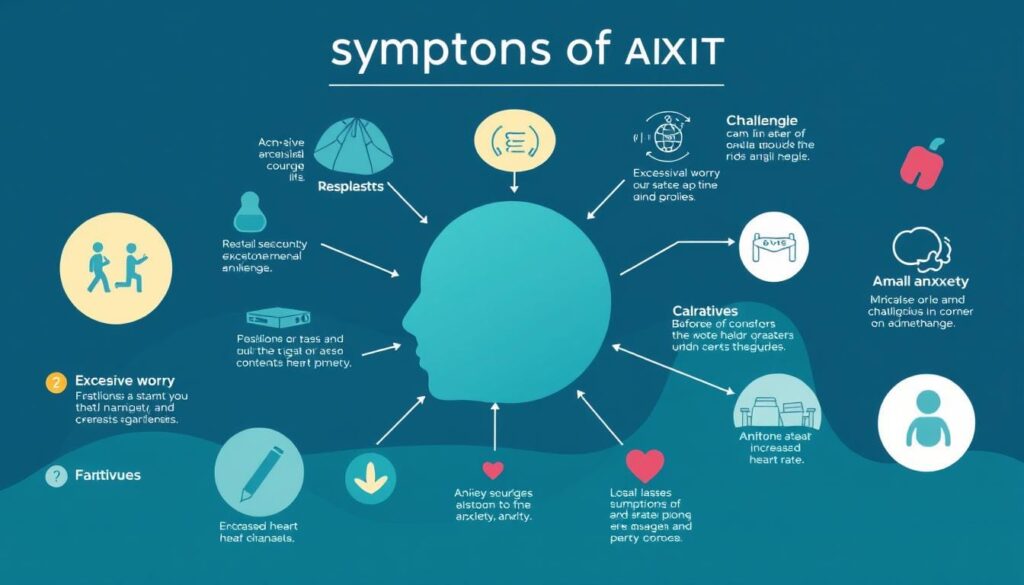
    Recognizing anxiety symptoms is the first step toward seeking help from a Brooklyn mental health clinic. Symptoms can be emotional and physical:

    1. Rapid heartbeat
    2. Excessive sweating
    3. Persistent worried thoughts
    4. Difficulty concentrating
    5. Sleep disruptions

    How Anxiety Affects Daily Life

    “Anxiety does not empty tomorrow of its sorrows, but only empties today of its strength.” – Charles Spurgeon

    Anxiety disorders can deeply disrupt your personal and professional life. They can make you avoid social situations or cause panic attacks at work. These challenges can limit your potential and quality of life.

    Understanding anxiety is a critical first step in developing effective coping strategies and seeking appropriate treatment at a specialized mental health clinic in Brooklyn.

    Benefits of Therapy for Anxiety Management

    Dealing with anxiety can be tough, but therapy in Park Slope offers a way to heal and grow. Therapists for anxiety disorders give you the support you need to change your life.

    Anxiety Therapy Benefits in Park Slope

    Knowing how therapy can help is key to making good choices for your mental health. Anxiety affects over 40 million American adults, making everyday life hard.

    Emotional Support and Understanding

    Working with a skilled therapist for anxiety disorders means you get:

    • A safe, non-judgmental place to talk about your feelings
    • Professional support for your emotional experiences
    • Custom strategies to tackle your specific challenges

    “Therapy isn’t about fixing you, but empowering you to understand and manage your anxiety.” – Mental Health Professional

    Skill Development for Coping Mechanisms

    Anxiety therapy in Park Slope teaches you how to handle anxiety better. You’ll learn:

    1. Cognitive restructuring techniques
    2. Mindful breathing exercises
    3. Stress management strategies

    Improved Quality of Life

    Therapy can greatly improve your life in many ways. You’ll see better:

    • Personal relationships
    • Professional performance
    • Overall emotional well-being

    Most people notice big changes in 5-20 weekly sessions. It depends on your needs and how severe your anxiety is.

    Types of Anxiety Therapy Available in Park Slope

    Dealing with anxiety can be tough, but Park Slope has many therapy options. Knowing about these can help you pick the best one for you.

    Cognitive Behavioral Therapy (CBT)

    Cognitive behavioral therapy is a strong way to fight anxiety. It’s based on changing negative thoughts that cause anxiety. You’ll learn new ways to think and handle stress during CBT.

    • Targets specific anxiety triggers
    • Provides actionable strategies for managing symptoms
    • Helps reshape harmful thought patterns

    Mindfulness and Relaxation Techniques

    Mindfulness meditation is a soft but powerful way to handle anxiety. It teaches you to be in the moment, stopping worries. You learn to watch your thoughts without getting caught up in them.

    “Mindfulness is not about stopping thoughts, but about changing your relationship with them.” – Anxiety Expert

    Psychodynamic Therapy

    Psychodynamic therapy looks at why you feel anxious. It digs into past experiences and unconscious patterns. This helps you understand your feelings better.

    1. Explores childhood experiences
    2. Uncovers unconscious emotional patterns
    3. Promotes long-term emotional healing

    Every therapy has its own benefits. The best one for you depends on your needs and what you like. Talking to a professional can help you find the best way to deal with your anxiety.

    Finding the Right Therapist in Park Slope

    Finding mental health support can be tough, like looking for a therapist for anxiety. Park Slope has many clinics to help you manage your anxiety.

    Anxiety Therapy Consultation in Park Slope

    Choosing the right therapist is key. Your comfort and connection with them can greatly affect your treatment’s success.

    Qualifications and Credentials to Look For

    When looking for a therapist, look for these important qualifications:

    • Licensed mental health professional with specialized training in anxiety disorders
    • Advanced degree (PhD or PsyD in Psychology or LCSW)
    • Proven experience treating anxiety-related conditions
    • Active professional certifications

    Initial Consultation: What to Expect

    Your first meeting with a therapist is a chance to see if you’re a good match. You can expect:

    1. Detailed discussion of your anxiety symptoms
    2. Review of medical and mental health history
    3. Explanation of potential treatment strategies
    4. Assessment of your personal goals

    Building a Therapeutic Relationship

    Trust and communication are foundational to effective therapy. A strong relationship with your therapist is crucial. It lets you feel supported, understood, and empowered in your healing journey.

    “The right therapist doesn’t just treat symptoms, they help you understand and transform your relationship with anxiety.” – Mental Health Professional

    Therapist Attribute Importance Level
    Professional Credentials High
    Personal Connection Very High
    Specialization in Anxiety Critical
    Communication Style High

    Remember, finding the right therapist is a personal journey. Take your time, ask questions, and trust your instincts. Choose a mental health professional who can support your path to wellness.

    The Role of Medication in Anxiety Treatment

    Managing anxiety in Park Slope needs a full plan for mental health. Therapy gives key strategies, but medication is also vital for treating anxiety well.

    Understanding medication’s role in anxiety treatment is key. Almost 20% of American adults face anxiety, with cities like Park Slope seeing more mental health issues.

    Overview of Common Medications

    Anxiety therapy in Park Slope uses various medications based on individual needs:

    • Antidepressants (SSRIs and SNRIs)
    • Benzodiazepines for short-term relief
    • Beta blockers for physical anxiety symptoms

    Pros and Cons of Medication Use

    Medication Type Benefits Potential Drawbacks
    Antidepressants Reduces anxiety, improves mood Potential side effects, adjustment period
    Benzodiazepines Quick anxiety relief Risk of dependency
    Beta Blockers Controls physical anxiety symptoms Limited emotional anxiety management

    When to Consider Medication Alongside Therapy

    Experts suggest medication when:

    1. Anxiety greatly hinders daily life
    2. Therapy alone doesn’t help enough
    3. Physical symptoms are too much

    “Medication can provide the stabilization needed to engage more effectively in therapeutic techniques.” – Mental Health Expert

    Studies show that combining medication with psychotherapy greatly reduces anxiety and boosts life control. Your mental health journey is unique. A tailored approach with expert help can find the best treatment for you.

    Group Therapy as an Option for Anxiety

    Dealing with anxiety can be tough, but you’re not alone. Group therapy is a great way to tackle anxiety. It creates a space where people can support each other and learn together. In Brooklyn, many mental health clinics offer group therapy for anxiety.

    Group therapy has benefits that one-on-one sessions can’t match. It builds a sense of community and understanding. This can be very healing for those with anxiety.

    Advantages of Group Therapy

    • Cost-effective alternative to individual therapy
    • Opportunity to learn from others’ coping strategies
    • Reduces feelings of isolation
    • Provides real-time social support

    What to Learn from Others’ Experiences

    In group therapy, you’ll hear from people who get what you’re going through. Shared experiences can be transformative. They offer new ways to handle anxiety you might not have thought of.

    “Healing happens in community. Group therapy shows you that you’re not alone in your journey.” – Anxiety Support Specialist

    Finding Local Anxiety Support Groups

    Crown Counseling in Brooklyn offers anxiety therapy services. They have group sessions in Park Slope, Williamsburg, and Brooklyn Heights. With experienced therapists and insurance coverage, they make it easy and affordable to get help.

    Group Therapy Details Information
    Average Session Cost $60-$75
    Typical Session Length 45-60 minutes
    Contact Number (718) 208-4780

    Starting to manage your anxiety can seem scary. But group therapy in Brooklyn is a supportive place. Here, you can learn, share, and work towards better mental health.

    Self-Help Strategies for Managing Anxiety

    Managing anxiety needs a whole approach that lets you control your mental health. Getting help from professionals is key, but having your own strategies helps too. These can help you deal with anxious feelings and grow stronger.

    Breathing Exercises and Mindfulness Meditation

    Mindfulness meditation is a strong tool for calming your mind. It uses focused breathing to stop anxiety and give you mental room. Start with simple mindfulness meditation exercises that only take 5-10 minutes a day:

    • Deep diaphragmatic breathing
    • Body scan relaxation method
    • Guided visualization practices

    “Breath is the bridge which connects life to consciousness.” – Thich Nhat Hanh

    Journaling and Reflection Practices

    Writing can change how you deal with anxiety. Your journal is a safe place to look at your feelings, track what makes you anxious, and learn about your mind.

    • Daily emotion tracking
    • Gratitude journaling
    • Cognitive reframing exercises

    Physical Activity and Its Benefits

    Exercise is a natural way to reduce anxiety. Physical activity releases happy chemicals, lowers stress hormones, and boosts your mood. Try adding activities like:

    • Walking or hiking
    • Yoga
    • Swimming
    • Strength training

    Understanding the Costs of Anxiety Therapy

    Dealing with the costs of mental health care can be tough. If you’re looking for anxiety therapy in Park Slope, knowing the costs and what’s available can guide you. This knowledge helps in making smart choices for your mental health.

    Anxiety Therapy Costs in Park Slope

    Breakdown of Typical Therapy Fees

    The price of anxiety therapy changes based on several things. Therapists in Park Slope usually charge between $100-$250 for each session. Here’s a clear look at the costs:

    • Licensed Therapists: $150-$250 per hour
    • Intern Therapists: $50-$100 per hour
    • Group Therapy Sessions: $30-$80 per session

    Options for Insurance Coverage

    More and more, people see mental health care as key. Many insurance plans now cover a lot of anxiety therapy costs:

    Insurance Type Typical Coverage
    Private Insurance 50-80% of session costs
    Medicaid Full or near-full coverage
    Medicare Partial coverage with co-pay

    Community Resources and Financial Aid

    In Park Slope, there are ways to make therapy affordable:

    1. Sliding scale fees based on income
    2. Community mental health clinics
    3. Training centers with reduced-cost therapy
    4. Online counseling platforms

    “Your mental health is an investment, not an expense.”

    When looking into anxiety therapy in Park Slope, don’t let money worries stop you. Many therapists offer flexible payment plans. They want to make sure you get the care you need.

    The Importance of Self-Care in Anxiety Management

    Managing anxiety is more than just therapy. It’s about creating a self-care plan that helps your mind and body. In Park Slope, therapy focuses on how personal care keeps your mental health strong.

    Developing a Healthy Routine

    Having a daily routine is key to handling anxiety. Try these tips to feel more stable and less stressed:

    • Maintain a regular sleep schedule
    • Practice mindfulness meditation for 10-15 minutes daily
    • Eat nutritious, balanced meals
    • Engage in regular physical exercise

    Creating a Supportive Environment

    Your environment affects your anxiety. Make a space that’s calm and peaceful. This might mean cleaning up, adding plants or soft lights, and setting clear boundaries.

    “Self-care is not selfish. You cannot serve from an empty vessel.” – Eleanor Brown

    Engaging in Relaxation Activities

    Relaxation techniques can lower anxiety. Professional therapy suggests deep breathing, yoga, journaling, and meditation. These help manage stress and boost mental strength.

    Self-care is ongoing. By focusing on your mental health, you build better coping skills. This leads to a more balanced and fulfilling life.

    Overcoming Stigma Around Seeking Help

    Mental Health Care Support

    Mental health care has changed a lot in recent years, thanks to places like anxiety counseling NYC. It’s important to break down barriers and challenge old ideas about therapy. This helps us grow and feel better emotionally.

    Addressing Misconceptions about Therapy

    Many people still believe old myths about mental health treatment. These beliefs can stop people from getting the help they need. Let’s clear up some common myths:

    • Therapy is not a sign of weakness, but a brave step toward self-improvement
    • Looking for help shows you’re emotionally smart and aware
    • Professional help can teach you important ways to cope

    Encouraging Open Conversations

    Starting open talks is key to creating a supportive space. Today’s generation sees talking about mental health as important and empowering. Sharing stories helps us feel less alone and makes seeking help seem normal.

    “Vulnerability is not winning or losing; it’s having the courage to show up and be seen when we have no control over the outcome.” – Brené Brown

    Your Journey toward Mental Wellness

    Your journey to better mental health is unique and personal. In anxiety counseling NYC, therapists know everyone’s story is different. Embracing this journey means:

    1. Seeing your strengths
    2. Creating coping strategies that work for you
    3. Building up your emotional strength

    Remember, asking for help is a sign of strength, not weakness. Your mental health is important.

    Resources for Further Support in Park Slope

    Dealing with anxiety can be tough, but Park Slope has lots of help. You can find anxiety therapy or get help with your mental health. There are many ways to support your well-being.

    Finding the right help is key to managing anxiety. The mental health clinic Brooklyn network has many resources for different needs.

    Local Mental Health Organizations

    Park Slope has many mental health groups that offer important support:

    • Brooklyn Psychological Services
    • Park Slope Counseling Center
    • Community Mental Wellness Network

    Online Counseling Options

    Online platforms have changed mental health support. They offer flexible and easy-to-access therapy:

    1. Telehealth counseling sessions
    2. Virtual support groups
    3. Mobile mental health applications

    Educational Workshops and Seminars

    “Knowledge is the first step toward healing” – Mental Health Professional

    Local groups often hold events to teach about anxiety:

    • Anxiety management workshops
    • Stress reduction seminars
    • Mindfulness training programs

    Remember, asking for help is brave. Park Slope’s strong mental health resources are here to help you.

    Measuring Progress in Anxiety Therapy

    Tracking your journey through anxiety therapy is key to your mental health recovery. Effective therapy in Park Slope helps you see your progress. It lets you celebrate the steps towards better mental wellness.

    Anxiety Therapy Progress Tracking

    Progress in cognitive behavioral therapy isn’t about quick changes. It’s a slow process of learning to manage your anxiety.

    Setting Realistic Goals

    When you start therapy in Park Slope, setting realistic goals is vital. Your goals should be:

    • Specific and measurable
    • Tailored to your individual needs
    • Flexible and adaptable
    • Aligned with your personal growth

    Tracking Improvement Over Time

    Keeping track of your progress is important. It helps you and your therapist see how well therapy is working. Here are some ways to track:

    Tracking Method Purpose
    Anxiety Journals Document triggers, symptoms, and emotional responses
    Standardized Assessments Quantify anxiety levels and improvements
    Regular Therapy Check-ins Discuss progress and adjust treatment strategies

    Celebrating Small Wins

    In your therapy journey, it’s important to celebrate small victories. Every step forward, no matter how small, is progress. Whether it’s handling a social situation or reducing panic attacks, these moments are important.

    “Progress is not linear, but every step counts in healing.” – Mental Health Professional

    Next Steps: Starting Your Therapy Journey

    Starting anxiety therapy in Park Slope is a big step towards better mental health. With over 50,000 therapists helping families across the country, you have many choices. Your first step is to find a therapist who gets your unique struggles.

    Look for local mental health experts in Park Slope who focus on anxiety. Many offer first meetings to see if you’re a good fit. Bring a list of your anxiety concerns and questions to these meetings. This way, you’ll find a therapist who can really help you.

    Online and local clinics make it easy to find anxiety specialists. Try both virtual and in-person meetings to see what works best for you. Finding the right therapist might take some time, but your effort to improve your mental health is key.

    Be patient and open as you start your therapy journey. Every step you take helps you understand and manage your anxiety better. Showing up for your mental health shows strength and a deep commitment to growing and feeling better.

    FAQ

    What is an anxiety disorder?

    An anxiety disorder is a mental health issue. It makes you worry too much, which gets in the way of daily life. You might feel scared all the time, avoid certain situations, or have physical symptoms like breathing problems.

    How effective is therapy for anxiety?

    Therapy for anxiety works well. Cognitive Behavioral Therapy (CBT) is the best choice. It helps you manage your feelings and live better. You’ll need 5-20 sessions, depending on how bad your anxiety is.

    What types of therapy are available in Park Slope for anxiety?

    In Park Slope, you can find many therapies. These include Cognitive Behavioral Therapy (CBT), mindfulness, meditation, and psychodynamic therapy. These are given by experts who know a lot about anxiety.

    Can medication help with anxiety?

    Yes, medication can help. Anxiolytic drugs can calm you down so you can focus on therapy. They start working in 20-30 minutes. But, antidepressants might take longer, up to four weeks.

    How do I know if I need professional help for anxiety?

    You should get help if anxiety stops you from living your life. Look for signs like constant worry, physical symptoms, avoiding things, and trouble with daily tasks.

    What are some self-help strategies for managing anxiety?

    Good self-help includes breathing exercises, meditation, journaling, and exercise. Keeping a routine and having a supportive space also helps. These can work alongside therapy.

    How much does anxiety therapy cost in Park Slope?

    Therapy costs vary. Many places give you an idea of what to expect and might accept your insurance. Some offer help based on your income. Talk about money during your first visit.

    Is group therapy a good option for anxiety?

    Group therapy is very helpful. It’s a place where you can learn from others and share your own strategies. Many places in Brooklyn and NYC offer group sessions for different types of anxiety.

    How long does anxiety treatment typically take?

    Treatment time varies. It can be 5-20 sessions, depending on your needs. Remember, it’s a slow process, so be patient and stick with it.

    How do I find the right therapist for my anxiety?

    Look for therapists who specialize in anxiety. Many places offer free first meetings. Use this chance to talk about your worries and see if you feel comfortable with them.


  • Find Local Teen Therapy Near Me | Expert Support

    Find Local Teen Therapy Near Me | Expert Support

    Adolescence is a complex time, filled with emotional ups and downs. As a parent or teen, you might be looking for teen therapy near you. This search is for professional help to tackle the pressures of today’s world.

    Adolescent counseling services are a vital lifeline for teens facing mental health issues. The teenage years are full of big emotional and psychological changes. Youth mental health support is key in helping young people grow strong and learn to cope.

    In Los Angeles, areas like Silverlake and Los Feliz have teen therapy centers. These centers offer caring, customized help for adolescents. They provide safe places for teens to understand their feelings, boost their self-esteem, and learn to handle stress and relationships.

    Key Takeaways

    • Teen therapy offers professional support for emotional challenges
    • Counseling helps address issues like isolation and academic stress
    • Local therapy services provide personalized, age-appropriate interventions
    • Therapy can improve communication and emotional regulation skills
    • Professional support helps teens develop long-term mental wellness strategies

    Understanding the Importance of Teen Therapy

    Adolescence can be tough. Youth mental health support is a vital help for teens facing emotional and psychological issues. Therapy gives them a safe, private place to talk about their feelings and learn to cope.

    Teenage anxiety help is more than just talking. Skilled therapists use proven methods to tackle mental health problems that can greatly affect a young person’s life.

    How Therapy Benefits Adolescents

    Therapy gives teens important tools for their mental health:

    • Developing emotional intelligence and self-awareness
    • Learning effective communication skills
    • Building resilience and self-confidence
    • Creating healthy coping mechanisms

    “Early intervention is key in adolescent mental health,” says Dr. Sarah Martinez, child psychology expert.

    Common Issues Addressed in Teen Depression Treatment

    Teen depression treatment focuses on several key areas:

    1. Persistent feelings of sadness or hopelessness
    2. Social anxiety and isolation
    3. Academic performance challenges
    4. Family relationship difficulties

    Studies show therapy can change lives. Held once a week, these sessions teach teens mindfulness, positive self-talk, and calm breathing. These skills boost their mental health.

    The bond between the therapist and teen is key. Empowering teens to take part in their treatment leads to better results.

    Types of Teen Therapy Options Available

    Understanding mental health support for teens means knowing the different therapy types. Each one has its own benefits, fitting various needs and challenges of adolescents.

    Teen Therapy Options

    Individual Teen Therapy: Personalized Support

    Individual teen therapy gives teens a special space to face their personal issues. It’s a one-on-one setting where teens can learn to cope, tackle emotional problems, and boost their self-confidence with expert help.

    • Focused attention on personal mental health needs
    • Confidential environment for open communication
    • Customized treatment plans

    Group Therapy Dynamics for Teens

    Teen group counseling creates a supportive community. Here, teens can connect with others facing similar issues. It helps reduce feelings of loneliness and offers a chance for healing together.

    “Shared experiences can be powerful catalysts for healing and growth.” – Mental Health Professional

    Family Therapy for Adolescents

    Family therapy aims to improve communication and solve family issues. It involves parents and siblings, tackling problems that affect a teen’s mental health.

    Therapy Type Primary Focus Key Benefits
    Cognitive Behavioral Therapy (CBT) Thought pattern modification Anxiety and depression management
    Dialectical Behavior Therapy (DBT) Emotional regulation Stress management and interpersonal skills

    Remember, finding the right therapy approach is a collaborative journey between the teen, therapist, and family.

    Signs Your Teen May Need Therapy

    It can be tough for parents and guardians to spot mental health issues in teens. The adolescent mental health signs are often small but very important. They show when a teen might need help from a professional.

    Behavioral Changes to Watch For

    Teen depression can show up in different ways. Some key signs include:

    • Dramatic changes in sleep patterns
    • Significant withdrawal from social activities
    • Sudden drop in academic performance
    • Increased irritability or unexpected anger outbursts

    Emotional Indicators of Distress

    Emotions can also show if a teen is struggling. Persistent feelings of sadness, hopelessness, or unexplained emotional numbness might mean they need counseling.

    “Early intervention can transform a teenager’s mental health trajectory.” – Mental Health Professionals Association

    Academic Struggles and Therapy

    How well a teen does in school can tell a lot about their mental health. The CDC says more high school students feel hopeless. This shows they really need help.

    Academic Warning Signs Potential Mental Health Implications
    Declining grades Possible depression or anxiety
    Skipping classes Potential social anxiety or emotional distress
    Loss of motivation Signs of burnout or depression

    Knowing these signs can help parents support their teen’s mental health.

    How to Find Reputable Teen Therapists Near You

    Finding teen counseling services can be tough for parents and teens. It’s important to look for local therapists with the right credentials.

    Finding Teen Therapists

    • Use online directories
    • Ask for recommendations
    • Check therapist credentials
    • Look at insurance coverage

    Online Resources for Locating Therapists

    Online platforms have changed how we find teen therapists. Sites like Psychology Today and Professional Counselor Directories list mental health experts for teens.

    “The right therapist can make a transformative difference in a teenager’s mental health journey.”

    Importance of Therapist Credentials

    When looking for teen counseling, focus on therapists with training in teen mental health. Look for:

    1. Clinical psychologists with teen expertise
    2. Licensed professional counselors
    3. Child and adolescent psychiatrists
    4. Mental health nurse practitioners

    Make sure to check for state licenses, special certifications, and experience with teens.

    Your research will help you find a therapist who can support your teen’s mental health needs.

    What to Expect During a Teen Therapy Session

    Starting a teen therapy session can seem scary, but knowing what to expect can make you feel better. It’s a place where teens can talk about their feelings and grow. It’s a safe space for them to explore their emotions and challenges.

    A typical teen therapy session aims to make you feel at ease. Teens can share their stories openly. The goal is to build trust and create a judgment-free zone.

    Setting Realistic Expectations

    Before your first session, remember that change takes time. It’s important to have realistic hopes for therapy. Here are some things to keep in mind:

    • Sessions usually last 50-60 minutes
    • The first few meetings are about getting to know the therapist
    • Feeling comfortable will grow with each session

    Common Therapeutic Techniques

    Therapists use different methods based on what each teen needs. Some of the most helpful techniques include:

    1. Cognitive Behavioral Therapy (CBT)
    2. Dialectical Behavior Therapy (DBT)
    3. Interpersonal Therapy (IPT)

    “Therapy is a journey of self-discovery and healing, not a quick fix.” – Mental Health Professional

    To better understand therapy, here’s a look at what a session might be like:

    Session Component Duration Focus
    Initial Assessment 15-20 minutes Understanding background and concerns
    Discussion 25-30 minutes Exploring emotions and developing coping strategies
    Reflection 5-10 minutes Summarizing insights and setting future goals

    Remember, every teen therapy session is unique, and the approach will be personalized to your specific needs and comfort level.

    Benefits of Local Therapy Services for Teens

    Adolescent mental health is complex and needs strong community support. Local teen therapy services are a vital lifeline for teens facing emotional challenges. With nearly 14 percent of teens experiencing major depressive episodes, getting counseling is key for their mental health.

    Building a Strong Community Support Network

    Your local community is crucial for teen mental health support. Accessible teen counseling offers immediate benefits. It creates a supportive space where teens can:

    • Connect with trained local professionals
    • Develop coping strategies tailored to community context
    • Reduce feelings of isolation
    • Receive personalized mental health guidance

    Enhancing Mental Health Resource Accessibility

    Community mental health support makes treatment easier to get. Only about 60 percent of teens with depression get professional help. Local therapy services can help by:

    1. Offering affordable counseling options
    2. Reducing transportation challenges
    3. Providing familiar, comfortable treatment environments
    4. Facilitating faster intervention

    “Early intervention significantly improves long-term mental health outcomes for teens.” – Mental Health Experts

    Investing in local teen therapy benefits can change how communities support adolescent mental health. It ensures young people get the care they need when they need it most.

    The Role of Parents in Teen Therapy

    Parental involvement in teen therapy is key for a teen’s mental health. Being a supportive parent can greatly help your teenager in counseling.

    Supporting teens in counseling needs empathy, patience, and understanding. The American Academy of Pediatrics calls children’s mental health a national emergency. This shows how important it is for parents to support their teens.

    Creating a Supportive Environment

    Start by making a space where your teen feels safe and not judged. Here are some strategies:

    • Avoid stigmatizing mental health challenges
    • Validate your teen’s feelings and experiences
    • Show genuine interest in their therapeutic process
    • Respect their privacy while remaining engaged

    “Therapy is not about fixing your child, but supporting their growth and understanding.” – Mental Health Professional

    Effective Communication Strategies

    How you talk about therapy matters a lot. Open, honest conversations build trust. Here are some tips:

    1. Ask open-ended questions about their feelings
    2. Listen without immediate judgment
    3. Acknowledge their courage in seeking help
    4. Offer support without overwhelming them

    With over 25% of teenagers facing anxiety, your support can change their life. It helps them learn to cope and grow emotionally.

    Navigating the Costs of Teen Therapy

    Understanding the costs of teen therapy can be tough for many families. Mental health support is key, but it can be pricey. Luckily, there are ways to make affordable teen mental health services available for families.

    Teen Therapy Cost Breakdown

    Insurance Coverage for Adolescent Counseling

    Figuring out insurance for teen counseling can be a challenge. Many health insurance plans cover mental health services. Here’s how to get the most from your benefits:

    • Contact your insurance provider directly
    • Verify specific mental health coverage details
    • Request a list of in-network therapists
    • Understand potential co-pay requirements

    Alternative Payment Options

    If insurance doesn’t cover all therapy costs, don’t worry. There are other ways to get teen mental health services:

    Payment Option Average Cost Benefits
    Sliding Scale Fees $40-$80 per session Income-based pricing
    Online Therapy Platforms $65-$100 weekly Flexible scheduling
    Community Health Centers $20-$50 per session Low-cost mental health support

    “Investing in your teen’s mental health is invaluable, regardless of financial constraints.”

    Looking into different options can help you find the best and most affordable teen therapy for your family.

    Culturally Sensitive Approaches in Teen Therapy

    Understanding each person’s background is key in mental health support. Culturally sensitive teen therapy looks at how culture affects mental health. It goes beyond just talking about feelings.

    Research shows a big gap in mental health care. By 2021, some important facts were clear:

    • 80% of therapists in the United States were white
    • Only 5% of the psychology workforce identified as Black
    • 94% of therapists were able-bodied

    Importance of Diversity in Therapy

    Multicultural counseling for teens creates a safe space. It lets young people feel truly understood. Therapists with cultural competence can:

    1. Validate individual experiences
    2. Address unique cultural challenges
    3. Provide personalized mental health support

    Finding Therapists Who Understand Your Background

    When looking for culturally sensitive teen therapy, here are some tips:

    Approach Key Considerations
    Language Preferences Seek therapists offering multilingual services
    Cultural Matching Look for providers with similar cultural backgrounds
    Specialized Directories Use resources like Therapy for Black Girls or Octave

    “True healing happens when we feel seen, heard, and respected in our entire identity.”

    Your teen deserves compassionate, culturally informed mental health support. This support should recognize their unique journey and perspective.

    Signs of Progress in Teen Therapy

    Watching teen therapy progress can be uplifting for both teens and their families. It takes patience and careful watching for small but important changes.

    Teen Therapy Progress Indicators

    Teen therapy shows many positive changes. Teens start to feel better emotionally and get better at working with others.

    Positive Changes in Behavior

    Signs of teen therapy success include:

    • Getting better at handling emotions
    • Feeling less anxious and stressed
    • Starting to enjoy personal activities
    • Doing better in school

    Improved Communication Skills

    Getting better at talking is a big sign of success in teen therapy. Teens learn to:

    1. Share their feelings better
    2. Know when to say no
    3. Speak clearly and confidently
    4. Really listen to others

    “Therapy isn’t about changing who you are, but discovering your strongest self.” – Mental Health Professional

    Seeing teen therapy progress means noticing small but important steps. Each step is a big win for their mental health.

    Progress Indicator Early Signs Advanced Signs
    Emotional Regulation Recognizing triggers Implementing coping strategies
    Communication Expressing basic feelings Articulating complex emotions
    Social Interaction Increased comfort in groups Building meaningful relationships

    Remember, every teen’s therapy journey is unique. Celebrate individual progress and maintain open communication with their therapist.

    Online vs. In-Person Teen Therapy

    Support for teens’ mental health has grown, with online and in-person therapy options. Teens now have many ways to get help, each with its own benefits.

    Pros and Cons of Teletherapy for Adolescents

    Teletherapy for teens has many good points:

    • It’s easy to access from home
    • It cuts down on travel issues
    • It’s done in a place teens feel comfortable
    • It offers more flexible times

    But, online therapy also has some downsides:

    • It can make it harder to read non-verbal cues
    • It might face tech problems
    • It can feel less personal

    When to Choose In-Person Sessions

    In-person therapy is key for some teens. Those with big emotional issues or who need hands-on help do better face-to-face.

    Online Therapy In-Person Therapy
    Good for mild to moderate problems Best for serious mental health issues
    Great for teens who are shy Best for deep emotional work
    More affordable Offers more detailed therapy

    “The right therapy approach depends on individual needs and comfort levels.” – Mental Health Professional

    When choosing between online and in-person therapy, think about what your teen needs. Talk to a professional to find the best fit for your teen’s mental health journey.

    Overcoming Stigma Surrounding Teen Therapy

    Teen Mental Health Awareness

    Mental health issues are big for teens. The National Institute of Mental Health says 4.1 million teens had major depression in 2020. This is 17% of all youth. Yet, many teens don’t get help because of stigma.

    It’s important to understand and make teen therapy normal. Many teens are too ashamed or scared to talk about their feelings. This makes them feel alone.

    Addressing Common Misconceptions

    • Therapy is not a sign of weakness
    • Mental health support is a proactive step toward wellness
    • Professional counseling helps develop critical emotional skills

    “Seeking help is an act of courage, not vulnerability”

    Promoting Open Conversations

    We need everyone to work together to help teens. Schools, parents, and communities should make safe places for teens to talk about their feelings. This way, they can get help without fear of being judged.

    Here are ways to make teen therapy more normal:

    1. Educate students about mental health
    2. Share positive therapy stories
    3. Make counseling easy to find

    Remember, therapy is a powerful tool for personal growth and emotional resilience.

    Resources for Parents Seeking Teen Therapy

    Dealing with teen mental health can be tough for parents. Finding good teen therapy resources and learning about teen counseling is key. It helps a lot in supporting your teen’s mental health.

    Getting help from trusted resources for teen mental health can really help. The right info and support groups can change how you help your child with their mental health.

    Recommended Books and Educational Materials

    • *The Teen’s Guide to Social Media and Mental Health* by Dr. Lisa Damour
    • *Untangled: Guiding Teenage Girls Through the Seven Transitions into Adulthood* by Dr. Judith Steinberg
    • *Cognitive Behavioral Therapy: Techniques for Retraining Your Brain* by Jason M. Satterfield

    Online and Local Support Resources

    Resource Type Description Contact Information
    Open Path Collective Directory of sliding-scale therapists www.openpathcollective.org
    National Suicide Prevention Lifeline 24/7 Crisis Support 1-800-273-TALK (8255)
    TeenCounseling.com Online therapy platform $65-$100 per week

    “The most important thing is to keep the lines of communication open with your teen.” – Dr. Angela Karr, Child Psychologist

    Remember, asking for help is a sign of strength. With the right resources and support, you can help your teen through tough times.

    Emergency Resources for Teens in Crisis

    Knowing the right teen crisis hotlines can be a lifeline in a mental health emergency. Youth suicide prevention resources are key for immediate support. The Suicide & Crisis Lifeline (988) offers 24/7 help for teens, connecting them with trained counselors.

    The NAMI HelpLine provides free support nationwide for teens and families. The Trevor Project offers crisis help for LGBTQ young people. The National Sexual Assault Hotline (800-656-HOPE) provides free chat services for sexual assault support.

    Local resources are also vital. Resolve Crisis Services (1-888-796-8226) offers immediate help in Allegheny County. Mobile crisis teams provide face-to-face support. If in danger, call 911 or text 988 for help.

    National Hotlines and Text Lines

    Emergency mental health services for teens are just a call or text away. The Suicide & Crisis Lifeline (988), The Trevor Project, and the National Sexual Assault Hotline offer confidential support. These hotlines provide immediate help for young people facing mental health challenges.

    Local Emergency Services and Supports

    Local crisis centers and mobile teams offer personalized support. Check your local county health services for teen mental health resources. Remember, seeking help is a sign of strength, and many support options are available to help you through tough times.

    FAQ

    How do I know if my teen needs therapy?

    Watch for signs like sadness, irritability, and sleep changes. Also, look for lack of motivation, trouble focusing, and feeling tired all the time. Family fights, destructive actions, and thoughts of harming oneself are red flags too.

    Low self-esteem and school problems are also signs. If your teen’s behavior or mood keeps changing, it’s time to think about therapy.

    What types of therapy are available for teenagers?

    Teens can get individual, group, or family therapy. There’s Cognitive Behavioral Therapy (CBT), Dialectical Behavior Therapy (DBT), and more. Each type helps with different issues, like depression or family problems.

    How much does teen therapy cost?

    Therapy prices vary. In-person sessions cost 0 to 0 for 45-60 minutes. Family therapy can be 0 to 0 for 75-90 minutes.

    Online options like TeenCounseling.com start at -100 a week. Many insurances help pay, and some places offer lower fees.

    How can I help my teen feel comfortable with therapy?

    Don’t make mental health seem bad. Tell your teen therapy is good for growing and feeling better. Let them pick a therapist.

    Explain what therapy is like. Say it’s a safe, private place. Be patient and keep talking openly, but respect their privacy.

    Are online therapy options effective for teenagers?

    Online therapy works well for teens who are shy or have trouble getting around. Sites like TeenCounseling.com offer live sessions and messages. But, some teens do better with face-to-face therapy, depending on their needs.

    What emergency resources are available for teens in crisis?

    For emergencies, call the National Suicide Prevention Lifeline at 1-800-273-8255. They’re available 24/7. The Crisis Text Line is another option (text HOME to 741741).

    Local emergency services, hospitals, and crisis teams offer help in person. It’s important for teens and parents to know these resources and how to use them.

    How long does teen therapy typically last?

    Therapy time varies. Some teens get better in a few months, while others need more time. Therapy can last from 3-6 months to a year or more.

    Improvement is slow. Keep talking with the therapist to adjust the plan as needed.

  • Relationship Counseling in Brooklyn: Get the Support You Need

    Relationship Counseling in Brooklyn: Get the Support You Need

    Feeling stuck in your relationship can be really tough. You might struggle with talking to each other, trust issues, or deeper emotional problems. Relationship counseling in Brooklyn can help you find your way back to healing and connection.

    At Resilient Mind Psychotherapy, we know every relationship is different. Relationship counseling in Brooklyn offers a safe place to talk about your biggest concerns. Our skilled therapists are experts in couples therapy Brooklyn, helping you through the ups and downs of love.

    Marriage counseling Brooklyn is for everyone, no matter your situation or background. We’re here for you and your partner, offering a welcoming space for growth, understanding, and healing.

    Key Takeaways

    • Professional counseling supports relationship growth and healing
    • Services available for all relationship types and stages
    • Personalized approach to addressing unique relationship challenges
    • Both in-person and online counseling options
    • Experienced therapists specializing in relationship dynamics

    Understanding Relationship Counseling

    Relationships can be tough to navigate. Counseling offers a supportive way for couples to strengthen their bond and solve problems. Marriage counseling in Brooklyn provides personalized help for your relationship needs.

    What Is Relationship Counseling?

    Relationship counseling is a team effort to improve emotional connections. In Brooklyn, experts help couples by:

    • Identifying communication patterns
    • Resolving conflicts in a healthy way
    • Building trust and closeness
    • Creating stronger emotional ties

    Why Seek Counseling?

    Good relationships are key to mental health. Research shows they can:

    1. Lessen anxiety and depression
    2. Make you feel part of a community
    3. Reduce stress
    4. Boost your self-worth

    “Relationship counseling isn’t about fixing blame, but about understanding and growing together.”

    Common Issues Addressed

    Brooklyn’s relationship counseling deals with many issues, such as:

    • Communication problems
    • Trust issues
    • Concerns about intimacy
    • Stress from life changes
    • How to solve conflicts

    By getting counseling, you’re working towards a stronger, more connected relationship.

    Benefits of Relationship Counseling

    Relationship counseling in Brooklyn can change your life. It helps couples grow closer and talk better. By getting help, you can understand each other more deeply.

    Relationship Counseling Benefits in Brooklyn

    Therapy can make a big difference in your relationship. Studies show it can:

    • Reduce fights by up to 70%
    • Improve how well you understand each other by 85%
    • Make you happier in your relationship by 60%
    • Bring you closer emotionally and physically by 50%

    Improved Communication Skills

    Dr. Hoffman teaches couples how to talk better. You’ll learn to share your feelings, listen well, and handle tough talks with kindness.

    Strengthened Emotional Bonds

    Therapy is a safe place to rebuild trust. It helps you face problems and find new ways to connect. This way, you can feel closer to each other.

    Counseling Focus Potential Improvement
    Communication 85% Better Understanding
    Conflict Resolution 70% Fewer Arguments
    Emotional Intimacy 50% Deeper Connection

    Conflict Resolution Techniques

    Counseling teaches you how to solve problems together. Learn to turn fights into chances to grow and understand each other better.

    “Therapy isn’t about finding fault, but about building bridges between partners.” – Dr. Hoffman

    Choosing to go to counseling can make your relationship 80% stronger. It’s a big step towards a happier, lasting partnership.

    Types of Relationship Counseling Available

    Relationship challenges need special help. In Brooklyn, couples find many counseling options. These are tailored to different relationship needs and personal situations.

    Relationship counseling offers many ways to strengthen bonds and solve problems. Whether you face communication issues or want to prevent them, Brooklyn has the help you need.

    Couples Therapy Brooklyn

    Couples therapy in Brooklyn aims to improve communication and solve relationship problems. It uses various methods, including:

    • Emotionally Focused Therapy (EFT)
    • Gottman Method
    • Cognitive Behavioral Therapy (CBT)
    • Solution-Focused Brief Therapy

    Family Therapy Brooklyn

    Family therapy in Brooklyn tackles issues that involve many family members. Therapists work to:

    1. Enhance communication
    2. Fix conflicts
    3. Strengthen emotional bonds
    4. Deal with complex family dynamics

    Premarital Counseling Brooklyn

    Premarital counseling in Brooklyn helps couples prepare for marriage. It covers potential problems and builds essential skills.

    Counseling Type Focus Areas
    Couples Therapy Communication, intimacy, conflict resolution
    Family Therapy Generational patterns, systemic interactions
    Premarital Counseling Future planning, expectations, financial management

    “Every relationship is unique, and counseling should reflect that individuality.” – Professional Relationship Therapist

    These services are open to all kinds of relationships. This includes LGBTQ+ couples, interracial pairs, and others. Start your journey to a better relationship today.

    How to Choose a Relationship Counselor

    Finding the right relationship counselor in Brooklyn is important. Your journey to healing and connection begins with the right counselor. They should understand your unique relationship.

    Choosing a couples therapist in Brooklyn involves several steps. Not all therapists are the same. Finding the right one can greatly change your relationship.

    Credentials and Qualifications

    When looking for relationship counseling in Brooklyn, focus on these key qualifications:

    • Licensed mental health professional
    • Advanced training in couples therapy
    • Certification in evidence-based approaches
    • Minimum of 8-10 years professional experience

    Specializations to Consider

    Therapists have different areas of expertise for relationship challenges:

    Specialization Focus Area
    Emotionally Focused Therapy Rebuilding emotional connections
    Gottman Method Communication and conflict resolution
    Neurodiverse Couples Therapy Supporting unique relationship dynamics

    Personal Compatibility

    Your comfort with the therapist is crucial. Recommendation: Meet 2-3 potential counselors before making a final decision. Most practices offer initial consultations to help you find the right fit.

    “The right therapist creates a safe space for growth and understanding.” – Relationship Counseling Expert

    Session costs in Brooklyn range from $125 to $250 per hour. Many therapists offer sliding scale fees for different budgets. Check if your insurance covers part of couples therapy costs.

    What to Expect in Your First Session

    Starting relationship counseling in Brooklyn might seem scary, but knowing what to expect can make you feel more ready. Your first session is a key step in changing how you relate to each.

    Initial Assessment Process

    In your first session, you’ll dive deep into your relationship. The therapist will help you understand your unique situation. This usually includes:

    • Talking about your relationship’s history
    • Pointing out the current problems
    • Looking at both your views and what you share
    • Getting some background info

    Confidentiality and Comfort

    Creating a safe, judgment-free space is key in counseling. Your therapist will talk about how they keep everything confidential. About 40-50% of the change comes from the bond between you and the therapist.

    “The goal is to create a space where both partners feel heard and respected.”

    Setting Goals for Counseling

    Working together to set goals is important in counseling. You’ll aim to make clear, reachable goals for your therapy. These might be:

    1. Getting better at talking to each other
    2. Fixing specific relationship issues
    3. Building emotional closeness again
    4. Learning how to solve conflicts better

    Your first session is a chance to start making real changes. It sets the stage for a closer and more understanding relationship.

    Techniques Used in Relationship Counseling

    Relationship counseling in Brooklyn uses many ways to help couples deal with tough emotions. Therapists pick the right methods for each couple. This helps them build stronger bonds.

    Couples Therapy Brooklyn Techniques

    Couples in Brooklyn can find many helpful methods for better communication and understanding each other’s feelings.

    Cognitive Behavioral Therapy (CBT)

    Cognitive Behavioral Therapy helps change negative thoughts that hurt relationships. It teaches couples:

    • How to spot and stop bad communication patterns
    • How to question beliefs that don’t help relationships
    • How to respond to emotions in a better way
    • How to solve problems together

    Emotionally Focused Therapy (EFT)

    Emotionally Focused Therapy works to strengthen emotional ties between partners. EFT helps couples understand their deep emotional needs and build a safer relationship.

    “Emotions are the music of attachment. They guide our emotional connection.” – Dr. Sue Johnson

    Art and Play Therapies

    Creative therapies offer special ways for couples to talk and explore their relationship. These methods help partners:

    1. Show feelings without words
    2. Break down barriers in talking
    3. Feel more open emotionally
    4. Find new ways to interact

    Looking for couples therapy in Brooklyn? You’ll find experts who use different techniques to tackle your relationship’s unique challenges.

    The Role of Communication in Counseling

    Communication is key to healthy relationships, which is why it’s so important in relationship counseling in Brooklyn. Learning to communicate well can change how you connect with your partner. It helps build stronger emotional bonds.

    Good communication is more than just talking. It’s about understanding, listening, and sharing in ways that bring people closer. In Brooklyn, therapists teach couples how to improve their communication skills. This makes their relationship stronger.

    Active Listening Skills

    Active listening is not just about hearing words. It means:

    • Giving your full attention to your partner
    • Reflecting on what they say
    • Asking questions to clarify
    • Not judging

    “Listening is a form of acceptance.” – Mihaly Csikszentmihalyi

    Non-Verbal Communication

    Relationship counseling in Brooklyn also focuses on body language. It’s often more telling than words. Therapists teach couples to:

    • Spot emotional cues
    • Understand body postures
    • Read facial expressions
    • Interpret tone and gestures

    Expressing Emotions Effectively

    It’s important to express feelings honestly. Couples learn how to:

    • Use “I” statements
    • Share feelings without blaming
    • Create a safe space for emotions
    • Be open and vulnerable

    By improving these communication skills, you can make your relationship stronger. This leads to deeper understanding and connection.

    How to Prepare for Counseling Sessions

    Relationship Counseling Preparation in Brooklyn

    Getting ready for relationship counseling in Brooklyn might seem scary. But, with the right mindset, you can get a lot out of couples therapy in Brooklyn. Being open to change is key for real growth and healing.

    Open Yourself Up to Change

    Starting to change is the first step in successful counseling. Be ready to:

    • Challenge your current ways of talking
    • Spot your personal triggers
    • Think of yourself as someone who can grow
    • See being vulnerable as a strength

    Discussing Expectations with Your Partner

    Talking things over before therapy is important. It helps you both be on the same page. Think about discussing:

    1. Your personal goals for therapy
    2. How comfortable you are sharing personal stuff
    3. What you both expect from the therapy

    Journaling Your Thoughts and Feelings

    Writing down your thoughts and feelings can help a lot in couples therapy in Brooklyn. Writing about your emotions, struggles, and thoughts helps you see how far you’ve come. It also makes talking to your therapist easier.

    “Self-reflection is the first step towards meaningful relationship growth.”

    Preparation Strategy Benefits
    Open Communication Builds trust and alignment
    Personal Journaling Increases self-awareness
    Willingness to Change Promotes relationship healing

    Remember, counseling is a journey you take together. Go into each session with patience, understanding, and a real desire to learn about yourself and your partner.

    Navigating Difficult Conversations

    Communication is key in any relationship. When things get tough, knowing how to talk it out is vital. Communication counseling in Brooklyn teaches couples how to turn tough talks into chances for deeper connection.

    Strategies for Effective Discussions

    Good communication takes skill and purpose. In Brooklyn, experts focus on a few main strategies:

    • Practice active listening without interrupting
    • Stay focused on the current issue
    • Avoid defensive or accusatory language
    • Validate your partner’s feelings

    Timing and Setting Matters

    The setting of your conversation can greatly affect its success. Pick times when:

    1. Both partners are calm and not stressed
    2. You have enough time without interruptions
    3. The setting feels safe and neutral

    “The most important thing in communication is hearing what isn’t said.” – Peter Drucker

    Utilizing “I” Statements

    I” statements are great for Brooklyn communication counseling. They let you share feelings without blaming, making the conversation more empathetic. Instead of saying “You always ignore me,” say “I feel lonely when we don’t spend quality time together.”

    Blame-Based Statement “I” Statement Alternative
    You never listen I feel unheard when we discuss important topics
    You’re always late I feel frustrated when our plans are delayed

    Successful conflict resolution in Brooklyn isn’t about winning. It’s about understanding and connecting with your partner.

    Signs Your Relationship Needs Counseling

    Relationship Counseling Brooklyn Warning Signs

    Knowing when your relationship needs help is key. Relationship counseling in Brooklyn is a lifeline for couples facing tough times. It helps them deal with issues they can’t handle alone.

    Relationships have ups and downs. Sometimes, you need more than just trying harder. Couples therapy in Brooklyn offers the tools to tackle deep issues and reconnect.

    Persistent Conflicts That Never Get Resolved

    Constant fights that follow the same patterns show deeper problems. These ongoing issues might mean:

    • Communication breakdowns
    • Unresolved emotional wounds
    • Fundamental misunderstandings
    • Differences in core values

    Emotional Withdrawal and Disconnection

    Feeling emotionally distant is a big warning sign. Signs of withdrawal include:

    • Reduced intimacy
    • Avoiding meaningful conversations
    • Feeling like strangers living together
    • Lack of shared experiences

    Unresolved Issues from the Past

    Unaddressed past traumas can hurt your relationship now. Counseling can help couples:

    • Process past experiences
    • Develop healthy coping mechanisms
    • Rebuild trust
    • Create new relationship patterns

    “Seeking help is not a sign of weakness, but a courageous step towards healing and connection.”

    Remember, getting couples therapy in Brooklyn is an investment in your relationship’s future. Professional counselors offer the support and strategies to overcome relationship challenges.

    The Impact of Cultural Differences on Relationships

    Dealing with cultural differences can be tough for many couples in Brooklyn. Relationship counseling Brooklyn helps couples understand and value the many cultures that shape their relationships.

    Understanding Diverse Backgrounds

    Cultural differences greatly affect how couples interact. Couples therapy Brooklyn offers a safe place to learn and appreciate each other’s cultural experiences. Studies show that couples who learn to communicate across cultures are 50% more likely to be happy together.

    • Recognize individual cultural experiences
    • Validate unique personal histories
    • Build mutual understanding and respect

    Navigating Cultural Conflicts

    Conflicts from cultural differences can be complex and emotional. Skilled therapists guide couples to find and solve these issues. They help with challenges like:

    Cultural Challenge Potential Impact Resolution Strategy
    Communication Styles Misunderstandings Active listening and empathy
    Family Expectations External Pressure Establishing boundaries
    Religious Differences Value Conflicts Mutual respect and compromise

    Embracing Diversity in Relationships

    Successful relationships celebrate their differences. Emotional intelligence and cultural awareness are key to a strong bond.

    “Our differences are not barriers, but bridges to deeper understanding.”

    By being curious, respectful, and open, couples can turn challenges into chances for growth and connection.

    Long-Distance Relationship Counseling

    Long-distance relationships can be tough, but Brooklyn offers special help. Couples therapy in Brooklyn teaches ways to stay close even when apart. It helps keep the emotional bond strong.

    Long-Distance Relationship Counseling

    Long-distance relationships need hard work and smart talking. Couples face special hurdles that require new ways to stay together.

    Strategies for Maintaining Connection

    • Schedule regular video chat sessions
    • Create shared digital experiences
    • Practice intentional communication
    • Plan virtual date nights

    Effective Communication in Long-Distance Relationships

    Good talking is key in long-distance love. Here are some tips:

    1. Use many ways to talk
    2. Be open about feelings
    3. Share what’s happening in your day
    4. Listen well to each other

    Handling Insecurities and Trust Issues

    Being apart can bring up emotional problems. Therapy helps couples work on:

    Challenge Therapeutic Approach
    Trust Concerns Building transparent communication
    Emotional Distance Structured connection techniques
    Jealousy Developing mutual understanding

    “Distance means so little when someone means so much.” – Unknown

    Online therapy offers new ways to keep relationships strong from afar. Commitment and creative talking are crucial for success.

    Adapting Counseling Techniques to Digital Platforms

    The world of relationship counseling in Brooklyn has changed a lot. Online counseling has made it easier for couples to get help. Now, they can do it from anywhere, at any time.

    Today, couples find new ways to strengthen their bonds online. Thanks to digital counseling, getting help is easier than ever. It’s more convenient and accessible than before.

    Benefits of Online Counseling

    • Eliminate geographical constraints
    • Flexible scheduling options
    • Increased privacy and comfort
    • Cost-effective solutions
    • Consistent therapeutic support

    Choosing the Right Online Platform

    Choosing the right online counseling platform is important. Look for one that values your privacy and makes communication easy.

    Platform Features Importance
    HIPAA Compliance High
    Secure Video Calls Critical
    Professional Credentials Essential

    Ensuring Privacy and Security

    Privacy is key in online counseling. Good platforms use strong security to keep your info safe. They make sure your sessions are private.

    “Digital counseling offers a bridge to professional support, making healing more accessible than ever before.”

    Online counseling lets couples get help from home. It ensures they always have support for their emotional health.

    The Importance of Follow-Up Sessions

    Follow-up sessions are key to successful relationship counseling in Brooklyn. They help couples keep track of their progress and stay on track. Regular meetings ensure the work done in initial therapy keeps improving your relationship.

    Tracking Progress Over Time

    It’s vital to monitor your relationship’s growth in Brooklyn. During follow-up sessions, therapists check:

    • Communication improvements
    • Emotional connection developments
    • Conflict resolution skills
    • Personal and relationship goals

    Adjusting Goals and Techniques

    As relationships change, so should therapy. Your counselor will help you:

    1. Reassess initial treatment objectives
    2. Modify strategies that aren’t working
    3. Introduce new techniques tailored to your current needs

    “Progress is impossible without consistent reflection and adaptation.” – Relationship Counseling Expert

    Celebrating Milestones Together

    It’s important to celebrate achievements to stay motivated. Follow-up sessions offer chances to:

    • Recognize positive changes
    • Reinforce successful communication patterns
    • Build confidence in your relationship’s growth
    Session Type Purpose Frequency
    Initial Assessment Understand relationship dynamics 1-2 sessions
    Regular Follow-Up Track progress and adjust strategies Monthly or quarterly
    Milestone Celebration Recognize relationship improvements As needed

    Remember, successful relationship counseling is a collaborative journey of growth, understanding, and mutual commitment.

    Success Stories from Relationship Counseling

    Relationship counseling in Brooklyn has changed many couples’ lives. It brings hope and healing to those facing communication and emotional connection issues. Real-life stories show how powerful professional couples therapy in Brooklyn can be.

    Real-Life Transformations

    Couples in Brooklyn who try relationship counseling often see big changes. Therapists help partners deal with complex emotions. They work on rebuilding trust and closeness.

    • Communication skills dramatically improve
    • Emotional bonds become stronger
    • Conflict resolution techniques are learned
    • Individual and collective growth is achieved

    Testimonials from Couples

    “Our relationship counseling journey saved our marriage. We learned to truly listen and understand each other.” – Sarah M.

    The success of couples therapy is clear. Studies show that 75% of couples feel more satisfied in their relationships after counseling.

    Key Takeaways from Successful Counseling

    What makes relationship counseling successful?

    1. Commitment to personal and relationship growth
    2. Willingness to be vulnerable
    3. Consistent application of learned communication strategies
    4. Patience with the therapeutic process

    By seeking professional help, couples can turn tough relationship issues into chances for deeper connection and understanding.

    Finding Support Beyond Counseling

    Relationship counseling in Brooklyn doesn’t stop after your session. Your journey of growth and relationship building goes on. You can find support through many community resources and networks in the area.

    Brooklyn has a lot to offer for couples wanting to strengthen their bond. These resources give you tools and insights to help your counseling.

    Community Resources in Brooklyn

    Dealing with relationship issues needs ongoing support. Brooklyn has many resources for those looking for relationship counseling:

    • Local nonprofit counseling centers
    • Community health clinics with relationship workshops
    • Cultural centers with support programs
    • Free seminars on relationships

    Support Groups and Workshops

    Relationship counseling in Brooklyn can be better with support groups and workshops. These places offer chances to learn and grow:

    Workshop Type Focus Area Frequency
    Communication Skills Improving partner dialogue Monthly
    Conflict Resolution Healthy argument strategies Bi-monthly
    Cultural Relationship Dynamics Understanding diverse perspectives Quarterly

    Reading and Self-Help Materials

    Enhance your couples therapy in Brooklyn with self-help resources:

    1. Recommended relationship psychology books
    2. Online courses on relationship skills
    3. Podcasts on relationship development
    4. Digital journals and workbooks

    “Continuous learning is the key to relationship growth and understanding.” – Brooklyn Relationship Counseling Network

    Remember, relationship counseling is a journey you take together. These resources help you keep moving forward and strengthen your bond between therapy sessions.

    Making the Most of Your Counseling Journey

    Starting relationship counseling in Brooklyn needs commitment and active effort. Your dedication can change your partnership for the better. Each session is a chance to understand each other better and improve how you communicate.

    Being fully involved in relationship counseling Brooklyn means doing homework with excitement. These tasks help you practice new ways to talk, break bad patterns, and grow emotionally. Couples therapy in Brooklyn gives you tools that last beyond the sessions.

    Building a healthy future together takes ongoing effort and a desire to grow. Using what you learn from therapy, you can strengthen your emotional ties, solve problems better, and create a deeper connection. Remember, this journey is about working together, being patient, open, and supportive.

    Your counseling journey is an investment in your relationship’s future. With hard work and expert help, you can learn to face challenges, deepen your bond, and make your relationship more rewarding.

    FAQ

    What is relationship counseling and how can it help me?

    Relationship counseling helps couples talk better, solve problems, and feel closer. In Brooklyn, therapists work with you to tackle issues like communication and trust. They teach you how to connect and understand each other better.

    How do I know if my relationship needs counseling?

    You might need counseling if you always fight, pull away, or can’t talk things out. If you’re stuck in bad patterns or want to improve, counseling can help. It offers tools and support for a stronger relationship.

    What types of relationship counseling are available in Brooklyn?

    Brooklyn has many counseling options. You can find therapy for couples, families, before marriage, and for LGBTQ+ relationships. There’s even help for those in polyamorous or close friendships.

    How long does relationship counseling typically last?

    Counseling time varies based on your needs and goals. Some see big changes in 6-8 sessions. Others need more time. Your therapist will create a plan just for you.

    What can I expect in my first counseling session?

    Your first session is an assessment. The therapist will learn about your relationship and what you’re worried about. They’ll explain how they keep things private and help you set goals. It’s a safe and supportive space.

    Are online counseling options available in Brooklyn?

    Yes, many counselors in Brooklyn offer online therapy. This way, you can talk from home while still getting professional help. It’s flexible and private.

    How much does relationship counseling cost in Brooklyn?

    Prices in Brooklyn vary by therapist and session length. Expect to pay between 0 and 0 per session. Some offer lower fees, and insurance might help too. Talk to counselors about costs.

    Can relationship counseling help with long-distance relationships?

    Absolutely. There’s special counseling for long-distance couples. It teaches you how to stay connected and work through challenges like trust. Therapists give you strategies for a strong relationship, even when apart.

    Is relationship counseling only for couples in crisis?

    No, counseling is for all couples. It helps with serious problems and also strengthens your bond. It’s great for improving communication, getting ready for marriage, or just making your relationship better.

    How do I choose the right relationship counselor in Brooklyn?

    Look for a counselor with the right credentials and experience. Make sure they specialize in your issues. It’s also important to feel comfortable with them. Many offer free consultations to help you decide.

  • Brooklyn Anxiety Therapist: Get the Support You Need

    Brooklyn Anxiety Therapist: Get the Support You Need

    Living with anxiety feels like carrying a heavy weight that takes away your energy. It makes everyday things hard to do. As a Brooklyn anxiety therapist, I know how tough it can get.

    Crown Counseling offers special anxiety counseling in Brooklyn. It helps you find peace and learn to cope better. Our therapists give you support that fits your needs, helping you deal with anxiety in the city.

    You’re not alone in this fight. Our Brooklyn therapists for anxiety have helped many people. They guide you through tough emotional times, turning anxiety into a chance to grow stronger.

    Key Takeaways

    • Professional anxiety therapy tailored to Brooklyn residents
    • Personalized treatment approaches
    • Experienced therapists understanding urban mental health challenges
    • Comprehensive support for anxiety management
    • Confidential and compassionate counseling services

    Understanding Anxiety: Symptoms and Effects

    Anxiety is a complex emotional experience that can affect your mental and physical health. It’s important to understand the symptoms and effects of anxiety. This knowledge helps you find the right anxiety treatment in Brooklyn for your needs.

    Common Symptoms of Anxiety Disorders

    Anxiety disorders show up in many ways, affecting your daily life. Knowing these signs is the first step to getting help.

    • Emotional symptoms:
      • Persistent worry and apprehension
      • Overwhelming feelings of dread
      • Restlessness and irritability
    • Physical symptoms:
      • Rapid heartbeat
      • Excessive sweating
      • Muscle tension
      • Difficulty breathing

    How Anxiety Affects Daily Life

    Anxiety can deeply impact your personal and professional life. It can make relationships, work, and overall happiness harder.

    Life Area Potential Anxiety Impact
    Work Performance Reduced productivity, difficulty concentrating
    Social Interactions Avoidance of social situations, communication challenges
    Personal Well-being Sleep disruptions, increased stress levels

    Recognizing Anxiety in Yourself

    Being aware of your anxiety is crucial. Notice if you worry a lot, feel physical discomfort, or feel emotionally drained. If you see these signs in yourself, seeking professional help in Brooklyn can offer the support and strategies you need to take back control.

    “Understanding your anxiety is the first step towards healing and personal growth.”

    The Benefits of Seeking Therapy for Anxiety

    Anxiety can make life hard, affecting almost everything you do. Anxiety therapists in Brooklyn help you understand and manage your feelings. They offer support to tackle daily and personal challenges.

    Finding the right therapy can change your mental health journey. Anxiety counselors in Brooklyn teach you strategies to take back control and grow stronger.

    Improving Coping Strategies

    Good therapy teaches you strong coping skills. These might include:

    • Cognitive restructuring techniques
    • Stress management skills
    • Emotional regulation methods
    • Mindfulness practices

    Finding a Safe Space to Express Yourself

    Therapy is a great chance to talk about your feelings without fear. Your anxiety therapists in Brooklyn make a caring space where you can:

    1. Share your deepest fears and concerns
    2. Learn about the reasons behind your anxiety
    3. Find healing plans that fit you

    “Therapy is not about fixing something broken, but about discovering your inner strength.” – Anonymous

    Therapy Benefit Potential Outcome
    Emotional Understanding Increased self-awareness
    Coping Skill Development Reduced anxiety symptoms
    Safe Expression Improved mental resilience

    With the help of skilled anxiety counselors in Brooklyn, you can change how you see anxiety. You can find your inner strength again.

    Types of Anxiety Disorders You May Experience

    Anxiety is a complex mental health condition that shows up in many ways. Knowing the different types of anxiety disorders can help you spot symptoms. It also helps you find the right support from top anxiety therapists in Brooklyn.

    In Brooklyn, anxiety therapists see many different anxiety disorders. Each one affects people in unique ways. They need special treatments to help manage their symptoms.

    Generalized Anxiety Disorder (GAD)

    GAD causes persistent and excessive worry about everyday situations. People with this disorder often feel:

    • Constant feelings of restlessness
    • Difficulty concentrating
    • Unexplained physical tension
    • Overwhelming sense of anticipatory dread

    Panic Disorder

    Panic disorder is marked by sudden, intense episodes of fear. Symptoms include:

    1. Rapid heartbeat
    2. Chest pain
    3. Sweating
    4. Feeling of impending doom

    Social Anxiety Disorder

    This disorder involves intense fear of social interactions. People may feel distressed in:

    • Public speaking situations
    • Meeting new people
    • Social gatherings
    • Performance scenarios

    “Understanding your specific anxiety type is the first step toward effective treatment.” – Brooklyn Anxiety Specialists

    Top anxiety therapists in Brooklyn can help you deal with these complex feelings. They offer personalized strategies to manage and overcome your unique anxiety challenges.

    How a Brooklyn Anxiety Therapist Can Help You

    Brooklyn Anxiety Therapist Support

    Dealing with anxiety can be tough. But, a skilled Brooklyn anxiety therapist offers support that fits your needs. They know everyone feels anxiety in their own way. So, they create plans that help you take back control and find peace.

    Individualized Treatment Plans

    The top anxiety therapists in Brooklyn don’t believe in one-size-fits-all solutions. They make a plan just for you. It considers:

    • What makes you anxious
    • Your symptoms
    • Your lifestyle and background
    • How you feel emotionally

    “Every person’s journey with anxiety is unique, and so should be their path to healing.” – Mental Health Professional

    Evidence-Based Therapeutic Approaches

    Brooklyn’s experienced anxiety therapists use proven methods to help you. These include:

    1. Cognitive Behavioral Therapy (CBT): Changes negative thought patterns
    2. Exposure Therapy: Helps you face what scares you
    3. Mindfulness Techniques: Teaches you to stay calm and present

    By using these methods, your therapist will teach you how to cope better. You’ll become more emotionally strong and learn ways to manage anxiety for good.

    What to Expect During Your First Session

    Starting anxiety counseling in Brooklyn can be both thrilling and a bit scary. Your first session is key to understanding and handling your anxiety. It’s the start of your journey with skilled therapists in Brooklyn.

    When you get to your first session, you’ll find a warm and supportive place. Your therapist will make a safe space for you to talk about your anxiety.

    Initial Assessment and Discussion

    In your first session, your therapist will do a detailed assessment. You’ll talk about:

    • Your personal history
    • Current anxiety symptoms
    • Life circumstances
    • Previous mental health experiences

    “The first step in therapy is creating a trusting relationship where you feel comfortable sharing your experiences.” – Mental Health Professional

    Setting Goals for Therapy

    You and your therapist will work together to set goals for therapy. These goals will guide your therapy and help you track your progress in managing anxiety.

    • Identify specific anxiety triggers
    • Develop coping strategies
    • Improve emotional regulation
    • Enhance overall mental well-being

    Most therapy sessions in Brooklyn last about 50 minutes and happen weekly. Your therapists will work with you to create a plan that fits your needs.

    Choosing the Right Brooklyn Anxiety Therapist

    Finding the right anxiety therapist in Brooklyn can seem like a big challenge. Your mental health journey is important and needs careful thought. The right therapist can really help you heal.

    Brooklyn Anxiety Therapy Selection

    When looking for anxiety therapy in Brooklyn, NY, consider these key factors:

    • Professional Credentials
    • Therapeutic Approach
    • Personal Connection
    • Specialization in Anxiety Disorders

    Evaluating Credentials and Experience

    Choosing a qualified therapist is crucial. In Brooklyn, 70% of therapists are licensed clinical social workers (LCSW), offering strong mental health support. Look for therapists with specific credentials:

    Credential Specialization Typical Focus
    LCSW Clinical Social Work Comprehensive Mental Health
    PhD/PsyD Clinical Psychology Advanced Psychological Assessment
    LMHC Mental Health Counseling Direct Therapeutic Intervention

    Importance of Personal Connection

    Your comfort is key in therapy.

    “The therapeutic relationship is the most powerful predictor of positive treatment outcomes”

    Research shows that45% of therapy seekers prefer specialists in specific areas like anxiety disorders.

    Try scheduling initial consultations to see if you click. Trust your gut and choose a therapist who listens and supports you on your anxiety treatment journey in Brooklyn.

    Different Therapy Techniques for Anxiety

    Anxiety can be tough, but anxiety therapists in Brooklyn have many ways to help. They use methods backed by science to manage anxiety. Knowing these techniques can help you take charge of your mental health.

    Anxiety counselors in Brooklyn use different strategies for each person. Each method has its own benefits for tackling anxiety in different ways.

    Cognitive Behavioral Therapy (CBT): Reshaping Thought Patterns

    CBT is a strong method that helps you change negative thoughts. It focuses on:

    • Spotting harmful thought patterns
    • Learning ways to cope
    • Swapping negative thoughts for balanced ones

    Mindfulness-Based Therapy: Cultivating Present Moment Awareness

    Mindfulness techniques teach you to watch your thoughts without judgment. Through meditation and breathing, you can lessen anxiety’s hold on your mind.

    Exposure Therapy: Confronting Anxiety Gradually

    Exposure therapy lets you face situations that make you anxious in a safe place. It helps you become stronger and less fearful.

    Therapy Technique Primary Focus Key Benefits
    CBT Thought Restructuring Reduces negative thought patterns
    Mindfulness Present Moment Awareness Decreases anxiety through meditation
    Exposure Therapy Gradual Confrontation Builds emotional resilience

    “Therapy is not about fixing yourself, but about understanding and embracing your unique journey.” – Anonymous Therapist

    Finding the right therapy is a personal journey. Talking to experienced anxiety therapists in Brooklyn can help you find the best method for you.

    The Role of Medication in Treating Anxiety

    Dealing with anxiety can be tough. Sometimes, you need help from brooklyn based anxiety therapists. Medication can help manage symptoms when therapy alone isn’t enough.

    Anxiety Medication Treatment

    Knowing when to use medication is important for managing anxiety. Top anxiety therapists in Brooklyn suggest it in certain situations:

    • Severe symptoms that disrupt daily life
    • Long-lasting anxiety that lasts more than six months
    • Significant impact on work or personal relationships
    • Therapy alone doesn’t help much

    When to Consider Medication

    Medications can be a big help for those with intense anxiety. They help balance brain chemistry and reduce symptoms.

    Medication Type Primary Function Typical Onset
    Antidepressants Regulate mood stabilization 2-4 weeks
    Anti-anxiety medications Immediate symptom relief 20-30 minutes
    Beta-blockers Manage physical anxiety symptoms Within hours

    Combining Therapy with Medication

    Medication works best with comprehensive mental health treatment. A mix of psychotherapy and medication can greatly improve managing anxiety.

    “Medication is a tool, not a complete solution. True healing comes from understanding and addressing the root causes of anxiety.” – Mental Health Professional

    Always talk to a qualified mental health professional to find the best treatment for you.

    Overcoming Barriers to Starting Therapy

    Getting help from a Brooklyn anxiety therapist can seem tough. Many people find it hard to start therapy because of big obstacles. Knowing what these barriers are is the first step to better mental health.

    Addressing Stigma Around Mental Health

    Mental health stigma is a big problem for many. But, getting help from top anxiety therapists in Brooklyn shows strength, not weakness. Your mental health is as vital as your physical health.

    • See therapy as a way to grow and improve
    • Know that many people get help for their mental health
    • Think of therapy as a way to build strength and resilience

    “Seeking help is not a weakness, it’s a courageous step toward healing and self-understanding.”

    Finding Time in Your Schedule

    Busy lives make it hard to focus on mental health. Brooklyn anxiety therapists know you’re busy and offer flexible options.

    Scheduling Options Availability
    Evening Appointments 5 PM – 9 PM Weekdays
    Weekend Sessions Saturday and Sunday Mornings
    Online Therapy 24/7 Virtual Consultations

    Investing in your mental health can change your life, work, and relationships for the better.

    Support Systems: Friends, Family, and Community

    Dealing with anxiety can be tough, but you’re not alone. Your support network is key in managing anxiety and improving mental health. Anxiety counseling in Brooklyn highlights the value of strong connections for emotional support and understanding.

    Brooklyn support network for anxiety

    • Find trusted friends and family who can offer real support
    • Talk openly about your mental health struggles
    • Join community support groups
    • Look into professional support networks

    The Power of Shared Experiences

    Peer support groups can change lives for those with anxiety. About 40% of people find big relief through these connections. They offer safe places to share, learn, and feel understood.

    “Your support network is like a personal mental health team, standing beside you through challenges.”

    Effective Communication of Your Needs

    It’s important to clearly say what you need with anxiety. Brooklyn therapists for anxiety recommend being honest and specific. Be clear about what support means to you – like listening, helping during attacks, or practical help.

    Diverse Support Options

    Support comes in many forms. Look into:

    1. Local mental health workshops
    2. Online forums
    3. Specialized anxiety groups
    4. Professional counseling

    Building a support network takes time. Be patient and keep looking for people who understand your journey in Brooklyn.

    Online Therapy Options for Brooklyn Residents

    Virtual therapy has changed the game for anxiety treatment in Brooklyn. Now, Brooklyn residents can get top-notch anxiety therapy from home. This is thanks to digital platforms that bring experts right to your doorstep.

    The world of mental health care has seen a big shift. Online therapy is now a key tool for those looking for easy and effective help. Studies show it’s really working for people.

    Benefits of Virtual Therapy Sessions

    • Flexibility in scheduling – Access therapy from anywhere in Brooklyn
    • Reduced travel time and transportation costs
    • Increased comfort for individuals with social anxiety
    • Wider selection of licensed therapists

    “Teletherapy outcomes are comparable to in-person therapy across various mental health conditions.” – Batastini et al. (2021)

    How to Access Online Therapy

    1. Research licensed online therapy platforms
    2. Verify therapist credentials and specializations
    3. Check insurance network compatibility
    4. Schedule an initial consultation

    Recent studies show teletherapy is really effective. A survey found 88% of Brooklyn teletherapy clients saw big improvements in their mental health.

    Starting your mental wellness journey is just a click away. Online therapy offers a supportive and professional way to tackle anxiety and boost your life quality.

    Lifestyle Changes That Can Alleviate Anxiety

    Anxiety can be tough for many in Brooklyn. Getting help from anxiety counselors is key. But, making lifestyle changes can also help a lot.

    Lifestyle Changes for Anxiety Management

    The Impact of Nutrition and Exercise

    Your diet and exercise are very important for managing anxiety. Anxiety therapists in Brooklyn often suggest eating right and staying active.

    • Eat foods that fight inflammation and are full of omega-3 fatty acids
    • Drink less caffeine and sugar
    • Drink plenty of water all day
    • Do some physical activity every day

    Practicing Relaxation Techniques

    Learning to manage stress can change your life. Brooklyn anxiety counselors recommend these relaxation methods:

    1. Try deep breathing exercises
    2. Use progressive muscle relaxation
    3. Practice mindfulness meditation
    4. Try guided imagery
    Lifestyle Factor Anxiety Impact Recommended Action
    Sleep Patterns High Correlation with Anxiety Consistent 7-9 hours nightly
    Physical Activity Reduces Stress Hormones 30 minutes daily exercise
    Nutrition Influences Mood Stability Balance Diet with Whole Foods

    “Small lifestyle changes can create significant improvements in managing anxiety symptoms.”

    While these tips are helpful, they’re even better with professional help from anxiety therapists in Brooklyn. Everyone’s mental health journey is different. Getting support tailored to you can really help.

    Taking the First Step Toward Healing

    Starting your mental health journey can seem tough. But, finding the right anxiety therapists in Brooklyn can change your life. Taking the first step to seek help is brave. It shows you’re ready to take back control and feel confident again.

    Top anxiety therapists in Brooklyn know what you’re going through. They help with work stress, relationship issues, or personal challenges. Each session is a chance to learn new ways to handle anxiety and grow emotionally.

    Encouragement to Reach Out for Help

    Don’t let fear stop you from getting the help you need. Therapists offer a safe space to talk about your feelings and find ways to cope. Remember, asking for help is a sign of strength, not weakness. Your mental health is key to your overall well-being.

    Resources for Finding Therapy in Brooklyn

    Brooklyn has many mental health resources, from private practices to community clinics. Look for licensed therapists who specialize in anxiety. Many offer free consultations to help you find the right fit.

    Use online directories, local mental health centers, and professional networks to find qualified therapists. They can guide you on your unique healing journey.

    FAQ

    What are the most common symptoms of anxiety?

    Anxiety symptoms can affect you emotionally and physically. You might feel worried, restless, and always on edge. You could also experience a fast heartbeat, sweating, and headaches.

    These symptoms can make it hard to work, keep relationships, and enjoy life. They can really impact your daily life.

    How do I know if I need professional help for my anxiety?

    You might need help if anxiety stops you from living your life. If it’s hard to work or keep friends because of anxiety, seek help. Also, if you can’t enjoy things you used to love, it’s time to talk to a therapist.

    Looking for a Brooklyn anxiety therapist can help. They can give you the support and treatment you need.

    What types of therapy are effective for treating anxiety?

    There are many therapies that work well for anxiety. Cognitive Behavioral Therapy (CBT) helps you change negative thoughts. Exposure Therapy helps you face things that scare you.

    Mindfulness-Based Stress Reduction (MBSR) teaches you to be more aware and calm. Your therapist will pick the best therapy for you.

    Can medication help with anxiety?

    Yes, medication can help with severe anxiety. Antidepressants and anti-anxiety drugs can help. They work best when used with therapy.

    Antidepressants take a few weeks to start working. Anti-anxiety drugs can help right away. Always talk to a mental health expert about medication.

    How long does anxiety treatment typically take?

    Treatment time varies. It depends on how bad your symptoms are and what kind of anxiety you have. Some people get better quickly, while others take longer.

    Your therapist will make a plan just for you. They will check on your progress and change the plan if needed.

    What should I expect in my first therapy session?

    Your first session will be an assessment. You’ll talk about your anxiety, past, and current life. This helps your therapist understand you and plan your treatment.

    You can ask questions and share your concerns. You and your therapist will set goals for your therapy. The goal is to build a trusting relationship.

    Are online therapy options available in Brooklyn?

    Yes, many therapists in Brooklyn offer online therapy. It’s convenient and flexible. You can get treatment from home.

    It saves time and makes therapy more accessible. You can choose from many therapists online. Many places offer secure online therapy services.

    How can I manage anxiety symptoms between therapy sessions?

    You can manage anxiety by making lifestyle changes. Exercise, eat well, and try relaxation techniques like deep breathing.

    Keep a regular sleep schedule and avoid too much caffeine and alcohol. Having a strong support network is also important. Your therapist can give you specific strategies for your needs.

  • Anxiety Symbol Tattoos: Expressing Your Struggle

    Anxiety Symbol Tattoos: Expressing Your Struggle

    When anxiety feels too much, many turn to tattoos as a way to express themselves. Your body can show your strength in a way words can’t. It becomes a canvas of resilience.

    In recent years, tattoos have become a popular way to show mental health struggles. These tattoos are more than just ink. They’re a sign of survival, hope, and healing.

    Tattoos let you turn inner battles into symbols of power. You might choose a semicolon, a butterfly, or a geometric design. Each tattoo tells a story of overcoming challenges.

    Key Takeaways

    • Anxiety symbol tattoos provide a powerful method of self-expression
    • Tattoo designs range from minimalist to intricate symbolic representations
    • Mental health tattoos can serve as daily reminders of personal strength
    • Choosing a tattoo is a deeply personal journey of healing
    • These tattoos contribute to broader mental health awareness

    Understanding Anxiety and Its Impact on Your Life

    Mental health challenges are deeply personal and shape our daily lives. Anxiety disorders are complex conditions affecting millions worldwide. Understanding these disorders can help you navigate your emotional landscape and find meaningful ways to express your journey.

    Definition of Anxiety Disorders

    Anxiety disorders are mental health conditions marked by persistent and overwhelming fear, worry, and unease. These tattoos are more than just artwork—they symbolize personal struggle and resilience.

    • Persistent fear and excessive worry
    • Intrusive negative thoughts
    • Physical manifestations of stress
    • Disruption of daily functioning

    Common Symptoms of Anxiety

    Anxiety representation tattoos often emerge from recognizing these common symptoms experienced by individuals battling anxiety disorders:

    Physical Symptoms Emotional Symptoms
    Rapid heartbeat Constant worry
    Sweating Restlessness
    Muscle tension Difficulty concentrating

    The Role of Tattoos in Mental Health

    Anxiety disorder tattoos serve as powerful tools for self-expression and healing. 80% of individuals report their tattoos were directly inspired by their lived experiences with anxiety. These tattoos become visual representations of personal strength and resilience.

    “My tattoo is a constant reminder that I am stronger than my anxiety.” – Anonymous Survivor

    By choosing to get an anxiety-related tattoo, you’re not just creating art—you’re making a statement about your mental health journey. You’re challenging stigmas and potentially inspiring others to speak openly about their struggles.

    The Symbolism Behind Anxiety Tattoos

    Anxiety tattoos are more than just ink on skin. They show powerful personal journeys of healing and strength. These tattoos remind people of their resilience and transformation, even when facing mental health challenges.

    Why Symbols Matter in Expressing Feelings

    Tattoo symbols for anxiety offer a special way to express feelings that are hard to say out loud. These symbols help people:

    • Externalize their internal struggles
    • Create personal meaning
    • Start conversations about mental health
    • Find constant inspiration

    Popular Symbols Associated with Anxiety

    Anxiety tattoos use symbols that hold deep meaning for many people:

    Symbol Meaning
    Semicolon Represents continuation of life and hope
    Butterfly Symbolizes transformation and resilience
    Anchor Signifies staying grounded during challenges
    Phoenix Represents rebirth and overcoming difficulties

    Personal Significance of Choosing a Symbol

    Your anxiety tattoo is a deeply personal choice. Each symbol carries unique emotional weight. The Project Semicolon movement, which started in 2013, shows how a simple mark can become a powerful symbol for mental health awareness.

    “Your story isn’t over yet” – Project Semicolon

    When picking a symbolic anxiety tattoo, choose symbols that truly reflect your journey of resilience and healing.

    Popular Anxiety Symbol Tattoo Designs

    Anxiety symbol tattoos are powerful for sharing personal stories and mental health awareness. They let people express their journey and show resilience through art.

    Looking into anxiety tattoos shows designs that symbolize growth and healing. These tattoos are deeply meaningful and resonate with many.

    The Semicolon Tattoo: Signifying Continuation

    The semicolon tattoo is a strong symbol of mental health. It’s from Project Semicolon and means you choose to keep going, even when it’s hard. The semicolon is a pause, not the end.

    “Your story is not over; keep going.”

    The Arrow Tattoo: Moving Forward

    Arrow tattoos show strength and moving forward. They symbolize:

    • Overcoming obstacles
    • Pointing toward progress
    • Resilience in tough times

    The Lotus Flower: Growth from Adversity

    The lotus flower stands for transformation. It blooms in muddy waters, showing growth from hard times. This tattoo shows how we can become stronger through adversity.

    When picking an anxiety tattoo, choose one that reflects your journey. It should remind you of your inner strength.

    Choosing the Right Anxiety Symbol for Your Tattoo

    Choosing a meaningful anxiety tattoo is a personal journey. It’s more than just body art. Your chosen symbol shows your emotional strength. Mental health professionals see tattoos as a way to express and heal.

    Anxiety Symbol Tattoo Design Inspiration

    Factors to Consider When Selecting a Symbol

    When looking at anxiety tattoo ideas, think about these key points:

    • Personal emotional significance
    • Cultural symbolism
    • Visual aesthetic
    • Placement on your body
    • Long-term meaning

    Personalization Options to Reflect Your Journey

    Symbolic anxiety tattoos tell your mental health story. You can add:

    1. Significant dates
    2. Personal mantras
    3. Meaningful color schemes
    4. Integrated design elements

    “Your tattoo is a visual soundtrack of your resilience.” – Mental Health Advocate

    Consulting a Tattoo Artist for Insights

    Tattoo artists can make your anxiety tattoos beautiful. They know how to turn your emotions into art. Talk about your ideas, see designs, and get a tattoo that shows your story.

    The Importance of Aftercare for Your Anxiety Tattoo

    Getting a mental health tattoo is more than just art. It’s a personal journey that needs attention to healing and emotional health. Taking good care of your tattoo keeps it a symbol of your strength.

    Proper Cleaning and Maintenance

    Your new tattoo is like an open wound. It needs careful care to heal well. Here are the key steps:

    • Wash your tattoo gently with fragrance-free antibacterial soap
    • Pat dry with a clean, soft towel
    • Apply a thin layer of recommended tattoo aftercare product
    • Avoid direct sunlight and swimming for at least two weeks

    Managing Potential Infections

    Infections can harm your tattoo and health. Look out for these signs:

    1. Excessive redness or swelling
    2. Unusual discharge
    3. Persistent pain or fever
    4. Significant color changes around the tattoo

    “Your tattoo is a symbol of your journey – protect it with the same care you protect your mental health.”

    Emotional Care Post-Tattoo Experience

    Mental health tattoos are very personal. Healing is not just physical but emotional too. Take time to think about your tattoo’s meaning. Be kind to yourself and see the strength it shows.

    A 2011 study found tattoos can boost self-perception. Participants felt better about their bodies and themselves three weeks after getting a tattoo.

    Remember, your tattoo aftercare is a key part of your mental health healing journey.

    Stories of Individuals Who Got Anxiety Symbol Tattoos

    Mental health tattoos are powerful symbols of personal growth and strength. Many people have used tattoos to show their journey with anxiety. They turn their struggles into messages of hope and resilience.

    Anxiety representation tattoos

    Stories of anxiety tattoos show deep emotional experiences. Bekah Miles, for example, got a tattoo about her depression. Her post on Facebook got 500,000 likes and 400,000 shares. It brought attention to mental health awareness.

    Personal Testimonies on Healing

    The semicolon tattoo is a big symbol in mental health. Here are some inspiring stories:

    • Erin from Missouri got a small semicolon tattoo. It reminds her that her mental health struggles don’t define her.
    • Darcy combined lyrics with a semicolon. It shows her continuous hope.
    • Amanda got a semicolon tattoo after her boyfriend died by suicide. It turned her grief into a way to help others.

    The Connection Between Tattoos and Empowerment

    Mental health tattoos remind people of their strength. The Project Semicolon organization helps by promoting community support. These tattoos are a way to show that mental health matters.

    “My tattoo is not just art, it’s my story of survival.” – Anonymous Tattoo Survivor

    Inspiring Stories of Recovery

    More people are using tattoos to express their mental health. Here are some interesting facts:

    Tattoo Type Meaning Community Impact
    Semicolon Continuation of life Worldwide support network
    Butterfly Transformation Symbol of personal growth
    Inspirational Quotes Self-affirmation Emotional resilience

    Your anxiety tattoo can be a powerful statement of strength and hope. Each tattoo has a unique story of overcoming mental health challenges.

    How Anxiety Tattoos Contribute to Mental Health Advocacy

    Mental health awareness has found a powerful medium of expression through body art. Anxiety awareness tattoos have emerged as a unique way to spark conversations and challenge societal stigmas surrounding mental health struggles.

    The rise of mental health tattoos represents more than just artistic expression. These symbolic marks serve as deeply personal statements of resilience and hope. A recent survey on Instagram revealed significant engagement within the community, with individuals using anxiety representation tattoos as powerful tools for communication.

    Raising Awareness Through Body Art

    Tattoos can transform personal struggles into visible narratives of strength. Consider these impactful ways mental health tattoos contribute to advocacy:

    • Initiating conversations about mental health challenges
    • Reducing stigma through visual storytelling
    • Creating solidarity among individuals experiencing similar journeys

    Spreading Positive Messages about Mental Health

    “Our scars tell stories of survival, not weakness.” – Anonymous Mental Health Advocate

    Specific tattoo designs carry profound meanings. The semicolon tattoo, for instance, has become an internationally recognized symbol of mental health awareness and suicide prevention. Similar to this, the serotonin molecule tattoo represents understanding brain chemistry and emotional well-being.

    Joining Communities Through Shared Experiences

    Mental health tattoos create powerful connections. They transform individual experiences into collective narratives of hope, demonstrating that no one fights their battles alone. Whether it’s a symbolic design or a meaningful quote, these tattoos remind us of our shared human experience and resilience.

    Your tattoo can be more than ink—it can be a beacon of understanding, support, and healing.

    Cultural Perspectives on Anxiety and Tattoos

    Tattoos are more than just body art. They carry deep meanings across different societies. Your choice of anxiety symbol tattoos reflects your cultural background and personal experiences.

    Cultural Anxiety Symbol Tattoos

    Understanding cultural tattoo meanings helps you pick a tattoo that truly speaks to you. Each culture sees symbols in its own way. This makes them powerful expressions of mental health and personal growth.

    Tattoo Meanings Across Global Cultures

    Cultural views greatly influence how we see anxiety symbols. Some examples include:

    • Buddhist traditions feature the lotus flower as a symbol of enlightenment
    • Hindu traditions represent spiritual transformation
    • Indigenous cultures use symbols for emotional healing

    Global Perspectives on Symbolic Tattoos

    Recent stats show interesting facts about tattoos and their cultural importance:

    Region Tattoo Prevalence Cultural Significance
    United States 29% of adults Personal expression and healing
    Western Societies 10-20% Mental health awareness
    Young Adults (18-35) 47% tattooed Symbolic personal narratives

    Case Studies of Cultural Symbolism

    “Our tattoos are visual languages that speak volumes about our inner experiences.”

    Mental health tattoos are powerful for sharing personal struggles. The semicolon symbol, from Project Semicolon, shows how a simple mark can symbolize hope and resilience against anxiety.

    Your anxiety symbol tattoo is more than just ink. It’s a sign of strength, a conversation starter, and a personal story of your journey.

    The Therapeutic Benefits of Getting a Tattoo

    Tattoos are more than just body art. They help express mental health and aid in healing. They offer a unique way to transform and release emotions.

    Studies show tattoos have real therapeutic value. A study in the Journal of Alternative and Complementary Medicine found tattoos lower cortisol levels. This is a hormone linked to stress.

    How Tattoos Can Help Alleviate Stress

    Anxiety tattoos are more than looks. They are personal journeys of healing and strength. Here are some benefits:

    • They release emotional tension through art.
    • They symbolize personal growth.
    • They give a sense of control over life.
    • They offer a meditative experience during the tattooing.

    Art as a Form of Expression and Healing

    “Tattoos are like visual diaries of our most profound emotional landscapes.”

    About 20% of people get tattoos to represent personal struggles. Getting a tattoo can be a turning point. It helps people take back their emotional story.

    The Psychological Impact of Body Modification

    A study from the University of Alabama found something interesting. People with many tattoos have stronger immune systems. This is because of higher immunoglobulin A levels.

    Tattoo Purpose Percentage
    Self-Expression 30%
    Healing Milestone 25%
    Personal Struggle Symbol 20%

    Your tattoo is more than just ink. It’s a symbol of your strength and resilience. It reminds you of your ability to overcome mental health challenges.

    Addressing Stigmas Surrounding Anxiety and Tattoos

    Mental health stigmas are tough for those with anxiety disorders. Using anxiety awareness tattoos can help change these negative views.

    Anxiety Representation Tattoos

    Breaking Common Misconceptions

    Many people don’t understand anxiety disorders. They see them as just being overreactive. But, anxiety is much more complex. Tattoos about anxiety remind us of our strength and resilience.

    • Anxiety is not a choice
    • Mental health struggles are real and valid
    • Tattoos can be a form of healing and empowerment

    Challenging Societal Norms

    Tattoos are a powerful way to fight mental health stigma. By getting a tattoo that tells your story, you challenge old views on mental health. Combining professional counseling with personal expression can really help with anxiety.

    “Your tattoo is not just art, it’s a statement of your journey.”

    Empowerment Through Self-Expression

    Anxiety awareness tattoos are more than just tattoos. They show:

    1. Personal resilience
    2. A commitment to mental health
    3. A visual story of overcoming challenges

    By using tattoos to share your mental health journey, you’re healing yourself. You’re also helping to make talking about anxiety and mental wellness more normal.

    Finding the Right Tattoo Artist for Your Anxiety Symbol

    Finding the right tattoo artist is key to making your anxiety symbol tattoo real. They will turn your personal mental health journey into a meaningful piece of art. This art will speak to your experience.

    What to Look for in a Tattoo Artist

    When looking at anxiety tattoo ideas, look for these qualities in a tattoo artist:

    • Specialized experience in symbolic anxiety tattoos
    • Portfolio showcasing mental health-related designs
    • Sensitivity to personal emotional narratives
    • Technical skill in intricate symbolic work

    Researching Artists Who Specialize in Symbolic Tattoos

    Your search for the right tattoo artist should be thorough. Look for artists who:

    1. Understand mental health symbolism
    2. Have positive client testimonials
    3. Show empathy in their design approach
    4. Provide consultative guidance

    “A great tattoo artist doesn’t just ink skin, they help tell your story.” – Mental Health Tattoo Community

    Setting Up a Consultation to Discuss Ideas

    Get ready for your consultation by bringing reference images, personal stories, and specific symbolic meanings. A skilled tattoo artist will help you refine your anxiety symbol tattoo. They will make sure it truly represents your journey of healing and resilience.

    Remember, your tattoo is more than art—it’s a powerful statement of survival and hope.

    Preparing for Your First Anxiety Symbol Tattoo

    Starting your first anxiety symbol tattoo journey is both thrilling and scary. Mental health tattoos show strength and healing. You need to plan and get ready emotionally.

    Anxiety Tattoo Preparation Guide

    • Look for meaningful mental health tattoo designs that speak to you
    • Pick a design that shows your emotional journey
    • Find a tattoo artist who knows how to create sensitive mental health art

    What to Expect on Tattoo Day

    Your tattoo day will have a few main parts. You’ll fill out medical forms, talk about your design, and learn about the tattooing process. Bring a friend who gets your mental health journey.

    Mental and Physical Preparation Strategies

    Get ready mentally with relaxation techniques. Deep breathing, meditation, and positive thinking can help with anxiety before and during the tattoo.

    • Drink water the day before your tattoo
    • Eat a good meal before you go
    • Wear comfy clothes

    Understanding Pain Levels and Coping Mechanisms

    “Your tattoo is a testament to your strength, not just a mark on your skin.”

    Pain can vary based on where you get the tattoo and how you handle it. Talk to your artist about managing pain. Many find it healing, turning pain into emotional growth.

    Remember, your anxiety symbol tattoo is a strong statement of resilience. It shows your unique mental health journey and growth.

    Celebrating Your Journey with an Anxiety Symbol Tattoo

    Your anxiety tattoos are more than art—they’re symbols of change. About 82% of people with mental health issues find tattoos help them heal and feel empowered. These tattoos show your strength and resilience.

    Getting a tattoo about your mental health lets you take back your story. Studies show 67% of those with anxiety find tattoos a constant source of hope. By picking an anxiety symbol that speaks to you, you affirm your growth and potential.

    Choosing an anxiety symbol tattoo is a big step. It shows you’ve survived and accepted yourself. Your tattoo can start important conversations, helping to reduce mental health stigma and inspire others.

    Your tattoo marks a milestone, not the end of your journey. Keep growing, caring for yourself, and celebrating your mental health journey. Your tattoo reminds you that you’re stronger than your challenges.

    FAQ

    What are anxiety symbol tattoos?

    Anxiety symbol tattoos are designs that show someone’s battle with anxiety. They remind us of our strength and hope. Symbols like semicolons, butterflies, and anchors help those with anxiety feel empowered.

    Are anxiety symbol tattoos becoming more popular?

    Yes, they’ve become more popular in 2020 and 2021. These tattoos help raise awareness and show support for mental health. They offer strength to those facing anxiety and other mental health issues.

    What are some popular symbols for anxiety tattoos?

    Popular symbols include semicolons, butterflies, and anchors. They represent life’s continuation, transformation, and staying grounded. Arrow tattoos, lotus flowers, and serotonin molecule designs also hold special meanings for anxiety.

    How do I choose the right anxiety symbol tattoo?

    Choose a symbol that reflects your experiences and message. Consider meaningful dates and phrases. Talking to a tattoo artist can help you find the perfect symbol.

    Do anxiety symbol tattoos have therapeutic benefits?

    Yes, they can be therapeutic. Designing and getting the tattoo can relieve stress. These tattoos remind us of our growth and empowerment, helping us feel in control of our mental health.

    How can I care for my anxiety symbol tattoo after getting it?

    Follow your artist’s aftercare advice for healing. Use soothing gels and moisturizers. Reflect on your tattoo’s meaning and practice self-care during the healing process.

    Are anxiety symbol tattoos culturally significant?

    Yes, they often come from cultural traditions. Symbols like the lotus flower and unalome have deep meanings. Understanding these can add more significance to your tattoo.

    Can anxiety symbol tattoos help raise mental health awareness?

    Absolutely. They help start conversations and challenge stigmas. Symbols like the green ribbon tattoo promote mental health awareness, fostering a more open dialogue.

  • Couples Counseling in Brooklyn: Improve Your Bond

    Couples Counseling in Brooklyn: Improve Your Bond

    Every relationship faces tough times. When talking becomes hard and feelings get tense, couples counseling in Brooklyn can help. It’s a place where you and your partner can find ways to reconnect and grow stronger together.

    Relationship therapy in Brooklyn is a safe space for you both. It’s where you can dive deeper into your bond and tackle big challenges. Professional counselors are there to guide you through these emotional ups and downs.

    These experts have years of experience helping couples. They use proven methods and care deeply about your journey. They aim to turn tough times into chances for growth and understanding.

    Key Takeaways

    • Couples counseling provides a neutral, supportive space for relationship healing
    • Professional therapists offer expert guidance in communication and conflict resolution
    • Therapy can help rebuild trust and emotional connections
    • Brooklyn offers numerous qualified relationship therapy options
    • Counseling is an investment in your relationship’s long-term health

    Understanding Couples Counseling and Its Benefits

    Relationships are complex and sometimes need professional help. Marriage counseling in Brooklyn helps couples strengthen their bond and solve problems. It offers a safe space for partners to talk, understand each other better, and rebuild trust.

    Starting couples counseling is a brave step towards healing and growth. It’s not about blaming each other but about understanding and connecting.

    What Is Couples Counseling?

    Couples counseling is a special therapy for partners. It aims to:

    • Improve how you talk to each other
    • Fix ongoing fights
    • Bring back emotional closeness
    • Deal with big changes in your relationship

    *”The greatest gift you can give your relationship is the commitment to work through challenges together.”*

    How Can It Help Your Relationship?

    Marriage counseling in Brooklyn has many benefits, backed by science. Couples who go to therapy see big improvements:

    1. 98% feel happier in their relationship
    2. 70% see less fighting
    3. 85% understand each other better
    4. 90% feel closer emotionally

    Therapists use proven methods like Emotionally Focused Therapy (EFCT) and the Gottman Method. These help you learn better ways to communicate and meet each other’s emotional needs. This way, you can turn fights into chances for deeper connection.

    Recognizing When to Seek Help

    Dealing with relationship problems can be tough. Knowing when to get help is key to a healthy partnership. Relationship therapy in Brooklyn gives couples a chance to tackle deep issues and grow closer.

    Signs Your Relationship Needs Counseling

    Spotting signs your relationship might need counseling is a big step. Here are some key signs:

    • Persistent communication breakdowns
    • Constant unresolved conflicts
    • Feeling emotionally disconnected
    • Loss of intimacy and trust
    • Recurring arguments about the same issues

    Couples Counseling Brooklyn Signs

    Common Issues Addressed in Couples Counseling

    Couples counseling in Brooklyn tackles many tough situations:

    Issue Category Specific Challenges
    Relationship Dynamics Communication problems, trust issues
    Life Transitions Marriage, parenting, career changes
    Personal Challenges Infidelity, financial stress, intimacy concerns

    “Seeking help is not a sign of weakness, but a commitment to your relationship’s growth and healing.”

    About half of couples in therapy aren’t married. This shows many types of relationships can benefit from professional help. Early action can lead to a stronger, more resilient partnership through targeted relationship therapy in Brooklyn.

    Finding the Right Couples Counselor in Brooklyn

    Finding the right couples counselor in Brooklyn is crucial. Your relationship’s success depends on it. You need a therapist who gets your unique situation and offers the right support.

    When looking for marriage counseling in Brooklyn, consider a few key things. Your ideal counselor should be experienced, empathetic, and skilled in helping you overcome relationship hurdles.

    Essential Factors in Choosing a Counselor

    • Professional credentials and licensing
    • Specialized experience in relationship therapy
    • Evidence-based therapeutic approaches
    • Compatibility with your communication style
    • Understanding of diverse relationship dynamics

    Therapeutic Approaches in Couples Counseling

    Brooklyn has many couples counseling techniques to fit different needs. Therapists use various methods to tackle complex issues in relationships.

    Therapy Type Key Focus Best For
    Emotionally Focused Therapy (EFT) Emotional connection Rebuilding intimacy
    Gottman Method Communication skills Conflict resolution
    Cognitive Behavioral Therapy Thought pattern analysis Changing negative interactions

    Your journey to healing your relationship begins with finding the right professional. They will offer compassionate and strategic guidance. Each therapy approach has its own tools to help you reconnect and strengthen your bond.

    “Investing in your relationship is investing in your shared future.”

    Remember, seeking couples counseling shows strength, commitment, and a real desire to improve your relationship.

    The Process of Couples Counseling

    Starting relationship therapy in Brooklyn can feel daunting. But knowing the process can make you feel more at ease. Couples counseling is a journey to strengthen your bond and tackle challenges together.

    Initial Consultation: What to Expect

    Your first session is key in couples counseling Brooklyn. It lays the groundwork for your therapy. Your therapist will:

    • Assess your relationship dynamics
    • Understand individual and shared goals
    • Create a personalized treatment plan
    • Discuss confidentiality and expectations

    Techniques Used in Couples Counseling

    Relationship therapy in Brooklyn uses proven methods. These help couples talk better and build closeness.

    Therapy Approach Key Focus Success Rate
    Gottman Method Communication and Trust 94%
    Emotionally Focused Therapy (EFT) Emotional Connection 85%
    Cognitive Behavioral Therapy Behavior Modification 80%

    Therapists will guide you through exercises. These help you build better relationship habits and solve conflicts.

    “The goal of couples counseling is not to place blame, but to create understanding and growth together.”

    The Role of Communication in Relationship Counseling

    Good communication is key to a healthy relationship. In Brooklyn, therapists know that talking well is vital for couples wanting to get closer.

    Many couples find it hard to share their true feelings and needs. Studies reveal that more than half of new couples in therapy need help with talking better.

    “Communication works for those who work at it.” – John Powell

    Enhancing Communication Skills

    Getting better at talking takes effort and help from experts. Therapists teach couples how to share their thoughts and feelings in a kind way.

    • Practice active listening techniques
    • Learn to use “I” statements
    • Validate your partner’s emotions
    • Develop empathy and understanding

    Active Listening as a Tool

    Active listening is a key tool in Brooklyn’s relationship therapy. It means really listening to your partner, getting their point of view, and responding with care.

    Communication Skill Impact on Relationship
    Active Listening 70% improvement in relationship satisfaction
    Emotional Validation 82% increase in emotional intimacy
    Empathetic Response 50% decrease in communication-related stress

    By working on their communication, couples can change their relationship for the better. They can build stronger, more loving bonds.

    Building Trust and Intimacy Through Counseling

    Dealing with intimacy issues in Brooklyn can be tough for couples. Couples counseling in Brooklyn is a way to rebuild connection and deepen emotional bonds. It’s key to understand how to strengthen trust and intimacy for lasting relationships.

    Couples Counseling Intimacy Techniques

    Trust is the base of any healthy relationship. When partners feel emotionally distant, counseling can help reconnect and heal.

    Trust-Building Exercises

    • Practice scheduled vulnerability sessions
    • Engage in transparent communication
    • Complete mutual forgiveness work
    • Create shared emotional safety agreements

    Strategies for Increasing Intimacy

    Intimacy is more than just physical closeness. It requires effort and guidance to build emotional closeness.

    Intimacy Strategy Purpose
    Emotional Check-ins Create space for genuine sharing
    Physical Affection Exercises Rebuild non-sexual connection
    Shared Goal Setting Develop mutual understanding

    “Intimacy is about seeing and being seen authentically.” – Relationship Expert

    Couples counseling in Brooklyn offers a supportive space to explore deeper emotional connections. By tackling intimacy issues early, partners can build stronger, more fulfilling relationships.

    Managing Conflict Effectively

    Conflict is a normal part of any relationship. In Brooklyn, couples learn how to turn disagreements into chances for growth. Knowing how to handle conflicts can make your relationship stronger.

    Conflict Resolution Techniques

    Effective conflict resolution starts with understanding and using the right strategies. Couples counseling in Brooklyn teaches you how to manage disagreements well:

    • Practice active listening
    • Use “I” statements instead of blame
    • Take emotional timeouts when needed
    • Focus on understanding, not winning

    Understanding Different Conflict Styles

    Every couple has their own way of dealing with conflicts. Knowing these styles can make communication better and reduce tension.

    Conflict Style Characteristics Potential Challenges
    Avoider Withdraws from confrontation Unresolved issues build up
    Validator Seeks compromise and understanding May suppress true feelings
    Volatile Openly expresses emotions Risk of escalating arguments

    “The goal in conflict is not to defeat your partner, but to understand and grow together.”

    About 60-65% of couples learn to handle conflicts better with professional help. By improving emotional intelligence and communication, you can turn arguments into chances to grow closer.

    Remember, learning to resolve conflicts is a skill that gets better with practice and help from couples counseling in Brooklyn.

    Couples Counseling for Specific Issues

    Dealing with relationship problems needs special help. Couples counseling in Brooklyn offers specific ways to tackle tough issues. This helps you overcome challenges that could harm your bond.

    Couples Counseling Brooklyn Relationship Therapy

    Dealing with Infidelity: Healing and Rebuilding Trust

    Infidelity can really hurt a relationship. In Brooklyn, relationship therapy provides a safe space to:

    • Deal with the emotional pain and betrayal
    • Find out why someone cheated
    • Start rebuilding trust by talking openly
    • Learn how to reconnect

    “Healing from infidelity isn’t about forgetting, but understanding and growing together.”

    Managing Financial Stress Together

    Money problems can cause a lot of stress in relationships. Couples counseling in Brooklyn helps partners work on their finances together:

    • Make a budget that they both agree on
    • Deal with different ways of managing money
    • Improve how they talk about money
    • Set financial goals together

    At Resilient Mind Psychotherapy, we know money stress affects relationships. Personalized counseling approaches turn potential fights into teamwork.

    Issue Counseling Approach Expected Outcome
    Infidelity Emotional Processing Trust Restoration
    Financial Stress Strategic Planning Unified Financial Vision
    Communication Breakdown Active Listening Techniques Improved Understanding

    By tackling specific relationship problems with professional couples counseling in Brooklyn, you’re investing in your relationship’s future.

    The Impact of External Stressors on Relationships

    External stressors can really test your relationship’s strength. In Brooklyn, couples counseling is key for those facing tough life pressures. It’s important to know how work, family, and personal issues affect your bond.

    Keeping a balance between work and personal life is a big challenge today. The constant push and pull between job demands and personal needs can put a lot of strain on relationships.

    Work-Life Balance Challenges

    Work stress often affects personal relationships. Here are some key points:

    • 40% of partnered adults say their partner’s phone use bothers them
    • More work stress means less time together
    • Less patience due to mental exhaustion

    “Relationship resilience emerges from understanding and managing external pressures together.”

    Navigating Family Dynamics

    Family therapy in Brooklyn helps couples set healthy boundaries and talk better. Managing relationship stress means tackling tough family issues.

    Stress Source Potential Impact
    Work Pressure Increased Irritability
    Family Expectations Communication Breakdown
    Social Media Trust Issues

    Our couples counseling in Brooklyn offers specific ways to turn external challenges into chances for deeper connection and understanding.

    Incorporating Individual Counseling into Couples Therapy

    Individual and Couples Counseling in Brooklyn

    Relationship therapy in Brooklyn often uses a mix of individual and couples counseling. This approach helps understand how personal growth affects relationships. It can really change how you connect with your partner.

    Individual counseling adds a special layer to couples therapy. It gives you a chance to grow personally. This growth strengthens your relationship.

    Benefits of Individual Counseling

    • Increases self-awareness and emotional intelligence
    • Helps resolve personal traumas or unresolved issues
    • Improves emotional regulation skills
    • Provides a safe space for personal reflection

    In Brooklyn, therapists know that healing yourself helps your relationship too. Your personal growth directly influences your ability to connect with your partner.

    When Individual Therapy Is Appropriate

    There are times when individual therapy is key for a strong relationship:

    • Unresolved childhood trauma
    • Mental health challenges
    • Persistent communication barriers
    • Individual anxiety or depression

    “Healing yourself is the first step to healing your relationship.” – Relationship Expert

    Combining individual and couples therapy is a smart way to improve your relationship. Your therapist can create a plan for your personal and relationship growth.

    Individual Counseling Focus Relationship Impact
    Self-awareness Improved communication
    Emotional regulation Reduced conflict
    Personal trauma healing Enhanced intimacy
    Identify negative patterns Healthier relationship dynamics

    Setting Goals in Couples Counseling

    Dealing with relationship issues needs a clear plan. In couples counseling in Brooklyn, setting goals is key. It helps partners find their way to emotional healing and stronger bonds.

    Importance of Goal Setting

    Clear goals make couples counseling focused. They give:

    • Direction for therapy sessions
    • Measurable progress markers
    • Shared understanding between partners
    • Motivation for continued growth

    Common Goals Couples Work Toward

    Good relationship therapy in Brooklyn aims for specific goals. Here are the main ones couples aim for:

    Goal Category Specific Objectives
    Communication Improve active listening, express feelings without blame
    Conflict Resolution Develop constructive disagreement strategies
    Intimacy Rebuild emotional and physical connection
    Trust Rebuilding Address past hurts, create transparency

    “The most successful relationships are those where partners commit to growth together.” – Dr. Hoffman, NYC Relationship Specialist

    Your couples counseling in Brooklyn will be made just for you. By setting goals, you pave the way for deeper understanding and stronger bonds.

    Measuring Progress in Couples Counseling

    Tracking your progress in relationship therapy Brooklyn is key to seeing how well it works. Most couples see real changes by paying close attention and thinking deeply about their journey.

    Couples Counseling Progress Tracking

    Your time in couples counseling in Brooklyn is about measuring progress in a smart way. Therapists use special signs to check how your relationship is growing.

    Identifying Improvements in Your Relationship

    Signs of progress in couples therapy include:

    • Less arguing and stronger feelings
    • Better talking about emotions
    • Understanding each other more
    • Handling disagreements better
    • More closeness and connection

    “Progress in couples therapy is not about perfection, but consistent growth and mutual commitment.”

    When to Reassess Goals

    Good couples counseling means checking your goals often. Experts say to look at your goals every 4-6 weeks. This keeps your therapy focused and in tune with your changing relationship.

    Important times to check your goals include:

    1. After big talks that change things
    2. When your relationship changes a lot
    3. If what you’re doing now isn’t working
    4. During big life changes

    With a 70-75% success rate in couples counseling, your effort to grow can really change your relationship.

    Continuing Relationship Growth After Counseling

    Your journey in couples counseling Brooklyn doesn’t end when therapy sessions conclude. The skills you’ve learned become powerful tools for ongoing growth. Integrating these communication techniques and emotional insights into your daily life is key.

    Maintaining progress requires consistent practice and commitment. Regular check-ins with your partner and using conflict resolution strategies are important. Staying vulnerable can help preserve the improvements gained through counseling. Consider scheduling periodic maintenance sessions to address emerging challenges and reinforce your connection.

    External resources can provide additional support for your relationship. Explore relationship workshops, self-help books, and online platforms that specialize in couples communication. Some couples find success with relationship podcasts, couples retreats, or ongoing individual therapy to continue personal and relational development.

    Remember that relationship growth is an ongoing process. Stay open, compassionate, and willing to invest time and energy into your partnership. The communication skills and emotional understanding you’ve developed can transform your relationship into a resilient, deeply connected partnership.

    FAQ

    What is couples counseling and how can it help our relationship?

    Couples counseling helps partners talk better, solve problems, and get closer. It’s a safe place to work on issues and improve how you interact. You can learn to understand each other better.

    How do I know if we need couples counseling?

    You might need it if you always fight, don’t trust each other, or feel far apart. Other signs include trouble with intimacy or stress from work or family.

    How long does couples counseling typically last?

    It depends on what you need and want. Some see big changes in a few sessions. Others need more time. Your therapist will help you make a plan that fits your relationship.

    What types of issues can couples counseling address?

    It can help with many problems. This includes cheating, talking issues, sex problems, money stress, and parenting fights. It also helps with trust, big life changes, and feeling happier together.

    How do we choose the right couples therapist in Brooklyn?

    Look for a therapist with experience and a good fit for you. Check their approach and if they specialize in your issues. Many in Brooklyn use Emotionally Focused Therapy or the Gottman Method.

    Is couples counseling only for relationships in crisis?

    No, it’s good for all kinds of relationships. It’s great for couples who are happy but want to get better. It helps with communication and solving problems before they get big.

    What can we expect in our first counseling session?

    The first session is about getting to know your relationship and goals. Your therapist will help you feel comfortable. You’ll start working on your relationship problems together.

    Can individual therapy complement couples counseling?

    Yes, it’s a great addition. It helps each person work on their own issues. This can make your relationship stronger. Your therapist might suggest both individual and couples sessions.

    How much does couples counseling in Brooklyn cost?

    Prices vary based on the therapist and session length. They usually cost between 0 and 0. Some offer lower fees or accept insurance to help make it more affordable.

    How can we maintain the progress made in couples counseling?

    Keep growing by using what you learned in therapy. Schedule regular sessions, use recommended resources, and keep talking openly. This helps you stay connected and happy.

  • Revive Your Relationship: Marriage Counseling in Brooklyn

    Revive Your Relationship: Marriage Counseling in Brooklyn

    Love isn’t always easy. When your relationship feels rocky, marriage counseling in Brooklyn can be a beacon of hope. Every couple faces challenges, and asking for help shows courage, not weakness.

    Brooklyn, with its lively 2.64 million residents, has many dedicated relationship counselors. They know the special needs of city couples. Couples therapy in Brooklyn can help you heal, grow, and find love again.

    Relationship counseling in Brooklyn is a safe place for you and your partner to work on deep issues. You can learn to communicate better and strengthen your bond. With the right guidance, you can overcome negative patterns and build a more loving relationship.

    Key Takeaways

    • Marriage counseling is a proactive approach to relationship healing
    • Professional therapists offer specialized support for couples
    • Counseling can help improve communication and emotional connection
    • Brooklyn offers diverse, high-quality couples therapy options
    • Seeking help is a sign of commitment, not weakness

    Understanding Marriage Counseling and Its Benefits

    Relationships can be tough to navigate. Marriage counseling is a way to make your bond stronger and solve problems. It’s great for couples who struggle to talk or want to grow closer together. Relationship counseling in Brooklyn offers expert help for all stages of a relationship.

    What Is Marriage Counseling?

    Marriage counseling is a therapy for couples to better their relationship. Experts in Brooklyn help partners talk better, solve fights, and reconnect emotionally.

    • Provides a safe space for open dialogue
    • Helps couples understand each other’s perspectives
    • Teaches practical relationship skills

    How Can It Help You?

    Relationship counseling in Brooklyn can really help couples. Studies show that over 98% of clients rate therapy services as good or excellent. Therapists usually work for about twelve sessions to tackle specific issues.

    Common Issues Addressed in Counseling

    Relationship Challenge Counseling Approach
    Communication Breakdowns Skill-building techniques
    Trust Issues Rebuilding intimacy strategies
    Emotional Distance Reconnection exercises

    “Approximately 75% of couples who undergo therapy report an improvement in their relationship” – American Association for Marriage and Family Therapy

    Marriage counseling is a chance to make your relationship better. You’ll learn how to communicate better and make your partnership more fulfilling.

    Signs You May Need Marriage Counseling

    It can be hard to know when your relationship needs help. Couples in Brooklyn often find it tough to know when to seek therapy. Knowing the signs that your marriage might need counseling can help you start healing.

    Couples Counseling Warning Signs

    Most couples wait about six years before getting help. This delay can let bad habits grow stronger. Getting help early can stop your relationship from getting worse.

    Communication Breakdown

    Good communication is key for a healthy relationship. Look out for these signs that it’s time for counseling:

    • Conversations always end in fights
    • You feel like you’re not being heard
    • People often use silence to communicate
    • It’s hard to share your feelings

    Persistent Conflict

    Constant fights can hurt even the strongest relationships. If you’re always arguing, it might mean there are deeper issues:

    • Always fighting about the same things
    • Can’t find a way to solve problems
    • Feeling more distant from your partner
    • Resentment is growing

    Loss of Intimacy

    Intimacy is more than just physical closeness. Feeling emotionally disconnected is a big warning sign:

    • Less closeness in all ways
    • Not having deep talks
    • Feeling like you’re just living together
    • Less affection and romance

    “Recognizing the need for help is the first step towards rebuilding a strong, healthy relationship.”

    By tackling these signs early, you can work on rebuilding trust and improving communication. This can help you reconnect with your partner.

    Choosing the Right Marriage Counselor in Brooklyn

    Finding the perfect marriage counselor in Brooklyn can change your relationship. The right person can help you deal with tough emotions and reconnect with your partner.

    When looking for couples therapy in Brooklyn, keep these key points in mind. They will help you find the best counselor for your needs.

    Key Qualities of a Good Counselor

    Not every marriage counselor is the same. Look for those with qualities that show they know how to fix relationships:

    • Licensed and certified in couples therapy
    • Advanced training in specialized therapeutic approaches
    • Extensive experience in relationship counseling
    • Strong empathy and active listening skills

    Questions to Ask During Your Search

    When checking out marriage counseling in Brooklyn, make a list of questions to ask potential therapists:

    1. What specific approaches do you use in couples therapy?
    2. How many years have you specialized in marriage counseling?
    3. What is your success rate with couples?
    4. Do you accept insurance or offer sliding scale fees?

    Here’s a detailed look at counseling costs and what to consider:

    Service Type Average Cost Insurance Options
    In-Person Session $150 – $250 Partial Coverage
    Virtual Counseling $90 – $230 Out-of-Network Benefits
    Sliding Scale $175 – $200 Income-Based Pricing

    “The right therapist can be the bridge between communication breakdown and relationship renewal.” – Brooklyn Relationship Experts

    Credentials are very important in marriage counseling. Look for therapists with credentials from respected groups like the American Association of Marriage and Family Therapists.

    Your healing journey starts with a caring, skilled counselor. They should understand the complex relationships in Brooklyn’s diverse community.

    Preparing for Your First Counseling Session

    Premarital Counseling Brooklyn Preparation

    Starting relationship counseling in Brooklyn can change a couple’s life. Your first session is key to bettering your relationship. It helps you understand and improve how you connect.

    Getting ready for your first meeting means thinking deeply and talking openly. Good premarital counseling in Brooklyn starts with a clear goal and a willingness to grow together.

    Setting Goals for Counseling

    Before you meet, talk about what you want to achieve. Here’s a good way to start:

    • Identify specific relationship challenges
    • Articulate individual and mutual expectations
    • Outline desired outcomes for your counseling journey

    *”The quality of the therapeutic relationship accounts for 40-50% of potential relationship improvements”*

    What to Expect in Your First Meeting

    Your first session will dive deep into your relationship. Therapists will use structured talks to get to know your unique situation.

    Session Component Focus Area
    Introduction Personal and relationship background
    Goal Setting Defining shared therapeutic objectives
    Communication Assessment Evaluating current interaction patterns

    Go into your first session with openness, honesty, and a collaborative mindset. Remember, counseling is a team effort. It’s designed to help you both grow and understand each other better.

    The Role of Communication in Marriage Counseling

    Communication is key to a healthy marriage, even in tough times in Brooklyn. Being able to share feelings, listen well, and solve problems can turn a struggling marriage into a strong one.

    Recent studies offer important insights on communication in relationships:

    • 85% of Brooklyn couples say communication is a big challenge
    • 70% face silence and avoiding each other
    • 80% can spot bad communication patterns with help

    Enhancing Listening Skills

    Good communication in Brooklyn begins with better listening. To really hear your partner, you need to:

    1. Practice active listening
    2. Hold off on judging right away
    3. Think about what your partner says
    4. Accept their feelings

    Constructive Conflict Resolution Brooklyn

    Handling conflicts in Brooklyn marriages needs smart strategies. Counselors teach couples how to:

    • Find out what really bothers them
    • Talk about their needs in a respectful way
    • Deal with disagreements without things getting worse

    “Communication works for those who work at it.” – John Powell

    Getting how communication works can really help a marriage. Couples therapy is a place to learn these important skills.

    Communication Aspect Impact on Relationship
    Active Listening Makes emotional connection stronger
    Respectful Dialogue Lessens tension in the relationship
    Emotional Validation Builds deeper understanding

    The Importance of Trust Building

    Trust Building in Couples Therapy Brooklyn

    Trust is key to a strong relationship. When trust is broken, couples therapy in Brooklyn can help fix it. Relationship counseling offers a way to heal and understand each other better.

    Building trust takes time and effort. It needs openness, honesty, and help from experts. Skilled therapists know how to guide you in reconnecting.

    Techniques for Rebuilding Trust

    Here are some ways to build trust:

    • Open and honest communication
    • Consistent transparency
    • Accountability for past actions
    • Practicing emotional vulnerability
    • Demonstrating reliable behavior

    The Role of Vulnerability

    “Vulnerability is the birthplace of innovation, creativity, and change.” – Brené Brown

    Vulnerability might seem daunting, but it’s vital. Sharing your deepest fears and feelings helps heal. Couples therapy offers a safe space for honest expression.

    Rebuilding trust is brave. Every step counts. With patience and support, you can build a relationship based on understanding and respect.

    Exploring Emotional Intelligence in Relationship Healing

    Emotional intelligence is key for healthy relationships. In couples therapy Brooklyn, learning to manage emotions changes how partners talk and connect.

    Building emotional awareness takes effort and dedication. Knowing and accepting your partner’s feelings can greatly enhance your relationship.

    Recognizing Emotions in Each Other

    Good communication, as Brooklyn therapists suggest, includes deep listening. This means:

    • Noticing nonverbal signs
    • Asking questions that encourage sharing
    • Putting aside judgment
    • Responding with empathy

    “Emotional intelligence is not about being nice all the time. It’s about being honest and real, while being kind.” – Mel Schwartz

    How Emotional Awareness Can Improve Relationships

    Knowing about emotional intelligence helps tackle relationship problems better. Studies show that couples with these skills:

    Emotional Skill Relationship Benefit
    Self-awareness Better conflict resolution
    Empathy Deeper emotional connection
    Emotional regulation Less relationship stress

    By focusing on emotional intelligence, you build a stronger, more enduring partnership that can face life’s hurdles.

    Different Counseling Approaches Available

    Looking for marriage counseling in Brooklyn? Knowing the different approaches can help you find the best way to heal your relationship. Couples therapy in Brooklyn has many methods to tackle unique challenges.

    Marriage Counseling Approaches in Brooklyn

    Dealing with relationship problems needs special techniques to improve your bond. Two main methods are popular in couples therapy Brooklyn:

    Cognitive Behavioral Therapy (CBT)

    Cognitive Behavioral Therapy is a strong tool in Brooklyn’s marriage counseling. It focuses on changing negative thought patterns. This helps couples:

    • Spot and change bad thinking cycles
    • Learn better ways to talk to each other
    • See challenges in a positive light
    • Get better at solving problems together

    “CBT empowers couples to understand and modify the underlying thoughts that drive relationship conflicts.”

    Emotionally Focused Therapy (EFT)

    Emotionally Focused Therapy dives deep into emotional connections and attachment.

    EFT Approach Key Benefits
    Emotional Exploration 85% success rate in deepening emotional bonds
    Conflict Resolution 80% improvement in communication patterns
    Attachment Healing Rebuilding trust and intimacy

    Choosing the right therapy depends on your relationship’s needs. Marriage counseling in Brooklyn offers tailored strategies to help you and your partner reconnect and strengthen your bond.

    The Impact of External Factors on Your Marriage

    Marriages face many challenges from outside pressures. These can strain even the strongest bonds. Family therapy in Brooklyn helps understand and deal with these issues.

    External stressors can put a lot of tension on couples. Couples therapy in Brooklyn offers important support in these tough times.

    Financial Stress and Relationships

    Money issues can be a big problem in marriages. Financial stress can lead to strong emotions and communication problems. Here are some common money issues:

    • Unexpected job loss
    • Significant debt
    • Divergent spending habits
    • Unequal income contributions

    “Financial stress doesn’t define your relationship – how you handle it together does.”

    Parenting Challenges

    Raising kids can put a lot of pressure on couples. Differences in parenting, managing time, and shared duties can be tough. Here are some common parenting challenges:

    • Disagreements on parenting styles
    • Balancing work and family responsibilities
    • Managing children’s individual needs
    • Maintaining intimacy amid parental duties

    About 49% of married couples in the U.S. have gone to marriage counseling. They see the value of professional help in facing external challenges.

    By tackling these outside factors early, you can make your relationship stronger and more resilient.

    Maintaining Progress After Counseling

    After finishing relationship counseling in Brooklyn, it’s key to keep up the good work for a strong relationship. The skills you learned don’t stop when therapy ends. Your effort to use these skills will show how much your counseling helped.

    The healing journey doesn’t stop after therapy. Studies show great success for couples who keep working on their progress:

    • 90% of recovered couples see big relationship improvements
    • Up to 73% of troubled couples make big strides
    • Success lasts even three years after therapy

    Practicing Healthy Communication

    Good communication takes practice. Your counselor gave you tools to share feelings, listen well, and solve problems. Make a place where both can talk freely without fear of being judged.

    “The quality of your communication determines the quality of your relationship.”

    Setting Regular Check-Ins

    Make a plan to keep your relationship strong. Set up regular talks to cover:

    1. How you’re feeling
    2. Any relationship issues
    3. Goals for both of you
    4. Things you appreciate and any worries

    By making time for these talks, you’ll keep your connection strong and avoid misunderstandings.

    Relationship Maintenance Strategy Frequency Purpose
    Weekly Check-In Conversation Once a week Emotional connection and problem-solving
    Monthly Relationship Review Once a month Check on progress and tweak communication
    Quarterly Counseling Booster Session Every 3-4 months Boost skills and tackle new challenges

    Remember, keeping your relationship healthy is a long-term promise. Your commitment to growing together will turn temporary help into lasting change.

    Success Stories from Couples Who Tried Counseling

    Marriage can be tough, but many Brooklyn couples found hope in counseling. Their stories show how support can make relationships better, not just survive.

    When Brooklyn couples go to counseling, they find tools to reconnect. Studies show 70% of couples see positive changes thanks to therapy. It can really help struggling relationships.

    Transformative Experiences

    Couples therapy in Brooklyn has led to amazing healing stories. They learn important skills like:

    • Active listening techniques
    • Non-judgmental communication
    • Effective problem-solving strategies

    “Our counseling journey helped us understand each other in ways we never thought possible.” – A Brooklyn Couple

    Couples Who Found Lasting Love

    Success in Brooklyn marriage counseling isn’t about being perfect. It’s about growing together. Different therapies offer unique benefits:

    1. Solution-Focused Therapy
    2. Emotion-Focused Therapy
    3. Gottman Method Therapy

    One inspiring couple found The Marriage Restoration Project. It helped them rebuild their connection. Their story shows love can be rekindled with the right support.

    Local Marriage Counseling Options in Brooklyn

    Dealing with relationship issues in Brooklyn doesn’t have to be tough. Finding the right marriage counseling is the first step to stronger, healthier relationships. Brooklyn has many options for couples therapy to help you rebuild trust, improve communication, and find your emotional connection again.

    Brooklyn Marriage Counseling Options

    Notable Counseling Centers in Brooklyn

    Looking for marriage counseling in Brooklyn? Several top centers offer great support for couples. Today’s relationship therapy has grown, with special approaches for your unique needs.

    • Flourish Psychology: Specializes in evidence-based couples therapy Brooklyn
    • Williamsburg Therapy Group: Offers comprehensive relationship counseling
    • Loving at Your Best Marriage and Couples Counseling: Focuses on personalized therapeutic strategies

    Online and Remote Counseling Services

    Many couples today like the flexibility of online counseling. Brooklyn therapists now offer TeleHealth services. This means you can get support easily and privately, no matter where you are.

    Service Provider Counseling Approach Availability
    Flourish Psychology Gottman Method, Emotion Focused Therapy Online and In-Person
    Brooklyn Therapy Center Cognitive Behavioral Therapy Remote Sessions

    “The right therapy can transform your relationship from surviving to thriving.” – Relationship Experts

    When picking marriage counseling in Brooklyn, look for therapists trained in special methods like the Gottman Method. These methods are known to help with communication issues and strengthen emotional bonds.

    Getting Started with Your Marriage Counseling Journey

    Starting marriage counseling in Brooklyn is a big step towards a stronger relationship. It shows you’re ready to work on your partnership. Relationship counseling in Brooklyn helps couples tackle communication issues and rebuild their bond.

    Finding the right time for your first session is important. Look for local therapists who offer flexible hours. Many places have evening and weekend slots for those with busy lives. At your first meeting, you’ll talk about your goals and find the best therapy for you.

    Being committed to counseling is key for real change. Therapists will help you understand your communication, solve conflicts, and grow closer. By putting in the effort, you can find love, trust, and understanding again in your relationship.

    Seeking help is a sign of strength, not weakness. Modern counseling methods like Emotionally Focused Therapy and the Gottman Method offer tools for a stronger bond. Your effort to grow and heal together can bring big changes to your relationship.

    FAQ

    How long does marriage counseling typically take?

    Marriage counseling time varies based on your relationship issues. Couples usually go to 8-12 sessions. Some need more therapy. It aims to improve communication and solve major issues, taking 3-6 months.

    Is marriage counseling covered by insurance?

    Many insurance plans cover marriage or couples therapy. Check your insurance for mental health coverage. Brooklyn therapists like Williamsburg Therapy Group offer affordable options.

    Can marriage counseling help if one partner is hesitant?

    Yes, counseling can help even if one partner is hesitant. Therapists create a safe space for both to be heard. Often, the hesitant partner becomes more involved after experiencing the support.

    What’s the difference between couples therapy and marriage counseling?

    Couples therapy focuses on current issues, while marriage counseling looks at long-term patterns. It also works on communication and systemic issues.

    How do I know if we need marriage counseling?

    You might need counseling if you have ongoing communication problems, conflicts, or feel emotionally apart. Signs include avoiding each other, constant criticism, or feeling like roommates.

    Can online marriage counseling be effective?

    Yes, online counseling is effective, great for busy people in Brooklyn. Sites like Loving at Your Best offer secure, virtual sessions with professional support.

    What techniques do marriage counselors use?

    Brooklyn therapists use methods like the Gottman Method and Emotionally Focused Therapy. These improve communication, rebuild trust, and help understand emotional triggers.

    How much does marriage counseling cost in Brooklyn?

    Counseling costs 0 to 0 per session in Brooklyn. Prices depend on the therapist’s experience and location. Many offer deals or sliding scale fees.

    What should we expect in our first counseling session?

    Your first session will cover your relationship history and current issues. You’ll set goals together. The therapist will then suggest a plan for healing and growth.

    Is everything discussed in counseling confidential?

    Yes, counseling is confidential. Brooklyn therapists follow strict confidentiality rules. This ensures a safe, trusting environment for discussion.

  • Get the Anxiety Support You Need in Park Slope

    Get the Anxiety Support You Need in Park Slope

    Anxiety can feel like a huge wave crashing on your shore, making your daily life feel chaotic. In Park Slope, you’re not alone in this fight. Mental health therapy in Brooklyn offers a lifeline, providing caring anxiety counseling that gets your unique journey.

    Finding the right support for anxiety is key. At Park Slope therapy centers, experts use personalized, evidence-based methods to help. They can tackle panic attacks, work stress, or constant worry, helping you take back control.

    Starting your healing journey is a sign of strength, not weakness. Therapy is a safe place to explore your feelings, learn coping strategies, and build strength against anxiety’s waves.

    Key Takeaways

    • Professional anxiety counseling in Park Slope offers personalized support
    • Mental health therapy can help manage various anxiety symptoms
    • Therapy is a collaborative process focused on your unique needs
    • Both in-person and virtual counseling options are available
    • Seeking help is a courageous step towards mental wellness

    Understanding Anxiety: What You Should Know

    Anxiety is a complex mental health issue that affects millions in the U.S. Over 40 million adults deal with anxiety disorders. It’s important to understand anxiety to find effective treatments and management strategies.

    Anxiety shows up differently for everyone. Knowing its core signs can help you on your mental health journey. Parkslope counselors offer specialized support for those facing anxiety challenges.

    Common Symptoms of Anxiety

    • Persistent and excessive worrying
    • Rapid heartbeat and chest tightness
    • Difficulty concentrating
    • Sleep disruptions
    • Muscle tension and restlessness

    Types of Anxiety Disorders

    Disorder Type Primary Characteristics
    Generalized Anxiety Disorder Chronic, exaggerated worry about daily activities
    Social Anxiety Disorder Intense fear of social interactions and judgment
    Panic Disorder Recurring unexpected panic attacks
    Obsessive-Compulsive Disorder Repetitive thoughts and behaviors

    The Impact of Anxiety on Daily Life

    Anxiety can really mess up your life. It can affect your job, relationships, and overall happiness. Getting help from a counselor can give you the tools to manage it.

    “Recognizing anxiety is the first step towards healing and reclaiming your life.”

    Park Slope has caring counselors who get anxiety. They help you find ways to deal with life’s tough parts. With their support, you can face challenges with confidence.

    The Role of Counseling in Managing Anxiety

    Dealing with anxiety can be tough. But, anxiety counseling in Park Slope can help a lot. It offers a way to understand and manage your mental health. Stress relief counseling helps tackle the tough parts of anxiety.

    Anxiety Counseling Support

    Professional counseling is more than just tips from the internet. It gives you support that’s made just for you. Cognitive behavioral therapy is a key method for changing how you think about anxiety.

    Benefits of Professional Support

    • Develop personalized coping strategies
    • Gain deeper understanding of anxiety triggers
    • Learn practical mental health techniques
    • Receive expert guidance from trained professionals

    How Counseling Differs from Self-Help

    Self-help can be helpful, but counseling is different. It offers professional intervention that gets to the heart of the issue. Trained therapists provide:

    1. Structured, evidence-based treatment plans
    2. Expert assessment of individual needs
    3. Specialized techniques beyond general advice

    “Therapy is not about fixing you, but empowering you to understand yourself better.” – Mental Health Professional

    The Therapeutic Relationship

    Your relationship with a counselor is a journey you take together. Studies show that feeling understood and supported leads to better anxiety management. The right therapist creates a safe space for you to explore your mental health.

    Finding the Right Anxiety Counselor in Park Slope

    Finding the right counselor for your mental health journey in Brooklyn can be tough. The right person can greatly help your healing. Your choice of counselor affects how well you manage anxiety and build emotional strength.

    • Specialized experience in anxiety disorders
    • Strong communication and empathy skills
    • Proven track record of successful patient outcomes
    • Advanced certifications in mental health treatment

    Essential Questions to Evaluate Potential Counselors

    Your first meeting is key to seeing if you’re a good match. Make a list of questions to ask:

    1. What is your specific experience with anxiety treatment?
    2. What therapeutic approaches do you typically use?
    3. How do you customize treatment plans?
    4. What are your success rates with anxiety patients?

    Verifying Professional Credentials

    It’s important to check the credentials of mental health professionals in Brooklyn. Look at their credentials closely:

    Credential Type Importance Verification Method
    State License Mandatory requirement State licensing board website
    Professional Certifications Additional expertise Professional association registries
    Specialized Training Advanced skills Academic and professional records

    “The right counselor is your partner in healing, not just a professional service provider.” – Mental Health Expert

    Finding the right counselor takes time and effort. Trust your feelings and focus on your growth during treatment.

    Types of Counseling Approaches for Anxiety

    Anxiety treatment has grown a lot, offering many ways to manage your mental health. Knowing about different counseling methods can help you find the best strategy for you.

    Anxiety Counseling Approaches

    Therapists in Park Slope use many cognitive behavioral therapy techniques for anxiety. Each method has its own benefits for your mental health journey.

    Cognitive Behavioral Therapy (CBT)

    Cognitive behavioral therapy is a strong method for treating anxiety. It helps you change negative thoughts that cause anxiety. CBT focuses on:

    • Recognizing harmful thinking patterns
    • Learning useful coping strategies
    • Challenging irrational beliefs
    • Building healthier mental views

    Mindfulness-Based Therapy

    Mindfulness techniques offer practical ways to manage anxiety. They teach you to be aware of the present moment. This approach encourages:

    • Reducing stress through meditation
    • Learning to control emotions
    • Increasing self-awareness
    • Using relaxation techniques

    Psychodynamic Therapy

    Psychodynamic therapy looks at the emotional roots of anxiety. By understanding these deep patterns, you can gain deeper self-insight and emotional healing.

    “Healing begins with understanding your inner landscape.” – Mental Health Professional

    Therapy Approach Key Focus Primary Benefits
    CBT Thought Pattern Modification Practical Coping Skills
    Mindfulness Present Moment Awareness Stress Reduction
    Psychodynamic Emotional Exploration Deep Psychological Insight

    Your chosen anxiety treatment should match your goals, emotional needs, and comfort level. Talking to a professional therapist can help you find the best way forward.

    What to Expect in Your First Counseling Session

    Starting your first anxiety counseling session in Park Slope can be both thrilling and a bit scary. Mental health therapy in Brooklyn aims to make you feel safe and supported. It’s a place where you can talk about your challenges and learn ways to cope.

    Initial Assessments and Evaluations

    In your first session, your therapist will do a detailed assessment to get to know you better. This usually includes:

    • Talking about your current mental health worries
    • Looking into your personal background
    • Identifying your specific anxiety symptoms
    • Seeing how anxiety affects your everyday life

    “The first step in coping with anxiety is understanding its roots and how it affects you.” – Mental Health Professional

    Setting Goals for Therapy

    Working together to set goals is key in anxiety counseling. Your therapist will help you:

    1. Set clear, reachable goals for therapy
    2. Make a treatment plan just for you
    3. Find ways to measure your progress
    4. Learn practical ways to deal with anxiety

    Understanding Confidentiality

    Confidentiality is a big deal in mental health therapy in Brooklyn. Your therapist will talk about how they protect your privacy. This ensures your personal info stays safe, making it a place where you can share openly.

    About 10-15% of people feel nervous about their first therapy session, and that’s okay.

    Coping Strategies to Support Your Counseling Journey

    Learning to manage anxiety is key for your mental health. Stress relief counseling teaches you practical ways to deal with anxiety every day. These methods help you become more resilient and handle emotional challenges better.

    Anxiety Management Techniques

    Breathing Techniques for Immediate Relief

    Breathing exercises are great for calming down quickly. Here are some ways to manage stress:

    • Deep diaphragmatic breathing: Inhale for 4 seconds, hold for 4, exhale for 4
    • Box breathing: A rhythmic technique used by Navy SEALs to reduce anxiety
    • 4-7-8 relaxation method: Helps reset your nervous system quickly

    “Breath is the bridge between mind and body, connecting our internal and external worlds.” – Unknown

    Journaling as a Tool for Reflection

    Understanding your thoughts helps with anxiety. Journaling is a good way to reflect and process emotions.

    Journaling Technique Benefits
    Gratitude Journaling Shifts focus to positive experiences
    Trigger Tracking Identifies anxiety sources
    Emotion Mapping Helps recognize emotional patterns

    The Role of Exercise and Nutrition

    Physical health is important for stress relief. Regular exercise and a balanced diet can greatly improve your mental health:

    1. Engage in 30 minutes of moderate exercise daily
    2. Consume a diet rich in omega-3 fatty acids
    3. Stay hydrated and limit caffeine intake
    4. Prioritize sleep and rest

    By adding these techniques to your daily life, you’ll have a strong plan for managing stress and improving your mental health.

    The Importance of Community Support in Park Slope

    Dealing with anxiety can make you feel alone. But, Park Slope has a caring community for those looking for mental health therapy in Brooklyn. You don’t have to face it alone with the help of local resources and friends.

    Support from the community is key in fighting anxiety. Meeting others who get what you’re going through can give you strength and new ways to handle it.

    Local Support Groups and Resources

    Park Slope counselors suggest checking out local support groups. These places are safe to share your story and learn from others who face similar struggles.

    • Mental health centers in Brooklyn offering group therapy sessions
    • Community wellness centers providing free support groups
    • Online and in-person support networks

    Benefits of Peer Support

    Peer support can change your life when dealing with anxiety. It makes you feel like you belong and less alone.

    Peer Support Benefit Impact on Mental Health
    Shared Experiences Reduces Isolation
    Practical Coping Strategies Enhances Personal Growth
    Emotional Validation Improves Self-Understanding

    How to Get Involved with Local Initiatives

    Joining local mental health efforts can be a big step towards healing. Look for chances to help out at community centers, libraries, and health groups.

    “Community support is not just about receiving help, but also about finding your strength through shared experiences.” – Local Mental Health Advocate

    You’re not alone in your fight against anxiety. Park Slope has a supportive community ready to help you through tough times and build your strength.

    Addressing Stigma Around Anxiety and Counseling

    Mental health therapy in Brooklyn fights old myths about anxiety treatment. Seeking help is brave and helps us grow emotionally.

    Anxiety Treatment and Mental Health Awareness

    Overcoming mental health stigma needs understanding and talking openly. When we see anxiety as common and treatable, coping gets easier.

    The Myths and Misconceptions

    • Anxiety is not a sign of weakness
    • Therapy is not just for people with “serious” mental health issues
    • Seeking help is a strength, not a vulnerability

    “Mental health is just as important as physical health. Seeking support is an act of self-care.” – Dr. Sarah Rodriguez, Brooklyn Mental Health Expert

    How to Advocate for Mental Health Awareness

    1. Share your personal experiences
    2. Educate friends and family
    3. Support local mental health initiatives
    4. Challenge negative stereotypes

    Personal Stories: Breaking the Silence

    Real stories show how mental health therapy in Brooklyn can change lives. Your journey matters, and your voice can inspire others.

    Stigma Myth Reality
    Therapy is for “crazy” people Therapy helps everyone improve mental well-being
    Anxiety can be overcome alone Professional support significantly improves coping strategies
    Mental health issues are rare 1 in 5 adults experience mental health challenges

    By fighting these myths, we help make our community better for anxiety treatment and mental health awareness.

    Strategies for Families Supporting Loved Ones with Anxiety

    Helping a family member with anxiety needs patience, understanding, and special strategies. Anxiety counseling in Park Slope gives families ways to handle these tough emotional times well.

    Families are key in making a supportive space for those with anxiety. Using stress relief counseling, you can help your loved one feel better emotionally.

    Communicating Effectively

    Talking well is key in supporting someone with anxiety. Here are some tips:

    • Listen without judgment
    • Validate their feelings
    • Ask open-ended questions
    • Avoid minimizing their experiences

    Encouraging Professional Help

    Getting professional help can really help. Gently suggest your loved one look into anxiety counseling in Park Slope.

    Approach Benefits
    Therapy Referral Professional assessment and personalized treatment
    Support Group Recommendation Peer connection and shared experiences
    Family Counseling Improved communication and understanding

    Creating a Safe Home Environment

    “A supportive home is the foundation of healing and growth.”

    Make a caring space that lowers stress and feels safe. Use anxiety management techniques like:

    1. Setting regular routines
    2. Making calm spaces
    3. Doing mindfulness together
    4. Talking openly and safely

    Remember, helping someone with anxiety is a team effort. With patience, empathy, and expert advice, you can turn tough times into chances for bonding and healing.

    Monitoring Your Progress and Adjusting Goals

    Anxiety Treatment Progress Tracking

    Tracking your progress is key to effective anxiety treatment in Park Slope. Mental health therapy in Brooklyn needs to be flexible, fitting your unique healing path. With the right methods, you can deeply understand your emotional and mental growth.

    How to Track Improvement

    Parkslope counselors suggest several ways to monitor your anxiety treatment progress:

    • Maintain a weekly symptom journal
    • Use standardized anxiety assessment tools
    • Track emotional triggers and response patterns
    • Review personal goals with your therapist regularly

    When to Modify Your Treatment Plan

    Research indicates that about 75% of therapy recipients experience significant stress. It’s important to know when to change your treatment plan. Look out for these signs:

    1. Persistent symptoms despite current interventions
    2. Major life changes affecting your mental health
    3. Feeling stagnant in your therapeutic progress
    4. Achieving initial treatment goals

    The Value of Feedback in Therapy

    “Open communication is the cornerstone of effective mental health treatment.”

    Your active participation and honest feedback are crucial in anxiety treatment. Therapists depend on your insights to improve their methods. This ensures your mental health therapy in Brooklyn stays focused and relevant.

    The Benefits of Integrating Mindfulness into Your Anxiety Treatment

    Anxiety management has changed a lot, with mindfulness being a key part. It helps a lot with stress and anxiety. Learning about mindfulness can change your mental health journey for the better.

    Mindfulness is a way to manage anxiety by focusing on the present. Studies show it can lower anxiety and improve mental health.

    Techniques for Mindfulness Practice

    • Deep breathing exercises
    • Body scan meditation
    • Guided visualization
    • Sensory awareness techniques

    How Mindfulness Can Reduce Anxiety

    Mindfulness stops anxiety’s cycle of negative thoughts. It helps by focusing on the present. This way, you can:

    1. Lower stress hormones
    2. Control emotions better
    3. Know yourself better
    4. Be stronger against anxiety

    Resources for Mindfulness Training

    Resource Type Description Accessibility
    Mobile Apps Guided meditation programs Online/Smartphone
    Local Workshops In-person mindfulness classes Community Centers
    Online Courses Comprehensive mindfulness training Web-based

    “Mindfulness is not about perfection, but about being present and compassionate with yourself.” – Mindfulness Expert

    Your journey to manage anxiety with mindfulness is special. By adding these techniques to your daily life, you can create strong ways to handle stress. This supports your mental health and well-being.

    Long-Term Strategies for Managing Anxiety

    Managing anxiety takes time and effort. Anxiety counseling in Park Slope helps you develop lasting strategies. These strategies help you face life’s challenges with confidence and resilience.

    Your anxiety treatment is more than just quick fixes. It’s about creating a strong plan for long-term emotional health.

    Developing a Self-Care Routine

    Creating a self-care routine is key for managing anxiety. Here are some important parts:

    • Regular sleep schedule
    • Daily meditation or mindfulness practice
    • Physical exercise
    • Nutritious diet
    • Limited caffeine and alcohol intake

    Establishing Healthy Boundaries

    Healthy boundaries help protect your mental health and reduce anxiety. Learn to:

    1. Communicate your needs clearly
    2. Say no without guilt
    3. Prioritize your mental health
    4. Recognize toxic relationships

    The Importance of Ongoing Support

    “Healing is not a linear process, but a continuous journey of self-discovery and growth.”

    Ongoing support is crucial in your journey with anxiety. Regular meetings with a professional can help you:

    Support Strategy Benefits
    Monthly therapy sessions Maintain progress and address emerging challenges
    Support groups Connect with others experiencing similar struggles
    Continuous learning Develop new coping mechanisms

    Remember, managing anxiety is a skill that improves with practice and professional guidance.

    The Connection Between Anxiety and Other Mental Health Issues

    In Brooklyn, mental health therapy shows that anxiety often comes with other issues. Your anxiety might link with other mental health problems. This makes it important to understand your situation fully.

    Counselors in Parkslope know that people often face more than one mental health issue at once. This is called co-occurring disorders. It needs a special kind of treatment that looks at everything together.

    Understanding Co-occurring Disorders

    Many mental health problems can happen together, making diagnosis tricky. Some common ones with anxiety are:

    • Depression
    • Attention Deficit Hyperactivity Disorder (ADHD)
    • Post-Traumatic Stress Disorder (PTSD)
    • Substance Use Disorders
    • Eating Disorders

    Why Comprehensive Treatment Matters

    Just treating symptoms isn’t enough. Therapy in Brooklyn aims to tackle the whole mental health picture. This way, all related issues get the care they need.

    Disorder Potential Interaction with Anxiety Treatment Approach
    Depression Heightened emotional vulnerability Integrated psychotherapy
    ADHD Increased stress and overwhelm Cognitive behavioral strategies
    PTSD Triggered anxiety responses Trauma-informed counseling

    Resources for Dual Diagnosis Support

    Park Slope has strong support for those with complex mental health issues. There are special groups, workshops, and places to get help. They aim to give you the care you need.

    “Understanding the intricate connections between mental health conditions is key to effective treatment and personal healing.”

    By getting help from experienced counselors in Parkslope, you can find a way to manage your mental health better.

    The Role of Medication in Anxiety Treatment

    Dealing with anxiety in Park Slope means looking at all options. This includes using medication as a helpful tool. For those in Brooklyn seeking mental health therapy, knowing about medication is key to managing anxiety well.

    About 20% of American adults deal with anxiety. Medication is a big part of their treatment. While therapy in Park Slope helps, medication can offer extra relief for ongoing symptoms.

    Common Medications Prescribed for Anxiety

    • Selective Serotonin Reuptake Inhibitors (SSRIs)
    • Serotonin-Norepinephrine Reuptake Inhibitors (SNRIs)
    • Benzodiazepines for short-term relief
    • Buspirone for generalized anxiety

    Discussing Medication with Your Counselor

    Talking openly with your mental health pro is key when looking at treatment options. They can help you:

    1. Understand your symptoms
    2. See if medication is right for you
    3. Create a treatment plan just for you

    Understanding Medication Side Effects and Efficacy

    Every medication has side effects and works differently for everyone. Good anxiety care in Park Slope usually includes:

    Medication Type Potential Benefits Common Side Effects
    SSRIs Reduces anxiety symptoms Initial drowsiness, dry mouth
    Benzodiazepines Immediate anxiety relief Potential dependency

    “Medication is just one piece of the anxiety treatment puzzle. Comprehensive care combines medication with therapy and lifestyle modifications.” – Mental Health Expert

    Remember, medication is not a one-size-fits-all solution. Your therapy in Brooklyn should fit your unique needs. It should include both medication and therapy.

    Creating a Personalized Anxiety Management Plan

    Creating a plan to manage anxiety is key to dealing with it. Your path to better mental health needs a plan that fits your needs and goals.

    To make an effective plan, follow some important steps. These steps will guide you through your mental health journey with confidence and purpose.

    Steps to Build Your Plan

    • Identify your specific anxiety triggers and patterns
    • Develop targeted coping with anxiety techniques
    • Set realistic and measurable goals for stress relief counseling
    • Create a comprehensive list of anxiety management techniques
    • Establish a support network

    Involving Your Counselor in the Process

    Your mental health professional is vital in making your plan. It’s important to talk openly to create a strategy that works for you.

    “A personalized approach to anxiety management empowers you to take control of your mental health journey.”

    Reviewing and Updating Your Plan Regularly

    Managing anxiety is an ongoing process. Regular check-ins with your counselor keep your plan effective and up-to-date.

    • Schedule quarterly plan reviews
    • Track your progress and adjust strategies
    • Celebrate small victories and milestones
    • Be open to trying new anxiety management techniques

    Remember, a personalized anxiety management plan is your roadmap to better mental health, designed to support your unique journey of healing and growth.

    Resources for Further Reading and Support

    Finding the right anxiety counseling in Park Slope can be tough. But, there are many resources to help you. You can find materials and professional networks that support your mental health journey in Brooklyn.

    Looking for a good counselor? Check out the American Psychological Association and the National Register of Health Service Psychologists. They have databases to find qualified counselors in Park Slope. You can search for LCSW, LMHC, and PsyD professionals who focus on anxiety treatment.

    Recommended Books and Articles

    For managing anxiety, check out books from the Anxiety and Depression Association of America. They offer practical tips, personal stories, and proven mental health strategies. Local bookstores in Park Slope also have mental wellness sections.

    Online Resources and Hotlines

    Need help now? Digital platforms and national helplines are here for you. The SAMHSA Treatment Referral Helpline offers confidential help. Websites like Psychology Today and BetterHelp can connect you with Park Slope counselors who meet your needs.

    Local Organizations and Services

    Brooklyn has many mental health support groups. Community centers, wellness clinics, and support groups in Park Slope offer more than just therapy. They can connect you with peer groups, workshops, and services tailored to your anxiety goals.

    FAQ

    What are the common symptoms of anxiety?

    Anxiety symptoms include constant worries and rapid heartbeat. You might also sweat, feel chills, or have nausea. Muscle spasms, agitation, and restlessness are common too. Difficulty concentrating, mood changes, and irritability can also occur. Sleep issues are another symptom.

    How do I know if I need professional anxiety counseling?

    If anxiety stops you from doing daily activities, it’s time to seek help. It should also cause significant distress or stop you from working well. A therapist can offer support and techniques to manage your anxiety.

    What types of anxiety treatments are available in Park Slope?

    Park Slope therapists use Cognitive Behavioral Therapy (CBT) and mindfulness-based therapy. They also offer psychodynamic therapy. Each approach is tailored to your needs, helping you develop a treatment plan that works for you.

    How long does anxiety treatment typically take?

    Treatment time varies based on your needs and how severe your symptoms are. Some see improvements in months, while others may need longer therapy. Your therapist will help create a flexible plan that changes as you progress.

    Can anxiety be completely cured?

    Anxiety can’t be completely “cured,” but it can be managed. Therapy helps you learn coping strategies and understand what triggers your anxiety. Many people see significant improvement and learn to manage their symptoms well.

    Do I need a referral to start therapy for anxiety?

    No, you don’t need a referral to start therapy in Park Slope. You can contact a therapist or mental health practice directly. Many offer free initial consultations to see if their approach fits your needs.

    How much does anxiety counseling cost in Park Slope?

    Costs vary based on the therapist, session length, and insurance. Many practices offer sliding scale fees and flexible payment options. Discuss pricing and payment with the practice during your initial consultation.

    Can online or virtual therapy be effective for anxiety?

    Yes, virtual therapy can be very effective for anxiety. Park Slope Therapy offers both in-person and virtual sessions. Many find online therapy convenient and just as impactful as in-person counseling.

    What should I do if anxiety is affecting my work performance?

    If anxiety affects your work, consider counseling to learn coping strategies. A therapist can help you manage work stress and improve your performance while dealing with anxiety.

    How can I support a family member struggling with anxiety?

    Supporting a family member with anxiety means being patient and listening without judgment. Encourage them to seek professional help and create a supportive home environment. Park Slope therapists can offer guidance on effective communication and support strategies.

  • Depression Treatment in Park Slope: Get Help Today

    Depression Treatment in Park Slope: Get Help Today

    Your mental health journey is important. In Park Slope, a caring community is here to help. They offer depression treatment that changes lives. Every struggle is real, and asking for help is brave.

    Depression treatment in Park Slope uses special psychotherapy for you. It’s not just about feeling better. It’s about finding your strength, reconnecting with yourself, and growing stronger.

    The therapists in Brooklyn’s Park Slope know life’s challenges. They use proven treatments that fit your story. They create a place where healing can start.

    Key Takeaways

    • Personalized depression treatment approaches in Park Slope
    • Compassionate and professional mental health support
    • Evidence-based psychotherapy techniques
    • Collaborative therapeutic relationships
    • Holistic approach to mental wellness

    Understanding Depression: An Overview

    Depression is a complex mental health issue affecting millions worldwide. It’s the leading cause of disability globally, with about 280 million people dealing with it. Knowing about depression helps us see its impact and find the right treatment.

    Experts use different treatments for depression, like cognitive behavioral therapy and medication. These methods help people cope and manage their symptoms better.

    What is Depression?

    Depression is more than just feeling sad sometimes. It’s a serious mental health issue that makes daily life hard. People with depression might feel:

    • Persistent feelings of hopelessness
    • Loss of interest in things they used to enjoy
    • Changes in sleep patterns
    • Difficulty concentrating

    Common Symptoms of Depression

    Spotting depression’s signs is the first step to getting better. Key signs include:

    Emotional Symptoms Physical Symptoms
    Persistent sad mood Chronic fatigue
    Feelings of worthlessness Changes in appetite
    Reduced motivation Sleep disturbances

    The Causes of Depression

    Depression comes from many factors. Biological, psychological, and environmental elements all play a part. In cities like New York, work stress and social pressure can trigger depression.

    “Understanding depression is the first step towards healing and reclaiming your life.”

    Getting help from therapy or medication can help manage depression. Everyone’s journey with depression is different. With the right support, recovery is possible.

    Why Choose Park Slope for Treatment?

    Park Slope is a caring community focused on mental health. It offers a supportive environment for healing. Here, depression treatment combines professional help with community care.

    Park Slope Mental Health Support

    This neighborhood is great for mental health recovery. It has many resources for those dealing with depression.

    The Community’s Commitment to Mental Health

    Park Slope’s mental health system is based on understanding and kindness. Local support groups offer safe places for those seeking help. They provide:

    • Peer-to-peer counseling
    • Professional guided sessions
    • Confidential discussion platforms
    • Diverse therapeutic approaches

    Local Resources and Support Systems

    Depression treatment in Park Slope has a wide network of mental health experts. The area has specialized therapists and full support systems.

    “Recovery is a journey, and Park Slope provides the roadmap.” – Local Mental Health Professional

    Here’s a detailed look at the resources available:

    Resource Type Description Accessibility
    Therapy Centers Specialized depression treatment clinics Multiple locations
    Support Groups Weekly community meetings In-person and online
    Mental Health Workshops Educational and healing programs Regular scheduling

    Your mental health journey matters, and Park Slope is committed to supporting you every step of the way.

    Types of Depression Treatments Available

    Finding the right depression treatment can be tough. But Park Slope has many options to help you. Knowing what’s out there can guide you to the best treatment for you.

    Medication Options for Depression

    Medicine is a big part of treating depression. Your doctor will look at different medicines with you. They’ll pick the one that fits your symptoms best.

    • Selective Serotonin Reuptake Inhibitors (SSRIs)
    • Serotonin-Norepinephrine Reuptake Inhibitors (SNRIs)
    • Atypical antidepressants
    • Tricyclic antidepressants

    Psychotherapy Approaches

    Talking therapy is also very helpful. It has many ways to fight depression:

    • Cognitive Behavioral Therapy (CBT): Changes negative thinking
    • Interpersonal Therapy (IPT): Deals with social issues related to depression
    • Behavioral Activation: Gets you to do things you enjoy

    “Completing 16 to 20 therapy sessions can significantly improve long-term depression management.”

    Alternative Therapies

    New treatments like TMS and light therapy are also available. They’re for those looking for different ways to manage depression:

    • Transcranial magnetic stimulation (TMS): A safe way to stimulate the brain
    • Light therapy: Works well for mood changes with the seasons
    • Mindfulness-based interventions

    Every treatment plan is different. Talking to mental health experts in Park Slope can help. They’ll work with you to create a plan that meets your needs and helps you heal.

    Finding the Right Mental Health Professional

    Finding the right mental health professional is key to healing and managing depression. It might seem tough, but knowing what to look for helps. This makes your search more effective and empowering.

    Choosing a Mental Health Professional

    When looking for a therapist, consider several important factors. Your goal is to find someone who understands cognitive behavioral therapy and meets your unique needs.

    How to Choose a Therapist

    • Verify the therapist’s credentials and specialized training
    • Check their experience with depression treatment
    • Evaluate their approach to cognitive behavioral therapy
    • Consider their communication style and personal compatibility
    • Review potential insurance coverage and session costs

    “The right therapist can be a transformative partner in your mental health journey.”

    Questions to Ask During Your First Appointment

    1. What is your experience treating depression?
    2. What therapeutic approaches do you typically use?
    3. How long might treatment take?
    4. What are your policies on communication between sessions?
    5. Do you offer sliding scale payments?

    Therapy costs usually range from $100 to $200 per session. Many therapists offer sliding scale options to help make therapy more affordable. You can choose between virtual and in-person sessions, depending on what works best for you.

    Remember, finding the right therapist is a personal journey. It might take a few tries to find the perfect match. Your mental health and comfort are the most important things in finding a good therapist.

    The Benefits of Group Therapy

    Depression can make you feel alone, but group therapy can change that. It connects you with others who get what you’re going through. Together, you can find ways to manage depression.

    Group therapy has special benefits that add to what you get from one-on-one therapy. It’s a place where you can share, learn, and grow with others. You’ll find a network of people who support you.

    Building Support Networks

    Meeting others who deal with mental health issues can really help. Support groups in Park Slope are places where you can:

    • Share your story without fear of judgment
    • Discover ways to cope with depression
    • Improve how you talk to others
    • Feel less lonely

    Sharing Experiences and Insights

    Group therapy is a chance to learn from each other. People often feel understood and inspired by others’ stories.

    “In group therapy, you realize you’re not alone in your struggles. Hearing others’ journeys can be incredibly healing.” – Mental Health Professional

    Group Therapy Benefits Impact on Depression Management
    Peer Support Reduces isolation and emotional distress
    Shared Coping Strategies Provides practical tools for recovery
    Increased Social Connection Improves overall mental well-being

    Remember, seeking help is a sign of strength. Group therapy can be a transformative step in your mental health journey.

    The Importance of Self-Care During Treatment

    Dealing with depression is more than just therapy. It’s about building strong self-care habits to help you heal. Professional support services know how vital personal wellness is in fighting depression.

    Self-Care Strategies for Depression

    Self-care is essential, not a luxury, in treating mental health. By adding mindfulness meditation and exercise therapy, you can tackle depression effectively.

    Techniques for Stress Reduction

    Reducing stress needs intentional actions to soothe your mind and body. Here are some effective methods:

    • Daily mindfulness meditation for emotional regulation
    • Structured breathing exercises
    • Journaling to process emotions
    • Regular sleep schedule maintenance

    Establishing a Routine

    Having a routine gives structure and stability when things get tough. Your routine might include:

    Activity Benefit Time Commitment
    Morning meditation Mental clarity 15 minutes
    Exercise therapy Mood enhancement 30-45 minutes
    Gratitude journaling Emotional processing 10 minutes

    “Self-care is not selfish. You cannot serve from an empty vessel.” – Eleanor Brown

    Healing is a personal journey. By adding mindfulness meditation and exercise to your daily routine, you lay a solid foundation for lasting mental wellness.

    The Role of Lifestyle Changes in Recovery

    Depression treatment in Park Slope is more than just therapy. It’s about making big changes in your life to feel better. These changes can really help your emotional health.

    Lifestyle changes are key in fighting depression. Exercise therapy is a big part of treating mental health. It’s a natural way to tackle emotional struggles.

    Nutrition: Fueling Your Mental Health

    Your diet is very important for managing depression. Here are some foods that are good for your mental health:

    • Potassium-rich foods like potatoes (800 mg per serving)
    • Bananas with 450 mg of potassium
    • Avocados offering 680 mg of potassium
    • Tomato paste with 1,221 mg of potassium

    Exercise as a Depression Treatment in Park Slope

    Exercise is a game-changer for your mental health. Park Slope has lots of parks and gyms for working out.

    “Movement is medicine for creating change in a person’s physical, emotional, and mental states.” – Unknown

    Experts in Park Slope suggest:

    1. 30 minutes of moderate exercise 3-5 times weekly
    2. Combining cardiovascular and strength training
    3. Outdoor activities that connect you with nature
    4. Group fitness classes for social interaction

    Remember, your recovery journey is unique. Talk to local mental health experts to create a lifestyle plan that fits you.

    Crisis Resources in Park Slope

    Dealing with depression can be tough, but Park Slope has many crisis resources to help. It’s important to know where to go when you’re feeling down.

    Park Slope Mental Health Crisis Support

    When you’re in a mental health crisis, knowing who to call can help a lot. It’s key to your recovery journey.

    Emergency Contact Information

    • National Suicide Prevention Lifeline: 988
    • NYC Well Mental Health Crisis Hotline: 1-888-NYC-WELL
    • Emergency Services: 911
    • Local Psychiatric Emergency Room: Methodist Hospital Psychiatric Center

    Local Support Groups for Depression

    Park Slope has many support groups for depression. They offer a safe place to share and find support.

    • Park Slope Mental Health Collective Support Group
    • Brooklyn Depression Recovery Network
    • Community Wellness Center Group Therapy Sessions

    “You are not alone in your journey. Support is always available.” – Local Mental Health Professional

    Crisis Management Resources

    Local mental health experts suggest making a crisis plan. It helps you spot triggers, find ways to cope, and know who to call.

    Remember, asking for help is brave, not weak. Park Slope’s resources and support groups are here to help you heal.

    How Family and Friends Can Support You

    Supporting a loved one with depression needs patience, understanding, and kindness. Your help is key in their recovery, facing mental health issues in Park Slope.

    When a family member or friend has depression, learning is very helpful. Knowing about mental health can change how you care for them.

    Educating Loved Ones About Depression

    • Learn about depression’s psychological and physiological aspects
    • Attend psychotherapy information sessions
    • Read credible mental health resources
    • Understand treatment options and recovery pathways

    “Knowledge is the first step toward compassionate support.” – Mental Health Professional

    Encouraging Open Communication

    Talking openly helps people feel heard and understood. Support groups can help families deal with depression together.

    Communication Strategy Recommended Approach
    Active Listening Listen without judgment, validate feelings
    Ask Open-Ended Questions Encourage sharing without pressure
    Express Unconditional Support Reassure your commitment to their wellness

    Joining local support groups in Park Slope can offer more help and understanding. Your empathy and support can greatly help your loved one’s therapy journey.

    When to Seek Help

    Finding the right time to get help for depression in Park Slope can be tough. Mental health issues often go unseen or ignored. It’s key to act early for a better recovery. Your mental health is important and needs professional care.

    Recognizing Warning Signs

    Depression shows itself in many ways, big and small. Watch out for these important signs that you might need psychotherapy in Park Slope:

    • Persistent feelings of sadness or emptiness
    • Significant changes in sleep patterns
    • Dramatic weight or appetite shifts
    • Loss of interest in things you used to enjoy
    • Difficulty concentrating or making decisions
    • Recurring thoughts of self-harm or suicide

    “Your mental health is a journey, not a destination. Seeking help is a sign of strength, not weakness.” – Anonymous Therapist

    Understanding Treatment Timelines

    Depression treatment is tailored to each person. The time it takes to see results in Park Slope can vary:

    1. Initial assessment: 45-60 minute comprehensive evaluation
    2. Treatment plan development: 1-2 sessions
    3. Active therapy: 3-6 months for initial improvements
    4. Long-term management: Ongoing support as needed

    Many people start feeling better after a few therapy sessions. Remember, healing is not linear, and progress looks different for everyone. Your therapist will work with you to create a plan that fits your needs.

    Integrating Mindfulness and Meditation

    Depression treatment in Park Slope now includes new, powerful methods. Mindfulness meditation is a key part of this change, helping those with mental health issues.

    Mindfulness meditation is a special way to fight depression in Park Slope. It helps you build emotional strength and find peace inside. You learn to watch your thoughts without getting caught up in them.

    Techniques to Reduce Symptoms

    There are many mindfulness techniques that help manage depression:

    • Breath awareness meditation
    • Body scan relaxation practice
    • Guided visualization
    • Loving-kindness meditation

    “Mindfulness is not about stopping thoughts, but recognizing them without getting caught up in their narrative.”

    Resources for Mindfulness Practices

    Park Slope has many places to help you with mindfulness:

    Resource Type Location Focus
    Meditation Classes Local Wellness Centers Group Support
    Individual Therapy Park Slope Clinics Personalized Guidance
    Online Workshops Virtual Platforms Flexible Learning

    Adding mindfulness meditation to your treatment plan can give you strong tools for managing emotions. It helps you grow stronger and more resilient from within.

    Personal Stories: Overcoming Depression

    Depression can make you feel alone, but recovery brings hope and change. In Park Slope, people have found new ways to deal with their mental health through psychotherapy.

    Depression Treatment in Park Slope Recovery Stories

    Everyone’s journey to get better is different. People in Park Slope have shared stories that show how important getting help is.

    Stories of Resilience

    • Discovering inner strength through consistent therapy sessions
    • Learning coping mechanisms that transform daily experiences
    • Building sustainable mental health strategies

    “My psychotherapy journey in Park Slope helped me reclaim my life. Each session was a step toward understanding myself better.” – A Local Resident

    Transformation Experiences

    Those who have gotten help for depression in Park Slope say their lives have gotten much better. The community and therapists help a lot in finding emotional wellness.

    Key Recovery Insights

    1. Professional support makes a substantial difference
    2. Personal commitment is essential in treatment
    3. Community resources provide additional strength

    Each story represents hope, showing that depression can be treated and recovery is possible with the right support and dedication.

    Taking the First Step Towards Treatment

    Starting depression treatment in Park Slope is a brave step. It’s the first step towards improving your mental health. You’ll begin with a free phone call to learn about therapy options. Mental health experts in Park Slope tailor treatments to fit your needs and experiences.

    Before your first therapy session, collect your medical history and personal details. Many therapy practices in Park Slope accept cash, checks, and credit cards. They also offer telehealth services for those with tight schedules or travel issues.

    Your first meeting will be about setting mental health goals and making a treatment plan. Park Slope offers various treatments like individual therapy and trauma-informed care. The aim is to create a safe space for you to grow emotionally and find ways to cope.

    Remember, taking care of your mental health is a journey, not a goal. Park Slope’s mental health professionals are here to support you. They offer personalized care and proven treatments to help you heal and make positive changes in your life.

    FAQ

    How do I know if I have depression?

    Depression can make you feel sad all the time and tired. You might lose interest in things you used to enjoy. You might also sleep too much or too little, and eat differently. If these feelings last for weeks, talk to a mental health expert in Park Slope.

    What treatment options are available for depression in Park Slope?

    In Park Slope, you can try different treatments for depression. These include talking therapy, medication, and even special treatments like TMS. Your therapist will make a plan just for you, using what works best for you.

    How long does depression treatment usually take?

    How long you need treatment for depression can vary. It depends on how bad your depression is and how well you respond to treatment. Your therapist will help you set realistic goals for your treatment plan.

    Are online therapy sessions available in Park Slope?

    Yes, many therapists in Park Slope offer online sessions. This makes it easier to fit therapy into your busy schedule. You can choose what works best for you.

    What is the cost of depression treatment in Park Slope?

    The cost of treatment can change based on several factors. These include the type of therapy, the therapist’s experience, and your insurance. Many places offer affordable options and can help you understand the costs.

    Can lifestyle changes help with depression treatment?

    Yes, making healthy lifestyle choices can help a lot. Things like regular exercise, eating well, and practicing mindfulness can help. These changes can work well with therapy to improve your mental health.

    Is group therapy effective for depression?

    Group therapy can be very helpful for depression. It lets you connect with others, share your feelings, and feel less alone. Many places in Park Slope offer group sessions to help with individual therapy.

    What should I expect during my first therapy session?

    Your first session will be a chance to talk about your feelings and goals. The therapist will explain how they can help you. It’s also a time to see if you feel comfortable with the therapist.

    How can family and friends support someone with depression?

    Supporting someone with depression means being open and understanding. Learning about depression and going to family therapy can help. Being patient and encouraging is very important.

    What crisis resources are available in Park Slope?

    Park Slope has many resources for mental health crises. These include hotlines, emergency services, and support groups. Therapists can help you make a plan for tough times.

  • Anxiety Therapy Services in Park Slope, Brooklyn

    Anxiety Therapy Services in Park Slope, Brooklyn

    Living with anxiety feels like carrying a heavy weight that shadows your best moments. In Park Slope, a neighborhood known for its supportive community, anxiety therapy services offer hope and healing. They help those struggling to find peace within themselves.

    Park Slope’s mental health resources provide compassionate, evidence-based anxiety therapy. It’s designed to meet your unique needs. Whether it’s workplace stress, relationship challenges, or constant worried thoughts, our therapists in Park Slope get it. They understand the complex landscape of modern anxiety.

    Our approach goes beyond traditional counseling. We see that each person’s journey with anxiety is deeply personal. By offering individualized treatment plans, we help you develop powerful coping strategies. We also help you rediscover your inner strength.

    Key Takeaways

    • Personalized anxiety therapy tailored to individual needs
    • Professional therapists specializing in anxiety treatment
    • Comprehensive mental health support in Park Slope
    • Evidence-based therapeutic approaches
    • Both in-person and virtual therapy options available

    Understanding Anxiety and Its Impact on Daily Life

    Anxiety affects millions in the United States. It quietly changes your daily life, affecting your relationships, work, and health.

    Learning to manage anxiety is key. It helps you deal with the constant worry and fear that can show up in many ways.

    What is Anxiety?

    Anxiety is more than stress. It’s a deep emotional response that affects your mind and body. It includes:

    • Persistent and excessive worry
    • Increased heart rate
    • Difficulty concentrating
    • Physical symptoms like sweating and trembling

    The Effects of Anxiety on Relationships

    Understanding anxiety helps you see its impact on relationships. It can make things tough by causing:

    1. Communication barriers
    2. Increased misunderstandings
    3. Emotional withdrawal
    4. Trust issues

    “Anxiety does not empty tomorrow of its sorrows, but only empties today of its strength.” – Charles Spurgeon

    How Anxiety Affects Work Performance

    Anxiety can really mess with your work. It might cause you to miss deadlines, be less creative, and doubt your skills.

    But, there’s hope. Learning to manage anxiety can change your life for the better. Getting help from professionals can make a big difference.

    Benefits of Seeking Anxiety Therapy

    Anxiety Therapy Benefits

    Starting anxiety therapy can change your mental health journey. It offers strong strategies to face life’s challenges with more confidence and emotional strength.

    Therapy gives you a clear way to understand and manage your anxiety. With expert help, you’ll learn effective ways to deal with stress.

    Improved Coping Mechanisms

    It’s key to develop strong ways to reduce stress for managing anxiety. Your therapist will guide you to:

    • Find out what triggers your anxiety
    • Learn simple ways to relax
    • Make coping strategies that work for you
    • Grow emotionally stronger

    “Therapy isn’t about fixing you, it’s about helping you understand yourself better.” – Anonymous Therapist

    Enhanced Emotional Resilience

    Anxiety therapy gives you tools to build emotional strength. With a 12-year experienced therapist, you’ll learn to handle emotional challenges better.

    A Path to Personal Growth

    Your therapy journey is a chance for deep personal change. You’ll get flexible scheduling and proven methods to create sustainable mental health strategies for you.

    Whether you prefer in-person sessions in Brooklyn Heights or teletherapy, professional support can guide you through anxiety with confidence and hope.

    Types of Anxiety Disorders

    Anxiety disorders affect millions of Americans. Knowing the different types can help you spot symptoms and find the right help.

    Experts identify several anxiety disorders, each with its own set of challenges. These conditions can really mess up your daily life. That’s why getting professional help is key.

    Generalized Anxiety Disorder (GAD)

    Generalized Anxiety Disorder makes you worry too much about life. People with GAD often feel:

    • Constant feelings of restlessness
    • Difficulty concentrating
    • Heightened irritability
    • Physical symptoms like muscle tension

    Social Anxiety Disorder

    Social Anxiety Disorder makes you fear social situations and what others might think. It can make you struggle with:

    • Public speaking
    • Meeting new people
    • Performance situations
    • Fear of embarrassment

    “Anxiety does not empty tomorrow of its sorrows, but only empties today of its strength.” – Charles Spurgeon

    Panic Disorder

    Panic Disorder causes sudden panic attacks with strong physical and emotional symptoms. These can include:

    • Rapid heartbeat
    • Chest pain
    • Overwhelming sense of fear
    • Feeling of losing control

    Getting help from mental health resources can help manage these disorders. It can also improve your life quality.

    Common Symptoms of Anxiety

    Anxiety can make you feel overwhelmed and affect your mind and body. Knowing the symptoms is key to managing anxiety. Spotting these signs early can help you take care of your mental health.

    Anxiety Symptoms Infographic

    Physical Symptoms

    Your body shows signs of anxiety in many ways. Here are some stress reduction techniques to help manage these symptoms:

    • Rapid heartbeat and chest tightness
    • Excessive sweating
    • Trembling or shaking
    • Shortness of breath
    • Muscle tension and spasms
    • Digestive issues like nausea

    “The body keeps the score of our emotional experiences.” – Bessel van der Kolk

    Emotional Symptoms

    Anxiety also affects your emotions deeply. The psychological impact can be tough, showing up as:

    • Persistent worry and fear
    • Difficulty concentrating
    • Irritability and mood swings
    • Constant sense of impending danger
    • Feeling overwhelmed
    • Intrusive negative thoughts

    Understanding these symptoms helps you find better ways to manage anxiety. Remember, asking for help is a sign of strength, not weakness. Your mental health journey is unique, and there are many ways to find peace and balance.

    Overview of Anxiety Therapy Approaches

    When dealing with anxiety, experts use many therapy methods. These are designed to fit each person’s needs. Knowing about these can help you pick the best treatment for you.

    There are many ways to tackle anxiety. Each method gives you special tools to deal with tough emotions.

    Cognitive Behavioral Therapy (CBT)

    Cognitive behavioral therapy is a strong way to fight anxiety. It works by changing negative thoughts that make you anxious. CBT teaches you how to think differently and handle your feelings better.

    • Helps recognize harmful thought patterns
    • Develops coping mechanisms
    • Provides structured problem-solving techniques

    Mindfulness-Based Therapy

    Mindfulness is another way to manage anxiety. It teaches you to be in the moment and watch your thoughts without judgment. Mindfulness can lower stress and help you control your emotions better.

    1. Learn meditation practices
    2. Practice breathing exercises
    3. Cultivate emotional awareness

    Exposure Therapy

    Exposure therapy helps you face and lessen anxiety caused by certain fears or situations. It builds your confidence by letting you slowly face tough situations in a safe place.

    “Courage is not the absence of fear, but the triumph over it.” – Nelson Mandela

    Every therapy has its own benefits. Your therapist will help pick the best one for your anxiety.

    Finding the Right Therapist in Park Slope

    Finding the right therapist in Park Slope is a big decision. It’s about finding someone who gets you and your anxiety. They should offer therapy that you can trust.

    Therapist Selection in Park Slope

    Looking for mental health help can be tough. The right therapist can change how you manage anxiety and grow.

    Checking Credentials and Experience

    When looking for anxiety therapy in Park Slope, focus on these key points:

    • Verify professional licensing status
    • Check educational background
    • Review specialized training in anxiety disorders
    • Confirm years of clinical experience

    Assessing Professional Compatibility

    It’s not just about their qualifications. Your therapist should make you feel supported and at ease.

    Compatibility Factors What to Look For
    Communication Style Clear, empathetic, and direct approach
    Treatment Philosophy Aligns with your personal goals and preferences
    Specialization Experience treating anxiety-related concerns

    “The right therapist is a collaborative partner in your mental health journey.” – Professional Counseling Association

    Finding the perfect therapist might take some time. Don’t be afraid to try out a few to see who fits best with your needs in Park Slope.

    The Importance of a Personalized Treatment Plan

    Dealing with anxiety can be tough, but a custom treatment plan offers hope. Counseling for anxiety is not a one-size-fits-all solution. It needs to be tailored to your unique experiences, challenges, and goals.

    Good anxiety management strategies know that everyone’s journey is different. Mental health experts understand that what works for one person might not work for another.

    Tailoring Therapy to Your Needs

    A personalized treatment plan starts with a deep look at your:

    • Personal history
    • Specific anxiety triggers
    • Emotional patterns
    • Lifestyle factors

    Setting Achievable Goals

    The heart of personalized therapy is setting realistic, measurable goals. These goals turn your anxiety management into a clear, doable plan.

    Goal Type Example Benefit
    Short-term Reduce panic attack frequency Immediate relief
    Medium-term Develop coping mechanisms Enhanced resilience
    Long-term Improve overall mental wellness Sustained emotional health

    “Your anxiety does not define you. Your treatment plan is a pathway to reclaiming your life.” – Mental Health Professional

    Remember, you are not alone in this journey. A personalized treatment plan is your guide to understanding, managing, and changing your relationship with anxiety.

    What to Expect in Your First Therapy Session

    Starting anxiety therapy in Park Slope might seem scary. But knowing what your first session will be like can make you feel better. It’s a key step towards better mental health and personal growth.

    Your first session aims to make you feel at ease. You’ll talk openly about your feelings. Your therapist wants to understand your unique struggles with anxiety therapy in Park Slope.

    Initial Assessment

    In the initial assessment, your therapist will look into different parts of your life. They want to fully understand your anxiety. You’ll talk about:

    • Personal and family medical history
    • Current symptoms and how they affect your daily life
    • What stresses you out and how you cope
    • Experiences from the past that might cause anxiety

    Discussing Your Goals

    Your therapist will help you set realistic goals for your anxiety therapy. This way, your therapy will fit your needs and what you hope to achieve.

    “The first step in managing anxiety is understanding its roots and developing a personalized strategy for healing.”

    This first session is about building trust and planning your mental health journey. Your therapist is dedicated to giving you care that helps you face life’s challenges with confidence.

    Coping Strategies to Manage Anxiety

    Managing anxiety means finding ways to handle tough emotional times. Stress reduction techniques are key to regaining control and finding peace. They help you cope when things get overwhelming.

    When anxiety hits, having good strategies can really help your mental health. These methods offer quick relief and build emotional strength over time.

    Breathing Exercises

    Breathing exercises are great for calming your nerves. They can instantly ease anxiety. Here are some techniques to try:

    • 4-7-8 Breathing Technique: Inhale for 4 seconds, hold for 7 seconds, exhale for 8 seconds
    • Box Breathing: Inhale, hold, exhale, and pause in equal 4-second intervals
    • Diaphragmatic Breathing: Focus on deep belly breaths to activate relaxation response

    Journaling Techniques

    Journaling is a powerful way to deal with emotions and lower anxiety. Try these methods:

    • Gratitude Journaling: Write three positive experiences daily
    • Thought Record: Document anxious thoughts and challenge their validity
    • Stream of Consciousness Writing: Release emotions without judgment

    Grounding Techniques

    Grounding helps you stay in the present during anxious moments:

    • 5-4-3-2-1 Sensory Method: Identify 5 things you see, 4 you can touch, 3 you hear, 2 you smell, and 1 you taste
    • Physical Grounding: Press feet into ground, hold a cold object, or stretch
    • Mental Anchoring: Recite a calming mantra or focus on a specific object

    “Anxiety does not empty tomorrow of its sorrows, but only empties today of its strength.” – Charles Spurgeon

    Technique Category Primary Benefit Recommended Frequency
    Breathing Exercises Immediate Stress Reduction Multiple times daily
    Journaling Emotional Processing 15-30 minutes daily
    Grounding Techniques Present Moment Awareness As needed during anxiety

    The Role of Medication in Anxiety Treatment

    Dealing with anxiety can be tough, and medication is a part of the solution. About 20% of American adults face anxiety. It’s key to know how meds can help your mental health.

    Anxiety Medication Treatment Options

    Medicine is a big part of treating anxiety. It helps those with severe symptoms. Doctors look at each person’s needs before suggesting medication.

    When Medication is Recommended

    Here are times when medication might be suggested:

    • Severe anxiety symptoms that get in the way of daily life
    • Anxiety that doesn’t get better with therapy alone
    • When you need quick relief from anxiety
    • To help with therapy

    Types of Medications Available

    There are many meds for anxiety:

    Medication Type Primary Function Duration of Use
    Antidepressants Long-term anxiety management Ongoing, months to years
    Benzodiazepines Short-term immediate relief Weeks to months
    Beta-Blockers Physical anxiety symptom control Short-term, situational use

    “Medication is a tool, not a complete solution. It works best when integrated with comprehensive mental health resources and therapy.” – Dr. Jacob Leivent

    Medication works best with therapy. Good mental health care focuses on you. It might include meds and therapies like CBT and mindfulness.

    Community Resources in Park Slope

    Finding help for anxiety can be tough, but Park Slope has lots of support. It’s a place where people can find therapy and grow. The community here is all about helping you heal and grow.

    The area has built a strong network of support. It’s made to help with anxiety therapy. You can find new ways to connect, learn, and grow.

    Support Groups: Building Connections

    Park Slope has many support groups for anxiety. These groups are safe places to share and learn:

    • Weekly anxiety management circles
    • Peer-led discussion groups
    • Specialized support networks for different anxiety types

    Local Workshops: Expanding Knowledge

    Workshops in the area teach you how to manage anxiety. They’re interactive and full of useful information. You’ll learn a lot about emotional wellness:

    Workshop Type Focus Area Frequency
    Mindfulness Techniques Stress Reduction Bi-weekly
    Cognitive Restructuring Thought Pattern Management Monthly
    Breathing Exercise Class Anxiety Regulation Weekly

    “Community support transforms individual healing into a collective journey of resilience.” – Local Mental Health Professional

    Using these resources can help your anxiety therapy in Park Slope. You’ll get a full plan for mental wellness. Each resource is a chance to grow, understand, and connect.

    Sustainable Practices for Long-term Anxiety Management

    Managing anxiety needs a whole-body approach, not just therapy. Building resilience and managing stress are key for lasting mental health.

    Anxiety Management Strategies

    To manage anxiety, start with lifestyle changes that support your mind. These steps help you control your emotions and find lasting ways to cope.

    Healthy Lifestyle Changes

    Start your anxiety management journey with lifestyle changes. Here are some important strategies:

    • Establish a consistent sleep schedule
    • Incorporate regular physical exercise
    • Practice mindful nutrition
    • Limit caffeine and alcohol consumption

    “Small consistent changes create profound long-term results in managing anxiety.”

    The Importance of Routine

    A structured routine can greatly reduce anxiety. It brings predictability and control. Your daily plan should include activities that clear your mind and balance your emotions.

    Technique Daily Time Commitment Potential Benefits
    Meditation 15-20 minutes Reduced stress, improved focus
    Journaling 10 minutes Emotional processing, self-reflection
    Physical Exercise 30 minutes Endorphin release, mood regulation

    By adding these strategies to your daily life, you’ll build lasting mental health habits. Remember, sticking to it is crucial for managing anxiety well.

    Client Testimonials and Success Stories

    Anxiety therapy in Park Slope has changed many lives. It brings hope and healing to those facing mental health issues. Our therapists in Park Slope offer top-notch support, helping people beat their anxieties.

    The power of professional anxiety therapy is clear in the stories of those who have recovered. Their journeys show how effective mental health support can be.

    Real Experiences from Park Slope Residents

    • 70% of clients reported significant improvement in managing daily anxiety
    • Average therapy duration: 6-9 months
    • 92% of clients would recommend our anxiety therapy services

    “Therapy changed my life. I now understand my anxiety and have tools to manage it.” – Sarah K., Park Slope Resident

    How Therapy Changed Lives

    Client Profile Key Transformation
    Professional in Marketing Overcame social anxiety, improved workplace performance
    Graduate Student Developed stress management techniques
    New Parent Managed postpartum anxiety successfully

    Our therapists in Park Slope have an average of 12.6 years of experience. 30% of them have doctoral degrees. This means they offer personalized, effective therapy that really makes a difference.

    Every success story shows our dedication to providing caring, professional mental health support. We tailor our services to meet the unique needs of Park Slope residents.

    Taking the First Step Towards Healing

    Starting anxiety therapy in Park Slope is a brave move for your mental health. It shows you care about yourself and want to grow. Therapists can teach you ways to handle tough emotions and move past them.

    Booking your first session means finding a therapist who knows how to help. They’ll work with you to understand your needs and create a plan just for you. This therapist will make you feel safe to share your feelings and work towards feeling better.

    Therapy is more than just going to sessions. It teaches you how to deal with anxiety and build strength. You’ll learn tools to help you manage your mental health for a long time. Healing is a team effort, and your effort is key to making progress and taking back control of your life.

    Scheduling Your First Appointment

    When you’re ready, contact local therapy places that focus on anxiety. Look for therapists with experience in anxiety counseling. Then, book your first meeting. This is the first step in taking care of your mental health.

    Embracing the Journey to Recovery

    Recovery is about making progress, not being perfect. Every session helps you understand yourself better and manage anxiety. Trust the journey, be kind to yourself, and keep working on your growth and healing.

    FAQ

    What types of anxiety disorders do you treat?

    At Park Slope Therapy, we help with many anxiety disorders. This includes Generalized Anxiety Disorder, Social Anxiety Disorder, and Panic Disorder. Our therapists create a treatment plan just for you, based on your symptoms and challenges.

    How do I know if I need anxiety therapy?

    If anxiety is making you feel stuck, affecting your daily life, or work, it’s time to seek help. Look out for signs like constant worry, physical symptoms like shortness of breath, and avoiding places because of fear.

    What treatment approaches do you use for anxiety?

    We use Cognitive Behavioral Therapy (CBT), Mindfulness-Based Therapy, and Exposure Therapy. These methods are backed by science and tailored to your needs. They help you learn to cope with anxiety.

    How long does anxiety therapy typically take?

    Therapy time varies based on your needs, how severe your symptoms are, and what you want to achieve. Some people start to feel better in a few months. Others might need longer. We work with you to make a plan that fits your goals.

    Do you offer both in-person and virtual therapy sessions?

    Yes, Park Slope Therapy offers both in-person and virtual sessions. This way, you can choose what works best for you. Our virtual sessions are just as high-quality and personalized as our in-person ones.

    Can medication help with my anxiety?

    Yes, medication can be a part of treating anxiety, for severe cases. Our therapists can talk about options like anti-anxiety medications or antidepressants. These are often used along with therapy.

    What can I expect in my first therapy session?

    Your first session is an assessment. We’ll talk about your symptoms, medical history, and what you hope to achieve. This helps us create a treatment plan that’s right for you and start building a strong relationship.

    How do I choose the right therapist?

    Look at a therapist’s credentials, experience, and focus. At Park Slope Therapy, our therapists are licensed and know a lot about anxiety. It’s also important to feel comfortable with them. Try an initial consultation to see if it’s a good fit.


    What coping strategies will I learn?

    You’ll learn many techniques, like breathing exercises, journaling, and mindfulness. These help you deal with anxiety right away and improve your mental health over time.

    Are your services confidential?

    Yes, confidentiality is very important to us. All therapy sessions and personal info are kept private. This follows professional and legal standards.