Blog

  • Fear and Anxiety: Signs, Symptoms and Treatment

    Fear and Anxiety: Signs, Symptoms and Treatment

    Ever felt your heart racing or palms sweating without any danger? This is common, as anxiety affects 40 million adults in the U.S. It shows how widespread this mental health issue is. But, there’s hope to take back control and feel better.

    Anxiety is a normal feeling that helps us prepare for challenges. But, when it’s too much, it might mean you have an anxiety disorder. This guide will help you understand the signs, symptoms, and treatments for these common mental health issues.

    Key Takeaways

    • Anxiety disorders are the most common mental health condition in the United States, affecting around 40 million adults.
    • Only 36.9% of people with an anxiety disorder receive treatment, highlighting the need for increased awareness and access to care.
    • Effective treatments for anxiety disorders include psychotherapy, medication, and a combination of both.
    • Building resilience through lifestyle changes, such as exercise and mindfulness practices, can help reduce the likelihood of developing an anxiety disorder.
    • Recognizing the signs and symptoms of anxiety, and seeking professional help when needed, are crucial steps in managing this mental health condition.

    Understanding Fear and Anxiety

    Fear and anxiety are key parts of our emotional lives. They help us react to the world around us. But, they are not the same thing and work in different ways.

    What Are Fear and Anxiety?

    Fear happens when we see danger right away. It’s a natural response that gets us ready to fight or run. Anxiety, however, is about worrying about things that might happen later, without knowing exactly what.

    Anxiety can make us feel physical symptoms like a fast heart and tight muscles. It also makes us worry a lot and feel uneasy. Fear and anxiety both make our bodies react, but they come from different places and affect us in different ways.

    Common Misconceptions

    • Anxiety is not a real medical condition: Anxiety disorders are recognized as legitimate and treatable mental health conditions that affect millions of people worldwide.
    • Anxiety is a sign of weakness: Experiencing anxiety is a normal human response and does not reflect one’s strength or character.
    • Anxiety is just nervousness: Anxiety involves a complex interplay of physiological, psychological, and behavioral factors that go beyond simple nervousness.

    Knowing the difference between fear and anxiety is key. It helps us find ways to deal with them and get help when we need it. By understanding these emotions, we can handle their challenges better and feel more in control.

    Signs of Fear and Anxiety

    It’s key to know the signs of fear and anxiety to tackle these common mental health issues. These signs show up in emotions, physical feelings, and how we act.

    Emotional Signs

    People feeling fear or anxiety might feel a strong sense of panic or doom. These feelings can be so strong they make it hard to do everyday things.

    Physical Symptoms

    Fear and anxiety can make your heart race and cause you to sweat. You might also tremble or have trouble breathing. Panic attacks, for example, can make your heart beat fast, make you feel faint, and feel like you’re losing control. They usually last from 5 to 30 minutes.

    Behavioral Indicators

    Behavioral signs of fear and anxiety include avoiding certain places or situations. People might try hard to avoid places or activities that make them feel stressed or panicked.

    It’s normal to feel fear or anxiety sometimes. It’s a natural response to stress. But if these feelings don’t go away and start to affect your daily life, it might be a sign of a bigger issue. You might need to see a professional for help.

    anxiety symptoms

    “Panic attacks can be frightening, but they are treatable, and with the right support, individuals can learn to manage them effectively.”

    Distinguishing Between Fear and Anxiety

    Fear and anxiety are closely related but different. Knowing the main differences helps people deal with these feelings better.

    Key Differences

    Fear is a reaction to a clear, immediate danger. Anxiety, however, is more about worries about the future. Fear usually goes away once the danger is over. But anxiety can stick around even when there’s no real danger.

    The fear vs. anxiety difference comes down to the situation and the emotions involved.

    Situational Context

    Fear happens when we face a real, present danger. It makes our heart race, our face flush, and our muscles tense. Anxiety, though, is about worries about what might happen in the future. It makes us feel restless, worried, and can keep us up at night.

    Unlike fear, anxiety can last a long time. It can make us avoid things and affect our daily lives. Knowing the difference between fear vs. anxiety is key to finding the right help and ways to cope.

    Fear Anxiety
    Response to a specific, immediate threat Response to perceived future threats or anticipation of potential events
    Short-lived, subsides when the threat is gone Can be chronic and long-lasting
    Physiological changes: increased heart rate, flushed face, muscle tension Symptoms: excessive worry, restlessness, trouble sleeping

    Understanding the differences between fear vs. anxiety helps us tackle our emotions better. This leads to more effective ways to cope and improves our well-being.

    fear vs anxiety

    The Psychology Behind Fear and Anxiety

    Fear and anxiety are complex emotions. They involve deep thinking and outside influences. Knowing the psychology behind them helps us manage them better.

    Cognitive Processes

    How we think affects fear and anxiety. People with these issues often think negatively. They might imagine the worst or keep thinking the same thoughts over and over.

    The Role of Environment

    Stressful events and past traumas can lead to fear and anxiety. Being exposed to these can make our fear response stronger. This can lead to anxiety disorders.

    Cognitive behavioral therapy (CBT) tackles both thinking and environment. It helps people change their negative thoughts and learn to handle stress better. CBT has shown to reduce fear and anxiety symptoms and improve life quality.

    cognitive behavioral therapy

    “Anxiety is a thin stream of fear trickling through the mind. If encouraged, it cuts a channel into which all other thoughts are drained.” – Arthur Somers Roche

    Understanding the mix of thinking and environment is key. It helps us find the right help, like CBT. This way, we can manage our emotions better.

    How Fear and Anxiety Affect Daily Life

    Anxiety can greatly affect our daily lives, including our relationships and work. It’s important to understand how fear and anxiety work. This helps us see why we need good ways to manage them.

    Impact on Relationships

    Anxiety can make it hard to connect with others. People with social anxiety might pull back from social events. This can lead to feeling lonely and strained relationships with loved ones.

    Anxiety can also make people too dependent on others. They might always look for reassurance to feel better.

    Effects on Work and Productivity

    In work, workplace stress and performance anxiety can really hurt our productivity. Anxiety can make it hard to focus, leading to lower quality work. It might also make us avoid tasks or situations, which slows down our progress.

    Long-term anxiety can mess with our sleep, energy, and overall health. This makes it tough to do well at work.

    It’s key to tackle fear and anxiety to keep our relationships strong and succeed at work. By spotting the signs and getting help, we can manage our anxiety. This way, we can take back control of our lives.

    anxiety impact

    When Fear Becomes a Problem

    Fear is a natural response, but it can be a problem when it’s too much. When fear is out of proportion or gets in the way of daily life, it’s a sign of trouble. This kind of fear can really hurt a person’s well-being and life quality.

    Recognizing Problematic Fear

    Phobias are a clear example of problematic fear. These are phobias that are persistent and irrational, like a fear of heights or public speaking. They can also be very rare irrational fears that limit what you can do every day.

    It’s important to know when fear is a problem. Signs include:

    • Intense, out-of-proportion emotional reactions to a threat
    • Physical symptoms like a fast heartbeat, sweating, or shaking
    • Avoidance behaviors that mess up your daily routine

    The Cycle of Avoidance

    The cycle of avoidance makes problematic fear worse. People with phobias or irrational fears might avoid things that scare them. This might make them feel better for a while. But avoiding these things only makes the fear stronger over time.

    To break this cycle, getting help is key. Professional treatments like exposure therapy can help face and overcome fears. This way, you can learn to deal with your fears in a healthier way.

    phobias

    Remember, you can treat problematic fear. By spotting the signs and getting the right help, you can take back your life. You can beat irrational fears and phobias and live a better life.

    Anxiety Disorders Overview

    Anxiety disorders come in many forms, each with its own set of symptoms. Knowing the different types can help people understand and tackle their specific issues.

    Generalized Anxiety Disorder (GAD)

    GAD is all about constant worry about many things, like work, health, or family. People with GAD often feel restless, irritable, and can’t focus. This anxiety can really mess up their daily lives.

    Social Anxiety Disorder

    Social anxiety, or social phobia, is a deep fear of being judged in social situations. Those with it might avoid social events, making it hard to keep up with friends and work.

    Panic Disorder

    Panic disorder is about having sudden, intense panic attacks. These attacks can make you feel like your heart is racing, you can’t breathe, and you sweat a lot. The fear of having another attack can really disrupt your life.

    Other anxiety disorders, like specific phobias, agoraphobia, and separation anxiety disorder, also affect people a lot. It’s important to know about these and get the right help to manage them.

    “Anxiety disorders are the most common mental health concern in the United States, affecting nearly 1 in 5 adults each year.” – National Institute of Mental Health

    Causes of Fear and Anxiety

    Anxiety disorders come from a mix of biological factors, psychological aspects, and environmental influences. Knowing the causes is key to managing these conditions well.

    Biological Factors

    Genetics and brain chemistry are big players in anxiety disorders. Studies show that family history can increase the risk. Also, imbalances in neurotransmitters like serotonin and norepinephrine can lead to anxiety symptoms.

    Psychological Aspects

    Personality traits, past experiences, and how we cope can affect anxiety. Certain personalities, like those who worry a lot or seek perfection, are more at risk. Traumatic events can also trigger anxiety disorders.

    Environmental Influences

    The environment we grow up in matters too. Childhood trauma, like abuse or neglect, can lead to anxiety. Ongoing stress, like work or money problems, can make anxiety worse.

    Often, genetics, trauma, and environment all play a part in anxiety disorders. Knowing the causes helps in finding better treatments.

    “Anxiety disorders are highly treatable mental health conditions, but many individuals with anxiety do not seek treatment.”

    Coping Strategies for Fear and Anxiety

    Dealing with fear and anxiety can feel overwhelming. But, with the right strategies, you can manage your emotions better. There are many ways to tackle these common issues, from quick fixes to long-term plans.

    Short-Term Techniques

    Having quick coping methods ready is key when anxiety hits. Deep breathing exercises are great for calming down. They slow your heart and reduce muscle tension.

    Progressive muscle relaxation is another helpful technique. It involves tensing and relaxing muscles to release stress. This can make you feel more relaxed.

    Mindfulness, like meditation, is also powerful. It helps you stay in the present and break the cycle of anxious thoughts. This can help you feel more in control.

    Long-Term Management

    While quick fixes help, long-term strategies are essential for lasting relief. Adding relaxation techniques like exercise and good sleep to your routine can help. These habits can reduce stress and build your strength over time.

    Cognitive restructuring is a key part of cognitive-behavioral therapy (CBT). It helps change negative thought patterns. This can give you a more positive view of situations that make you anxious.

    Having a strong support network is also crucial. Learning to share your feelings and getting professional help can make a big difference. Therapy or counseling can offer personalized advice and support.

    Remember, overcoming fear and anxiety takes time and patience. By using both short-term and long-term coping skills, you can make progress. This journey will help you regain control and live a more fulfilling life.

    Professional Treatments Available

    There are many professional treatments for fear and anxiety. These include evidence-based psychotherapy, medication, and alternative therapies. Each method is tailored to your needs.

    Therapy Options

    Cognitive Behavioral Therapy (CBT) is very effective for anxiety. It helps change negative thoughts and behaviors. It usually takes 12 to 16 weeks to see results.

    Exposure Therapy is great for phobias and obsessive-compulsive disorder. It involves facing your fears in a safe way. This helps you overcome them.

    Acceptance and Commitment Therapy (ACT) and Dialectical Behavioral Therapy (DBT) are also helpful. They focus on accepting thoughts and feelings and changing behaviors.

    Medication Approaches

    Medication can help with anxiety too. Antidepressants, like SSRIs, are often used. They help balance neurotransmitters and reduce symptoms. Anti-anxiety drugs and beta-blockers may also be part of your treatment.

    Alternative Treatments

    Some people find relief in holistic treatments like acupuncture and herbal supplements. Mindfulness-based stress reduction programs are also helpful. These can be used alongside other therapies.

    It’s important to work with mental health professionals to find the right treatment for you. They will help you create a plan that addresses your anxiety and offers long-term solutions.

    Preventive Techniques

    Dealing with fear and anxiety needs a mix of strategies. Building resilience is key. This means learning to cope, staying positive, and having good friends. These steps help you face life’s ups and downs with strength.

    Mindfulness is also vital for managing stress and anxiety. Activities like meditation and yoga help you stay in the moment. They let you watch your thoughts and feelings without judgment, leading to calmness.

    Strategies for Building Resilience

    • Find ways to handle stress, like deep breathing or hobbies.
    • See challenges as chances to grow and focus on your strengths.
    • Surround yourself with supportive people.
    • Exercise regularly to release happy hormones.
    • Eat well and avoid too much caffeine and alcohol.
    • Get enough sleep to keep anxiety low.

    Embracing Mindfulness Practices

    Mindfulness, through meditation and yoga, is a strong tool against fear and anxiety. It teaches you to be present and observe your feelings without judgment. Doing this regularly can lessen anxiety and boost your mood.

    “Mindfulness is not about changing your emotions, but about changing your relationship with them.”

    Adding simple mindfulness habits to your day can also help. Try mindful breaks, deep breathing, or sensory activities.

    Combining resilience-building and mindfulness can help you reduce stress and improve emotional control. This way, you can handle fear and anxiety better.

    Support Networks and Resources

    Facing fear and anxiety can feel overwhelming. But, you’re not alone. Many support networks and resources are here to help you improve your mental health.

    Professional Help

    Getting help from mental health experts is key. Psychiatrists, psychologists, and therapists can offer treatments like cognitive-behavioral therapy (CBT) and medication. These can help reduce symptoms and boost your well-being.

    Community Support

    Local support groups are a great way to connect with others. They provide a safe space to share, learn, and build a supportive network. It’s a place where you can find understanding and support.

    Online Resources

    The internet offers many resources for mental health. Telehealth services let you have virtual therapy sessions. Mental health apps and websites provide tools and information to manage fear and anxiety.

    Remember, you’re not alone in your fight. Seeking help from professionals, support groups, and online resources can greatly aid your recovery.

    Resource Contact Information Description
    Anxiety and Depression Association of America (ADAA) Phone: 240-485-1001
    Website: adaa.org
    Provides information, resources, and support for individuals living with anxiety disorders and depression.
    National Alliance on Mental Illness (NAMI) Phone: 1-800-950-NAMI (6264)
    Website: nami.org
    Offers support, education, and advocacy for individuals and families affected by mental health conditions, including anxiety disorders.
    Anxiety Hotline Phone: 1-800-273-8255
    Website: suicidepreventionlifeline.org
    Provides 24/7 confidential support for individuals experiencing anxiety, depression, or other mental health crises.

    “Seeking help is a sign of strength, not weakness. Taking the first step towards mental health support can be life-changing.”

    Conclusion: Taking the First Step

    Recognizing your feelings of anxiety is the first step to recovery. Anxiety disorders are common and treatable. By getting help from a mental health professional, you can get a plan that fits your needs.

    Acknowledging Your Feelings

    It’s important to recognize and accept your emotions. Anxiety can make you feel alone and overwhelmed. But, remember, you’re not alone. Millions face similar challenges, and there are ways to manage anxiety.

    Seeking Help and Guidance

    Getting professional help is key to better mental health. A therapist or counselor can help you understand your anxiety. They can also teach you to think differently and find better ways to cope.

    Combining self-help strategies like mindfulness and exercise with professional advice can really help. Recovery is a journey, and it’s okay to take it one step at a time. With the right support, you can face your fears and improve your mental health.

    FAQ

    What are fear and anxiety?

    Fear is a reaction to immediate danger. Anxiety is worry about future threats. Anxiety disorders are mental health issues that cause too much fear and dread. They can affect your body, mind, and actions.

    What are some common misconceptions about anxiety?

    Many people think anxiety isn’t real or that it shows weakness. But, anxiety disorders are real and can be treated.

    What are the signs and symptoms of fear and anxiety?

    You might feel panicked, worried, or uneasy. Physical signs include a fast heart rate, sweating, and trembling. Avoiding certain places or situations is also a sign.

    How do fear and anxiety differ?

    Fear is a quick reaction to a clear danger. Anxiety is ongoing worry about the future. Fear usually goes away once the danger is over, but anxiety can stick around.

    What are the psychological processes involved in fear and anxiety?

    Anxiety often comes from negative thoughts and expecting the worst. Stressful events can also make anxiety worse.

    How can fear and anxiety impact daily life?

    Anxiety can hurt your relationships by making you withdraw or become too dependent. At work, it can make you less productive and cause you to avoid tasks.

    When does fear become a problem?

    Fear becomes a problem when it’s too strong and not based on reality. Avoiding things you fear might feel good at first. But, it makes your fear worse over time.

    What are the different types of anxiety disorders?

    There are many types, like Generalized Anxiety Disorder (GAD), Social Anxiety Disorder, and Panic Disorder. There are also specific phobias, agoraphobia, and separation anxiety disorder.

    What causes fear and anxiety?

    Genetics and brain chemistry play a part. So do your personality, past experiences, and how you cope. Stressful events and ongoing stress can also contribute.

    What are some coping strategies for fear and anxiety?

    Short-term ways include deep breathing, muscle relaxation, and mindfulness. For the long term, change your lifestyle, work on your thoughts, and build a support network.

    What professional treatments are available for fear and anxiety?

    Therapies like Cognitive Behavioral Therapy (CBT) and exposure therapy can help. Medications like antidepressants and anti-anxiety drugs are also options. Often, a mix of therapy and medication works best.

    How can I prevent and manage fear and anxiety?

    Stay resilient, stay positive, and have strong relationships. Mindfulness, exercise, and managing stress can also help prevent and manage fear and anxiety.

    Where can I find support and resources for fear and anxiety?

    You can get help from psychiatrists, psychologists, and therapists. Look for support groups and mental health organizations in your area. Online, you can find telehealth services, mental health apps, and national helplines.

    How can I take the first step towards managing my fear and anxiety?

    Start by acknowledging your anxiety. Remember, anxiety disorders are common and can be treated. Getting help from a mental health professional can lead to a personalized plan and support.


  • Understanding GAD Symptoms: A Complete Guide

    Understanding GAD Symptoms: A Complete Guide

    Worry can feel like a heavy weight, something many people carry every day. This is because of Generalized Anxiety Disorder (GAD). Knowing you’re not alone is important. Millions worldwide deal with constant worry and anxiety, which can affect all parts of your life.

    Recognizing GAD symptoms is the first step to taking back control. Symptoms like restlessness, fatigue, and trouble sleeping can be tough to handle. But, with the right help, you can manage these symptoms and improve your well-being.

    Key Takeaways

    • Generalized Anxiety Disorder (GAD) is a common mental health condition affecting millions worldwide.
    • GAD is characterized by persistent, excessive worry and anxiety that can significantly impact daily life.
    • Symptoms of GAD include restlessness, fatigue, difficulty concentrating, irritability, muscle tension, and sleep disturbances.
    • Treatment options for GAD often involve a combination of medication and therapy, particularly Cognitive Behavioral Therapy (CBT).
    • Adopting lifestyle changes, such as regular exercise, a balanced diet, and relaxation techniques, can also be effective in managing GAD symptoms.

    What is Generalized Anxiety Disorder (GAD)?

    Generalized Anxiety Disorder (GAD) is a mental health issue. It makes people worry too much about many things, like work, family, health, and money. This worry is more than what’s normal and can really mess up daily life.

    People with GAD often think the worst will happen. They feel anxious even when there’s no real reason to. This can make life very hard.

    Definition of GAD

    GAD is a long-term condition. It’s marked by constant worry, tension, and fear. The anxiety disorders linked to GAD make people worry too much about things that aren’t really scary.

    Those with GAD often feel stressed and anxious all the time. This stress and anxiety can make it hard for them to do everyday things.

    Severity and Prevalence

    GAD is a common mental health issue. It affects about 2% of adults in the U.S. and Europe each year. Over their lifetime, 3-5% of people will have GAD.

    Interestingly, more women than men get GAD. This shows that gender might play a role in who gets this condition.

    Risk Factors

    • Genetics and family history of mental health issues
    • Brain chemistry imbalances, such as neurotransmitter dysregulation
    • Stressful or traumatic life events
    • Chronic medical conditions that contribute to anxiety disorders
    • Substance abuse or dependence

    GAD can develop from many things. It’s a mix of biology, psychology, and environment. Knowing what increases the risk helps in preventing and treating GAD.

    “Worry is a thin stream of fear trickling through the mind. If encouraged, it cuts a channel into which all other thoughts are drained.” – Arthur Somers Roche

    Common Symptoms of GAD

    Generalized Anxiety Disorder (GAD) makes you worry too much about many things. This worry affects your body, mind, and how you act. Knowing the signs of GAD can help you get help.

    Physical Symptoms

    • Muscle tension or aches
    • Fatigue and lack of energy
    • Difficulty sleeping or restless sleep
    • Nausea, diarrhea, or other gastrointestinal issues
    • Headaches or migraines
    • Increased heart rate or palpitations

    Emotional Symptoms

    • Persistent feelings of fear, anxiety, or apprehension
    • Irritability and short-tempered reactions
    • Difficulty controlling worry or intrusive thoughts
    • Sense of dread or impending doom
    • Difficulty relaxing or feeling on edge

    Cognitive Symptoms

    • Difficulty concentrating or focusing on tasks
    • Constant worrying about a variety of issues
    • Overthinking and rumination
    • Difficulty making decisions or problem-solving
    • Intrusive, irrational thoughts or “what-if” scenarios

    Behavioral Symptoms

    • Avoidance of situations that may trigger anxiety
    • Procrastination or difficulty completing tasks
    • Restlessness and inability to sit still
    • Excessive checking or reassurance-seeking behaviors
    • Difficulty relaxing or enjoying leisure activities

    Children with GAD might worry about the future, want to be perfect, and always need reassurance.

    Knowing the signs of GAD can help you understand your feelings better. If you worry a lot, have panic attacks, or irrational fears, talk to a mental health expert. They can help you find the right treatment.

    How GAD Symptoms Differ from Normal Anxiety

    Feeling anxious sometimes is normal. But Generalized Anxiety Disorder (GAD) is different. It causes intense, frequent, and lasting stress and worry. This can really disrupt your daily life.

    Comparison of Intensity

    People with GAD worry a lot more than usual. They feel a constant fear or worry, even when there’s no reason to. This can make them very tired and upset.

    Frequency of Symptoms

    GAD symptoms last a long time, at least six months. They happen almost every day. This makes it hard to manage and affects your life a lot.

    Impact on Daily Life

    GAD can really mess up your daily life. It makes it hard to work, keep friends, or enjoy hobbies. The worry and anxiety can make you very tired and upset.

    Characteristic Normal Anxiety Generalized Anxiety Disorder (GAD)
    Intensity of Worry Mild to moderate Intense and overwhelming
    Frequency of Symptoms Intermittent and manageable Chronic and persistent
    Impact on Daily Life Minimal disruption Significant disruption to work, relationships, and well-being

    Normal anxiety and GAD are different. GAD causes a lot of stress and worry that lasts a long time. It affects your daily life a lot. If you have GAD, you need help from a professional.

    Recognizing GAD Symptoms in Yourself

    Knowing the signs of generalized anxiety disorder (GAD) is key to managing it. GAD makes you worry too much and in a way that’s not rational. It can really mess up your daily life. By knowing the common signs, you can tell if your anxiety is getting out of hand.

    Self-Assessment Techniques

    Start by watching your thoughts and worries every day. See if you can’t stop worrying or if it’s making it hard to do things. Also, notice if you’re feeling tense, tired, or having trouble sleeping. These physical signs can show you’re anxious.

    Journaling for Insight

    Writing in a journal can help you understand your anxiety better. Write down your thoughts, feelings, and what makes you worry more. As you keep doing this, you might see patterns or things that make you anxious. This can help you learn more about your anxiety disorders and mental health.

    Signs to Watch For

    • Persistent, intrusive worries about a variety of topics, such as work, health, or family
    • Difficulty controlling your irrational fears and anxious thoughts
    • Physical symptoms like muscle tension, headaches, or digestive issues
    • Difficulty concentrating or making decisions due to your worries
    • Restlessness, irritability, or feeling on edge for most of the day
    • Disruptions to your sleep patterns, such as trouble falling or staying asleep

    If you see these signs a lot and for a long time, it’s time to get help. A professional can help you deal with your anxiety disorders and improve your life.

    Recognizing GAD Symptoms

    When to Seek Professional Help

    If your anxiety is making it hard to live your daily life, it’s time to get help. Generalized Anxiety Disorder (GAD) makes you worry too much about many things. This can mess up your work, relationships, and happiness. Knowing when your anxiety gets too much is the first step to getting help.

    Recognizing When Symptoms Escalate

    Watch how often and how strong your worries and physical signs are. If you worry a lot about many things, feel tense, restless, or can’t sleep well, it’s a sign. When anxiety stops you from doing everyday things, it’s time to get help.

    The Role of Mental Health Professionals

    Therapists, psychologists, and psychiatrists are key in treating GAD. They can check how bad your symptoms are and find the best treatment. Cognitive-Behavioral Therapy (CBT) is a top choice for changing the thoughts and actions linked to GAD.

    Finding the Right Support

    • Look for mental health experts in your area who know about anxiety.
    • Think about what you want, like the therapist’s style, gender, or if you prefer in-person or online sessions.
    • Ask your doctor or local mental health centers for recommendations.
    • Be ready to talk about your symptoms, health history, and any worries during your first meeting.

    Getting help is brave and important for your mental health. With the right support and treatment, you can handle your anxiety and improve your life.

    Co-occurring Conditions with GAD

    Generalized Anxiety Disorder (GAD) often comes with other mental health issues. This mix of symptoms and challenges makes treatment harder. It’s key to understand these conditions to manage mental health well.

    Depression

    Depression often goes hand in hand with GAD. Both share symptoms like feeling tired, having trouble focusing, and feeling hopeless. It’s hard to tell them apart. But knowing both are present is vital for the right treatment.

    Obsessive-Compulsive Disorder (OCD)

    OCD and GAD can happen together. They both involve unwanted thoughts and actions. While they’re different, they both cause a lot of distress. It’s important to treat both for a person’s mental health.

    Post-Traumatic Stress Disorder (PTSD)

    PTSD and GAD can also occur together, especially after traumatic events. PTSD’s anxiety and being always on alert can make GAD worse. It’s crucial to see the link between these conditions for better care.

    When GAD is paired with depression, OCD, or PTSD, a complete treatment plan is needed. This approach helps tackle the complex issues of anxiety disorders and mental health challenges.

    mental health conditions

    The Impact of GAD Symptoms on Relationships

    Generalized Anxiety Disorder (GAD) can really affect your relationships. It can change how you interact with your family and friends. You might worry too much, need constant reassurance, and find it hard to share your feelings.

    This can make it tough to talk to others. You might not understand each other because of anxiety or trouble expressing your emotions.

    Studies show that GAD can lead to divorce. People with GAD might find it hard to keep relationships strong over time. They might have few friends, struggle to show emotions, or feel scared and defensive in love.

    Effects on Family Dynamics

    GAD can make family life harder. A 2011 study found that kids with GAD might have fewer friends. But they can still have a best friend and join clubs.

    A 2007 study said people with GAD might get married. But they could face problems in their relationships later on.

    Communication Challenges

    Talking well is key when you have anxiety disorders. A 2011 study found four ways people with GAD interact. Each style can affect relationships in different ways.

    People with anxiety disorders might find it hard to stay in a relationship. They could end up single or get divorced more often.

    Strategies for Maintaining Relationships

    Having a strong support system is important for managing GAD. To keep relationships strong, talk openly about your mental health. Teach your loved ones about GAD and set clear boundaries.

    Therapy, like cognitive-behavioral therapy, can help. It teaches you to reassure yourself instead of always relying on others during anxious times.

    “Couples where one partner experiences anxiety disorders are 50% more likely to divorce.”

    If GAD is affecting your relationships, get help from mental health experts. Call the Substance Abuse and Mental Health Services Administration (SAMHSA) National Helpline at 1-800-662-4357. They can provide information on support and treatment for anxiety disorders.

    Managing GAD Symptoms Effectively

    Living with generalized anxiety disorder (GAD) can be tough. But, there are ways to manage symptoms and feel better. By making lifestyle changes, practicing mindfulness, and getting professional help, you can see big improvements in your life.

    Lifestyle Changes

    Healthy habits can help with GAD. Try activities like brisk walking, swimming, or yoga to reduce anxiety. Eating well and getting enough sleep are also key. Lack of sleep can make anxiety worse.

    Mindfulness and Meditation Techniques

    Mindfulness and meditation are great for GAD. They help you stay in the present and reduce worries about the past or future. Meditation can calm your mind, improve emotional control, and bring peace.

    Support Groups and Therapy

    Connecting with others who have anxiety can be very helpful. Support groups, online or local, offer a place to share and get support. Cognitive Behavioral Therapy (CBT) can also change negative thought patterns that cause anxiety.

    By using a mix of lifestyle changes, mindfulness, and therapy, you can take control of your GAD. This approach can improve your mental health, reduce anxiety’s impact, and enhance your life quality.

    anxiety disorders

    “Effective management of GAD involves a holistic approach that combines lifestyle changes, mindfulness techniques, and professional support. With the right tools and support, individuals with GAD can learn to better manage their symptoms and reclaim their well-being.”

    Treatment Options for GAD

    If you’re dealing with anxiety or mental health issues, you’re not alone. Generalized Anxiety Disorder (GAD) affects millions globally. There are effective treatments to help manage symptoms and improve well-being.

    Cognitive Behavioral Therapy (CBT)

    Cognitive Behavioral Therapy (CBT) is a top choice for GAD. It helps change negative thoughts that cause anxiety. With a therapist, you can learn to challenge and change these thoughts, finding better ways to cope.

    Medication Options

    Medication is also a key part of managing GAD. SSRIs, SNRIs, and benzodiazepines are common choices. Your doctor will pick the best medication based on your needs and health history.

    Alternative Therapies

    Some people find relief in alternative therapies like acupuncture, mindfulness, and herbal supplements. Always talk to a healthcare provider before trying new therapies. They can interact with medications or have side effects.

    It’s vital to work with mental health professionals to create a treatment plan that fits you. With the right support and strategies, you can manage your anxiety and improve your life.

    “More than 200 studies have shown that mindfulness-based cognitive therapy (MBCT) can be effective in easing anxiety.”

    Lifestyle Adjustments to Alleviate Symptoms

    Managing Generalized Anxiety Disorder (GAD) is not just about medical treatments. Making healthy lifestyle changes can really help. These changes include exercise, nutrition, and sleep hygiene. They can make other treatments work better and improve your overall health.

    Exercise and Physical Health

    Exercise is a strong tool against GAD symptoms. Studies show it can cut down anxiety symptoms by about 60%. Activities like walking, jogging, yoga, or swimming can boost mood and reduce stress.

    Nutrition and its Importance

    Eating well is key to managing anxiety. A diet full of complex carbs, fruits, veggies, and lean proteins can calm the mind and body. Stay away from too much alcohol, caffeine, and processed foods to avoid physical reactions.

    Sleep Hygiene Practices

    Good sleep habits are vital for GAD sufferers. Stick to a sleep schedule, relax before bed, and avoid screens at night. Quality sleep helps manage stress and anxiety.

    Adding these lifestyle changes to your daily life can boost the impact of other treatments. Small, lasting changes can greatly support your mental health.

    Lifestyle Factor Impact on GAD Symptoms Recommended Adjustments
    Exercise Regular physical activity can reduce anxiety symptoms by up to 60%. Engage in activities like walking, jogging, yoga, or swimming for at least 30 minutes per day.
    Nutrition A balanced diet rich in complex carbohydrates, fruits, vegetables, and lean proteins can support mental health. Avoid excessive alcohol, caffeine, and processed foods that may trigger physical reactions.
    Sleep Hygiene Adequate, high-quality sleep is essential for managing mental health, chronic stress, and psychological distress. Establish a consistent sleep schedule, practice relaxation techniques before bed, and avoid screen time close to bedtime.

    GAD lifestyle adjustments

    “Lifestyle changes such as better sleep, social support, stress-reduction techniques, and regular exercise can also help alleviate anxiety symptoms.”

    Coping Strategies for Managing GAD Symptoms

    People with generalized anxiety disorder (GAD) often find it hard to manage their worry. But, there are ways to ease anxiety symptoms and feel better. By using these strategies every day, you can handle anxiety better.

    Breathing Exercises

    Deep, diaphragmatic breathing is a strong tool against GAD symptoms. It’s also known as “belly breathing.” It can lower anxiety signs like a fast heartbeat and tight muscles. Doing deep breathing exercises a few times a day can calm you down and help you feel in control.

    Time Management Techniques

    Good time management can change things for GAD sufferers. Organizing tasks and focusing on what’s important can reduce stress. Try the Pomodoro method, make to-do lists, and learn to say no to things you don’t need to do.

    Establishing Routines

    Having regular routines can give you a sense of order and predictability. This is great for those with anxiety. Set a regular sleep schedule, exercise daily, and have morning and evening routines. These routines can be very comforting for people with GAD.

    Remember, dealing with GAD is a journey, and what works for you might not work for others. Be patient, try different things, and get help if you need it to manage your anxiety.

    The Importance of Self-Care in GAD

    Managing Generalized Anxiety Disorder (GAD) needs a full approach, and self-care is key. Taking care of yourself is vital in facing anxiety’s challenges. By making a self-care plan, you can grow stronger, feel better mentally, and handle anxiety symptoms better.

    Prioritizing Your Well-being

    First, know and meet your personal needs. This might mean setting limits, saying no, and finding time for fun and calm. By doing this, you can handle daily life better and lessen anxiety disorders‘ effects.

    Developing a Self-Care Plan

    Creating a self-care plan that fits you is crucial. It could include hobbies, exercise, or mindfulness. Doing things that reduce stress and improve mood helps you face mental health issues like GAD better.

    Activities that Promote Relaxation

    • Reading a book or listening to calming music
    • Practicing deep breathing exercises or meditation
    • Engaging in creative pursuits, such as painting or journaling
    • Spending time in nature, whether it’s a scenic hike or a peaceful garden

    Adding these relaxing activities to your day can help you manage anxiety disorders and feel better overall.

    Regular self-care helps you deal with GAD’s challenges more effectively. By focusing on your well-being, making a self-care plan, and doing relaxing things, you can actively manage your anxiety disorders and improve your life quality.

    Support Systems for Individuals with GAD

    Living with generalized anxiety disorder (GAD) can feel lonely. But, having a strong support system can really help. It’s important to have family, friends, and community resources to lean on.

    Family and Friends Support

    People close to you who get what you’re going through can offer a lot of emotional support. Talking openly about your feelings and needs helps them know how to help. Just listening, reassuring you, and helping out when you need it can make a big difference.

    Community Resources

    Many places have resources for those with anxiety disorders. Local support groups let you meet others who face similar issues. You can share tips and find comfort. Mental health organizations also offer workshops, counseling, and help finding the right professionals.

    Online Support Networks

    Online communities are great for mental health support, especially for GAD. You can find forums and social media groups where people understand your struggles. These spaces offer a sense of belonging and lots of helpful information.

    Having a strong support network is key to managing GAD. By reaching out to family, friends, local resources, and online groups, you can better cope with your anxiety. This can greatly improve your life quality.

    Support Type Key Benefits
    Family and Friends Emotional support, understanding, and practical assistance
    Community Resources Access to support groups, educational workshops, and mental health professionals
    Online Support Networks Connectivity, information sharing, and a sense of belonging

    “Seeking support and building a strong network can be transformative for individuals living with generalized anxiety disorder. No one should have to face these challenges alone.”

    Staying Informed About GAD

    It’s important to know about generalized anxiety disorder (GAD) to manage it well. If you or someone you care about has GAD, learning more can help. It lets you make better choices about treatment and how to cope.

    Resources for Ongoing Education

    Many trusted mental health groups and schools have lots of learning materials. You can find websites, webinars, and educational stuff. These offer the latest research and insights on GAD.

    Books and Literature

    Books by mental health experts can give you a deeper look at GAD. They talk about what causes it, its symptoms, and how to manage it. You’ll get useful knowledge and tools to help you.

    Websites and Online Journals

    Today, good websites and online journals are key for learning about anxiety and mental health. They share new research, expert views, and detailed guides. They help you stay updated and empowered.

    GAD Resources

    Learning more about GAD can really help your mental health journey. By using trusted resources, you can learn more, find good ways to cope, and manage your anxiety. Knowledge is powerful, so start your journey of self-care today.

    Conclusion: Living with GAD Symptoms

    Living with Generalized Anxiety Disorder (GAD) is a journey that needs patience and self-compassion. It’s important to face challenges head-on and work hard to manage symptoms. Using daily reminders to cope, seeking support, and taking care of yourself can greatly improve your well-being.

    Embracing Your Journey

    Accepting GAD as part of your life can help you understand and empathize with your experiences. Celebrate small wins, like handling anxiety or finding coping strategies. Seeing your progress can give you hope and strength.

    Reminders for Daily Living

    Make mental health a priority with daily habits like exercise, mindfulness, and good sleep. Know your triggers and find ways to deal with them. Having supportive friends and using community resources can also help with anxiety disorders and psychological distress.

    Hope and Future Outlook

    The outlook for GAD is getting better, thanks to new research and treatments. With the right support and care, many people with GAD manage their symptoms well and live happy lives. Holding onto hope can help you face your journey with strength and purpose.

    FAQ

    What is Generalized Anxiety Disorder (GAD)?

    Generalized Anxiety Disorder (GAD) is a mental health issue. It makes people worry too much all the time. This worry stops them from living their daily lives normally.

    What are the common symptoms of GAD?

    People with GAD often feel tense and have trouble sleeping. They might also feel scared, irritable, and worried all the time. They have trouble focusing and can’t stop thinking about worries.

    They might avoid things that make them anxious and find it hard to relax.

    How do GAD symptoms differ from normal anxiety?

    GAD is different from normal worry because it’s too much and lasts a long time. Normal worry is okay and doesn’t get in the way of life. But GAD worries are too much and affect everything they do.

    When should someone seek professional help for GAD?

    If GAD is really getting in the way of life, it’s time to get help. Look for signs like worry that gets worse, physical symptoms, or feeling like you can’t handle it on your own. A mental health professional can help figure out what to do next.

    How is GAD treated?

    Treating GAD usually means a mix of therapy and medicine. Therapy, like Cognitive Behavioral Therapy (CBT), helps change how you think and feel. Medicine, like SSRIs or benzodiazepines, can also help. The right treatment is based on what works best for you.

    What lifestyle changes can help manage GAD symptoms?

    Making healthy lifestyle choices can help. This includes exercising regularly, eating well, and getting enough sleep. Relaxation techniques, like mindfulness, can also help manage anxiety.

    How can individuals with GAD build a strong support system?

    Having a strong support system is key. Talk to family and friends, join support groups, or find online communities. These groups offer emotional support and practical advice for dealing with GAD.

    What resources are available for staying informed about GAD?

    To stay informed, look for reliable mental health resources. This includes professional organizations, books, and online journals. Learning more about GAD helps you make better choices about your treatment.

  • Male BPD: Key Signs and Symptoms to Recognize

    Male BPD: Key Signs and Symptoms to Recognize

    I’ve been through the tough times of borderline personality disorder (BPD) as a man. It can make you feel like you’re walking alone, misunderstood. But, you’re not alone. I’ve learned a lot, and I want to share it with you, to help you understand BPD better.

    BPD makes everyday life hard, with mood swings and unstable self-image. It affects how you see yourself and the world. It’s not just about mood swings; it’s about how you feel about yourself and others. While BPD affects 0.7% to 2.7% of people, men are slightly less likely to have it, at 2.4%.

    Spotting BPD in men is tricky because of how society views men. Men with BPD might act out more, be more impulsive, or show narcissistic traits. This can make it hard to get the right diagnosis. They might also hide their symptoms or find it hard to ask for help, making things even tougher.

    Key Takeaways

    • Borderline personality disorder is a mental health condition that affects 0.7% to 2.7% of the general population, with a slightly lower prevalence in men at 2.4%.
    • Men with BPD often exhibit more aggression, impulsivity, and narcissistic behaviors, which can lead to misdiagnosis or underdiagnosis.
    • Recognizing the signs of BPD in men can be challenging due to societal biases and differences in symptom expression.
    • Early intervention and a comprehensive treatment plan are crucial for managing the symptoms of BPD in men.
    • Seeking support and resources can help men with BPD navigate the unique challenges they face and work towards a healthier, more fulfilling life.

    Understanding Borderline Personality Disorder in Males

    Borderline Personality Disorder (BPD) is a complex mental health issue. It causes instability in relationships, self-image, and emotions. Historically, BPD was seen more in women. But now, studies show it affects men and women equally, with about 5.6% of men and 6.2% of women diagnosed at some point.

    Definition of BPD

    BPD is defined by the DSM-5 as a condition with unstable relationships, self-image, and mood. People with BPD often fear being abandoned, feel empty, and struggle to control their emotions. They also show impulsive behavior.

    Prevalence in Males

    In primary care, about 6% of people have BPD. This number goes up to 11-12% in outpatient clinics and 22% in psychiatric inpatients. Despite being seen more in women, studies now show men and women are equally affected.

    Men with BPD might show more aggressive or antisocial behavior. This can make it harder for doctors to diagnose them. Women often show more internalizing symptoms, like mood swings.

    https://www.youtube.com/watch?v=WM0sHB0gsRk

    “Establishing a consistent daily schedule and setting achievable short-term goals can help men with BPD manage their symptoms.”

    Common Symptoms of BPD You Might Experience

    Borderline Personality Disorder (BPD) can show up in many ways. Knowing the common symptoms is key to recognizing it and getting help. If you’re a man with BPD, you might feel emotionally unstable and have intense relationships. These can really change your life.

    Emotional Instability

    Emotional dysregulation is a big sign of BPD. You might swing from feeling happy to angry or sad quickly. These feelings can be hard to handle and might cause you to act impulsively.

    Men with BPD often show their feelings through anger and irritability. Women might keep their feelings inside more.

    Intense Relationships

    People with BPD often have unstable relationships. They might fear being left alone a lot. This can lead to relationships that start and end quickly.

    This fear comes from a strong need for connection. It also makes them very sensitive to rejection or loss. This can cause a lot of emotional pain.

    Symptom Description Prevalence in Men with BPD
    Emotional Instability Rapid and intense mood swings, difficulty regulating emotions More likely to exhibit anger and aggression compared to women
    Unstable Relationships Fear of abandonment, tumultuous interpersonal dynamics More prone to developing substance use disorders and externalizing distress

    It’s important to tackle these symptoms of BPD to improve your emotional health and relationships. With the right help, you can manage your symptoms better. This can lead to a more fulfilling life.

    emotional dysregulation in men with bpd

    “Men with BPD are more likely to exhibit aggressive and impulsive behaviors compared to women, who may show more internal signs like sadness and suicidal thoughts.”

    Specific Behavioral Signs to Look For

    Understanding Borderline Personality Disorder (BPD) in males is key. It’s important to know the specific signs. Impulsive behavior patterns in male bpd and self-harm tendencies in males with bpd are crucial to recognize.

    Impulsivity

    Men with BPD often take risks. They might abuse substances, drive recklessly, gamble, or engage in unsafe sex. They seek excitement to deal with their intense emotions.

    Self-destructive Behaviors

    Self-harm is common in men with BPD. They might cut, burn, or injure themselves in other ways. This is a way to cope with their overwhelming feelings and emptiness.

    Chronic Feelings of Emptiness

    Men with BPD often feel empty and unsatisfied. They lack purpose and meaning. This emptiness can lead to impulsive and self-destructive actions as they try to fill the void.

    Behavioral Sign Description
    Impulsivity Engaging in risky or reckless behaviors, such as substance abuse, gambling, or unsafe sexual practices
    Self-harm Cutting, burning, or other forms of self-injury as a coping mechanism
    Chronic Emptiness Persistent feelings of dissatisfaction, lack of purpose, and a void within

    Knowing these signs can help identify and address BPD in men. Recognizing these patterns can lead to seeking support and treatment. This can lead to a healthier, more fulfilling life.

    Impact of BPD on Relationships

    Borderline Personality Disorder (BPD) deeply affects relationships for those with it and their loved ones. Men with BPD face intense fear of being left and struggle with talking things out. This leads to unstable and turbulent relationships.

    Difficulties in Communication

    People with BPD might blame others, be very sensitive, and try to control things. They often don’t respect others’ boundaries, making talking hard. This can lead to misunderstandings, hurt feelings, and resentment.

    Fear of Abandonment

    Men with BPD often fear being left. This fear can make them act clingy or possessive. They might also get upset easily when they think they might lose someone they care about.

    Finding a balance between being close and independent is hard for them. This makes their relationships unstable. Understanding this fear is key to building better relationships.

    With the right help and ways to cope, people with BPD can manage their feelings better. This can help them form healthier, more stable connections.

    BPD Relationship Difficulties

    “The most important thing is to try and inspire people so that they can be great in whatever they want to do.” – Kobe Bryant

    Recognizing Identity Issues in Male BPD

    Men with borderline personality disorder (BPD) often face an unstable self-image. This leads to many changes in their careers, values, and relationships. The identity disturbance makes it hard for them to keep a steady sense of self. This can cause feelings of emptiness and a lack of direction in life.

    Unstable Self-image

    One major symptom of BPD in males is an unstable and fragile sense of identity. Men with BPD may quickly change how they see themselves. They are always searching for a stable sense of self. This unstable self-image can show up in:

    • Frequent changes in career paths and goals
    • Shifts in personal values and beliefs
    • Difficulty maintaining long-term relationships
    • A feeling of not knowing who they truly are

    Shifting Goals and Values

    The unstable self-image in male BPD also leads to a constant reevaluation of their goals and values. Men with BPD may keep changing their minds about their life’s direction. This leads to a sense of uncertainty and lack of purpose. It can make them feel empty and unsatisfied with their lives.

    symptoms of bpd in males

    “The fragility of my self-image was like a house of cards, constantly collapsing and forcing me to rebuild from scratch. I never knew who I was or what I truly wanted.”

    Co-occurring Mental Health Disorders

    Borderline Personality Disorder (BPD) often comes with other mental health issues. This makes it hard to deal with symptoms and challenges. About 83% of people with BPD also have mood disorders, 85% have anxiety disorders, and 78% have substance use disorders. Also, 53% have another personality disorder.

    Depression and Anxiety

    BPD and depression or anxiety can be very tough together. About 10-20% of BPD patients also have bipolar I or II disorder. It’s hard to tell these apart because they share symptoms like mood swings, impulsiveness, and trouble with relationships.

    Substance Abuse in Male BPD

    Men with BPD often struggle with substance abuse and addiction. Up to two-thirds of them also have a substance use disorder. This makes treating BPD harder because the substance abuse can hide or worsen symptoms. It’s key to tackle the substance abuse to manage BPD better.

    Co-occurring Disorder Prevalence Rate in BPD
    Mood Disorders 83%
    Anxiety Disorders 85%
    Substance Use Disorders 78%
    Other Personality Disorders 53%

    The mix of BPD with other mental health issues shows we need special treatment plans. Knowing about symptoms of bpd in males and substance abuse in male bpd helps us diagnose and manage this complex condition better.

    The Role of Gender Stereotypes in Male BPD

    Gender stereotypes affect how men with borderline personality disorder (BPD) are diagnosed and treated. People often see women as more emotional, which can lead to more BPD diagnoses in them. This can cause men to be overlooked or misdiagnosed because their symptoms don’t fit traditional gender expectations.

    These stereotypes also influence male help-seeking behaviors. Men are often less likely to get mental health help because of the stigma around mental illness. They might think seeking help shows weakness. This can delay getting the right diagnosis and treatment, affecting their well-being and life quality.

    Societal Expectations for Males

    In many cultures, men are seen as strong, stoic, and in control of their emotions. These expectations can make it hard for men to admit and seek help for their mental health issues, including BPD. The fear of being seen as weak or unmanly stops many men from getting the support they need.

    Effects on Help-Seeking Behaviors

    Gender stereotypes have a big impact on how men seek help. Research shows that men with BPD symptoms are often seen as dangerous and scary, unlike women with the same symptoms. This makes men hesitant to get professional help, fearing they’ll be judged or misunderstood.

    To tackle this, we need to educate everyone about the unique challenges men with BPD face. By challenging these stereotypes and promoting understanding, we can make it safe for men to seek help without fear of judgment or stigma.

    gender stereotypes in bpd diagnosis

    How Male BPD Symptoms Differ from Female BPD

    Borderline personality disorder (BPD) shows up differently in men and women. Both genders deal with emotional ups and downs, impulsivity, and tough relationships. But, how these symptoms show up can vary.

    Emotional Expression Variances

    Men with BPD often show their feelings through increased aggression and anger. They might get angry with those they love. Women with BPD, on the other hand, tend to feel more unstable, think about suicide, and hurt themselves. This difference affects how people see and help with male BPD symptoms.

    Coping Mechanisms

    How people with BPD handle their feelings also varies by gender. Men might turn to drugs or take big risks to feel better. Women are more likely to hurt themselves or think about suicide.

    It’s key to understand these gender differences in BPD symptoms and how people cope. This knowledge helps in giving the right treatment and support to those with this complex mental health issue.

    Symptom Male BPD Female BPD
    Emotional Expression Increased aggression and anger Affective instability, suicidal ideation, and self-harm
    Coping Mechanisms Substance abuse and impulsive, risky behaviors Self-harm and suicidal attempts

    male vs female bpd symptoms

    “Understanding gender-based variations in BPD symptoms and coping strategies is crucial for providing appropriate and effective treatment and support.”

    Understanding Self-harm and Suicidal Ideation

    Self-harm and suicidal thoughts are serious issues for those with borderline personality disorder (BPD). It’s important to know the warning signs and get help right away. These problems are complex and can be very harmful.

    Signs of Self-harming Behavior

    People with BPD might cut, burn, or harm themselves in other ways. They do this to cope with intense emotional pain or numbness. But, self-harm can cause serious physical and mental problems and should not be ignored.

    When to Seek Immediate Help

    Suicidal thoughts or threats are a big worry for those with BPD, especially if they fear being left or rejected. If you or someone you know is thinking about suicide, get help fast. Call emergency services, a suicide hotline, or a mental health expert. Your safety and well-being are very important.

    Key Statistics Percentage
    People with BPD who will make at least one suicide attempt in their lifetime 75%
    BPD individuals who complete suicide (more than 50 times the rate of the general population) 3% to 10%
    Prevalence of Non-Suicidal Self-Injury (NSSI) among adolescents 17.2%
    Lifetime prevalence of NSSI among adults 5.9% to 15.3%

    Remember, self-harm tendencies in males with BPD and suicidal ideation in male BPD are serious and need quick help. Knowing the signs and getting help is the first step towards recovery and a better future for those with BPD.

    Importance of Early Diagnosis

    Spotting the early signs of borderline personality disorder (BPD) in men is key for good treatment. Early action can greatly help those with this complex mental health issue.

    Benefits of Early Intervention

    Early treatment of BPD can lead to better emotional control and stronger relationships. It also lowers the chance of self-harm or suicide. Early diagnosis means timely therapy and support, which can change lives.

    Long-term Effects of Untreated BPD

    Many men with BPD wait too long for a diagnosis and treatment. This delay can cause serious problems like job losses, unfinished education, legal troubles, and abusive relationships. Untreated BPD can be very harmful, making early help crucial.

    Raising awareness and educating doctors are important steps. We must also encourage men to seek help early. By focusing on early diagnosis and treatment, we help people manage their BPD and improve their lives.

    “Borderline Personality Disorder is a treatable condition, but the earlier it is addressed, the better the long-term outcomes. Early intervention can make all the difference in the world.”

    Treatment Options for Male BPD

    If you’re a male with borderline personality disorder (BPD), finding effective treatment is key. It helps manage your symptoms and boosts your well-being. Treatment usually combines psychotherapy and medication.

    Psychotherapy Approaches

    Talk therapy, or psychotherapy, is a mainstay in BPD treatment. For males, certain methods stand out:

    • Dialectical Behavior Therapy (DBT): DBT teaches skills for managing emotions, dealing with stress, and improving relationships.
    • Cognitive Behavioral Therapy (CBT): CBT helps change negative thoughts and behaviors.
    • Mentalization-Based Therapy (MBT): MBT enhances understanding of mental states, leading to better emotional control.

    Medication Management

    Though no meds are approved for BPD, some can help with symptoms. Your doctor might suggest:

    1. Antidepressants, like SSRIs, to manage mood and impulsivity
    2. Mood stabilizers, like lamotrigine, for emotional stability
    3. Antipsychotics, in some cases, for symptoms like paranoia or dissociation

    Working closely with your healthcare team is crucial. They’ll help find the right medication or mix to ease your symptoms while avoiding side effects.

    Comprehensive treatment, including psychotherapy and medication, can greatly improve your life with BPD. Remember, recovery is possible. With the right support, you can thrive despite BPD’s challenges.

    Support Systems and Resources

    Building a supportive network is key for men with Borderline Personality Disorder (BPD). Support groups are great for connecting with others who get what you’re going through. They help you feel less alone and offer a safe place to talk openly.

    There are also educational resources that help you and your loved ones understand BPD better. These include online forums, books, and workshops. They give you the tools to manage symptoms and grow personally.

    Finding Support Groups

    Joining a support group is a big step towards recovery. These groups are led by experts or people with BPD. They offer a place to share experiences, get support, and learn from others.

    • Look for local or online groups for men with BPD. It’s a chance to connect with others who face similar challenges.
    • Be active in group discussions. Share your story and learn from others’ experiences and coping strategies.
    • If there’s no men-only group, consider a mixed-gender one. It can still be beneficial to connect with different people.

    Educational Resources

    Learning about BPD helps you manage it better. Check out various online and offline resources. They can deepen your understanding and offer ways to handle symptoms.

    1. Join online forums and communities for support groups for male bpd and bpd educational resources.
    2. Read books by experts or people with BPD. They offer insights and practical tips.
    3. Go to workshops or seminars for more in-depth knowledge about BPD and its treatment.

    Remember, you’re not alone with BPD. By using these support systems and resources, you can take charge of your condition. This can improve your overall well-being.

    “The first step towards change is awareness. The second step is acceptance.”

    Conclusion: Taking the First Step Towards Understanding

    Understanding and managing Borderline Personality Disorder (BPD) in men is a journey that requires courage and commitment. Seeking help is a crucial first step towards recovery and growth. With proper diagnosis, treatment, and support, men with BPD can learn to manage their symptoms effectively and lead fulfilling lives.

    Encouragement to Seek Help

    If you or a loved one is struggling with the challenges of male BPD, know that you are not alone. Millions of individuals worldwide grapple with this complex mental health condition. By taking the first step and reaching out for professional help, you can begin the process of gaining control over your emotions, improving relationships, and enhancing your overall well-being.

    Embracing Recovery and Growth

    Embracing the recovery process involves developing coping strategies, building supportive relationships, and continuously working on emotional regulation and self-awareness. While the journey may not be easy, the potential for personal growth and a more stable, fulfilling life is within your grasp. Surround yourself with a network of support, and take pride in the progress you make towards male bpd recovery and seeking help for borderline personality disorder.

    FAQ

    What are the common symptoms of borderline personality disorder (BPD) in men?

    Men with BPD often feel emotionally unstable and impulsive. They have intense, short-lived relationships and struggle with who they are. They also feel empty a lot.

    They might show their mood swings through anger and getting easily upset.

    How does BPD affect relationships in men?

    BPD makes it hard for men to keep relationships. They fear being left and have trouble talking things out. They might blame others, be overly sensitive, and try to control things.

    They often don’t respect the boundaries others set.

    What are the differences between how BPD presents in men versus women?

    Men with BPD tend to be more aggressive and impulsive. They might also show more narcissistic traits. Women, on the other hand, often show more emotional instability and might be more likely to harm themselves.

    Men might express their feelings through anger and aggression.

    What are the risks of untreated BPD in men?

    Untreated BPD can cause big problems for men. They might lose jobs, not finish school, get into legal trouble, and have abusive relationships. They also face a higher risk of suicide.

    Getting diagnosed and treated early is key to managing symptoms and avoiding these risks.

    What are the treatment options for male BPD?

    Treatment for male BPD usually includes therapy like Dialectical Behavior Therapy (DBT) and Cognitive Behavioral Therapy (CBT). Medication might also be used to help with specific symptoms. Some men find residential treatment helpful.

    Where can men with BPD find support and resources?

    Support groups help men with BPD feel less alone. They can connect with others who face similar challenges. There are also books, workshops, and online forums that offer valuable information and support.

  • Common Bad Anxiety Symptoms to Watch For

    Common Bad Anxiety Symptoms to Watch For

    Anxiety is a natural response to stress and uncertainty. But when it takes over, it can be very hard to handle. I’ve been there, and I know how it feels to let anxiety control your life.

    By knowing the signs of severe anxiety, you can start to take back control. This is the first step towards getting your life back and finding the support you need.

    Key Takeaways

    • Anxiety disorders are one of the most prevalent mental health conditions in the United States, affecting over 40 million adults.
    • Physical symptoms of anxiety can include a racing heart, sudden perspiration, muscle tension, and digestive issues.
    • Psychological symptoms encompass excessive worrying, irritability, difficulty concentrating, and changes in sleep patterns.
    • Severe anxiety can lead to panic attacks, feelings of impending doom, and chronic, debilitating symptoms.
    • Seeking professional help and exploring coping strategies are essential for effectively managing anxiety and improving overall well-being.

    Understanding Anxiety and Its Challenges

    Anxiety is a normal feeling we all have sometimes. It’s how our body reacts to threats or stress, making us ready to act. But when anxiety is too much and gets in the way of daily life, it might be a sign of an anxiety disorder.

    What Is Anxiety?

    Anxiety is our body’s way of dealing with danger or stress. It’s okay to feel anxious sometimes, but it can be a problem if it’s too much. Anxiety disorders are when worry and fear are so strong they affect your daily life and relationships.

    The Difference Between Anxiety and Anxiety Disorders

    Anxiety is a normal feeling, but anxiety disorders are more serious. Anxiety disorders include Generalized Anxiety Disorder, Social Anxiety Disorder, and Panic Disorder. These conditions are marked by intense, uncontrollable worry and fear that can disrupt your daily life.

    The main differences between normal anxiety and an anxiety disorder are the intensity, frequency, duration, and impact on daily functioning. If your anxiety is really affecting your work, relationships, or daily activities, you might have an anxiety disorder. Getting professional help could be a good idea.

    “Anxiety disorders are the most common mental health condition in the United States, affecting nearly 40 million adults each year.”

    Physical Symptoms of Anxiety

    Feeling physical symptoms of anxiety can be scary and overwhelming. These signs are your body’s way of reacting to stress or threats. Knowing what these symptoms are can help you understand when you need to take care of yourself.

    Shortness of Breath

    Shortness of breath is a common sign of anxiety. It happens when anxiety affects how you breathe. You might feel like you can’t take a full breath. This is your body’s way of getting ready for danger by taking in more oxygen.

    Rapid Heartbeat

    Anxiety can make your heart beat fast, even when you’re not moving. This is your body’s way of getting more blood and oxygen to your muscles. It might feel scary, but it’s a common sign of anxiety.

    Muscle Tension

    When you’re anxious, your muscles might get tight and stiff. This can cause headaches, back pain, or a general feeling of stiffness. Long-term muscle tension can make it hard to move and cause ongoing pain.

    Physical Symptom Description Prevalence
    Shortness of Breath Disrupted respiratory patterns leading to a feeling of breathlessness Common in anxiety disorders
    Rapid Heartbeat Unexpected acceleration in heart rate, even during inactivity Experienced by up to 90% of individuals with anxiety disorders
    Muscle Tension Tightness and rigidity in the muscles, often leading to headaches, back pain, and discomfort Prevalent in over 80% of individuals with generalized anxiety disorder (GAD)

    These physical symptoms of anxiety can be different for everyone. They might be mild or very strong. They can also be linked to feeling worried, irritable, or having trouble focusing. If these symptoms are really bothering you, it’s a good idea to talk to a professional. They can help you figure out what’s going on and find ways to manage your anxiety.

    Psychological Symptoms You May Experience

    Anxiety shows up in many ways, not just in physical signs. It can also affect your mind, causing a lot of worry. People with anxiety often can’t stop thinking about their worries. This makes them feel always on edge.

    Feeling irritable and agitated is common too. This emotional state can make it hard to stay calm and feel stable.

    Other signs of anxiety include trouble focusing and feeling like your mind is blank. You might also feel a constant fear or worry about something bad happening. These feelings can really hurt your mental health and make everyday tasks hard.

    Excessive Worrying

    Worrying too much is a big sign of anxiety. People with anxiety find it hard to stop their worries. Generalized anxiety disorder (GAD) affects almost 3% of American adults. This means they worry a lot about different things for at least 6 months.

    Irritability and Agitation

    Feeling irritable and agitated is another common symptom. People with anxiety often feel like they’re always ready to snap. Almost one-third of adults will experience some form of distressing anxiety at some point in their lifetime. This can make their emotional state very unstable.

    “Anxiety is the most common mental health disorder in the United States.”

    Behavioral Changes Linked to Anxiety

    Anxiety can change how people act, affecting their life and relationships. It’s important to know these signs to manage anxiety better.

    Avoidance of Certain Situations

    People with anxiety often avoid things that make them feel anxious. This can make their lives smaller. They might stay away from social events or public speaking, which makes their anxiety worse.

    Changes in Sleep Patterns

    Anxiety can mess up sleep. People might have trouble sleeping or wake up a lot. Bad sleep can make anxiety even harder to handle.

    Social Withdrawal

    Another sign is pulling away from others. People might not want to see friends or family because it makes them anxious. This can make them feel lonely and make their anxiety worse.

    Knowing these signs can help people deal with their anxiety. Things like therapy and relaxation can help them feel better and take control of their lives.

    Anxiety symptoms

    “Anxiety can manifest in different ways, with some children displaying freezing and clinging behaviors while others exhibit tantrums and meltdowns.”

    Behavioral Symptom Impact on Daily Life Potential Causes
    Avoidance of Certain Situations Limited experiences, restricted lifestyle Trigger anxiety, fear of discomfort
    Changes in Sleep Patterns Decreased quality of life, exacerbated anxiety Difficulty falling asleep, restless sleep
    Social Withdrawal Feelings of loneliness, strained relationships Discomfort in social situations, desire to avoid anxiety

    Identifying Severe Anxiety Symptoms

    Severe anxiety symptoms can be very distressing. They can greatly affect a person’s daily life. Two key symptoms are panic attacks and feeling like something terrible is about to happen.

    Panic Attacks

    Panic attacks are a key sign of severe anxiety. They cause intense fear, fast heart rate, and trouble breathing. People may feel like they’re losing control.

    These attacks can start suddenly and without warning. They leave people feeling overwhelmed and helpless. Physical symptoms like sweating, trembling, and nausea often occur, making them very uncomfortable and scary.

    Impending Doom

    Another severe symptom is feeling like something terrible is about to happen. This feeling of dread can be overwhelming. It can lead to more anxiety about future attacks.

    The fear of the unknown can be very hard to deal with. People may spend a lot of time trying to guess and prevent the perceived threat.

    These severe symptoms can really disrupt daily life. Getting professional help and finding effective ways to cope are key. They help manage these intense feelings and regain control.

    “Panic attacks can be incredibly frightening, leaving individuals feeling overwhelmed and powerless. Understanding the symptoms and seeking support is crucial for managing severe anxiety.”

    Symptom Description
    Panic Attacks Characterized by intense fear, heart palpitations, shortness of breath, and a feeling of losing control.
    Impending Doom Individuals feel that something terrible is about to happen, leading to overwhelming dread and apprehension.

    Duration and Frequency of Symptoms

    Anxiety symptoms can tell us a lot about our mental health. If these symptoms last more than six months and really affect your daily life, it might be a sign of a chronic anxiety disorder.

    When Symptoms Become Chronic

    Anxiety disorders can last a long time, even a lifetime. But, how often and how severe symptoms are can really vary. Some people might have times when their symptoms are less or even gone. Others might deal with constant, really tough anxiety.

    Understanding Your Anxiety Triggers

    Finding out what makes you anxious is key to managing it. These triggers can be anything from certain places or situations to specific thoughts or experiences. Knowing what triggers your anxiety helps you find ways to handle it better.

    Getting help from a professional and making lifestyle changes can really help with anxiety. Things like regular exercise, eating well, and managing stress can make a big difference. With the right support and strategies, you can take charge of your anxiety and feel better overall.

    anxiety warning signs

    Coping Mechanisms for Bad Anxiety Symptoms

    Dealing with anxiety symptoms can be tough. But, there are ways to manage your anxiety and feel better. Techniques like breathing exercises and mindfulness can help you take back control. They can also lessen the effects of anxiety on your daily life.

    Breathing Exercises

    Breathing exercises are a powerful tool against anxiety. When you’re anxious, your breathing gets fast and shallow. This can make your anxiety worse. By taking slow, deep breaths, you can calm your body and mind.

    Try box breathing or diaphragmatic breathing to help. These methods can regulate your breathing and ease your anxiety.

    Mindfulness and Meditation

    Mindfulness and meditation are great for managing anxiety. They help you focus on the present and observe your thoughts without judgment. This can stop the cycle of worry and rumination that often comes with anxiety.

    Regular meditation can make your brain more resilient to stress and anxiety. Try different mindfulness techniques, like body scans or guided imagery, to find what works for you.

    Other effective ways to cope with anxiety include:

    • Reducing caffeine intake, as it can make anxiety worse
    • Maintaining a consistent sleep schedule to support your well-being
    • Engaging in regular physical activity, as exercise can help manage stress and boost mood
    • Finding healthy distractions, such as reading, listening to music, or spending time in nature, to shift your focus away from anxious thoughts

    While these strategies can help, they’re not a replacement for professional help if your anxiety is severe or chronic. If you’re struggling with persistent or debilitating anxiety, seek support from a mental health professional.

    Seeking Professional Help

    If your anxiety is really affecting your daily life, it’s time to get help. Signs you need anxiety treatment include constant worry, panic attacks, and avoiding social situations. You also might find it hard to stop anxious thoughts.

    When to See a Therapist

    See a therapist if your anxiety symptoms last more than 6 months. If they’re making it hard to live your daily life, it’s time to act. Anxiety disorders can be very tough, and getting help is key to managing them.

    Types of Therapy Available

    There are many therapies for anxiety disorders. Cognitive Behavioral Therapy (CBT) is very effective. It helps you change negative thoughts that make you anxious. Exposure Therapy and Acceptance and Commitment Therapy (ACT) are also good choices.

    Type of Therapy Description
    Cognitive Behavioral Therapy (CBT) Helps you identify and change negative thought patterns that contribute to anxiety
    Exposure Therapy Gradually exposes you to the situations or objects that trigger your anxiety, helping you learn to manage your response
    Acceptance and Commitment Therapy (ACT) Focuses on accepting your thoughts and feelings and committing to taking action toward your values

    Professional treatment can give you the tools to manage your anxiety. It can also improve your overall well-being. If you see signs of an anxiety disorder, don’t hesitate to seek help.

    Seeking Professional Help for Anxiety

    “Seeking professional help is one of the most important steps you can take in managing your anxiety effectively. Don’t wait until your symptoms become overwhelming – take action now to improve your mental health and well-being.”

    Medication Options for Anxiety

    Medication can be a key part of treating anxiety, especially when used with therapy. It’s important to know about the different types of medication. This helps find the best fit for your needs.

    Antidepressants

    Antidepressants, especially SSRIs, are often used for anxiety. They help control serotonin levels, which affects mood and anxiety. Medications like Prozac, Zoloft, and Lexapro are examples.

    Anti-Anxiety Medications

    Anti-anxiety drugs, like benzodiazepines, offer quick relief for severe symptoms. But, they can lead to addiction. Drugs like Xanax, Valium, and Klonopin should be used carefully.

    Talking to your doctor about medication is crucial. They can guide you on the best treatment. They’ll also watch your progress and adjust the treatment as needed.

    Medication Type Examples Potential Side Effects
    Antidepressants (SSRIs) Prozac, Zoloft, Lexapro Nausea, dry mouth, muscle weakness, sexual dysfunction
    Anti-Anxiety (Benzodiazepines) Xanax, Valium, Klonopin Drowsiness, memory problems, confusion, vision issues, headaches, depression
    Buspirone BuSpar Dizziness, headaches, nausea
    Beta-Blockers Propranolol Fatigue, dizziness, cold fingers or toes

    Medication is just one part of treating anxiety. Therapy, lifestyle changes, and self-care are also key. Together, they can help manage severe anxiety and improve your life.

    The Role of Lifestyle Changes

    Managing anxiety is not just about getting help from professionals or taking medicine. Making lifestyle changes can also help a lot. Eating right and staying active are key steps you can take to manage your anxiety.

    Diet and Nutrition

    What you eat affects your mental health. Eating foods full of nutrients helps your brain work better and keeps your emotions stable. Foods like fruits, veggies, whole grains, lean proteins, and healthy fats help keep your blood sugar steady and reduce inflammation. Both of these can help lower anxiety.

    Regular Physical Activity

    Regular exercise is a strong tool against anxiety. It releases endorphins, which make you feel good and reduce worry. Activities like yoga, tai chi, or a daily walk can help lower anxiety and improve sleep.

    Other lifestyle changes that help with anxiety include:

    • Drinking less caffeine and alcohol, as they can make anxiety worse
    • Getting enough sleep by sticking to a routine and having a calming bedtime routine
    • Trying relaxation techniques like deep breathing, meditation, or mindfulness

    By focusing on lifestyle factors, you can actively manage your anxiety and feel better overall. Everyone’s journey with anxiety is different. It might take some trial and error to find what works best for you.

    “Lifestyle changes can have a profound impact on managing anxiety. Small, sustainable adjustments to your daily routine can make a significant difference in your mental health.” – Dr. Emma Johnson, Psychologist

    Anxiety management tips

    The Impact of Anxiety on Daily Life

    Anxiety can greatly affect your daily life. It can impact your work, relationships, and how you interact with others. It’s important to know when anxiety is more than just feeling stressed.

    Work and Productivity

    Anxiety can make it hard to work well. You might find it hard to focus, get easily distracted, and avoid tasks like presentations. This can lower your work output and hurt your career.

    About 40 million adults in the U.S. deal with anxiety disorders each year. This makes it one of the most common mental health issues.

    Relationships and Social Life

    Anxiety can also hurt your personal life. You might pull back from social events or find it hard to keep close relationships. This is because anxiety makes you worry and fear a lot.

    For example, social anxiety disorder affects about 15 million adults in the U.S. It makes it hard for them to connect with others.

    Chronic anxiety can also lead to financial problems. Many people worry about money, which adds to their stress. Those with anxiety disorders often visit doctors more and may need hospital stays for mental health issues.

    By understanding how anxiety affects your life, you can get help. You can learn ways to manage your symptoms and improve your well-being.

    “Anxiety can lead to a 50% reduction in work productivity due to difficulty concentrating and increased absenteeism.”

    Myths and Misconceptions About Anxiety

    Anxiety disorders affect millions worldwide. Yet, myths and misconceptions about anxiety are common. It’s important to know the truth to manage this condition well.

    Common Myths Debunked

    One myth is that anxiety isn’t a real condition. People think you just need to “snap out of it.” But, anxiety is caused by biology, environment, and genetics. It’s a serious mental health issue.

    Another myth is that only weak people get anxious. But, anxiety can hit anyone, no matter their strength or character.

    Many think anxiety will go away by itself. But, for most, it needs professional help. Medication is not the only answer. Therapy and lifestyle changes can also help a lot.

    Understanding the Reality

    Anxiety disorders are complex and need a variety of treatments. Recognizing anxiety as a real condition is key. Seeking help and trying different treatments can help manage it.

    By clearing up myths, we can help reduce stigma around anxiety. Understanding anxiety is the first step to caring for those who struggle with it.

    anxiety disorder symptoms

    Myth Reality
    Anxiety is just overreacting. Anxiety disorders are legitimate mental health conditions that can significantly impair daily functioning.
    Only weak people get anxious. Anxiety disorders can affect individuals of all backgrounds and levels of strength or character.
    Anxiety will go away on its own. Anxiety disorders typically require professional treatment to manage effectively.
    Medication is the only effective treatment. While medication can be helpful, therapies like CBT and lifestyle changes can also be highly beneficial in reducing anxiety symptoms.
    Talking about anxiety makes it worse. Openly discussing anxiety can reduce stigma and foster support, which can be crucial in the recovery process.

    By understanding the truth about anxiety, we can support those who struggle. This creates a more caring environment for everyone.

    Support Systems for Managing Anxiety

    Dealing with anxiety can feel like you’re alone, but you’re not. Creating a strong support network is key to managing your anxiety. You can find help from friends and family, join support groups, or connect with online communities.

    Friends and Family Support

    Your closest loved ones are a great source of support for anxiety. They can listen, help out, and even go with you to places that make you anxious. Let them know how they can help and talk openly about your feelings.

    Support Groups and Online Communities

    Meeting others who face similar challenges can be very comforting. Joining a support group for anxiety management tips offers a safe place to share and learn. Online communities provide support anytime, day or night, from people who get what you’re going through.

    Building a strong support network is vital for managing bad anxiety symptoms. With the help of friends, family, support groups, and online communities, you can get the support and help you need. This will help you face anxiety’s challenges with more confidence and strength.

    Support System Benefits
    Friends and Family Emotional support, practical assistance, and accompanying in anxiety-provoking situations
    Support Groups Safe space to share experiences, learn coping strategies, and feel less alone
    Online Communities 24/7 access to support and guidance from people with similar experiences

    Long-Term Strategies for Managing Anxiety

    Managing anxiety well needs a big plan. A consistent routine helps a lot. It gives you a sense of what’s coming, which can calm your nerves.

    Having a daily plan with exercise, relaxation, and sleep is key. It makes your mind feel safe and cared for.

    Setting goals that you can reach is also important. Small wins make you feel good and less stressed. Choose goals that you can control, like balancing work and life, making friends, or finding healthy ways to deal with stress.

    Don’t forget about taking care of yourself, staying connected with friends, and learning more about anxiety. It’s a long journey, but with the right help and habits, you can get better at handling anxiety.

    FAQ

    What are the common bad anxiety symptoms to look out for?

    Look out for physical signs like a racing heart and sudden sweating. Muscle tension is also common. Psychological signs include feeling restless, tired, and having trouble focusing. Severe symptoms can be panic attacks and feeling like something terrible is about to happen.

    What is the difference between normal anxiety and anxiety disorders?

    Normal anxiety is a natural response to danger. Anxiety disorders, however, are persistent worries that interfere with daily life. The key difference lies in how often and how much these worries affect you.

    What are the physical symptoms of anxiety?

    Physical symptoms include shortness of breath and a rapid heartbeat. You might also experience muscle tension, sweating, headaches, and stomach upset. Other signs are dizziness, frequent need to urinate or diarrhea, and shaking.

    What are the psychological symptoms of anxiety?

    Psychological symptoms include excessive worrying and feeling irritable. You might find it hard to concentrate or feel like your mind has gone blank. A constant sense of fear or dread is also common.

    What types of behavioral changes are linked to anxiety?

    Anxiety can lead to avoiding certain situations and disrupted sleep. It can also cause you to withdraw from social activities.

    What are the severe symptoms of anxiety?

    Severe symptoms include panic attacks and feeling like something terrible is about to happen. This is a strong sense of impending doom.

    When do anxiety symptoms become chronic?

    Symptoms that last six months or more and interfere with daily life are chronic. Knowing your anxiety triggers is key to managing symptoms.

    What are some effective coping mechanisms for bad anxiety symptoms?

    Effective coping includes breathing exercises and mindfulness. Reducing caffeine and maintaining a regular sleep schedule also helps. Daily exercise is another good strategy.

    When should you seek professional help for anxiety?

    Seek help if anxiety impacts your daily life. This includes persistent worry, panic attacks, and avoiding social situations. If you can’t control anxious thoughts, it’s time to get help.

    What medication options are available for anxiety?

    Medications like antidepressants and anti-anxiety drugs are common. Discussing side effects and long-term plans with a healthcare provider is important.

    How can lifestyle changes help manage anxiety?

    A balanced diet, regular exercise, and reducing alcohol and caffeine help. Good sleep hygiene is also crucial.

    How does anxiety impact daily life?

    Anxiety can make it hard to focus at work and maintain relationships. It can lead to withdrawal or avoiding situations that cause anxiety.

    What are some common myths and misconceptions about anxiety?

    Many believe anxiety isn’t a real condition or that people should just “snap out of it.” But anxiety disorders are complex and need proper treatment.

    How can support systems help in managing anxiety?

    Friends, family, and support groups offer emotional support and practical help. They also provide a chance to connect with others facing similar challenges.

    What are some long-term strategies for managing anxiety?

    Long-term strategies include a consistent routine and setting realistic goals. Self-care, social connections, and learning about anxiety management are also important.

  • Treatment of Anxiety and Depression: Expert Guide

    Treatment of Anxiety and Depression: Expert Guide

    Dealing with anxiety and depression can be tough. But, with the right help and advice, you can start to heal. As a mental health expert, I’ve seen how treatments and care plans can change lives. In this guide, we’ll look at these conditions, the best treatments, and how to start your journey to better health.

    Key Takeaways

    • Anxiety and depression are common mental health issues affecting millions of Americans.
    • Effective treatment options include therapy, medication, and lifestyle changes tailored to individual needs.
    • Cognitive behavioral therapy (CBT) is a highly effective approach for managing anxiety and depression.
    • Antidepressants and anti-anxiety medications can provide relief when combined with other therapies.
    • Prioritizing self-care through nutrition, exercise, and stress management can complement professional treatment.

    Understanding Anxiety and Depression

    Anxiety and depression are common mental health disorders affecting millions. They share some symptoms but have unique characteristics. It’s important to know the difference between them.

    Definitions and Symptoms

    Anxiety disorders cause too much worry, fear, and nervousness. This can make daily life hard. Symptoms include feeling irritable, restless, and having trouble concentrating. Sleep patterns can also change.

    Depression is marked by feeling sad, hopeless, and losing interest in things you used to like. People with depression might also eat less, have less energy, and feel generally unwell.

    Types of Anxiety Disorders

    There are many anxiety disorders, each with its own symptoms. Here are a few common ones:

    • Generalized Anxiety Disorder (GAD): This is chronic worry and tension without a clear reason.
    • Panic Disorder: It’s about having sudden panic attacks and fearing more attacks.
    • Social Anxiety Disorder: This is a fear of social situations and being judged by others.

    The Impact of Depression

    Depression can deeply affect daily life, relationships, and overall well-being. It can make it hard to keep up routines, enjoy activities, and connect with others. Getting help is key to managing depression and improving life.

    “Anxiety and depression can be debilitating, but with the right support and treatment, individuals can learn to manage their symptoms and improve their overall mental health.” – Dr. Emma Watkins, Clinical Psychologist

    Causes of Anxiety and Depression

    Anxiety and depression are complex conditions. They can come from genetics, environment, and psychology. Knowing the causes is key to treating and managing these mental health issues.

    Genetic Factors

    Research shows some people are more likely to get anxiety and depression because of their genes. If your family has a history of these conditions, you might be at higher risk. Genes can greatly influence these disorders.

    Environmental Influences

    Stressful life events, like trauma or chronic stress, can lead to anxiety and depression. Money problems, relationship issues, and big life changes can also trigger these conditions. People who are more sensitive to these factors are at higher risk.

    Psychological Triggers

    Negative thoughts, low self-esteem, and bad coping habits can also cause anxiety and depression. People who worry too much, see the worst-case scenario, or struggle to control their emotions are more likely to face these issues.

    It’s important to remember that anxiety and depression have many causes. Genetics, environment, and psychology all play a part. Getting professional help is crucial to understand what’s affecting you and find the right treatment.

    “Understanding the root causes of anxiety and depression is the first step in addressing these conditions effectively. By recognizing the complex interplay of genetic, environmental, and psychological factors, we can develop more personalized and targeted approaches to treatment and prevention.”

    Professional Treatment Options

    When dealing with anxiety and depression, professional help offers a wide range of solutions. These solutions mix different therapies and medicines, all tailored to fit your needs.

    Therapy Approaches

    Talk therapy, or psychotherapy, is a key part of mental health care. Many proven methods help manage anxiety and depression, such as:

    • Cognitive Behavioral Therapy (CBT): CBT helps change negative thoughts into positive actions.
    • Interpersonal Therapy (IPT): IPT works on improving how we talk and connect with others, tackling issues that affect our mental health.
    • Psychodynamic Therapy: This therapy digs into the emotional and psychological roots of our thoughts, feelings, and actions.

    How long and how well these therapies work can differ. CBT often shows results in 12 to 16 weeks. IPT usually involves 12 to 16 weekly sessions, each lasting an hour.

    Medication Considerations

    Along with therapy, medicines might be given to help with anxiety and depression symptoms. Some common ones are:

    1. Selective Serotonin Reuptake Inhibitors (SSRIs): These antidepressants, like fluoxetine (Prozac) and sertraline (Zoloft), help with both anxiety and depression.
    2. Serotonin-Norepinephrine Reuptake Inhibitors (SNRIs): Medicines like venlafaxine (Effexor) and duloxetine (Cymbalta) balance serotonin and norepinephrine levels.
    3. Atypical Antidepressants: These, including bupropion (Wellbutrin) and mirtazapine (Remeron), are used for anxiety and depression too.

    Choosing the right medicine depends on how severe your symptoms are, what you prefer, and your health history. It’s crucial to work with your doctor to find the best treatment for you.

    “Seeking professional help is a sign of strength, not weakness. Taking the first step towards psychotherapy or exploring antidepressants can be transformative in your journey to better treatment options for anxiety and depression.”

    Cognitive Behavioral Therapy (CBT)

    Cognitive behavioral therapy (CBT) is a well-known therapy for anxiety and depression. It helps change negative thoughts and behaviors. This therapy is shorter, lasting 10-20 sessions, compared to other therapies.

    What is CBT?

    CBT helps people see and change bad thoughts and actions. It teaches self-awareness and coping skills. The American Psychological Association (APA) supports CBT for anxiety and depression.

    Effectiveness of CBT

    Research shows CBT works well. It can make people less likely to get depression again. People keep using what they learned from CBT long after therapy ends.

    CBT is great for mild to moderate anxiety and depression. It can be as good as or better than medication. It offers lasting benefits without long-term emotional risks.

    Finding a Qualified CBT Therapist

    When looking for a CBT therapist, check their credentials. They should have a master’s or doctoral degree and be licensed. It’s also key to feel comfortable and trust your therapist.

    CBT is available in many ways, like in-person, online, or self-guided workbooks. The most important thing is to find a qualified professional who can guide you.

    Medication Options

    Medication is a key part in managing anxiety and depression. It can help you feel better and improve your overall well-being. There are many antidepressants and anti-anxiety drugs to choose from, each with its own benefits and things to consider.

    Antidepressants Explained

    Antidepressants fall into different categories. SSRIs, like Zoloft (sertraline) and Lexapro (escitalopram), boost serotonin levels. This helps with mood, anxiety, and emotional health. SNRIs, such as Effexor (venlafaxine) and Cymbalta (duloxetine), work on serotonin and norepinephrine. Atypical antidepressants, like Wellbutrin (bupropion), use different ways to tackle depression and anxiety.

    Anti-Anxiety Medications

    Anti-anxiety drugs, especially benzodiazepines, offer quick relief for anxiety. Xanax (alprazolam) and Ativan (lorazepam) help by increasing GABA, which promotes calmness. But, they’re meant for short-term use because of the risk of addiction.

    Important Considerations

    • Talk to your doctor about possible side effects, drug interactions, and how long it might take to see results.
    • You might need to see your doctor regularly and adjust your medication to get the best results.
    • Some drugs, like TCAs and MAOIs, have more serious side effects and need closer monitoring.
    • New treatments like ketamine, esketamine, MDMA, and psilocybin are being studied for depression and anxiety. But, they’re still in the research phase.

    Finding the right medication for anxiety and depression can be tricky. But, with the help of a skilled healthcare professional, you can find the right treatment for your mental health.

    Lifestyle Changes for Mental Health

    Your mental health is closely tied to your daily choices. Eating well, exercising regularly, and getting enough sleep can greatly improve your mood. These habits help manage anxiety and depression.

    Nutrition and Diet

    Eating a balanced diet is key for your brain and emotions. Choose whole foods rich in antioxidants, omega-3s, and vitamins. Avoid processed foods and sugary carbs, as they harm mental health.

    Exercise and Physical Activity

    Exercise is a strong ally against mental health lifestyle issues. Aim for 30-60 minutes of moderate activity, like walking or cycling, 3-5 times a week. Exercise for depression boosts mood and self-esteem.

    Sleep Hygiene

    Good sleep is vital for sleep and anxiety management. Stick to a sleep schedule and relax before bed. Use deep breathing or meditation to help you sleep better.

    Lifestyle Factor Benefits for Mental Health
    Balanced Nutrition Supports brain function, emotional regulation, and overall well-being
    Regular Exercise Improves mood, reduces stress, and boosts self-esteem
    Consistent Sleep Hygiene Helps manage anxiety and depression symptoms, promotes better overall mental health

    By choosing wisely in your daily life, you can support your mental health. Adding these habits to your routine can change how you feel and handle life’s ups and downs.

    mental health lifestyle

    “The greatest weapon against stress is our ability to choose one thought over another.” – William James

    Mindfulness and Stress Reduction

    Mindfulness practices can help manage anxiety and depression. Mindfulness meditation focuses on being present. It reduces stress and improves emotional well-being.

    By being non-judgmental and accepting, we can understand our thoughts and feelings better. This helps us approach them with kindness and clarity.

    Benefits of Mindfulness

    Studies show mindfulness meditation helps with anxiety and depression. A recent trial found it as effective as an antidepressant in reducing anxiety. The mindfulness group also had fewer side effects.

    Mindfulness-based interventions help with depression too. They promote self-acceptance and emotional control. This breaks the cycle of negative thoughts and rumination.

    Techniques to Practice Mindfulness

    • Meditation: Focus on breath, body, or a mantra during regular sessions.
    • Deep Breathing Exercises: Use slow, deep breaths to calm the mind and body.
    • Body Scans: Pay attention to body parts, noticing sensations or tension.

    Consistent practice is key to mindfulness benefits. While results may take time, regular practice improves emotional control and reduces stress. It boosts overall well-being.

    “Mindfulness is not about trying to change your experience, but rather about bringing a different quality of attention to whatever is already present.” – Jon Kabat-Zinn, founder of Mindfulness-Based Stress Reduction (MBSR)

    Support Systems

    Building a strong support system is key for managing anxiety and depression. Family, friends, and mental health communities offer emotional, practical, and motivational help. Having a network of supportive people can boost your well-being and resilience.

    The Importance of Support Networks

    Studies show that feeling supported is more important for mental health than the actual support. More social support means less depression, anxiety, and stress, especially during hard times like the COVID-19 pandemic (Grey et al., 2020; Qi et al., 2020; Xiao et al., 2020; Ghafari et al., 2021; Liu et al., 2021).

    How to Build Your Support System

    To build a strong support system, follow these steps:

    • Talk openly with loved ones about your mental health needs.
    • Look for community resources like support groups or mental health professionals.
    • Join group activities, therapy, or online communities for your mental health.
    • Stay in touch and spend quality time with supportive friends and family.
    • Surround yourself with people who uplift and support you.

    Building a diverse support network can make you feel more connected. It can also help you manage anxiety, depression, and other mental health issues.

    social support

    Remember, asking for help is a sign of strength, not weakness. With the right support and strategies, you can face your mental health journey with resilience and kindness towards yourself.

    Coping Strategies for Anxiety and Depression

    Dealing with anxiety and depression can be tough. But, there are ways to take back control and feel better. These strategies can be used every day or in the long run. Adding them to your routine can really help manage your symptoms.

    Daily Management Techniques

    It’s key to have strategies for each day. Cognitive Behavioral Therapy (CBT) is a proven method that helps change negative thoughts and actions. Mindfulness and relaxation, like deep breathing or meditation, can also calm your mind and lower stress.

    Exercise is another great way to cope. It releases endorphins, which can lift your mood and reduce anxiety and depression. Try to do at least 30 minutes of activity daily, like a quick walk. Creative activities, like art or music, can also help you express feelings and feel accomplished.

    Long-term Coping Strategies

    Creating a self-care routine is vital for managing anxiety and depression long-term. This includes getting enough sleep, eating well, and staying connected with others. Dialectical Behavior Therapy (DBT) combines CBT with mindfulness and is also effective for depression.

    Setting realistic goals and breaking them down into smaller steps can give you a sense of accomplishment. Getting help from a therapist or counselor is also crucial. They can help you find the root causes of your mental health issues and create strategies just for you.

    Remember, overcoming anxiety and depression is a journey. By using different techniques and sticking to a self-care routine, you can manage your symptoms. This will help you take steps towards better mental health and well-being.

    The Role of Alternative Therapies

    Many people use traditional treatments like therapy and medicine for anxiety and depression. But, they also look into alternative therapies. These include yoga, meditation, and herbal supplements. These methods can help support mental health and improve overall well-being.

    Yoga and Meditation

    Yoga and meditation are known to help with anxiety and depression. Studies show they can reduce obsessive thoughts and improve sleep. They also help people relax and feel more calm.

    • Yoga therapy combines poses, breathing, meditation, and lifestyle habits for mental health.
    • Meditation, like focused breathing, helps manage stress and find inner peace.
    • Mind-body exercises, with massage, increase feelings of calm and relaxation.

    Herbal Supplements

    Some herbal supplements might help with anxiety and depression. St. John’s Wort, for example, could help with mild to moderate depression. Supplements like 5-HTP and SAMe are also being studied for their mood-boosting effects.

    Herbal Supplement Potential Benefits Considerations
    St. John’s Wort Mild to moderate depression May interact with certain medications
    5-HTP Supports serotonin production May cause side effects like nausea or diarrhea
    SAMe Mood enhancement More research needed on long-term safety

    It’s key to talk to a healthcare provider before trying new supplements or therapies. They can check for any risks or interactions with medicines.

    alternative treatments

    When to Seek Help

    Good mental health is key, but knowing when to get help can be tough. Therapy consultations offer the support and guidance you need. Spotting the signs for professional help is the first step to caring for yourself.

    Signs That Professional Help is Needed

    • Persistent symptoms that interfere with daily life, such as changes in sleeping or eating patterns, lack of motivation, or difficulty concentrating
    • Recurring thoughts of self-harm or suicide
    • Significant mood swings, excessive fear or nervousness, or feelings of hopelessness
    • Substance abuse problems or other unhealthy coping mechanisms
    • Inability to manage stress or daily activities due to mental health concerns

    How to Start the Conversation

    Asking for mental health help can seem scary, but it’s a vital step towards healing. Begin by talking to your doctor, who can refer you to a mental health expert. Or, you can call a mental health hotline or look for local therapists. Remember, seeking treatment shows strength, not weakness, and can greatly improve your life.

    “Therapy can improve overall quality of life, even for individuals who do not meet the criteria for a mental health condition.”

    Don’t delay in taking care of your mental health. Recognizing the need for professional help and seeking it out is the first step to healing. It leads to a healthier, more fulfilling life.

    Overcoming Stigma

    Mental health stigma can stop people from getting help for anxiety and depression. It’s important to understand stigma and speak up for yourself to overcome it.

    Understanding Mental Health Stigma

    Anxiety and depression are real medical conditions, not personal weaknesses. But, negative views and stereotypes can lead to discrimination. Young people with depression face a lot of stigma, with up to 5% of teens affected.

    Stigma can show up in many ways, like being ignored at work or mocked at school. Because of stigma, three in five people with mental health issues don’t get help. This can lead to serious problems, as they miss out on the care they need.

    Advocating for Yourself

    Being your own advocate is key to fighting mental health stigma. Learn about your condition, challenge wrong ideas, and seek the right care. Knowing your rights and speaking up helps you get the help you need.

    You’re not alone in this fight. Many have successfully dealt with mental health issues. With self-awareness, determination, and support, you can fight stigma and raise awareness.

    mental health advocacy

    “Stigma is a thief. It steals opportunities, self-esteem, and sometimes even lives. But we can take back what it has stolen, one step at a time.”

    By advocating for yourself and raising awareness, you help create a kinder, more inclusive world. This world supports those with mental health concerns.

    Recovery and Maintenance

    Mental health recovery is a journey, not a single event. It’s about setting goals and making a plan to manage your health. This plan might include therapy, medication, and lifestyle changes.

    Setting Realistic Goals

    First, identify your mental health recovery goals. These should be clear, reachable, and fit your needs. Some examples of realistic goals may include:

    • Attending weekly therapy sessions
    • Engaging in regular physical exercise, such as 30 minutes of walking per day
    • Practicing mindfulness or meditation techniques for 15 minutes daily
    • Maintaining a healthy sleep routine of 7-9 hours per night
    • Gradually reducing reliance on medication, in coordination with your healthcare provider

    Creating a Long-term Action Plan

    After setting your goals, make a detailed plan for your mental health recovery, relapse prevention, and long-term management. This plan should include:

    1. Regular check-ins with your mental health professionals to monitor progress and adjust treatment as needed
    2. Ongoing self-monitoring and self-care practices to identify early warning signs of relapse
    3. Strategies for managing stress, such as mindfulness techniques or support group participation
    4. Lifestyle adjustments, such as a healthy diet, regular exercise, and getting enough sleep
    5. A support network of family, friends, or a mental health community to provide encouragement and accountability

    Remember, mental health recovery is a journey, not a destination. By setting realistic goals and creating a detailed plan, you can manage your condition and maintain long-term mental well-being.

    “The journey of a thousand miles begins with a single step.” – Lao Tzu

    Resources and Support Groups

    When dealing with anxiety and depression, finding the right help is key. There are many national and local resources to support you. They offer the help and information you need on your healing journey.

    National and Local Resources

    Many national groups, like the National Institute of Mental Health (NIMH), provide a lot of help. The Substance Abuse and Mental Health Services Administration (SAMHSA) and the Centers for Medicare & Medicaid Services (CMS) also offer great resources. The Department of Veterans Affairs (VA) has special support for veterans with mental health issues.

    Locally, state and county agencies, universities, and colleges have mental health programs. Many employers also have Employee Assistance Programs (EAPs) to help their employees with mental health.

    Finding Support Groups

    Support groups, both in-person and online, are very helpful. They offer a safe place to share struggles and find community. You can learn from others and share your own strategies.

    • Support groups vary in size and focus, from 8 to 12 members, meeting for 45 to 90 minutes.
    • They can be led by members or trained facilitators, focusing on topics like depression or PTSD.
    • Mutual support groups are free, while therapy groups may cost but might be covered by insurance.
    • Online groups are great for those who can’t attend in-person meetings.

    To find a support group, contact local mental health organizations or your healthcare provider. You can also use online directories like Meetup or Craigslist.

    mental health resources

    “Connecting with others who understand what you’re going through can make a world of difference in your recovery process.”

    Conclusion

    Your mental health journey is unique and often needs a mix of professional help, self-care, and a supportive network. Taking the first step to seek help is brave and vital for healing.

    Taking the First Step

    Recognizing the need for support and reaching out is the first big step in managing anxiety and depression. It could mean talking to a therapist, your doctor, or looking into community resources. Seeking help shows you’re serious about taking care of yourself.

    Your Path to Healing

    With the right treatment plan, you can start to feel better. This might include therapy, medication, changes in your lifestyle, and a supportive community. Remember, healing is not always straightforward. But with time, effort, and kindness to yourself, you can build the strength to handle your mental health challenges.

    FAQ

    What are the common treatment options for anxiety and depression?

    To treat anxiety and depression, people can try psychotherapy, like cognitive-behavioral therapy. They can also use medication, such as antidepressants. Lifestyle changes, like exercise and better sleep, are also helpful. Building a strong support system is key.

    How effective is cognitive-behavioral therapy (CBT) for treating anxiety and depression?

    Cognitive-behavioral therapy (CBT) is very effective. It helps manage symptoms of anxiety and depression. CBT changes negative thoughts and behaviors, offering long-term solutions.

    What types of medications are commonly used to treat anxiety and depression?

    For depression, doctors often prescribe antidepressants like SSRIs and SNRIs. Anti-anxiety drugs, like benzodiazepines, are used for short-term anxiety relief.

    How can lifestyle changes impact the management of anxiety and depression?

    Making lifestyle changes can greatly help. Eating well, exercising, and getting enough sleep improve mood. Mindfulness practices also support brain health and overall well-being.

    Why is building a strong support system important for managing anxiety and depression?

    A strong support system is vital. It includes family, friends, and mental health professionals. They offer emotional and practical help, making treatment more effective.

    What are some effective coping strategies for dealing with anxiety and depression?

    Good coping strategies include doing fun activities and practicing relaxation techniques. Challenging negative thoughts and solving problems also helps. Regular self-care routines are essential.

    When should someone seek professional help for anxiety and depression?

    If symptoms last long or worsen, seek help. Thoughts of self-harm or suicide are urgent signs. Talking to a doctor or therapist is a first step towards getting help.

    How can individuals overcome the stigma associated with mental health issues?

    Seeing mental health as a medical issue, not a weakness, is key. Educate yourself and challenge myths. Seeking care openly helps reduce stigma and encourages others to seek help.

  • Overcome Social Phobia Disorder: Expert Treatment Guide

    Overcome Social Phobia Disorder: Expert Treatment Guide

    Imagine a world where social interactions no longer fill you with fear and anxiety. A world where you can confidently talk to others, follow your dreams, and enjoy life fully. If you or someone you love struggles with social phobia disorder, this guide is your way back to living fully.

    Social phobia affects nearly 15 million adults in the U.S., making it a common anxiety disorder. It’s a fear of social situations that’s hard to shake. People with social phobia might sweat, tremble, blush, or have a fast heart, making them shy away from social events.

    But there’s hope. The right support and treatment can help you beat social phobia and feel confident again. This guide will explore the science behind social anxiety, the best therapies, and self-help tips to manage your symptoms and succeed.

    Key Takeaways

    • Social phobia, also known as social anxiety disorder, is a persistent fear that affects millions of individuals in social situations.
    • Symptoms of social phobia can include physical reactions like sweating, trembling, and blushing, leading to avoidance of social interactions.
    • Exposure therapy and cognitive-behavioral therapy (CBT) are proven treatment approaches for overcoming social anxiety.
    • Developing coping strategies, practicing relaxation techniques, and building a support system are crucial for managing social phobia.
    • With the right treatment and self-care, it is possible to reclaim your life and thrive in social situations.

    Understanding Social Phobia Disorder

    Social phobia disorder, also known as social anxiety disorder, is a mental health issue. It makes people fear being judged, embarrassed, or humiliated in social situations. This condition affects nearly 15 million adults in the United States, making it very common.

    Definition and Symptoms

    People with social phobia disorder feel many symptoms in social situations. These include blushing, sweating, trembling, and rapid heartbeat. They also feel like they’re being watched all the time.

    This fear and anxiety can make it hard for them to do everyday things. They might avoid work functions, school events, or even simple social gatherings.

    Prevalence in the United States

    Social phobia disorder is more common than many think. The National Institute of Mental Health says about 7% of adults in the United States have it. It’s more diagnosed than other phobias because it’s easier to recognize and treat.

    Type of Phobia Prevalence in Adults
    Situational Type Most common
    Natural Environment Type Second most common
    Blood-Injury-Injection Type Third most common
    Animal Type Fourth most common
    Other Type Fifth most common

    Social phobia disorder can really hurt a person’s life. It makes it hard to make friends, go to school or work, and do social things. It’s important to recognize and treat this condition to help people live better lives.

    Causes of Social Phobia Disorder

    Social phobia disorder, also known as social anxiety disorder, is complex. It’s influenced by genetics, environment, and psychology. Knowing what causes it is key to finding good treatments and managing symptoms.

    Genetic Factors

    Studies show genetics play a big role in social anxiety disorder. People with a family history of social anxiety are more likely to have it too. It’s estimated that 27% to 56% of the causes are genetic.

    Environmental Influences

    Life experiences and environment also matter. Experiences like bullying or abuse can make social anxiety worse. Being overly protected or criticized by parents can also raise the risk.

    Psychological Triggers

    Thoughts and feelings can also trigger social phobia. People with social anxiety often think others judge them a lot. These thoughts can make them feel more self-conscious and fearful.

    Understanding social phobia disorder is important for treatment. By tackling genetic, environmental, and psychological factors, people can fight social anxiety. This improves their life quality.

    Recognizing the Signs of Social Phobia

    Social phobia, also known as social anxiety disorder, affects about 15 million American adults. It usually starts in the early to mid-teenage years. But it can happen at any age. Knowing the signs is the first step to getting help and treatment.

    Social Situations to Avoid

    People with social phobia feel very anxious and uncomfortable in social situations. Common things that make them anxious include:

    • Public speaking or performance-based activities
    • Meeting new people or attending social gatherings
    • Being the center of attention
    • Everyday tasks like making phone calls or going to the grocery store

    They often want to avoid these situations because they fear being judged or criticized by others.

    Physical Manifestations

    Social phobia also causes physical symptoms, such as:

    1. Blushing
    2. Sweating
    3. Trembling
    4. Nausea
    5. Dizziness

    These physical signs can make their anxiety worse. This creates a cycle of avoiding situations and feeling anxious about speaking in public.

    “Social anxiety disorder affects around 7.1% of the U.S. population in the past year, as reported by the National Institute of Mental Health.”

    It’s important to recognize these signs and seek help. With the right treatment and support, people can overcome their challenges. They can feel more confident in social situations.

    Seeking Professional Help

    Getting help for social phobia disorder is key. Mental health experts are vital in diagnosing and treating your condition. They help you take back control of your life and manage your social anxiety treatment.

    Importance of Diagnosis

    A correct diagnosis is the first step to effective treatment. Mental health professionals can tell the difference between normal nervousness and social phobia. They look at how long you’ve had symptoms and how they affect your daily life.

    Types of Mental Health Professionals

    • Psychologists: They are trained to assess, diagnose, and treat mental health issues. Psychologists offer therapy and counseling for social anxiety.
    • Psychiatrists: These are medical doctors who focus on mental health disorders. They can prescribe medication and provide therapy.
    • Licensed Clinical Social Workers (LCSWs): They provide psychotherapy and counseling. LCSWs also connect you with community resources and support services.

    It’s important to find a mental health professional you feel comfortable with. They should tailor the treatment to fit your needs. Seeking help from mental health experts is a big step in overcoming social anxiety treatment.

    mental health experts

    Treatment Options for Social Phobia Disorder

    If you’re dealing with social phobia disorder, also known as social anxiety disorder, there are many ways to help. You can try evidence-based psychotherapy, medication, and support groups. A mix of these can help you face your challenges and live better.

    Cognitive Behavioral Therapy (CBT)

    Cognitive behavioral therapy (CBT) is a top choice for treating social phobia disorder. It helps you change negative thoughts and beliefs that cause your anxiety. You’ll learn new ways to deal with tough situations and feel more confident.

    Medication Approaches

    Your doctor might suggest medication to help with social phobia disorder symptoms. They might recommend SSRIs, SNRIs, beta-blockers, or benzodiazepines. These can reduce anxiety, improve mood, and make therapy work better.

    Support Groups

    Joining a support group is also helpful. It’s a place where you can share your story, learn from others, and feel part of a community. It helps you see you’re not alone and gives you new ideas for getting better.

    Overcoming social phobia disorder usually means using a mix of treatments that fit you. Working with mental health experts and using all the resources you can find will help you manage your anxiety. This way, you can take back your social life and feel better.

    The Role of Therapy in Treatment

    Dealing with social phobia disorder needs a mix of approaches, and therapy is key. You can choose individual or group therapy. Both offer support and help you find ways to handle your anxiety.

    Individual Therapy

    Cognitive-behavioral therapy (CBT) is a top choice for treating anxiety treatment. It helps you see and change negative thoughts and actions that cause your anxiety. With CBT, you learn to think more positively, making it easier to face social situations.

    Group Therapy Benefits

    Group therapy is also helpful in fighting social phobia disorder. It lets you practice social skills in a safe place. You get feedback and support from others, which helps you feel less worried about being judged.

    Therapies like Exposure and Response Prevention (ERP) and Eye Movement Desensitization and Reprocessing (EMDR) might also be part of your plan. They help with specific parts of your social anxiety.

    “Therapy helped me develop the tools to manage my social anxiety and reclaim my confidence in social situations. It was a life-changing experience.”

    cognitive-behavioral therapy

    Choosing the right therapy is important. Work with your therapist to make a plan that fits you. With effort and commitment, therapy can be a big help in beating social phobia disorder.

    Self-Help Strategies for Managing Symptoms

    Dealing with social phobia can be tough, but there are ways to help. You can use self-help strategies to manage your symptoms and live better. These methods can be part of your daily life to ease anxiety and boost confidence in social settings.

    Breathing Techniques

    Paced breathing is a great way to calm your mind and body when you’re anxious. Breathe in slowly through your nose, pause for a bit, then breathe out slowly through your mouth. This deep breathing can lessen symptoms like a fast heart rate and shallow breathing.

    Journaling and Reflection

    Writing in a journal can be very helpful. It lets you identify and challenge negative thoughts that make you anxious. Spend time thinking about your thoughts and replace bad ones with better, more positive ones.

    Gradual Exposure Techniques

    Getting used to situations that make you anxious can help. Start with small, easy steps and gradually get more challenging. This might mean making a call, ordering food, or going to a small party. Always celebrate your successes and be gentle with yourself.

    Remember, overcoming social phobia takes time and effort. But using these self-help strategies can help you manage your symptoms and face your challenges.

    Lifestyle Changes to Support Recovery

    Overcoming social phobia disorder needs a mix of approaches. Making positive lifestyle changes can help a lot. Focus on your nutrition, physical activity, and overall well-being. This way, you can manage your anxiety and build a strong base for success.

    Nutrition and Its Impact

    Your diet is key in managing anxiety. Eating whole grains, fruits, vegetables, and fatty fish can improve your mood. Foods with probiotics, like yogurt and fermented veggies, can also help by linking your gut and brain.

    Try to cut down on caffeine and alcohol, as they can make anxiety worse. Keeping a regular sleep schedule and drinking plenty of water are also vital. These habits help with anxiety management and a healthy lifestyle.

    Exercise as a Coping Mechanism

    Regular exercise is a strong tool against social phobia disorder. Running, biking, or yoga can calm your mind and reduce anxiety. Studies show that exercise helps with depression and keeps you feeling good, whether it’s the main treatment or used with other therapies.

    Adding exercise to your daily life can make you feel accomplished and boost your confidence. It helps you deal with social anxiety better. Try to do at least 30 minutes of moderate exercise most days for the best results.

    Healthy Lifestyle

    “Lifestyle interventions across physical activity, nutrition, mind-body practices, sleep, and social connections are suggested to complement medication and psychotherapy treatments for mental health conditions, emphasizing the significance of adopting healthy habits to promote mental wellness.”

    Building a Support System

    Overcoming social phobia disorder is tough, but a strong support system helps a lot. Friends, family, and social networks offer encouragement and understanding. They also provide practical help to manage anxiety and face fears.

    The Importance of Friends and Family

    Loved ones who get you can be a big help. They offer emotional support and help you get better at socializing. Being around supportive people makes you feel less alone and builds your confidence.

    Finding Support Networks

    • Look for local or online groups for social anxiety. These places are safe to share and learn from others who get it.
    • Check out workshops or therapy groups for anxiety management. They teach you how to handle your symptoms better.
    • Join a group that matches your interests. Doing things you love helps you feel more at ease and builds social skills.

    Building a network of support reduces feelings of loneliness. It also gives you strategies to manage anxiety. This helps you take big steps towards beating social phobia.

    “Having a strong support system made all the difference in my journey to overcome social anxiety. I felt understood, encouraged, and empowered to face my fears one step at a time.”

    Coping with Setbacks

    Overcoming social phobia disorder is a journey with ups and downs. It’s normal to face setbacks. Recognizing and managing these is key to recovery. Stay motivated and use effective strategies to keep moving forward.

    Managing Relapses

    Relapses in social anxiety are common and don’t mean you’ve failed. They’re chances to learn and grow. Reflect on what triggered your relapse. Was it certain situations or thoughts?

    Use the coping techniques you’ve learned, like deep breathing and positive self-talk. If you’re feeling overwhelmed, reach out to your support system or mental health professionals.

    Staying Motivated

    • Set realistic, achievable goals for your recovery journey. Celebrate small victories along the way to maintain your momentum.
    • Remind yourself of the progress you’ve already made. Acknowledging your accomplishments can provide the encouragement you need to keep moving forward.
    • Engage in activities that you enjoy and find fulfilling. Pursuing hobbies or interests can help boost your mood and reduce anxiety.
    • Practice self-compassion. Avoid being too hard on yourself during setbacks. Treat yourself with the kindness and understanding you would offer a friend.

    Coping with setbacks is a big part of managing anxiety and recovery. By recognizing triggers, using coping strategies, and staying motivated, you can overcome challenges. This will lead you to a more confident, socially connected future.

    Coping with setbacks

    “Setbacks are not a sign of failure, but rather an opportunity to learn and grow. With resilience and determination, you can overcome the challenges and emerge stronger than before.”

    Understanding Co-Occurring Disorders

    It’s important to know that social phobia can often be linked with other conditions. For example, anxiety disorders like generalized anxiety or panic disorder might also be present. Substance abuse, especially alcohol use disorder, is also common among those with social phobia. In 2022, about 21.5 million adults in the U.S. had a co-occurring disorder, as reported by the Substance Abuse and Mental Health Services Administration (SAMHSA).

    Anxiety Disorders

    Social phobia often goes hand in hand with other anxiety disorders. People with social anxiety might also worry a lot, as seen in generalized anxiety disorder. Panic disorder, which causes sudden panic attacks, can also occur with social phobia.

    Substance Abuse Issues

    There’s a strong link between social phobia and substance abuse. Many with social anxiety use alcohol or drugs to cope. The SAMHSA notes that millions of Americans face both mental health and substance abuse issues each year. It’s key to treat both problems together for the best results.

    Statistic Value
    Approximate number of adults in the US with a co-occurring disorder in 2022 21.5 million
    Percentage of new HIV diagnoses attributed to injection drug use in the US 10%
    Percentage of adult and adolescent people who inject drugs and represent new HIV diagnoses in the US (2018) 10%

    It’s vital to tackle co-occurring disorders like anxiety and substance abuse when treating social phobia. Understanding how these conditions interact helps find comprehensive care. This care addresses all aspects of mental health and well-being.

    How to Advocate for Yourself

    Learning to advocate for yourself is key when dealing with social phobia disorder. It helps you express your needs and preferences. This way, you can manage your treatment and feel more in control in social situations.

    Communicating with Healthcare Providers

    When talking to healthcare professionals, prepare your questions in advance. Be open about your symptoms and how treatments work for you. It’s okay to share your worries or ask for changes to your treatment plan. This open talk helps your doctors understand you better and adjust your care.

    Asserting Your Needs in Social Situations

    Being assertive in social situations is tough but important. Begin by practicing with people you trust, like friends or family. This helps you learn to set limits and share your wishes. As you get more comfortable, face more social situations, standing up for what you need. Always remember, your comfort and well-being come first.

    Self-advocacy means knowing your strengths and facing your challenges. It’s about clearly sharing your needs. By being proactive in your treatment and social life, you can handle social phobia disorder with more confidence and control.

    self-advocacy

    “The most common way people give up their power is by thinking they don’t have any.” – Alice Walker

    Financial Considerations for Treatment

    When you’re looking for treatment for social phobia disorder, money matters a lot. Knowing what your insurance covers and the costs of therapy and meds is key. This helps you make smart choices about your mental health care.

    Insurance Coverage Options

    Many health insurance plans now cover mental health treatments, including for social phobia disorder. It’s important to check your policy details. Look at your deductible, copays, and any limits on therapy sessions or meds. By exploring your insurance options, you can get the care you need without breaking the bank.

    Cost of Therapy and Medication

    The cost of therapy and medication for social phobia disorder varies a lot. Some therapists offer lower fees or payment plans to help. There are also groups that offer free or low-cost mental health services. Research shows that financial stress and debt can make it hard to get mental health care. So, it’s vital to look at all your options to get the support you need.

    Getting help for social phobia disorder is a big step towards feeling better. By understanding the financial side and using the resources available, you can overcome obstacles. This way, you can focus on your mental health and well-being.

    Resources for Further Support

    Managing social phobia disorder requires reliable anxiety resources and support. These can offer valuable information, guidance, and a sense of community. They are crucial during the recovery process.

    National Institutes of Health (NIH)

    The National Institutes of Health (NIH) has a lot of information on mental health. This includes social phobia. Their website has detailed resources on symptoms, causes, and treatments for social anxiety.

    Anxiety and Depression Association of America (ADAA)

    The Anxiety and Depression Association of America (ADAA) focuses on anxiety, depression, and related disorders. They provide educational resources, support groups, and a therapist directory. This helps individuals find the support they need.

    Other great resources include the National Alliance on Mental Illness (NAMI) and Mental Health America. Both offer valuable information and community-based services for those with social phobia disorder.

    “Seeking professional help and engaging with support networks can make a significant difference in managing social phobia disorder and improving overall well-being.”

    Success Stories: Overcoming Social Phobia Disorder

    People who beat social phobia disorder share inspiring stories. They show how the right help and effort can lead to victory over social anxiety.

    Real-Life Testimonials

    Sarah, 28, fought social anxiety, avoiding social events and feeling sick. She tried cognitive-behavioral therapy (CBT) and exposure therapy. “Seeking help was hard, but it was key to my recovery,” she says. “My therapist and family helped me face my fears and enjoy social life again.”

    Alex, 35, had panic attacks due to stress. He got therapy and medication for panic disorder. “My therapist and meds gave me the courage to face my fears,” he says. “Now, I can handle social situations without anxiety.”

    Inspiration for Recovery

    These stories show the power of seeking help and making lifestyle changes. They prove that facing fears and getting support can lead to victory over social phobia.

    These cases show how therapy, lifestyle changes, and support can beat anxiety. Their stories inspire us to believe in our own strength and the possibility of a life free from social anxiety.

    Conclusion: Your Path to Overcoming Social Phobia Disorder

    Overcoming social phobia disorder is a journey that needs commitment, patience, and support. The path ahead may seem tough, but with the right mindset and strategies, you can take back your life from social anxiety.

    Embracing Change

    Embracing change is the first step towards recovery. This means being open to new experiences, challenging negative thoughts, and stepping out of your comfort zone. It might feel scary, but every small step towards facing your fears helps your progress.

    Taking the First Step

    Taking the first step in your social anxiety treatment journey is the hardest but most important. This could mean talking to a mental health professional, joining a support group, or using self-help like mindfulness and relaxation techniques. Remember, you’re not alone, and there are resources and support systems to help you.

    Recovery from social phobia disorder is possible, and every small victory empowers you to keep going. Embrace the challenges, celebrate your progress, and surround yourself with support. With determination and self-compassion, you can overcome obstacles and live the life you deserve.

    FAQ

    What is social phobia disorder?

    Social phobia disorder, also known as social anxiety disorder (SAD), is a mental condition. It makes people fear being judged or embarrassed in social situations. This fear is overwhelming.

    What are the symptoms of social phobia disorder?

    Symptoms include blushing, sweating, and trembling. People may also feel their heart racing and like they’re being watched. They often avoid social events because of this anxiety.

    How common is social phobia disorder in the United States?

    It affects nearly 15 million adults in the U.S. This makes it the second most common anxiety disorder.

    What are the causes of social phobia disorder?

    It’s caused by genetics, environment, and psychology. Traumatic experiences and negative thoughts can play a role.

    How can I recognize the signs of social phobia disorder?

    Look for avoiding social situations and feeling anxious before events. Physical signs include blushing and trembling. People might also feel nauseous or dizzy.

    When should I seek professional help for social phobia disorder?

    You should seek help if you notice these signs. Mental health professionals can diagnose and treat it.

    What are the treatment options for social phobia disorder?

    Treatments include Cognitive Behavioral Therapy (CBT) and medication. CBT helps change negative thoughts. Medications like SSRIs can also help.

    How can therapy help in treating social phobia disorder?

    Therapy, especially CBT, is key. It helps address personal triggers and develop coping strategies. Group therapy also helps by practicing social skills.

    What self-help strategies can I use to manage social phobia disorder symptoms?

    Use breathing techniques and journaling to challenge negative thoughts. Gradually facing feared situations also helps. Try body scan meditation and short walks to shift focus.

    How can lifestyle changes support recovery from social phobia disorder?

    Eat well, exercise regularly, and avoid caffeine and alcohol. A consistent sleep schedule is also important.

    Why is building a support system important for overcoming social phobia disorder?

    A strong support system is vital. Friends and family offer emotional support and help. They help reduce feelings of isolation and anxiety.

    How do I cope with setbacks in my recovery from social phobia disorder?

    Recognize triggers and use coping strategies. Seek support when needed. Stay motivated by setting goals and celebrating small wins.

    Can social phobia disorder co-occur with other disorders?

    Yes, it often happens with other anxiety disorders and substance abuse. Treating both conditions is important.

    How can I advocate for myself when dealing with social phobia disorder?

    Communicate with healthcare providers and express your concerns. Practice and gradually face social situations to assert your needs.

    What financial considerations should I be aware of when seeking treatment for social phobia disorder?

    Know your insurance and any costs for therapy and medication. Look for providers with sliding scale fees or payment plans. Some services are free or low-cost.

    Where can I find additional resources for support with social phobia disorder?

    Look for resources from the National Institutes of Health (NIH), the Anxiety and Depression Association of America (ADAA), and Mental Health America. The National Alliance on Mental Illness (NAMI) also offers help.

    Can success stories of overcoming social phobia disorder provide inspiration?

    Yes, real-life stories can inspire and give hope. They share challenges, strategies, and the positive impact of recovery.

  • Social Anxiety Symptoms: What You Need to Know

    Social Anxiety Symptoms: What You Need to Know

    Ever felt your heart racing or palms sweating at the thought of a social event? You’re not alone. Social anxiety disorder affects about 15 million American adults, making it a common mental health issue.

    Social anxiety is more than shyness. It’s a deep fear of being judged in social situations. It can really disrupt your life, making simple tasks like work or socializing hard.

    Social anxiety symptoms include feeling very self-conscious and worried about what others think. You might also blush, sweat, or have a fast heartbeat in social situations.

    Key Takeaways

    • Social anxiety disorder affects an estimated 15 million American adults, making it one of the most common mental health conditions.
    • Symptoms can include intense fear or anxiety in social situations, overwhelming self-consciousness, and physical manifestations like blushing or sweating.
    • Social anxiety is more than just shyness – it can significantly interfere with daily life and cause significant distress.
    • Understanding the symptoms of social anxiety is the first step in seeking the right treatment and support.

    • With proper treatment and coping strategies, individuals with social anxiety can learn to manage their symptoms and improve their quality of life.

    Understanding Social Anxiety

    Social anxiety disorder, also known as social phobia, is a fear of being in social situations. It’s more than just feeling nervous. It can really mess up your daily life. People with this disorder are always worried about being judged or embarrassed in public.

    This fear can make everyday social interactions hard. It can be from small talks to big meetings at work.

    What Is Social Anxiety?

    Social anxiety disorder is a serious mental health issue. It makes people very scared of being in social situations. They worry a lot about being judged or embarrassed.

    This fear can make them avoid social events. It can hurt their personal and work life a lot.

    Common Misconceptions

    • Social anxiety is not the same as simple shyness. It involves a more severe and disruptive level of fear and anxiety.
    • Social anxiety is not just about public speaking. It can affect a wide range of social situations, from meeting new people to attending parties.
    • Social anxiety is not a sign of weakness or lack of social skills. It is a recognized mental health disorder with real psychological and physiological components.

    “Social anxiety disorder is not just about being shy. It’s an intense fear of being scrutinized and judged by others in social or performance situations.”

    Understanding and fighting these wrong ideas is key to dealing with social anxiety disorder.

    Recognizing the Symptoms

    Social anxiety disorder shows up in many ways, affecting daily life. It’s important to know these symptoms to get help.

    Emotional Symptoms

    People with social anxiety fear being judged or embarrassed. They worry a lot about what others think. This makes them feel very self-conscious and scared of being judged.

    Physical Symptoms

    Physical signs include sweating, trembling, and blushing. They might also have a fast heartbeat, nausea, or muscle tension. These symptoms make them feel even more anxious in social situations.

    Behavioral Symptoms

    Behavioral signs include avoiding social situations and trouble making eye contact. They might stay quiet or withdrawn in groups. Kids might cry, have tantrums, or not want to speak up.

    Spotting these symptoms is the first step to dealing with social anxiety. Knowing how it shows up helps people manage their symptoms and live better lives.

    “Social anxiety disorder is a common and debilitating mental health condition that affects millions of people worldwide. By recognizing the symptoms, individuals can take the first step towards overcoming the challenges and finding effective solutions.”

    Causes of Social Anxiety

    Social anxiety has many causes, including genetics, environment, and psychology. Knowing why it happens is key to treating it.

    Genetic Factors

    Genetics can make some people more likely to have anxiety, including social anxiety. If a family member has it, you might be more at risk. Genes are thought to be behind 27% to 56% of social anxiety cases.

    Environmental Influences

    Things like bad social experiences and family life can also lead to social anxiety. Kids who are shy or withdraw in new places are more likely to have it. Living in a culture that values group harmony can also play a part.

    Psychological Aspects

    How we think and behave also affects social anxiety. Studies show that people with it have different brain activity and imbalances in brain chemicals. These factors help create and keep social anxiety going.

    Cause Percentage Contribution
    Genetic Factors 27% to 56%
    Environmental Influences Varied, including family dynamics and cultural norms
    Psychological Aspects Neurological differences and neurotransmitter imbalances

    In summary, social anxiety comes from a mix of inherited traits, brain structure, and environmental factors. Understanding these causes helps us find better ways to treat it.

    Impact on Daily Life

    Social anxiety disorder can really change your daily life. It makes it hard to make and keep friends, affecting both personal and work life. The constant worry about what others think can be very draining, both mentally and emotionally.

    Effects on Relationships

    People with social anxiety often find it hard to start and keep close relationships. They might struggle with eye contact and fear of being judged. This can lead to feeling lonely and having low self-esteem.

    Workplace Challenges

    At work, social anxiety can be a big problem. It can make you avoid things like meetings, public speaking, or networking. This can hold back your career and make you unhappy at work.

    Academic Performance

    Social anxiety can also hurt your school performance. Not wanting to talk in class or work in groups can make learning harder. In bad cases, it might even make you not want to go to school.

    Always worrying about what others think can be very tiring and emotionally draining. It’s important to get help and find ways to deal with social anxiety to improve your daily life.

    social anxiety

    “The hardest thing about having social anxiety is having to explain to people that I’m not being rude, I’m just terrified.”

    Self-Diagnosing Social Anxiety

    Recognizing social anxiety symptoms is the first step towards managing this common mental health condition. However, self-diagnosing social anxiety should be approached with caution. It’s important to distinguish between occasional social nervousness and a potential disorder that requires professional intervention.

    Important Considerations

    When evaluating your symptoms, consider the frequency, intensity, and impact they have on your daily life. Social anxiety disorder is characterized by persistent fear or anxiety in social situations. This fear significantly interferes with work, relationships, or other areas of functioning. If these symptoms have been present for more than six months, it may be time to seek professional help.

    When to Seek Professional Help

    If your social anxiety symptoms are severely impairing your ability to engage in everyday activities, seek guidance from a mental health professional. They can provide an accurate diagnosis and develop an appropriate treatment plan tailored to your specific needs. With the right support, you can learn to manage social anxiety and improve your quality of life.

    Approximately 15 million American adults are affected by social anxiety, making it the second most commonly diagnosed anxiety disorder. Don’t hesitate to take the first step towards addressing your concerns and finding the help you need.

    “Social anxiety disorder (social phobia) is characterized by intense fear or anxiety towards social interactions.”

    If you’re unsure about the severity of your symptoms or when to seek professional help, consider reaching out to a mental health provider at Jamaica Hospital Medical Center by calling 718-206-5575. They can provide guidance and support to help you on your journey to better mental health.

    Treatment Options Available

    Overcoming social anxiety disorder needs a mix of therapy, medication, and lifestyle changes. Cognitive behavioral therapy (CBT) is a top choice. It helps people change negative thoughts and learn to handle anxiety in social situations.

    Medication options are also available. Anti-anxiety medications and antidepressants can make social situations easier. But, it’s key to work with a doctor to find the right treatment for you.

    Making lifestyle changes is also important. Regular exercise, stress management, and avoiding too much caffeine and alcohol can help. These changes can improve your mental health and reduce anxiety.

    Cognitive Behavioral Therapy

    Cognitive Behavioral Therapy (CBT) is a top treatment for social anxiety. It helps people change negative thoughts and behaviors. This way, they can develop better ways to cope with anxiety.

    Medication Possibilities

    For some, medication is part of their treatment. Anti-anxiety medications and antidepressants can help manage social anxiety. It’s crucial to work with a doctor to find the right medication and dosage for you.

    Lifestyle Changes

    Changing your lifestyle can also help with social anxiety. This includes regular exercise, stress management, and avoiding too much caffeine and alcohol. These changes can improve your mental health and reduce anxiety.

    treatment options

    “The combination of therapy, medication, and lifestyle changes can be a powerful approach to overcoming social anxiety disorder and reclaiming your life.”

    Coping Strategies for Social Anxiety

    Living with social anxiety can be tough, but there are ways to handle it. Mindfulness, relaxation, and social skills training can help. These methods can make you feel more confident and comfortable in social situations.

    Mindfulness and Relaxation Techniques

    Mindfulness and relaxation are great tools against social anxiety. Deep breathing exercises and progressive muscle relaxation can ease physical symptoms like a racing heart and sweating. They help you stay present and break the cycle of anxious thoughts.

    Social Skills Training

    Improving your social skills can change how you handle social anxiety. Practicing conversation starters, making eye contact, and using open body language can boost your confidence. Training, whether in workshops or with a therapist, can make you feel more at ease in social situations.

    Journaling and Self-Reflection

    Journaling can give you insights into your social anxiety. It helps you understand your triggers and anxious thoughts. This way, you can find strategies that work best for you.

    Remember, beating social anxiety takes time and effort. Finding the right techniques for you is important. Be patient, be kind to yourself, and know you can manage your anxiety and succeed in social situations.

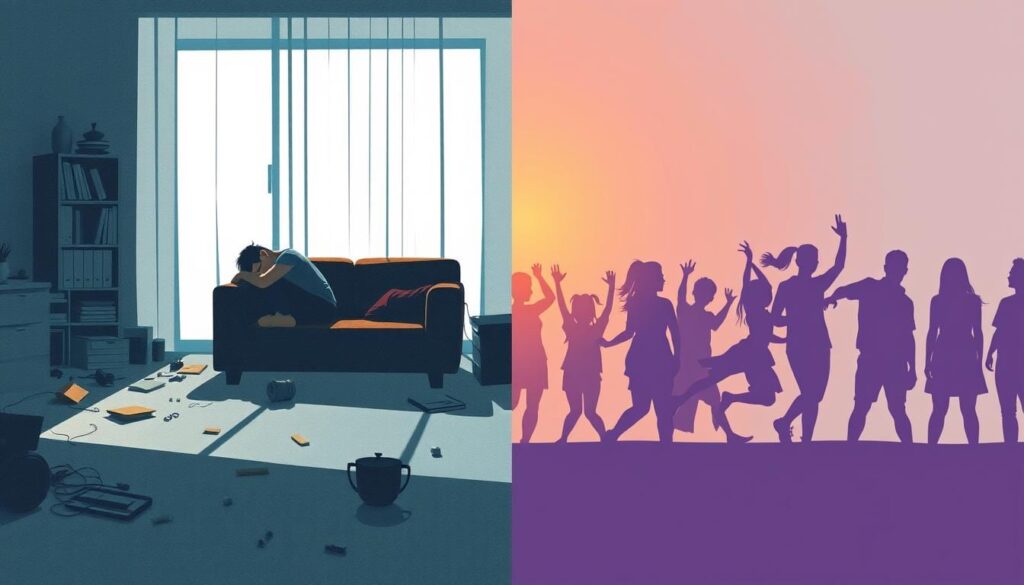

    Building a Support Network

    Creating a strong social support network is key for dealing with social anxiety. Friends, family, or groups focused on anxiety can offer emotional support and advice. They create a safe place to share and learn from others facing similar issues.

    Importance of Connection

    Having a strong support system brings many benefits. It can reduce stress, improve sleep, and boost resilience. It also helps prevent anxiety, depression, heart disease, and dementia by fighting loneliness.

    Finding Support Groups

    Support groups, online or in-person, are great for those with social anxiety. They offer a sense of belonging and understanding. Sharing experiences and learning from others can help reduce anxiety and enhance well-being.

    Benefit Impact
    Emotional Support Reduced stress and improved mental health
    Practical Advice Increased resilience and coping strategies
    Encouragement Motivation for recovery and personal growth

    The support of loved ones is crucial for recovery. It offers comfort during tough times. By building a network of understanding people, those with social anxiety can find the help they need to manage their condition and improve their life.

    social support networks

    “Having access to a strong support network offers mental, emotional, and physical health benefits, including reduced stress, better sleep, and increased resiliency.”

    Long-Term Outlook on Social Anxiety

    The outlook for those with social anxiety is hopeful. It’s not about getting rid of it completely. But, with the right steps, many see a big improvement in their life quality.

    Managing Symptoms Over Time

    Sticking to coping strategies and therapy is crucial. Cognitive-behavioral therapy (CBT) helps change negative thoughts. It also teaches better ways to handle social situations. Sometimes, medication helps too.

    Possibilities for Full Recovery

    Not everyone will lose all their social anxiety. But, it’s possible to greatly reduce symptoms. This lets people function better in social situations.

    Stay hopeful and keep working on your recovery. With time and the right tools, you can manage social anxiety. This way, you can live a fulfilling life.

    “The journey of managing social anxiety may be challenging, but the possibilities for a life with less fear and more freedom are within reach.”

    The Role of Family and Friends

    Family and friends are key in helping those with social anxiety. They can learn about the disorder, be patient, and encourage seeking help. This support can greatly improve someone’s life.

    How Loved Ones Can Help

    Helping someone with social anxiety starts with not enabling their avoidance. It’s important to respect their limits but also encourage them to face their fears. Celebrating small wins and setting achievable goals helps a lot.

    Setting Boundaries and Expectations

    It’s vital to talk openly about what you need and can handle. Family and friends should not push too hard but still offer a supportive space. Working together to set clear rules helps everyone on the path to better mental health.

    Research shows that family cohesion is linked to lower anxiety in teens. It also found that self-esteem plays a big role in how family support affects anxiety. This highlights the importance of a strong support system.

    The COVID-19 pandemic has made mental health issues worse. But, having more social support can help reduce depression and anxiety. This shows how crucial family and friends are during tough times.

    family support

    Understanding the role of family support and setting boundaries is crucial. It helps individuals and their loved ones navigate social anxiety together. This way, they can lead more fulfilling and empowered lives.

    First Steps to Take

    If you think you might have social anxiety, start with self-assessment and professional help. Tools for self-assessment can show you symptoms and how social anxiety affects your life. But, a mental health expert is key for a true diagnosis and a good treatment plan.

    Personal Assessments

    Look closely at your thoughts, feelings, and actions in social settings. Do you fear being judged or embarrassed, making you shy away from people? Do you get physical symptoms like sweating or a fast heart when you’re around others? Spotting these signs can help you understand your social anxiety.

    Seeking Professional Guidance

    After you know your symptoms, talk to a mental health expert like a psychologist or psychiatrist. They can do a detailed check-up and tests to see how bad your social anxiety is. They’ll make a plan just for you to help you deal with it.

    Remember, fighting social anxiety is a big step. By checking yourself and getting help from experts, you’re on your way to feeling better. This journey can change your life for the better.

    Resources for Further Learning

    If you want to learn more about social anxiety, there are many resources available. You can find books by experts and online support platforms. These options help you learn more about social anxiety.

    Books on Social Anxiety

    Many books offer deep insights and practical tips on social anxiety. Here are some notable ones:

    • Feeling Unreal: Depersonalization Disorder and the Loss of the Self by Daphne Simeon and Jeffrey Abugel
    • The Shyness and Social Anxiety Workbook: Proven, Step-by-Step Techniques for Overcoming Your Fear by Martin M. Antony and Richard P. Swinson
    • Social Anxiety Disorder: From Research to Practice by Stefan G. Hofmann and Patricia M. DiBartolo

    Online Support Resources

    The internet also has many resources for understanding and managing social anxiety. Here are some valuable ones:

    1. The National Institute of Mental Health (NIMH) website has detailed info on social anxiety and mental health.
    2. Anxiety and Depression Association of America (ADAA) offers webinars, support groups, and educational materials.
    3. Online courses and apps, like those from the Guide to the World of Anxiety Podcast, teach anxiety management.

    By using these resources, you can learn more about social anxiety. You’ll find strategies to cope and support to improve your mental health.

    social anxiety resources

    Understanding Social Situations

    Dealing with social interactions can be tough for those with social anxiety. But, getting to know different social situations and feeling more at ease in public can really help. This makes it easier to handle these situations.

    Navigating Different Scenarios

    Every social situation is unique, from small chats to big presentations. It’s key to learn how to deal with anxious thoughts in these moments. Role-playing, visualization, and getting ready can help you prepare for what might happen.

    For instance, before a work event, practice saying hello and chatting a bit. Imagine yourself doing well in these situations to lessen your fear. If you’re presenting, practice your lines and picture a good outcome to boost your confidence.

    Developing Comfort in Public Spaces

    Feeling at ease in public is hard for many with social anxiety. But, slowly getting used to it can make a big difference. Learning to look outside yourself, not just at your worries, can help a lot.

    • Begin with small steps, like going to a coffee shop or doing errands near home.
    • Try activities that make you talk to others, like joining a club or going to community events.
    • As you get more comfortable, move on to more challenging places.

    Remember, navigating social interactions and feeling more comfortable in public is a journey. With time, effort, and the right methods, you can beat social anxiety and do well in many social situations.

    Overcoming Stigma Around Social Anxiety

    It’s important to fight the stigma around social anxiety to help people understand and support each other. Learn about social anxiety as a real and treatable mental health issue. The Mayo Clinic says it affects millions and often starts in teens or young adults.

    Talking openly about mental health can lessen shame and loneliness for those with social anxiety. Share your story, join mental health campaigns, and push for better mental health laws. You’re not alone, and with the right help, you can beat social anxiety.

    By fighting social anxiety stigma, we can build a kinder, more supportive world. We can help people get the help they need without fear of being judged or discriminated against. Let’s work together to make a difference in mental health.

    FAQ

    What are the common symptoms of social anxiety?

    Symptoms of social anxiety include feeling extremely scared of being judged. People with social anxiety worry a lot about being embarrassed. They also feel very self-conscious.

    Physical symptoms include blushing, sweating, and trembling. Nausea is another common symptom. Behavioral symptoms include avoiding social situations and having trouble making eye contact.

    What causes social anxiety disorder?

    Social anxiety is caused by a mix of genetic, environmental, and psychological factors. Inherited traits can make someone more prone to anxiety. Brain structure and function also play a role.

    Negative social experiences and cultural factors can contribute to social anxiety. Learned behaviors and thought patterns are also important.

    How can social anxiety impact daily life?

    Social anxiety can affect many areas of life. It can make it hard to form and keep relationships. It can also lead to fear of intimacy and social isolation.

    At work, it can cause trouble in meetings and public speaking. It may also lead to avoiding networking. In school, it can make class participation difficult and even cause school refusal.

    When should someone seek professional help for social anxiety?

    If symptoms last more than six months and interfere with daily life, seek help. A mental health professional can diagnose and provide a treatment plan.

    What are the treatment options for social anxiety disorder?

    Treatment includes psychotherapy, medication, and lifestyle changes. Cognitive Behavioral Therapy (CBT) is very effective. It helps change negative thoughts and develop coping strategies.

    Medications like anti-anxiety drugs and antidepressants can help manage symptoms. Regular exercise, stress management, and avoiding caffeine and alcohol are also important.

    What are some effective coping strategies for social anxiety?

    Mindfulness and relaxation techniques can help manage anxiety. Deep breathing and progressive muscle relaxation are good examples. Social skills training can boost confidence in social situations.

    Journaling and self-reflection can help identify triggers. Gradual exposure to feared situations can also build confidence over time.

    How can family and friends support someone with social anxiety?

    Educate yourself about social anxiety. Be patient and understanding. Encourage seeking treatment.

    Avoid enabling avoidance behaviors but respect boundaries. Celebrate small victories and set realistic expectations. This support is very helpful.

    What resources are available for learning more about social anxiety?

    Many resources are available, including books and websites. The National Institute of Mental Health and anxiety-focused organizations provide valuable information. Online courses and apps can also help.

  • Common Symptoms of Anxiety and Depression

    Common Symptoms of Anxiety and Depression

    Ever felt a deep sadness or worry that won’t leave you? You’re not alone. Anxiety and depression affect many people, of all ages and backgrounds. These conditions can make you feel emotionally trapped, mixing feelings in a way that’s hard to handle.

    Key Takeaways

    • Anxiety and depression are common mental health conditions that often co-occur.
    • Symptoms of these disorders can include persistent sadness, excessive worry, lack of interest, and physical changes.
    • Understanding the various emotional, physical, and behavioral symptoms is crucial for seeking appropriate support and treatment.
    • Recognizing the impact of these conditions on daily life can help individuals and their loved ones navigate the challenges more effectively.
    • A comprehensive approach involving self-care, professional help, and lifestyle changes can help manage the symptoms and promote overall wellbeing.

    Understanding Anxiety and Depression

    Anxiety and depression are common mental health issues. They affect a person’s feelings, thoughts, and body. It’s important to know the difference to find the right help.

    Definition of Anxiety

    Anxiety makes people worry too much about the future. They might feel their heart racing, sweat a lot, and have trouble focusing. It’s like their body and mind are on high alert all the time.

    Definition of Depression

    Depression is feeling sad and hopeless for a long time. People with depression might not want to do things they used to enjoy. They could also feel very tired, have trouble sleeping, and feel guilty for no reason.

    How They Interrelate

    Anxiety and depression often go together. Research shows that 60% of people with anxiety also have depression symptoms, and vice versa. They share some causes, like genetics and stress, which makes them harder to treat alone.

    Understanding how anxiety and depression work together is key. It helps find better ways to cope and get the right help. This is important for improving life and treatment results.

    Recognizing Emotional Symptoms

    Dealing with anxiety and depression can be tough. But knowing the symptoms is the first step to healing. These mood disorders show up in many ways, like feeling sad all the time or not caring about things you used to love. It’s important to spot these signs early to get the right help.

    Feelings of Sadness

    Feeling sad all the time is a big sign of depression. This sadness can make everyday life hard, making it hard to find happiness or get excited about anything. People with depression might cry a lot, feel hopeless, and feel stuck in a bad mood for weeks or months.

    Persistent Worry or Fear

    Anxiety makes you worry or fear a lot. It can make you feel like you’re always on edge, with your mind full of scary thoughts. This can make you feel physically sick, like your muscles are tight and you can’t sleep well, making things even worse.

    Lack of Interest in Activities

    Not wanting to do things you used to love is another sign. This can happen because mood disorders are so overwhelming. It can make you feel like you’re not connected to your hobbies anymore. Not caring about things you used to love can make you feel even more down.

    Seeing these signs is key to fighting anxiety and depression. Knowing how these mood disorders show up helps people get the help they need. This way, they can feel better and live a happy life.

    “The greatest weapon against stress is our ability to choose one thought over another.” – William James

    Identifying Physical Symptoms

    Anxiety and depression aren’t just in our minds and feelings. They can also show up in our bodies. These physical signs, or somatic symptoms, can really hold us back. It’s key to know how anxiety and depression affect our bodies to treat them well.

    Fatigue and Sleep Disturbances

    Fatigue and sleep problems are common signs of both anxiety and depression. Over half of people with depression struggle to sleep. On the other hand, anxiety can cause insomnia or too much sleep, messing up our natural sleep patterns.

    Changes in Appetite

    Depression can mess with our appetite. Some people eat more, while others eat less. This change in eating habits is often tied to depression’s symptom of not enjoying things anymore.

    Muscle Tension and Headaches

    Anxiety and depression can also cause muscle tension and headaches. Depression can make us more sensitive to pain, and pain can make us feel more depressed. It’s important to tackle these physical symptoms to improve overall health.

    Spotting the physical signs of anxiety and depression is a big step towards getting help. By treating both the emotional and physical sides, we can find a better way to heal.

    Symptom Anxiety Depression
    Fatigue
    Sleep Disturbances
    Changes in Appetite
    Muscle Tension
    Headaches

    “The body is the canvas on which the emotions of the mind are painted.” – Unknown

    Exploring Behavioral Changes

    Anxiety and depression can lead to big changes in how we act. One big change is social isolation. People might stop going out, avoid talking to friends and family, and lose touch with their support networks. This can make them feel lonelier and make their mental health problems worse.

    Another change is decreased productivity. People might find it hard to do their work or school tasks. This can lead to problems at work or school. It can also make them feel like they’re not good enough, which can make their mental health issues worse.

    People with anxiety and depression might also change how they take care of themselves. They might not wash as often, not take care of their appearance, or not sleep well. These changes can hurt their self-esteem and make their mental health problems worse.

    It’s important to notice these changes early. By addressing these signs, people can start to manage their anxiety and depression. This can help them feel better and take back control of their lives.

    “Behavioral changes are often the first visible signs that someone is struggling with mental health issues. Paying attention to these changes can be the key to getting the support needed.”

    behavioral changes

    Withdrawal from Social Activities

    • Avoiding social gatherings or events
    • Declining invitations from friends and family
    • Isolating oneself from loved ones

    Decreased Productivity

    1. Difficulty concentrating on work or school tasks
    2. Procrastination and missed deadlines
    3. Decreased motivation and enthusiasm for daily responsibilities

    Changes in Personal Care Routines

    • Neglecting personal hygiene, such as bathing or grooming
    • Irregular sleep patterns or insomnia
    • Disregard for healthy eating habits

    Cognitive Symptoms to Consider

    Anxiety and depression can really mess with your mind. It’s not just the emotional and physical stuff. Problems like trouble concentrating, being indecisive, and always thinking the worst can really get in the way. They can affect your work and your relationships.

    Difficulty Concentrating

    It’s hard to focus when you’re feeling anxious or depressed. You might make mistakes or miss important deadlines. It’s important to catch when your mind starts to wander and find ways to get back on track.

    Indecisiveness

    It’s tough to make decisions when you’re feeling down. You might overthink things or feel stuck. Learning to trust yourself and break down big choices into smaller steps can help.

    Negative Thought Patterns

    Always seeing the worst can be a big problem. It can make you doubt yourself and see things in a distorted way. Working on changing these negative thoughts can really help.

    It’s key to tackle these mental challenges head-on. By understanding how they affect you and finding ways to deal with them, you can clear your mind. This lets you face life’s ups and downs with more confidence.

    The Impact on Daily Life

    Anxiety and depression can change many parts of a person’s life. They can affect work, personal relationships, and daily tasks. It’s important to understand these effects to find ways to cope and get help.

    How Anxiety Affects Work Performance

    Anxiety can make it hard to do well at work. People with anxiety might have trouble focusing, miss work more often, and struggle to finish tasks. Anxiety can also make it hard to make decisions, talk to others, and work together, which can hurt their job performance.

    Depression’s Effect on Relationships

    Depression can make it tough to keep good relationships. It can make people feel sad, not interested in things, and want to be alone. This can make it hard to talk well with others, understand them, and have meaningful conversations, leading to problems in relationships.

    Balancing Daily Responsibilities

    Living with anxiety and depression can make everyday tasks hard. Symptoms like tiredness, trouble sleeping, and not being able to focus can make it hard to do things like clean the house, take care of kids, and manage money. This can make people feel overwhelmed and not good enough, making their mental health problems worse.

    Symptom Impact on Daily Life
    Anxiety Decreased productivity, increased absenteeism, difficulty in decision-making, and strained relationships with colleagues.
    Depression Strained personal relationships, social withdrawal, and challenges in maintaining healthy connections with loved ones.
    Cognitive Difficulties Challenges in completing everyday tasks, such as household chores, childcare, and financial management, leading to a sense of overwhelming and inadequacy.

    Understanding how anxiety and depression affect daily life is key. It helps people take steps to manage these challenges and keep a balance between work and personal life.

    occupational impact

    Coping Mechanisms for Symptoms

    Dealing with anxiety and depression symptoms requires effective coping strategies. Self-care, stress management, and healthy habits are key. They can greatly improve your mental health.

    Importance of Routine

    A consistent daily routine brings stability and control. It’s especially helpful for those with anxiety or depression. A structured schedule with regular sleep, meals, and activities helps manage symptoms.

    Mindfulness and Relaxation Techniques

    Mindfulness and relaxation practices are powerful for stress and negative thoughts. Meditation, deep breathing, and muscle relaxation keep you present. They reduce anxious or depressive feelings.

    Engaging in Physical Activity

    Exercise is as good as medication for depression. Aim for 30 minutes of activity daily, like walking or swimming. Exercise with others boosts motivation and social interaction.

    Focus on self-care, stress management, and healthy habits to cope with anxiety and depression. Taking care of your mental and physical health is essential for a balanced life.

    Seeking Professional Help

    If you’re dealing with ongoing anxiety or depression, it’s crucial to get help. Mental health experts can offer the support you need. They can help you manage these conditions effectively.

    When to Consult a Therapist

    See a therapist if your anxiety or depression lasts more than two weeks. It also matters if it affects your work, school, or personal life. Don’t wait to seek help – early action can greatly improve your well-being.

    Types of Therapy Available

    • Cognitive Behavioral Therapy (CBT): A well-established, effective form of therapy for both anxiety and depression, focusing on identifying and changing negative thought patterns.
    • Psychotherapy: Also known as talk therapy, this approach helps you explore your emotions, behaviors, and underlying issues in a supportive, confidential setting.
    • Group Therapy: Participating in a support group can provide a sense of community and help you learn from the experiences of others facing similar challenges.

    Medication Options to Consider

    Along with therapy, a mental health professional might suggest medication. This could include antidepressants, anti-anxiety drugs, or mood stabilizers. The right medication depends on your symptoms and needs.

    Remember, asking for help is a sign of strength, not weakness. A mental health expert can create a treatment plan for you. This might include therapy and psychiatric care.

    mental health treatment

    Self-Help Strategies

    While getting professional help is key for dealing with anxiety and depression, self-help can also help a lot. By using these proven methods every day, you can help manage your mental health. This way, you can feel more in control of your life.

    Journaling for Emotional Clarity

    Writing in a journal can really help you understand your feelings better. By jotting down your thoughts and feelings, you can spot patterns and learn what makes you upset. This can help you deal with tough emotions and find ways to solve problems.

    Building a Support System

    Having a strong network of friends and family is very important. By sharing your feelings with people you trust, you can feel less alone and more connected. Also, look into joining support groups or online forums. There, you can meet others who face similar issues and share tips on how to cope.

    Setting Realistic Goals

    Setting goals that you can reach can really boost your confidence. Start with small, achievable goals that fit with your personal growth. As you reach these goals, you’ll feel a sense of achievement and progress. Always be kind to yourself and celebrate your wins, no matter how small.

    “Healing takes time, and asking for help is a courageous step.” – Mariska Hargitay

    By using these self-help strategies, you can support your professional treatment and take charge of your mental health. Remember, everyone’s journey is different. What works for you might not work for someone else, so find what works best for you.

    The Role of Nutrition and Lifestyle

    Eating right and living mindfully are key to handling anxiety and depression. A healthy diet and lifestyle can boost your well-being. They work well with other treatments too.

    Healthy Eating Habits

    Eating a balanced diet can really help your mood and energy. Start your day with protein like eggs or lean meats. This keeps you full and your blood sugar steady.

    Whole grains, like brown rice or quinoa, can also help. They make serotonin in your brain, which calms you down. Drinking enough water is also vital. Even a little dehydration can make you feel anxious.

    But, some foods can hurt your mood and sleep. Too much alcohol might calm you down at first but can make you feel jittery later. Too much caffeine can make you feel anxious and jittery too.

    Be careful of foods that make you feel bad. These can make you irritable or anxious. It’s all about being mindful of how food affects you.

    Importance of Sleep Hygiene

    Good sleep habits are key for your mental health. Yoga and tai chi are great for unwinding before bed. They help you relax and sleep better.

    But, many people don’t get enough sleep. Over 70 million Americans have sleep disorders. Getting enough sleep is crucial for your mental health.

    Incorporating Mindfulness in Daily Life

    Mindfulness can help you manage stress and feel better. Many people practice meditation to find calm and self-awareness. Simple mindfulness, like eating mindfully or meditating, can be part of your daily routine.

    While diet, sleep, and mindfulness are important, they’re not enough on their own. Always talk to a healthcare provider for a full plan to manage your mental health.

    healthy eating habits

    Understanding Triggers

    It’s key to know and tackle personal triggers to manage anxiety and depression well. Triggers can be many things, like stressful jobs or negative thoughts. By figuring out what affects your mental health, you can find ways to deal with it.

    Identifying Personal Anxiety Triggers

    Anxiety can be caused by many things, like health problems or too much caffeine. Think about what makes you feel worried or scared. Knowing this can help you get ready for those situations.

    Recognizing Signs of Depression

    Anxiety and depression often happen together. But it’s crucial to know the signs of depression. Look out for sadness that lasts, not wanting to do things you used to enjoy, and feeling bad about yourself. Spotting these signs early can help you tackle them before they get worse.

    Strategies to Manage Triggers

    • Use techniques like deep breathing or mindfulness to handle stress.
    • Surround yourself with good people and avoid things that stress you out.
    • Get ready for stressful times so you feel more in control.

    By knowing your triggers and using good coping strategies, you can manage your mental health better. This helps you live a balanced and healthy life.

    “Identifying and addressing your triggers is the first step in taking control of your mental health. With the right tools and support, you can overcome the challenges posed by anxiety and depression.”

    The Importance of Communication

    Dealing with anxiety and depression can feel very lonely. But talking openly can help a lot. Talking about your feelings with people you trust can be a big relief. It lets you share your thoughts and feelings in a safe place.

    When you share your personal experiences with family or friends, it can make your social support network stronger. It helps you feel less alone and gets you support and advice from those who get it.

    The Role of Support Groups

    Support groups are also very helpful. They offer a community and a feeling of belonging. Here, you can share your story, connect with others, and learn from their experiences.

    Being part of a support group is great because you can express your emotions freely. You won’t be judged. The friendship and support in these groups are key to improving your mental health.

    peer connections

    “The greatest weapon against stress is our ability to choose one thought over another.” – William James

    Remember, effective communication gets better with practice. Sometimes, a mental health professional can help too. By talking openly and building a strong support system, you can manage your anxiety or depression better. This will improve your overall well-being.

    Preventive Measures

    Good mental health starts with taking action. By being proactive, you can build resilience and manage stress. This helps you stay strong against anxiety and depression.

    Building Resilience

    Resilience means bouncing back from tough times. It helps you handle stress and keep your emotions balanced. Here are ways to build resilience:

    • Focus on the positive and your strengths.
    • Try self-care like meditation, yoga, or deep breathing.
    • Get support from friends and family, and join in community activities.
    • Set achievable goals and celebrate your wins.

    Practicing Stress Management Techniques

    Managing stress is key to good mental health. Using stress reduction techniques can help you stay calm. Here are some effective methods:

    1. Exercise regularly, like walking, swimming, or cycling.
    2. Try relaxation techniques like progressive muscle relaxation or guided imagery.
    3. Get enough sleep and keep a healthy sleep routine.

    Staying Connected with Others

    Having strong social connections helps your mental health. An active social life and meaningful interactions offer support and a sense of belonging. Here’s how to stay connected:

    • Stay in touch with friends and family, in person or online.
    • Join local groups or volunteer for something you care about.
    • Take part in activities that match your interests and hobbies.

    By focusing on mental strength, stress reduction, and social connections, you can improve your mental health. This reduces the risk of anxiety and depression.

    Resources and Support Systems

    Many resources and support systems are available for those dealing with anxiety and depression. They can help along with professional treatment. They offer ongoing help in managing your mental health.

    Hotlines for Immediate Assistance

    If you’re in a mental health crisis, the National Suicide Prevention Lifeline at 988 and the National Maternal Mental Health Hotline are here. They offer 24/7 confidential help. You’ll get a listening ear and help finding local resources.

    Online Communities and Forums

    Virtual communities and online forums are great for peer support and feeling connected. Sites like the National Alliance on Mental Illness (NAMI) let you share your story. You can also get advice and connect with others who get it.

    Educational Resources on Mental Health

    There are many websites, books, and workshops on anxiety, depression, and more. Places like the National Institute of Mental Health, the Office on Women’s Health, and Postpartum Support International have lots of info. They help you learn about causes, symptoms, and ways to cope.

    FAQ

    What are the common symptoms of anxiety and depression?

    Symptoms include feeling sad all the time and worrying too much. You might also lose interest in things you used to enjoy. Physical signs are tiredness, trouble sleeping, and changes in appetite or weight.

    Behavioral signs are pulling back from social activities and feeling overwhelmed. You might also have trouble concentrating and think negative thoughts a lot.

    How are anxiety and depression related?

    Many people with anxiety also have depression, and vice versa. It’s not clear why this happens, but it makes treatment harder. It affects how well someone can live their life.

    What are the emotional symptoms of anxiety and depression?

    Emotional symptoms include feeling sad all the time and worrying too much. You might also lose interest in things you used to enjoy. These feelings can last for weeks or months.

    What are the physical symptoms of anxiety and depression?

    Physical symptoms include feeling tired, having trouble sleeping, and changes in appetite or weight. You might also have muscle tension and headaches. These symptoms can be as bad as the emotional ones.

    How can anxiety and depression affect daily life?

    Anxiety can make it hard to work and you might miss more days. Depression can hurt your relationships and make it hard to stay connected with others. Doing everyday tasks becomes overwhelming.

    What are some effective coping mechanisms for anxiety and depression?

    Good coping mechanisms include having a routine and practicing mindfulness. Regular exercise also helps. These can make you feel more stable and improve your mood.

    When should someone seek professional help for anxiety and depression?

    If symptoms last more than two weeks or get in the way of daily life, seek help. Therapies like Cognitive Behavioral Therapy (CBT) and medication can help.

    What self-help strategies can complement professional treatment?

    Keeping a journal, building a support system, and setting goals can help. These strategies can help you manage your mental health better.

    How do nutrition and lifestyle impact anxiety and depression?

    Eating well, getting enough sleep, and practicing mindfulness can help your mood. These can work alongside other treatments to manage your mental health.

    How can understanding personal triggers help in managing anxiety and depression?

    Knowing what triggers your symptoms can help you manage them better. This can lead to better mental health and help you cope with challenges.

  • How to Think Positive

    How to Think Positive

    The European languages are members of the same family. Their separate existence is a myth. For science, music, sport, etc, Europe uses the same vocabulary. The languages only differ in their grammar, their pronunciation and their most common words. Everyone realizes why a new common language would be desirable.

    Benefits of positive thinking

    To achieve this, it would be necessary to have uniform grammar, pronunciation and more common words. If several languages coalesce, the grammar of the resulting language is more simple and regular than that of the individual languages. The new common language will be more simple. It will be as simple as Occidental; in fact, it will be Occidental. To an English person, it will seem like simplified English, as a skeptical Cambridge friend of mine told me what Occidental is. The European languages are members of the same family.

    Treatment Options for TMJ Disorders

    To achieve this, it would be necessary to have uniform grammar, pronunciation and more common words. If several languages coalesce, the grammar of the resulting language is more simple and regular than that of the individual languages. The new common language will be more simple.
    To achieve this, it would be necessary to have uniform grammar, pronunciation and more common words. If several languages coalesce, the grammar of the resulting language is more simple and regular than that of the individual languages. The new common language will be more simple. It will be as simple as Occidental; in fact, it will be Occidental. To an English person, it will seem like simplified English, as a skeptical Cambridge friend of mine told me what Occidental is. The European languages are members of the same family.

    The European languages are members of the same family. Their separate existence is a myth. For science, music, sport, etc, Europe uses the same vocabulary. The languages only differ in their grammar, their pronunciation and their most common words. Everyone realizes why a new common language would be desirable: one could refuse to pay expensive translators.

    The languages only differ in their grammar, their pronunciation and their most common words. Everyone realizes why a new common language would be desirable: one could refuse to pay expensive translators. To achieve this, it would be necessary to have uniform grammar, pronunciation and more common words. 

  • 10 Ways to Support a Partner Who’s Depressed

    10 Ways to Support a Partner Who’s Depressed

    How many of these have you heard before? I would like to share the truth about these common oral health myths I hear from patients almost every day. Read on to learn about them and how to keep your mouth healthy. Their separate existence is a myth.

    Learn More About Depression

    The languages only differ in their grammar, their pronunciation and their most common words. Everyone realizes why a new common language would be desirable: one could refuse to pay expensive translators. To achieve this, it would be necessary to have uniform grammar, pronunciation and more common words. If several languages coalesce, the grammar of the resulting language is more simple and regular than that of the individual languages. Their separate existence is a myth. The new common language will be more simple and regular than the existing European languages. It will be as simple as Occidental; in fact, it will be Occidental.

    Understand What Depression Really Means

    We must choose to obtain, grasp, and receive His peace.  Like salvation, peace is a choice, not a demand.
    The new common language will be more simple and regular than the existing European languages. It will be as simple as Occidental; in fact, it will be Occidental. To an English person, it will seem like simplified English, as a skeptical Cambridge friend of mine told me what Occidental is. To achieve this, it would be necessary to have uniform grammar, pronunciation and more common words. Their separate existence is a myth. The European languages are members of the same family. Their separate existence is a myth. For science, music, sport, etc, Europe uses the same vocabulary.

    Practice Self-Care

    Their separate existence is a myth. For science, music, sport, etc, Europe uses the same vocabulary. The languages only differ in their grammar, their pronunciation and their most common words. Everyone realizes why a new common language would be desirable: one could refuse to pay expensive translators. Their separate existence is a myth.

    To achieve this, it would be necessary to have uniform grammar, pronunciation and more common words. If several languages coalesce, the grammar of the resulting language is more simple and regular than that of the individual.

    Everyone realizes why a new common language would be desirable: one could refuse to pay expensive translators. To achieve this, it would be necessary to have uniform grammar, pronunciation and more common words. Their separate existence is a myth.
    Their separate existence is a myth. For science, music, sport, etc, Europe uses the same vocabulary. The languages only differ in their grammar, their pronunciation and their most common words. Their separate existence is a myth. For science, music, sport, etc, Europe uses the same vocabulary. The languages only differ in their grammar, their pronunciation and their most common words. Everyone realizes why a new common language would be desirable: one could refuse to pay expensive translators. To achieve this, it would be necessary to have uniform grammar, pronunciation and more common words. If several languages coalesce, the grammar of the resulting language is more simple and regular than that of the individual languages.

    Be There for Your Partner

    The languages only differ in their grammar, their pronunciation and their most common words. Everyone realizes why a new common language would be desirable: one could refuse to pay expensive translators. Their separate existence is a myth. To achieve this, it would be necessary to have uniform grammar, pronunciation and more common words. If several languages coalesce, the grammar of the resulting language is more simple and regular than that of the individual.

    Take the Quiz

    Do you think you might be depressed? If you’re worried you might be suffering from depression, it’s important to seek appropriate help. Complete this quiz to find out if you’re showing signs of depression. This quiz will help you to establish whether you’re experiencing some of the tell-tale signs of a mental health condition.
    Check one answer for each question that best describes you for the past 7 days:

    [forminator_quiz id=”37736″]

    Their separate existence is a myth. For science, music, sport, etc, Europe uses the same vocabulary. The languages only differ in their grammar, their pronunciation and their most common words. Everyone realizes why a new common language would be desirable: one could refuse to pay expensive translators. To achieve this, it would be necessary to have uniform grammar, pronunciation and more common words. If several languages coalesce.