Blog

  • Average Psychiatric Mental Health Nurse Practitioner Salary

    Average Psychiatric Mental Health Nurse Practitioner Salary

    Pursuing a career as a psychiatric nurse practitioner can be a rewarding and challenging profession. With the growing demand for mental health services, understanding the financial aspects of this career path is crucial.

    According to recent data, the average psychiatric mental health nurse practitioner salary varies across different sources. Indeed.com reports an average annual salary of $155,182, while ZipRecruiter states that the average yearly salary is $90,554, with a range of $73,000 to $111,000 depending on location.

    The U.S. Bureau of Labor Statistics also provides insight into nurse practitioner salaries, reporting an average annual salary of $129,480 for all specialties.

    Key Takeaways

    • Understand the average salary ranges for psychiatric mental health nurse practitioners across the United States.
    • Compare psychiatric nurse practitioner salaries to other nursing specialties.
    • Explore factors influencing PMHNP compensation, including location and experience.
    • Gain insights into salary ranges across different states and cities.
    • Discover strategies for increasing earning potential as a PMHNP.

    What is a Psychiatric Mental Health Nurse Practitioner?

    Psychiatric Mental Health Nurse Practitioners (PMHNPs) are advanced practice registered nurses specializing in mental health care. They provide comprehensive services to individuals, families, and communities affected by mental health issues.

    Role and Responsibilities

    PMHNPs assess, diagnose, and treat patients with various psychiatric disorders and mental health conditions. Their responsibilities include conducting therapy sessions, prescribing medication, and developing treatment plans for conditions like depression, anxiety, and bipolar disorder. For more information on the career path, visit AANP’s resource on becoming a PMHNP.

    Education and Certification Requirements

    To become a PMHNP, one must first be a registered nurse, then complete a Master’s or Doctoral degree in psychiatric mental health nursing. National certification is also required. The education pathway typically involves 2-4 years of graduate study beyond the BSN degree, with clinical rotations in mental health settings. Continuing education is necessary to maintain certification.

    Average Psychiatric Mental Health Nurse Practitioner Salary Nationwide

    The average psychiatric mental health nurse practitioner salary nationwide is a critical metric for understanding the compensation landscape for these specialized healthcare professionals. As the demand for mental health services continues to grow, understanding the average salary can provide insights into the financial aspects of this career path.

    Current National Average Salary

    The current national average salary for psychiatric mental health nurse practitioners reflects the high demand for their specialized skills. According to Indeed, the average psychiatric nurse practitioner salary is $149,061 per year. This figure is supported by data from the Bureau of Labor Statistics, which reports a median pay of $126,260 for nurse practitioners as of May 2023, although this data does not differentiate between various types of nurse practitioners.

    Salary Range and Median Figures

    The salary range for psychiatric mental health nurse practitioners nationwide varies significantly. ZipRecruiter reports an average yearly salary of $90,554, with a range of approximately $73,000 to $111,000, depending on the state and city. The median salary falls around $130,000 per year, with some figures reaching over $160,000. Factors such as location, experience, and work setting contribute to these variations.

    It’s essential to consider that salary figures may or may not include benefits packages, which can significantly impact total compensation. The national average psychiatric nurse practitioner salary is influenced by the growing demand for mental health services and the specialized nature of their work.

    Factors Affecting PMHNP Salary

    Understanding the factors that affect PMHNP salary is crucial for both current and aspiring professionals. Several elements contribute to the variability in compensation for these healthcare specialists.

    Education and Certification

    The level of education and type of certification a PMHNP holds can significantly impact their salary. Advanced degrees and certifications, such as those from the ANCC or AANP, often lead to higher pay scales.

    Experience Level

    Experience level is another critical factor influencing PMHNP salary. Generally, the more years of experience a PMHNP has, the higher their earning potential, as employers often reward experience with incremental salary increases.

    Workplace Setting

    The workplace setting also plays a significant role in determining PMHNP salary. Different health care facilities and private practices offer varying levels of compensation, with some settings providing higher pay than others.

    PMHNP Salary by Experience Level
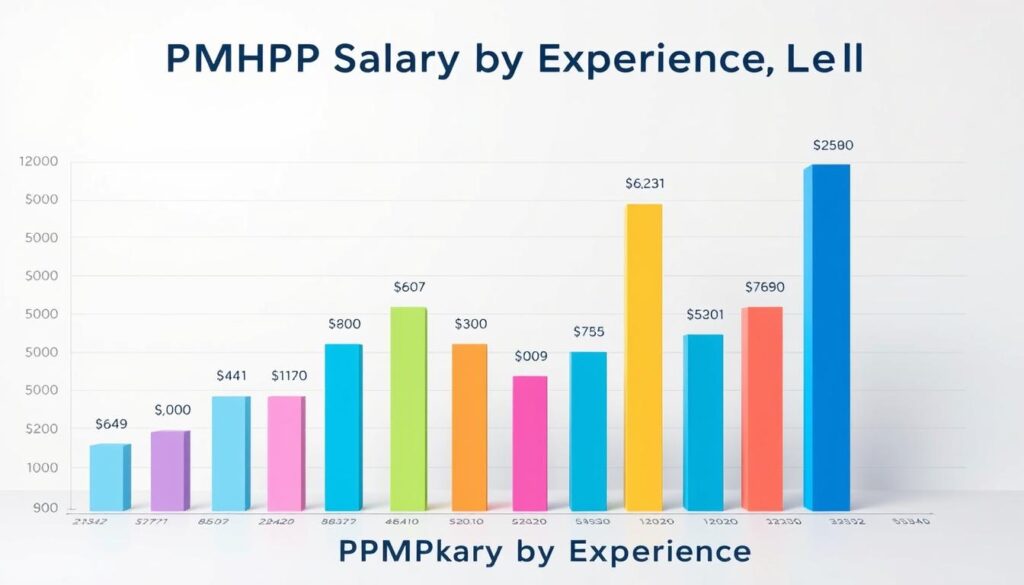
    A vibrant and informative data visualization depicting the average salary of Psychiatric Mental Health Nurse Practitioners (PMHNPs) across different experience levels. In the foreground, a series of vertical bars represent the salary ranges, with the height of each bar corresponding to the compensation for a specific experience level, from entry-level to seasoned professionals. The background features a clean, minimalist design with subtle grid lines and a soothing, neutral color palette to allow the data to take center stage. Optimal lighting and camera angles ensure the visualization is clear, legible, and visually striking, perfectly suited to illustrate the "PMHNP Salary by Experience Level" section of the article.

    As PMHNPs gain more experience, their earning potential increases substantially. The level of experience is a significant determinant of salary, with clear progression throughout a PMHNP’s career.

    Entry-Level (Less than 1 Year)

    Entry-level PMHNPs, those with less than one year of experience, can expect to earn an average annual salary of around $111,976. This is already competitive compared to many other healthcare professions.

    Early Career (1-4 Years)

    As PMHNPs gain 1-4 years of experience, their average annual salary increases to approximately $121,049. This rise reflects their developing clinical skills and expanding professional network.

    Mid-Career (5-9 Years)

    PMHNPs with 5-9 years of experience earn an average annual salary of about $125,755. At this stage, their growing expertise and ability to handle more complex cases are key factors in their salary growth.

    Experienced (10-19 Years)

    With 10-19 years of experience, PMHNPs can command salaries averaging $129,307. Their extensive clinical knowledge and potential supervisory roles contribute to this higher earning potential.

    Late Career (20+ Years)

    PMHNPs with 20+ years of experience reach the peak of the pay scale, earning an average annual salary of $131,615. Additional specializations or leadership positions can further enhance their earnings.

    The salary progression for PMHNPs is clear: as experience grows, so does the annual salary. This trend underscores the value of experience in the field.

    Experience Level Average Annual Salary
    Less than 1 year $111,976
    1-4 years $121,049
    5-9 years $125,755
    10-19 years $129,307
    20+ years $131,615

    Top-Paying States for Psychiatric Nurse Practitioners
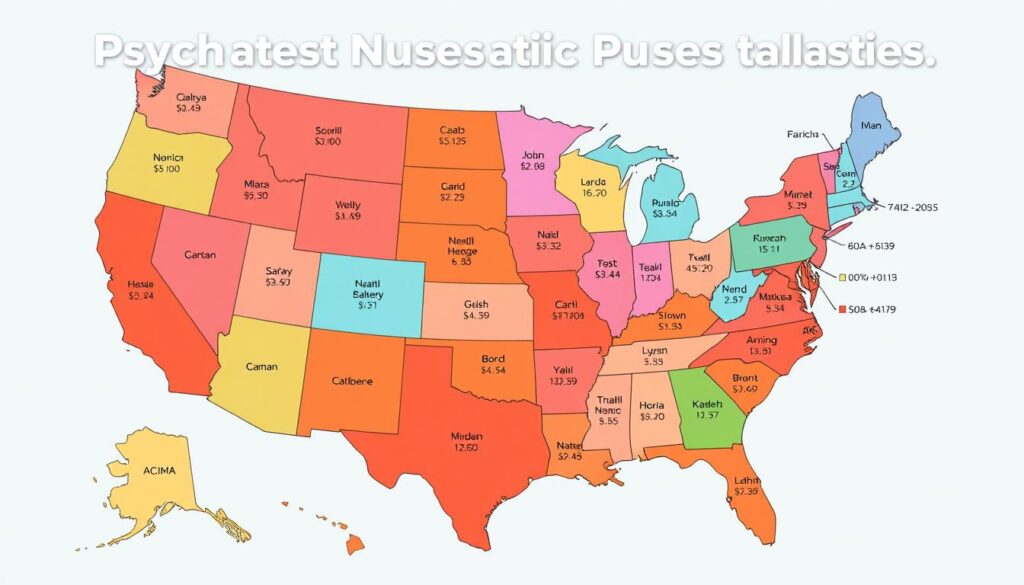
    Image of a map highlighting the top-paying states for psychiatric nurse practitioners

    Learn More

    Several states in the U.S. are recognized for offering the highest salaries to psychiatric nurse practitioners, making them attractive locations for professionals in this field. These states typically feature higher salaries due to factors such as cost of living, strong healthcare systems, and progressive scope-of-practice laws for nurse practitioners.

    California

    California is a fantastic place to practice as a PMHNP, with its warm climate and endless outdoor adventures. The average salary is $157,460 per year.

    Alaska

    Alaska offers a unique lifestyle with breathtaking wilderness and various outdoor activities. PMHNPs here earn an average of $155,430 yearly.

    Hawaii

    Hawaii provides competitive salaries averaging $152,270 annually, along with a high quality of life and diverse practice opportunities.

    Massachusetts

    Massachusetts is renowned for its top psychiatric hospitals and research institutions, offering an average salary of $149,220 for PMHNPs.

    New York

    New York ranks among the top five highest-paying states with an average psychiatric nurse practitioner salary of $145,590, particularly in metropolitan areas.

    Lowest-Paying States for Psychiatric Nurse Practitioners

    Despite the growing demand for mental health services across the United States, certain states consistently offer lower salaries for psychiatric nurse practitioners. According to ZipRecruiter, the lowest-paying states for psychiatric nurse practitioners include Florida, West Virginia, Arkansas, Georgia, and Kentucky.

    The average salaries in these states are as follows:

    • Florida: $73,466 annually
    • West Virginia: $76,108 annually
    • Arkansas: $81,292 annually
    • Georgia: $83,011 annually
    • Kentucky: $85,384 annually

    Let’s take a closer look at the salaries in these states:

    Florida

    Florida ranks as one of the lowest-paying states with an average annual salary of approximately $73,466, despite having a large population and significant mental health needs.

    West Virginia

    West Virginia follows with salaries averaging around $76,108 annually, reflecting the state’s overall lower healthcare wages and economic challenges.

    Arkansas

    Arkansas psychiatric NPs earn approximately $81,292 on average, substantially below the national average despite the critical need for mental health providers in rural areas.

    Georgia

    Georgia offers salaries averaging $83,011, which is significantly lower than neighboring states in the Southeast.

    Kentucky

    Kentucky rounds out the five lowest-paying states with an average salary of $85,384 for PMHNPs.

    Highest-Paying Cities for Psychiatric Nurse Practitioners
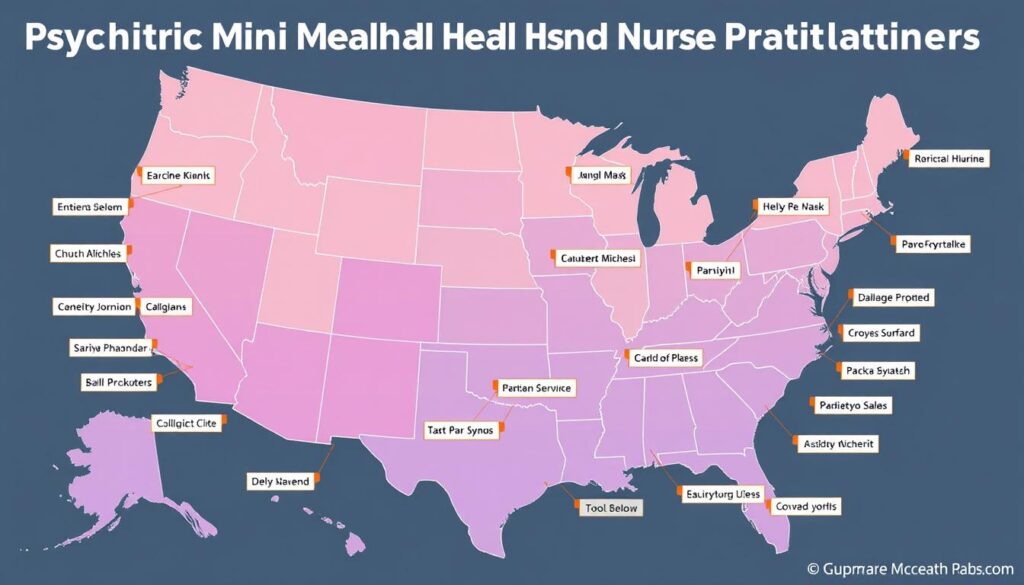
    Image of a map highlighting top-paying cities for PMHNPs

    Learn More

    The salaries for Psychiatric Mental Health Nurse Practitioners vary significantly across different cities, with some metropolitan areas standing out for their exceptionally high pay. Metropolitan areas typically offer the highest salaries for psychiatric nurse practitioners, with some cities providing annual compensation well above the national average.

    San Francisco, CA

    San Francisco and surrounding Bay Area cities in California consistently rank among the top-paying locations, with salaries ranging from $160,000 to over $165,000 annually.

    Chattanooga, TN

    Surprisingly, Chattanooga, Tennessee has emerged as a leading city for PMHNP compensation, offering an impressive average salary of $232,909 according to recent data.

    Baltimore, MD

    Baltimore, Maryland provides psychiatric nurse practitioners with competitive pay averaging $220,652, reflecting the city’s robust healthcare system and numerous academic medical centers.

    Portland, OR

    Portland, Oregon offers attractive salaries averaging $209,260, combined with a high quality of life and progressive mental health initiatives.

    Seattle, WA

    Seattle, Washington ranks among the top-paying cities with average salaries around $202,865, supported by the region’s strong healthcare infrastructure.

    PMHNP Salary by Work Setting

    Different work settings offer distinct salary ranges for PMHNPs, reflecting the diverse nature of their roles. The type of healthcare facility or organization a PMHNP works for can significantly influence their compensation.

    Hospitals and Psychiatric Facilities

    PMHNPs working in hospitals and psychiatric facilities typically receive mid-range salaries, averaging between $125,000 and $140,000 annually. These settings provide a structured environment and comprehensive benefits packages.

    Private Practice

    Private practice settings often yield the highest earning potential for PMHNPs, with some practitioners earning between $150,000 and $200,000 annually. Specialized treatment approaches or serving high-need populations can further enhance earning potential.

    Community Mental Health Centers

    Community mental health centers generally offer lower salaries, ranging from $100,000 to $120,000. However, they may provide loan forgiveness programs and the opportunity to serve vulnerable populations.

    Correctional Facilities

    Correctional facilities compensate PMHNPs well, with salaries averaging $130,000 to $145,000, reflecting the challenging nature of providing mental health care to incarcerated patients.

    The following table summarizes the average salary ranges for PMHNPs in different work settings:

    Work Setting Average Salary Range
    Hospitals and Psychiatric Facilities $125,000 – $140,000
    Private Practice $150,000 – $200,000
    Community Mental Health Centers $100,000 – $120,000
    Correctional Facilities $130,000 – $145,000

    Understanding the salary ranges in different work settings can help PMHNPs make informed decisions about their career paths.

    Benefits and Compensation Packages

    A critical aspect of evaluating PMHNP positions is understanding the full scope of benefits and compensation offered. Beyond the salary, these benefits can significantly enhance the overall value of a job offer.

    Health Insurance and Retirement Benefits

    Comprehensive health insurance is a standard benefit for PMHNPs, often including medical, dental, and vision coverage. Retirement benefits typically involve 401(k) or 403(b) plans with employer matching contributions, enhancing long-term financial security.

    Paid Time Off and Work-Life Balance

    Paid time off policies vary among employers, with most offering 3-5 weeks of vacation annually, plus sick leave and holidays. Work-life balance is further supported by flexible scheduling and reasonable on-call expectations.

    Education and Certification Reimbursement

    Many employers offer reimbursement for continuing education and certification renewal fees. Some also provide tuition reimbursement for advanced degrees, supporting career advancement.

    As noted by a healthcare professional,

    “The benefits package can make or break a job offer. It’s not just about the salary; it’s about the overall compensation and how it supports your career and personal well-being.”

    Benefit Typical Offering Variability
    Health Insurance Comprehensive coverage Employer contribution levels
    Retirement Plans 401(k) or 403(b) Matching contribution rates
    Paid Time Off 3-5 weeks vacation Additional sick leave and holidays

    How to Increase Your PMHNP Salary

    Image of a psychiatric nurse practitioner in a professional setting, with a caption "Boosting PMHNP Salary"

    Learn More

    Psychiatric nurse practitioners can significantly increase their earnings with the right strategies. To achieve this, it’s essential to be open to new opportunities and willing to adapt.

    Advanced Certifications and Specializations

    Pursuing advanced certifications and specializations is a viable method to increase your psychiatric nurse practitioner salary. Specializing in areas like addiction medicine or psychotherapy techniques can boost your salary by 5-15%. Many employers offer salary increases for certification in specialized areas.

    Negotiation Strategies

    Developing strong negotiation strategies is crucial for maximizing your compensation. This includes researching market rates, documenting your achievements, and timing discussions around performance reviews. Effective negotiation can lead to a significant increase in your nurse practitioner salary.

    Changing Work Settings or Locations

    Strategically changing your work setting or location can substantially impact your practitioner salary. Private practices and specialized facilities often offer higher compensation compared to community health centers. Additionally, relocating to high-paying states or metropolitan areas can result in annual salary increases of $20,000-$50,000.

    Moving into Leadership Roles

    Moving into leadership roles such as clinical director or program manager can lead to significant salary increases of 15-25% over standard clinical positions. Pursuing additional education, such as a DNP or PhD, can also open doors to higher-paying academic, research, and executive positions, thereby enhancing your job prospects and salary.

    Job Outlook for Psychiatric Nurse Practitioners

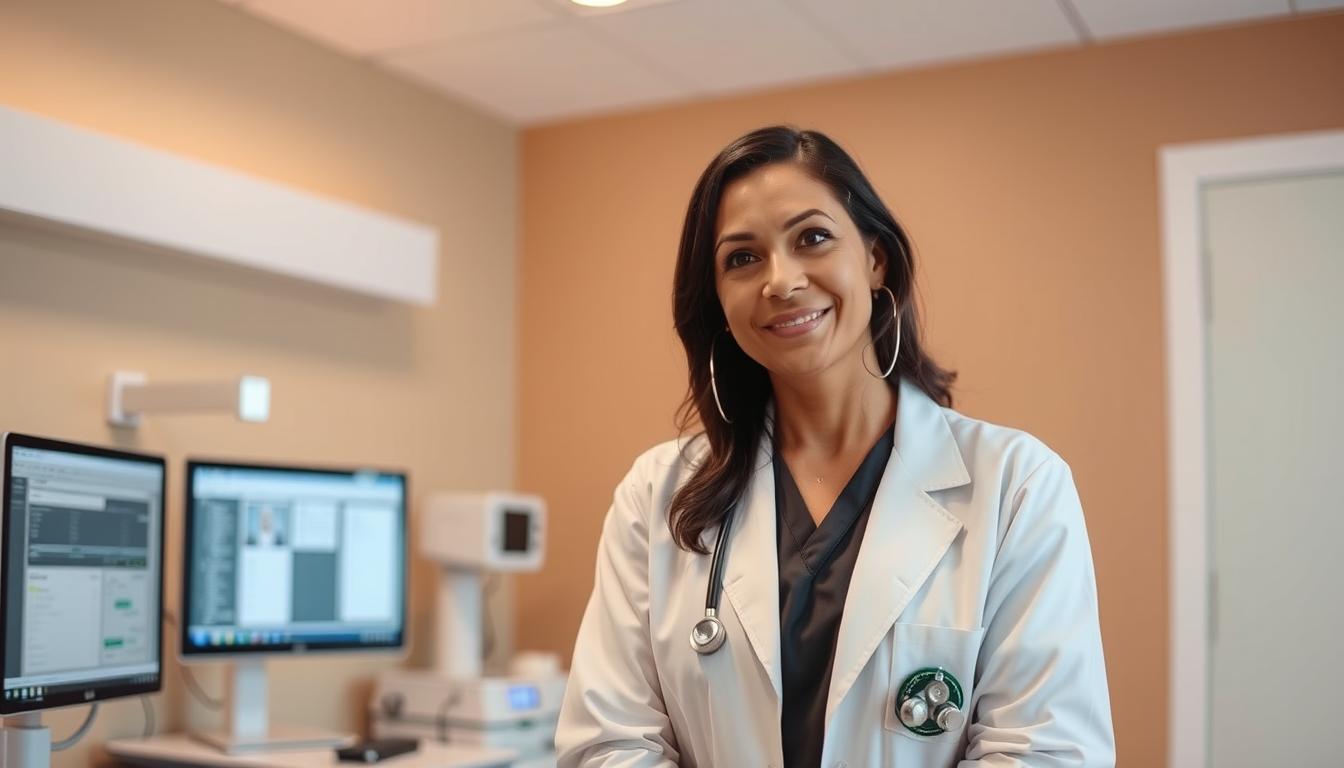
    A professional psychiatric nurse practitioner in a clean, well-lit medical office. They are standing confidently, dressed in a crisp white lab coat with a nametag, stethoscope around their neck. The background features modern medical equipment, soothing wall art, and large windows allowing natural light to pour in, conveying a sense of professionalism, expertise, and a calming environment for patients. The overall mood is one of competence, compassion, and a commitment to mental health care.

    Employment opportunities for psychiatric nurse practitioners are expanding rapidly. According to the U.S. Bureau of Labor Statistics (BLS), the career outlook for NPs is excellent, with a predicted 46% growth in employment from 2023 to 2033, much faster than the average for all occupations.

    Growth Projections

    The job outlook for psychiatric nurse practitioners is exceptionally strong. The BLS projects a significant growth in NP employment, with psychiatric specialists being in high demand. Approximately 25,025 NPs, or 6.5% of all practicing NPs, are certified in psychiatric mental health.

    Occupation Growth Rate (2023-2033) Current Number
    Nurse Practitioners 46% Approximately 385,000
    Psychiatric Mental Health NPs High Demand Approximately 25,025

    Demand Factors

    Several factors contribute to the high demand for psychiatric nurse practitioners. These include the shortage of psychiatrists nationwide, increased mental health awareness, and the integration of mental health services into primary care settings. The ongoing mental health impacts of the COVID-19 pandemic and government initiatives supporting mental health services further drive this demand.

    Key demand factors include mental health awareness, reduced stigma, telehealth expansion, and government initiatives. These factors have created a favorable job market with numerous opportunities for psychiatric nurse practitioners.

    Conclusion

    With their specialized education and critical role in addressing the nation’s mental health needs, psychiatric mental health nurse practitioners enjoy competitive compensation. The average psychiatric nurse practitioner salary nationwide ranges from approximately $126,000 to $149,000, with significant variations based on factors such as location, experience, and work setting.

    Health nurse practitioners in this specialty can increase their earning potential through strategic career moves, additional certifications, and leadership positions. The robust job outlook for mental health professionals suggests that salaries will continue to rise as demand outpaces supply.

    When evaluating career opportunities, nurse practitioners should consider the total compensation package, including benefits, work-life balance, and professional development opportunities. As the healthcare system recognizes the importance of mental health integration, psychiatric nurse practitioners will remain valued members of the healthcare team.

    FAQ

    What is the average annual salary for a Psychiatric Mental Health Nurse Practitioner in the United States?

    The average annual salary is around $145,000, but it can vary based on factors like location, experience, and work setting.

    How does experience level impact salary for PMHNPs?

    More experienced PMHNPs tend to earn higher salaries, with those having 10-19 years of experience averaging around $160,000 per year.

    Which states offer the highest salaries for PMHNPs?

    Top-paying states include California, Alaska, Hawaii, Massachusetts, and New York, with average salaries ranging from $170,000 to over $200,000 per year.

    What are the benefits and compensation packages typically offered to PMHNPs?

    Benefits often include health insurance, retirement plans, paid time off, and reimbursement for education and certification expenses.

    How can PMHNPs increase their salary?

    Obtaining advanced certifications, negotiating salary, changing work settings or locations, and moving into leadership roles can help increase earning potential.

    What is the job outlook for PMHNPs?

    The demand for PMHNPs is expected to grow significantly due to the increasing need for substance abuse treatment and mental health services.

    What work settings offer the highest salaries for PMHNPs?

    Hospitals, psychiatric facilities, and private practices tend to offer higher salaries compared to community mental health centers or correctional facilities.

    How does education and certification impact PMHNP salary?

    Having a master’s or doctoral degree and obtaining certification can lead to higher salaries and greater job opportunities.

  • Clinical Mental Health Counseling for Better Mental Health

    Clinical Mental Health Counseling for Better Mental Health

    Managing the complexities of life can be overwhelming, and it’s not uncommon to feel lost or struggle with emotional turmoil. In such times, seeking professional help can be a transformative step towards healing and growth. Clinical mental health counseling offers a supportive and non-judgmental space to explore your feelings, concerns, and experiences.

    This form of therapy is designed to address a wide range of mental health challenges, from anxiety and depression to relationship issues and trauma. By working with a trained counselor, individuals can gain a deeper understanding of themselves and develop effective coping strategies to improve their overall well-being.

    Key Takeaways

    • Clinical mental health counseling provides emotional and psychological support.
    • It addresses various mental health challenges and improves overall well-being.
    • Seeking professional counseling is crucial for maintaining good mental health.
    • Clinical mental health counselors are trained professionals with the necessary expertise.
    • The benefits of counseling include improved emotional regulation and coping strategies.

    Understanding Clinical Mental Health Counseling

    Understanding the nuances of clinical mental health counseling is essential for appreciating its role in modern mental health care.

    Image of a counselor working with a client

    Learn More

    Definition and Core Principles

    Clinical mental health counseling is defined as a professional relationship that empowers diverse individuals, families, and groups to accomplish mental health, wellness, education, and career goals. The core principles include confidentiality, client autonomy, and evidence-based practice.

    How It Differs from Other Mental Health Services

    Clinical mental health counseling differs from other mental health services like psychiatry, psychology, and social work in its unique focus on wellness and holistic approaches to mental health. Counselors work collaboratively with other professionals to provide comprehensive care.

    The Benefits of Professional Mental Health Counseling

    Through professional mental health counseling, individuals can gain the tools and support necessary to overcome various mental health concerns.

    Emotional and Psychological Support

    Professional counseling provides crucial emotional and psychological support during difficult life transitions and challenges. It helps individuals develop coping skills and resilience to navigate life’s challenges more effectively.

    • Manage stress, anxiety, and depression
    • Develop emotional regulation and decision-making skills
    • Explore difficult emotions and experiences in a safe space

    Improved Well-being and Quality of Life

    The benefits of counseling extend to personal relationships, work performance, and overall life satisfaction. By improving mental health, individuals can experience transformative personal growth and an enhanced quality of life.

    Who Can Benefit from Clinical Mental Health Counseling

    A calm, professional office setting with a serene, welcoming atmosphere. In the foreground, a middle-aged mental health counselor sits at a desk, engaged in an earnest conversation with a young adult client. Warm, diffused lighting illuminates the scene, creating a sense of trust and openness. In the background, bookshelves filled with relevant psychology resources and a serene landscape painting suggest the expertise and tranquility of the space. The overall mood conveys the benefits of clinical mental health counseling - a safe, supportive environment where individuals can work towards better mental health and well-being.

    Clinical mental health counseling is a versatile practice that can benefit a wide range of individuals and groups. It provides support and guidance to those navigating various life challenges, improving their overall well-being and quality of life.

    Individuals Facing Life Challenges

    Individuals dealing with transitions, grief, trauma, or personal growth can greatly benefit from clinical mental health counseling. This form of therapy offers a safe space to explore their feelings and develop coping strategies. By working with a licensed professional counselor, individuals can gain a deeper understanding of themselves and develop the skills needed to overcome their challenges. For more information on developing your counseling skills, visit IMPS Education.

    Families and Relationships

    Families and couples can also benefit from clinical mental health counseling. It helps improve communication, resolve conflicts, and strengthen relationships. Through counseling, families can learn effective strategies to support each other and build a more positive, loving environment.

    Groups and Communities

    Group counseling is another effective application of clinical mental health counseling, particularly for specific populations or issues such as addiction recovery, grief support, or anger management. Community-based interventions can address collective trauma, social issues, or public health concerns, promoting overall community well-being. By tailoring counseling to meet the unique needs of diverse groups and communities, mental health professionals can make a significant positive impact. Effective practice involves understanding the specific needs of each community and adapting counseling approaches accordingly.

    Beneficiaries Benefits of Clinical Mental Health Counseling
    Individuals Support through life transitions, grief, trauma, and personal growth
    Families and Couples Improved communication, conflict resolution, and stronger relationships
    Groups and Communities Addressing collective trauma, social issues, and public health concerns through tailored interventions

    Common Issues Addressed in Clinical Mental Health Counseling

    clinical mental health counseling

    Learn More

    Through clinical mental health counseling, individuals can find support for various mental health challenges. Counselors use a variety of therapeutic approaches to address these issues effectively.

    Anxiety and Depression

    Counseling effectively addresses anxiety disorders and depression through techniques like cognitive-behavioral therapy (CBT).

    Trauma and PTSD

    Trauma-informed counseling approaches help individuals experiencing post-traumatic stress disorder (PTSD) and other trauma-related conditions.

    Substance Use Disorders

    Evidence-based treatments, including individual and group counseling modalities, are used to address substance use disorders.

    Relationship and Family Issues

    Therapeutic approaches for relationship and family issues include improving communication, conflict resolution, and parenting skills, all within the context of counseling.

    A thorough assessment is crucial for accurately diagnosing and treating these common mental health concerns.

    The Clinical Mental Health Counseling Process

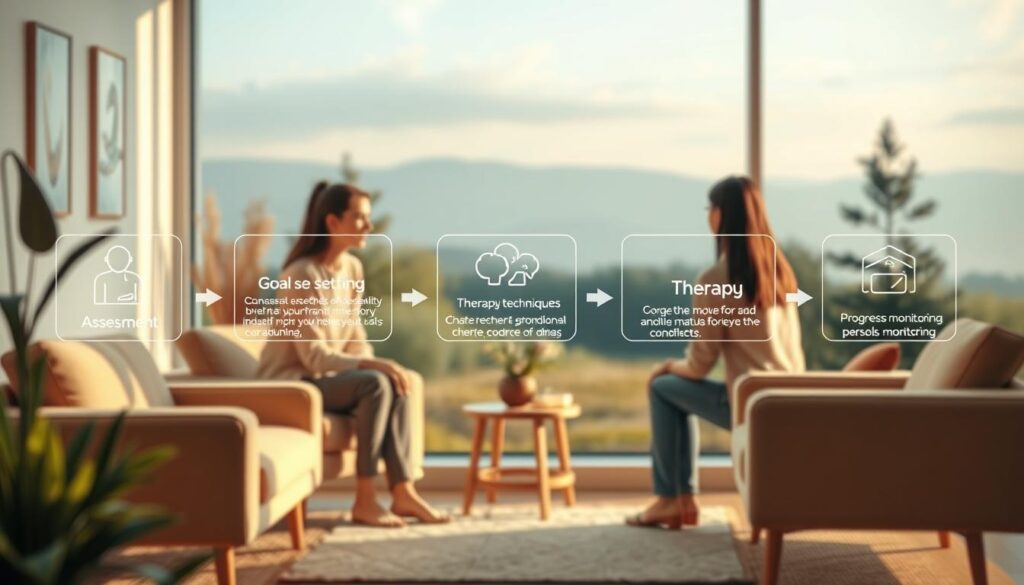
    A serene and tranquil scene depicting the clinical mental health counseling process. In the foreground, a warm and inviting counseling office with plush furniture, calming earth-toned decor, and soft lighting that creates an atmosphere of safety and comfort. A counselor and client engaged in a thoughtful discussion, their body language conveying empathy and understanding. In the middle ground, abstract representations of the various stages of the counseling process - assessment, goal-setting, therapy techniques, and progress monitoring - depicted through minimalist graphic elements. The background features a soothing, blurred landscape with natural elements like trees and a calming sky, symbolizing the holistic and restorative nature of the counseling journey.

    The clinical mental health counseling process is a structured and collaborative effort between the counselor and client. This process is designed to address the client’s specific mental health needs and promote overall well-being.

    Initial Assessment and Goal Setting

    The counseling process begins with an initial assessment, which includes intake interviews, standardized assessments, and diagnostic evaluations. This comprehensive assessment allows the counselor and client to collaboratively set clear, measurable goals for the counseling process.

    Therapeutic Approaches and Techniques

    Clinical mental health counseling employs various therapeutic approaches, such as cognitive-behavioral therapy, person-centered therapy, and solution-focused brief therapy. Counselors use specific techniques and interventions tailored to the client’s needs and concerns.

    Measuring Progress and Outcomes

    Progress is measured throughout the counseling process using both subjective feedback and objective assessment tools. This allows counselors to adapt their approaches based on client progress and emerging needs, ensuring effective clinical mental health counseling.

    Qualifications of Licensed Professional Counselors

    Image of a licensed professional counselor in a counseling session

    Learn More

    The journey to becoming a licensed professional counselor involves rigorous academic preparation and supervised clinical experience. To become a licensed professional counselor, one must complete a master’s degree in counseling or a related field from an accredited program.

    Education and Training Requirements

    Typically, accredited counseling programs require 60 credit hours of graduate-level education, including coursework in counseling theory, human development, and clinical practice. Supervised clinical experience, such as practicum and internship hours, is also necessary for licensure. For example, our 60-credit Master of Arts in Clinical Mental Health Counseling is designed to meet the program requirements for licensure.

    Licensing and Certification Standards

    Licensing and certification standards for professional counselors vary by state but generally include passing a national examination and meeting continuing education requirements. Counselors may also pursue specialized certifications to demonstrate expertise in specific areas of practice. Ongoing professional development is essential for maintaining licensure and staying current with best practices in the field.

    Settings Where Clinical Mental Health Counseling Takes Place

    As a clinical mental health counselor, one can work in a multitude of settings, each with its own distinct characteristics. The variety of settings allows counselors to choose an environment that aligns with their career goals and personal preferences.

    Private Practice Settings

    Private practices offer counselors the flexibility to work independently or as part of a group. Many private practitioners also provide telehealth services, expanding their reach to clients who prefer online counseling.

    Community Mental Health Centers

    Community mental health centers provide accessible counseling services to diverse populations, often on a sliding fee scale. These centers play a crucial role in delivering mental health care to underserved community.

    Specialized Treatment Facilities

    Specialized treatment facilities, such as substance abuse treatment centers and trauma recovery programs, offer targeted care for specific mental health issues. Counselors in these settings gain valuable experience in addressing complex client needs.

    The Importance of Cultural Competence in Counseling

    As the world becomes increasingly interconnected, the importance of cultural competence in counseling cannot be overstated, as it directly impacts the quality of care provided to diverse populations. Cultural competence is essential for counselors to effectively engage with clients from various backgrounds.

    A central foundation of the Clinical Mental Health Counseling (CMHC) Program mission is to prepare counselors to work in an increasingly diverse society. This involves developing the skills, knowledge, and awareness necessary to work with individuals from diverse backgrounds.

    Working with Diverse Populations

    Working with diverse populations requires counselors to be aware of their own cultural biases and assumptions. Through education and reflective practice, counselors can adapt their approaches to respect and incorporate clients’ cultural values, beliefs, and practices.

    Considerations when working with diverse populations include racial and ethnic minorities, LGBTQ+ individuals, religious groups, and people with disabilities. For instance, a counselor working with a client from a different racial background must be sensitive to the historical and systemic barriers that may impact the client’s mental health.

    Diverse Groups Considerations for Counselors
    Racial and Ethnic Minorities Understanding historical trauma and systemic barriers
    LGBTQ+ Individuals Awareness of specific challenges and stigma
    Religious Groups Respect for beliefs and practices

    Advocacy and Social Justice in Mental Health

    Counselor advocacy is crucial for promoting social justice and equitable access to mental health services. By addressing systemic barriers and disparities, counselors can contribute to a more just and equitable society.

    “Cultural competence is not a destination but a continuous process of learning and growth.”

    — Expert in Cultural Competence

    For those seeking support, finding a local teen therapy service that is culturally competent can be a vital step towards healing.

    Ongoing learning and professional development in cultural competence are ethical responsibilities for counselors, ensuring they remain effective in their practice across diverse populations.

    How to Choose the Right Mental Health Counselor

    Image of a person meeting with a mental health counselor for the first time.

    Learn More

    The process of choosing a mental health counselor involves several key considerations to ensure a good fit. It’s not just about finding someone with the right credentials; it’s also about finding someone with whom you feel comfortable and connected.

    Questions to Ask Potential Counselors

    When interviewing potential counselors, ask about their counseling skills and experience. Understanding their approach and how they’ve helped others with concerns similar to yours can provide valuable insights.

    Factors to Consider in Your Decision

    Consider factors such as credentials, specialization, location, cost, and insurance coverage. Ensuring that these practical aspects align with your needs is crucial for a successful counseling experience.

    The Importance of the Therapeutic Relationship

    The therapeutic relationship is foundational to successful counseling outcomes. Trust your intuition about whether you feel understood and supported by the counselor.

    Conclusion: Taking the First Step Toward Better Mental Health

    The journey to better mental health begins with a single step, and clinical mental health counseling can be a valuable companion on this path.

    Throughout this article, we’ve explored the benefits and processes of clinical mental health counseling, from addressing anxiety and depression to improving overall well-being. By understanding these aspects, individuals can feel more confident in seeking help.

    Reaching out to a health counseling program or professional is a sign of strength, not weakness. It’s an investment in one’s future. You can expect a confidential and professional experience. To find local resources, consider searching online or asking for referrals from healthcare providers. Taking that first step can lead to life-changing benefits and a significant improvement in your mental health.

    FAQ

    What is the typical duration of a master’s degree program in counseling?

    The typical duration of a master’s degree program in counseling is around two to three years, depending on the institution and the student’s enrollment status.

    What are the education and training requirements for becoming a licensed professional counselor?

    To become a licensed professional counselor, one typically needs to earn a master’s degree in counseling or a related field, complete a certain number of supervised practicum hours, and obtain licensure or certification from the state.

    How do I know if a counselor is right for me?

    To determine if a counselor is right for you, consider factors such as their therapeutic approaches, experience working with clients with concerns similar to yours, and your personal comfort level with them.

    What can I expect during my first counseling session?

    During your first counseling session, you can expect the counselor to conduct an initial assessment, discuss your goals and expectations, and establish a plan for future sessions.

    Are counseling services confidential?

    Yes, counseling services are confidential, and counselors are bound by laws and ethics to maintain the confidentiality of their clients’ information.

    Can I pursue a master’s degree in counseling online?

    Yes, many institutions offer online or hybrid counseling programs that can be completed partially or entirely online, providing flexibility for students with other commitments.

    What are the career opportunities for graduates with a degree in counseling?

    Graduates with a degree in counseling can pursue various career paths, including working in private practice, community mental health centers, schools, and other settings where counseling services are needed.

  • Conducting a Mental Health Status Exam: Key Components

    Conducting a Mental Health Status Exam: Key Components

    Assessing a patient’s psychological state is a crucial step in providing effective care. A comprehensive evaluation helps healthcare professionals understand the individual’s condition and develop a targeted treatment plan.

    The Mental Status Examination is a systematic approach to describing a patient’s mental state at a specific point in time. By using a structured method, clinicians can gather objective data and track changes over time.

    A thorough understanding of the key components of this examination is essential for healthcare professionals to provide high-quality care. This guide will explore each element in detail, enabling clinicians to improve their assessment skills.

    Key Takeaways

    • Understanding the components of a Mental Status Examination is crucial for accurate diagnosis.
    • A systematic approach helps clinicians gather objective data about a patient’s condition.
    • This comprehensive guide will explore each element of the examination in detail.
    • Mastering the techniques outlined in this guide can improve treatment plans.
    • Clinicians can track changes over time by using a structured evaluation method.

    What is a Mental Health Status Exam

    The mental status examination is a comprehensive evaluation that helps clinicians understand a patient’s cognitive and emotional functioning. It is a vital tool in both psychiatric and neurological assessments.

    Definition and Purpose

    A mental status examination is a systematic assessment used to evaluate an individual’s cognitive and emotional state. It is a crucial tool in psychiatric and neurological evaluations, helping clinicians diagnose and manage various conditions. The examination assesses several aspects, including appearance, behavior, speech, mood, affect, perception, thought content, and cognitive function.

    By conducting a thorough mental status examination, healthcare professionals can identify abnormalities and develop an appropriate treatment plan. The purpose of this examination is to provide a snapshot of the patient’s mental state at a particular point in time, which is vital for both initial assessments and ongoing monitoring.

    When to Conduct a Mental Status Examination

    A mental status examination should be conducted in various clinical situations. It is essential during initial psychiatric evaluations to establish a baseline of the patient’s cognitive and emotional functioning.

    Additionally, it is crucial when patients present with sudden changes in behavior, mood, or cognitive abilities. Regular mental status assessments are valuable for monitoring patients with chronic mental health conditions. Emergency situations, such as suicidal ideation or severe agitation, also require immediate mental status examination.

    Clinical Situation Importance of Mental Status Examination
    Initial Psychiatric Evaluations Establishes baseline cognitive and emotional functioning
    Sudden Changes in Behavior/Mood Helps identify acute psychiatric or neurological conditions
    Chronic Mental Health Conditions Monitors symptom progression or improvement over time
    Emergency Situations (e.g., Suicidal Ideation) Assesses risk and determines appropriate interventions
    Suspected Cognitive Impairment Aids in diagnosing dementia, delirium, or other neurological conditions

    Preparing for the Mental Health Status Exam

    To ensure a comprehensive evaluation, clinicians must prepare appropriately for the mental health status exam. This preparation involves creating the right environment and considering various cultural and educational factors that could impact the assessment.

    Creating the Right Environment

    Creating an appropriate environment is crucial for a successful mental health status exam. The physical space should be comfortable and free from distractions, allowing the patient to feel at ease and communicate effectively.

    Cultural and Educational Considerations

    Cultural and educational factors significantly influence the outcome of a mental health status exam. Clinicians must be aware of these factors to interpret the results accurately. For instance, cultural factors can affect how individuals express psychological distress, and a patient’s educational background can impact their performance on cognitive tasks involving language.

    • Cultural sensitivity is essential when conducting a mental health status exam, as cultural norms can influence patient responses.
    • A patient’s educational background and literacy level should be considered when administering cognitive assessments.
    • Qualified interpreters should be used when there are language barriers to ensure accurate communication.
    • Clinicians should be aware of cultural differences in emotional expression and adjust their interpretations accordingly.
    • Environmental stressors, such as socioeconomic hardships, can impact a patient’s presentation and should be considered during the assessment process.

    By considering these factors and gathering relevant information, clinicians can ensure a more accurate and comprehensive mental health status exam.

    General Observations and Appearance

    General observations and appearance are fundamental components of the mental health status exam, serving as a foundation for further assessment. The initial observations can provide valuable insights into a patient’s mental state and potential underlying conditions.

    Assessing Grooming and Hygiene

    Observing a patient’s grooming and hygiene is crucial as it can indicate their level of self-care and potential neglect. Poor grooming may be associated with depression, schizophrenia, or other mental health conditions. Clinicians should note whether the patient appears clean, well-groomed, or if there are signs of neglect.

    Observing Posture and Body Language

    A patient’s posture and body language can convey significant information about their mental state. For instance, a slumped posture might suggest depression, while restlessness could indicate anxiety. Clinicians should observe whether the patient appears tense, relaxed, or agitated.

    Evaluating Eye Contact

    Eye contact serves as a window into a patient’s mental state. Patterns of gaze can potentially indicate conditions such as depression, anxiety, or psychosis. When evaluating eye contact, clinicians should note whether it is appropriate, sustained, fleeting, intense, or absent. As noted, “Eye contact can be a significant indicator of a person’s mental health status.”

    Avoidance of eye contact may suggest social anxiety, depression, or paranoid thinking. In contrast, excessively intense or unblinking eye contact might indicate mania or certain personality disorders. Changes in a patient’s typical eye contact patterns can signal shifts in their mental status, making this a valuable parameter to track across multiple examinations.

    Behavioral Assessment

    A comprehensive behavioral assessment is essential for an accurate mental health evaluation. This assessment helps clinicians understand the patient’s mental state and identify potential underlying conditions.

    Motor Activity and Movement

    Observing a patient’s motor activity and movement is crucial in a behavioral assessment. This includes noting any abnormalities in movement, such as tremors, tics, or rigidity. Abnormal motor activity can be indicative of various neurological or psychiatric conditions.

    Level of Consciousness

    Assessing a patient’s level of consciousness is fundamental to the mental status examination. It involves evaluating whether the patient is alert, drowsy, lethargic, stuporous, or comatose, as alterations in consciousness may indicate delirium, substance intoxication, or neurological conditions.

    The level of consciousness can be described in various states, including vigilant, alert, drowsy, lethargic, stuporous, asleep, comatose, confused, or fluctuating. Fluctuations in consciousness level throughout the examination are particularly significant and often point to delirium.

    To assess the patient’s level of consciousness, clinicians may ask basic orientation questions, such as “What is your full name?”, “Where are we at?”, and “What is the full date today?” This helps determine the severity of impairment and guides decisions about the appropriate level of care. It is also important to observe the patient’s ability to maintain attention throughout the examination.

    As one expert notes, “Fluctuations in consciousness level throughout the examination are particularly significant and often point to delirium, which requires urgent medical evaluation to identify and address the underlying cause.”

    Speech Evaluation

    Assessing speech patterns is crucial in understanding a patient’s cognitive and thought processes. Speech evaluation provides valuable insights into a patient’s mental health status, revealing potential thought disorders or cognitive impairments.

    Rate, Volume, and Fluency

    The rate, volume, and fluency of a patient’s speech are critical aspects of speech evaluation. Rate refers to the speed at which a person speaks, while volume pertains to the loudness or softness of their speech. Fluency involves the smoothness and continuity of speech.

    • A normal rate of speech is typically between 125 and 150 words per minute.
    • Variations in rate can indicate different mental health conditions; for example, pressured speech is often associated with manic episodes.
    • Abnormalities in volume, such as speaking too softly or loudly, can also be indicative of underlying issues.

    Content and Coherence

    The content and coherence of a patient’s speech are equally important, as they reveal crucial information about their thought processes and cognitive organization. Coherence refers to the logical flow of ideas and how well the speech is connected.

    Key aspects to evaluate include:

    • Tangentiality: veering off topic.
    • Circumstantiality: providing excessive, unnecessary details before reaching the point.
    • Incoherent speech patterns, such as word salad or neologisms, which may suggest thought disorders.

    When documenting speech content and coherence, it is essential to include specific examples of the patient’s speech patterns to illustrate the nature and severity of any abnormalities observed during the examination.

    Mood and Affect Assessment

    A serene, dimly lit clinical setting with muted tones and soft lighting. In the foreground, a healthcare professional intently observes and assesses the facial expressions, body language, and emotional state of a patient seated across from them. The patient's face displays a range of subtle emotions - perhaps a slight furrow of the brow, a downturned mouth, or a distant gaze. The clinician's gaze is focused, their posture attentive, creating an atmosphere of empathetic, thoughtful evaluation. The background is blurred, emphasizing the connection and interaction between the two figures. Overall, the image conveys the nuanced, delicate process of a mood and affect assessment during a mental health evaluation.

    A thorough mental health evaluation requires careful consideration of both mood and affect to provide a complete picture of a patient’s emotional well-being. These two components, while related, offer distinct insights into a patient’s mental state.

    Differentiating Between Mood and Affect

    Mood refers to the patient’s subjective, sustained emotional state, whereas affect is the observable expression of emotion. Understanding the difference between these two is crucial for an accurate assessment.

    Evaluating Mood

    When evaluating mood, clinicians rely on the patient’s self-report. The patient’s description of their emotional state provides valuable information about their mental health status.

    Assessing Affect

    Affect is assessed through observation of the patient’s facial expressions, vocal tone, body language, and gestures. Clinicians evaluate affect along several dimensions: range (from restricted to full), intensity (blunted, flat, or intense), appropriateness (congruent with thought content), and stability (fixed or labile).

    Affect Characteristic Description Potential Indication
    Restricted range Limited emotional expression Depression or schizophrenia
    Expansive affect Exaggerated emotional responses Mania or histrionic personality traits
    Labile affect Rapid changes in emotional expression Emotional dysregulation

    When documenting affect, using specific descriptive terms such as “blunted,” “labile,” or “constricted” is preferable to vague characterizations. Observing the patient’s affect and noting any changes throughout the examination is crucial for a comprehensive assessment.

    Perception Examination

    The perception examination is a vital component of evaluating a patient’s mental health status, focusing on their ability to accurately perceive reality. This examination is crucial for identifying any distortions in sensory perception that could indicate underlying mental health issues. By assessing how a patient interprets sensory information, clinicians can gain insights into their mental state.

    Identifying Hallucinations

    Hallucinations are perceptions that occur in the absence of external stimuli, and they can be a significant indicator of certain mental health conditions. Clinicians should carefully assess the nature of any reported hallucinations, including their frequency, content, and the sensory modality involved. For instance, auditory hallucinations are common in schizophrenia, while visual hallucinations can be associated with various conditions, including neurological disorders.

    It is essential to differentiate hallucinations from other perceptual disturbances, such as delusions or misperceptions. A thorough assessment can help clinicians understand the underlying causes of a patient’s symptoms and develop an appropriate treatment plan. For more information on managing mental health conditions, visit expert mental health support programs.

    Recognizing Illusions and Misperceptions

    Illusions are misperceptions of actual stimuli and can be either a misinterpretation or a clear error in perception. For example, a patient might perceive the wind blowing as whispers or see figures moving in the dark when leaves on a tree are blowing. While occasional illusions are normal, persistent or distressing illusions may indicate heightened perceptual sensitivity associated with conditions like anxiety disorders or early psychosis.

    Clinicians should assess whether the patient has insight into their misperceptions, as preserved insight generally indicates less severe psychopathology. When documenting illusions, it is crucial to include the specific nature of the misperception, frequency of occurrence, associated emotional responses, and whether the patient

    Thought Content Analysis

    Thought content examination is a key element in diagnosing and treating mental health disorders. When assessing thought content, consider the totality of your conversation with the patient, what is being said, and just as importantly, what is not said?

    The content of a patient’s thoughts can reveal underlying issues, such as ideas of reference (IOR), where everything perceived in the world is believed to relate to one’s own destiny.

    Assessing for Delusions

    Delusions are firmly held beliefs not grounded in reality. Clinicians should assess for the presence of delusions by inquiring about the patient’s beliefs and perceptions.

    Evaluating Suicidal and Homicidal Ideation

    It is crucial to evaluate patients for suicidal or homicidal ideation, as these thoughts can have severe consequences if not addressed promptly. Clinicians should ask direct questions about such thoughts and assess the patient’s intent and plan.

    Identifying Obsessions and Phobias

    Obsessions are recurrent, intrusive thoughts, images, or urges that cause significant anxiety and distress. Phobias, on the other hand, are excessive, irrational fears of specific objects or situations.

    Characteristics Obsessions Phobias
    Nature Intrusive thoughts or urges Fear of specific objects or situations
    Impact Causes significant anxiety and distress Leads to avoidance behaviors

    When assessing for obsessions and phobias, clinicians should inquire about unwanted thoughts that persist despite attempts to ignore or suppress them, their content, frequency, and associated distress.

    Thought Process Evaluation

    A tranquil, minimalist interior scene, with a thoughtful individual seated at a simple, clean-lined desk. Soft, natural lighting filters in through a nearby window, illuminating the person's pensive expression as they contemplate a stack of papers or a digital device. The background is blurred, allowing the viewer to focus on the subject's introspective state of mind, signifying the "thought process evaluation" at the heart of the mental health assessment. The overall mood is one of calm, focused reflection, inviting the viewer to consider the nuances of the individual's cognitive processes.

    Thought process evaluation involves examining the logical flow and coherence of a patient’s speech and thinking. This assessment is critical in understanding how a person organizes their thoughts and communicates effectively.

    Assessing Logical Flow and Coherence

    A key aspect of thought process evaluation is assessing the logical flow and coherence of a patient’s speech. Coherence refers to how well the patient’s words, sentences, and overall speech are connected and make sense. Incoherence can manifest as mumbling, loose associations, or tangential thinking, indicating potential thought disorders.

    To assess logical flow, clinicians observe how ideas are linked and whether the conversation stays on topic. Disruptions in logical flow can indicate underlying cognitive or psychiatric issues.

    Identifying Thought Disorders

    Thought disorders represent significant disruptions in the form and organization of thinking, often manifesting in disordered speech patterns. Common types of thought disorders include loose associations, flight of ideas, thought blocking, perseveration, neologisms, and clang associations.

    Thought Disorder Description Clinical Implication
    Loose Associations Ideas shift from one topic to another with minimal logical connection Often indicates schizophrenia spectrum disorders or severe mania
    Flight of Ideas Rapid shifting between topics with some discernible connections Typically occurs in manic states
    Thought Blocking Sudden interruption in the flow of thinking or speaking May indicate psychotic processes

    Recognizing these thought disorders is essential for accurate diagnosis and effective treatment planning. Clinicians must carefully evaluate a patient’s speech patterns and thought processes to identify any disruptions or abnormalities.

    Cognitive Function Assessment

    Evaluating cognitive abilities is vital for diagnosing and managing various mental health conditions. Cognitive functions include a range of processes such as perception, attention, memory, learning, language, and problem-solving. A comprehensive assessment of these functions helps clinicians understand a patient’s mental status and identify potential cognitive impairments.

    Orientation Assessment

    Orientation assessment is a fundamental aspect of cognitive evaluation, determining whether a patient is aware of their surroundings, time, and personal identity. Clinicians assess orientation by asking patients about their name, location, date, and time. Disorientation, particularly to time and place, can be an indicator of cognitive impairment or acute confusional states.

    Memory Evaluation

    Memory evaluation is another critical component of cognitive assessment. It involves testing various aspects of memory, including immediate recall, short-term memory, and long-term memory. Clinicians may ask patients to remember and recall words, phrases, or events. Impairments in memory can be indicative of various neurological or psychiatric conditions.

    Attention and Concentration Testing

    Attention refers to the ability to focus on specific stimuli while filtering out distractions. It is a fundamental cognitive function that underlies many other cognitive processes. Common bedside tests of attention include:

    • Digit span: Repeating increasingly long sequences of numbers forward and backward.
    • Serial sevens: Counting backward from 100 by sevens.
    • Spelling words backward.

    Clinicians should observe for signs of distractibility during the examination. Impaired attention is a cardinal feature of delirium and often presents before other cognitive deficits, making attention testing particularly valuable for early detection of acute confusional states.

    When interpreting attention test results, consider factors that may affect performance independently of psychiatric conditions, such as anxiety, fatigue, pain, medication effects, or educational background.

    Test Description Clinical Significance
    Digit Span Repeating numbers forward and backward Assesses working memory and attention
    Serial Sevens Counting backward from 100 by sevens Evaluates sustained attention and cognitive flexibility
    Spelling Words Backward Spelling a given word in reverse order Tests attention and working memory

    Insight and Judgment Evaluation

    Insight and judgment evaluation is a critical component of a comprehensive mental health assessment. It provides clinicians with valuable information about a patient’s mental state and their ability to make informed decisions.

    Patient’s Understanding of Their Condition

    Assessing a patient’s understanding of their condition is essential to evaluate their level of insight. This involves determining whether the patient acknowledges their mental health issue and understands its implications. A patient with good insight is more likely to adhere to treatment plans and make decisions that are in their best interest.

    To assess insight, clinicians can ask patients about their perception of their condition, its causes, and its impact on their daily life. The level of insight can vary significantly among patients, and it is crucial to consider this when developing treatment plans.

    Evaluating Decision-Making Abilities

    Evaluating a patient’s decision-making abilities is a critical aspect of judgment assessment. This involves reviewing the patient’s recent actions and decisions to determine whether they are making reasonable choices. Clinicians should consider whether the patient’s decisions are motivated by perceptual disturbances or paranoia.

    Judgment can be described as impaired, poor, or good, depending on the patient’s ability to make safe and reasonable decisions. For instance, a patient with impaired judgment may engage in risky behaviors, such as substance abuse or reckless spending, that compromise their safety and well-being.

    Judgment Level Description Examples
    Impaired Significantly compromised decision-making ability Acutely intoxicated individuals
    Poor Limited ability to make reasonable decisions Patients with acute psychosis or dementia
    Good Ability to make informed, safe decisions Patients who are aware of their condition and its implications

    As noted by a clinical expert, “The assessment of judgment involves evaluating a patient’s ability to make reasonable decisions, anticipate consequences, and engage in appropriate behavior based on their circumstances.” This highlights the importance of considering a patient’s cultural background and personal values when evaluating their judgment.

    Standardized Tools for Mental Health Status Exams

    Clinicians utilize a range of standardized tools to conduct thorough mental health status exams and assess cognitive function. These tools are essential for diagnosing and monitoring various mental health conditions, including dementia. The use of standardized assessment tools ensures that evaluations are comprehensive and reliable.

    The following are some of the commonly used standardized tools in mental health status examinations:

    Mini-Mental State Examination (MMSE)

    The MMSE is a widely used assessment tool that evaluates cognitive function, including aspects such as memory, attention, and language. It is a quick and effective way to assess cognitive impairment.

    Mini-Cog Assessment

    The Mini-Cog is a brief assessment tool that combines a three-item recall test with a clock-drawing task. It is used to identify cognitive impairment and dementia in older adults.

    Montreal Cognitive Assessment (MoCA)

    The MoCA is a comprehensive cognitive assessment tool that evaluates various cognitive domains, including executive function, memory, and language. It is particularly useful for detecting mild cognitive impairment.

    Addenbrooke’s Cognitive Examination (Revised)

    The ACE-R is another alternative to the MMSE that is not proprietary. It requires about 20 minutes to administer and assesses attention, executive functioning, language, memory, orientation, and visuospatial proficiency. In 13 studies, this tool had a pooled sensitivity of 92% (95% CI, 90% to 94%) and specificity of 89% (95% CI, 84% to 93%) for dementia.

    The ACE-R is a comprehensive cognitive assessment tool that expands upon the MMSE with additional items testing memory, language, and visuospatial abilities. Key features of the ACE-R include:

    • Assessment across five cognitive domains: attention/orientation, memory, verbal fluency, language, and visuospatial abilities.
    • A maximum score of 100 points, providing a detailed evaluation of cognitive function.
    • Excellent sensitivity (92%) and specificity (89%) for detecting dementia.
    • Availability in the public domain in multiple languages, making it accessible for clinical use worldwide.
    Assessment Tool Administration Time Cognitive Domains Assessed
    MMSE 5-10 minutes Memory, attention, language
    Mini-Cog 3-5 minutes Memory, executive function
    MoCA 10-15 minutes Executive function, memory, language, visuospatial abilities
    ACE-R 15-20 minutes Attention/orientation, memory, verbal fluency, language, visuospatial abilities

    These standardized tools are invaluable in the assessment of cognitive function and the detection of dementia. By using these tools, clinicians can make more accurate diagnoses and develop effective treatment plans.

    Conclusion: Documenting and Interpreting Findings

    Documenting and interpreting the findings of a mental status examination is essential for accurate diagnosis and effective treatment planning. The mental status examination serves as a snapshot of a patient’s mental health at a specific point in time, capturing their behaviors, thoughts, and feelings.

    Proper documentation creates a valuable clinical record, facilitating communication among healthcare providers and serving as a baseline for future comparisons. Clinicians should use specific, descriptive language when documenting findings, including direct quotes from the patient when relevant.

    The interpretation of findings must consider the patient’s cultural background, educational level, and baseline functioning to avoid misattributing normal variations to psychopathology. Serial assessments are particularly valuable for conditions with fluctuating symptoms, such as bipolar disorder or schizophrenia.

    By combining standardized tools with clinical judgment, healthcare providers can synthesize mental status examination findings with other assessment data to formulate accurate diagnoses and effective treatment plans, ultimately enhancing mental health care.

    FAQ

    What is the purpose of a Mental Health Status Exam?

    The primary purpose is to assess an individual’s cognitive function, emotional state, and behavioral patterns to identify potential delirium, dementia, or other conditions affecting their thought process and overall well-being.

    How do you prepare a patient for a Mental Health Status Exam?

    To prepare, create a comfortable and non-threatening environment, taking into account the patient’s cultural background and educational level, to ensure they feel at ease during the assessment.

    What aspects are evaluated during a Mental Health Status Exam?

    The exam assesses various aspects, including appearance, speech, mood, affect, thought content, and cognitive function, to gather a comprehensive understanding of the patient’s state.

    How is a patient’s level of consciousness assessed?

    The level of consciousness is evaluated by observing the patient’s alertness, responsiveness, and ability to engage in the examination process.

    What is the significance of evaluating a patient’s thought content?

    Assessing thought content helps identify potential delusions, hallucinations, or other abnormalities that may indicate an underlying condition affecting the patient’s thought process.

    How are cognitive functions assessed during a Mental Health Status Exam?

    Cognitive function is evaluated through various tests, including orientation assessment, memory evaluation, and attention and concentration testing, to identify potential impairments.

    What is the role of standardized tools in Mental Health Status Exams?

    Standardized tools, such as the Mini-Mental State Examination (MMSE) and Montreal Cognitive Assessment (MoCA), provide a structured framework for assessing cognitive function and detecting potential cognitive impairments.

    How is a patient’s insight and judgment evaluated?

    Insight and judgment are assessed by evaluating the patient’s understanding of their condition and their ability to make informed decisions regarding their care.

  • Masters in Clinical Mental Health Counseling: Graduate Degree Overview

    Masters in Clinical Mental Health Counseling: Graduate Degree Overview

    Embarking on a career in mental health counseling can be a deeply rewarding journey, allowing professionals to make a positive impact on individuals’ lives. A graduate degree in this field equips students with the knowledge and skills necessary to address various mental health challenges.

    Guided by principles of social justice, advocacy, and ethical practice, a Master of Arts in Clinical Mental Health Counseling program prepares students to become licensed professional counselors. This comprehensive overview will explore the structure, curriculum, and career opportunities associated with these graduate programs.

    Key Takeaways

    • Understanding the structure and curriculum of Clinical Mental Health Counseling graduate programs
    • Exploring admission requirements and career opportunities in the field
    • The importance of CACREP accreditation for licensure and professional growth
    • Skills developed during the program, including assessment techniques and multicultural competencies
    • Financial considerations, including tuition costs and potential funding opportunities

    Understanding Masters in Clinical Mental Health Counseling Programs

    Graduate programs in Clinical Mental Health Counseling focus on developing the clinical skills and ethical foundations required for professional counselors. These programs are designed to provide students with a comprehensive understanding of mental health principles and practices.

    Program Structure and Duration

    Masters in Clinical Mental Health Counseling programs typically require 60 semester hours of coursework and clinical experience, designed to be completed in 2-3 years of full-time study. The programs are structured to include both didactic classroom learning and hands-on clinical practice through practicum and internship experiences in real counseling settings.

    • Didactic classroom learning provides a foundation in counseling theories and techniques.
    • Practicum and internship experiences offer hands-on training in real-world settings.

    Core Values and Educational Philosophy

    The educational philosophy of these programs is grounded in a developmental, wellness-oriented approach to mental health that emphasizes client strengths and resilience. Core values that guide these programs include multiculturalism, social justice, advocacy, ethical practice, and evidence-based approaches to counseling.

    By emphasizing these core values, programs ensure that students develop a strong professional identity aligned with the American Counseling Association’s definition of counseling.

    Comprehensive Curriculum and Coursework

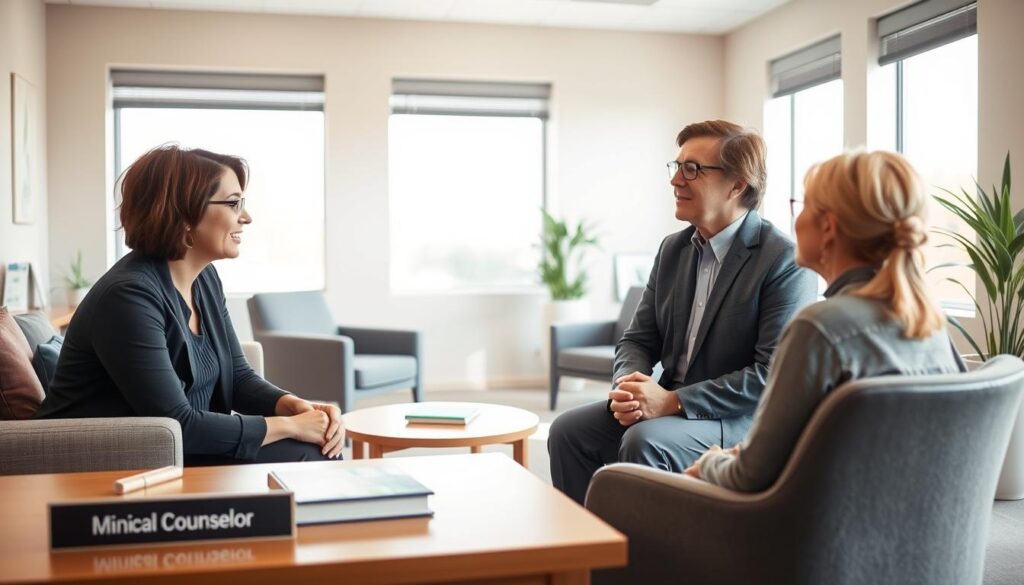
    A well-lit, modern counseling office with a comfortable sofa, chairs, and a desk. The walls are painted in a calming, neutral tone, and the room is filled with natural light from large windows. On the desk, there are books, a laptop, and a nameplate indicating "Clinical Mental Health Counselor". In the foreground, a counselor in professional attire is engaged in a thoughtful discussion with a patient, their expressions conveying empathy and understanding. The overall atmosphere is serene, inviting, and conducive to open and honest dialogue.

    A Master’s in Clinical Mental Health Counseling is built on a comprehensive curriculum that prepares students for the complexities of mental health services. The program is designed to meet the highest standards of counseling related educational programs, ensuring that graduates are well-equipped to provide effective counseling services.

    Core Required Courses

    The curriculum includes a set of core required courses that cover fundamental areas such as counseling theories, professional ethics, human development, psychopathology, assessment techniques, multicultural counseling, and research methods. These courses are crucial in developing a strong foundation in mental health counseling.

    Course Code Course Name Credits
    CPS 6010 Professional Identity and Ethics in Mental Health Counseling 3
    CPS 6410 Basic Counseling Skills 3
    CPS 8100 Psychobehavioral Diagnosis 3

    Clinical Practice Requirements

    Clinical practice is a critical component of the program, requiring students to complete a practicum (100 hours) and internship experiences (600+ hours). During this time, students work directly with clients under the supervision of experienced professionals in mental health settings.

    Elective Opportunities

    The program also offers elective courses that allow students to develop expertise in specialized areas such as addiction counseling, trauma treatment, child and adolescent therapy, or gerontological counseling. These electives enhance the students’ ability to provide targeted mental health services.

    Admission Requirements and Application Process

    A clinical mental health counseling application timeline, meticulously crafted against a pristine white backdrop. In the foreground, a stack of documents, each page meticulously detailed with forms, deadlines, and checklists. Surrounding them, a clean, organized workspace with a professional desk, a laptop, and a thoughtfully placed cup of coffee. The lighting is soft and even, casting a calming, professional atmosphere. In the background, a minimalist wall displays a framed diploma, hinting at the academic rigor required for this field. The overall composition conveys a sense of structure, organization, and the careful attention to detail necessary for a successful counseling application.

    Pursuing a Master’s in Clinical Mental Health Counseling requires a thorough understanding of the admission requirements and application process. Prospective students must navigate a series of steps to successfully apply for these graduate programs.

    Academic Prerequisites

    Typically, a bachelor’s degree from an accredited institution with a minimum GPA of 2.5-3.0 is required, though this can vary by program. While many students have undergraduate majors in psychology, social work, or human services, programs often accept students from diverse academic backgrounds who demonstrate a strong interest in the counseling profession. For more detailed information on specific program requirements, prospective students can visit the program admissions page.

    Application Components

    The application process generally begins 9-12 months before the intended start date. Standard components include official transcripts, a professional resume or CV, a statement of purpose or goals statement, and letters of recommendation (typically 2-3). Many programs also require prerequisite coursework in areas such as psychology or statistics.

    Interview Process and Timeline

    The interview process is a critical component of the admission process, assessing personal qualities and interpersonal skills essential for effective counseling practice. Interviews may be conducted individually or in groups and often include opportunities for applicants to learn more about the program. The application timeline typically involves submission deadlines 3-6 months before the program start date, with interviews and admission decisions following within 1-2 months.

    Application Deadline Interview Period Admission Decision
    March 1 Mid/Late April Late April/Early May

    CACREP Accreditation and Its Importance

    Accreditation by the Council for Accreditation of Counseling and Related Educational Programs (CACREP) is a hallmark of excellence in mental health counseling education. This accreditation ensures that programs meet rigorous standards, providing students with a high-quality education.

    Understanding CACREP Standards

    CACREP sets standards that encompass eight core curriculum areas, including professional counseling orientation, social and cultural diversity, and research and program evaluation. These standards ensure that accredited programs provide comprehensive education and training.

    • CACREP standards cover key areas such as human growth and development, career development, and counseling techniques.
    • Programs must maintain specific faculty-to-student ratios and ensure faculty have appropriate credentials.

    Benefits of Attending an Accredited Program

    Graduating from a CACREP-accredited program streamlines the licensure process and provides a competitive advantage in the job market. It also facilitates the portability of credentials across state lines.

    • Employers often prefer candidates from accredited programs.
    • Accreditation promotes continuous program improvement and accountability.

    Essential Skills and Knowledge Development

    The Clinical Mental Health Counseling graduate programs focus on fostering the development of critical skills and knowledge in future counselors. Students are prepared to work with diverse client populations across various settings.

    Clinical Assessment and Intervention Skills

    Students develop proficiency in evidence-based assessment techniques, including clinical interviewing and mental status examination. They learn to formulate comprehensive case conceptualizations that inform treatment planning.

    Multicultural Competence and Social Justice

    Multicultural competence is integrated throughout the curriculum, enabling counselors to work effectively with clients from diverse backgrounds. Programs emphasize social justice advocacy, teaching students to address systemic barriers affecting clients’ wellbeing.

    Crisis Intervention and Trauma-Informed Care

    Crisis intervention training prepares counselors to respond to acute situations, including suicidal ideation and trauma responses. Trauma-informed care principles are also incorporated, helping students understand the neurobiological impacts of trauma.

    The following table summarizes key skills and knowledge areas developed in Clinical Mental Health Counseling programs:

    Skill/Knowledge Area Description Application
    Clinical Assessment Evidence-based assessment techniques Case conceptualization and treatment planning
    Multicultural Competence Understanding sociocultural factors Effective practice with diverse client populations
    Crisis Intervention Responding to acute situations Managing crisis situations effectively

    Career Opportunities After Graduation

    Image of a mental health counselor working with a client

    Learn More

    A master’s degree in Clinical Mental Health Counseling opens doors to diverse career paths in the mental health field. Graduates are equipped with the knowledge and skills necessary to work in various settings, providing critical support to individuals, groups, and communities.

    Employment Settings and Roles

    Graduates of clinical mental health counseling programs find employment in diverse settings, including community mental health centers, private practices, hospitals, residential treatment facilities, college counseling centers, and employee assistance programs. Career roles extend beyond direct clinical service to include positions in program management, clinical supervision, consultation, education, and advocacy within the mental health field.

    Licensure Requirements and Process

    Licensure requirements vary by state but typically include completion of an accredited master’s program, accumulation of 2,000-4,000 post-graduate supervised clinical hours, passing a national examination, and meeting state-specific requirements. The licensure process generally involves provisional or associate licensure while completing supervised practice hours, followed by application for full licensure as a Licensed Professional Counselor (LPC) or equivalent title.

    With a strong foundation in mental health counseling, graduates are well-prepared to pursue specialized certifications in areas such as trauma therapy, play therapy, substance abuse counseling, or marriage and family therapy. This not only enhances their practice but also increases their marketability in a competitive job market.

    The employment outlook for mental health counselors is exceptionally positive, with the Bureau of Labor Statistics projecting a growth rate significantly higher than average for all occupations through 2030. This promising outlook, combined with the personal fulfillment that comes from helping others, makes a career in clinical mental health counseling a rewarding and sustainable choice.

    Program Costs and Financial Aid Options

    Explore funding opportunities for Clinical Mental Health Counseling programs

    Learn More

    Pursuing a Master’s in Clinical Mental Health Counseling is a significant investment in your future, with various funding opportunities available to support your graduate education. The cost of attending a Clinical Mental Health Counseling program can vary widely, depending on factors such as institution type and residency status.

    Tuition and Additional Expenses

    Tuition for Clinical Mental Health Counseling programs can range from approximately $25,000 to $70,000 total program cost. Additional expenses include textbooks, professional liability insurance, technology fees, and costs associated with professional memberships and conference attendance. Students should also budget for expenses related to practicum and internship experiences.

    Scholarships, Assistantships, and Fellowships

    Many institutions offer graduate assistantships that provide tuition remission and stipends in exchange for teaching, research, or administrative work. Program-specific scholarships may be available based on academic merit, financial need, or commitment to serving underrepresented populations. Students can also explore federal financial aid options, such as Direct Unsubsidized Loans and Graduate PLUS loans, by completing the Free Application for Federal Student Aid. Professional organizations and some employers also offer scholarships and tuition reimbursement benefits.

    Conclusion: Taking the Next Step in Your Counseling Career

    As the demand for mental health services continues to grow, pursuing a Master’s in Clinical Mental Health Counseling can position you for success. This graduate degree represents a significant investment in your professional future and in the wellbeing of the communities you will serve.

    When selecting a program, consider factors such as CACREP accreditation status, faculty expertise, and clinical training sites. Begin the application process early to ensure adequate time for preparation. Connecting with current students and alumni can provide valuable insights into program culture and strengths.

    To prepare for your journey, develop a self-care plan and consider your existing commitments. Remember that becoming a counselor involves supervised practice, continuing education, and self-reflection. Take advantage of professional networking opportunities to enhance your career prospects.

    FAQ

    What is the typical duration of a graduate program in Clinical Mental Health Counseling?

    The program typically takes two to three years to complete, depending on the institution and the student’s enrollment status.

    What are the core values of a Clinical Mental Health Counseling program?

    The core values include a commitment to social justice, multicultural competence, and the development of skilled counselors who can provide effective services to diverse populations.

    What kind of coursework can I expect in a Clinical Mental Health Counseling program?

    The curriculum typically includes courses in counseling theory, human development, and clinical practice, as well as electives in areas such as crisis intervention and trauma-informed care.

    What are the admission requirements for a Clinical Mental Health Counseling program?

    Admission requirements typically include a bachelor’s degree from an accredited institution, letters of recommendation, and a personal statement, as well as prerequisite coursework in areas such as psychology and statistics.

    Why is CACREP accreditation important for a Clinical Mental Health Counseling program?

    CACREP accreditation ensures that the program meets rigorous standards for curriculum, faculty, and clinical training, which is essential for licensure and certification as a mental health counselor.

    What kind of career opportunities are available to graduates of a Clinical Mental Health Counseling program?

    Graduates can pursue careers in a variety of settings, including community agencies, schools, and private practice, and can work in roles such as counselor, therapist, or program director.

    How do I know if a Clinical Mental Health Counseling program is right for me?

    Consider factors such as the program’s curriculum, faculty expertise, and clinical training opportunities, as well as the program’s accreditation status and licensure pass rates.

    What kind of financial aid is available to students in a Clinical Mental Health Counseling program?

    Students may be eligible for scholarships, assistantships, and fellowships, as well as federal and private student loans, to help cover the costs of tuition and living expenses.

  • Mental Health Co Op: Collaborative Care for Better Health

    Mental Health Co Op: Collaborative Care for Better Health

    Imagine a place where you can find compassionate support and professional expertise to overcome life’s challenges. A place where relationships matter and are the foundation of care. This is the essence of the Mental Health Co Op, where individuals are treated as people first, not just their diagnosis.

    The Mental Health Co Op provides a comprehensive range of services designed to address various conditions, including anxiety and depression. By working in small multidisciplinary teams, they focus on the individual client and their unique needs, creating personalized treatment plans that foster overall wellbeing.

    Key Takeaways

    • Collaborative care approach for treating the whole person
    • Comprehensive services addressing various mental health conditions
    • Personalized treatment plans created by multidisciplinary teams
    • Emphasis on relationships and compassionate support
    • Focus on overall wellbeing and life challenges

    Understanding the Mental Health Co Op Approach

    Image generation prompt: A diverse group of people from different age groups and backgrounds coming together in a shared community space, symbolizing the cooperative's people-first approach.

    Learn More

    The Mental Health Co Op distinguishes itself through its people-first approach to mental health care. This approach is rooted in a deep understanding of the complexities of mental health and the importance of comprehensive services.

    Core Philosophy and Values

    The Mental Health Cooperative’s core philosophy centers on treating individuals as people first, never defining them by their mental illness or diagnosis. Our values emphasize the importance of relationships in the healing process, creating a culture of respect and dignity for all who seek our services. We believe in the potential of every person to heal, grow, and change when provided with appropriate therapy and support.

    The Collaborative Care Model

    The mental health cooperative brings together multidisciplinary teams of professionals who work in concert to address each individual’s unique mental health needs. Rather than compartmentalizing care, our approach integrates various services to ensure comprehensive treatment that addresses all aspects of a person’s life and wellbeing. By working together, we provide support that is both accessible and relevant to real-life situations. For more information on our approach and services, please visit Mental Health Co Op.

    Comprehensive Mental Health Services

    Image of a diverse group of people receiving mental health support

    Learn More

    The Mental Health Co Op is dedicated to delivering comprehensive mental health services that address the complex needs of individuals and families. These services are designed to be inclusive, ensuring that everyone has access to the care they need.

    The Mental Health Co Op provides a wide range of services tailored to meet the unique needs of different age groups and individuals facing various mental health challenges. Our services are designed to be comprehensive, addressing not just the symptoms but the overall well-being of our clients.

    Adult Mental Health Programs

    Our Adult Mental Health Programs are designed to provide comprehensive services for adults dealing with a variety of mental health conditions, including depression, anxiety, and bipolar disorder. Services include individual therapy, medication management, and case coordination, all aimed at helping adults manage their symptoms and improve their quality of life.

    Children and Youth Services

    The Children and Youth Services program at the Mental Health Co Op recognizes the unique challenges faced by young people. We offer age-appropriate interventions for children and adolescents struggling with issues such as ADHD, anxiety, and depression. Our approach includes family involvement, school-based services, and individualized treatment plans.

    Crisis Intervention and Support

    For individuals experiencing a mental health crisis, our Crisis Intervention and Support services are available 24/7. Trained professionals assess the situation and provide the necessary level of intervention, which may include mobile crisis response or connection to our Crisis Treatment Center. If you’re experiencing a mental health crisis, you can call 615-726-0125 or 855-274-7471 for immediate assistance.

    We understand that navigating mental health services can be challenging. Our team is committed to providing clear information and support to individuals and families in need.

    Specialized Treatment Programs at Mental Health Co Op

    Mental Health Co Op offers a range of specialized treatment programs tailored to meet the unique needs of individuals struggling with various mental health challenges. These programs are designed to provide comprehensive care and support for individuals dealing with complex mental health issues.

    Depression and Anxiety Treatment

    Our Depression and Anxiety Treatment programs utilize evidence-based approaches, including cognitive-behavioral therapy and medication management, to address these common but debilitating conditions. Treatment plans are individualized to recognize the unique experiences of each person.

    Substance Abuse and Medication-Assisted Treatment

    The Substance Abuse and Medication-Assisted Treatment program addresses addiction issues that often co-occur with mental illness, providing integrated care for these complex needs. Our medication-assisted treatment for opioid use disorders includes Suboxone treatment combined with counseling and behavioral therapies.

    Case Management and Community Support

    Case Management and Community Support services help individuals navigate life challenges beyond their immediate mental health needs. Case managers assist with accessing resources for housing, employment, education, transportation, and financial needs, recognizing that stability in these areas supports mental health recovery.

    Getting Help Through Mental Health Co Op

    At Mental Health Co Op, we understand that taking the first step towards mental health care can be daunting, but we’re here to make it easier. Our intake process is straightforward, beginning with a simple phone call to our main line (901-455-2595), where our compassionate staff will gather basic information and schedule an initial assessment.

    We serve individuals of all ages, providing specialized care for each life stage and circumstance. Our outpatient-based treatment model includes access to primary care facilities and pharmacy services, addressing both mental and physical health needs. We work with various insurance providers and offer sliding scale options to ensure that financial concerns don’t prevent someone from seeking help.

    By calling us, you can take the first step towards a healthier life, getting the support you need for mental health challenges such as depression, anxiety, or ADHD. Our crisis line (615-726-0125) is available 24/7 for those who need immediate assistance.

    FAQ

    What services does the cooperative offer for individuals in crisis?

    The cooperative provides crisis intervention and support services, including emergency counseling and referrals to local resources, to help individuals navigate challenging situations.

    How does the cooperative address the needs of adults with depression and anxiety?

    The cooperative offers depression and anxiety treatment programs, including individual and group therapy sessions, to help adults manage their symptoms and improve their overall well-being.

    What kind of support does the cooperative provide for families affected by illness?

    The cooperative offers family support services, including counseling and education, to help families cope with the challenges of caring for a loved one with an illness.

    Are the cooperative’s services available to children and adolescents?

    Yes, the cooperative provides children and youth services, including counseling and therapy, to support the unique needs of children and adolescents.

    How does the cooperative’s case management program work?

    The cooperative’s case management program helps individuals develop a personalized plan to address their specific needs and connect with local resources and support services.

    Can the cooperative provide information and resources on ADHD and other disorders?

    Yes, the cooperative offers information and resources on various conditions, including ADHD, to help individuals and families understand their options and make informed decisions.

    How can I get in touch with the cooperative for support or to ask questions?

    You can call the cooperative to speak with a representative who can provide information, answer questions, and help you access the services you need.

  • Mental Health Nurse Practitioner: Role and Responsibilities

    Mental Health Nurse Practitioner: Role and Responsibilities

    The demand for mental health professionals has never been more pressing. As society navigates the complexities of modern life, the need for compassionate, expert care has become a priority. At the forefront of this effort are mental health nurse practitioners, vital bridges in the healthcare ecosystem.

    These skilled nurse professionals blend nursing expertise with psychiatric knowledge to provide comprehensive care for patients suffering from various mental health disorders. As the healthcare landscape evolves, the role of the nurse practitioner has become increasingly important.

    Their ability to diagnose, treat, and educate patients makes them invaluable in addressing the growing mental health needs in society.

    Key Takeaways

    • Mental health nurse practitioners play a crucial role in the healthcare system.
    • They provide comprehensive psychiatric care for patients with mental health disorders.
    • Their expertise bridges the gap between nursing and psychiatric care.
    • The demand for mental health professionals is on the rise.
    • Nurse practitioners are essential in addressing the increasing mental health needs.

    What Is a Mental Health Nurse Practitioner?

    Mental health nurse practitioners are advanced practice registered nurses who specialize in psychiatric care. They serve as a vital bridge in the healthcare ecosystem by blending nursing and psychiatric expertise to provide comprehensive psychiatric mental health care for patients suffering from various mental health disorders.

    Definition and Scope of Practice

    A psychiatric-mental health nurse practitioner (PMHNP) is a registered nurse with advanced education and training in psychiatric care. The scope of practice for PMHNPs includes diagnosing mental health conditions, prescribing medications, and providing psychotherapy. They are qualified to assess patients’ mental health needs, develop treatment plans, and implement interventions to promote mental health and well-being.

    • Diagnose mental health conditions using standardized assessment tools
    • Prescribe and manage medications to treat mental health disorders
    • Provide psychotherapy and other evidence-based treatments

    Difference Between PMHNPs and Other Mental Health Professionals

    PMHNPs differ from other mental health professionals, such as psychiatrists and psychologists, in terms of their training, approach, and practice authority. While psychiatrists are medical doctors who specialize in psychiatric care, PMHNPs are advanced practice registered nurses with a nursing background. This unique blend of nursing and psychiatric expertise enables PMHNPs to provide holistic, patient-centered care that addresses the physical, emotional, and social needs of individuals with mental health disorders.

    The key differences between PMHNPs and other mental health professionals lie in their education, training, and scope of practice. Understanding these differences is essential to appreciating the valuable role that PMHNPs play in the mental health care system.

    Key Responsibilities of Mental Health Nurse Practitioners

    With their advanced training, Mental Health Nurse Practitioners (MHNPs) are equipped to handle various responsibilities, from conducting mental health assessments to prescribing medications. Their role is pivotal in ensuring comprehensive care for patients with mental health issues.

    Patient Assessment and Diagnosis

    MHNPs conduct thorough patient assessments, including both physical and psychological evaluations. They use standardized criteria and clinical judgment to diagnose mental health conditions accurately. This comprehensive assessment process is crucial for developing effective treatment plans.

    Treatment Planning and Implementation

    After diagnosis, MHNPs develop and implement treatment plans tailored to the individual needs of their patients. These plans may include psychotherapy, medication, or a combination of both. The treatment plans are regularly reviewed and adjusted based on the patient’s response and progress.

    Medication Management

    A critical aspect of the MHNP’s role is medication management. They have the authority to prescribe medications, monitor for side effects, and make necessary adjustments. This ensures that patients receive appropriate pharmacological interventions as part of their treatment.

    Overall, MHNPs play a vital role in the mental health care system, providing comprehensive care that addresses the complex needs of their patients.

    Education and Certification Requirements

    The journey to becoming a PMHNP involves several educational and certification milestones. Aspiring PMHNPs must complete a series of academic and professional requirements to qualify for this role.

    Academic Pathway to Becoming a PMHNP

    The academic pathway to becoming a PMHNP begins with earning a Bachelor’s degree in Nursing from an accredited institution. This typically involves completing a BSN program that includes coursework in nursing fundamentals, patient assessment, and mental health nursing. After obtaining their BSN, individuals must gain experience as a registered nurse (RN) before pursuing a Master’s degree in Nursing (MSN) with a specialization in psychiatric-mental health.

    • Earn a BSN degree from an accredited school
    • Gain experience as an RN
    • Pursue an MSN degree with a psychiatric-mental health specialization

    Licensing and Board Certification

    After completing their education, aspiring PMHNPs must obtain licensure as an RN and then as an Advanced Practice Registered Nurse (APRN). They must also pass the Psychiatric-Mental Health Nurse Practitioner (PMHNP) board certification exam through the American Nurses Credentialing Center (ANCC) or another recognized certifying body.

    Continuing Education Requirements

    To maintain their licensure and certification, PMHNPs must complete ongoing continuing education requirements. This involves staying current with advances in psychiatric care and participating in professional development activities throughout their careers.

    Skills Essential for Mental Health Nurse Practitioners

    A mental health nurse practitioner standing confidently in a serene, calming office setting. The foreground features the nurse in a crisp white coat, holding a clipboard and engaged in a thoughtful, empathetic discussion with a patient. The middle ground showcases a tranquil, minimalist decor with soothing colors and plants, creating an atmosphere of trust and care. The background depicts a large window overlooking a peaceful outdoor scene, symbolizing the nurse's ability to provide a safe, nurturing environment for their patients. Soft, directional lighting illuminates the scene, highlighting the nurse's attentive expression and the calming ambiance. The overall composition conveys the nurse's clinical expertise, compassionate demeanor, and commitment to holistic mental health care.

    The role of a Mental Health Nurse Practitioner demands a unique combination of clinical, technical, and interpersonal skills. As psychiatric nurse practitioners, they must be equipped to handle a wide range of responsibilities, from patient assessment and diagnosis to treatment planning and medication management.

    Clinical and Technical Skills

    Mental Health Nurse Practitioners need strong clinical skills to assess patients accurately and develop effective treatment plans. This includes understanding diagnostic criteria, interpreting psychological tests, and maintaining accurate documentation. As highlighted in a recent article on psychiatric mental health nursing skills, staying updated with the latest diagnostic tools and techniques is crucial.

    Interpersonal and Communication Skills

    Effective interpersonal and communication skills are vital for building trust with patients and collaborating with other healthcare professionals. “Empathy, active listening, and clear communication are essential for establishing therapeutic relationships and delivering patient-centered care.” By possessing these skills, Mental Health Nurse Practitioners can work effectively with diverse patient populations and contribute to comprehensive care teams.

    Work Settings and Practice Environments

    Mental health nurse practitioners operate in a range of environments, from acute care hospitals to outpatient clinics. The nature of their work varies significantly according to the setting.

    Hospital and Inpatient Settings

    In hospital and inpatient settings, psychiatric nurse practitioners work in high-paced environments, providing crucial care to patients with serious mental health conditions. Their responsibilities include assessing patients, developing treatment plans, and managing medications.

    • Assess and diagnose patients with mental health conditions
    • Develop and implement treatment plans
    • Collaborate with other healthcare professionals

    Outpatient Clinics and Private Practice

    In outpatient clinics and private practices, mental health nurse practitioners often have more regular hours and may provide services such as psychiatric mental health assessments and family psychotherapy. They may work independently or as part of a healthcare team.

    Community Mental Health Centers

    Community mental health centers provide another vital setting for mental health nurse practitioners. Here, they serve vulnerable populations, offering a range of services from assessment and treatment to education and support.

    The diverse settings in which mental health nurse practitioners work highlight the flexibility and range of their profession, allowing them to choose environments that best suit their skills and interests.

    Treating Mental Health Disorders

    Psychiatric mental health clinic, dimly lit interior with warm lighting, wide angle lens. In the foreground, a patient sits on a comfortable armchair, deep in introspective thought. The middle ground features a therapist in a professional yet empathetic pose, gently guiding the patient through their session. The background depicts a cozy, calming environment with subtle abstract art pieces on the walls, evoking a sense of tranquility and safety. Soft, muted color palette, hints of blues and earth tones, creating an atmosphere of contemplation and healing.

    The role of a mental health nurse practitioner is multifaceted, involving the assessment, diagnosis, and treatment of various mental health conditions. Mental health disorders can range from common conditions like depression and anxiety to more complex illnesses. Each disorder has its unique characteristics, symptom patterns, and treatment approaches.

    Common Mental Health Conditions Treated

    Mental health nurse practitioners regularly treat a variety of mental health conditions, including mood disorders, anxiety disorders, psychotic disorders, and substance use disorders. These conditions require accurate diagnosis and tailored treatment plans.

    The diagnosis involves conducting thorough assessments to identify the specific condition and its severity. This information is crucial for developing effective treatment strategies.

    Treatment Approaches and Modalities

    Treatment plans for mental health disorders may encompass a blend of psychotherapy, counseling, lifestyle guidance, and, where necessary, prescribing medication. Mental health nurse practitioners use evidence-based practices to approach the diagnosis and treatment of these conditions.

    Treatment Modality Description
    Psychopharmacology Use of medications to manage symptoms of mental health disorders.
    Psychotherapy Therapeutic techniques to help patients manage and overcome mental health issues.
    Holistic Interventions Approaches that consider the whole person – physical, emotional, and social – in the treatment process.

    By employing these various treatment modalities, mental health nurse practitioners can create individualized treatment plans that address the unique needs and preferences of each patient.

    Career Outlook and Salary Expectations

    The career outlook for mental health nurse practitioners is promising, with a growing demand in the healthcare sector. As the need for mental health services continues to rise, the role of psychiatric mental health nurse practitioners becomes increasingly important.

    Job Growth and Demand

    The demand for mental health nurse practitioners is driven by several factors, including the growing recognition of mental health needs and shortages in the healthcare workforce. According to recent data, careers for nurse practitioners with a psychiatric specialty are expected to grow 31% by 2024, significantly higher than the average for all occupations.

    Key factors driving this growth include:

    • Increased recognition of mental health needs
    • Insurance coverage for mental health services
    • Provider shortages in rural and underserved areas

    Salary Range and Factors Affecting Compensation

    The U.S. Bureau of Labor Statistics reports that psychiatric nurse practitioners make an average of $114,510 annually. Salaries can range from $82,960 to $156,160, depending on factors such as years of experience, geographic location, and practice setting.

    Practice Setting Average Salary Range
    Hospital Settings $100,000 – $140,000
    Outpatient Clinics $110,000 – $150,000
    Private Practice $120,000 – $160,000

    Factors affecting compensation include education level, years of experience, and geographic location. For instance, a psychiatric mental health nurse practitioner working in a major city is likely to earn a higher salary than one working in a rural area.

    Conclusion: The Impact of Mental Health Nurse Practitioners in Healthcare

    As the demand for mental health services continues to rise, the importance of mental health nurse practitioners cannot be overstated. These professionals play a crucial role in addressing the growing mental health needs within our society. By providing comprehensive, patient-centered care, they significantly improve patient outcomes and help bridge gaps in mental healthcare access, particularly in underserved areas. The profession continues to evolve, adapting to changing healthcare landscapes and emerging mental health challenges. Ultimately, mental health nurse practitioners are essential members of the healthcare system, making significant contributions to improving mental health care accessibility and quality.

    FAQ

    What is the role of a Psychiatric Nurse Practitioner in patient care?

    A Psychiatric Nurse Practitioner plays a crucial role in assessing, diagnosing, and treating patients with various psychiatric disorders, providing comprehensive care that addresses their health needs.

    What education and training are required to become a certified Psychiatric-Mental Health Professional?

    To become a certified Psychiatric-Mental Health Professional, one must complete a Master’s or Doctoral degree in nursing with a focus on psychiatric-mental health, and obtain certification through the American Nurses Credentialing Center.

    How do Psychiatric Nurse Practitioners develop treatment plans for patients?

    Psychiatric Nurse Practitioners develop treatment plans by conducting thorough patient assessments, diagnosing psychiatric disorders, and selecting appropriate interventions, including medication management and therapy.

    What are the benefits of seeking care from a Psychiatric Nurse Practitioner?

    Seeking care from a Psychiatric Nurse Practitioner offers several benefits, including personalized attention, comprehensive care, and access to a range of treatment options, ultimately improving patient outcomes and quality of life.

    Can Psychiatric Nurse Practitioners prescribe and manage medications?

    Yes, Psychiatric Nurse Practitioners are qualified to prescribe and manage medications as part of a patient’s treatment plan, under the scope of their practice and licensure.

    How do Psychiatric Nurse Practitioners stay current with the latest developments in psychiatric care?

    Psychiatric Nurse Practitioners stay current with the latest developments in psychiatric care by completing continuing education requirements, attending conferences, and participating in professional organizations, such as the American Nurses Credentialing Center.

  • Mental Health Nursing: Care Strategies and Best Practices

    Mental Health Nursing: Care Strategies and Best Practices

    The demand for compassionate and skilled nursing professionals has never been more pressing. As mental health challenges continue to rise across the United States, the critical role of mental health nursing in the healthcare system becomes increasingly evident.

    Individuals struggling with psychological and emotional disorders require specialized care that addresses their unique needs. Nurses who specialize in this field are equipped to provide comprehensive support, from initial assessment through ongoing intervention.

    The impact of healthcare professionals trained in mental health nursing is profound, leading to improved patient outcomes and a better quality of life for those affected.

    Key Takeaways

    • The role of mental health nurses is critical in addressing the rising mental health challenges.
    • Specialized care provided by these nurses significantly improves patient outcomes.
    • Mental health nursing involves comprehensive assessment and ongoing intervention.
    • The demand for skilled mental health nursing professionals continues to grow.
    • Effective care strategies are essential for enhancing the quality of life for individuals with mental health conditions.

    The Growing Importance of Mental Health Nursing

    As mental health issues continue to rise, the role of mental health nurses is gaining prominence. The United States is facing a significant mental health crisis, with a substantial portion of the population lacking access to necessary care.

    Current Mental Health Challenges in the United States

    The prevalence of mental health disorders is a growing concern. Out of approximately 337 million people in the U.S., about 165 million live in areas with limited or no access to mental health treatment. According to the Substance Abuse and Mental Health Services Administration, less than half of adults with mental health conditions received treatment in 2019. Racial and ethnic minorities are disproportionately affected, experiencing greater unmet mental health needs.

    The Role of Mental Health Nurses in Healthcare

    Mental health nurses play a crucial role in addressing the mental health crisis. They serve as frontline providers, particularly for underserved populations. Their responsibilities include assessment, diagnosis support, treatment implementation, and crisis intervention. Mental health nurses work within interdisciplinary teams, bringing a unique nursing perspective that focuses on holistic patient care.

    Mental Health Nursing Responsibilities Description
    Assessment Evaluating patients’ mental health needs
    Diagnosis Support Assisting in diagnosing mental health conditions
    Treatment Implementation Implementing treatment plans for patients

    Mental health nurses are vital in bridging the treatment gap and providing essential care to those in need.

    Educational Pathways to Mental Health Nursing

    Aspiring mental health nurses must choose from several educational pathways to achieve their career goals. The choice of educational pathway significantly impacts one’s scope of practice and career advancement opportunities in mental health nursing.

    Associate vs. Bachelor’s Degree Options

    The first step in becoming a mental health nurse is to decide between an Associate Degree in Nursing (ADN) and a Bachelor of Science in Nursing (BSN). An ADN typically takes 2 years to complete and provides a foundational education in nursing, allowing for quicker entry into the workforce.

    In contrast, a BSN is a 4-year degree that offers a more comprehensive education, including courses in research, leadership, and community health. This broader education can lead to more employment opportunities and serves as a foundation for advanced practice roles.

    Advanced Practice Opportunities

    For those interested in advanced practice, a graduate-level education is required. Two advanced practice roles in mental health nursing are the Psychiatric-Mental Health Nurse Practitioner (PMHNP) and the Clinical Nurse Specialist (CNS) in mental health.

    A PMHNP can function as a primary care provider with prescriptive authority, while a CNS typically focuses on consultation, education, and healthcare administration. Both roles require a strong educational foundation and offer rewarding career opportunities in mental health nursing.

    Essential Qualifications for Mental Health Nurses

    Aspiring mental health nurses must acquire specific qualifications to deliver effective care and support to their patients. These qualifications are fundamental to ensuring that mental health nurses are equipped to handle the complexities of their role.

    Licensure Requirements

    All mental health nurses must pass the NCLEX-RN exam to become a registered nurse (RN). Licensure requirements vary by state, with each having its own set of regulations for maintaining RN licensure. Nurses must comply with these state-specific requirements to continue practicing.

    Specialized Certifications

    The American Nurses Credentialing Center (ANCC) offers the Psychiatric-Mental Health Nursing Board Certification (PMH-BC), a voluntary certification that validates a nurse’s expertise. To be eligible, candidates need two years of full-time RN experience, 2,000 hours of clinical practice in psychiatric-mental health nursing, and 30 hours of continuing education within the past three years.

    Work Environments for Mental Health Nurses

    From hospitals to community settings, mental health nurses can be found working in a variety of environments that cater to different patient needs. The work environment significantly influences a mental health nurse’s daily responsibilities, dress code, and approach to patient care.

    Hospital and Inpatient Settings

    Mental health nurses working in hospitals, psychiatric mental health clinics, and assisted living facilities assess patients and collaborate with other healthcare professionals to develop patient care plans. They work in psychiatric nursing units, emergency rooms, and crisis response teams, providing acute care for patients experiencing severe symptoms or crises. For more information on the role of mental health nurses in healthcare, visit this resource.

    Community and Outpatient Opportunities

    Community-based mental health nursing emphasizes education, support for medication adherence, therapy reinforcement, and helping patients integrate successfully into their communities. Nurses work in outpatient clinics, schools, telehealth services, correctional facilities, and long-term care homes, focusing on ongoing management and prevention.

    Work Setting Key Responsibilities
    Hospital and Inpatient Assessing patients, administering medications, implementing treatment plans
    Community and Outpatient Education, medication adherence support, therapy reinforcement

    Common Mental Health Conditions in Nursing Practice

    A dimly lit mental health clinic, illuminated by the soft glow of overhead lamps. In the foreground, a patient sits with a pensive expression, conveying the weight of their inner struggles. The middle ground features a series of abstract shapes and figures, representing the complex interplay of emotions and thoughts. In the background, a distorted, dreamlike landscape emerges, symbolizing the subconscious realm of the mind. The overall atmosphere is one of introspection and empathy, capturing the essence of the common mental health conditions that nurses encounter in their practice.

    Mental health nurses encounter a wide range of mental health conditions in their practice, which can be broadly categorized into psychoses, neuroses, and organic mental health disorders. Understanding these conditions is crucial for providing effective care.

    Psychoses and Severe Mental Illnesses

    Psychoses are severe mental health disorders characterized by hallucinations, delusions, and disorganized thinking. Examples include bipolar disorder and schizophrenia. These conditions significantly impact patients’ ability to perceive reality.

    Neuroses and Mood Disorders

    Neuroses, including depression and anxiety disorders, are generally more responsive to treatment. Conditions like obsessive-compulsive disorder and post-traumatic stress disorder fall under this category, affecting patients’ mood and emotional well-being.

    Organic Mental Health Disorders

    Organic mental health disorders result from physiological diseases affecting the brain, such as Alzheimer’s disease and vascular dementia. Understanding the biological basis of these conditions is essential for comprehensive care.

    The following table summarizes the key characteristics of these mental health conditions:

    Condition Category Examples Key Characteristics
    Psychoses Bipolar disorder, Schizophrenia Hallucinations, delusions, disorganized thinking
    Neuroses Depression, Anxiety disorders Mood disturbances, anxiety, responsive to treatment
    Organic Disorders Alzheimer’s disease, Vascular dementia Physiological brain diseases, cognitive decline

    Core Skills for Effective Mental Health Nursing

    A serene, well-lit hospital ward with soft lighting and warm tones. In the foreground, a compassionate mental health nurse listens intently to a patient, their body language conveying empathy and understanding. In the middle ground, a group of nurses huddle around a table, collaborating on patient care strategies. In the background, medical equipment and soothing artworks create a calming, therapeutic atmosphere. The scene evokes the core skills of mental health nursing: active listening, patient-centered care, teamwork, and a holistic, nurturing approach to supporting mental wellbeing.

    Effective mental health nursing requires a unique blend of technical skills and interpersonal abilities. Mental health nurses must be proficient in both areas to provide comprehensive care to their patients.

    Technical Nursing Skills

    Mental health nurses need to master various technical skills, including conducting comprehensive mental health assessments, administering and monitoring psychotropic medications, and recognizing adverse effects. They must also be skilled in implementing de-escalation techniques and documenting patient care accurately. These technical skills are crucial for providing effective mental health treatment and ensuring patient safety.

    Technical Skill Description
    Comprehensive Assessments Conducting thorough mental health assessments to identify patient needs.
    Medication Management Administering and monitoring psychotropic medications, recognizing adverse effects.
    De-escalation Techniques Implementing techniques to calm patients in crisis, ensuring safety.

    Essential Interpersonal Abilities

    In addition to technical skills, mental health nurses must possess strong interpersonal abilities, including active listening, empathetic communication, and boundary setting. They must be able to build therapeutic relationships with patients experiencing psychological distress. Developing a narrative approach that allows patients to tell their stories in their own words fosters trust and provides valuable clinical insights.

    Evidence-Based Mental Health Nursing Strategies

    Evidence-based mental health nursing strategies are crucial for delivering high-quality patient care. Mental health nurses must adapt these strategies to meet the unique needs of each patient, recognizing that while diagnoses may be standardized, each individual’s experience of mental illness is unique.

    Assessment and Diagnosis Approaches

    Mental health nurses initiate care with comprehensive assessments, evaluations, and tentative diagnoses. This process involves triaging patients for crisis intervention and providing appropriate acute care until they stabilize.

    Therapeutic Interventions

    Therapeutic interventions include leading individual and group therapy sessions, teaching self-care activities, and providing education on treatments and prevention of future crises. For more information on specific programs, visit expert mental health support resources.

    Crisis Management Techniques

    Crisis management involves mastering de-escalation protocols, assessing suicide risk, and safety planning. Effective crisis management is critical in mental health nursing practice.

    Strategy Description Outcome
    Comprehensive Assessment Initial evaluation and diagnosis Accurate nursing diagnosis
    Therapeutic Interventions Individual and group therapy, self-care education Improved patient outcomes
    Crisis Management De-escalation, risk assessment, safety planning Stabilized patient condition

    Best Practices for Patient-Centered Mental Health Care

    Delivering high-quality mental health care involves adopting a patient-centered approach that emphasizes collaboration, empathy, and understanding. This approach is crucial for improving patient outcomes and satisfaction.

    Building Therapeutic Relationships

    Establishing a strong therapeutic relationship is foundational to effective mental health nursing. This involves creating trust, maintaining appropriate boundaries, and demonstrating unconditional positive regard. Cultural humility is also essential in building a strong therapeutic rapport with diverse patient populations.

    Collaborative Care Planning

    Collaborative care planning involves actively engaging patients in setting goals and making decisions about their treatment. This approach empowers individuals as partners in their recovery journey, rather than passive recipients of care. Key elements include shared decision-making and personalized care plans.

    Family Support and Education

    Supporting and educating family members of individuals with mental health conditions is vital. This includes providing psychoeducation about diagnoses, teaching coping skills, and connecting families with resources. By involving families appropriately in the treatment process, mental health nurses can enhance the overall care experience and outcomes.

    Safety Considerations in Mental Health Nursing

    The practice of mental health nursing involves navigating complex safety issues that impact both nurses and patients. Mental health nurses must be vigilant and proactive in identifying potential risks and implementing strategies to mitigate them.

    Risk Assessment Protocols

    Mental health nurses use comprehensive risk assessment protocols to identify potential safety concerns. These include evaluating suicide risk, violence potential, self-harm tendencies, and elopement risk. By assessing these risks, nurses can develop targeted interventions to ensure patient and staff safety.

    To effectively assess risk, nurses must be aware of their surroundings and the patient’s behavior. This includes being mindful of escalating tension or aggression in patients or their family members. Practical safety measures, such as positioning oneself near exits during assessments and requesting assistance when needed, are also crucial.

    De-escalation Techniques

    De-escalation techniques are critical in managing potentially volatile situations. Mental health nurses employ verbal de-escalation strategies, recognize early warning signs of aggression, and use personal space effectively to calm situations. These techniques are grounded in evidence-based practice and are essential for maintaining a safe and therapeutic environment.

    According to the National Center for Biotechnology Information, effective crisis intervention involves a combination of these strategies. Nurses must balance the need for safety with the goal of preserving patient dignity and avoiding stigma around mental illness.

    By integrating risk assessment protocols with de-escalation techniques, mental health nurses can create a safe and supportive environment for their patients. This approach not only enhances patient care but also contributes to a positive and secure workplace for nursing staff.

    Conclusion: The Future of Mental Health Nursing

    The future of mental health nursing is bright, with new opportunities and challenges arising from changing healthcare needs. The field is evolving with a growing emphasis on integrated care models that combine mental and physical health services, creating new roles for mental health nurses.

    Technological innovations like telehealth and digital therapeutics are transforming mental health nursing practice and expanding access to care. There’s also a shift towards preventive mental health services and early intervention, moving some nursing roles from acute care to community-based prevention.

    As mental health awareness grows, the demand for qualified mental health nurses will continue to rise, offering rewarding career opportunities for those who pursue this specialized field.

    FAQ

    What is the typical educational pathway for a career in psychiatric care?

    Most psychiatric nurses start with a Bachelor of Science in Nursing degree, which provides a foundation in nursing practice. Many then pursue specialized certifications or advanced degrees, such as a Master of Science in Nursing with a focus on psychiatric nursing.

    What are the key skills required for effective nursing care in psychiatric settings?

    Nurses working in psychiatric care must possess strong interpersonal abilities, including empathy and communication skills. They must also have technical skills, such as assessment and crisis intervention techniques.

    What types of care settings are available to nurses who specialize in psychiatric care?

    Psychiatric nurses can work in a variety of settings, including hospitals, community health programs, and outpatient clinics. They may also work in private practice or as part of a treatment team.

    How do nurses stay current with best practices in psychiatric care?

    Many nurses pursue ongoing education and certification in specialized areas, such as psychiatric nursing. They may also participate in professional organizations and stay up-to-date with the latest research and evidence-based practice guidelines.

    What is the role of a registered nurse in crisis intervention?

    Registered nurses play a critical role in crisis intervention, using their assessment and communication skills to de-escalate situations and provide support to patients in crisis.

    Can nurses specialize in specific areas of psychiatric care?

    Yes, nurses can pursue specialized certifications or advanced degrees in areas such as psychiatric nursing or nurse practitioner roles, allowing them to focus on specific disorders or patient populations.

  • Role Music Therapy Mental Health Treatment conversationswithstephanie Explained

    Role Music Therapy Mental Health Treatment conversationswithstephanie Explained

    Imagine a world where healing goes beyond traditional methods, where the harmony of music brings solace to those struggling with mental health challenges.

    Music therapy is a board-certified health profession that harnesses the power of music experiences within a therapeutic relationship to help patients achieve their wellness goals. As part of a multidisciplinary team, music therapists work alongside occupational therapists, physiotherapists, and psychologists to provide comprehensive care. For instance, a music therapist profile from Richmond highlights the positive impact of music therapy on patients’ lives, showcasing its potential to improve mental health outcomes.

    The “conversationswithstephanie” approach exemplifies personalized music therapy, creating transformative experiences for individuals struggling with mental health issues. By exploring the intersection of artistic expression and clinical treatment, we can better understand the role of music therapy in mental health care.

    Key Takeaways

    • Music therapy is a recognized health profession that uses evidence-based music experiences to promote healing.
    • The “conversationswithstephanie” approach offers personalized music therapy for individuals with mental health challenges.
    • Research supports the effectiveness of music therapy in addressing various mental health conditions.
    • Music therapists work as part of a multidisciplinary team to provide comprehensive care.
    • Music therapy can be a valuable addition to holistic treatment approaches that address both mind and body.

    Understanding Music Therapy as a Mental Health Treatment

    The integration of music into therapeutic practices has opened new avenues for treating mental health conditions, leveraging the profound impact of music on the human experience. Music therapy, as a distinct form of treatment, has garnered attention for its capacity to enhance mental health outcomes through creative engagement.

    What is Music Therapy?

    Music therapy is a form of therapy that uses music to promote emotional expression, healing, and well-being. It involves the use of various music-related activities, such as listening, singing, or playing instruments, tailored to the individual’s needs and goals. By engaging with music, individuals can access and process emotions in a unique and powerful way.

    Research has shown that music therapy can be particularly beneficial for individuals dealing with mental health issues, including anxiety, depression, and trauma. The therapeutic relationship between the client and the music therapist is a crucial element in this process, providing a supportive environment for emotional exploration and growth.

    The Science Behind Music and Mental Health

    Studies have demonstrated that experiencing music has a significant physiological impact on the body. When we engage with music, our brains release endorphins, dopamine, serotonin, and oxytocin, neurotransmitters associated with pain relief, pleasure, comfort, and social bonding, respectively. This complex neurological response underlies the therapeutic potential of music in mental health treatment.

    Neurotransmitter Function Impact on Mental Health
    Endorphins Pain relief Reduces stress and anxiety
    Dopamine Pleasure and reward Improves mood and motivation
    Serotonin Comfort and mood regulation Helps manage depression
    Oxytocin Social bonding Enhances feelings of connection

    The science behind music therapy supports its use as a valuable adjunct to traditional mental health treatments. By understanding the neurological and psychological effects of music, therapists can tailor interventions to meet the specific needs of their clients, enhancing the overall effectiveness of treatment.

    The Physiological and Psychological Benefits of Music Therapy

    A serene, softly lit scene depicting the psychological and physiological benefits of music therapy. In the foreground, a person sits cross-legged, eyes closed, immersed in the soothing melodies emanating from a pair of headphones. Wisps of colorful energy pulse outward, symbolizing the calming effect on the mind and body. In the middle ground, a grand piano stands, its keys glowing with an ethereal light, representing the therapeutic power of music. The background features a tranquil forest landscape, with sunlight filtering through the trees, creating a sense of harmony and natural healing. The overall atmosphere is one of peace, relaxation, and the restorative power of music on mental health.

    The therapeutic application of music has shown profound effects on both physiological and psychological well-being. Music therapy, as a form of treatment, has been observed to have a significant impact on patients’ overall health, addressing a range of conditions including anxiety, depression, and pain.

    Neurotransmitter Release During Music Experiences

    Research has shown that music experiences can stimulate the release of neurotransmitters, which play a crucial role in regulating mood, pain, and other physiological processes. As noted by a study, “music can trigger the release of dopamine, a neurotransmitter associated with pleasure and reward.” This release can lead to improved mood and reduced pain perception. The safety of the therapeutic relationship, combined with the music provided, allows patients to have cathartic experiences, further enhancing the treatment’s effectiveness.

    Measurable Health Improvements Through Music Therapy

    Clinical studies have documented significant improvements in various health metrics following music therapy interventions. Some of the measurable benefits include:

    • Reductions in anxiety scores using validated measurement tools.
    • Improvements in physiological markers such as heart rate, blood pressure, and cortisol levels.
    • Reductions in perceived pain intensity and the need for pain medication.

    These benefits are summarized in the following table:

    Health Metric Improvement
    Anxiety Scores Significant reduction
    Heart Rate Measurable improvement
    Pain Intensity Reduced perception

    “Music therapy can reduce a range of conditions including loneliness, anxiety, depression, insomnia, agitation, restlessness, even wandering, and it can be used to improve speech, memory, and language.”

    Overall, the evidence supports the use of music therapy as a valuable treatment modality, offering a range of benefits that can enhance patients’ quality of life.

    The Role Music Therapy Mental Health Treatment conversationswithstephanie Approach

    A tranquil music therapy session in a cozy studio. In the foreground, a patient sits cross-legged on a plush rug, eyes closed, breathing deeply as they strum a soothing acoustic guitar. Soft, natural lighting filters through large windows, casting a warm glow over the scene. In the middle ground, a therapist observes the patient, offering gentle guidance and encouragement. The background features a minimalist decor of earthy tones and natural elements, creating a serene, nurturing atmosphere conducive to healing and introspection. The overall mood is one of calm, focus, and the restorative power of music to soothe the mind and soul.

    The “conversationswithstephanie” approach to music therapy integrates evidence-based techniques to address specific mental health needs. This methodology is grounded in the understanding that music has a profound impact on both physiological and psychological states.

    Who is Stephanie and Her Background

    Stephanie is a credentialed music therapist with a background in providing music therapy experiences tailored to individual needs. Her approach is centered on creating a therapeutic relationship that fosters emotional expression and healing. With a strong foundation in music therapy research, Stephanie incorporates various techniques to support mental health treatment goals.

    Her background in music therapy has equipped her with the skills to design and implement personalized treatment plans. These plans are developed in coordination with the healthcare team to ensure comprehensive care.

    The Therapeutic Relationship in conversationswithstephanie

    The therapeutic relationship between Stephanie and her clients is a crucial element of the “conversationswithstephanie” approach. This relationship is built on trust, empathy, and understanding, allowing clients to feel comfortable expressing themselves through music. The therapist-client bond is nurtured through active listening and a non-judgmental attitude, facilitating a safe environment for emotional exploration.

    In this context, music therapy becomes a powerful tool for self-expression and healing. The therapeutic relationship is continuously adapted to meet the evolving needs of the client.

    Evidence-Based Music Experiences in Practice

    The “conversationswithstephanie” methodology incorporates a range of evidence-based music therapy techniques. These include active music-making interventions such as instrumental improvisation and songwriting, as well as receptive techniques like music-accompanied relaxation. The choice of technique depends on the client’s specific needs and goals, ensuring a personalized therapeutic experience.

    By leveraging the brain’s response to music, these interventions support cognitive and emotional regulation. The use of live music in therapy sessions adds a dynamic element, allowing for real-time adjustments to be made in response to the client’s needs.

    Inside a Music Therapy Session

    In the context of music therapy, each session is an opportunity for patients to engage with their feelings and work towards their therapeutic goals. The music therapist plays a crucial role in creating a supportive environment that fosters emotional expression and healing.

    Assessment and Treatment Planning

    The initial step in any music therapy session involves assessment and treatment planning. The therapist works closely with the patient to understand their needs, preferences, and goals. This collaborative approach ensures that the therapy is tailored to the individual’s unique circumstances.

    As part of the assessment, the therapist may use various tools and techniques to gauge the patient’s emotional state and musical preferences. This information is then used to develop a personalized treatment plan that aligns with the patient’s overall care objectives.

    Techniques and Instruments Used

    Music therapy employs a wide range of techniques and instruments to facilitate emotional expression and healing. The therapist may use singing, songwriting, or instrumental play to help patients process their emotions and develop coping strategies.

    The choice of instruments and techniques depends on the patient’s preferences and therapeutic goals. For instance, playing a drum can be an effective way to release tension, while composing a song can help patients express and process complex emotions.

    Therapeutic Technique Instrument/Method Therapeutic Goal
    Emotional Expression Singing/Songwriting Process Emotions
    Stress Relief Drumming Reduce Anxiety
    Cognitive Stimulation Music Listening Improve Memory

    Documentation and Progress Tracking

    Following each session, the music therapist documents the patient’s progress and response to the therapy. This documentation is crucial for tracking the effectiveness of the treatment plan and making necessary adjustments.

    The documentation process involves capturing both objective observations and subjective interpretations of the therapeutic process. The therapist may use standardized assessment tools to quantify progress in areas such as anxiety reduction and mood improvement.

    “The documentation in the ‘conversationswithstephanie’ approach follows established clinical standards while incorporating specialized notation for musical interactions and responses.”

    By regularly reviewing progress data, the therapist can refine the treatment plan to better meet the patient’s evolving needs. This ongoing assessment and adjustment process is key to maximizing the impact of music therapy on the patient’s mental health journey.

    Real Patient Experiences with Music Therapy

    The transformative power of music therapy is best understood through the stories of those who have experienced it firsthand. Music has a unique ability to touch people’s lives in profound ways, offering a therapeutic outlet that complements traditional treatment methods.

    Case Study: Emotional Connection Through Music

    A poignant example of music therapy’s impact is the story of a man whose daughter was terminally ill. He was overwhelmed with feelings of helplessness and grief, struggling to cope with the impending loss. Through a series of music therapy sessions, he was guided in creating a song that expressed his hopes, wishes, and love for his daughter. The process involved sharing memories, emotions, and stories about his daughter, which were then woven into the lyrics. The resulting song became a meaningful way for him to process his emotions and ultimately requested the therapist to sing it at his daughter’s funeral, as a final act of love.

    This case illustrates the therapeutic potential of music in navigating complex emotions and creating a lasting legacy of love and connection.

    Transformative Moments in Music Therapy

    Various case studies highlight the diverse ways music therapy can lead to transformative experiences. For instance, a veteran with PTSD found a breakthrough moment during a guided music improvisation session, which allowed him to access and process traumatic memories in a manageable way. Similarly, a teenager with selective mutism began to communicate through musical exchanges, eventually incorporating verbal expression. An elderly client with early dementia maintained a connection with family through shared musical experiences, accessing preserved emotional memories.

    • A group therapy session for individuals with substance use disorders demonstrated how collective music-making can foster a sense of community and accountability, supporting recovery goals.
    • A client with a complex trauma history experienced a corrective emotional experience through a specific musical interaction, challenging long-held negative beliefs.

    These examples underscore music therapy’s capacity to create meaningful change through non-verbal pathways, enhancing traditional therapeutic approaches.

    Conclusion: The Future of Music Therapy in Mental Health Care

    The growing recognition of music therapy‘s benefits is revolutionizing the way we approach mental health care. As an evidence-based allied health profession, music therapy is becoming increasingly integrated into mainstream treatment modalities.

    With over 300 registered music therapists across Australia, accessibility is improving. The “conversationswithstephanie” approach exemplifies the personalized nature of music therapy, creating transformative experiences for individuals.

    Emerging research continues to strengthen the evidence base, with neuroimaging studies confirming music‘s impact on brain function. Technological innovations are expanding music therapy‘s reach, making it more accessible to underserved populations.

    As mental health care evolves towards more personalized interventions, music therapy‘s role is likely to expand. Its cost-effectiveness as an adjunctive treatment is gaining recognition, with some insurance providers beginning to cover services.

    The future of music therapy in mental health care looks promising, with growing recognition of its value in comprehensive care models that address the full spectrum of human needs.

    FAQ

    What is the background of a music therapist?

    A music therapist typically has a bachelor’s degree in music therapy or a related field and is board-certified by the Certification Board for Music Therapy.

    How does a therapist use sound in a session?

    A therapist may use various sound techniques, such as playing the guitar or other instruments, to create a supportive environment and facilitate emotional expression.

    Can music therapy be used in a hospital setting?

    Yes, music therapy is often used in hospitals to support patients’ physical and emotional well-being, particularly in areas such as pain management and stress reduction.

    How does a music therapist assess a patient’s needs?

    A music therapist assesses a patient’s needs through a combination of observation, interview, and standardized assessment tools to develop a personalized treatment plan.

    What kind of support can a music therapist offer to family members?

    A music therapist can provide emotional support and guidance to family members, helping them to cope with their loved one’s condition and develop coping strategies.

    Can music therapy be used in conjunction with other forms of care?

    Yes, music therapy is often used in conjunction with other forms of care, such as counseling or medication, to provide a comprehensive approach to mental health support.

    How does a music therapist track a patient’s progress?

    A music therapist documents a patient’s progress through regular notes and assessments, using this information to adjust the treatment plan as needed.

  • Winnebago Mental Health Institute: Treatment and Programs

    Winnebago Mental Health Institute: Treatment and Programs

    For over 150 years, the Winnebago Mental Health Institute has been a cornerstone of behavioral health care in Wisconsin. Established in 1873, this state-run facility has a long history of providing specialized mental health services to individuals of all ages.

    With accreditation from The Joint Commission, the institute maintains high standards of patient care and safety. The staff at WMHI work closely with county health departments and the court system to provide essential services to those in need.

    By offering comprehensive treatment programs, WMHI helps patients recover from complex psychiatric conditions and challenging behaviors, enabling them to return home and live a healthy life.

    Key Takeaways

    • WMHI is a premier psychiatric facility in Wisconsin, providing specialized care for over 150 years.
    • The institute offers comprehensive treatment programs for individuals of all ages with complex psychiatric conditions.
    • WMHI is accredited by The Joint Commission, ensuring high standards of patient care and safety.
    • The facility works closely with county health departments and the court system to provide essential services.
    • WMHI’s goal is to help patients recover and return home to live a healthy life.

    The History and Evolution of Winnebago Mental Health Institute

    The Winnebago Mental Health Institute has a rich history spanning over 150 years, with its origins dating back to the 19th century. The institute began its journey in 1871 when construction first commenced.

    From Northern State Hospital to Modern Mental Health Facility

    The original facility was designed according to the influential Kirkbride Plan, a revolutionary 19th-century architectural approach to mental hospital design that emphasized proper ventilation, natural light, and organized ward structures. It opened in 1873 as the Northern State Hospital for the Insane, with the first patient admitted on April 21, 1873.

    The name of the facility has undergone several changes over the years, transitioning from Northern State Hospital to Winnebago State Hospital in the 1930s, and finally to Winnebago Mental Health Institute in the 1970s, reflecting evolving approaches to mental health care.

    Key Milestones in WMHI’s 150+ Years of Service

    Throughout its history, WMHI has achieved several key milestones. The original building was completed on November 11, 1875, with a capacity of 500 beds. Major construction occurred at the facility in the 1950s and 1960s, gradually replacing the original Kirkbride structure with more modern facilities.

    Year Event
    1871 Construction began for the institute
    1873 Northern State Hospital for the Insane opened
    1930s Name changed to Winnebago State Hospital
    1970s Name changed to Winnebago Mental Health Institute

    The physical campus has transformed significantly over the decades, with WMHI adapting to the modern mental health treatment landscape with reduced inpatient populations and more specialized care approaches.

    Comprehensive Mental Health Services at WMHI

    A serene and welcoming healthcare facility, with an airy, light-filled atrium at the center. The lobby features comfortable seating areas and a reception desk, creating a calming atmosphere. Natural wood accents and subtle green hues evoke a sense of tranquility. In the middle ground, hallways lead to various treatment rooms, each with discreet signage. The background showcases a verdant courtyard, visible through large windows, promoting a connection to nature. Soft, diffused lighting and a muted color palette contribute to an overall impression of safety, care, and professionalism.

    The Winnebago Mental Health Institute (WMHI) offers a comprehensive range of mental health services designed to support individuals of all ages struggling with complex psychiatric conditions. WMHI staff help people of all ages living with challenging behaviors and complex psychiatric conditions, with the goal of helping patients recover and return home to live a healthy life.

    Patient Admission Process and Eligibility

    All patients come from county health and human services agencies and the court system. To be eligible for WMHI’s services, individuals must meet specific criteria, including residency requirements defined as voluntary physical presence in Winnebago County with the intent to remain. If you or your ward do not meet residency requirements, you will be advised to seek services in your county of residence.

    Eligibility Criteria Description
    Residency Voluntary physical presence in Winnebago County with intent to remain
    Income Eligibility Required for some programs

    Specialized Treatment Programs

    WMHI offers specialized treatment programs tailored to address various psychiatric conditions. These services are designed to help individuals of all ages who are experiencing challenging behaviors and complex mental health issues. The institute’s programs focus on developing coping skills, managing symptoms, and improving overall quality of life.

    The Multidisciplinary Treatment Team Approach

    WMHI employs a multidisciplinary treatment team approach, bringing together psychiatrists, psychologists, social workers, nurses, and other mental health professionals to create comprehensive, individualized care plans for each patient. This team works collaboratively to ensure that patients receive the care and support they need to recover and successfully return to their communities.

    Treatment Approaches and Therapeutic Modalities

    A warm, serene medical clinic interior with natural lighting filtering through large windows. In the foreground, a group of patients engaged in a mindfulness session, their expressions calm and focused. In the middle ground, a therapist guides them through breathing exercises, their body language welcoming and reassuring. The background features framed artwork and potted plants, creating a soothing, therapeutic ambiance. The overall scene conveys a sense of comfort, safety, and the holistic, compassionate approach to mental health treatment.

    WMHI’s treatment approaches are grounded in the latest research and clinical guidelines, ensuring that patients receive the most effective care available. This commitment to evidence-based practice is reflected in the variety of therapeutic modalities employed by the institute.

    Evidence-Based Psychiatric Care

    WMHI implements evidence-based psychiatric care protocols that incorporate the latest research and clinical guidelines. This ensures that patients receive the most effective treatments available for their specific conditions. The use of such protocols is crucial in providing high-quality mental health care.

    Recovery-Oriented Treatment Philosophy

    The institute embraces a recovery-oriented treatment philosophy, defining recovery as the process of a person’s growth and improvement despite a history of mental or substance use disorder. Success in treatment is measured by both the decrease in dysfunctional symptoms and an increase in maintaining the person’s highest level of health, wellness, stability, self-determination, and self-sufficiency.

    Wisconsin IDD-MH System Improvement Initiatives

    WMHI actively participates in the Wisconsin IDD-MH System Improvement initiatives. A comprehensive report released in June 2024 outlined 37 specific recommendations for improving systems and services for people with IDD-MH needs in Wisconsin. The institute’s involvement in these initiatives underscores its commitment to enhancing mental health services throughout the state.

    Treatment Approach Description Benefits
    Individual Therapy Personalized therapy sessions tailored to the patient’s needs. Improved mental health outcomes through targeted interventions.
    Group Therapy Group sessions focusing on specific issues or skills. Enhanced social skills and support networks.
    Medication Management Careful management of psychiatric medications. Effective symptom management and improved quality of life.

    Conclusion: WMHI’s Role in Wisconsin’s Mental Health System

    Winnebago Mental Health Institute stands as a critical component in the state’s mental health care system, providing specialized psychiatric hospital services that complement community-based care options throughout Wisconsin.

    The facility has undergone significant evolution, transforming from a large-scale mental hospital to a more focused treatment center. With a current staffed capacity of approximately 169 beds, WMHI reflects the modern emphasis on shorter inpatient stays and community integration. This shift is evident in its average daily population, which was 171 in 2012, slightly exceeding its rated capacity.

    WMHI’s accreditation by the Joint Commission and certification by the State of Wisconsin Division of Quality Assurance underscore its commitment to maintaining high standards of care and continuous quality improvement in mental health services. The institute serves residents from across Winnebago County and beyond, functioning as a vital safety net for individuals with severe mental health conditions.

    Looking toward the future, WMHI continues to adapt its services and staff training to address emerging mental health challenges and implement recommendations from state improvement reports. The institute’s location at 4100 Treffert Drive, Oshkosh, WI 54901, makes it accessible for families and referring agencies throughout Wisconsin’s mental health service network. Detailed information, including maps and driving directions, is available on the official website.

    In conclusion, WMHI remains a crucial element in Wisconsin’s mental health system, providing essential care and services to those in need. Its commitment to quality and continuous improvement positions it as a leader in mental health care.

    FAQ

    What services does the facility offer to its patients?

    The facility provides a range of services, including specialized treatment programs and a multidisciplinary treatment team approach, to cater to the diverse needs of its patients.

    Is the facility accredited by any reputable organizations?

    Yes, the facility is accredited by The Joint Commission, ensuring that it adheres to rigorous standards of care and service delivery.

    What is the patient admission process, and who is eligible for treatment?

    The patient admission process involves a comprehensive assessment to determine eligibility, which is typically open to residents of the surrounding county who require mental health services.

    How many beds are available at the facility?

    The facility has a specific number of beds available to accommodate patients, providing a comfortable and supportive environment for their treatment and recovery.

    What kind of treatment approaches are used at the facility?

    The facility employs evidence-based psychiatric care and a recovery-oriented treatment philosophy, ensuring that patients receive effective and personalized care.

    Are there any initiatives in place to improve the mental health system in the state?

    Yes, the facility is involved in the Wisconsin IDD-MH System Improvement Initiatives, aimed at enhancing the overall quality of mental health services in the state.

    How can I find more information about the facility’s services and programs?

    You can visit the facility’s website or contact them directly to obtain more information about their services, programs, and other resources available to patients and their families.

  • Observing Women’s Mental Health Month: Facts and Support

    Observing Women’s Mental Health Month: Facts and Support

    May is a significant period for raising awareness about mental health, with May being recognized as Mental Health Awareness Month and the week of May 10-16 observed as National Women’s Health Week. It’s a crucial time to acknowledge the specific mental health challenges women face throughout their lives.

    Research indicates that mental disorders like depression and anxiety are more prevalent in women, with certain conditions being unique to women. Understanding these differences is essential for developing effective support systems.

    This comprehensive guide will explore the importance of Women’s Mental Health Month, the specific challenges women face, and effective strategies for supporting women’s mental wellbeing.

    Key Takeaways

    • Women’s Mental Health Month is crucial for raising awareness about the mental health challenges women face.
    • Mental health awareness initiatives help reduce stigma and encourage women to seek support.
    • Understanding the intersection of gender and mental health is essential for effective treatment approaches.
    • Women experience unique biological, psychological, and social factors influencing their mental health.
    • Effective support systems are vital for women’s mental wellbeing.

    Understanding Women’s Mental Health Month

    Understanding the essence of Women’s Mental Health Month is vital in promoting mental health awareness among women. This month serves as a critical reminder of the unique mental health challenges women face throughout their lives.

    The Origin and Importance of Mental Health Awareness

    Mental Health Awareness Month originated as a national initiative to destigmatize mental health conditions and promote education about available resources and treatment options. Nearly one in five U.S. adults live with a mental illness, making it an important part of overall health.

    The importance of mental health awareness cannot be overstated. It provides critical information about early warning signs, treatment options, and support resources that can significantly improve the quality of life for women experiencing mental health challenges.

    Why Women’s Mental Health Deserves Special Focus

    Research consistently shows that women experience certain mental health disorders at higher rates than men, highlighting the need for targeted awareness and interventions. Women’s mental health awareness campaigns help bridge knowledge gaps about conditions like perinatal depression, premenstrual dysphoric disorder, and anxiety disorders that disproportionately affect women.

    Mental Health Condition Prevalence in Women Impact on Life
    Perinatal Depression Higher rates during pregnancy and postpartum Affects mother-child bonding and overall family well-being
    Premenstrual Dysphoric Disorder Affects a significant percentage of women of reproductive age Impacts daily functioning and interpersonal relationships
    Anxiety Disorders More common in women than men Influences overall quality of life and daily activities

    By focusing on women’s mental health, we can work towards creating a more supportive environment that acknowledges the gender-specific challenges women face and provides them with the necessary resources to maintain good mental health.

    Unique Mental Health Challenges Women Face

    A pensive woman sitting on a bench, her expression reflecting the unique mental health challenges she faces. The foreground captures her introspective gaze, vulnerability evident in her body language. In the middle ground, a background of soft, pastel hues creates a serene, contemplative atmosphere, evoking the complexities of the female experience. Warm, diffused lighting gently illuminates her face, highlighting the nuanced emotions etched upon it. The overall scene conveys a sense of quiet resilience, a testament to the inner strength of women navigating the complexities of their mental health journey.

    The mental health landscape for women is complex, with various factors contributing to their unique challenges. Women’s mental health is influenced by a combination of biological, social, and psychological factors that can lead to a higher risk of developing certain mental health conditions.

    Biological Factors: Hormones and Reproductive Health

    Biological factors play a significant role in women’s mental health, with hormonal fluctuations during menstruation, pregnancy, postpartum periods, and menopause creating vulnerability to mood disorders and anxiety. Hormonal changes can significantly impact mental health, leading to conditions such as postpartum depression, premenstrual dysphoric disorder (PMDD), and perimenopausal depression.

    Women with bipolar disorder are at a higher risk of relapse due to hormonal fluctuations. The World Health Organization estimates that nearly 20% of women experience depression after giving birth, highlighting the need for support during these critical periods.

    Social Factors: Inequality and Gender-Based Pressures

    Social factors, including gender discrimination, higher rates of sexual trauma, domestic violence, and societal expectations around appearance and caregiving, create additional mental health stressors for women. Gender inequality can exacerbate these issues, contributing to a higher risk of mental health disorders.

    Women experience depression at twice the rate of men, with research suggesting that this disparity stems from both biological differences and social factors. Anxiety disorders also affect women at significantly higher rates than men.

    Common Mental Health Conditions in Women

    Women are more likely to experience certain mental health conditions, including depression, anxiety disorders, and eating disorders. Depression and anxiety are particularly prevalent, with women being twice as likely as men to develop these conditions.

    Reproductive health events, such as pregnancy and childbirth, can create unique mental health challenges. Conditions like postpartum depression and PMDD are hormone-related and can significantly impact quality of life if left untreated.

    Effective Ways to Support Women’s Mental Health

    A warm, soft-lit scene of a supportive women's group meeting. In the foreground, a diverse circle of women of various ages and backgrounds sit together, their faces radiating compassion and understanding. In the middle ground, a cozy, inviting space with plush furniture and calming decor, creating an atmosphere of safety and openness. The background gently blurs, suggesting a serene, nurturing environment conducive to open dialogue and emotional well-being. Lighting is gentle, casting a comforting glow and emphasizing the sense of community. The overall mood is one of empathy, connection, and mutual care - a visual representation of effective ways to support women's mental health.

    A comprehensive approach is necessary to address the unique mental health challenges women face. This involves a combination of lifestyle changes, community support, and professional treatment options tailored to women’s specific needs.

    Exercise as a Powerful Mental Health Tool

    Regular physical activity has been proven to significantly reduce symptoms of anxiety and depression in women. Exercise releases mood-enhancing brain chemicals like serotonin and endorphins. According to research, activities such as walking, jogging, yoga, and strength training are particularly beneficial for treating depression when combined with traditional therapies.

    As noted by a study in the British Medical Journal, “Exercise is a valid treatment for depression.” Incorporating physical activity into daily life can be a crucial step in managing mental health.

    Creating Supportive Communities and Safe Spaces

    Creating supportive communities where women can openly discuss mental health challenges is essential. This helps reduce isolation and provides emotional support during difficult times. Family support plays a crucial role in women’s mental health recovery, with educated family members better equipped to recognize symptoms and encourage appropriate care.

    Digital mental health resources have also expanded access to care, offering women flexible options for therapy, support groups, and educational materials that fit into busy schedules.

    Support Strategies Description Benefits
    Family Support Educating family members about mental health Better symptom recognition, encouragement for care
    Digital Resources Access to therapy, support groups, educational materials Flexible, accessible care for busy schedules
    Community Building Creating safe spaces for discussion Reduces isolation, provides emotional support

    Professional Treatment Options and Resources

    Professional treatment options, including therapy, medication, and holistic approaches, should be tailored to women’s specific needs. For those seeking depression treatment, various resources are available. It’s essential to consider hormonal influences and life stage considerations when developing treatment plans.

    Practical self-care strategies, including stress management techniques, sleep hygiene practices, and nutrition support, can significantly improve women’s mental wellbeing when incorporated into daily life.

    “Women’s mental health requires a multifaceted approach that includes professional care, community support, and personal self-care strategies.”

    Conclusion

    As we observe Women’s Mental Health Month, it’s clear that addressing the unique mental health challenges women face is crucial for their overall health. This awareness month provides a vital opportunity to highlight the importance of gender-specific approaches to treatment and support.

    Understanding the biological and social factors that influence women’s mental health is essential for developing effective interventions that address the root causes of conditions like depression and anxiety. Early intervention is crucial for women experiencing mental health symptoms, as prompt treatment can prevent more severe complications and improve long-term outcomes.

    By reducing stigma and increasing awareness about women’s mental health issues, we can create a society where women feel empowered to seek help and receive the support they need to thrive. For more information on Women’s Mental Health Month and resources available, visit New Dawn Health. Continued research into women’s mental health is needed to better understand gender differences in how disorders manifest and respond to treatment approaches.

    By prioritizing women’s mental health, we can work towards a future where all individuals have access to the care and support they need to maintain good health.

    FAQ

    What are the most common symptoms of anxiety and depression in women?

    Women experiencing anxiety and depression may exhibit symptoms such as persistent feelings of sadness, changes in appetite or sleep patterns, difficulty concentrating, and physical complaints like headaches or stomach issues.

    How can family and friends provide effective support to women struggling with mental health issues?

    Loved ones can offer support by listening without judgment, encouraging professional help, and being patient and understanding throughout the recovery process.

    What role does education play in addressing women’s mental health disorders?

    Education is crucial as it raises awareness about the signs and symptoms of mental health conditions, reduces stigma around seeking help, and informs about available treatment options and resources.

    Are there specific risk factors that make women more susceptible to certain mental health conditions?

    Yes, factors such as hormonal changes, reproductive events, societal pressures, and experiences of gender-based violence can increase the risk of developing mental health issues.

    How can exercise and physical activity benefit women’s mental well-being?

    Regular physical activity has been shown to reduce symptoms of anxiety and depression, improve mood, and enhance overall mental well-being by releasing endorphins and promoting better sleep.

    What are some tips for creating a supportive environment for women to discuss their mental health openly?

    Creating a safe space involves being a good listener, avoiding judgment, and showing empathy and understanding. It’s also important to encourage open conversation and normalize talking about mental health.