Blog

  • Find Grand Lake Mental Health Resources and Professionals

    Find Grand Lake Mental Health Resources and Professionals

    Finding the right mental health resources can be a daunting task, especially when you’re in need of immediate support. For individuals and families in the Grand Lake region of Oklahoma, GRAND Mental Health serves as a vital lifeline, offering a comprehensive array of services designed to address diverse mental health needs.

    With a commitment to efficiency, transparency, and client-centered care, GRAND Mental Health provides emergency intervention, counseling, substance use treatment, and specialized programs for various populations. Their team of trained professionals is dedicated to supporting individuals through crisis intervention, ongoing therapy, and recovery support.

    By connecting individuals with the appropriate care, GRAND Mental Health plays a crucial role in improving the lives of Oklahomans. Whether you’re seeking support for yourself or a loved one, understanding the available resources is the first step towards healing and recovery.

    Key Takeaways

    • GRAND Mental Health offers comprehensive mental health services in the Grand Lake region.
    • Their services include emergency intervention, counseling, and substance use treatment.
    • They provide specialized programs for diverse populations and needs.
    • GRAND Mental Health is committed to efficiency, transparency, and client care.
    • The organization serves as a central hub for connecting individuals with appropriate mental health care.

    Comprehensive Services at GRAND Mental Health
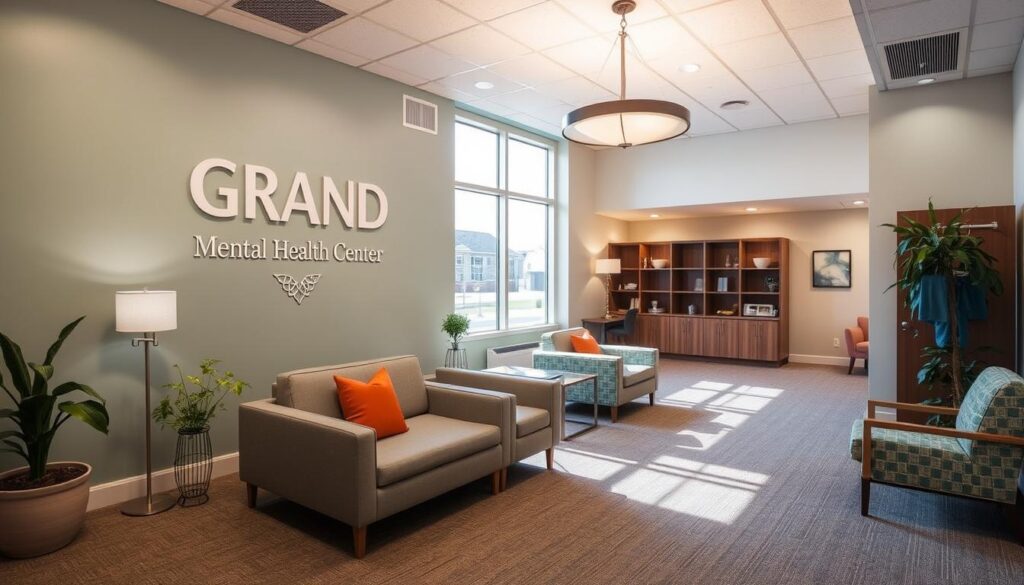
    Image of GRAND Mental Health center or a related mental health service

    Learn More

    GRAND Mental Health is committed to providing holistic care through its extensive mental health services. Their comprehensive approach ensures that individuals receive the support they need to overcome various mental health challenges.

    Mental Health Emergency Intervention

    In times of crisis, GRAND Mental Health offers emergency intervention services. These services are designed to provide immediate support and stabilize the individual in crisis. The goal is to ensure the individual’s safety and facilitate further treatment.

    Counseling and Assessment Services

    GRAND Mental Health provides counseling and assessment services tailored to the needs of individuals. These services include individual counseling, group therapy, and family counseling, enabling a comprehensive understanding and treatment of mental health issues.

    Substance Use and Addiction Treatment

    GRAND Mental Health offers specialized services for substance use and addiction treatment, including a 12-week Intensive Outpatient Program. Their treatment approaches address a wide range of addictions and include Medication-Assisted Treatment (MAT) for opioid dependency.

    • Substance use disorder treatment programs address various addictions.
    • MAT combines FDA-approved medications with counseling and behavioral therapies.
    • The Intensive Outpatient Program provides structured treatment while maintaining daily responsibilities.

    Specialized Mental Health Programs in Grand Lake

    GRAND Mental Health offers a range of specialized programs tailored to the unique needs of the Grand Lake community. These programs are designed to provide comprehensive support to individuals and families across the region.

    Image of GRAND Mental Health center in Grand Lake

    Learn More

    Support for Children and Families

    GRAND Mental Health provides specialized services for children and families, including counseling and assessment services tailored to their unique needs. These programs are designed to support early intervention and provide accessible mental health support.

    Recovery Support Services

    The organization offers recovery support services that help individuals navigate the challenges of mental health recovery. These services include peer support groups and personalized recovery planning, ensuring a holistic approach to mental health care.

    Community Partnerships and Outreach

    GRAND Mental Health works with various organizations across Payne County, fostering community partnerships that expand the reach of mental health services. These collaborations include working with law enforcement agencies, educational institutions, and other community organizations to reduce stigma and increase awareness of available resources.

    By partnering with local organizations, GRAND Mental Health is able to provide targeted support to diverse populations throughout the Grand Lake region. This includes outreach initiatives that work to reduce mental health stigma and improve access to care.

    Accessing Grand Lake Mental Health Resources

    Access to mental health care is a crucial aspect of overall well-being, and GRAND Mental Health provides various resources to facilitate this access for its clients.

    Insurance and Payment Options

    GRAND Mental Health understands that the cost of mental health care can be a significant barrier. To address this, they offer a variety of insurance and payment options to make their services more accessible. Many insurance plans are accepted, and for those without insurance, sliding scale fees are available based on income. This ensures that quality mental health treatment is within reach for a broader range of individuals.

    Locations and Facilities

    GRAND Mental Health operates multiple facilities across the Grand Lake region, providing a comprehensive network of care. Their outpatient services are designed to be convenient and accessible, with locations in various counties. This allows individuals to receive the care they need without having to travel far from their homes. Each facility is equipped to provide a range of services, from counseling to substance use treatment, ensuring that clients can access the specific care they require.

    Mobile and 24/7 Crisis Services

    In addition to their fixed facilities, GRAND Mental Health offers mobile and 24/7 crisis services to ensure that support is available whenever and wherever it is needed. The GRAND Care-A-Van Mobile Mental Health Access visits various counties, including Craig County, bringing services directly to individuals in need. This mobile service includes crisis intervention, assessment, and connections to ongoing treatment resources, addressing issues such as substance use and providing support during mental health emergencies.

    The combination of these services creates a robust and flexible system of care that can respond to a wide range of needs and circumstances, ensuring that individuals throughout the Grand Lake region can access the mental health resources they need.

    Taking the First Step Toward Mental Health Support

    Seeking mental health support is a courageous step towards healing and recovery. At GRAND Mental Health, individuals can access comprehensive care without needing a referral from an organization. By calling (844) 458-2100 or requesting services online, anyone can take the first step towards receiving the support they need.

    The journey to mental health support begins with acknowledging the need for help and reaching out to available resources. GRAND Mental Health welcomes self-referrals, allowing individuals to directly request services. The initial assessment is a crucial step in determining the most appropriate level of care and treatment approach based on individual needs and circumstances.

    Breaking the stigma surrounding mental health is a key focus for GRAND Mental Health. By encouraging open conversations about depression, anxiety, and other mental health concerns, they foster a supportive environment. The compassionate professionals guide individuals through the intake process, helping them navigate the sometimes overwhelming journey of seeking mental health support.

    Ongoing support and follow-up care ensure that clients receive continuous care as they progress through their mental health journey and recovery process. With GRAND Mental Health, individuals can trust that they are receiving comprehensive support for their mental health needs, including counseling, treatment for substance use, and recovery services.

    FAQ

    What services does the mental health center in Payne County offer?

    The center provides a range of services, including counseling, assessment, and substance use treatment for adults and children. They also offer outpatient care and recovery support services.

    Do they provide emergency intervention services?

    Yes, the center offers emergency intervention services for individuals in crisis, providing immediate support and connecting them with the necessary resources.

    Are their services covered by insurance?

    The center accepts various insurance plans and offers different payment options to make their services more accessible to those in need.

    Can I access their services if I don’t live in Payne County?

    While they primarily serve Payne County, the center may offer services to individuals from surrounding areas. It’s best to contact them directly to inquire about their service area.

    What kind of support do they offer for families and children?

    The center provides specialized programs for children and families, including counseling and support services tailored to their unique needs.

    Are their facilities equipped to handle crisis situations?

    Yes, the center has facilities and staff equipped to handle crisis situations, and they also offer 24/7 crisis services for immediate support.

    How can I get in touch with the center for more information?

    You can visit their website or contact them directly through phone or email to learn more about their services and programs.


  • “How Much Does Mental Health Disability Pay: A Guide”

    “How Much Does Mental Health Disability Pay: A Guide”

    For individuals struggling with mental health conditions, the impact on daily life can be overwhelming. The inability to work due to a mental health condition can lead to significant financial strain. However, there are government programs designed to provide financial assistance.

    Social Security Disability Insurance (SSDI) and Supplemental Security Income (SSI) are two primary programs that offer disability benefits to eligible individuals. As of February 2025, the average disability pay from Social Security was $1,751.08 per month.

    More than three million U.S. citizens currently receive Social Security benefits for mental conditions, highlighting the importance of understanding the available financial support.

    Key Takeaways

    • Understanding the differences between SSDI and SSI programs.

    • Eligibility criteria for mental health disability benefits.
    • Factors influencing payment amounts for disability benefits.
    • Current payment figures and average benefit amounts.
    • Strategies to improve approval chances for disability benefits.

    Understanding Mental Health Disability Benefits

    Understanding the intricacies of mental health disability benefits is crucial for individuals seeking financial assistance due to their condition. The Social Security Administration (SSA) provides two primary programs to support individuals with mental health disabilities: Social Security Disability Insurance (SSDI) and Supplemental Security Income (SSI).

    Types of Mental Health Conditions That Qualify

    The SSA recognizes a range of mental health conditions as qualifying disabilities, including neurocognitive disorders, schizophrenia spectrum and other psychotic disorders, depressive, bipolar, and related disorders, among others. These conditions are listed in the SSA’s Blue Book, which outlines the eligibility criteria for disability benefits. Specific conditions such as depression, bipolar disorder, schizophrenia, and autism spectrum disorders are considered when evaluating eligibility.

    The Difference Between SSDI and SSI Programs

    SSDI is an earned benefit program that requires applicants to have worked and paid Social Security taxes for a certain period. In contrast, SSI is a needs-based program that does not require a work history but has income and resource limits. Understanding these differences is key to determining which program an individual may be eligible for. Some individuals may qualify for both programs simultaneously, known as concurrent benefits.

    How Much Does Mental Health Disability Pay in 2024

    Detailed scene of a person sitting in a comfortable office chair, contemplating their financial situation. The foreground features a well-organized desk with a laptop, papers, and a calculator, conveying a professional atmosphere. The middle ground shows the person, their face expressing a mix of concern and determination, as they review relevant documents. The background is a softly lit, sophisticated interior with bookshelves and tasteful decor, suggesting an environment conducive to focused work. Warm, muted lighting and a serene color palette create a calming, introspective mood, reflecting the complexities of navigating mental health disability pay in 2024.

    Understanding the financial aspects of mental health disability benefits is crucial for those navigating the complex Social Security system. In 2024, individuals with mental health disabilities can expect varying payment amounts depending on the type of benefit they receive.

    “The Social Security Administration provides financial assistance to individuals with mental health conditions through two primary programs: Social Security Disability Insurance (SSDI) and Supplemental Security Income (SSI)” explains the importance of understanding these programs.

    Average SSDI Payment Amounts

    The maximum monthly SSDI payment in 2024 is $3,822, but the average payment is significantly lower at $1,537. The average SSDI payment amounts for various mental health conditions are as follows: Autism spectrum disorder ($1,007.64), Depressive, bipolar, and related disorders ($1,303.61), and Neurocognitive disorders ($1,427.99).

    Average SSI Payment Amounts

    The maximum monthly SSI payment for individuals is $943, and $1,415 for eligible couples. The average monthly SSI benefit is $697. For mental health conditions, the average SSI payment amounts are: Autism spectrum disorder ($710.96), Developmental disorders ($742.48), and Schizophrenia spectrum and other psychotic disorders ($678.68). For more information on mental health support programs, you can visit expert mental health support resources.

    It’s essential to note that payment amounts vary based on individual circumstances, work history, and other factors. Annual cost-of-living adjustments (COLA) also impact benefit amounts to help keep pace with inflation.

    Payment Variations by Mental Health Condition

    Mental health disability benefits can differ significantly depending on the specific condition and its impact on an individual’s ability to work. The Social Security Administration (SSA) considers various factors when determining disability payments, including the severity of the condition, its functional limitations, and the individual’s work history.

    The SSA’s latest data reveals significant variations in average disability payment amounts for different mental health conditions. For instance, individuals with depressive, bipolar, and related disorders receive an average SSDI payment of $1,303.61, while the average SSI payment is $668.34.

    Depression and Bipolar Disorder Benefits

    Depression and bipolar disorder are among the most common mental health conditions considered for disability benefits. The SSA evaluates the severity and functional limitations of these disorders to determine benefit amounts. Individuals with severe depressive or bipolar disorders that significantly impair their ability to work may qualify for higher benefit amounts.

    Schizophrenia and Psychotic Disorders

    Schizophrenia and other psychotic disorders present unique challenges that often result in significant impairment. The average SSDI payment for these conditions is $1,094.72, while the average SSI payment is $678.68. The SSA considers the severity of symptoms, the need for ongoing treatment, and the impact on daily functioning when assessing disability claims.

    Autism and Developmental Disorders

    Autism spectrum disorder and developmental disorders are lifelong conditions that require ongoing support. The average SSDI payment for autism spectrum disorder is $1,007.64, with an average SSI payment of $710.96. For developmental disorders, the average SSDI payment is $962.86, and the average SSI payment is $742.48. The SSA evaluates the level of impairment and the need for continuous care when determining benefits.

    The variation in payment amounts reflects the diverse nature of mental health conditions and their impact on individuals. Factors such as work history, severity of symptoms, and the need for ongoing treatment all play a role in determining disability benefit amounts.

    How Disability Benefits Are Calculated

    A well-lit office interior, with a desktop computer, stacks of paperwork, and a calculator prominently displayed. A person in business attire sits at the desk, contemplating financial documents. The scene conveys a sense of focused analysis and attention to detail, as the individual calculates disability benefits. Warm, natural lighting filters through large windows, creating a professional and contemplative atmosphere. The overall impression is one of diligence and attention to the complex task of accurately determining disability payments.

    Disability benefits are calculated based on a person’s average lifetime earnings before their condition made it difficult to work. The Social Security Administration (SSA) uses a complex formula to determine the amount of disability benefits an individual receives.

    SSDI Calculation Method

    The SSA calculates Social Security Disability Insurance (SSDI) benefits using a method similar to that for retirement benefits. It measures the average earnings from jobs where the individual paid Social Security tax on their wages. The formula excludes income on which Social Security tax was not paid. The calculation is based on the Average Indexed Monthly Earnings (AIME), which determines the Primary Insurance Amount (PIA).

    The “bend point” formula applies different percentages to different portions of the average earnings: 90% of the first $1,226, 32% of earnings between $1,226 and $7,391, and 15% of earnings above $7,391 for the year 2025. As stated by the SSA, “the substantial gainful activity limit for 2025 is $1,620 per month ($2,700 if blind).” This means that if an individual earns more than this limit, they won’t qualify for SSDI.

    SSI Calculation and Resource Limits

    For Supplemental Security Income (SSI), the federal benefit rate (FBR) is the maximum possible payment. Countable income reduces this amount according to specific formulas. The resource limits for SSI eligibility are $2,000 for individuals and $3,000 for couples. Certain assets are exempt from these limits, such as a primary residence and personal effects.

    Other income sources, living arrangements, and state supplementary payments can affect the final SSI payment amount. As noted, “the SSA considers various factors when determining SSI benefits, including income and resources.”

    Applying for Mental Health Disability Benefits

    Applying for mental health disability benefits can be a complex process, but understanding the requirements can improve your chances of a successful application. The Social Security Administration (SSA) requires thorough documentation to support your claim, particularly for mental health conditions which can be more challenging to document than physical illnesses.

    Required Documentation and Evidence

    To strengthen your application, it’s crucial to gather comprehensive medical evidence. This includes medical records, treatment history, and statements from healthcare providers. A Mental Residual Functional Capacity (MRFC) form, completed by a treating psychiatrist or psychologist, is particularly valuable as it documents how your condition impacts your daily life and functioning.

    Tips for a Successful Application

    Several strategies can enhance your application. Keeping a symptom log helps demonstrate your limitations, while following your doctor’s treatment plan shows your commitment to managing your condition. Gathering statements from family members or former employers can also provide additional context to your application.

    “The key to a successful disability application is sufficient medical evidence.” This is particularly true for mental health conditions, where documentation can be more nuanced.

    Working With an Attorney or Advocate

    Working with a disability attorney or advocate can significantly improve your chances of a successful application. They can help gather necessary medical evidence, complete application forms accurately, and represent you in appeals if necessary.

    Documentation Description Importance
    Medical Records Detailed history of your treatment High
    MRFC Form Assesses functional limitations High
    Symptom Log Daily record of symptoms and limitations Medium

    Conclusion

    Navigating the complexities of mental health disability benefits can be a daunting task, but understanding the available support is crucial. In 2024, individuals with mental health disabilities can receive financial assistance through programs like Social Security Disability Insurance (SSDI) and Supplemental Security Income (SSI).

    The average and maximum benefit amounts for both SSDI and SSI programs vary, with SSDI payments based on an individual’s work history and Social Security tax contributions, while SSI is needs-based for those with limited income and resources.

    It’s essential to understand that the application process can be challenging, especially for mental health conditions. However, thorough documentation and consistent medical treatment are vital in building a successful disability claim.

    Beyond Social Security disability benefits, additional resources and support programs may be available, including state programs, veterans benefits, and private disability insurance. Working with an experienced disability attorney or advocate can also help navigate the complex application process.

    By understanding these benefits and the application process, individuals with mental health disabilities can take the first step toward securing the financial support needed to maintain stability.

    FAQ

    What is the maximum monthly payment for Social Security Disability Insurance (SSDI)?

    The maximum monthly SSDI payment is determined by the Social Security Administration (SSA) and is subject to change annually. In 2024, the maximum monthly SSDI benefit is $3,822.

    How do I qualify for Supplemental Security Income (SSI) benefits?

    To qualify for SSI benefits, you must have a medical condition that meets the SSA’s definition of disability, have limited income and resources, and be a U.S. citizen or qualifying alien.

    What types of mental health conditions are eligible for disability benefits?

    The SSA recognizes various mental health conditions as disabling, including depression, bipolar disorder, schizophrenia, autism, and other developmental disorders, among others.

    Can I work while receiving disability benefits?

    Yes, but there are limits. The SSA has a substantial gainful activity (SGA) threshold, which is $1,470 per month in 2024 for non-blind individuals. Earning above this threshold may affect your benefits.

    How long does it take to receive a decision on my disability application?

    The processing time for disability applications varies, but it typically takes several months to a year or more to receive a decision from the SSA.

    Can I appeal a denied disability claim?

    Yes, you can appeal a denied disability claim. It’s often beneficial to work with an attorney or advocate to help with the appeals process.

    Are disability benefits taxable?

    SSDI benefits may be taxable, depending on your income level. SSI benefits, on the other hand, are generally not taxable.

    Can I receive both SSDI and SSI benefits?

    In some cases, you may be eligible for both SSDI and SSI benefits, known as concurrent benefits. However, the SSA will offset the SSDI benefits by the amount of SSI benefits received.

  • Huntsman Mental Health Institute: Comprehensive Mental Health Services

    Huntsman Mental Health Institute: Comprehensive Mental Health Services

    Imagine a place where crisis support is just a call away, and comprehensive care is tailored to your needs. The Huntsman Mental Health Institute (HMHI) is revolutionizing the way mental health services are delivered in Utah and beyond.

    As part of the University of Utah Health system, HMHI offers a continuum of care for individuals experiencing mental health challenges, from crisis intervention to long-term treatment. With a focus on reducing stigma and increasing access to quality care, HMHI is at the forefront of advancing the field of mental health.

    Key Takeaways

    • HMHI provides immediate access to crisis support through the 988 suicide and crisis lifeline.
    • A comprehensive continuum of care is available for individuals experiencing mental health challenges.
    • The institute combines clinical excellence with cutting-edge research and education.
    • HMHI’s mission focuses on reducing stigma around mental health conditions.
    • As part of the University of Utah Health system, HMHI leverages academic resources to deliver evidence-based services.

    The Huntsman Mental Health Institute: A Pioneer in Mental Healthcare

    Generate an image of the Huntsman Mental Health Institute's main campus in the University of Utah Research Park.

    Learn More

    As a pioneer in mental healthcare, the Huntsman Mental Health Institute offers comprehensive services. The institute’s main campus, located in the University of Utah Research Park in Salt Lake City, features a 170-bed psychiatric hospital dedicated to treating mental disorders, including substance use disorders.

    The Huntsman Mental Health Institute stands out as the only academic mental health center in the Mountain West region, providing specialized psychiatric care. Its 170-bed psychiatric hospital offers comprehensive treatment for a wide range of mental health conditions and substance use disorders.

    The institute has pioneered innovative approaches to mental health care through its integration of clinical services, research, and education. By providing multiple levels of care, including inpatient hospitalization, day treatment programs, intensive outpatient services, and regular outpatient care, HMHI serves diverse populations across the lifespan.

    • The Huntsman Mental Health Institute stands as the only academic mental health center in the Mountain West region, providing specialized psychiatric care.
    • HMHI’s 170-bed psychiatric hospital offers comprehensive treatment for a wide range of mental health conditions and substance use disorders.
    • The institute has pioneered innovative approaches to mental health care through its integration of clinical services, research, and education.
    • HMHI provides multiple levels of care including inpatient hospitalization, day treatment programs, intensive outpatient services, and regular outpatient care.
    • The institute serves diverse populations across the lifespan, with specialized programs for children, adolescents, adults, and seniors.
    • As part of the University of Utah Health system, HMHI benefits from collaboration with other medical specialties and health profession schools.
    • The institute’s research initiatives contribute to advancing treatment methodologies and understanding of mental health conditions.

    History and Development of the Institute

    The evolution of the Huntsman Mental Health Institute from its predecessor, the University Neuropsychiatric Institute, marks a significant milestone in mental health care. The institute’s history is deeply rooted in the collaborative efforts of various medical professionals.

    From University Neuropsychiatric Institute to HMHI

    The journey began between 1988 and 1995 when Dr. Jack Madsen and Dr. Rich Ferre worked together to provide mental health and behavioral treatment alongside epilepsy care under one roof. The Neurobehavior Clinic was later established with contributions from Dr. Doug Gray and Dr. David Nilsen.

    Year Event
    1988-1995 Dr. Jack Madsen and Dr. Rich Ferre initiated combined mental health treatment and epilepsy care.
    Mid-1990s Dr. Scott Stiefel and Dr. Rick Zaharia expanded clinical services.
    2000 The UNI HOME Project was launched.
    November 2019 The Huntsman family committed $150 million to establish HMHI.
    January 14, 2021 Official dedication of HMHI.

    The Huntsman Family’s $150 Million Commitment

    The Huntsman family’s substantial commitment of $150 million over ten years was the catalyst for the transformation into the Huntsman Mental Health Institute. This donation is one of the largest private contributions for mental health in U.S. history.

    Comprehensive Mental Health Services Offered

    The Huntsman Mental Health Institute offers a wide range of mental health services to cater to diverse needs. The institute’s comprehensive approach ensures that patients receive the care they need.

    Inpatient Psychiatric Treatment

    The institute’s 170-bed psychiatric hospital provides inpatient psychiatric treatment for acute mental health conditions, including substance use disorders. Patients receive 24-hour nursing care, medication management, and individual and group therapy.

    Outpatient Programs and Services

    Outpatient programs at HMHI span multiple levels of care, including intensive outpatient programs, day treatment options, and regular outpatient services for ongoing mental health support. These services are available for children, adolescents, and adults.

    Substance Use Disorder Treatment

    The institute provides specialized treatment for substance use disorders, including medication-assisted treatment for chemical dependency and comprehensive recovery programs. This care is tailored to individual needs, ensuring effective support for recovery.

    Crisis Care Center: A Revolutionary Approach

    Generate an image of the Kem and Carolyn Gardner Mental Health Crisis Care Center's exterior

    Learn More

    A new era in mental health care begins with the Kem and Carolyn Gardner Mental Health Crisis Care Center, a pioneering facility by the Huntsman Mental Health Institute. This $64 million crisis care center is designed to revolutionize how Utah responds to mental health emergencies.

    24/7 Walk-in Crisis Support

    The center offers 24/7 walk-in crisis support with up to 23-hour stays for stabilization, providing immediate care for those experiencing mental health emergencies. This service is a critical component of the crisis care provided.

    Integrated Community Services

    The facility integrates community services, including case management and coordination with community resources, ensuring comprehensive support for people in need. For more information on how such initiatives are accelerating healthcare innovation, visit accelerate.uofuhealth.utah.edu.

    Addressing Utah’s Mental Health Needs

    Utah has the 7th highest suicide rate in the nation. The Crisis Care Center addresses this critical need by providing a care center that serves over 9,600 unique patients annually, significantly expanding mental health crisis capacity in the region.

    The Huntsman Mental Health Institute, in collaboration with the University of Utah, is pioneering new approaches inmental health researchand education. The institute’s integration with the University of Utah Health system enables it to advance cutting-edge research inmental healthand neuroscience.

    Research and Education Initiatives

    A modern, well-equipped research laboratory bathed in warm, focused lighting. In the foreground, a team of scientists in white coats diligently analyzing data on computer screens and scribbling notes on whiteboards. The middle ground features an array of cutting-edge scientific equipment - microscopes, test tubes, and analytical instruments - arranged neatly. In the background, bookshelves filled with medical journals and textbooks create a sense of depth and intellectual pursuit. The overall atmosphere conveys a collaborative, innovative, and intellectually stimulating environment dedicated to advancing mental health research and understanding.

    The institute’sresearch initiativesemploy a “teams of teams” approach, bringing together diverse disciplines to tackle complexmental health challenges. This collaborative investigation is crucial for advancing the understanding and treatment ofmental health disorders.

    The Huntsman Mental Health Institute serves as a training ground for the next generation of mental health professionals, educating hundreds of learners annually in psychiatry and mental health disciplines. Academic partnerships with the University of Utah provide students with unique educational opportunities through the medical school and other health profession schools.

    Academic Partnerships

    The institute’s affiliation with theUniversity of Utah Health, which includes a medical school and four other professional health profession schools (dentistry, nursing, pharmacy, and public health), provides a comprehensive academic environment. This setup facilitatestranslational research, allowing scientific discoveries to move quickly from laboratory to clinical application.

    • HMHI’s research focuses on advancing understanding of mental health conditions and developing new treatment approaches.
    • The institute offers specialized training programs in various mental health subspecialties.

    Training Mental Health Professionals

    The institute is dedicated to educating the next generation ofmental health professionals. By providing both unique and wide-ranging educational opportunities in psychiatry andmental health, HMHI prepares professionals to address the evolving needs of diverse populations.

    Research at HMHI is geared towards improving outcomes for individuals with psychiatric disorders. The “teams of teams” approach ensures that research is collaborative and comprehensive, tackling complex problems from multiple angles.

    Accessing Mental Health Support at HMHI

    A warm, inviting interior with an airy, light-filled space. In the foreground, a cozy seating area with plush armchairs and a soothing color palette. Gentle natural light filters in through large windows, casting a soft glow. In the middle ground, a welcoming reception desk manned by a friendly staff member, ready to assist. The background features tasteful decor and artwork, conveying a sense of tranquility and support. An atmosphere of compassion and care permeates the scene, encouraging those seeking mental health services to feel safe, understood, and empowered.

    The Huntsman Mental Health Institute (HMHI) offers multiple avenues for individuals seeking mental health support. This includes immediate assistance through crisis services and ongoing care through various programs.

    How to Reach the 988 Crisis Line

    If you or a loved one is in crisis, you can call, text, or chat 988, the suicide and crisis lifeline, available 24/7 at no cost. This service is staffed by HMHI experts who provide confidential support.

    Insurance and Payment Options

    HMHI provides crisis stabilization regardless of the ability to pay. For ongoing care, they work with various insurance providers and offer multiple payment options to make treatment accessible.

    The Future of Mental Healthcare at Huntsman Mental Health Institute

    The Huntsman Mental Health Institute is poised to revolutionize mental healthcare in Utah and beyond. Powered by the Huntsman family’s $150 million commitment, HMHI continues to expand its comprehensive services and develop innovative programs to address evolving mental health needs.

    The institute’s future plans include further integration of community services with clinical care, ensuring seamless support for individuals throughout their mental health journey. HMHI is also working to reduce stigma surrounding mental health and substance use disorders, creating more pathways for people to access the care they deserve.

    With its Crisis Care Center model and research initiatives at the University of Utah, HMHI is set to advance understanding of mental health conditions and develop new evidence-based treatment approaches. As mental health awareness continues to grow, HMHI stands ready to meet increased demand with scalable services for children, adolescents, adults, and families seeking support.

    FAQ

    What services does the Huntsman Family-supported facility offer for substance use disorders?

    The facility provides comprehensive treatment for substance use disorders, including inpatient and outpatient programs, counseling, and support groups to help individuals overcome addiction.

    How can I access crisis care services at the facility?

    The Crisis Care Center offers 24/7 walk-in crisis support. You can visit the center without an appointment to receive immediate assistance for mental health crisis situations.

    What education and training programs are available at the facility?

    The facility has academic partnerships with the University of Utah to provide training for the next generation of mental health professionals, including internships, residencies, and fellowships.

    How do I contact the 988 Crisis Line for support?

    You can call or text the 988 Crisis Line at 988 to connect with trained crisis counselors who can provide immediate support and guidance during a crisis situation.

    What are the insurance and payment options available at the facility?

    The facility accepts various insurance plans and offers different payment options to make care more accessible to those in need.

    How is the facility addressing Utah’s mental health needs?

    The facility is committed to addressing Utah’s mental health needs by providing comprehensive care, promoting community engagement, and supporting research and education initiatives.

  • Effective Inpatient Care Mental Health Programs

    Effective Inpatient Care Mental Health Programs

    When individuals face complex psychiatric issues that impact their emotional and physical wellbeing, intensive treatment may be necessary. In such cases, inpatient psychiatric facilities provide round-the-clock care in a secure environment, helping patients stabilize and recover.

    These specialized programs offer comprehensive treatment, combining medical intervention, therapeutic approaches, and supportive care to address acute mental health conditions. The primary goal is to provide a foundation for long-term recovery.

    Key Takeaways

    • Effective inpatient programs provide intensive, 24-hour care for individuals experiencing severe mental health crises.
    • These programs combine medical intervention, therapeutic approaches, and supportive care.
    • The primary goals include crisis stabilization, accurate diagnosis, and development of treatment plans.
    • Understanding the structure of successful inpatient programs is crucial for healthcare providers and families.
    • Comprehensive care is designed to promote positive patient outcomes and long-term recovery.

    Understanding the Foundations of Inpatient Mental Health Care

    Understanding the foundations of inpatient mental health care is essential for delivering effective treatment and support to individuals in crisis. Inpatient psychiatric facilities provide intensive, round-the-clock care in a secure environment for individuals experiencing acute mental health crises.

    The Role of Inpatient Psychiatric Facilities

    Inpatient psychiatric facilities serve as specialized treatment centers designed to provide intensive care for individuals experiencing severe mental health symptoms that require 24-hour monitoring and intervention. These facilities create structured environments where patients can receive comprehensive assessment, stabilization, and treatment for acute psychiatric conditions.

    Key Features Description
    24-hour Monitoring Continuous observation and support for individuals in crisis
    Comprehensive Assessment Thorough evaluation to inform treatment planning
    Stabilization and Treatment Intensive interventions to address acute psychiatric conditions

    When Hospitalization Is Necessary

    Hospitalization becomes necessary when individuals experience severe symptoms such as suicidal ideation, homicidal thoughts, or acute psychosis. In such cases, inpatient care provides a safe and supportive environment for individuals to receive the treatment they need.

    Key Components of Effective Inpatient Care Mental Health Programs

    Prompt A serene and calming inpatient mental health treatment center, bathed in soft natural light streaming through large windows. In the foreground, a group of patients engaged in a group therapy session, their faces reflecting a sense of introspection and trust. The middle ground features comfortable seating areas and private nooks where patients can find solace and engage in individual counseling. The background showcases a tranquil outdoor garden space, with lush greenery and a soothing water feature, inviting patients to step outside and find peace. The overall atmosphere is one of safety, healing, and personalized care, conveying the key components of an effective inpatient mental health program.

    The success of inpatient mental health care hinges on the integration of multiple critical components that address the complex needs of patients. Effective inpatient care involves a comprehensive approach that prioritizes patient safety, therapeutic environment, and evidence-based treatment modalities.

    Comprehensive Assessment and Treatment Planning

    A thorough assessment forms the foundation of effective inpatient care. This involves evaluating the patient’s mental health history, current symptoms, risk factors, and psychosocial needs within the first 24-48 hours of admission. As noted by experts, “A comprehensive assessment is crucial for developing an individualized treatment plan that addresses the unique needs of each patient.” Inpatient care for mental health programs that incorporate thorough assessments tend to have better patient outcomes.

    Therapeutic Environment and Safety Considerations

    Creating a therapeutic environment involves designing physical spaces that balance safety with comfort. This includes implementing consistent routines and establishing clear behavioral expectations that promote healing and recovery. Safety considerations in inpatient psychiatric settings include regular risk assessments and environmental modifications to reduce self-harm opportunities.

    Evidence-Based Treatment Approaches

    Effective inpatient treatment programs integrate various evidence-based treatment approaches, including pharmacotherapy, individual therapy, group therapy, and psychoeducation. These modalities are tailored to address specific mental health conditions and are delivered through both individual and group formats.

    Building and Managing a Multidisciplinary Treatment Team

    A group of healthcare professionals in a well-lit, airy room, engaged in an earnest discussion around a large conference table. In the foreground, a physician, a psychologist, a nurse, and a social worker are intently reviewing case files and exchanging ideas. In the middle ground, a therapist and an occupational therapist are gesturing animatedly, presenting their insights. In the background, the room is adorned with inspiring artwork and plants, creating a warm, collaborative atmosphere. The lighting is soft and natural, enhancing the sense of unity and shared purpose within the multidisciplinary team.

    Multidisciplinary treatment teams are the backbone of successful inpatient mental health programs, offering a range of specialized services. Effective inpatient care mental health programs rely on these teams to bring together diverse expertise to address the complex needs of patients experiencing acute psychiatric symptoms.

    Essential Team Members and Their Roles

    A typical multidisciplinary team includes psychiatrists, psychiatric nurses, clinical psychologists, social workers, occupational therapists, and mental health technicians. Each member contributes specialized skills to the treatment process. For instance, psychiatrists serve as medical directors who oversee medication management and treatment planning, while psychiatric nurses provide 24-hour monitoring and direct patient care. As highlighted in a study on inpatient mental health care, a collaborative approach among team members is crucial for comprehensive care.

    • Psychiatrists and psychiatric nurses manage medication and provide around-the-clock care.
    • Clinical psychologists and therapists deliver specialized therapy services and conduct psychological assessments.
    • Social workers play a crucial role in discharge planning and connecting patients with community resources.

    Promoting Collaboration and Communication

    Promoting effective collaboration requires structured communication systems, including regular team meetings and shared documentation. Successful inpatient treatment teams establish clear roles while maintaining flexibility, allowing members to share their expertise. The Lindner Center of HOPE exemplifies this approach by facilitating family involvement through regular updates and education about the patient’s condition and post-discharge care requirements.

    Conclusion: Ensuring Continuity of Care and Successful Outcomes

    Successful recovery from mental health challenges often relies on the quality of inpatient care received. Effective inpatient care mental health programs recognize that hospitalization is just one step in the continuum of care, with discharge planning beginning at admission.

    Continuity of care requires strong connections between inpatient teams and community providers, ensuring smooth transitions to lower levels of care. This includes comprehensive assessment of ongoing needs, identification of appropriate outpatient services, and development of a detailed aftercare plan.

    Family education and involvement are crucial, as is the scheduling of follow-up appointments with outpatient providers. By ensuring these elements are in place, individuals can achieve stabilization and long-term recovery, ultimately improving their quality of life through comprehensive mental health support.

    FAQ

    What is the primary goal of a treatment plan in a psychiatric facility?

    The primary goal is to provide a structured and supportive environment for individuals to receive intensive therapy and stabilization, addressing their specific needs and promoting overall well-being.

    How do inpatient psychiatric programs assess the needs of their patients?

    A comprehensive assessment is conducted upon admission, involving a multidisciplinary team to identify the individual’s requirements and develop a personalized treatment strategy.

    What kind of therapy and services can individuals expect during their stay?

    Patients have access to various evidence-based treatment approaches, including individual and group therapy sessions, as well as other supportive services tailored to their needs.

    How do inpatient facilities ensure a safe and supportive environment for their patients?

    Facilities prioritize creating a secure and therapeutic environment, with a focus on safety considerations and providing a structured setting that fosters recovery and growth.

    What happens after discharge from an inpatient psychiatric program?

    Upon discharge, individuals are typically connected with outpatient services and resources to support their continued recovery and continuity of care.

    How can family members be involved in the treatment process?

    Many programs encourage family participation through education, support groups, and therapy sessions, promoting a collaborative approach to treatment and recovery.

    What is the typical length of stay for individuals in inpatient psychiatric programs?

    The length of stay varies depending on the individual’s needs and progress, with the goal of providing the necessary support and stabilization before transitioning to a less intensive level of care.

  • IOP Mental Health Support Strategies for Better Mental Health Outcomes

    IOP Mental Health Support Strategies for Better Mental Health Outcomes

    Navigating the complexities of mental health treatment can be overwhelming, but there’s a crucial middle ground that offers structured support without requiring full hospitalization: Intensive Outpatient Programs (IOPs).

    These programs have evolved significantly since their inception, now serving diverse populations with various needs beyond substance use disorders. With nearly 16,000 facilities serving 1.4 million clients annually in the United States, IOPs are becoming an increasingly vital component of the behavioral health care system.

    By exploring the core components of effective IOPs and their evidence-based practices, individuals can make informed decisions about their treatment options and build sustainable mental wellness strategies.

    Key Takeaways

    • Understanding the role of IOPs in the broader mental health care system
    • Exploring the core components of effective IOP mental health programs
    • Learning how IOPs address various mental health conditions through evidence-based practices
    • Navigating IOP options and maximizing treatment benefits
    • Building sustainable mental wellness strategies

    Understanding IOP Mental Health Programs

    For those navigating mental health challenges, Intensive Outpatient Programs (IOPs) provide a vital level of care. These programs are designed for individuals who require more structured support than traditional outpatient services but do not need 24-hour supervision.

    Defining Intensive Outpatient Programs

    An Intensive Outpatient Program is a type of mental health treatment that offers a higher level of care than standard outpatient therapy. It is designed for individuals who need significant support but can still maintain their daily responsibilities.

    IOP’s Role in the Mental Health Treatment Spectrum

    IOPs occupy a crucial position in the mental health treatment continuum, bridging the gap between standard outpatient therapy and more intensive options like Partial Hospitalization Programs (PHPs) or inpatient care. They serve two primary purposes: as a step-up from outpatient therapy for those needing more support, or as a step-down from inpatient care to facilitate a smooth transition back to daily life.

    Treatment Option Level of Care Description
    Outpatient Therapy Low Regular therapy sessions, typically once a week.
    IOP Moderate to High Several hours of therapy per day, multiple days a week.
    PHP/Inpatient Care High Intensive, around-the-clock care for severe mental health conditions.

    Who Can Benefit from IOP Mental Health Services

    A warm-lit interior of a modern mental health clinic, with a welcoming and calming atmosphere. In the foreground, a group of diverse individuals engaged in a supportive group therapy session, their expressions reflecting a sense of connection and understanding. The middle ground features comfortable seating areas and natural elements like potted plants, creating a nurturing environment. The background showcases a sleek, minimalist reception area with a receptionist's desk and informative displays, conveying a professional and trustworthy medical setting. The overall scene radiates a sense of care, empowerment, and the possibility of healing and growth.

    IOP mental health services are designed for individuals who require more support than traditional weekly therapy but do not need 24-hour care. These programs offer a structured and supportive environment, fostering a sense of community among participants and aiding in the recovery process.

    Common Mental Health Conditions Treated in IOP

    Though IOPs originated as a treatment for substance use disorders, they are now utilized for various mental health conditions, including depression, anxiety disorders, eating disorders, and more. These programs provide a comprehensive approach to treating complex mental health needs.

    Mental Health Condition Description Benefits of IOP
    Depression Characterized by persistent sadness and loss of interest Intensive therapy and support
    Anxiety Disorders Excessive fear and anxiety Coping skills and stress management
    Substance Use Disorders Dependency on substances Integrated treatment approach

    Signs You Might Need More Support Than Weekly Therapy

    If you’re experiencing symptoms that persist or worsen despite regular outpatient therapy, it may be time to consider an IOP. Other indicators include difficulty maintaining daily functioning, recent discharge from inpatient care, or struggling to implement coping skills learned in therapy. A mental health provider or therapist may recommend IOP based on their professional assessment.

    • Experiencing persistent or worsening symptoms
    • Difficulty with daily functioning due to mental health challenges
    • Recent discharge from inpatient psychiatric care
    • Struggling with substance use alongside mental health issues

    As noted by a mental health professional, “IOPs offer a vital step towards recovery for those who require more intensive support than traditional therapy can provide.” The key is recognizing when additional support is needed.

    Finding the Right IOP Mental Health Program

    A serene, modern healthcare facility nestled amidst tranquil natural surroundings. In the foreground, a welcoming reception area with comfortable seating and natural light filtering through large windows. The middle ground showcases various therapy rooms, each designed with calming color palettes and soothing decor to foster a sense of safety and comfort. In the background, a lush, landscaped garden with a winding path, providing a peaceful outdoor retreat for patients. The overall atmosphere radiates a warm, supportive environment, reflecting the compassionate care of the IOP Mental Health Program.

    The journey to better mental health outcomes starts with identifying the most suitable IOP mental health program for your needs. With various programs available, it’s crucial to conduct thorough research.

    Key Questions to Ask When Researching Programs

    When exploring IOP mental health services, several key questions can guide your decision-making process. Understanding the program’s structure, treatment modalities, and staff qualifications is essential.

    • What types of therapy are offered, and how are they tailored to individual needs?
    • What is the typical duration of the program, and how is progress monitored?
    • How does the program involve family members or support systems?

    Insurance Considerations and Coverage Options

    Understanding your insurance coverage is vital when selecting an IOP mental health program. Most programs accept private insurance, but verification of benefits is necessary before admission.

    Insurance Factor Description
    In-network vs. Out-of-network Understanding the difference can significantly impact costs
    Pre-authorization Requirements Some insurance plans require pre-authorization for IOP services
    Coverage Duration Insurance typically covers a specific number of sessions or days

    As noted by a mental health expert,

    “Understanding your insurance benefits and the specifics of your coverage can make a significant difference in your treatment journey.”

    What to Expect in an IOP Treatment Plan

    A well-structured IOP treatment plan is key to achieving better mental health outcomes through a blend ofgroup,individual, andfamily therapy sessions. This comprehensive approach helps individuals cope with emotional or behavioral issues more effectively.

    Typical Program Structure and Duration

    IOPs typically involve a combination of therapies over several weeks or months, with the exact duration depending on individual needs and progress.

    Types of Therapy and Treatment Modalities

    The treatment modalities in IOPs include various forms of therapy, such as group therapy, which offers peer support and shared learning experiences.

    The Role of Group, Individual, and Family Therapy

    Key components of IOP treatment plans include:

    • Group therapy for peer support and social skills development
    • Individual therapy for personalized attention to specific challenges
    • Family therapy to improve communication and set healthy boundaries

    These therapeutic modalities work together to create a supportivecommunitythat fosters recovery and mental wellness.

    Effective Strategies for IOP Success

    Effective strategies are crucial for maximizing the benefits of IOP mental health support. To achieve the best outcomes, individuals must be proactive in their treatment.

    Building a Strong Support System

    A strong support system is vital for individuals undergoing IOP treatment. This includes family, friends, and support groups that can provide emotional backing and practical help.

    • Engage with family and friends to build a support network.
    • Participate in support groups to connect with others who are going through similar experiences.

    Integrating Treatment with Daily Life

    Integrating IOP treatment into daily life is essential for its success. This involves establishing routines that support mental health.

    • Establish consistent sleep patterns and nutritious eating habits.
    • Engage in regular physical activity to improve mental health.

    Developing Coping Skills and Healthy Habits

    Developing coping skills and healthy habits is critical for managing mental health conditions effectively. This includes practicing stress management techniques and recognizing early warning signs of symptom recurrence.

    • Practice stress management techniques to prevent stress accumulation.
    • Learn to identify early warning signs of symptom recurrence.

    Transitioning from IOP to Long-Term Mental Wellness

    The journey doesn’t end with the completion of an IOP; it’s a crucial step towards achieving long-term mental wellness. Developing a comprehensive aftercare plan is crucial, including step-down services like weekly individual therapy or medication management. It’s also important to identify potential challenges and develop strategies to address them. For more insights on life after IOP, visit Resilient Mind Counseling. Continuing to practice coping skills learned in IOP and establishing connections with community support groups are vital for maintaining progress and building resilience.

    FAQ

    What is the typical duration of an Intensive Outpatient Program?

    The length of an Intensive Outpatient Program (IOP) varies depending on individual needs, but most programs last several weeks to a few months, with sessions held multiple times a week.

    What types of therapy are used in an IOP treatment plan?

    IOP treatment plans often incorporate a combination of group therapy, individual therapy, and family therapy, as well as other treatment modalities such as medication management and coping skills training.

    How do I know if an IOP is right for me or a loved one?

    If you’re struggling with symptoms of anxiety, depression, or substance use disorders, an IOP may be a good fit. Consider consulting with a behavioral health provider to assess your needs and determine the best course of treatment.

    Will I have to stop my daily activities to participate in an IOP?

    IOPs are designed to be flexible, allowing you to continue with your daily routine while receiving treatment. Sessions are typically held during the day or evening, and the number of hours required per week can vary.

    How do I find an IOP that is covered by my insurance?

    When researching IOPs, be sure to ask about insurance coverage and out-of-pocket costs. Many programs work with a variety of insurance providers, and some may offer sliding scale fees or other financial assistance options.

    What kind of support can I expect after completing an IOP?

    After completing an IOP, you can expect to have a transition plan in place, which may include ongoing therapy sessions, support groups, and other resources to help you maintain your progress and achieve long-term recovery.

  • Men Mental Health Month: Breaking the Stigma

    Men Mental Health Month: Breaking the Stigma

    June is recognized as Men’s Mental Health Month, a critical platform to address the unique challenges men face in American society.

    The observance aims to break down the persistent stigma that prevents men from seeking help for mental health issues, contributing to alarming statistics regarding men’s wellbeing.

    By creating opportunities for open conversations about mental health, Men’s Mental Health Month encourages men to recognize that seeking support is a sign of strength, not weakness. For more information on this important topic, visit Calm’s blog on Men’s Mental Health.

    Key Takeaways

    • Men’s Mental Health Month serves as a platform to address unique mental health challenges.
    • The observance aims to break down the stigma surrounding men’s mental health issues.
    • It creates opportunities for open conversations about mental health.
    • Seeking support is encouraged as a sign of strength.
    • Awareness is crucial for changing societal perceptions about masculinity and emotional expression.

    Understanding Men’s Mental Health Month

    Men’s Mental Health Month, observed in June, aims to educate the public about men’s mental health challenges. This dedicated observance focuses on raising awareness about the mental health issues affecting men across the United States.

    What is Men’s Mental Health Month?

    Men’s Mental Health Month is a crucial initiative that serves multiple purposes: it educates the public about men’s mental health statistics, reduces stigma around seeking help, and provides resources for support. As Mental Health America and other organizations highlight, this month is vital for promoting mental health screening, treatment options, and support systems available to men.

    The History and Purpose

    The initiative began as part of broader men’s health awareness efforts in 1994 when Senator Bob Dole introduced legislation to bring attention to men’s health issues. The purpose of Men’s Health Month is to encourage men to focus on preventable health problems, including mental health issues.

    Why June Matters

    June was selected as Men’s Mental Health Month to create a focused time for advocacy, education, and outreach efforts specifically addressing the psychological wellbeing of men. This month provides a platform for sharing stories, hosting events, and distributing educational materials that help normalize conversations about men’s mental health challenges.

    As stated by mental health advocates,

    “Men’s Mental Health Month is a critical opportunity to break the stigma surrounding men’s mental health and encourage men to seek help without fear of judgment.”

    By understanding the significance of Men’s Mental Health Month, we can work together to support men’s mental health year-round.

    The Silent Crisis: Statistics and Realities

    A dimly lit room, soft shadows cast by a single overhead light, illuminating a collection of masculine silhouettes - symbolic representations of the unseen challenges men face in their mental health journeys. In the foreground, a group of faceless figures stand in contemplative poses, their expressions hidden, conveying the internal struggles so often left unspoken. The middle ground reveals fragmented data visualizations, stark numbers and statistics that tell the story of a silent crisis, the weight of expectation and societal pressures taking a toll. The background fades into a hazy, muted palette, a reflection of the somber mood and the need to bring these issues to light. Cinematic in its approach, this image aims to capture the essence of men's mental health, the complexities and the call to action.

    The silent crisis of men’s mental health is a pressing issue that demands immediate attention. Men’s mental health issues are often overlooked, leading to severe consequences.

    Mental Health Disparities Among Men

    According to the National Institute of Mental Health, only 40% of men with reported mental illness received care, compared to 52% of women. This disparity highlights a significant gender gap in treatment-seeking behavior.

    Alarming Suicide Rates

    The CDC reports that the suicide rate among males in 2021 was around four times higher than females, with men making up almost 80% of all suicides. This alarming statistic underscores the need for targeted interventions.

    Intersectionality in Men’s Mental Health

    Men’s mental health challenges are often complicated by intersectional factors.

    LGBTQ+ Men

    LGBTQ+ men are more likely to experience mental health conditions due to discrimination and minority stress.

    BIPOC Men

    BIPOC men face unique barriers to mental health care, including systemic inequities and cultural stigma.

    Veterans and Special Populations

    Veterans and other special populations of men often contend with specific mental health challenges, including PTSD and substance use disorders.

    Population Mental Health Challenges Barriers to Care
    LGBTQ+ Men Depression, Anxiety, Suicidal Ideation Discrimination, Minority Stress
    BIPOC Men Similar rates of mental health conditions as white men Systemic inequities, Cultural stigma
    Veterans PTSD, Depression, Substance Use Disorders Stigma, Inadequate specialized services

    The intersection of masculinity norms with various identities creates complex challenges that require nuanced approaches to mental health support and intervention.

    Breaking the Stigma Around Men’s Mental Health

    A pensive man sits alone, his brow furrowed in deep contemplation. Soft, muted lighting casts a somber mood, highlighting the vulnerability and introspection in his expression. The background is blurred, drawing the viewer's focus to the man's face, conveying the solitary nature of his inner struggle. A sense of openness and authenticity permeates the scene, inviting the viewer to empathize with the subject's journey of overcoming the stigma surrounding men's mental health.

    The stigma surrounding men’s mental health remains a significant barrier to men seeking help for their mental health issues. This stigma is deeply rooted in cultural expectations and traditional masculinity norms.

    Cultural Expectations and Masculinity

    Cultural expectations of masculinity often reinforce the idea that men should be stoic, self-reliant, and emotionally restrained. These societal norms can lead men to perceive mental health problems as personal weaknesses rather than legitimate health conditions requiring proper care and treatment.

    Why Men Are Less Likely to Seek Help

    Research indicates that men are less likely to seek help for mental health issues due to fear of judgment, concerns about career implications, and internalized stigma about what seeking help might say about their masculinity. As a result, many men resort to unhealthy coping mechanisms such as substance use or emotional suppression rather than addressing underlying mental health conditions.

    Barriers to Seeking Help Consequences
    Fear of judgment Delayed treatment
    Career implications Substance use
    Internalized stigma Emotional suppression

    Changing the Conversation

    Changing the conversation around men’s mental health requires normalizing men’s emotional expression, creating male-friendly mental health resources, and highlighting positive role models who openly discuss their mental health journeys. Educational campaigns that frame seeking help as a sign of strength rather than weakness can help shift perceptions and encourage more men to recognize early warning signs of mental health issues.

    By working together, we can create environments where men feel comfortable discussing mental health concerns without fear of judgment. This includes workplaces, healthcare systems, and community organizations playing crucial roles in supporting men’s mental health.

    Supporting Men’s Mental Health Year-Round

    While Men’s Mental Health Month brings attention to the issue in June, the reality is that men’s mental health needs care and support throughout the year. Supporting men’s mental health requires a multifaceted approach that goes beyond awareness months. It demands consistent effort and year-round strategies that address the unique challenges men face when dealing with depression, anxiety, and other mental health conditions.

    Creating accessible resources specifically designed for men can help overcome barriers to seeking help. This includes male-focused support groups, therapy options that resonate with men’s experiences, and educational materials that speak to men’s concerns. Organizations such as Face It, MenLiving, HeadsUpGuys, and the National Alliance on Mental Illness provide valuable resources and support.

    Family members and friends play a crucial role in supporting men’s mental health by recognizing warning signs, encouraging open conversations about emotions, and helping connect men with appropriate mental health services when needed. Workplace initiatives that promote mental health awareness and reduce stigma can also create environments where men feel comfortable discussing their mental health needs.

    National resources like the National Suicide Prevention Lifeline (988) and Crisis Text Line offer immediate support. Healthcare providers can improve men’s mental health outcomes by screening for mental health conditions during routine appointments and offering treatment options that align with men’s preferences and needs.

    By working together to support men’s mental health year-round, we can create a society that encourages men to prioritize their mental wellbeing without fear of judgment or repercussions.

    FAQ

    What is the significance of Men’s Mental Health Awareness?

    Men’s Mental Health Awareness is crucial as it highlights the importance of addressing depression and anxiety in individuals, ultimately working to break the stigma surrounding these issues.

    Why are individuals less likely to seek help for their mental well-being?

    Societal expectations and traditional notions of masculinity often discourage individuals from openly discussing their emotions or seeking assistance for stress and other related problems.

    What are some common signs and symptoms of underlying mental health conditions?

    Common signs include changes in mood, emotions, or behavior, as well as difficulties in managing daily life, relationships, or work-related tasks due to underlying illness or symptoms.

    How can family and friends provide support to loved ones struggling with mental health issues?

    By offering a listening ear, being understanding, and encouraging open discussions about their feelings and struggles, family and friends can play a vital role in helping individuals cope with their conditions.

    What resources are available for individuals seeking help for mental health concerns?

    Organizations such as Mental Health America provide valuable resources and services to support individuals dealing with various mental health issues, promoting overall well-being and recovery.

    How can we work together to create a more supportive environment for individuals dealing with mental health issues?

    By fostering a culture of understanding, encouraging open conversations, and promoting awareness about mental health, we can help break down stigmas and create a more supportive community for those affected by mental illness.

  • Mental Health Coop: Collaborative Care for Better Health

    Mental Health Coop: Collaborative Care for Better Health

    Imagine a healthcare model that prioritizes collaborative care and proactive treatment strategies, revolutionizing the way we approach mental wellbeing. The Mental Health Cooperative (MHC), founded in 1993, is a pioneering nonprofit organization dedicated to addressing the needs of individuals living with mental health conditions and promoting overall health for all Americans.

    This innovative approach focuses on shared decision-making and holistic care, recognizing that mental health is essential to overall quality of life. By working together with professionals and community members, the MHC model provides comprehensive and accessible treatment, setting it apart from traditional mental health services.

    Key Takeaways

    • The Mental Health Cooperative model emphasizes collaborative care and proactive treatment.
    • Shared decision-making and holistic approaches are central to the MHC’s philosophy.
    • MHC prioritizes addressing mental health conditions before they reach critical stages.
    • The cooperative model recognizes the importance of community support in mental health recovery.
    • MHC’s approach differs from traditional mental health services by focusing on comprehensive care.

    Understanding the Mental Health Coop Model

    The Mental Health Coop model is built on a foundation of community and collaboration. This approach to mental healthcare is distinct from traditional models, focusing on the collective effort of professionals, patients, and community members to create comprehensive treatment plans.

    What Is a Mental Health Cooperative?

    A mental health cooperative represents a community-oriented approach to mental healthcare. It brings together professionals, patients, and community members to work collaboratively on treatment plans.

    Core Principles and Values

    The core principles include a person-first approach, recognizing individuals beyond their mental illness diagnosis. Relationships are considered fundamental to effective mental health services.

    The cooperative model emphasizes shared decision-making, with clients actively participating in determining their treatment paths. This approach prioritizes genuine human connection in the healing process.

    The Mental Health Coop model employs multidisciplinary teams to address the complex factors influencing mental health. This creates a more holistic and effective treatment approach.

    Key Features Description Benefits
    Community-Oriented Bringing together professionals, patients, and community members Comprehensive treatment plans
    Shared Decision-Making Clients actively participate in treatment decisions More effective treatment outcomes
    Multidisciplinary Teams Teams work collaboratively to address complex mental health factors Holistic treatment approaches

    Benefits of Collaborative Mental Health Care

    A cozy, well-lit therapy room with a comfortable couch and armchair arrangement. Two people, a counselor and a patient, engage in a deep, empathetic discussion, their expressions conveying understanding and support. Soft, natural lighting filters through large windows, creating a calming ambiance. In the background, shelves filled with psychology books and plants suggest a nurturing, professional environment. The scene exudes a sense of collaborative care, where the patient's mental health is the central focus, and the counselor works in partnership to facilitate healing and growth.

    The collaborative approach to mental health care has been shown to improve treatment outcomes significantly. This approach focuses on addressing the whole person, not just their symptoms.

    Person-Centered Approach

    A person-centered approach ensures that treatment plans are tailored to individual needs and goals, empowering clients to take an active role in their recovery journey. This method acknowledges that every person’s path to wellness is unique.

    Community-Based Support Systems

    Community-based support systems create sustainable recovery environments by connecting individuals with resources in their community. Care managers play a crucial role in providing support directly in community settings, helping individuals overcome challenges in their daily life and promoting overall health.

    Benefits Description
    Improved Outcomes Addressing the whole person, not just symptoms
    Personalized Care Tailoring treatment plans to individual needs
    Community Support Connecting individuals with community resources

    Comprehensive Mental Health Coop Services

    Mental Health Cooperatives provide a wide array of services tailored to meet the diverse mental health needs of individuals across various age groups.

    Image of a diverse group of people receiving mental health services

    Learn More

    The coop offers a range of programs designed to support mental health across different demographics. These services are tailored to address specific needs and conditions.

    Adult Services

    Our adult services focus on treating common mental health conditions such as depression, anxiety, bipolar disorder, and psychosis. We use evidence-based approaches that integrate medication management with therapeutic interventions to support adults in need.

    Children and Youth Programs

    We recognize the importance of early intervention for children and adolescents. Our youth programs are designed to address unique developmental needs, providing age-appropriate interventions for conditions like ADHD, anxiety, and depression.

    Substance Abuse Treatment

    Our substance abuse treatment programs, including medication-assisted treatment for opioid use disorders, address the complex intersection of addiction and mental health. We provide integrated approaches to support individuals struggling with substance abuse.

    By offering a comprehensive range of services, we ensure continuity of care as individuals transition between different programs or age groups, maintaining consistent support throughout their recovery journey.

    Crisis Intervention and Emergency Resources

    In times of mental health crises, the Mental Health Cooperative provides comprehensive crisis intervention and emergency resources. These services are designed to offer immediate support and stabilization to individuals experiencing acute mental health emergencies.

    Image of a crisis hotline or a mental health professional assisting someone in crisis.

    Learn More

    24/7 Crisis Support

    The Mental Health Cooperative offers 24/7 crisis support through dedicated crisis hotlines, ensuring that help is accessible at any time. Trained crisis counselors provide immediate assessment, de-escalation techniques, safety planning, and referrals to appropriate levels of care. For mental health crises, individuals can call 9-8-8. Our Crisis Team is also available 24 hours a day, seven days a week at 615-726-0125 or 855-274-7471 (toll free).

    Mobile Crisis Teams

    Mobile crisis teams consist of mental health professionals who respond directly to community locations, homes, or other settings where individuals are experiencing mental health crises. These teams provide on-site assessment, intervention, and stabilization services, often preventing unnecessary emergency room visits. Mobile Crisis Services are available for Adults, Children, and Youth through our Davidson County office. For life-threatening emergencies, individuals should call 9-1-1 or visit the nearest emergency room. For more information on mental health resources, visit https://www.nimh.nih.gov/health/find-help.

    The Mental Health Coop Treatment Approach

    A serene, collaborative setting for mental health treatment. In the foreground, a group of diverse individuals engaged in a thoughtful discussion, their expressions conveying openness and understanding. The middle ground features a welcoming, modern therapy space with comfortable seating arrangements and soothing decor, promoting a sense of safety and community. The background depicts a calming, natural landscape visible through large windows, symbolizing the connection between mental well-being and the environment. Soft, warm lighting illuminates the scene, creating an atmosphere of healing and personal growth. The overall composition emphasizes the cooperative, holistic approach to mental health care.

    The Mental Health Cooperative utilizes a distinctive treatment methodology that prioritizes multidisciplinary collaboration. This approach is centered on the individual client’s needs, ensuring comprehensive care that addresses all aspects of their mental health.

    As Candace, one of our clients, shared, “It is nice to have a professional adult to help me with my kids and to give support. It gives me peace of mind when they give me tools to help me be the best parent I can be.” This testimonial highlights the importance of our collaborative approach in supporting not just the individual but also their family.

    Multidisciplinary Team Collaboration

    Our treatment teams are composed of diverse professionals, including psychiatrists, therapists, case managers, and peer support specialists. These teams meet regularly to coordinate care and track progress, ensuring that all aspects of a person’s mental health are addressed.

    • Treatment plans are tailored to the individual’s needs, incorporating medication management, therapy, and social support.
    • Regular team meetings facilitate a comprehensive understanding of the client’s progress and needs.

    Integrated Physical and Mental Healthcare

    The integration of physical and mental healthcare is a cornerstone of our cooperative model. We recognize that physical health significantly impacts mental wellbeing and vice versa. Our approach includes regular health screenings, coordination with primary care providers, and education about the mind-body connection.

    Service Description Benefit
    Regular Health Screenings Monitoring of physical health indicators Early detection of potential health issues
    Coordination with Primary Care Providers Collaboration with healthcare providers to ensure comprehensive care Improved overall health outcomes
    Mind-Body Connection Education Educating clients on the interplay between physical and mental health Empowering clients to manage their health effectively

    By integrating physical and mental healthcare, we help clients achieve better overall health outcomes. Our approach emphasizes building skills and support systems that extend beyond formal treatment settings, helping individuals develop sustainable strategies for managing their mental health in everyday life. For more information on our services, please visit our website at https://www.mhc-tn.org/.

    Accessing Mental Health Coop Services

    Community members can access a range of mental health services through the cooperative’s multiple locations and intake channels.

    Image of a mental health cooperative location

    Contact Us

    Locations and Contact Information

    The Mental Health Cooperative has multiple locations to serve diverse communities. Detailed contact information is available for each site, including the main administrative office at Cumberland Bend. You can reach our Intake staff at 615-743-1555 or 866-816-0433 (toll free) for information and to schedule an appointment.

    Referral and Intake Process

    Prospective clients can initiate services through phone calls, walk-ins, or referrals. The intake process involves a comprehensive assessment to match individuals with appropriate services. For more information, you can visit any of our locations or contact us at the provided numbers.

    Conclusion: The Impact of Collaborative Mental Health Care

    Through its comprehensive and person-centered approach, the collaborative mental health care model has shown remarkable success in transforming lives. The Mental Health Cooperative has provided life-saving services to both adults and children facing serious mental health challenges.

    Client testimonials highlight the transformative impact of the cooperative’s services, with many reporting significant improvements in their mental health and overall life. By integrating crisis services with ongoing treatment, the cooperative model creates a seamless continuum of care.

    The cooperative approach has proven effective in addressing complex mental health conditions and reducing stigma around mental illness. As mental health challenges continue to grow, the cooperative model offers a promising framework for delivering effective and compassionate care.

    FAQ

    What services does Cumberland Bend offer for adults struggling with illness?

    Cumberland Bend provides a range of adult services, including counseling and therapy, to support individuals in managing their illness and improving their overall well-being.

    How can I access crisis support for myself or a loved one?

    Cumberland Bend offers 24/7 crisis support for individuals in need. You can contact us directly for immediate assistance, and our crisis team will provide guidance and support.

    What kind of support does Cumberland Bend offer for children and adolescents?

    Cumberland Bend provides specialized programs and services for children and adolescents, including counseling and therapy, to support their unique needs and promote healthy development.

    How do I refer someone to Cumberland Bend’s services?

    Referrals can be made by contacting our office directly. Our team will guide you through the referral and intake process, ensuring a smooth transition to our services.

    What locations does Cumberland Bend serve?

    Cumberland Bend has multiple locations, making it convenient for individuals to access our services. You can find more information about our locations and contact details on our website.

    How does Cumberland Bend support individuals with substance abuse challenges?

    Cumberland Bend offers comprehensive substance abuse treatment programs, providing individuals with the support and resources they need to overcome their challenges and achieve long-term recovery.

    What is the benefit of a person-centered approach to care?

    A person-centered approach allows us to tailor our services to the unique needs and goals of each individual, promoting more effective care and better outcomes.

    How can I get in touch with Cumberland Bend for more information?

    You can contact us directly through our website or by visiting one of our locations. Our team is happy to provide more information and answer any questions you may have.

  • Psychiatric Mental Health Nursing: Care and Treatment

    Psychiatric Mental Health Nursing: Care and Treatment

    Caring for individuals with mental health conditions and substance use disorders requires a unique blend of compassion, expertise, and understanding. Registered nurses (RN) and advanced practice registered nurses (APRN) play a vital role in this specialized field, providing comprehensive care to individuals, families, groups, and communities.

    According to the American Psychiatric Nurses Association (APNA), Psychiatric-Mental Health (PMH) nurses form the second largest group of behavioral health professionals in the U.S., working in various settings to promote well-being through prevention, education, assessment, diagnosis, care, and treatment.

    By forming strong therapeutic relationships with individuals across the lifespan, PMH nurses transform lives in a positive way. Their work is crucial in addressing the complex needs of patients with mental health and substance use disorders.

    Key Takeaways

    • PMH nurses are the second largest group of behavioral health professionals in the U.S.
    • They work in various settings, providing comprehensive care to diverse populations.
    • PMH nurses promote well-being through prevention, education, and treatment.
    • Their role involves forming strong therapeutic relationships with patients.
    • PMH nurses require a wide range of nursing, psychosocial, and neurobiological expertise.

    Understanding Psychiatric Mental Health Nursing

    Understanding psychiatric mental health nursing requires an exploration of its definition, scope of practice, and importance within healthcare systems. Psychiatric mental health nursing is a specialized discipline that focuses on the care and treatment of individuals with mental health conditions and substance use disorders.

    Definition and Scope of Practice

    Psychiatric mental health nursing encompasses a broad scope of practice that includes assessment, diagnosis, treatment planning, and therapeutic interventions. Nursing professionals in this field utilize a combination of nursing, psychosocial, and neurobiological expertise to provide comprehensive care to patients. They work to promote well-being through prevention and education, addressing the complex needs of individuals across the lifespan.

    • Assessment and diagnosis of mental health conditions
    • Treatment planning and therapeutic interventions
    • Education and advocacy to reduce stigma associated with mental health care

    The Importance in Healthcare Systems

    Psychiatric mental health nurses play a critical role in healthcare systems by addressing the growing mental health needs of diverse populations. They contribute to improved patient outcomes and overall public health by providing treatment for both acute and chronic mental health conditions. By working to break the stigma associated with mental health care, these nurses enhance the quality of care and promote a holistic approach to health.

    Roles and Responsibilities of Psychiatric Mental Health Nurses

    The role of psychiatric mental health nurses encompasses a broad range of responsibilities, from assessment and care planning to therapeutic interventions and medication management. These nurses are crucial in delivering comprehensive care to individuals, groups, families, and communities affected by mental health conditions.

    Patient Assessment and Care Planning

    Psychiatric mental health nurses conduct thorough assessments to evaluate patients’ mental health status, including psychological, social, and physical aspects. They develop and implement individualized care plans based on evidence-based practices and patient-specific needs, ensuring that care is tailored to each patient’s unique circumstances.

    Therapeutic Interventions

    These nurses employ various therapeutic interventions, including individual counseling, group therapy, crisis intervention, and psychoeducation. By providing these services, psychiatric mental health nurses help patients develop coping strategies and improve their mental health outcomes.

    Medication Management and Treatment

    Psychiatric mental health nurses play a critical role in medication management, including administration, monitoring for effectiveness, managing side effects, and patient education. They work closely with patients to ensure that they understand their treatment plans and can manage their medications effectively.

    By providing comprehensive care and support, psychiatric mental health nurses empower patients to take control of their mental health, promoting recovery and independence. Their role is multifaceted, involving not only direct patient care but also education and support for families and communities.

    Work Environments for Psychiatric Mental Health Nursing

    A well-lit, modern psychiatric care facility with a warm, calming atmosphere. In the foreground, a comfortable seating area with plush chairs and soft lighting, inviting patients to relax and feel at ease. The middle ground showcases a nursing station, where healthcare professionals in scrubs and lab coats tend to patients' needs. The background reveals spacious, airy rooms with large windows, allowing natural light to flood the space and create a sense of openness and tranquility. The overall scene exudes a sense of safety, care, and therapeutic support, reflecting the dedicated work environments of psychiatric mental health nurses.

    The diverse settings in which psychiatric mental health nurses work reflect the complexity and breadth of mental health care. Psychiatric mental health (PMH) nurses are employed in a variety of settings that provide mental health treatment services, performing different duties based on the work environment.

    These diverse work environments offer a range of choices for PMH nurses, including hospitals, specialty psychiatric or substance abuse hospitals, clinics, private practices, community mental health centers, and more.

    Hospital and Inpatient Settings

    In hospital and inpatient settings, PMH nurses provide acute care for patients experiencing severe mental health crises. This includes working in psychiatric emergency departments and inpatient psychiatric units where the focus is on stabilizing patients and developing treatment plans.

    As noted by a psychiatric nursing expert, “The role of PMH nurses in inpatient settings is critical in providing around-the-clock care and support to patients with acute mental health needs.”

    Community Mental Health Centers

    PMH nurses in community mental health centers provide outpatient services, including medication management and ongoing support for individuals managing chronic mental health conditions. These centers play a vital role in delivering accessible mental health care to the community.

    The work of PMH nurses in these settings is crucial for ensuring continuity of care and supporting patients in their recovery journeys.

    Specialized Treatment Facilities

    Specialized treatment facilities, such as substance use treatment programs and eating disorder clinics, employ PMH nurses who develop specialized expertise in these areas. These nurses work as part of interdisciplinary teams to provide targeted interventions and support.

    Work Setting Key Responsibilities Specialized Skills
    Hospital and Inpatient Settings Acute care, stabilization, treatment planning Crisis intervention, medication management
    Community Mental Health Centers Outpatient services, medication management, ongoing support Case management, patient education
    Specialized Treatment Facilities Targeted interventions, support for specific conditions Specialized therapeutic techniques, condition-specific knowledge

    As the field of mental health continues to evolve, PMH nurses are increasingly in demand across various settings, including emerging areas like telehealth services and integrated primary care.

    Education and Skills Required for PMH Nurses

    A bright, airy classroom filled with students attentively listening to a professor lecturing on psychiatric nursing techniques. Overhead, soft, natural lighting filters through large windows, creating a warm, inviting atmosphere. In the foreground, students take detailed notes, their faces filled with concentration. The professor, garbed in a crisp white lab coat, gestures expressively as they explain complex diagrams on the blackboard. In the background, bookcases line the walls, filled with medical volumes and reference materials. The overall scene conveys a sense of academic rigor and a dedication to the education of future psychiatric mental health nurses.

    To excel as a psychiatric mental health nurse, one must acquire the necessary education and develop critical skills. The journey begins with obtaining a registered nurse (RN) license, which typically requires graduating with at least an associate degree in nursing from an accredited program.

    Educational Pathways and Certification

    The educational pathway to becoming a psychiatric mental health nurse starts with foundational nursing education. Aspiring PMH nurses must first become registered nurses by completing an associate or bachelor’s degree in nursing. Following this, they can pursue certification through the American Nurses Credentialing Center, which requires 2,000 hours of clinical experience in psychiatric settings and 30 hours of continuing education specific to psychiatric nursing within three years prior to certification.

    Advanced education options are also available for PMH nurses, including master’s and doctoral programs that prepare nurses for advanced practice roles. These programs enhance their knowledge and skills in specialized areas such as psychiatric-mental health nursing.

    Essential Clinical Skills

    Effective psychiatric nursing practice demands a range of essential clinical skills. These include comprehensive patient assessment techniques, crisis intervention strategies, therapeutic communication skills, and medication management. PMH nurses must be adept at assessing patients’ mental health needs and developing appropriate care plans.

    Interpersonal and Communication Abilities

    Beyond clinical skills, PMH nurses require strong interpersonal and communication abilities. These include empathy, active listening, boundary setting, and cultural competence. Developing these skills enables nurses to build therapeutic relationships with patients, families, and communities, which is crucial for effective mental health care.

    Moreover, PMH nurses must cultivate specialized skills such as de-escalation techniques and trauma-informed care approaches. The ability to work effectively in potentially stressful environments also necessitates a strong focus on self-care and emotional resilience among these professionals.

    Career Outlook and Advancement in Psychiatric Nursing

    Psychiatric mental health nurses are poised for a bright future, driven by increasing needs for mental health services. The career outlook for these professionals is promising, with the US Bureau of Labor Statistics projecting a 6% growth in job openings for registered nurses between 2023 and 2033, resulting in about 194,500 new job openings annually.

    The financial rewards are also significant, with psychiatric nurses in the United States earning an average base pay of $109,806 as of December 2024, according to Glassdoor. This is substantially higher than the median annual pay for all occupations, reported as $48,060 as of May 2023.

    Advancement Opportunities: Specialization is a key pathway for career advancement. Nurses can focus on areas such as child and adolescent mental health, substance use disorders, or geriatric psychiatry. Furthering their education and obtaining certification can also lead to roles as Psychiatric Mental Health Advanced Practice Registered Nurses (PMH-APRNs), enabling them to diagnose conditions, prescribe medications, and conduct psychotherapy.

    Emerging opportunities in integrated care settings, telehealth, and research roles further enhance the career prospects. Professional organizations and continuing education resources play a crucial role in supporting the ongoing development of psychiatric mental health nurses.

    In conclusion, the field of psychiatric mental health nursing offers a rewarding and challenging career with substantial growth potential, competitive compensation, and diverse opportunities for advancement.

    FAQ

    What is the role of a Registered Nurse in substance use disorder treatment?

    Registered Nurses play a crucial role in assessing patients with substance use disorders, developing care plans, and implementing interventions to support recovery. They work collaboratively with other healthcare professionals to provide comprehensive care.

    What kind of education and training is required to become a Psychiatric Mental Health Nurse?

    To become a Psychiatric Mental Health Nurse, one typically needs to earn a Bachelor’s degree in Nursing, obtain a Registered Nurse license, and gain experience in psychiatric nursing. Many nurses also pursue advanced degrees and certifications, such as the Certified Psychiatric-Mental Health Nurse credential.

    What are some common therapeutic interventions used by Psychiatric Mental Health Nurses?

    Psychiatric Mental Health Nurses use a variety of therapeutic interventions, including psychotherapy, counseling, and behavioral therapies, to help patients manage symptoms and achieve treatment goals. They may also use evidence-based practices, such as cognitive-behavioral therapy and dialectical behavior therapy.

    In what settings do Psychiatric Mental Health Nurses typically work?

    Psychiatric Mental Health Nurses work in a variety of settings, including hospitals, community health centers, and specialized treatment facilities. They may also work in outpatient clinics, private practices, and other community-based settings.

    How do Psychiatric Mental Health Nurses support individuals and families affected by substance use disorders?

    Psychiatric Mental Health Nurses provide education, counseling, and support to individuals and families affected by substance use disorders. They help patients develop coping skills and strategies to manage cravings and prevent relapse, and provide guidance on navigating the healthcare system.

    What is the demand for Psychiatric Mental Health Nurses in the healthcare industry?

    The demand for Psychiatric Mental Health Nurses is high, driven by the growing need for mental health services and the increasing prevalence of substance use disorders. As the healthcare industry continues to evolve, the role of Psychiatric Mental Health Nurses is likely to become even more critical.

  • How to Become a Mental Health NP Practitioner

    How to Become a Mental Health NP Practitioner

    Becoming a psychiatric nurse practitioner is a rewarding career path that combines advanced nursing practice with specialized psychiatric training to provide comprehensive care for patients suffering from various mental health disorders.

    A psychiatric nurse practitioner serves as a vital bridge in the healthcare ecosystem, blending nursing and psychiatric expertise to deliver high-quality patient care.

    The demand for these skilled professionals continues to grow as awareness of mental health issues increases and more people seek treatment for psychiatric conditions.

    Key Takeaways

    • Understand the role of a psychiatric nurse practitioner in providing comprehensive mental health care.
    • Learn about the educational requirements for becoming a psychiatric nurse practitioner.
    • Discover the certification processes necessary for this specialized field.
    • Explore the essential skills needed for success as a psychiatric nurse practitioner.
    • Recognize the growing demand for psychiatric nurse practitioners in the United States.

    Understanding the Role of a Mental Health Nurse Practitioner

    PMHNPs are advanced practice nurses who specialize in psychiatric-mental health care, offering a holistic approach to patient care. A psychiatric nurse practitioner approaches their mental health patients with empathy, not only addressing their patients’ mental illness disorders but also considering their overall wellbeing, emotional state, and environmental factors.

    Key Responsibilities and Daily Tasks

    Mental Health Nurse Practitioners have a variety of responsibilities, including assessing patients’ mental health needs, developing treatment plans, and providing therapy. They also prescribe and manage medications, monitor patient progress, and collaborate with other healthcare professionals.

    The daily tasks of a PMHNP can vary depending on their practice setting, but they often involve conducting patient interviews, performing physical exams, and ordering diagnostic tests.

    Difference Between PMHNPs and Other Mental Health Providers

    PMHNPs differ from other mental health providers in their approach and scope of practice. Key differences include:

    • PMHNPs are advanced practice nurses with specialized graduate education in psychiatric mental health, whereas psychiatrists are medical doctors who complete medical school and psychiatric residency.
    • Unlike psychologists, PMHNPs can both provide therapy and prescribe medications in all 50 states, though prescriptive authority varies by state regulations.
    • PMHNPs approach patient care through a nursing model that emphasizes holistic care, considering not just the mental illness but the patient’s overall wellbeing and social environment.

    Educational Pathway to Becoming a Mental Health NP

    An expansive educational journey unfolds, showcasing the diverse pathways to becoming a mental health nurse practitioner. In the foreground, a figure stands resolute, representing the dedicated students embarking on this meaningful career. The middle ground features a tapestry of academic milestones, from nursing degrees to specialized mental health certifications, symbolizing the comprehensive training required. In the background, a serene, contemplative atmosphere sets the stage, evoking the profound impact these professionals will have on the lives of their patients. Warm lighting bathes the scene, conveying the compassion and empathy that are the hallmarks of this rewarding field.

    To become a Mental Health Nurse Practitioner, one must navigate through a series of educational requirements. The journey begins with a foundational degree and progresses through advanced education, culminating in specialization in psychiatric-mental health nursing.

    Bachelor’s Degree Requirements

    The first step is obtaining a Bachelor of Science in Nursing (BSN) degree, which provides the foundational knowledge and clinical skills necessary for nursing practice. A BSN program typically includes courses in nursing research, pharmacology, and health assessment. This degree is crucial for preparing students for the NCLEX-RN exam and for future graduate studies.

    Master’s Degree in Psychiatric-Mental Health Nursing

    A Master’s degree in psychiatric-mental health nursing is essential for advanced practice. An MSN program in this specialty focuses on advanced clinical practice, psychopharmacology, and mental health assessment and treatment. The program prepares students to provide high-quality care to individuals with mental health issues, requiring substantial time commitment.

    BSN-to-MSN vs. Post-Master’s Certificate Options

    Aspirants can choose between BSN-to-MSN programs and Post-Master’s Certificate programs. The former is a direct pathway for BSN holders to earn an MSN, typically taking 2-3 years and requiring 40-50 credit hours. Post-Master’s Certificates are for those who already hold an MSN and wish to specialize in psychiatric-mental health nursing, usually requiring 1-1.5 years and 15-25 credit hours. The time needed to complete these programs varies, and so does the number of courses.

    Program Type Duration Credit Hours
    BSN-to-MSN 2-3 years 40-50
    Post-Master’s Certificate 1-1.5 years 15-25

    Certification and Licensing Requirements

    Certification and licensing are pivotal for Mental Health Nurse Practitioners to validate their expertise and legally practice. These credentials not only signify a level of competence but also ensure that practitioners are qualified to provide high-quality patient care.

    ANCC Psychiatric-Mental Health Nurse Practitioner Certification

    The American Nurses Credentialing Center (ANCC) offers the Psychiatric-Mental Health Nurse Practitioner (PMHNP-BC) certification, a credential that validates a nurse practitioner’s expertise in psychiatric-mental health care. To be eligible, candidates must hold a Master’s or higher degree in nursing with a focus on psychiatric-mental health.

    Key requirements include completing a certain number of clinical hours and passing the certification exam. This certification is recognized nationally and is a significant step towards establishing a career as a competent Mental Health NP.

    State Licensing Considerations

    While national certification is crucial, state licensing requirements vary significantly across the United States. Nurse practitioners must ensure they meet the specific regulations of the state in which they wish to practice. Some states grant full practice authority, while others require varying levels of physician supervision.

    • State licensing requirements vary, with each state’s board of nursing establishing specific regulations.
    • Some states allow full practice authority, while others have reduced or restricted practice authority.
    • Additional requirements may include DEA registration for prescribing controlled substances.
    • Interstate practice considerations are also important, particularly for those who may practice in multiple states.

    It’s essential for Mental Health NPs to work closely with their state agency to ensure compliance with all requirements, including any additional clinical hours or continuing education topics.

    Essential Skills for Mental Health NPs

    A mental health nurse practitioner stands in a serene, dimly lit hospital room, their expression calm and compassionate. In the foreground, they gently hold a clipboard, symbolizing their meticulous record-keeping and attention to detail. Surrounding them, medical equipment and soothing artwork create a reassuring environment, reflecting their expertise in managing complex mental health cases. The middle ground features a patient reclining on a comfortable bed, their body language conveying a sense of trust and ease. In the background, a large window allows natural light to filter in, evoking a sense of hope and healing. The scene is captured with a warm, soft-focus lens, emphasizing the empathetic connection between the nurse practitioner and the patient.

    Mental health NPs need to develop a range of essential skills to provide high-quality patient care. These skills are crucial for building strong therapeutic relationships and delivering effective treatment.

    Clinical Competencies

    Clinical competencies are vital for mental health NPs to assess, diagnose, and treat patients effectively. These competencies include advanced health assessment techniques and knowledge of psychotherapy and behavioral interventions. For more information on the skills required for psychiatric-mental health nursing, visit Rockhurst University’s blog on psychiatric-mental health nursing.

    Some key clinical competencies include:

    • Conducting comprehensive mental health assessments
    • Developing and implementing individualized treatment plans
    • Providing evidence-based psychotherapy and counseling

    Interpersonal and Communication Skills

    Interpersonal and communication skills are equally important for mental health NPs. These skills enable practitioners to build trust, establish rapport, and communicate effectively with patients, families, and healthcare teams.

    Effective communication involves:

    • Active listening and empathy
    • Cultural competence in communication
    • De-escalation techniques and crisis communication

    Specialized Training in Mental Health Assessment and Treatment

    Specialized training in mental health assessment and treatment is a cornerstone of a Mental Health NP’s education, enabling them to provide comprehensive care. Moreover, nurse practitioners can be pivotal in both treatment and promotion of mental health. They manage a wide array of mental health conditions, often employing strategies such as prescribing medications, psychotherapy, and counseling.

    Advanced Health Assessment Techniques

    Mental Health NPs are trained in advanced health assessment techniques that are crucial for diagnosing and managing mental health conditions. This training includes comprehensive patient interviews, mental status examinations, and the use of standardized assessment tools. By mastering these techniques, Mental Health NPs can accurately diagnose and develop effective treatment plans for their patients.

    Psychotherapy and Behavioral Interventions

    Mental Health NPs receive training in various evidence-based psychotherapeutic approaches. For instance, they learn cognitive-behavioral therapy (CBT), which helps patients identify and modify unhelpful thought patterns and behaviors contributing to their mental health conditions. Other valuable approaches include dialectical behavior therapy (DBT), motivational interviewing, brief solution-focused therapy, and family therapy. These skills enable Mental Health NPs to provide holistic care that addresses the complex needs of their patients.

    As noted by a prominent psychiatric nursing expert, “The integration of psychotherapy and behavioral interventions into practice is essential for providing patient-centered care.” This underscores the importance of the comprehensive training Mental Health NPs receive in both assessment and treatment modalities.

    Career Opportunities for Mental Health NP Practitioners

    With the growing need for mental health care, nurse practitioners specializing in this area are presented with diverse career prospects. Mental health nurse practitioners can find employment in various settings, including hospitals, clinics, private practices, and community health organizations.

    Practice Settings and Specializations

    Mental health NPs can work in a variety of practice settings, from inpatient psychiatric units to outpatient clinics and private practices. They can also specialize in areas such as child and adolescent psychiatry, addiction medicine, or geropsychiatry. Specializing in these high-demand areas can not only enhance job prospects but also potentially increase earning potential.

    For those interested in exploring the field further, the American Association of Nurse Practitioners provides valuable resources and insights into a career as a psychiatric-mental health nurse practitioner.

    Salary Expectations and Job Outlook

    The salary for mental health nurse practitioners is competitive, with the U.S. Bureau of Labor Statistics reporting an average annual salary of approximately $114,510. Salaries can vary based on factors such as geographic location, practice setting, and experience level. Urban areas tend to offer higher compensation, with salaries often exceeding $130,000 annually for experienced practitioners.

    The job outlook for mental health NPs is exceptionally strong, with a projected growth of 31% through 2024. This growth is driven by increased recognition of mental health needs and expanded insurance coverage for mental health services. Factors such as years of experience, additional certifications, and specialization in high-demand areas can also impact salary and job prospects.

    Medication Management and Prescriptive Authority

    The ability to manage medications effectively is a key component of the mental health NP’s role. As primary caregivers, mental health NPs must be knowledgeable about pharmacological interventions and have the authority to prescribe medications.

    Advanced Pharmacology Knowledge

    Mental health NPs require advanced pharmacology knowledge to manage complex medication regimens. This includes understanding the pharmacokinetics, pharmacodynamics, and potential side effects of various psychiatric medications. Certification in psychiatric-mental health nursing ensures that NPs have the necessary knowledge to provide high-quality care.

    State Regulations on Prescriptive Authority

    State regulations governing prescriptive authority for mental health NPs vary significantly. The regulations fall into three categories: full practice authority, reduced practice authority, and restricted practice authority.

    Practice Authority Description
    Full Practice Authority Allows NPs to evaluate, diagnose, and prescribe independently.
    Reduced Practice Authority Requires collaborative agreements with physicians for prescribing.
    Restricted Practice Authority Mandates direct physician supervision for prescribing activities.

    Understanding these regulations is crucial for mental health NPs to practice effectively within their state boundaries.

    Conclusion: Building a Successful Career as a Mental Health NP

    Building a successful career as a mental health NP requires dedication, ongoing education, and a passion for improving mental health care. As the demand for mental health services continues to grow, the role of mental health nurse practitioners becomes increasingly vital.

    To excel in this field, it is crucial to stay updated with the latest treatment approaches and specialized areas of psychiatric mental health care. Networking with other professionals through organizations like the American Psychiatric Nurses Association (APNA) provides valuable support and access to best practices.

    Developing a specific area of expertise, such as child and adolescent mental health or geriatric psychiatry, can enhance career opportunities. Additionally, advocacy for mental health awareness and reduced stigma is an important aspect of a mental health NP’s professional role.

    Maintaining a work-life balance and prioritizing self-care are essential due to the emotionally demanding nature of psychiatric work. As nurse practitioners, they have the potential to serve as consultants, educators, and leaders in developing integrated care models that address both physical and health needs.

    By remaining adaptable to evolving healthcare delivery models, including telehealth, mental health NPs can achieve long-term career success. Their impact on individual patients’ lives and the broader healthcare system makes this career path deeply rewarding for those committed to advancing psychiatric-mental health nursing practice.

    FAQ

    What is the certification process for Psychiatric-Mental Health Nurse Practitioners?

    The American Nurses Credentialing Center (ANCC) offers a certification exam for Psychiatric-Mental Health Nurse Practitioners. To be eligible, candidates must have a Master’s or post-Master’s degree in Psychiatric-Mental Health Nursing and meet specific clinical hour requirements.

    What are the key skills required for a successful career as a Psychiatric-Mental Health Nurse Practitioner?

    Essential skills include advanced health assessment techniques, psychotherapy and behavioral interventions, and strong interpersonal and communication skills. Psychiatric-Mental Health Nurse Practitioners must also stay up-to-date on advanced pharmacology knowledge.

    Can Psychiatric-Mental Health Nurse Practitioners prescribe medication?

    Yes, Psychiatric-Mental Health Nurse Practitioners have prescriptive authority, but this is subject to state regulations. They must have advanced pharmacology knowledge and adhere to state-specific laws and guidelines.

    What are the typical practice settings for Psychiatric-Mental Health Nurse Practitioners?

    Practice settings include hospitals, clinics, private practices, and community organizations. Psychiatric-Mental Health Nurse Practitioners may specialize in areas such as child and adolescent psychiatry, addiction treatment, or geropsychiatry.

    How long does it take to complete a Master’s degree in Psychiatric-Mental Health Nursing?

    The duration of a Master’s degree program in Psychiatric-Mental Health Nursing varies depending on the institution and program format. Typically, a BSN-to-MSN program takes two to three years to complete.

    What is the difference between a Psychiatric-Mental Health Nurse Practitioner and a Psychiatrist?

    While both professionals work in psychiatric care, Psychiatric-Mental Health Nurse Practitioners are advanced practice registered nurses with a Master’s or post-Master’s degree, whereas psychiatrists are medical doctors with a Doctor of Medicine (M.D.) or Doctor of Osteopathic Medicine (D.O.) degree.

  • Psychiatric Mental Health Nurse Practitioner: Role & Responsibilities

    Psychiatric Mental Health Nurse Practitioner: Role & Responsibilities

    In the ever-evolving healthcare landscape, a specialized group of advanced practice registered nurses is playing a vital role in bridging the gap between nursing and psychiatric care. Psychiatric Mental Health Nurse Practitioners (PMHNPs) are at the forefront of providing comprehensive care to individuals suffering from various mental health disorders.

    These highly skilled professionals are not only equipped to diagnose conditions but also to prescribe medications, offering a holistic approach to treating patients. As the demand for mental health services continues to grow, the significance of PMHNPs in the healthcare system becomes increasingly evident.

    This article aims to explore the role and responsibilities of PMHNPs, including their education requirements, practice settings, and career outlook, providing a comprehensive understanding of their vital contribution to healthcare.

    Key Takeaways

    • PMHNPs provide comprehensive mental health care services as advanced practice registered nurses.
    • Their role is crucial in addressing the growing mental health needs in the healthcare system.
    • PMHNPs are qualified to diagnose conditions and prescribe medications.
    • They adopt a holistic approach to treating patients with mental health disorders.
    • The article will cover education requirements, responsibilities, practice settings, and career outlook for PMHNPs.

    What is a Psychiatric Mental Health Nurse Practitioner?

    Psychiatric Mental Health Nurse Practitioners play a crucial role in the healthcare system, addressing the complex needs of individuals with mental health issues. They operate within a complex field that deals with a variety of mental illnesses, including depression, anxiety disorders, substance abuse, and serious mental illnesses such as schizophrenia and bipolar disorder.

    Definition and Scope of Practice

    A Psychiatric Mental Health Nurse Practitioner (PMHNP) is an advanced practice registered nurse who specializes in mental health care. The scope of practice for PMHNPs includes assessing, diagnosing, and treating mental health disorders, as well as providing education and advocacy.

    Importance in the Healthcare System

    PMHNPs are vital in addressing the nationwide shortage of mental health providers, particularly in underserved areas. They help bridge the gap between primary care and specialized psychiatric services. By integrating PMHNPs into various healthcare settings, patient outcomes and access to health care improve. Moreover, PMHNPs contribute to reducing stigma around mental health through education and advocacy, highlighting their importance as health nurse practitioners in the psychiatric mental health field.

    Key Responsibilities of Psychiatric Mental Health Nurse Practitioners

    Psychiatric Mental Health Nurse Practitioners (PMHNPs) play a multifaceted role in the healthcare system, focusing on various key responsibilities. Their duties are comprehensive, covering assessment, treatment, and education, all of which are vital to delivering high-quality patient care.

    Patient Assessment and Diagnosis

    PMHNPs are trained to conduct thorough patient assessments, which involve evaluating mental health status through interviews, observations, and diagnostic tests. They use this information to formulate accurate diagnoses and develop effective treatment plans.

    Treatment Planning and Implementation

    Following diagnosis, PMHNPs create and implement treatment plans tailored to the individual needs of their patients. These plans may include therapy, medication management, and other interventions aimed at improving mental health outcomes.

    Health Promotion and Education

    PMHNPs also play a crucial role in health promotion and education. They educate patients and families about mental health conditions, treatment options, and self-management strategies. By promoting mental health literacy and reducing stigma through community education initiatives, PMHNPs help foster a more informed and compassionate society.

    Some key aspects of their health promotion and education efforts include:

    • Educating patients and families about mental health conditions and treatment options.
    • Promoting mental health literacy and reducing stigma.
    • Implementing preventive mental health strategies to reduce risk factors.
    • Helping patients develop coping skills and stress management techniques.
    • Highlighting the importance of family education in supporting treatment adherence.

    Education and Certification Requirements

    To become a Psychiatric Mental Health Nurse Practitioner (PMHNP), one must fulfill specific education and certification requirements. This involves a multi-step process that includes academic preparation, licensing, and professional certification.

    Academic Pathway

    The academic pathway to becoming a PMHNP typically involves earning a Master’s or Doctoral degree in nursing with a focus on psychiatric-mental health. The program should be accredited by a recognized accrediting agency.

    Licensing Requirements

    After completing their education, aspiring PMHNPs must obtain a registered nurse (RN) license and, in many states, a licensure as an Advanced Practice Registered Nurse (APRN).

    ANCC Certification Process

    The American Nurses Credentialing Center (ANCC) offers a certification exam for PMHNPs. To be eligible, candidates must meet specific education and practice requirements. The certification exam assesses knowledge in areas such as assessment, diagnosis, treatment, and professional role.

    Certification Exam Details Description
    Exam Format Multiple Choice Questions
    Content Domains Assessment, Diagnosis, Treatment, Professional Role
    Certification Validity 5 years

    Certification renewal requires continuing education or retesting. The ANCC certification process is a critical step in establishing professional credibility and meeting employer requirements.

    Essential Skills for Success as a PMHNP

    A serene and well-lit medical office, with a psychiatric mental health nurse practitioner in the foreground, sitting at a desk and reviewing patient files. The nurse's expression is one of focused concentration, their body language conveying empathy and professionalism. In the middle ground, various medical instruments and equipment are neatly arranged, suggesting a well-equipped practice. The background features calming colors and textures, creating a soothing atmosphere conducive to patient care. The lighting is soft and directional, highlighting the nurse's face and the details of the office. The overall scene conveys the essential skills of a PMHNP, including clinical expertise, patient-centered care, and a commitment to mental health wellness.

    The role of a PMHNP is multifaceted, requiring a blend of clinical expertise and interpersonal skills to effectively support individuals with mental health challenges.

    Clinical Competencies

    PMHNPs must possess strong clinical competencies, including the ability to assess, diagnose, and treat mental health conditions. This involves staying up-to-date with the latest evidence-based practices and guidelines.

    Interpersonal Abilities

    Interpersonal abilities are equally crucial, as PMHNPs must be able to establish trusting relationships with their patients. Key interpersonal skills include empathy, active listening, and cultural competence, allowing PMHNPs to navigate complex conversations and provide patient-centered care. Effective communication is vital in addressing sensitive topics such as suicidal ideation, trauma, and substance use.

    • Developing cultural competence to work with diverse patient populations
    • Maintaining professional boundaries through self-awareness
    • Utilizing interpersonal skills to address challenging mental health issues

    Practice Settings for Psychiatric Mental Health Nurse Practitioners

    PMHNPs can be found in a range of practice settings, from hospitals to community health centers. Regardless of the setting, they must adapt to provide effective psychiatric mental health care.

    Hospital and Inpatient Settings

    In hospitals, PMHNPs work with patients who require intensive care for acute mental health conditions, providing comprehensive treatment plans.

    Outpatient and Private Practice

    In outpatient settings, PMHNPs offer ongoing care and support to patients managing mental health issues, often working in private practices or clinics.

    Community Mental Health Centers

    PMHNPs in community settings serve vulnerable populations, addressing social determinants of health and providing both direct care and consultation services. They play a vital role in innovative programs like assertive community treatment teams.

    Setting Key Responsibilities
    Hospital and Inpatient Intensive care for acute conditions
    Outpatient and Private Practice Ongoing care and support
    Community Mental Health Centers Serving vulnerable populations, addressing social determinants

    As noted by a healthcare professional, “The role of PMHNPs in community mental health is crucial for providing accessible care to those in need.

    Understanding and Treating Mental Health Disorders

    Understanding mental health disorders and their treatment is fundamental to the practice of Psychiatric Mental Health Nurse Practitioners (PMHNPs). PMHNPs are trained to diagnose and manage a wide range of mental health conditions.

    Common Mental Health Conditions

    PMHNPs encounter various mental health disorders, including depression, anxiety disorders, bipolar disorder, and schizophrenia. These conditions require accurate diagnosis and tailored treatment plans.

    Treatment Approaches

    Effective treatment involves a combination of evidence-based approaches. PMHNPs utilize therapy modalities such as cognitive-behavioral therapy and dialectical behavior therapy. They also employ psychopharmacology and integrated care models to provide comprehensive care.

    Treatment Modality Description
    Psychopharmacology Use of medications to manage mental health symptoms
    Cognitive-Behavioral Therapy A type of therapy focusing on changing negative thought patterns
    Integrated Care Models Collaborative care involving multiple healthcare professionals

    By selecting treatments based on diagnosis, patient preferences, and clinical guidelines, PMHNPs ensure health nurse practitioner-led care is both effective and patient-centered.

    Medication Management and Prescriptive Authority

    Psychiatric Mental Health Nurse Practitioners (PMHNPs) play a vital role in managing medications for patients with complex mental health conditions. Effective medication management is crucial for optimizing treatment outcomes and improving the quality of life for individuals with mental health disorders.

    Pharmacology Knowledge Requirements

    PMHNPs must possess a deep understanding of pharmacology to manage medications effectively. This includes knowledge of various classes of psychiatric medications, their mechanisms of action, potential side effects, and interactions with other medications. A comprehensive pharmacology knowledge base is essential for making informed decisions about medication regimens.

    Monitoring and Adjusting Medications

    Monitoring and adjusting medications is a critical aspect of the PMHNP’s role. This involves regularly assessing the patient’s response to medication, identifying any side effects, and making necessary adjustments to the treatment plan. The process includes:

    • Regular follow-up appointments to monitor medication efficacy and side effects.
    • Utilizing standardized rating scales and patient self-reports to evaluate medication response.
    • Making evidence-based decisions about dosage changes, medication switches, or combination therapies.
    • Educating patients about medication adherence, potential side effects, and self-monitoring techniques.

    The collaborative nature of medication management involves ongoing communication with patients about their experiences and preferences. By working closely with patients, PMHNPs can tailor treatment plans to meet individual needs, enhancing the effectiveness of care.

    Medication Management Aspect Description Benefits
    Regular Monitoring Regular follow-up appointments to assess medication efficacy and side effects. Early detection of issues, improved patient outcomes.
    Patient Education Educating patients about their medication regimen, including adherence and potential side effects. Enhanced patient engagement, better treatment adherence.
    Medication Adjustments Making evidence-based decisions about dosage changes or medication switches. Optimized treatment outcomes, reduced risk of adverse effects.

    Salary and Career Outlook

    A serene office setting, with a psychiatrist's desk at the center. On the desk, a stack of medical files and a computer display showing a chart of rising job growth trends for psychiatric mental health nurse practitioners. Behind the desk, a large window overlooking a cityscape, bathed in soft, natural lighting. Bookshelves line the walls, conveying an atmosphere of professional expertise. In the foreground, a nurse practitioner in a crisp, white coat sits contemplatively, their gaze fixed on the displayed data, symbolizing the expanding role and career opportunities in this specialized field of healthcare.

    With the growing awareness of mental health issues, the role of Psychiatric Mental Health Nurse Practitioners (PMHNPs) has become increasingly vital, offering a bright career outlook. As the demand for mental health services continues to rise, PMHNPs are well-positioned for a rewarding career.

    Average Compensation

    PMHNPs are among the highly compensated professionals in the nursing field. According to recent data, the average annual salary for PMHNPs in the United States varies by region, experience, and practice setting. The national average salary is around $115,000, with potential for higher earnings in certain areas.

    Region Average Salary
    Northeast $120,000
    South $110,000
    West $125,000

    Job Growth Projections

    The job outlook for PMHNPs is exceptionally positive, with a projected growth rate of 31% by 2024, according to the Bureau of Labor Statistics. Factors driving this demand include increased mental health awareness, insurance parity laws, and shortages of mental health providers. Emerging practice areas such as telehealth and consultation-liaison psychiatry are also expected to create new opportunities.

    Conclusion

    With their unique blend of nursing and psychiatric expertise, Psychiatric Mental Health Nurse Practitioners are at the forefront of mental health care. They play a critical role in addressing the nation’s mental health needs through comprehensive practice, from assessment and diagnosis to treatment implementation and ongoing management.

    PMHNPs make significant contributions in diverse settings, improving mental health care access and quality. The career outlook for PMHNPs is promising, with personal and professional rewards. As healthcare continues to recognize the importance of integrated mental health services, the role of PMHNPs will evolve, offering new opportunities, especially with the growing acceptance of telehealth.

    Healthcare systems are encouraged to fully utilize the capabilities of PMHNPs in addressing the mental health crisis. By doing so, they can provide high-quality, patient-centered care that addresses both physical and mental health needs.

    FAQ

    What is the role of a Psychiatric Mental Nurse Practitioner in patient care?

    Advanced Practice Registered Nurses (APRNs) in this field provide comprehensive care, including assessing patients, diagnosing conditions, and developing treatment plans.

    How do I become certified as a PMHNP through the American Nurses Credentialing Center (ANCC)?

    To become certified, you must meet the eligibility requirements, which include graduating from an accredited program and passing the ANCC certification exam.

    What are the educational requirements for a Nurse Practitioner specializing in mental health?

    Typically, a Master’s or Doctoral degree in nursing with a focus on psychiatric-mental health is required, along with completing the necessary clinical hours and coursework.

    Can Nurse Practitioners prescribe medications, and are there any specific requirements?

    Yes, Nurse Practitioners can prescribe medications, but the scope of prescriptive authority varies by state, and they must adhere to state-specific regulations and maintain pharmacology knowledge.

    What skills are essential for success as a PMHNP, and how can they be developed?

    Key skills include strong clinical competencies, interpersonal abilities, and assessment skills, which can be developed through education, training, and experience in the field.

    In what settings can Psychiatric Mental Health Nurse Practitioners practice?

    PMHNPs can work in various settings, including hospitals, outpatient clinics, private practices, and community health centers, providing care to diverse patient populations.

    How do PMHNPs contribute to the overall healthcare system?

    By providing high-quality, patient-centered care, PMHNPs help improve patient outcomes, increase access to care, and support the overall well-being of individuals and communities.