Blog

  • Rula Mental Health Matters: A Guide to Mental Wellness

    Rula Mental Health Matters: A Guide to Mental Wellness

    Taking care of one’s mental health is essential in today’s fast-paced world. With the rise of digital healthcare platforms, accessing therapy services has become more convenient than ever. Rula is one such platform that offers a range of therapy services and care options.

    As individuals navigate their mental wellness journey, it’s crucial to have access to reliable and comprehensive resources. This guide will explore Rula’s services, including their network of highly vetted therapists and psychiatric nurse practitioners, to help determine if it’s the right choice for their specific needs.

    Key Takeaways

    • Understanding Rula’s position in the digital mental healthcare landscape
    • Evaluating the convenience and accessibility of Rula’s therapy services
    • Assessing Rula’s insurance coverage and provider network
    • Gaining insights into the Rula experience from sign-up to ongoing care
    • Determining if Rula is the right choice for individual mental health needs

    What is Rula Mental Health?
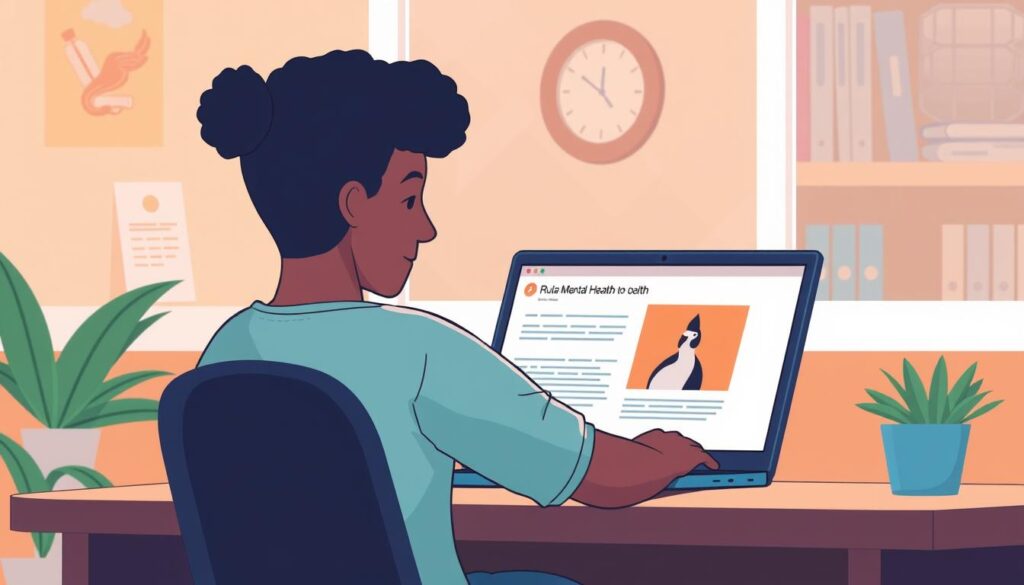
    Image of a person using a laptop to access Rula Mental Health services

    Learn More

    Rula Mental Health is a pioneering platform in the digital mental health space, designed to connect individuals with licensed mental health professionals for various therapy services.

    The Mission and Vision

    Rula’s mission is centered on making mental healthcare more accessible, affordable, and convenient through technology. Its vision includes breaking down barriers to mental health treatment by simplifying the process of finding and connecting with appropriate therapists.

    How Rula Fits in the Mental Health Landscape

    Rula positions itself as a bridge between traditional in-person therapy and fully digital mental health apps, offering video-based sessions with licensed professionals. Key features include: – Connecting individuals with licensed mental health professionals for various therapy services. – Making mental healthcare more accessible and affordable. – Simplifying the process of finding appropriate therapists. – Offering video-based sessions as a flexible therapy option. – Emphasizing the importance of matching clients with therapists who specialize in their specific concerns.

    By focusing on both accessibility and quality, Rula ensures that users receive professional healthcare from qualified providers.

    The Sign-Up and Onboarding Process
    Image of a person clicking the "Get Started" button on the Rula homepage.

    Learn More

    The first step towards mental wellness with Rula involves a simple yet comprehensive sign-up process. To get started, users click the “Get Started” button on the Rula homepage, initiating a straightforward registration process.

    Creating Your Account

    The sign-up process begins with entering basic information, including birthday, state, and insurance details if desired. Users are then prompted to select the types of therapy they’re interested in, with the flexibility to choose multiple options.

    Initial Assessment Questions

    A key part of the onboarding process involves answering a series of questions that help tailor the therapy experience. This includes providing personal information, contact details, and selecting a condition or issue to address, with an “I’m not sure yet/Don’t know” option for those without a specific diagnosis.

    The Therapist Matching System

    After completing the initial questions, users are presented with a list of therapists along with their comprehensive biographies, specialties, and availability. This allows for filtering based on expertise areas and insurance acceptance, facilitating a well-matched appointment with a suitable therapist.

    Before the first appointment, an intake assessment is completed, covering mental health history, current symptoms, and substance use. This process is designed to be efficient, typically taking less than five minutes.

    Comprehensive Services Offered by Rula Mental Health

    Rula Mental Health offers a comprehensive suite of services designed to cater to diverse mental health needs. The platform is built on the understanding that mental health is multifaceted, and different individuals may require different types of support.

    Individual Talk Therapy Options

    Rula Mental Health provides a foundation of individual talk therapy, offering various therapeutic approaches. These include Cognitive Behavioral Therapy (CBT), Dialectical Behavior Therapy (DBT), and psychodynamic therapy, among others. This variety allows users to select the therapy type that best suits their needs.

    Family and Couples Counseling

    For those dealing with relationship or family concerns, Rula offers specialized couples counseling and family therapy services. Therapists on the platform are trained in these specific modalities, ensuring that users receive targeted support.

    Medication Management and Psychiatry

    Rula Mental Health recognizes the value of a combined treatment approach for many mental health conditions. Therefore, the platform offers medication management through its psychiatry services. Users can easily add psychiatry services to their treatment plan, with the platform noting that combining therapy with medication management often yields optimal results.

    The psychiatry services include initial evaluation, prescription management, and ongoing monitoring of medication effectiveness and side effects. Users can also choose multiple services, such as individual therapy and family therapy, and Rula’s system will populate appropriate provider matches for each service type.

    Rula Mental Health’s holistic approach to mental health treatment encourages users to consider all appropriate service options for their specific needs. All providers, whether for talk therapy or psychiatry, are licensed professionals with credentials displayed in their profiles for transparency.

    • Rula offers a diverse range of services to address various mental health needs.
    • Individual therapy options include CBT, DBT, and psychodynamic therapy.
    • Specialized couples counseling and family therapy services are available.
    • Medication management is offered through psychiatry services.
    • Users can combine services like individual therapy and family therapy.

    Insurance and Payment Structure

    Image generation prompt for insurance and payment structure

    Learn More

    The financial aspect of seeking mental health support can be complex, but Rula aims to simplify it. Understanding the insurance and payment structure is a crucial step in accessing their services.

    Major Insurance Plans Accepted

    Rula works with most major insurance plans, including Aetna, Anthem, Blue Cross/Blue Shield, Cigna, Optum, Oscar, and United Healthcare. The platform also accepts Kaiser Permanente insurance through their referral partnership program. This wide acceptance makes it accessible to a broad range of insured individuals.

    Understanding Out-of-Pocket Costs

    During registration, users are required to provide credit card information to cover any out-of-pocket costs that may apply based on their insurance coverage. Before the first appointment, Rula verifies insurance benefits and informs users of their expected out-of-pocket responsibility, ensuring transparency about costs.

    For those using insurance, costs will depend on individual plan details such as deductibles, copays, and whether the deductible has been met for the year. Rula provides clarity on these costs before the appointment.

    HSA and FSA Payment Options

    The platform accepts Health Savings Account (HSA) and Flexible Spending Account (FSA) payment options for qualified mental health services, offering flexibility in payment choices.

    Rula also has a policy of charging a $99 fee for missed appointments or late cancellations, which is automatically charged to the payment method on file. For those without insurance coverage, Rula provides self-pay rates, which are communicated to the client before their first session.

    Finding the Right Therapist on Rula

    The key to successful therapy lies in finding a therapist who understands your specific needs, and Rula facilitates this important connection. Rula’s platform is designed to provide users with a comprehensive list of qualified therapists and providers, making it easier to find the right fit.

    Provider Profiles and Specialties

    Rula’s provider profiles are detailed and informative, including comprehensive biographies, educational backgrounds, specialties, and therapeutic approaches. This information helps users make informed decisions about their mental health care. Users can browse through profiles that detail expertise in specific areas such as anxiety, depression, trauma, family dynamics, grief, and life transitions.

    Filtering Options for Specific Needs

    The platform offers robust filtering options that allow users to narrow down providers based on specialties, availability, insurance acceptance, and other relevant criteria. This feature ensures that users can find a therapist who meets their specific needs and preferences.

    The Importance of Therapist-Client Fit

    Rula recognizes that the therapist-client relationship is a significant predictor of therapeutic success. Users typically spend around 15 minutes reviewing different provider profiles before selecting a therapist who seems best suited to their needs. The platform provides enough information about each provider to help users make an informed choice.

    Feature Description Benefit
    Comprehensive Profiles Detailed biographies, educational backgrounds, specialties, and therapeutic approaches Informed decision-making
    Robust Filtering Options Narrow down providers based on specialties, availability, insurance acceptance Finds the right therapist for specific needs
    Therapist-Client Fit Emphasizes the importance of the therapist-client relationship Improved therapeutic success

    The Appointment Experience

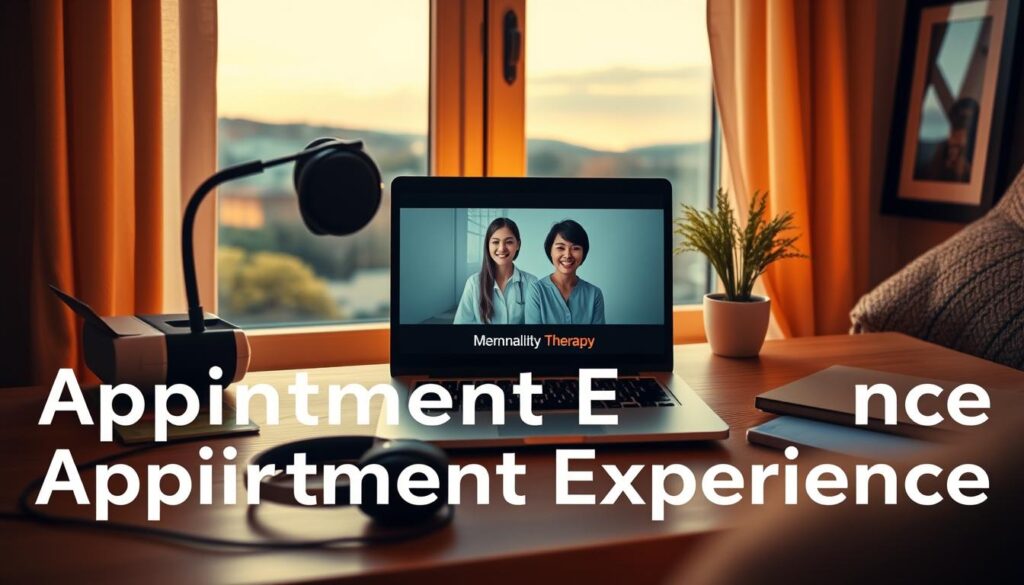
    A cozy home office setup with a laptop, headphones, and a serene landscape visible through the window. Warm, soft lighting illuminates the scene, creating a sense of comfort and focus. The laptop's screen displays a video conferencing interface, simulating a mental health therapy session. The frame is carefully composed to convey a professional yet approachable atmosphere, reflecting the "Appointment Experience" theme. Subtle details, such as a plant or a framed artwork, add a personal touch to the space, suggesting a welcoming and personalized setting for the virtual mental health consultation.

    The appointment experience on Rula is designed to be seamless and efficient, allowing clients to focus on their mental health journey. This process is divided into three key components: pre-session preparation and intake, the video session itself, and post-session follow-up and resources.

    Pre-Session Preparation and Intake

    Before the first session, clients receive a message in their portal requesting completion of a pre-appointment check-in. This serves as the therapy intake process, gathering comprehensive information about mental health history, current symptoms, and substance use.

    The pre-session intake includes comprehensive questions about mental health history, current symptoms, symptom severity over the past two weeks, and substance use information. This preparation process is designed to be efficient, typically taking less than five minutes to complete.

    What to Expect During Video Sessions

    Rula’s therapy sessions take place via a secure video platform, eliminating travel time and allowing clients to attend sessions from comfortable, private locations. During the video session, clients can expect a similar experience to in-person therapy.

    Session Aspect Description Duration
    Standard Session Time Traditional therapy hour format 45-50 minutes
    Therapist Guidance Based on treatment goals and intake information Varies
    Secure Messaging Available between sessions for questions or information sharing N/A

    Post-Session Follow-Up and Resources

    After each session, therapists may assign “homework” or provide resources through the portal for clients to work on between appointments. Follow-up appointments can be scheduled directly through the portal, with reminder notifications sent via text or email.

    For more information on preparing for your first psychiatry appointment, you can visit Rula’s blog.

    Kaiser Permanente Partnership with Rula

    Generate an image representing the partnership between Kaiser Permanente and Rula for mental health services.

    Learn More

    The partnership between Kaiser Permanente and Rula marks a significant step forward in mental health care. This collaboration is designed to enhance the mental health and wellness services available to Kaiser Permanente members.

    Benefits for Kaiser Members

    Kaiser Permanente members can now access a wider range of mental health services through Rula, including therapy sessions with experienced providers. The partnership ensures that members can find quality, in-network care that fits their schedule and specific needs.

    • Kaiser Permanente has established a strategic partnership with Rula to expand mental health care options for their members.
    • This collaboration allows Kaiser members to access Rula’s network of mental health providers through a streamlined referral process.
    • Kaiser members benefit from having their insurance coverage automatically integrated, making therapy more affordable.

    How the Referral Process Works

    For Kaiser members, the referral process typically begins with their primary care provider or through Kaiser’s mental health department. Once referred, members can browse and select from Rula’s extensive network of providers approved under their specific Kaiser insurance plan.

    This partnership not only expands available care options but also helps address wait time issues within Kaiser’s internal mental health system. Kaiser members maintain their insurance benefits while gaining access to Rula’s user-friendly platform and diverse provider network.

    Pros of Using Rula’s Mental Health Services

    A modern, airy mental health clinic, filled with natural light from large windows. In the foreground, a welcoming reception area with sleek, minimalist furniture and potted plants. In the middle ground, a group of people engaged in a peaceful therapy session, their expressions serene and focused. The background showcases a tranquil, garden-like setting, with lush greenery and a soothing water feature. The overall atmosphere conveys a sense of calm, comfort, and professionalism, reflecting the high-quality mental health services offered.

    The advantages of using Rula’s mental health services are multifaceted, enhancing the overall therapy experience. By providing a comprehensive platform that addresses various aspects of mental health care, Rula has made it easier for individuals to access the support they need.

    Convenience and Accessibility

    One of the primary benefits of Rula’s services is the convenience of accessing therapy from any location with internet access. This eliminates the need for commute time and overcomes transportation barriers, making mental health care more accessible to a wider audience.

    Insurance Integration

    Rula offers exceptional insurance integration, working with major insurance plans to minimize out-of-pocket costs and simplify the payment process for users. This transparency about costs before the first session helps clients avoid unexpected bills for their talk therapy sessions.

    Provider Selection and Specialization

    The platform provides a diverse selection of qualified providers with various specializations. This increases the likelihood of finding a provider who meets specific mental health needs. Rula’s provider profiles contain detailed information about specialties, approaches, and backgrounds, empowering users to make informed decisions about their care.

    Scheduling Flexibility

    The scheduling flexibility offered by Rula stands out as a significant benefit. Many providers offer evening and weekend appointments to accommodate busy work schedules. The ability to schedule appointments online at any time eliminates the need for phone calls during business hours, making the process more accessible.

    Overall, Rula’s mental health services offer a compelling combination of convenience, insurance integration, diverse provider selection, and scheduling flexibility, making it an attractive option for those seeking mental health support.

    Limitations and Considerations

    While Rula Mental Health offers numerous benefits, there are several limitations to consider when using their services. Understanding these limitations is crucial for potential users to make informed decisions about their mental health care.

    Insurance Restrictions

    Rula’s services are limited by insurance restrictions. Notably, they do not currently accept Medicaid or Medicare plans, which may restrict access for individuals relying on these government insurance programs. Insurance coverage varies significantly by state and specific plan details, potentially creating disparities in access and out-of-pocket costs.

    Cancellation Policies and Fees

    The platform implements a strict cancellation policy, charging a $99 fee for missed appointments or late cancellations. This policy may be challenging for clients with unpredictable schedules.

    State Licensing Limitations

    Due to state licensing regulations, therapists can only provide services to clients residing in states where they hold a license. This limitation may affect individuals who travel frequently or live in underserved states.

    Emergency Support Availability

    Rula appears to have limited emergency support protocols. Reviewers noted the absence of crisis resources or 911 reminders during the intake process for mental health emergencies.

    Limitation Description Impact
    Insurance Restrictions No Medicaid or Medicare Limited access for some users
    Cancellation Policy $99 fee for missed appointments Financial burden on clients
    State Licensing Therapists limited by state licenses Restricted options for some clients

    In conclusion, while Rula Mental Health offers valuable services, users must be aware of these limitations to navigate the platform effectively.

    Conclusion: Is Rula Right for Your Mental Health Journey?

    As we conclude our exploration of Rula Mental Health, it’s essential to assess whether this platform aligns with your mental health needs. Rula offers a modern approach to therapy, balancing convenience with quality care, which is particularly beneficial for individuals with busy schedules and insurance coverage from major companies.

    The platform’s strength lies in its ability to connect clients with specialized therapists who match their specific needs, potentially leading to more effective therapeutic outcomes. For those seeking integrated care, Rula’s combination of talk therapy and psychiatry services under one digital roof provides a streamlined experience.

    • Rula’s detailed provider profiles and matching system allow individuals to make informed decisions about their care.
    • The service is best suited for those with commercial insurance coverage, as it currently doesn’t accept Medicaid or Medicare.
    • Users who value scheduling flexibility and insurance integration may find Rula’s services particularly appealing.

    When deciding if Rula is right for your journey, consider your insurance coverage, scheduling needs, comfort with video sessions, and the importance of therapist specialization. While Rula represents a significant step in the evolution of mental healthcare, it’s crucial to weigh its strengths against your individual needs.

    Ultimately, Rula Mental Health is a viable option for those seeking a modern, convenient, and quality mental health care solution. By considering the points discussed, you can make an informed decision about whether Rula is the right fit for your mental health journey.

    FAQ

    What insurance plans do you accept?

    We accept most major insurance plans, making it easier for you to access care without breaking the bank. You can check our website for a full list of accepted providers.

    How do I get started with therapy?

    To get started, simply create an account on our platform, complete our initial assessment, and we’ll match you with a therapist who suits your needs. You can then schedule your first appointment at a time that works for you.

    What can I expect during my first therapy session?

    During your first session, your therapist will discuss your concerns, establish a comfortable and non-judgmental space, and outline a treatment plan tailored to your needs.

    Do you offer medication management services?

    Yes, we have psychiatry providers available for medication management. Our providers work closely with your therapist to ensure comprehensive care.

    Can I switch therapists if I’m not a good match?

    Absolutely. We believe in finding the right fit for you. If you’re not satisfied with your current therapist, you can request a change, and we’ll match you with someone new.

    Are my therapy sessions confidential?

    Yes, our platform adheres to strict confidentiality guidelines, ensuring your sessions remain private and secure.

    Can I use my HSA or FSA to pay for therapy sessions?

    Yes, you can use your Health Savings Account (HSA) or Flexible Spending Account (FSA) to cover the costs of therapy sessions.

    How do I know if a therapist is right for me?

    Our platform allows you to browse therapist profiles, read reviews, and filter by specialty. You can also ask questions during your initial consultation to ensure you’re a good match.

    What if I need to cancel or reschedule an appointment?

    You can cancel or reschedule an appointment by logging into your account or contacting our support team. Please review our cancellation policy for details on any applicable fees.


  • When Is Men’s Mental Health Month: Raising Awareness

    When Is Men’s Mental Health Month: Raising Awareness

    Mental health concerns among men are a growing issue that affects not just individuals but families and communities as a whole. Despite the alarming statistics, men are less likely to seek help for mental health conditions, with men making up almost 80% of all suicides according to the CDC.

    The observance of Men’s Mental Health Month varies globally; in the US, Mental Health America recognizes June as the awareness month, while November is observed internationally as Movember. The stigma surrounding mental health issues often discourages men from discussing their problems openly.

    It’s crucial to understand that mental health conditions are not signs of weakness but health issues that require support and treatment. By raising awareness and breaking the stigma, we can encourage men to seek the help they need.

    Key Takeaways

    • Men’s Mental Health Month is observed in June in the US and November internationally.
    • Men are less likely to seek help for mental health conditions.
    • The stigma surrounding mental health discourages open discussion.
    • Mental health conditions are health issues, not signs of personal weakness.
    • Raising awareness is crucial for encouraging men to seek help.

    When Is Men’s Mental Health Month Observed?

    The observation of men’s mental health awareness month varies by country, with different regions dedicating specific months to this important cause.

    Men’s mental health is a significant concern globally, and awareness efforts are crucial in addressing the stigma surrounding mental health issues in men.

    June: Men’s Mental Health Awareness Month in the US

    In the United States, June is recognized as Men’s Mental Health Awareness Month. This observance aims to raise awareness about the mental health challenges men face, including depression, anxiety, and suicide. It’s a time when various organizations and communities come together to promote open conversations about men’s mental health.

    During June, numerous events and campaigns are organized to support men’s mental health, providing resources and services for those in need.

    November: Movember and International Observances

    November is another significant month for men’s health awareness, particularly with the Movember movement. Originating in Australia, Movember has become a global phenomenon where men grow mustaches during November to raise awareness and funds for men’s health issues, including mental health, prostate cancer, and testicular cancer.

    The Movember movement has been instrumental in reducing the stigma around men’s mental health by encouraging open discussions and promoting the idea that seeking help is not a sign of weakness.

    Month Observance Focus Areas
    June Men’s Mental Health Awareness Month (US) Mental health, depression, anxiety, suicide
    November Movember Mental health, prostate cancer, testicular cancer

    The Importance of Men’s Mental Health Awareness

    The significance of men’s mental health awareness lies in its potential to save lives and improve quality of life. Men’s mental health is a critical aspect of overall well-being, and raising awareness about it can have a profound impact on individuals, families, and communities.

    Understanding the Statistics

    Statistics reveal that certain groups of men are disproportionately affected by mental health conditions. According to the CDC, LGBTQ+ men are more likely to experience mental health issues than their straight and cis counterparts. Adults with disabilities are almost five times as likely to report frequent mental health distress as those without disabilities.

    Group Mental Health Condition Prevalence Access to Mental Health Care
    LGBTQ+ Men Higher rates compared to straight and cis men Limited access to culturally competent care
    Adults with Disabilities Almost 5 times more likely to report mental health distress Barriers to accessing appropriate care
    BIPOC Men Similar rates to white men Less access to mental health professionals

    Breaking the Stigma Around Men’s Mental Health

    Breaking the stigma around men’s mental health is crucial for encouraging men to seek help. Traditional gender roles often discourage men from expressing emotions or seeking mental health support. By promoting a culture that allows men to openly discuss their mental health, we can work towards reducing this stigma.

    Men’s mental health matters, and it’s essential to create an environment where men feel comfortable discussing their mental well-being without fear of judgment.

    Intersectionality and Men’s Mental Health

    Intersectionality plays a significant role in men’s mental health experiences. Factors such as race, ethnicity, sexual orientation, gender identity, disability status, and socioeconomic status intersect to create unique challenges for different groups of men. For instance, BIPOC men face not only mental health conditions but also barriers to accessing care due to systemic inequities and cultural factors.

    Culturally competent mental health services are vital for addressing the diverse needs of men from various backgrounds. By acknowledging and addressing these intersectional factors, we can work towards providing more effective support systems for men’s mental health.

    Supporting Men’s Mental Health

    To support men’s mental health effectively, a multifaceted approach is necessary. This involves not just individual efforts but also community and societal-level initiatives.

    Organizing Awareness and Support

    One way to support Men’s Mental Health Month is by holding events or fundraising activities for mental health charities. Organizations like Face It, MenLiving, HeadsUpGuys, Next Gen Men, and Campaign Against Living Miserably are working towards this cause. You can also raise money through a garage sale, bake sale, or by getting sponsored in a race or competition.

    It’s also crucial to create an environment where men feel comfortable discussing their mental health without judgment. Loved ones can play a significant role by being supportive and recognizing signs of mental health struggles. Men need to take the time to focus on their mental and physical well-being, making routine appointments with healthcare providers to maintain good health.

    Preventive Care and Community Initiatives

    Men of all ages should prioritize their mental health. Regular check-ups can help identify potential health problems early. Workplaces and schools can implement programs to support men’s mental health, including educational initiatives and policies that promote mental wellness.

    By working together and committing to support men’s mental health beyond awareness months, we can create a more supportive environment. This includes advocating for improved mental health services and supporting men in incorporating mental wellness practices into their daily lives.

    FAQ

    What are the signs and symptoms of depression and anxiety in men?

    Men experiencing depression and anxiety may exhibit irritability, anger, or aggression, as well as physical symptoms like headaches or stomach issues. They may also withdraw from social activities, experience changes in appetite or sleep patterns, or have difficulty concentrating.

    How can family and loved ones support men struggling with mental health issues?

    Family and loved ones can offer emotional support by listening without judgment, encouraging open conversation, and helping men access professional help. They can also promote healthy habits like exercise, socializing, and stress management.

    Why do men often struggle to seek help for mental health problems?

    Traditional masculinity can discourage men from expressing emotions or seeking help, as it may be perceived as a sign of weakness. This stigma can prevent men from accessing necessary care and support.

    What resources are available for men to access mental health care services?

    Men can access mental health care services through primary care physicians, therapists, or online resources like the National Alliance on Mental Illness (NAMI) or the American Psychological Association (APA). Some organizations also offer free or low-cost services.

    How can we promote awareness and reduce stigma around men’s mental health?

    Raising awareness about men’s mental health can be achieved through public campaigns, education, and open conversations. Encouraging men to share their experiences and promoting positive representations of masculinity can help reduce stigma.

    What role do societal expectations of masculinity play in men’s mental health?

    Societal expectations of masculinity can contribute to men’s mental health issues by discouraging emotional expression and promoting aggression or stoicism. Challenging these expectations can help create a more supportive environment for men’s mental health.

    Are there specific programs or initiatives that support men’s mental health?

    Yes, organizations like Movember and the Men’s Health Network offer programs and resources to support men’s mental health. Some employers and healthcare providers also offer targeted initiatives and services.

  • The Significance of Men’s Mental Health Awareness Month

    The Significance of Men’s Mental Health Awareness Month

    June is recognized as Men’s Mental Health Awareness Month by Mental Health America (MHA) and the International Men’s Health Month website, although it’s worth noting that not every country observes this month in June. For instance, November is celebrated as Men’s Mental Health Awareness Month in the United Kingdom, also known as Movember.

    The importance of dedicating a month to men’s mental health lies in addressing the unique challenges men face in seeking help for mental health issues. The stigma surrounding mental health can be particularly daunting for men, who are often expected to embody traditional masculine norms that discourage vulnerability.

    By raising awareness and support for men’s mental health, we can work towards breaking down these stigmas and encouraging men to seek the help they need.

    Key Takeaways

    • Men’s Mental Health Awareness Month is observed in June in the United States.
    • The month aims to address the unique mental health challenges faced by men.
    • Traditional masculine norms can discourage men from seeking help for mental health issues.
    • Raising awareness and support is crucial for breaking down stigmas surrounding men’s mental health.
    • Men’s mental health deserves attention throughout the year, not just during the dedicated awareness month.

    Understanding Men’s Mental Health Awareness Month

    Recognizing the importance of men’s mental health, Men’s Mental Health Awareness Month has become a vital awareness campaign. This month is dedicated to raising awareness about the mental health challenges men face and the importance of seeking help when needed.

    History and Origins

    Men’s Mental Health Awareness Month has its roots in 1994 when it evolved from a bill championed by Kansas Senator Bob Dole. As quoted by Mental Health America, “Men’s Mental Health Awareness Month is an opportunity to raise awareness of men’s mental health issues and to encourage men to seek help for mental health conditions.”

    “It’s a chance to break the stigma surrounding men’s mental health.”

    Since then, it has grown in significance as understanding of mental health issues has expanded.

    When It’s Observed Around the World

    While June is recognized as Men’s Mental Health Awareness Month in the United States, other countries observe it at different times. For instance, November is Men’s Mental Health Awareness Month in the United Kingdom, also known as Movember, where men grow mustaches to raise awareness of men’s health conditions. This global perspective highlights the universal importance of men’s mental health.

    Symbols and Recognition

    Some people use green ribbons to support men’s mental health each June. Mental Health America (MHA) recognizes June as Men’s Mental Health Awareness Month, promoting awareness and encouraging men to seek support for their mental health. The use of symbols like the green ribbon has become a visual representation of support for men’s mental health awareness.

    The Crisis in Men’s Mental Health

    A data-driven visualisation of men's mental health crisis, depicted with a somber, introspective atmosphere. In the foreground, a solitary male figure stands, shoulders slumped, reflecting on stark statistics displayed as floating numerical elements. The middle ground features a minimalist, muted colour palette, conveying a sense of gravity and weight. In the background, a subdued cityscape fades into the distance, hinting at the broader societal context. Dramatic low-angle lighting casts dramatic shadows, heightening the contemplative mood. The overall composition evokes a sense of isolation, vulnerability, and the need for greater awareness and support for men's mental wellbeing.

    Men’s mental health is facing a severe crisis, with alarming statistics highlighting the need for awareness and support. The data surrounding men’s mental health is stark and reveals a complex issue that affects not just individuals but society as a whole.

    Alarming Statistics

    The statistics surrounding men’s mental health are troubling. According to the Centers for Disease Control and Prevention (CDC), the suicide rate among males in 2021 was around four times higher than the suicide rate among females. Men make up almost 80% of all suicides, with males representing 79% of deaths by suicide in the US. Furthermore, over six million males suffer from depression each year in the US, with this condition frequently going undiagnosed and untreated.

    Mental Health Condition Statistic Source
    Suicide Rate Among Males Four times higher than females CDC
    Suicide Deaths 79% males CDC
    Males with Depression Over 6 million annually National Institute of Mental Health

    Unique Challenges Men Face

    Men face unique challenges in acknowledging and addressing mental health issues. Societal expectations of stoicism and self-reliance can discourage emotional expression and help-seeking behaviors. This can lead men to use unhealthy coping mechanisms, such as substance abuse, instead of seeking professional help. The disparity in mental health service utilization is evident, with only 40% of men with mental health conditions receiving professional support, compared to 51.7% of women.

    Intersectionality and Mental Health

    The impact of mental health conditions on men can be further complicated by factors such as sexual orientation, disability status, and racial identity. For instance, LGBTQ+ men are more likely to experience mental health conditions than their heterosexual and cisgender counterparts. Similarly, Black, Indigenous, and People of Color (BIPOC) men face additional barriers to accessing mental health care, often relying more heavily on community support.

    Key Findings:

    • LGBTQ+ men are more likely to have mental health conditions.
    • BIPOC men have less access to mental health care.
    • Adults with disabilities are almost five times as likely to report frequent mental health distress.

    Breaking the Stigma Around Men’s Mental Health

    A contemplative man in a dimly lit room, his face partially obscured by shadows, conveying the inner struggles of mental health. In the background, a dreamlike landscape with soft, muted colors, symbolic of the journey towards understanding and acceptance. Warm, directional lighting illuminates the man's pensive expression, creating a sense of introspection and vulnerability. The composition is balanced, with the man's figure anchoring the center and the surrounding environment adding depth and emotional resonance. The overall mood is one of quiet reflection, inviting the viewer to empathize with the complex and often hidden experiences of men's mental health.

    Breaking down the barriers that prevent men from discussing their mental health openly is crucial for creating a supportive environment. The stigma surrounding men’s mental health is deeply ingrained in societal norms and expectations.

    Cultural Expectations and Masculinity

    Traditional masculine ideals often emphasize strength, stoicism, and self-reliance, making it difficult for men to acknowledge emotional struggles or seek help. Societal messaging frequently teaches boys and men to suppress their feelings rather than express them, creating lifelong patterns that can be challenging to overcome. According to a survey by the Priory Group, 77% of men have suffered symptoms of common mental health conditions such as anxiety, depression, and stress, yet many remain silent due to these cultural expectations.

    Warning Signs of Mental Health Issues in Men

    Men often exhibit different symptoms of mental health issues compared to women. Instead of expressing sadness, men may display irritability, fatigue, or a loss of interest in activities they once enjoyed. Other warning signs can include sleep disturbances, changes in eating patterns, and unexplained physical aches and pains. Recognizing these signs is crucial for early intervention and support.

    The Importance of Emotional Language

    Emotional language is acquired, and often, young males are not taught how to articulate their emotions effectively. This lack of emotional vocabulary can prevent men from recognizing and expressing their mental health needs. Developing emotional language is critical for men to communicate their feelings and experiences effectively. By fostering an environment where men feel comfortable discussing their emotions, we can encourage more men to seek help when needed.

    By addressing these cultural expectations, recognizing the warning signs of mental health issues, and promoting emotional language, we can work towards breaking the stigma around men’s mental health. This will help create a more supportive and understanding environment where men feel empowered to seek help without fear of judgment or repercussions.

    Supporting Men’s Mental Health Year-Round

    As we move beyond Men’s Mental Health Awareness Month, it’s crucial to maintain the momentum in supporting men’s mental well-being throughout the year. The conversation around men’s mental health is ongoing and requires sustained attention and action.

    To effectively support the men in our lives, we must employ practical strategies such as active listening without judgment, creating safe spaces for open conversations, and encouraging professional help when needed.It’s essential to recognize that seeking help is a sign of strength, not weakness, and that mental health care is as vital as physical health care.

    Numerous resources are available for men experiencing mental health challenges, including crisis hotlines like 988, text-based support services, and online screening tools. Organizations such as Face It, MenLiving, HeadsUpGuys, Next Gen Men, and Campaign Against Living Miserably are dedicated to men’s mental health, alongside broader mental health organizations that offer valuable support.

    For men, understanding the importance of emotional expression is key. Allowing oneself to cry and process emotions fully has both physiological and psychological benefits. It’s about creating an environment where men feel comfortable expressing their emotions without fear of judgment.

    Workplaces, schools, and communities can play a significant role in destigmatizing mental health discussions and promoting well-being for men. By implementing awareness-raising activities throughout the year and not just during designated awareness months, we can foster a culture that supports men’s mental health.

    Let’s become advocates for men’s mental health in our communities, helping to create a culture where men feel empowered to prioritize their mental well-being. By doing so, we can work towards a future where men’s mental health is given the importance it deserves.

    FAQ

    What is the significance of observing Men’s Mental Health Awareness?

    Observing this awareness is crucial as it highlights the importance of addressing depression and other mental health conditions among men, ultimately working to reduce the suicide rate.

    Why are men less likely to seek help for their mental health issues?

    Men are often less likely to seek help due to societal expectations surrounding traditional masculinity, which can discourage them from expressing emotions or showing vulnerability.

    What are some common signs and symptoms of mental health issues in men?

    Common signs include changes in mood, such as increased irritability or anxiety, as well as withdrawal from social activities and a lack of interest in work or other activities they once enjoyed.

    How can we support men’s mental health year-round?

    Support can be provided by creating a safe and non-judgmental space for men to discuss their feelings, encouraging them to seek professional care when needed, and promoting mental health care resources.

    What role does intersectionality play in men’s mental health?

    Intersectionality is important as it acknowledges that men’s experiences with mental illness can be influenced by various factors, including race, socioeconomic status, and sexual orientation.

    How can we raise awareness about men’s mental health issues?

    Raising awareness can be achieved through education and open discussions about signs and symptoms of mental health issues, as well as by promoting resources and support services for those in need.

  • Mental Health Awareness Day: Understanding its Importance Today

    Mental Health Awareness Day: Understanding its Importance Today

    Every year on October 10th, the world comes together to observe World Mental Health Day, a critical global event that shines a light on the importance of mental wellbeing. This day serves as a platform to reduce the stigma surrounding mental health conditions and encourage efforts to support those experiencing mental health issues.

    The significance of this awareness day has grown substantially in recent years as mental health issues have become more prevalent across all demographics. Understanding the purpose and impact of this day helps communities, organizations, and individuals recognize the importance of mental wellbeing in our daily lives.

    Key Takeaways

    • World Mental Health Day is observed annually on October 10th to raise awareness about mental health issues globally.
    • The day serves as a platform to reduce the stigma surrounding mental health conditions.
    • The significance of this awareness day has grown substantially in recent years.
    • The 2024 theme, ‘Mental Health at Work,’ highlights the importance of mental wellbeing in the workplace.
    • Understanding the purpose and impact of this day helps communities and individuals recognize the importance of mental wellbeing.

    The Origins and Evolution of Mental Health Awareness Day

    The concept of Mental Health Awareness Day has undergone significant transformation since its inception. It has grown from a small observance to a major global health campaign.

    When and Why It Was Established

    Mental Health Awareness Day was first established to raise awareness about mental health issues worldwide. The World Federation for Mental Health (WFMH) announces a theme for World Mental Health Day every year, focusing on different aspects of mental health.

    How It Has Evolved Over the Years

    Over the decades, Mental Health Awareness Day has evolved significantly. It now includes diverse voices and stories, reducing stigma around mental health conditions. The rise of social media has expanded its reach, creating virtual communities of support.

    Year Theme Focus Area
    2023 Mental Health is a Universal Human Right Human Rights
    2022 Make Mental Health for All a Global Priority Global Priority

    Why Mental Health Awareness Day Matters in Today’s World

    In the face of an escalating mental health crisis, Mental Health Awareness Day serves as a critical reminder of the need for awareness and action. The day is dedicated to raising awareness about mental health issues and promoting education, reducing stigma, and encouraging support for those affected by mental health conditions.

    The Growing Mental Health Crisis

    The world is experiencing a significant increase in mental health problems, affecting individuals from all walks of life. Mental health issues are becoming more prevalent, and it’s essential to address this growing crisis through awareness and education.

    Mental Health Issue Prevalence Impact
    Depression 300 million people worldwide Significant impairment in daily life
    Anxiety Disorders 260 million people worldwide Affects daily functioning and relationships
    Bipolar Disorder 46 million people worldwide Can lead to significant mood swings and impairment

    Breaking Down Stigma Through Awareness

    Despite progress in discussing mental health, stigma remains a significant barrier to seeking help. Mental Health Awareness Day campaigns work to challenge misconceptions and normalize conversations about mental health, encouraging people to seek support without fear of judgment.

    By promoting awareness and understanding, we can reduce stigmatizing attitudes and behaviors, creating a more supportive environment for those affected by mental health conditions.

    Mental Health Awareness Day 2024: “Mental Health at Work”

    As we approach Mental Health Awareness Day 2024, the theme “Mental Health at Work” takes center stage, highlighting the critical need for workplace mental health initiatives. The United Nations’ System Mental Health and Well-being Strategy for 2024 and beyond provides a roadmap for creating an inclusive, sustainable work environment.

    Understanding This Year’s Theme

    The theme emphasizes the importance of workplace mental health. The changing nature of work has created new mental health challenges, including remote work arrangements and digital overload.

    Why Workplace Mental Health Is a Priority

    Workplace mental health has emerged as a priority due to its significant economic impact. The World Economic Forum estimates that depression and anxiety disorders cost the global economy $1 trillion annually in lost productivity. Prioritizing workplace mental health is both an ethical imperative and a business necessity.

    Creating Mentally Healthy Workplaces

    The modern workplace is evolving to prioritize mental health and well-being. As organizations recognize the importance of a healthy work environment, they are implementing various strategies to support their employees’ mental wellbeing.

    A key aspect of creating a mentally healthy workplace is fostering a supportive work environment. This involves promoting a culture that encourages open conversations about mental health and provides resources for employees to manage their wellbeing.

    Key Elements of a Supportive Work Environment

    A supportive work environment is characterized by colleagues who are empathetic and understanding. Regular mental health training for employees helps to normalize discussions around mental wellbeing and equips them with the skills to recognize warning signs and respond appropriately.

    Policies and Practices That Promote Mental Wellbeing

    Effective workplace mental health policies include comprehensive health insurance with adequate mental health coverage, paid mental health days, and clear pathways for accessing confidential support services. Organizations can also promote wellbeing through wellness initiatives that address holistic health, such as physical activity, nutrition, and stress management.

    Policy/Practice Description Benefits
    Comprehensive Health Insurance Adequate mental health coverage Financial protection for employees
    Mental Health Training Regular training for employees Normalizes conversations around mental health
    Wellness Initiatives Promoting physical activity, nutrition, and stress management Holistic approach to mental wellbeing

    As the United Nations Strategy calls on organizations to step up efforts to prevent risks to mental health at work, promote wellbeing, and support personnel with mental health conditions, companies can take proactive steps to create a mentally healthy workplace.

    The Role of Leadership in Supporting Mental Health

    Leaders play a pivotal role in fostering a mentally healthy work environment. Their actions and policies significantly influence the wellbeing of their employees. By prioritizing mental health, leaders can create a culture that supports open discussions and reduces stigma around mental health conditions.

    How Managers Can Make a Difference

    Managers are on the frontline of supporting employee mental health. They can make a difference by being approachable, recognizing signs of distress, and having supportive conversations. Effective managers can refer employees to available resources and accommodations, ensuring they receive the support they need.

    Training and Resources for Leaders

    To effectively support mental health, leaders need comprehensive training and resources. An online training program, launching this month, will equip leaders with the skills to recognize distress signs, address common misconceptions about mental health conditions, and understand their legal obligations. Resources should include protocols for mental health crises, guidelines for reasonable accommodations, and tools for discussing performance issues related to mental health.

    • Comprehensive training programs help leaders understand their role in supporting employee mental health.
    • Resources for leaders include clear protocols for responding to mental health crises and guidelines for making reasonable accommodations.

    Addressing Mental Health Stigma and Discrimination

    A compassionate figure stands in the foreground, representing the empathy and support needed to address mental health stigma. In the middle ground, diverse individuals gather, their expressions conveying understanding and solidarity. The background depicts a serene, contemplative environment, with soft lighting and muted tones, symbolizing the importance of introspection and self-care in the journey towards mental health awareness. The composition evokes a sense of unity, openness, and the collective effort required to combat discrimination and promote mental well-being.

    Mental health stigma and discrimination remain significant barriers to seeking help and openly discussing mental health challenges. Despite advancements in understanding common mental health issues like anxiety and depression, severe mental illnesses such as schizophrenia, OCD, and bipolar disorder continue to be stigmatized.

    Common Misconceptions About Mental Health

    Misconceptions about mental health conditions can exacerbate stigma. Many believe that mental health issues are a sign of weakness or that individuals with these conditions are less capable. However, mental health conditions are medical conditions that require treatment and support, just like physical health issues.

    Creating Safe Spaces for Open Conversations

    Creating safe spaces for mental health conversations is vital. This involves implementing clear anti-discrimination policies, ensuring confidentiality, and demonstrating leadership commitment to supporting mental health. Employee resource groups can provide peer support and help shape workplace mental health initiatives.

    Strategies for Reducing Stigma Description Benefits
    Using Person-First Language Referring to individuals with mental health conditions in a way that prioritizes their personhood over their condition. Reduces stigma by focusing on the individual rather than the condition.
    Storytelling Campaigns Sharing personal stories of mental health journeys. Humanizes mental health challenges and demonstrates that conditions don’t define a person’s capabilities.
    Mental Health Literacy Programs Educating staff on recognizing signs of mental health conditions and having supportive conversations. Enhances staff ability to support colleagues and themselves.

    Global Initiatives and Resources for Mental Health Awareness Day

    Mental Health Awareness Day is supported by numerous global initiatives and resources. Various organizations around the world are working tirelessly to promote mental health awareness and provide support to those in need.

    World Health Organization and World Federation for Mental Health Efforts

    The World Health Organization (WHO) and the World Federation for Mental Health (WFMH) are at the forefront of global mental health initiatives. They provide a wealth of resources, including communication toolkits in multiple languages, educational materials, and event planning guides. For instance, the United Nations organizes events and activities during October to promote mental health and well-being among personnel, utilizing resources such as communications toolkits in English, French, and Spanish, as well as a Trello Board for coordination.

    Accessible Resources for Individuals and Organizations

    A variety of resources are available for both individuals and organizations to support mental health awareness. These include:

    • Digital resources such as online screening tools, webinars, and virtual events that expand access to mental health information and support.
    • Resources tailored for different settings like schools, workplaces, healthcare facilities, and community organizations.
    • Materials for individuals, including self-assessment tools and guides for discussing mental health with family members.
    • Organizational resources such as implementation guides for workplace mental health programs and templates for mental health policies.

    These resources are crucial in tailoring mental health awareness activities to specific audiences and needs. The following table summarizes some of the key resources available:

    Resource Type Description Target Audience
    Communication Toolkits Multilingual toolkits for promoting mental health awareness Organizations, Community Groups
    Educational Materials Information and guides on mental health topics Individuals, Schools
    Event Planning Guides Resources for organizing mental health awareness events Organizations, Community Groups
    Self-Assessment Tools Tools for individuals to assess their mental health Individuals

    How to Participate in Mental Health Awareness Day

    A serene meadow, bathed in warm, golden sunlight, serves as the backdrop for a symbolic representation of mental health awareness. In the foreground, a delicate lotus flower emerges from a tranquil pond, its petals unfurling to represent the beauty and resilience of the human mind. Surrounding the lotus, a gathering of diverse individuals, their hands joined in a gesture of unity and support, symbolize the power of community in nurturing mental well-being. In the middle ground, a path winds through the meadow, inviting the viewer to embark on a journey of self-discovery and personal growth. Wispy clouds drift overhead, evoking a sense of tranquility and inner peace. The overall composition conveys a message of hope, compassion, and the importance of embracing mental health awareness.

    Participating in Mental Health Awareness Day is a meaningful way to contribute to the global conversation about mental health. Individuals and organizations can engage in various activities to raise awareness and promote understanding.

    Individual Actions and Advocacy

    Individuals can make a difference by sharing their personal stories, supporting colleagues and family members, and advocating for mental health initiatives. By doing so, they can help break down stigma surrounding discrimination and mental health challenges.

    Community and Organizational Involvement

    Workplace organizations can host events, such as panel discussions, to raise awareness about workplace mental health. Community involvement might include partnering with local health organizations to offer resources and support. By working together, we can create a more supportive environment for people to discuss their mental health openly.

    Conclusion: The Future of Mental Health Awareness

    Mental Health Awareness Day is evolving to become a catalyst for sustained mental health initiatives throughout the year. The future will likely involve integrating mental health into all aspects of society, leveraging technology for early intervention and support, and addressing social determinants of mental health.

    Key trends shaping the future include: the use of AI-driven tools and virtual reality to enhance empathy and understanding, growing recognition of the impact of poverty and discrimination on mental health, and increased youth leadership in demanding comprehensive mental health support.

    The ultimate goal is a world where mental health is universally recognized as essential to overall health, and quality care is accessible to all.

    FAQ

    What is the significance of World Mental Health Day?

    World Mental Health Day is observed to raise awareness about mental health issues and mobilize efforts to support mental wellbeing globally. It aims to reduce stigma and promote open conversations around mental health conditions.

    How can workplaces support staff with mental health conditions?

    Workplaces can support staff by creating a supportive work environment, implementing policies that promote mental wellbeing, and providing access to resources and information. This can include training for managers and staff to recognize and respond to mental health challenges.

    What role do leaders play in promoting mental health at work?

    Leaders play a crucial role in promoting mental health at work by setting the tone for a mentally healthy workplace, providing resources and support, and encouraging open conversations about mental health. They can also prioritize workplace mental health by implementing policies and practices that promote wellbeing.

    How can individuals get involved in Mental Health Awareness Day?

    Individuals can get involved by taking individual actions such as sharing information and resources on social media, participating in local events, and advocating for mental health support in their communities and workplaces.

    What resources are available for organizations to support mental health?

    Organizations can access resources from the World Health Organization and the World Federation for Mental Health, including information, tools, and guidance on promoting mental health and supporting staff with mental health conditions.

    How can we address stigma and discrimination around mental health?

    Addressing stigma and discrimination requires creating safe spaces for open conversations, challenging common misconceptions about mental health, and promoting understanding and empathy. This can involve education and awareness-raising efforts, as well as policies and practices that support mental wellbeing.

  • Mental Health Awareness Week: Importance, Activities, and Support

    Mental Health Awareness Week: Importance, Activities, and Support

    As we approach Mental Health Awareness Week, it’s essential to recognize the significance of this dedicated period. It’s a time when communities come together to promote understanding and support for those affected by mental health conditions.

    This annual event, taking place from Monday, 12 May to Sunday, 18 May in 2025, focuses on a different theme each year. The 2025 theme, “community,” emphasizes the importance of connection and support in our lives. By fostering a sense of belonging and promoting overall well-being, we can work towards reducing the stigma surrounding mental health issues.

    For more information on how to get involved and the activities planned for Mental Health Awareness Week 2025, you can visit The Wellbeing Project’s insight page.

    Key Takeaways

    • Mental Health Awareness Week is crucial for promoting understanding and support for mental health conditions.
    • The event emphasizes the importance of community and social connections in overall well-being.
    • Activities during the week include sharing mental health resources, training, and workshops.
    • The theme for 2025 is “community,” highlighting the need for connection and support.
    • Participation in Mental Health Awareness Week can help reduce stigma around mental health issues.

    Understanding Mental Health Awareness Week

    Every year, the first full week of October is dedicated to Mental Health Awareness Week. This week is strategically positioned in the calendar to coincide with the beginning of the academic year and seasonal changes, periods when many people experience shifts in mental well-being.

    History and Origins

    Mental Health Awareness Week has its roots in the efforts to raise awareness about mental health issues. It is observed during the first full week of October each year in the United States. The 2024 observance takes place from October 6-12.

    Why Mental Health Awareness Matters

    Mental health awareness is crucial as it provides an opportunity for global conversation and awareness about mental health issues. The week serves as both a culmination of ongoing efforts and a launching point for new conversations and commitments to mental health support and advocacy.

    • The week includes World Mental Health Day on October 10, providing a global conversation opportunity.
    • It helps organizations plan meaningful activities and campaigns.
    • Mental health deserves attention throughout the year, not just during the awareness week.

    When It Takes Place

    The consistent annual timing of Mental Health Awareness Week helps communities prepare for meaningful activities. This year, it is observed from October 6-12, with World Mental Health Day on October 10.

    The Impact of Mental Health Awareness Week

    By dedicating a week to mental health awareness, we can collectively work towards breaking the stigma surrounding mental health issues. This annual event has become a crucial component in the ongoing conversation about mental health.

    Breaking the Stigma Around Mental Health

    Mental Health Awareness Week plays a significant role in normalizing discussions around mental health. By sharing personal stories and experiences, individuals can help create a more supportive and understanding environment. This, in turn, encourages others to open up about their struggles, fostering a sense of community and reducing feelings of isolation.

    Reducing stigma is a critical aspect of Mental Health Awareness Week. As we work together to create a more open and accepting environment, we can promote a culture that values mental health as much as physical health.

    Key Statistics on Mental Health in America

    Mental health statistics in America highlight the importance of continued awareness and support. According to recent reports, a significant portion of the population experiences mental health issues each year.

    Mental Health Statistic Percentage
    Adults experiencing mental illness 20%
    Youth experiencing mental health issues 15%
    Workplace impact due to mental health 60%

    Annual Themes and Their Significance

    This year, the theme “My Mental Health at Work” highlights the critical intersection between workplace environments and mental well-being. Annual themes like this one provide a framework for organizations and individuals to develop targeted resources and initiatives.

    By focusing on specific aspects of mental health, such as the impact of work environments on mental well-being, we can create more effective support systems and promote healthier workplaces.

    Getting Involved in Mental Health Awareness Week

    A vibrant, dynamic scene of mental health awareness week activities unfolding on a sun-dappled, lush green lawn. In the foreground, a group of people engaged in various wellness exercises like yoga, meditation, and tai chi, their serene expressions radiating inner peace. In the middle ground, informational booths and colorful displays showcase mental health resources, educational materials, and community support initiatives. The background features a picturesque, tree-lined park setting, bathed in the warm glow of a golden hour sunset, creating a calming, rejuvenating atmosphere. The overall composition conveys a sense of community, inclusion, and a celebration of mental well-being.

    By getting involved in Mental Health Awareness Week, individuals can contribute to a broader conversation about mental health and help create a more supportive environment.

    Community Activities and Events

    Community activities during Mental Health Awareness Week include walks, runs, and fundraising events that bring people together to support mental health awareness. Local organizations often host these events, providing opportunities for community members to engage in meaningful activities. For more information on events in your area, you can visit Mental Health Awareness Week resources.

    Workplace Initiatives

    Workplaces can play a significant role in promoting mental health by implementing initiatives such as mental health days, employee assistance programs, and workshops on stress management. NAMI’s workplace mental health initiatives are a valuable resource for employers looking to support their employees’ mental well-being.

    Social Media Campaigns and Digital Participation

    Social media campaigns are a powerful tool for raising awareness about mental health during Mental Health Awareness Week. Individuals can participate by sharing personal stories, using branded hashtags, and posting informative content. This digital participation helps to amplify the message and reach a wider audience.

    Educational Opportunities

    Educational opportunities during Mental Health Awareness Week are diverse and cater to different age groups and settings. These include Mental Health First Aid training, webinars, and the incorporation of mental health education into school curricula. Such initiatives help young people and adults alike to understand and manage mental health challenges.

    The following table summarizes the various ways to get involved in Mental Health Awareness Week:

    Activity Type Description Target Audience
    Community Events Walks, runs, fundraising events General public
    Workplace Initiatives Mental health days, employee assistance programs Employees
    Social Media Campaigns Sharing personal stories, using branded hashtags Social media users
    Educational Programs Mental Health First Aid training, webinars Individuals, schools, workplaces

    Mental Health Support Resources

    A well-lit, airy room filled with an array of mental health support resources. In the foreground, a bookshelf showcases self-help books, journals, and brochures on various mental health topics. Centrally positioned, a cozy sofa and armchair create a welcoming, therapeutic atmosphere. Tasteful artwork adorns the walls, conveying a sense of calm and tranquility. Soft natural light streams in through large windows, illuminating the space. In the background, a discreet desk with a computer and phone suggests access to professional support and counseling services. The overall mood is one of comfort, empowerment, and a nurturing environment for mental health exploration and growth.

    For those affected by mental health conditions, having the right support resources can be life-changing. These resources play a crucial role in the journey towards mental wellness.

    National Organizations and Helplines

    National organizations provide critical support through helplines and online resources. NAMI (National Alliance on Mental Illness) is a prominent organization offering support groups led by peers, allowing individuals to share their experiences and find community.

    NAMI’s helpline is a valuable resource for those seeking immediate support or guidance. Other organizations, such as the Mental Health America, also provide comprehensive resources and support.

    Finding Local Support Groups

    Local support groups are essential for building a community around mental health. These groups, often led by individuals with personal experience, offer a safe space for sharing and healing.

    To find local support groups, individuals can search online, contact local mental health organizations, or reach out to community centers. NAMI’s website is a good starting point for finding local NAMI support groups.

    Digital Resources and Apps

    In today’s digital age, numerous apps and online resources are available to support mental health. These tools offer various forms of support, from meditation and mindfulness exercises to mood tracking and crisis intervention.

    Some popular mental health apps include Headspace and Calm, which offer guided meditations and relaxation techniques. Online resources like Mental Health America’s online screening tools can also provide valuable insights and support.

    Supporting Friends and Family Members

    Supporting loved ones with mental health challenges requires empathy, understanding, and practical help. Education about the specific mental health condition is a crucial first step.

    Support Tips Description
    Effective Communication Active listening and avoiding judgment are key to supporting someone with a mental health condition.
    Practical Help Assisting with daily tasks, appointment scheduling, or transportation can be incredibly helpful.
    Crisis Response Knowing how to respond in a crisis, including recognizing warning signs and having emergency contacts, is vital.

    By understanding the needs of friends and family members and providing the right support, we can create a more compassionate and supportive community for those affected by mental health conditions.

    Creating a Mental Health-Friendly Environment Year-Round

    The true challenge lies not in observing Mental Health Awareness Week, but in integrating its principles into our daily lives throughout the year. As we strive to create a society that prioritizes mental health, it’s essential to extend our efforts beyond awareness weeks.

    Designing physical environments that support mental well-being is a crucial step. This can be achieved through considerations like natural lighting, quiet spaces for decompression, and access to nature. Moreover, language and communication patterns significantly impact mental health environments. Using respectful, person-first language and maintaining open dialogue about emotional well-being sets the tone for supportive communities.

    Organizations play a vital role in fostering mental health-friendly environments through their policies and procedures. Implementing flexible scheduling, reasonable accommodation processes, and comprehensive health benefits demonstrates a commitment to well-being. Regular mental health check-ins and normalized conversations about emotional wellness help maintain awareness and support between formal initiatives.

    To sustain momentum from Mental Health Awareness Week, different sectors—including education, healthcare, business, and government—must collaborate. Individuals can also serve as mental health advocates in their personal and professional spheres, creating ripple effects that gradually transform cultural attitudes toward mental health.

    By implementing small but meaningful changes and maintaining a year-round commitment to support and advocacy, we can create a society where mental health is prioritized and discussed openly every day of the year, not just during awareness week. This ongoing effort is crucial for making work and community environments supportive of everyone’s mental health.

    FAQ

    What is the purpose of Mental Health Awareness Week?

    The primary goal is to raise awareness about mental health issues, reduce stigma around discussing mental health, and promote support for those affected.

    How can I get involved in Mental Health Awareness Week activities?

    You can participate by attending community events, engaging in social media campaigns, or organizing workplace initiatives that promote mental health support.

    What resources are available for individuals struggling with their mental wellbeing?

    There are various national organizations, helplines, and digital resources available, including support groups and online apps that offer crisis support and advocacy.

    How can I support a family member or friend who is struggling with their mental health?

    You can offer emotional support, encourage them to seek professional care, and provide information about available resources and services.

    What are some ways to create a mental health-friendly environment in the workplace?

    Employers can promote a supportive culture, provide education and training, and implement policies that support employees’ wellbeing and life balance.

    How can I access local support groups and services for mental health?

    You can search online, contact national organizations for referrals, or reach out to local community services to find support groups and other resources in your area.

  • Pine Rest Christian Mental Health Services for Support & Care

    Pine Rest Christian Mental Health Services for Support & Care

    For over a century, Pine Rest has been a beacon of hope for individuals seeking comprehensive mental health care. Founded in 1910 as the Christian Psychopathic Hospital, it has evolved into one of the largest free-standing behavioral health providers in the United States.

    With its main campus in Grand Rapids, Michigan, and over 20 outpatient locations throughout Michigan, Pine Rest Christian Mental Health Services offers a wide range of treatment options, from inpatient hospitalization to outpatient therapy and psychiatric urgent care.

    What sets Pine Rest apart is its unique integration of faith and healing into patient care, providing spiritual support alongside evidence-based treatments.

    Key Takeaways

    • Comprehensive mental health services for individuals and families.
    • A wide range of treatment options, including inpatient and outpatient care.
    • Integration of faith and healing into patient care.
    • Over 20 outpatient locations throughout Michigan.
    • Evidence-based treatments and spiritual support.

    About Pine Rest Christian Mental Health Services

    Image of Pine Rest Christian Mental Health Services main campus in Grand Rapids, Michigan

    Learn More

    As a leading provider of mental health services, Pine Rest Christian Mental Health Services has been serving communities for decades. With a strong foundation in Christian values, the organization is committed to delivering comprehensive mental health care.

    History and Mission

    Pine Rest Christian Mental Health Services has a rich history of providing compassionate care. To learn more about its history and mission, visit Pine Rest’s Wikipedia page. The organization’s mission is centered around providing exceptional mental health services grounded in Christian principles.

    Locations and Facilities

    Pine Rest operates its main treatment campus in Grand Rapids, Michigan, serving as the hub for its comprehensive mental health services. The organization has expanded to include over 20 outpatient clinics throughout Michigan, making mental health care more accessible. Key features include:

    • Pine Rest’s main campus houses inpatient units, residential programs, and specialized treatment facilities.
    • The organization offers telehealth services, allowing patients to access care remotely.
    • Pine Rest’s inpatient facilities are licensed for 200 beds, accommodating various populations.
    • Each clinic is designed to provide a therapeutic environment conducive to healing.

    By providing a range of services and health care options, Pine Rest Christian Mental Health Services is a trusted center for mental health care in Michigan.

    Comprehensive Mental Health Services

    Comprehensive mental health services are at the forefront of Pine Rest’s mission to support individuals in need. With a range of treatment options available, Pine Rest Christian Mental Health Services is dedicated to providing care that addresses the unique needs of each patient.

    Image of Pine Rest's facilities offering various mental health services

    Learn More

    Inpatient and Residential Care

    Pine Rest offers inpatient and residential care for individuals requiring intensive mental health treatment. This level of care provides a supportive environment for patients to receive the help they need.

    Outpatient Services

    For those who do not require hospitalization, Pine Rest provides outpatient services, including therapy sessions and psychiatric urgent care. These services are designed to be flexible and accessible, allowing patients to receive treatment while maintaining their daily routines. To know more about our services, visit our educational resource page.

    Psychiatric Urgent Care

    In 2019, Pine Rest pioneered mental health crisis intervention in Michigan by opening the region’s first Psychiatric Urgent Care Center. This innovative center provides same-day assessment and treatment for individuals experiencing acute psychiatric symptoms. The center has been successful in reducing wait times and providing clinical services in a calm environment for those experiencing psychiatric symptoms such as depression, anxiety, and suicidal thoughts.

    The Psychiatric Urgent Care Center has exceeded expectations in patient volume, demonstrating the significant community need for accessible urgent mental health services. Most patients are seen within 15 minutes of arrival and spend an average of two hours at the clinic, receiving targeted intervention for their conditions.

    Specialized Treatment Programs

    Image of various treatment programs at Pine Rest Christian Mental Health Services

    Learn More

    Pine Rest Christian Mental Health Services offers a range of specialized treatment programs tailored to meet the unique needs of various populations. These programs are designed to provide targeted care for individuals dealing with a variety of mental health challenges.

    Child and Adolescent Services

    Pine Rest’s Child and Adolescent Services provide comprehensive mental health care for young individuals. These services address a range of needs, from emotional and behavioral challenges to psychiatric care. The goal is to support the well-being and development of children and adolescents through individualized treatment plans.

    Addiction Treatment and Recovery

    The Addiction Treatment and Recovery program at Pine Rest is designed to help individuals overcome substance use disorders. This comprehensive program includes various therapies and support groups, aiming to promote long-term recovery and a healthier lifestyle.

    Mother and Baby Program

    Pine Rest’s Mother and Baby Program is a unique partial hospitalization program that provides intensive treatment for women experiencing perinatal mood and anxiety disorders. This program allows mothers to receive care while maintaining their bond with their infants, addressing conditions such as postpartum depression and anxiety through a comprehensive approach that includes individual therapy, group therapy, and practical parenting support.

    Accessing Care at Pine Rest

    Image of a person contacting Pine Rest for mental health services

    Contact Us

    For those seeking mental health support, Pine Rest provides an accessible and streamlined process to receive the care they need. Accessing care begins with contacting their central scheduling line or completing an online request form, accommodating both self-referrals and professional referrals from health care providers.

    Pine Rest accepts a wide range of insurance plans, including private insurance, Medicare, Medicaid, and employee assistance programs (EAP). Financial counselors are available to help navigate coverage options, ensuring that financial constraints do not hinder access to necessary mental health care.

    Multiple Entry Points to Care: The organization offers various entry points to care based on urgency and need. These include scheduled outpatient appointments and same-day psychiatric urgent care services for those in crisis.

    Pine Rest also serves as a valuable community resource, offering educational workshops throughout the year on topics such as anger management, eating disorders, and perinatal mood disorders. These workshops cater to both professionals and the general public, furthering Pine Rest’s mission to support mental health.

    Employee Assistance Programs (EAP): Pine Rest extends its services to over 600 organizations through EAP, providing workplace-based mental health support, critical incident response, and consultation services to employers and their staff.

    The organization’s commitment to accessible care is further demonstrated through its telehealth options for psychiatry, psychology, and counseling services. This allows patients throughout Michigan to receive mental health care remotely when appropriate.

    FAQ

    What types of behavioral health treatment programs do you offer?

    We provide a range of programs, including inpatient and residential care, outpatient therapy, and specialized treatment for addiction and child adolescent needs.

    Do you offer telehealth services?

    Yes, we offer telehealth services, allowing patients to access care remotely. This can be particularly helpful for those with busy schedules or living far from our Grand Rapids locations.

    What is partial hospitalization, and is it available?

    Partial hospitalization is a type of outpatient program that provides intensive treatment during the day, allowing patients to return home in the evening. Yes, this program is available for those who require a higher level of care than traditional outpatient therapy but do not need 24-hour hospitalization.

    How do I access psychiatric urgent care?

    Our psychiatric urgent care is available for individuals in crisis. You can visit our urgent care location or contact us for more information on how to access these urgent care services.

    Do you provide addiction treatment recovery programs?

    Yes, our addiction treatment programs are designed to support individuals in achieving and maintaining recovery. We offer a variety of evidence-based treatments and support services to help patients overcome addiction.

    Can I receive outpatient services if I’ve been hospitalized?

    Absolutely. We offer outpatient services as a step-down from hospitalization or as a standalone treatment option. Our team will work with you to develop a personalized treatment plan that meets your needs.

  • quotes about mental health for inspiration and motivation

    quotes about mental health for inspiration and motivation

    Mental well-being is a vital aspect of our overall health, yet it is often overlooked or stigmatized. As we navigate through 2025, the importance of taking care of our minds has become more apparent than ever.

    In a world filled with social pressure, work stress, and numerous demands, finding inspiration and motivation is crucial. This is where carefully curated quotes about mental health come into play, serving as reminders of the importance of managing our emotions and treating ourselves with kindness.

    These quotes, sourced from mental health advocates, celebrities, authors, and philosophers, offer new perspectives and encourage resilience during difficult times. They remind us that we’re not alone in our struggles and that mental wellness is a journey rather than a destination.

    Key Takeaways

    • Mental health affects every aspect of our lives, influencing how we think, feel, and interact with others.
    • A curated collection of quotes can provide inspiration, motivation, and comfort to those navigating their mental health journey.
    • These quotes serve as companions along the path to wellness, offering new perspectives and encouraging resilience.
    • The stigma around mental health continues to diminish as more people openly share their thoughts and experiences.
    • Understanding mental health as a journey helps frame these quotes as meaningful companions towards wellness.

    The Power of Mental Health Quotes

    Mental health quotes have become a powerful tool in the journey towards wellness and self-awareness. They offer a unique blend of inspiration, comfort, and insight into the complexities of mental health.

    These quotes can be particularly impactful when they resonate with our personal experiences or challenges, providing a sense of solidarity and understanding.

    Why Mental Health Quotes Matter

    Mental health quotes matter because they address the often-stigmatized topic of mental health in an accessible and relatable way. They provide wisdom, encouragement, and hope to those who may be struggling.

    By sharing and discussing these quotes, we can foster a more open and supportive environment around mental health discussions.

    How to Use These Quotes in Your Daily Life

    There are several ways to incorporate mental health quotes into your daily routine. You can start your day by reading a quote that resonates with you, setting a positive tone for your thoughts and emotions.

    Creating a personal collection of meaningful quotes, whether in a journal or as reminders on your phone, can also be beneficial. Sharing these quotes on social media can help spread awareness and support others who may be struggling.

    Method Benefit
    Reading a daily quote Sets a positive tone for the day
    Creating a personal collection Provides ongoing inspiration and support
    Sharing on social media Spreads awareness and supports others

    For more quotes and inspiration, you can visit https://www.embracehealth.com/blog/50-quotes-about-mental-health to explore a wider range of mental health quotes.

    Quotes About Resilience and Inner Strength

    A serene, minimalist backdrop of soft pastel hues, like a warm summer afternoon. Floating in the center, a cluster of resilience quotes, each elegantly hand-lettered in a variety of calligraphic styles, with subtle variations in size, position, and orientation. The quotes radiate a sense of inner strength, resilience, and optimism, inspiring the viewer. The lighting is soft and diffused, creating a soothing, contemplative atmosphere. The overall composition is balanced and visually harmonious, drawing the eye to the impactful messages.

    In the face of adversity, quotes about resilience and inner strength can serve as powerful reminders of our capacity to persevere. These quotes offer inspiration and motivation, helping individuals navigate the complexities of mental health challenges.

    Overcoming Challenges Quotes

    Quotes about overcoming challenges emphasize the importance of perseverance and courage in the face of adversity. For instance, Winston Churchill’s quote,

    “Success is not final, failure is not fatal: It is the courage to continue that counts.”

    , highlights the significance of resilience in achieving success.

    Such quotes remind us that our responses to challenges define our journey towards mental wellness. They encourage us to focus on the present moment and to take things one step at a time, rather than being overwhelmed by the entirety of our struggles.

    Finding Your Inner Power Quotes

    Finding inner power is a crucial aspect of mental health recovery. Quotes like Dan Millman’s,

    “You don’t have to control your thoughts. You just have to stop letting them control you.”

    , emphasize the importance of gaining control over our thoughts and emotions.

    Other quotes, such as Iain S. Thomas’s

    “Be soft. Do not let the world make you hard.”

    , and Louise Hay’s

    “You have been criticizing yourself for years, and it hasn’t worked. Try approving of yourself and see what happens.”

    , highlight the need for self-compassion and self-approval in discovering inner strength.

    Self-Acceptance and Self-Care Quotes About Mental Health

    A serene, minimalist composition featuring a delicate floral arrangement in the foreground, with soft, pastel-toned inspirational quotes about mental health and self-care floating ethereally in the mid-ground. The lighting is gentle, almost dreamlike, creating a sense of tranquility and introspection. The background is a muted, abstract landscape, allowing the quotes and flowers to take center stage. The overall mood is one of introspection, self-acceptance, and the importance of mental well-being.

    Self-acceptance and self-care are foundational elements in the pursuit of mental health. These concepts are intertwined, as accepting oneself fosters an environment where self-care can thrive, ultimately contributing to better mental wellness.

    Embracing Your Authentic Self

    Embracing your authentic self is a powerful step towards mental wellness. Quotes like “You are not alone in your struggles” remind us that our experiences are shared, and this realization can be incredibly comforting. It’s okay to take a break and prioritize your mental health, as this act of self-love can rejuvenate our spirit and help us stay grounded.

    Moreover, acknowledging that mental illness is not a personal failure, it’s a medical condition, helps in reducing the stigma associated with mental health issues. This understanding encourages individuals to seek help without fear of judgment.

    Prioritizing Mental Wellness Quotes

    Prioritizing mental wellness is not a luxury but a necessity. Quotes such as “Taking care of your mental health is an act of self-love” and “Self-care is not selfish, it’s necessary for good mental health” underscore the importance of self-care in maintaining mental health. These statements emphasize that seeking help is a sign of strength, not weakness.

    Furthermore, small steps can lead to big progress in mental health. This perspective makes the journey to mental wellness less daunting and more achievable. It also highlights the importance of ongoing attention and care for mental health, much like physical health.

    Hope and Healing Mental Health Quotes

    Quotes about hope and healing offer powerful reminders that recovery from mental health struggles is possible and that better days are ahead. These inspirational sayings can provide comfort, motivation, and guidance to individuals navigating the challenges of mental health recovery.

    Finding Light in Darkness Quotes

    During times of struggle, finding light in the darkness can seem impossible. However, many mental health quotes emphasize the importance of holding onto hope. As Oprah Winfrey so eloquently puts it,

    “Turn your wounds into wisdom.”

    This mindset shift can be a powerful tool in the healing process, allowing individuals to transform their painful experiences into sources of strength and wisdom.

    Other quotes, like those from Susan Jeffers, remind us that it’s okay to not be strong all the time. Jeffers says,

    “You don’t have to be strong all the time. It’s okay to let your guard down.”

    This message encourages individuals to be more compassionate with themselves as they navigate their mental health journey.

    Journey to Recovery Quotes

    The journey to recovery is often long and arduous, but it is through this process that individuals can find true healing. Peter Shepherd’s quote,

    “Healing comes from taking responsibility: to realize that it is you – and no one else – that creates your thoughts, your feelings, and your actions.”

    , highlights the importance of personal responsibility in the healing process.

    Recovery quotes also emphasize that healing is a gradual process. As Susan Jeffers notes,

    “The only way to get rid of the fear of doing something is to go out and do it.”

    This encourages individuals to take small, consistent actions towards their recovery, rather than being overwhelmed by the bigger picture.

    Key Aspects of Recovery Description Example Quote
    Personal Responsibility Taking charge of one’s thoughts, feelings, and actions. “Healing comes from taking responsibility…” – Peter Shepherd
    Gradual Progress Healing happens through small, consistent actions. “The only way to get rid of the fear of doing something is to go out and do it.” – Susan Jeffers
    Self-Compassion Being kind to oneself during the recovery process. “You don’t have to be strong all the time. It’s okay to let your guard down.” – Susan Jeffers

    Breaking the Stigma: Mental Health Awareness Quotes

    Quotes about mental health play a significant role in normalizing conversations around psychological well-being. By sharing inspiring and thought-provoking quotes, we can work towards creating a society that values mental health and encourages open discussions.

    Quotes from Mental Health Advocates

    Mental health advocates use their platforms to share powerful quotes that help reduce the stigma associated with mental health issues. For instance, Ryan Reynolds once said, “To all of those like me who overschedule, overthink, overwork, over-worry, and over-everything, please know you’re not alone. We don’t talk enough about mental health and don’t do enough to destigmatize talking about it.” Such quotes emphasize the importance of acknowledging and discussing mental health.

    Other advocates, like Glennon Doyle, encourage people to embrace their creativity and individuality, saying, “If you feel something calling you to dance or write or paint or sing, please refuse to worry about whether you’re good enough. Just do it. Be generous. Offer a gift to the world no one else can offer: yourself.” This promotes a positive approach to mental wellness.

    Normalizing Mental Health Conversations

    Normalizing mental health conversations is crucial for creating a supportive community. Quotes that address anxiety and other mental health conditions help make these experiences more relatable. Charles Spurgeon’s quote, “It has been well said that our anxiety does not empty tomorrow of its sorrows, but only empties today of its strength,” highlights the impact of anxiety on daily life.

    By sharing such quotes, we can foster a culture that encourages open conversation about mental health, making it easier for individuals to seek help when needed. This helps to break down the stigma surrounding mental health issues and promotes a healthier, more supportive society.

    Conclusion: Carrying These Words Forward

    As we conclude our exploration of mental health quotes, it’s clear that their impact extends far beyond a moment of inspiration. These quotes serve as companions on our mental health journey, offering wisdom, comfort, and perspective during both challenging and hopeful times.

    The journey of mental health is ongoing, and integrating the wisdom from these quotes into our daily lives can be a powerful tool. By using them as touchstones during moments of anxiety or depression, we can find the strength to carry on. As Martin Luther King, Jr. once said, “We must keep moving. If you can’t fly, run; if you can’t run, walk; if you can’t walk, crawl; but by all means keep moving.”

    These quotes remind us that we are not alone in our struggles. Countless people throughout history have faced similar challenges and found ways to not only survive but find happiness and meaning despite their struggles. By sharing these quotes with others, we contribute to important conversations about mental health that help reduce stigma and increase understanding.

    The diverse perspectives represented in these quotes highlight that there are many paths to healing and many ways to understand our emotional experiences. As we carry these words forward, they remind us that our mental health journey is uniquely our own while also connecting us to a broader human experience.

    Ultimately, these mental health quotes encourage us to be gentle with ourselves during difficult times while maintaining hope for growth, healing, and positive change. They remind us that our thoughts, feelings, and struggles do not define us—they are simply part of the rich, complex experience of being human in this world.

    FAQ

    What is the significance of mental health awareness in today’s society?

    Raising awareness is crucial in reducing the stigma associated with illness and encouraging people to seek help when needed, promoting a culture of understanding and support.

    How can quotes inspire individuals to prioritize their wellness?

    Inspirational quotes can motivate individuals to take control of their thoughts and emotions, fostering a positive mindset and encouraging self-care practices that contribute to overall happiness.

    What role do resilience and inner strength play in overcoming challenges?

    Developing resilience and inner strength enables individuals to navigate through difficult times, bounce back from adversity, and maintain a sense of hope and purpose.

    How can individuals normalize mental health conversations?

    By openly discussing their experiences and emotions, individuals can help create a supportive environment where others feel comfortable sharing their struggles, thereby promoting a culture of understanding and acceptance.

    What is the impact of self-acceptance and self-care on mental wellness?

    Practicing self-acceptance and self-care is essential for maintaining good mental health, as it allows individuals to develop a positive self-image, manage stress, and cultivate a sense of overall well-being.

    How can quotes from mental health advocates like Brené Brown and Martin Luther King inspire individuals?

    Quotes from influential advocates can provide valuable insights, motivation, and comfort, helping individuals to reframe their perspectives and approach challenges with renewed courage and determination.

  • Best Mental Health Apps for Anxiety and Depression

    Best Mental Health Apps for Anxiety and Depression

    In today’s digital world, managing anxiety and depression has become more accessible thanks to the growing importance of mental health apps. These apps are becoming essential tools for those dealing with common mental health challenges.

    The health and wellness landscape is rapidly evolving, with the market estimated to reach nearly $500 million in 2022. This growth highlights the increasing reliance on digital support for health issues, including depression and anxiety.

    With nearly 1 in 5 U.S. adults living with mental illness, these apps are bridging the treatment gap by providing accessible resources for those who may not have immediate access to traditional therapy.

    Key Takeaways

    • Overview of the best mental health apps for managing anxiety and depression.
    • Types of apps available for different needs.
    • Criteria for selecting the most effective health and wellness apps.
    • Specific recommendations for various mental health requirements.
    • How these apps can serve as a support system for those in need.

    Understanding Mental Health Apps and Their Benefits

    The rise of mental health apps has transformed the way we approach mental wellness. These apps offer a range of tools and resources that can be accessed from anywhere, providing support for individuals dealing with anxiety, depression, and other mental health concerns.

    What Are Mental Health Apps?

    Mental health apps are digital tools designed to support mental wellness. They offer various features such as mood tracking, meditation, and cognitive-behavioral therapy (CBT) exercises. These apps aim to provide users with accessible and affordable mental health support.

    How Mental Health Apps Can Help with Anxiety and Depression

    Mental health apps can help users manage anxiety and depression by offering guided therapeutic exercises, stress management techniques, and mood tracking features. Research has shown that certain apps, such as Headspace, can be effective in reducing symptoms of depression and anxiety.

    Key benefits include guided therapeutic approaches, tools to recognize thought patterns, and development of healthier coping mechanisms. Regular app usage can establish beneficial mental health routines and provide immediate support during moments of anxiety or low mood.

    Benefit Description
    Guided Therapy Offers CBT exercises and stress management techniques
    Mood Tracking Helps users monitor their mental state over time
    Immediate Support Provides assistance during moments of crisis

    When to Use Mental Health Apps vs. Traditional Therapy

    A minimalist, clinical setting with a calming, serene ambiance. In the foreground, a smartphone held in a hand, the screen displaying a mental health app interface with clean, intuitive design. The middle ground features medical equipment such as a stethoscope and a notebook, hinting at the integration of traditional therapy. The background presents a subtle, blurred cityscape, evoking a sense of balance between digital and physical well-being. The lighting is soft, indirect, and natural, creating a tranquil, therapeutic atmosphere. The overall composition conveys the complementary role of mental health apps and traditional therapy in addressing anxiety and depression.

    Mental health apps are changing the way we approach mental wellness, but when should they be used instead of traditional therapy? The answer lies in understanding the benefits and limitations of each.

    Can Apps Replace In-Person Therapy?

    While mental health apps have made significant progress, they are not a replacement for in-person therapy in all cases. According to a study published on PMC, mental health apps can be effective in certain situations, but they lack the human interaction that traditional therapy provides. Apps should be used as a complement to traditional therapy, not a replacement.

    For instance, individuals with severe mental health conditions, such as psychosis or severe mood disorders, require more intensive care that apps cannot provide. In such cases, traditional therapy is essential.

    Who Should Consider Using Mental Health Apps

    Certain individuals can greatly benefit from using mental health apps. These include people living in remote areas with limited access to mental health services, those with busy schedules, and individuals who prefer text-based communication. Mental health apps can also be beneficial for those with physical disabilities that make it difficult to access traditional therapy.

    Additionally, mental health apps can serve as an entry point to mental health care for those who are hesitant to seek traditional therapy due to stigma. They can provide tools and resources for between-session practice and reinforcement, complementing traditional therapy.

    Factors to Consider When Choosing Mental Health Apps

    A serene, minimalist mobile app interface showcasing a secure lock icon, floating in a softly blurred background. The lock symbolizes privacy and data protection, set against a calming gradient of pastel blues and greens. Gentle lighting casts warm shadows, creating a sense of depth and digital tranquility. The overall aesthetic conveys a trustworthy, user-centric mental health app experience, where personal information is safeguarded with care.

    When selecting a mental health app, several key factors must be considered to ensure the chosen app meets your specific needs. The vast array of available apps can make the selection process overwhelming, but being informed about crucial aspects can help narrow down the options.

    Cost and Subscription Models

    The cost of mental health apps varies significantly, with some offering free services and others requiring subscription fees. It’s essential to understand the cost and subscription models before committing to an app. Some apps may offer basic free services but charge for premium features or therapy sessions.

    Features and Services Offered

    Mental health apps provide a range of services, including mindfulness exercises, mood tracking, and access to therapy sessions. Evaluating the features and services offered by an app is crucial to determining whether it aligns with your mental health needs.

    User Experience and Interface

    The user experience and interface of a mental health app play a significant role in its effectiveness. An intuitive and user-friendly interface can enhance engagement and overall satisfaction with the app.

    Privacy and Data Security

    Privacy and data security are critical considerations when choosing a mental health app. The healthcare industry is highly regulated, but mental health apps are often marketed as consumer products, which can lead to variability in how user data is handled.

    To illustrate the differences in how mental health apps handle user data, consider the following comparison:

    App Feature HIPAA Compliant Data Sharing
    Mood Tracking Yes No
    Therapy Sessions Yes No
    Personalized Recommendations No Yes

    Understanding these factors can help you make an informed decision when selecting a mental health app that meets your needs and priorities.
    Best Mental Health Apps for Therapy and Counseling

    With the growing need for mental health support, apps like BetterHelp and Talkspace are leading the way in providing accessible therapy and counseling. These platforms offer a range of services designed to meet different needs and preferences.

    BetterHelp

    Generate an image of the BetterHelp app interface on a mobile device.

    Try for Free

    BetterHelp is a comprehensive online therapy platform that connects users with licensed therapists. It offers a range of services, including individual therapy sessions, couples therapy, and counseling for specific issues such as anxiety and depression.

    The app is known for its user-friendly interface and flexible communication options, including messaging, live chat, and video conferencing. BetterHelp’s network of therapists is diverse, ensuring that users can find a professional who suits their needs.

    One of the key benefits of BetterHelp is its affordability and flexibility, with plans starting at $35 per week. This makes it an attractive option for those seeking consistent, affordable mental health support.

    Talkspace

    Generate an image of the Talkspace app interface on a mobile device.

    Try for Free

    Talkspace is another prominent mental health app, particularly noted for its effectiveness in treating depression. It offers a tiered pricing model, with costs ranging from $69 per week for messaging-only therapy to $120 per week for a comprehensive package that includes video therapy, messaging, and workshops.

    Talkspace also offers psychiatric services, with an initial session costing $299, followed by $175 per session thereafter. This service is particularly valuable for individuals who require medication management as part of their treatment plan.

    The app’s therapist matching process is designed to connect users with the most suitable professionals based on their specific needs and preferences. Talkspace’s workshops complement individual therapy sessions, providing users with additional tools and strategies for managing depression and anxiety.

    By offering a range of services and pricing options, Talkspace caters to a diverse user base, making mental health care more accessible to a wider audience.

    Top Mental Health Apps for Mindfulness and Meditation

    In today’s fast-paced world, mindfulness and meditation apps have become increasingly popular as tools for managing stress and anxiety. These apps offer guided sessions and various features to help users cultivate a more mindful and relaxed state of being.

    Headspace

    Generate an image of the Headspace app interface on a mobile device, showcasing its user-friendly design and various meditation sessions.

    Try for Free

    Headspace is a well-known meditation app that offers personalized mindfulness sessions for users of all levels. Its comprehensive library includes guided meditations tailored to specific needs, such as stress, anxiety, and sleep improvement. With a user-friendly interface and engaging animations, Headspace makes meditation accessible and enjoyable.

    The app provides guided meditations and tracks progress, helping users establish a consistent practice. Headspace has been shown to be effective in reducing stress and improving overall mental well-being.

    Calm

    Generate an image of the Calm app interface on a mobile device, highlighting its Sleep Stories feature and calming ambiance.

    Try for Free

    Calm is renowned for its sleep-focused features, including Sleep Stories narrated by celebrities, which help users drift into a restful sleep. The app also offers a wide range of guided meditations and relaxing music tracks designed to reduce stress and promote relaxation.

    Calm is available for download on both iOS and Android platforms, with a free trial option. The Calm Premium subscription costs $69.99/year, while a lifetime membership is available for $399.99. A Calm Premium Family Plan, supporting up to 6 accounts, is also available for $99.99/year. Research has shown that Calm can be effective in reducing anxiety, stress, and improving sleep quality.

    Specialized Mental Health Apps for Specific Needs

    For individuals dealing with particular mental health challenges, specialized apps can provide focused support. These apps are designed to address specific issues, such as addiction recovery, anxiety management, or cultivating positive thinking.

    I Am Sober for Addiction Recovery

    Generate an image of a person using the I Am Sober app on their smartphone, with a background that symbolizes recovery and sobriety.

    Try for Free

    The I Am Sober app is a valuable tool for individuals recovering from addiction. It offers a comprehensive approach to maintaining sobriety, including tracking sobriety time, providing motivational quotes, and offering a community for support. By helping users stay on track, I Am Sober aids in the recovery process and fosters a sense of community among its users.

    Worry Watch for Anxiety Management

    Generate an image representing the Worry Watch app, possibly with a calm background and elements that signify anxiety tracking and management.

    Try for Free

    Worry Watch is an app designed specifically for managing anxiety. It allows users to track their worries, identify patterns, and develop coping strategies. By providing insights into anxiety triggers and helping users monitor their progress, Worry Watch empowers individuals to take control of their anxiety.

    Happify for Positive Thinking

    Generate an image that represents the Happify app, possibly with elements that symbolize positive thinking and emotional wellbeing.

    Try for Free

    Happify is a science-based app that promotes positive thinking and emotional wellbeing. It uses games and activities grounded in positive psychology principles to build mental resilience. Happify’s track-based approach targets specific areas such as stress reduction, confidence building, and goal achievement. By helping users rewire negative thought patterns, Happify enables individuals to develop more positive emotional responses to life’s challenges. The app offers a free version, with a Happify Plus subscription available for enhanced features.

    Conclusion: Integrating Mental Health Apps Into Your Wellness Routine

    Daily mental health practices, supported by mental health apps, can be a powerful ally in meeting the challenges of mental health issues. By incorporating these apps into daily routines, such as during exercise or before bed, individuals can foster a consistent practice that enhances their mental wellbeing.

    To maximize the benefits, it’s essential to combine different types of apps, such as those for therapy, meditation, and tracking, for a comprehensive approach. Moreover, mental health apps can complement other wellness practices like proper nutrition and social connection.

    While these apps are powerful tools, they work best as part of a holistic approach that may include professional support. Regularly reassessing app choices based on changing mental health needs is also crucial. By viewing mental health apps as part of an ongoing journey toward better psychological wellbeing, individuals can harness their full potential.

    FAQ

    Are mindfulness and meditation exercises effective in reducing stress and anxiety?

    Yes, mindfulness and meditation exercises have been shown to be effective in reducing stress and anxiety by promoting relaxation and improving mood. Regular practice can also enhance overall wellness.

    How do cognitive behavioral therapy-based tools help with depression and anxiety?

    Cognitive behavioral therapy-based tools help individuals identify and change negative thought patterns, leading to improved coping mechanisms and reduced symptoms of depression and anxiety.

    Can health care providers recommend wellness services through health care apps?

    Yes, some health care providers recommend wellness services through health care apps, which can provide users with access to guided meditations, breathing exercises, and other resources to support their wellness journey.

    What features should I look for when choosing a therapy or counseling app?

    When choosing a therapy or counseling app, consider features such as licensed therapists, secure messaging, and progress tracking to ensure you receive effective support.

    How do I ensure my data is secure when using a health app?

    To ensure your data is secure, choose a health app that prioritizes privacy and data security, using measures such as encryption and secure servers to protect user information.

    Can mindfulness and meditation apps help with sleep quality?

    Yes, mindfulness and meditation apps can help improve sleep quality by providing guided meditations and relaxation techniques to calm the mind and body before sleep.

  • Mental Health Retreat: Healing and Recovery Options

    Mental Health Retreat: Healing and Recovery Options

    In today’s fast-paced world, stress and anxiety can take a toll on our well-being. For those struggling with mental health issues, finding a supportive environment is crucial for healing.

    A mental health retreat offers a unique opportunity to step away from daily stressors and focus on personal growth and recovery. These specialized programs combine therapeutic interventions with restorative experiences, providing a holistic approach to healing and recovery.

    By immersing oneself in a supportive community and evidence-based treatments, individuals can address multiple dimensions of their mental health simultaneously.

    Key Takeaways

    • Specialized environments for healing and recovery
    • Combination of therapeutic interventions and restorative experiences
    • Holistic approach to mental wellness
    • Supportive community and evidence-based treatments
    • Opportunity for personal growth and recovery

    Understanding Mental Health Retreats

    Understanding the concept of mental health retreats is crucial for those seeking comprehensive care. Mental health retreats occupy a unique space between clinical hospital settings and recreational vacations, offering structured therapeutic interventions within peaceful, non-institutional environments.

    Mental health retreats are distinct from both hospitals and vacations. Unlike hospitals, they feature comfortable, home-like accommodations without the clinical atmosphere, while still providing professional mental health care supervised by licensed practitioners.

    What Sets Mental Health Retreats Apart

    Mental health retreats differ significantly from traditional hospital settings and vacations. They maintain a deliberate therapeutic structure with scheduled treatments, therapy sessions, and healing activities designed to address specific psychological needs.

    • They offer a holistic approach to mental wellness, recognizing that psychological health is influenced by multiple factors.
    • These facilities create healing environments that minimize external stressors while maximizing exposure to natural settings and supportive community.

    The Holistic Approach to Mental Wellness

    The holistic approach at mental health retreats acknowledges that mental health challenges often stem from complex factors, including unresolved trauma and relationship dynamics.

    Treatment Aspect Traditional Hospital Setting Mental Health Retreat
    Environment Clinical atmosphere Peaceful, natural settings
    Treatment Approach Primarily medication-based Holistic, multifaceted approach
    Accommodations Institutional Comfortable, home-like

    Mental health retreats integrate various treatment modalities that address the whole person—mind, body, and spirit. This comprehensive approach is key to achieving lasting mental wellness.

    Types of Mental Health Retreat Programs

    Image of a serene mental health retreat setting

    Learn More

    Mental health retreat programs are designed to cater to different levels of need, availability, and treatment objectives. These programs vary significantly in duration and intensity, offering options that accommodate various requirements.

    Short-Term Programs (30-Day Options)

    Short-term 30-day programs provide intensive therapeutic interventions for individuals who need more support than outpatient care but cannot commit to longer residential treatment. These programs focus on stabilization, assessment, and initial skill-building.

    Typically, they include comprehensive psychological evaluation, medication assessment and adjustment, introduction to therapeutic techniques, and development of a continuing care plan for after discharge.

    Extended Programs (90-Day and Longer Options)

    Extended 90-day and longer programs offer more comprehensive treatment for complex or chronic mental health conditions. They allow sufficient time for deeper therapeutic work, significant behavioral changes, and practice of new coping skills.

    These longer programs provide the opportunity to address underlying issues more thoroughly, work through resistance, establish healthy routines, and solidify new patterns before returning to regular life.

    Specialized Focus Programs

    Specialized focus programs target specific conditions or demographics, such as trauma recovery, addiction with co-occurring disorders, executive burnout, young adult transition challenges, or women’s mental health issues.

    These programs employ treatment approaches, staff expertise, and environmental considerations specifically tailored to the unique needs of their target population, ensuring a more personalized and effective treatment experience.

    Core Treatment Modalities at Mental Health Retreats

    A serene, softly lit room in a cozy mental health retreat. Patients sit in comfortable armchairs, engaging in group therapy sessions led by a calm, attentive facilitator. Warm lighting filters through large windows, casting a soothing glow. Bookshelves line the walls, exuding a sense of tranquility. Plants and natural elements add a touch of biophilic design, promoting mindfulness. The atmosphere is one of safety, empathy, and therapeutic connection, enabling profound self-exploration and healing.

    The foundation of successful mental health retreats lies in their diverse and personalized treatment options, which are designed to address the unique needs of each individual.

    At these retreats, clients have access to a range of evidence-based therapeutic approaches, medication management, and various forms of therapy sessions.

    Evidence-Based Therapeutic Approaches

    Mental health retreats employ a variety of evidence-based therapeutic approaches that have been proven effective through clinical research and practice. These include Cognitive Behavioral Therapy (CBT), which helps clients identify and change negative thought patterns, and Dialectical Behavior Therapy (DBT), which combines cognitive techniques with mindfulness to improve emotional regulation.

    Other approaches frequently incorporated include Acceptance and Commitment Therapy (ACT), Motivational Interviewing, trauma-focused therapies like EMDR, and psychodynamic approaches that address underlying psychological patterns.

    Therapeutic Approach Description Benefits
    CBT Helps identify and change negative thought patterns Reduces emotional distress and maladaptive behaviors
    DBT Combines cognitive techniques with mindfulness Improves emotional regulation and interpersonal effectiveness
    ACT Focuses on acceptance and commitment to valued life goals Enhances psychological flexibility and well-being

    Medication Management and Psychiatric Care

    Medication management and psychiatric care are essential components of many mental health retreat programs. Psychiatrists conduct thorough evaluations and prescribe appropriate medications when indicated. The residential nature of retreats allows for close monitoring of effectiveness and side effects, as well as timely adjustments.

    This setting provides a unique advantage for medication management, allowing clients to trial different medications in a safe and comfortable environment monitored by trained professionals.

    Group and Individual Therapy Sessions

    Therapy sessions form the core of personalized treatment at mental health retreats. Clients typically meet regularly with a primary therapist who guides their treatment plan, provides one-on-one counseling, and coordinates other aspects of their care.

    Group therapy offers valuable opportunities for connection, feedback, and skill practice, with different types of groups focusing on psychoeducation, process work, specific skills training, or shared experiences.

    Holistic Healing Practices in Mental Health Retreats

    Image of a serene mental health retreat setting with individuals practicing yoga or meditation.

    Learn More

    The integration of holistic therapies in mental health retreats offers a comprehensive approach to healing. Holistic healing practices complement traditional clinical approaches by addressing the mind-body connection and providing alternative pathways for emotional expression, stress reduction, and personal insight.

    Yoga and Meditation Programs

    Yoga programs at mental health retreats typically include gentle physical postures, breathing exercises, and mindfulness components. These practices help reduce anxiety, improve body awareness, and promote emotional regulation. Regular meditation sessions teach practical mindfulness skills that clients can continue using after leaving the retreat.

    Adventure and Nature-Based Therapies

    Adventure and nature-based therapies leverage the healing power of natural environments and challenging outdoor activities. Activities like hiking, equine therapy, and wilderness experiences provide opportunities for clients to practice mindfulness, develop trust, and build teamwork skills.

    Art and Creative Expression Therapies

    Art and creative expression therapies offer non-verbal ways to process emotions and experiences. These creative modalities can be particularly effective for processing trauma, exploring identity, and expressing difficult emotions. The integration of these holistic practices with evidence-based clinical treatments creates a comprehensive healing experience.

    Common Mental Health Conditions Addressed

    A tranquil mental health retreat nestled in a lush, secluded forest. The foreground features a picturesque wooden cabin with warm, inviting lighting, surrounded by a well-manicured garden. In the middle ground, a group of people engage in various relaxing activities, such as yoga, meditation, or gentle walking. The background showcases a breathtaking mountainous landscape, bathed in soft, golden sunlight. The overall atmosphere is one of serenity, peace, and healing, creating an ideal setting for addressing common mental health conditions.

    Mental health retreats are designed to address a variety of psychological conditions. These retreats offer a supportive environment where individuals can receive comprehensive treatment for their specific mental health needs.

    At a mental health retreat like The Trails, clients can expect to find programs tailored to their individual conditions. The staff is equipped to diagnose and treat a range of mental health conditions, providing both therapy and lifestyle interventions.

    Depression and Anxiety Treatment

    Depression and anxiety are among the most common mental health conditions treated at retreats. Treatment programs combine medication management with evidence-based therapies such as Cognitive Behavioral Therapy (CBT), behavioral activation, and mindfulness practices. Lifestyle interventions focusing on sleep, nutrition, exercise, and social connection are also crucial in managing these conditions.

    For instance, anxiety treatment programs target various anxiety disorders, including generalized anxiety, social anxiety, panic disorder, and phobias. Techniques such as exposure therapy, cognitive restructuring, and somatic experiencing are employed to help individuals manage their anxiety effectively.

    Trauma Recovery and PTSD Programs

    Trauma recovery and PTSD programs at mental health retreats utilize specialized approaches like EMDR (Eye Movement Desensitization and Reprocessing), Somatic Experiencing, and trauma-focused CBT. These therapies are conducted within a safe and supportive environment, allowing for intensive trauma processing.

    As noted by a trauma expert,

    “Trauma is not just an event that happened in the past; it’s also the ongoing presence of that event in the person’s life.”

    Recognizing this, trauma-focused programs provide both specific trauma processing therapies and skills for managing trauma symptoms in daily life.

    Therapy Type Description Benefits
    EMDR Eye Movement Desensitization and Reprocessing therapy Reduces trauma symptoms, promotes healing
    Somatic Experiencing Focuses on bodily sensations to release physical tension Enhances resilience, reduces stress
    Trauma-focused CBT Cognitive Behavioral Therapy tailored for trauma Helps process traumatic experiences, manage symptoms

    Burnout and Stress Management

    Burnout and stress management programs are designed to help high-achieving professionals recover from chronic stress. These programs focus on boundary setting, values clarification, lifestyle redesign, and sustainable self-care practices.

    By addressing the root causes of burnout and stress, individuals can learn to manage their workload and personal life more effectively, leading to improved overall well-being.

    The Environment and Setting of Mental Health Retreats

    A well-designed retreat setting can significantly enhance the effectiveness of mental health treatment. The physical environment of mental health retreats plays a crucial therapeutic role, with most facilities intentionally located in serene natural settings away from urban stressors.

    Imagine a serene landscape with rolling hills and a tranquil lake, surrounded by lush greenery.

    Learn More

    Tranquil and Supportive Healing Spaces

    These healing environments typically feature thoughtfully designed indoor spaces with natural light, comfortable furnishings, calming color schemes, and acoustic considerations that create a sense of safety and tranquility conducive to emotional healing. Many retreats incorporate biophilic design elements that connect residents to nature through features like gardens, walking paths, water elements, and outdoor therapy spaces.

    Private vs. Shared Accommodation Options

    The physical layout of retreats often includes a variety of spaces serving different therapeutic purposes. Accommodation options vary widely between facilities, with some offering exclusively private rooms and others utilizing a combination of private and shared accommodations to address isolation and build community. The level of luxury and amenities also varies significantly across different health retreats, ranging from simple environments to high-end facilities with resort-like features.

    Our 87-acre campus, located near Baltimore, Maryland, features 22 residential suites designed to feel like home, with private suites, comfortable common areas, and access to extensive walking trails, creating a supportive environment for mental health recovery.

    The Professional Staff at Mental Health Retreats

    The success of a mental health retreat largely depends on the quality and expertise of its professional staff. A well-structured team of mental health professionals is essential for providing comprehensive care and support to individuals seeking treatment.

    Clinical Team Composition

    The clinical team at a quality mental health retreat typically includes a multidisciplinary team of licensed professionals. This team is often led by psychiatrists who oversee medication management and medical aspects of care. Licensed psychologists and therapists with advanced degrees provide individual and group therapy sessions, psychological assessments, and specialized therapeutic interventions. Support staff, including nurses and residential counselors, provide around-the-clock care and practical support.

    The staff-to-client ratio at quality retreats is intentionally low, often 1:3 or better, to ensure personalized attention and individualized treatment planning. This approach allows for a more effective treatment process, as the staff can understand each client’s history, preferences, and needs.

    Specialized Expertise and Qualifications

    Many mental health retreats employ specialists with certifications in specific therapeutic modalities, such as EMDR for trauma or DBT for emotional regulation. Holistic practitioners, including yoga instructors and art therapists, complement the clinical team by providing specialized wellness services. The staff’s expertise and experience in addressing various mental health conditions are crucial for a successful treatment outcome.

    When selecting a mental health retreat, it’s essential to consider the qualifications and experience of the staff. A team with diverse expertise and a patient-centered approach can provide the necessary support for a transformative recovery experience.

    Signs That You Might Benefit from a Mental Health Retreat

    Recognizing the need for a mental health retreat can be a crucial step towards healing and recovery. It’s essential to identify the signs that indicate the need for a more intensive and supportive environment to address mental health challenges.

    Emotional and Psychological Indicators

    Several emotional and psychological indicators can signal that a mental health retreat might be beneficial. These include persistent feelings of depression or anxiety that significantly impact daily life, emotional numbness, overwhelming stress or burnout, and frequent mood swings. If you find yourself regularly feeling “burnout,” overwhelmed by responsibilities, or experiencing panic attacks, it may be time to consider a retreat. Other signs include regular feelings of sadness, crying without reason, or an inability to find a suitable medication.

    When Traditional Outpatient Treatment Isn’t Enough

    Traditional outpatient treatment may not be sufficient for everyone, especially when symptoms persist or worsen despite regular therapy sessions. If you’ve experienced repeated episodes of crisis, or if fear and anxiety cause you to cancel plans, a retreat could offer the intensive support needed. Additionally, if you’re coping with unhealthy behaviors or if life circumstances such as major transitions, grief, or trauma are overwhelming your existing support systems, a mental health retreat can provide a safe space to heal and develop new coping strategies.

    Selecting the Right Mental Health Retreat

    Image of a serene mental health retreat setting

    Learn More

    The journey to healing begins with finding a mental health retreat that aligns with your specific needs and treatment goals. Selecting the right mental health retreat involves careful consideration of multiple factors to ensure the program aligns with your specific needs, preferences, and treatment goals.

    Key Factors to Consider in Your Decision

    When evaluating mental health retreats, several key factors come into play. The retreat’s clinical specialization and expertise in treating your particular condition are crucial. Some programs develop strengths in areas like trauma, mood disorders, or executive burnout. The treatment approach and philosophy should resonate with your personal values and preferences.

    Consider the program structure, including length of stay options, daily schedules, and the balance between structured therapy and personal time. The staff credentials and expertise are also vital, including the qualifications of the clinical director and therapist-to-client ratios.

    Questions to Ask Before Committing

    Before committing to a mental health retreat, it’s essential to ask detailed questions. Inquire about assessment processes, how individualized treatment plans are developed, and the specific therapeutic modalities available. Understanding their aftercare planning, family involvement options, and policies on technology use and visitors is also important.

    Financial considerations should be thoroughly explored, including all costs, insurance coverage verification, payment options, and refund policies. Ensuring transparency in these aspects will help you make an informed decision.

    Insurance and Financial Considerations for Mental Health Retreats

    The financial implications of attending a mental health retreat can be complex and multifaceted. Understanding the various factors involved is crucial for individuals seeking treatment.

    Coverage Options for Mental Health Treatment

    Insurance coverage for mental health retreats varies widely depending on the insurance provider, specific policy, and level of medical necessity. Many retreats are considered residential treatment programs and may be partially covered if they meet specific criteria, such as being licensed as healthcare facilities and providing medically necessary services.

    The Mental Health Parity and Addiction Equity Act requires insurance plans offering mental health coverage to provide benefits comparable to medical/surgical benefits. Understanding terms like deductibles, co-insurance, and in-network vs. out-of-network benefits is essential for navigating insurance coverage.

    Alternative Payment and Financing Solutions

    For retreats that do not accept insurance directly, alternative payment options are available. These may include private financing through healthcare lending companies, payment plans offered by the retreat, and sliding scale fees based on income. Some retreats also offer scholarships or financial aid for qualifying individuals.

    When evaluating the financial investment in a mental health retreat, individuals should consider not only the direct costs but also the potential long-term benefits, including increased productivity and reduced healthcare costs.

    FAQ

    What is the typical duration of a stay at a wellness program?

    The length of stay varies depending on the specific program and individual needs, with options ranging from 30 to 90 days or longer.

    Are therapy sessions and treatment plans personalized?

    Yes, treatment plans are tailored to each individual’s specific needs and circumstances, with therapy sessions conducted by experienced professionals.

    What types of conditions are commonly treated at these programs?

    Conditions such as depression, anxiety, trauma, and burnout are commonly addressed through a combination of evidence-based therapies and holistic practices.

    Do these programs offer any complementary therapies?

    Yes, many programs incorporate complementary therapies such as yoga, meditation, and art therapy to support overall well-being.

    How do I know if a particular program is right for me?

    Consider factors such as the program’s focus, staff expertise, and treatment approaches to determine the best fit for your needs.

    Are there different accommodation options available?

    Yes, many programs offer a range of accommodation options, from private to shared spaces, to suit individual preferences.

    Can I use insurance to cover the costs of a wellness program?

    Some programs may be covered by insurance, while others may offer alternative payment or financing solutions; it’s best to check with the program directly.

    What kind of support is available after completing a program?

    Many programs provide resources and support to help individuals continue their healing journey after completing the program.

  • Mental Health Synonym: Understanding Alternative Terms

    Mental Health Synonym: Understanding Alternative Terms

    The way we discuss mental wellness has a profound impact on how we perceive it. Language plays a crucial role in shaping our understanding of mental health conditions and approaches to wellness.

    Over time, the terminology surrounding mental health has evolved significantly, contributing to a reduction in stigma. Using alternative terms and synonyms can help create a more nuanced and compassionate dialogue.

    Having a broader vocabulary for mental health concepts can improve communication between patients, healthcare providers, and the general public. This, in turn, fosters a more supportive environment for those affected by mental health issues.

    Key Takeaways

    • Understanding alternative mental health terminology is crucial for effective communication.
    • Language influences our perception of mental health conditions and wellness approaches.
    • The evolution of mental health terminology has contributed to reducing stigma.
    • A broader vocabulary for mental health concepts improves patient-provider communication.
    • Different cultures conceptualize mental health through various words and expressions.

    The Importance of Mental Health Terminology

    Mental health terminology is not just about words; it’s about the impact those words have on individuals and society as a whole. The language used in mental health discussions can either perpetuate stigma or promote understanding and support.

    Why Language Matters

    The words we choose when discussing mental health can significantly affect how individuals perceive their conditions and themselves. Stigmatizing language can lead to feelings of shame and isolation, while positive and affirming terminology can foster a sense of community and support.

    Breaking Stigma

    Using positive mental health synonyms can help reduce stigma by changing the narrative around mental health conditions. For instance, replacing stigmatizing terms with more accurate and affirming language can encourage more people to seek help. Advocacy efforts to change mental health vocabulary in media, healthcare, and public discourse are crucial in this endeavor.

    By adopting positive terminology, we can transform the conversation around mental health from one of shame to one of wellness and growth. This shift can have a profound impact on individuals’ self-perception and recovery journeys.

    Common Mental Health Synonyms and Their Meanings

    A neatly organized collage showcasing a variety of mental health-related synonyms, presented against a serene, minimalist backdrop. The foreground features a grid-like arrangement of hand-drawn icons and typographic elements, each representing a distinct term like "emotional wellbeing," "psychological fitness," and "inner harmony." The midground includes subtly blurred, pastel-hued silhouettes of people in various contemplative poses, conveying a sense of introspection and balance. The background is a soft, diffused gradient, lending a calming, meditative atmosphere to the overall composition. Captured with a wide-angle lens and warm, natural lighting, the image emanates a thoughtful, introspective mood.

    The language used to describe mental health is diverse and multifaceted, with various synonyms offering different perspectives on the concept.

    Emotional Well-being and Balance

    Emotional well-being refers to the state of being comfortable with one’s emotions and having the ability to manage them effectively.

    Self-control and Composure

    Having self-control means being able to regulate one’s emotions and behaviors, even in challenging situations.

    Emotional Equilibrium

    Emotional equilibrium describes a state of balance between different emotions, leading to overall stability.

    Psychological Health and Soundness

    Psychological health encompasses not just the absence of mental illness but also the presence of positive mental states.

    Sanity and Rationality

    Sanity refers to the quality of being sane or having a healthy mind, while rationality involves making decisions based on reason.

    Cognitive Well-being

    Cognitive well-being involves maintaining good mental functioning, including aspects like memory, problem-solving, and decision-making.

    Mental Resilience and Strength

    Mental resilience is the ability to withstand or recover quickly from difficult conditions or challenges.

    Mind Wellness

    Mind wellness is a holistic approach to achieving overall mental well-being.

    Psychological Wellness

    Psychological wellness is a comprehensive term that includes emotional, social, and cognitive dimensions.

    Synonym Meaning Example
    Emotional Well-being State of being comfortable with one’s emotions Managing stress effectively contributes to emotional well-being.
    Psychological Health Presence of positive mental states and absence of illness Regular exercise supports psychological health.
    Mental Resilience Ability to withstand or recover from challenges Developing coping strategies enhances mental resilience.

    Positive and Impactful Mental Health Synonyms

    A vibrant, sun-dappled meadow with lush, verdant grasses and a kaleidoscope of wildflowers in bloom. Towering, fluffy white clouds drift lazily overhead, casting gentle shadows on the serene scene below. In the foreground, a group of elegant, stylized figures representing positive mental health concepts - resilience, self-care, mindfulness, and emotional well-being - stand together in a harmonious, supportive arrangement. Their expressions radiate inner peace, strength, and a sense of personal growth. The overall atmosphere conveys a feeling of tranquility, balance, and the transformative power of mental health awareness.

    Positive and impactful mental health synonyms play a vital role in shaping our understanding of well-being. Using language that emphasizes strength and resilience can help shift the focus from pathology to overall health.

    Inner Harmony and Mindfulness

    Inner harmony refers to a state of balance and peace within oneself. Mindfulness practices are key to achieving this balance, encouraging individuals to stay present and aware. Mindfulness practices, such as meditation and deep breathing, contribute to inner harmony by reducing stress and anxiety.

    Emotional Fitness and Mental Balance

    Emotional fitness is a dynamic state that requires ongoing practice and maintenance. It’s about being able to manage emotions effectively and respond to challenges with resilience. The concept of mental balance refers to the equilibrium between different aspects of psychological functioning. Achieving mental balance involves practices that promote emotional regulation and well-being.

    Term Definition Practices
    Inner Harmony State of balance and peace Meditation, Deep Breathing
    Emotional Fitness Dynamic state of emotional well-being Exercise, Social Connection
    Mental Balance Equilibrium in psychological functioning Cognitive-behavioral therapy, Mindfulness

    Conclusion

    As we’ve explored, the language used in mental health discussions significantly impacts our perceptions.

    The various synonyms for mental health, such as emotional well-being and psychological health, offer a range of ways to discuss mental health issues.

    Using positive and varied terminology can help reduce stigma and improve care. By expanding our vocabulary, we can foster a more supportive environment.

    Being mindful of the words we choose is crucial, as they have the power to shape experiences. Let’s continue to learn and be sensitive to the language surrounding mental health, promoting a culture of understanding and care.

    FAQ

    What are some alternative terms for mental well-being?

    Some common synonyms include emotional balance, psychological soundness, and inner harmony, which all convey a positive state of being.

    How can using positive terminology impact mental health discussions?

    Using positive and uplifting language can help reduce stigma around conditions and promote a more supportive and understanding environment.

    What is the significance of emotional fitness in relation to mental well-being?

    Emotional fitness refers to the ability to manage stress and maintain a healthy emotional state, which is crucial for overall well-being.

    Can mindfulness be considered a mental health synonym?

    Yes, mindfulness is often associated with mental well-being, as it involves being present and fully engaged in the current moment, promoting emotional balance.

    How does language influence our perception of mental health issues?

    The words and terms used to describe mental health conditions can either perpetuate stigma or foster understanding and empathy.