Blog

  • Relieve Anxiety with Meditation: A Guide

    Relieve Anxiety with Meditation: A Guide

    Anxiety is a natural response to stress, often manifesting as feelings of worry, fear, or apprehension about future events. It can be a normal part of life, helping us to stay alert and focused in challenging situations. However, when anxiety becomes overwhelming or chronic, it can interfere with daily activities and overall well-being.

    Many people experience anxiety in various forms, such as generalized anxiety disorder, panic disorder, or social anxiety. Understanding the underlying causes of anxiety is crucial for effective management and treatment. The symptoms of anxiety can vary widely from person to person.

    Common signs include restlessness, rapid heartbeat, difficulty concentrating, and physical symptoms like sweating or trembling. These manifestations can be distressing and may lead individuals to avoid situations that trigger their anxiety. Recognizing these symptoms is the first step toward addressing them.

    It’s important to remember that you are not alone in this struggle; many people face similar challenges, and there are effective strategies available to help manage anxiety.

    Key Takeaways

    • Anxiety is a natural response to stress, but when it becomes excessive, it can interfere with daily life.
    • Meditation can help reduce anxiety by promoting relaxation and mindfulness.
    • Different types of meditation, such as mindfulness meditation and loving-kindness meditation, can be effective for anxiety relief.
    • Getting started with meditation is as simple as finding a quiet space, sitting comfortably, and focusing on your breath or a mantra.
    • Creating a meditation routine and overcoming challenges, such as a wandering mind, can be achieved through consistency and patience.

    Benefits of Meditation for Anxiety Relief

    Meditation has gained popularity as a powerful tool for managing anxiety. One of the primary benefits of meditation is its ability to promote relaxation and reduce stress levels. By focusing on the present moment and calming the mind, meditation can help individuals break the cycle of anxious thoughts that often lead to heightened feelings of worry.

    Research has shown that regular meditation practice can lead to significant reductions in anxiety symptoms, making it an appealing option for those seeking relief. In addition to reducing anxiety, meditation can enhance emotional resilience. It encourages a greater awareness of one’s thoughts and feelings, allowing individuals to observe their anxiety without judgment.

    This practice fosters a sense of acceptance and helps individuals develop healthier coping mechanisms. Over time, meditation can lead to improved emotional regulation, enabling individuals to respond to stressors with greater calmness and clarity. The cumulative effects of meditation can create a more balanced emotional state, contributing to overall mental well-being.

    Different Types of Meditation for Anxiety
    meditation anxiety

    There are various forms of meditation that can be particularly effective for alleviating anxiety. Mindfulness meditation is one of the most widely practiced types. It involves paying attention to the present moment without judgment, often focusing on the breath or bodily sensations.

    This practice helps individuals become more aware of their thoughts and feelings, allowing them to detach from anxious thoughts and cultivate a sense of peace. Another popular form is loving-kindness meditation, which focuses on developing compassion for oneself and others. This practice encourages individuals to send positive thoughts and well-wishes to themselves and those around them.

    By fostering feelings of love and connection, loving-kindness meditation can counteract feelings of isolation that often accompany anxiety. Additionally, guided meditations, where an instructor leads participants through visualization exercises or relaxation techniques, can be beneficial for those new to meditation or who prefer structured guidance.

    How to Get Started with Meditation

    Steps Details
    Find a quiet space Choose a peaceful and comfortable place to meditate
    Set a time Decide on a specific time for your meditation practice
    Get in a comfortable position Sit or lie down in a relaxed position
    Focus on your breath Concentrate on your breathing to help clear your mind
    Start with short sessions Begin with 5-10 minutes and gradually increase the duration
    Be patient It takes time to develop a meditation practice, so be patient with yourself

    Starting a meditation practice may seem daunting at first, but it can be a rewarding journey toward greater mental clarity and emotional stability.

    To begin, find a quiet space where you can sit comfortably without distractions.

    It’s helpful to set aside a specific time each day for your practice, even if it’s just for a few minutes.

    Start with short sessions—five to ten minutes is a great way to ease into meditation without feeling overwhelmed. When you sit down to meditate, close your eyes and take a few deep breaths to center yourself. Focus on your breath as it flows in and out of your body.

    If your mind begins to wander—which is completely normal—gently bring your attention back to your breath without self-criticism. Over time, you may find it easier to maintain focus and experience the calming effects of meditation. Remember that consistency is key; even short daily practices can lead to significant benefits over time.

    Creating a Meditation Routine

    Establishing a regular meditation routine can enhance the effectiveness of your practice and make it a more integral part of your daily life. Consider incorporating meditation into your morning routine as a way to start the day with clarity and calmness. Alternatively, you might find it beneficial to meditate in the evening as a way to unwind and release the stresses of the day.

    Whichever time you choose, consistency will help reinforce the habit. To create a supportive environment for your meditation practice, consider designating a specific spot in your home where you feel comfortable and relaxed. You might want to add elements that promote tranquility, such as soft lighting, cushions, or calming scents like lavender.

    Additionally, using apps or online resources that offer guided meditations can provide structure and variety to your routine. As you become more comfortable with meditation, you may wish to experiment with different techniques or lengths of time to find what works best for you.

    Tips for Overcoming Challenges in Meditation
    Photo meditation anxiety

    Many people encounter challenges when starting their meditation practice, such as difficulty concentrating or feeling restless. It’s important to approach these challenges with patience and self-compassion. Remember that meditation is a skill that takes time to develop; it’s perfectly normal for your mind to wander or for you to feel fidgety at first.

    When distractions arise, gently acknowledge them without judgment and return your focus to your breath or chosen point of concentration. Another common challenge is finding the motivation to meditate regularly. To overcome this hurdle, consider setting realistic goals for your practice.

    Instead of aiming for long sessions every day, start with shorter periods that feel manageable. You might also find it helpful to join a meditation group or community where you can share experiences and support one another in your journeys. Connecting with others who are also working on their meditation practice can provide encouragement and accountability.

    Combining Meditation with Other Anxiety Relief Techniques

    While meditation is a powerful tool for managing anxiety, it can be even more effective when combined with other techniques. Physical activity is one such complementary approach; regular exercise has been shown to reduce anxiety levels significantly by releasing endorphins and promoting overall well-being. Consider incorporating activities like yoga or tai chi into your routine, as these practices combine movement with mindfulness.

    Additionally, practicing deep breathing exercises alongside meditation can enhance relaxation and help ground you during moments of heightened anxiety. Techniques such as diaphragmatic breathing or box breathing can be easily integrated into your meditation sessions or used as standalone practices when you feel anxious throughout the day. By combining these methods, you create a holistic approach to managing anxiety that addresses both the mind and body.

    Seeking Professional Help for Severe Anxiety

    While meditation and self-help techniques can be incredibly beneficial for managing anxiety, there are times when professional help is necessary. If you find that your anxiety is persistent, overwhelming, or interfering significantly with your daily life, it’s important to seek support from a licensed mental health professional. Therapists or counselors trained in cognitive-behavioral therapy (CBT) or other evidence-based approaches can provide valuable tools and strategies tailored to your specific needs.

    In some cases, medication may also be recommended as part of a comprehensive treatment plan for severe anxiety disorders. A healthcare provider can help determine whether medication is appropriate based on your individual circumstances and symptoms. Remember that seeking help is a sign of strength; you don’t have to navigate anxiety alone.

    With the right support and resources, it’s possible to find relief and regain control over your life. In conclusion, understanding anxiety and exploring various techniques like meditation can empower individuals on their journey toward emotional well-being. By incorporating mindfulness practices into daily routines and seeking professional guidance when needed, it’s possible to cultivate resilience against anxiety and foster a greater sense of peace in life’s challenges.

    Meditation has long been recognized as a powerful tool for managing anxiety, offering a way to calm the mind and reduce stress. By incorporating regular meditation practices, individuals can cultivate a sense of inner peace and resilience against the pressures of daily life. For those interested in exploring additional methods to support mental health, an insightful article on the impact of screen time on mental and emotional well-being can provide valuable context. Understanding how various factors, such as technology use, influence our mental state can complement meditation practices. To learn more, you can read the article on how screen time affects your mental and emotional health.

    FAQs

    What is meditation?

    Meditation is a practice that involves focusing the mind and eliminating the stream of jumbled thoughts that may be crowding your mind and causing stress. It is often used for relaxation and stress reduction.

    How does meditation help with anxiety?

    Meditation can help with anxiety by promoting relaxation, reducing stress, and increasing self-awareness. It can also help individuals develop a new perspective on stressful situations, making them feel calmer and more in control.

    What are the different types of meditation for anxiety?

    There are several types of meditation that can help with anxiety, including mindfulness meditation, loving-kindness meditation, and guided visualization. Each type may offer different benefits for managing anxiety.

    How often should I meditate to see results for anxiety?

    The frequency of meditation needed to see results for anxiety can vary from person to person. Some individuals may benefit from meditating for just a few minutes each day, while others may find it helpful to meditate for longer periods or multiple times a day.

    Are there any potential risks or side effects of using meditation for anxiety?

    Meditation is generally considered to be safe for most people. However, some individuals may experience feelings of frustration or disappointment if they are unable to clear their minds. It’s important to approach meditation with an open mind and be patient with the process.

    Can meditation be used as a standalone treatment for anxiety?

    Meditation can be used as a standalone treatment for mild to moderate anxiety, but it is often most effective when used in combination with other treatments, such as therapy or medication. It’s important to consult with a healthcare professional to determine the best approach for managing anxiety.


  • Effective Treatment Options for Generalized Anxiety Disorder

    Effective Treatment Options for Generalized Anxiety Disorder


    Generalized Anxiety Disorder (GAD) is a common mental health condition characterized by excessive and uncontrollable worry about various aspects of life.

    Individuals with GAD often find themselves preoccupied with concerns about work, health, relationships, and everyday situations, leading to significant distress and impairment in daily functioning.

    This persistent anxiety can manifest in physical symptoms such as restlessness, fatigue, difficulty concentrating, irritability, muscle tension, and sleep disturbances.

    The worry is often disproportionate to the actual situation, making it challenging for those affected to find relief.

    The onset of GAD can occur at any age, but it typically begins in childhood or adolescence. Various factors contribute to the development of this disorder, including genetic predisposition, environmental stressors, and personality traits.

    People with a family history of anxiety disorders may be more susceptible to developing GAD. Additionally, traumatic life events or chronic stress can trigger or exacerbate symptoms. Understanding the nature of GAD is crucial for individuals seeking help, as it allows them to recognize their experiences and seek appropriate treatment.

    Key Takeaways

    • Generalized Anxiety Disorder is characterized by excessive worry and anxiety about various aspects of life, often interfering with daily functioning.
    • Therapy options for Generalized Anxiety Disorder include cognitive-behavioral therapy, exposure therapy, and relaxation techniques.
    • Medication options for Generalized Anxiety Disorder may include selective serotonin reuptake inhibitors (SSRIs), serotonin-norepinephrine reuptake inhibitors (SNRIs), and benzodiazepines.
    • Lifestyle changes to manage Generalized Anxiety Disorder can include regular exercise, healthy eating, adequate sleep, and stress management techniques.
    • Alternative treatments for Generalized Anxiety Disorder may include acupuncture, yoga, meditation, and herbal supplements.
    • Support groups and peer support can provide valuable emotional support and coping strategies for individuals with Generalized Anxiety Disorder.
    • Self-help strategies for Generalized Anxiety Disorder may include mindfulness, journaling, setting boundaries, and practicing self-care.
    • Finding the right treatment plan for Generalized Anxiety Disorder often involves a combination of therapy, medication, lifestyle changes, and support systems tailored to the individual’s needs.

    Therapy Options for Generalized Anxiety Disorder

    Therapy is often the first line of treatment for Generalized Anxiety Disorder and can be highly effective in helping individuals manage their symptoms. Cognitive Behavioral Therapy (CBT) is one of the most widely used therapeutic approaches for GAD. CBT focuses on identifying and challenging negative thought patterns that contribute to anxiety.

    Through this process, individuals learn to reframe their thoughts and develop healthier coping mechanisms. This therapy not only addresses the symptoms of anxiety but also empowers individuals to take control of their thoughts and feelings. Another effective therapeutic option is Acceptance and Commitment Therapy (ACT), which encourages individuals to accept their thoughts and feelings rather than fighting against them.

    ACT helps individuals develop mindfulness skills and commit to taking action aligned with their values, even in the presence of anxiety. This approach can be particularly beneficial for those who struggle with avoidance behaviors related to their anxiety. Engaging in therapy provides a safe space for individuals to explore their feelings, gain insights into their anxiety triggers, and develop strategies for managing their symptoms.

    Medication Options for Generalized Anxiety Disorder

    anxiety disorder treatment

    In some cases, therapy alone may not be sufficient to manage the symptoms of Generalized Anxiety Disorder, and medication may be recommended as part of a comprehensive treatment plan. Antidepressants, particularly selective serotonin reuptake inhibitors (SSRIs) and serotonin-norepinephrine reuptake inhibitors (SNRIs), are commonly prescribed for GAD. These medications work by balancing neurotransmitters in the brain that regulate mood and anxiety.

    While it may take several weeks for these medications to take full effect, many individuals experience significant relief from their anxiety symptoms. In addition to antidepressants, benzodiazepines may be prescribed for short-term relief of acute anxiety symptoms. However, these medications carry a risk of dependence and are generally not recommended for long-term use.

    It’s essential for individuals considering medication to have an open discussion with their healthcare provider about the potential benefits and risks. Finding the right medication can be a trial-and-error process, and regular follow-ups are crucial to monitor effectiveness and adjust dosages as needed.

    Lifestyle Changes to Manage Generalized Anxiety Disorder

    Strategy Effectiveness Implementation
    Regular Exercise High 30 minutes of moderate exercise most days
    Healthy Diet Medium Limiting caffeine and sugar intake
    Sleep Hygiene High 7-9 hours of quality sleep per night
    Stress Management High Practicing mindfulness and relaxation techniques
    Social Support Medium Engaging with supportive friends and family

    Incorporating lifestyle changes can play a significant role in managing Generalized Anxiety Disorder. Regular physical activity is one of the most effective ways to reduce anxiety levels. Exercise releases endorphins, which are natural mood lifters, and can help alleviate feelings of tension and stress.

    Engaging in activities such as walking, jogging, yoga, or dancing not only improves physical health but also promotes mental well-being. Finding an enjoyable form of exercise can make it easier to stick with a routine. Nutrition also plays a vital role in mental health.

    A balanced diet rich in whole foods, fruits, vegetables, lean proteins, and healthy fats can positively impact mood and energy levels. Limiting caffeine and sugar intake is essential, as these substances can exacerbate anxiety symptoms. Additionally, establishing a regular sleep schedule is crucial for managing anxiety.

    Quality sleep helps regulate mood and cognitive function, making it easier to cope with stressors during the day. Prioritizing self-care activities such as relaxation techniques, hobbies, and spending time with loved ones can further enhance overall well-being.

    Alternative Treatments for Generalized Anxiety Disorder

    In addition to traditional therapy and medication options, many individuals explore alternative treatments for Generalized Anxiety Disorder. Mindfulness practices, such as meditation and deep breathing exercises, have gained popularity for their ability to promote relaxation and reduce anxiety levels. Mindfulness encourages individuals to focus on the present moment without judgment, helping them detach from anxious thoughts about the future or past.

    Herbal supplements like chamomile, lavender, and valerian root are also commonly used as natural remedies for anxiety. While some studies suggest these herbs may have calming effects, it’s essential to consult with a healthcare provider before incorporating them into a treatment plan. Acupuncture is another alternative therapy that some individuals find beneficial for managing anxiety symptoms.

    This ancient practice involves inserting thin needles into specific points on the body to promote relaxation and balance.

    Support Groups and Peer Support for Generalized Anxiety Disorder

    Photo anxiety disorder treatment

    Support groups can provide invaluable resources for individuals living with Generalized Anxiety Disorder. Connecting with others who share similar experiences fosters a sense of community and understanding that can be incredibly comforting. Support groups offer a safe space for individuals to share their struggles, exchange coping strategies, and receive encouragement from peers who truly understand what they are going through.

    Many organizations offer both in-person and online support groups tailored specifically for those dealing with anxiety disorders. These groups often feature discussions led by trained facilitators or mental health professionals who guide conversations while ensuring a supportive environment. Engaging in peer support not only helps individuals feel less isolated but also empowers them to take an active role in their recovery journey.

    Self-Help Strategies for Generalized Anxiety Disorder

    Self-help strategies can be an effective complement to professional treatment for Generalized Anxiety Disorder. One powerful technique is journaling, which allows individuals to express their thoughts and feelings on paper. Writing about worries can help clarify thoughts and reduce the intensity of anxiety by providing an outlet for emotions.

    Additionally, setting aside time each day for self-reflection can promote self-awareness and help identify triggers that contribute to anxiety. Practicing gratitude is another self-help strategy that can shift focus away from anxious thoughts. Keeping a gratitude journal or simply taking a moment each day to acknowledge positive aspects of life can foster a more optimistic outlook.

    Engaging in creative activities such as art or music can also serve as a therapeutic outlet for emotions while providing a sense of accomplishment and joy.

    Finding the Right Treatment Plan for Generalized Anxiety Disorder

    Finding the right treatment plan for Generalized Anxiety Disorder is a highly individualized process that requires patience and collaboration between the individual and their healthcare provider. It’s essential to approach treatment with an open mind and a willingness to explore various options until the most effective combination is found. Regular communication with mental health professionals allows for adjustments based on progress and changing needs.

    Individuals should feel empowered to advocate for themselves throughout this journey. This may involve discussing concerns about medications or therapy approaches that do not seem effective or comfortable. Remember that recovery from GAD is possible, and with the right support system in place—whether through therapy, medication, lifestyle changes, or alternative treatments—individuals can learn to manage their anxiety effectively and lead fulfilling lives.

    In conclusion, Generalized Anxiety Disorder is a complex condition that affects many people worldwide. Understanding its nature is the first step toward effective management. With a combination of therapy options, medication when necessary, lifestyle changes, alternative treatments, peer support, self-help strategies, and personalized treatment plans, individuals can find relief from their symptoms and regain control over their lives.

    It’s important to remember that seeking help is a sign of strength, and there is hope for those navigating the challenges of GAD.

    Generalized Anxiety Disorder (GAD) is a condition that affects many individuals, often requiring a comprehensive approach to treatment. One effective method for managing GAD is through medication, which can help alleviate symptoms and improve quality of life. For those interested in exploring medication options for mental health, including GAD, a related article can be found at Online Mental Health Medication. This resource provides valuable insights into the types of medications available and how they can be accessed, offering a convenient option for those seeking treatment.

    FAQs

    What is generalized anxiety disorder (GAD)?

    Generalized anxiety disorder (GAD) is a mental health condition characterized by excessive and uncontrollable worry about everyday things. People with GAD may anticipate disaster and may be overly concerned about money, health, family, work, or other issues.

    What are the common treatments for generalized anxiety disorder?

    Common treatments for generalized anxiety disorder include therapy (such as cognitive behavioral therapy), medication (such as selective serotonin reuptake inhibitors or benzodiazepines), and lifestyle changes (such as exercise, stress management, and relaxation techniques).

    How effective is therapy for treating generalized anxiety disorder?

    Therapy, particularly cognitive behavioral therapy (CBT), has been found to be effective in treating generalized anxiety disorder. CBT helps individuals identify and change negative thought patterns and behaviors that contribute to their anxiety.

    What are the potential side effects of medication for generalized anxiety disorder?

    Medications commonly used to treat generalized anxiety disorder, such as selective serotonin reuptake inhibitors (SSRIs) and benzodiazepines, may have side effects including drowsiness, dizziness, nausea, and potential for dependence or withdrawal symptoms.

    Are there any alternative treatments for generalized anxiety disorder?

    Some people with generalized anxiety disorder may find relief from alternative treatments such as acupuncture, yoga, meditation, and herbal supplements. It’s important to consult with a healthcare professional before trying alternative treatments.

    What lifestyle changes can help manage generalized anxiety disorder?

    Lifestyle changes that can help manage generalized anxiety disorder include regular exercise, healthy eating, adequate sleep, stress management techniques (such as deep breathing or progressive muscle relaxation), and avoiding alcohol and caffeine.

  • Effective OCD Therapy: Managing Symptoms and Finding Relief

    Effective OCD Therapy: Managing Symptoms and Finding Relief

    Obsessive-Compulsive Disorder (OCD) is a mental health condition that affects millions of individuals worldwide. It is characterized by persistent, unwanted thoughts (obsessions) and repetitive behaviors or mental acts (compulsions) that individuals feel driven to perform. These obsessions can lead to significant anxiety and distress, often interfering with daily life and functioning.

    Common obsessions may include fears of contamination, fears of harming oneself or others, or the need for symmetry and order. Compulsions, on the other hand, are actions taken to alleviate the anxiety caused by these obsessions, such as excessive handwashing, checking, or counting. Recognizing the symptoms of OCD is crucial for early intervention and effective treatment.

    Individuals may experience a range of symptoms, including intrusive thoughts that are difficult to control, a strong urge to perform certain rituals, and a sense of relief after completing these rituals, albeit temporarily. The cycle of obsession and compulsion can be exhausting and isolating, leading to feelings of shame or embarrassment. Understanding that OCD is a recognized mental health disorder can help individuals seek the support they need without stigma or fear.

    Key Takeaways

    • OCD is characterized by intrusive thoughts and repetitive behaviors
    • Cognitive-Behavioral Therapy and Exposure and Response Prevention are common types of OCD therapy
    • Look for a therapist with experience in treating OCD and specialized qualifications
    • Setting realistic goals for therapy is important for managing expectations and progress
    • Coping strategies such as mindfulness, relaxation techniques, and stress management can help in managing OCD symptoms

    Types of OCD Therapy: Cognitive-Behavioral Therapy, Exposure and Response Prevention, Medication

    When it comes to treating OCD, several therapeutic approaches have proven effective.

    One of the most widely used methods is Cognitive-Behavioral Therapy (CBT), which focuses on identifying and changing negative thought patterns and behaviors.

    CBT helps individuals understand the relationship between their thoughts, feelings, and actions, allowing them to challenge irrational beliefs and develop healthier coping mechanisms.

    This therapy often involves working with a trained therapist who guides the individual through the process of recognizing and reframing their thoughts. Another effective treatment for OCD is Exposure and Response Prevention (ERP), a specific type of CBT. ERP involves gradually exposing individuals to their fears in a controlled environment while teaching them to refrain from engaging in compulsive behaviors.

    This process helps desensitize individuals to their triggers and reduces the anxiety associated with their obsessions over time. While ERP can be challenging, it is often considered one of the most effective treatments for OCD, leading to significant improvements in symptoms. In some cases, medication may also be recommended as part of an OCD treatment plan.

    Selective serotonin reuptake inhibitors (SSRIs) are commonly prescribed to help manage symptoms by increasing serotonin levels in the brain. These medications can be particularly beneficial for individuals who may not respond adequately to therapy alone. It’s essential for individuals to work closely with their healthcare provider to determine the best course of treatment tailored to their specific needs.

    Finding the Right Therapist: Qualifications and Experience

    ocd therapy

    Finding the right therapist is a critical step in the journey toward managing OCD effectively. It’s important to seek a mental health professional who specializes in treating OCD and has experience with evidence-based therapies such as CBT and ERP. When searching for a therapist, consider their qualifications, including their education, licensure, and any additional certifications related to OCD treatment.

    A therapist who understands the nuances of this disorder can provide tailored support that addresses individual needs. In addition to qualifications, it’s essential to consider the therapist’s experience with OCD specifically. Ask potential therapists about their familiarity with various treatment modalities and their success rates in helping clients with similar challenges.

    A good therapist will not only have the necessary credentials but will also demonstrate empathy, patience, and a genuine desire to help clients navigate their struggles. Building a trusting relationship with a therapist can significantly enhance the therapeutic process and lead to more effective outcomes.

    Setting Realistic Goals for Therapy: Managing Expectations and Progress

    Therapy Goal Expectation Progress
    Reducing Anxiety To feel more in control and less overwhelmed Reported feeling calmer in daily situations
    Improving Communication To have more constructive conversations Noticed better understanding and empathy in relationships
    Managing Depression To experience more joy and motivation Engaging in more activities and expressing positive emotions

    Setting realistic goals for therapy is vital for individuals seeking treatment for OCD. It’s important to understand that progress may not always be linear; there will be ups and downs along the way. Establishing clear, achievable goals can help individuals stay motivated and focused on their journey toward recovery.

    These goals should be specific, measurable, attainable, relevant, and time-bound (SMART), allowing individuals to track their progress effectively. Managing expectations is equally important in the therapeutic process. While many individuals may hope for quick results, it’s essential to recognize that overcoming OCD often takes time and effort.

    Celebrating small victories along the way can help maintain motivation and reinforce positive changes. Additionally, discussing any setbacks with a therapist can provide valuable insights into areas that may require further attention or adjustment in treatment strategies.

    Implementing Coping Strategies: Mindfulness, Relaxation Techniques, and Stress Management

    Incorporating coping strategies into daily life can significantly enhance an individual’s ability to manage OCD symptoms effectively. Mindfulness practices, such as meditation or deep breathing exercises, can help individuals stay grounded in the present moment and reduce anxiety associated with obsessive thoughts. By focusing on the here and now, individuals can create a sense of calm that counteracts the overwhelming nature of their obsessions.

    Relaxation techniques are also beneficial in managing stress levels.

    Activities such as yoga, progressive muscle relaxation, or engaging in hobbies can provide an outlet for stress relief and promote overall well-being.

    Additionally, developing healthy stress management skills can empower individuals to cope with triggers more effectively when they arise.

    By integrating these strategies into their daily routines, individuals can build resilience against the challenges posed by OCD.

    Building a Support System: Family, Friends, and Support Groups

    Photo ocd therapy

    A strong support system is invaluable for individuals navigating the complexities of OCD. Family and friends play a crucial role in providing emotional support and understanding during difficult times. Educating loved ones about OCD can foster empathy and create an environment where individuals feel safe discussing their experiences without judgment.

    Open communication with family members can also help them understand how they can best support their loved one’s journey toward recovery. In addition to personal relationships, joining support groups can offer a sense of community for those affected by OCD. These groups provide a safe space for individuals to share their experiences, challenges, and successes with others who understand what they are going through.

    Connecting with peers who face similar struggles can reduce feelings of isolation and provide valuable insights into coping strategies that have worked for others.

    Maintaining Progress: Long-Term Strategies and Relapse Prevention

    Maintaining progress after completing therapy is essential for individuals recovering from OCD. Developing long-term strategies for managing symptoms can help prevent relapse and ensure continued growth. Regularly practicing coping techniques learned during therapy can reinforce positive habits and keep anxiety at bay.

    Additionally, setting aside time for self-care activities—such as exercise, hobbies, or spending time with loved ones—can contribute to overall well-being. It’s also important for individuals to remain vigilant about potential triggers that may arise in their daily lives. Identifying these triggers early on allows individuals to implement coping strategies before symptoms escalate.

    Regular check-ins with a therapist or support group can provide ongoing encouragement and accountability as individuals navigate life beyond therapy.

    Seeking Additional Help: When to Consider Intensive Treatment or Residential Programs

    While many individuals find success through outpatient therapy, there are instances where more intensive treatment may be necessary. If symptoms become unmanageable or significantly interfere with daily functioning despite ongoing therapy efforts, it may be time to consider additional help. Intensive outpatient programs (IOPs) or residential treatment facilities offer structured environments where individuals can receive comprehensive care tailored to their needs.

    These programs often provide a combination of therapy modalities, medication management, and support from mental health professionals around the clock. For some individuals, this level of care can be transformative, allowing them to focus solely on their recovery without the distractions of daily life. If you or someone you know is struggling with severe OCD symptoms, don’t hesitate to reach out for help—there is no shame in seeking additional support on the path toward healing.

    In conclusion, understanding OCD is the first step toward effective management and recovery. With the right therapy options, supportive relationships, realistic goal-setting, coping strategies, and ongoing maintenance efforts, individuals can navigate the challenges of OCD with resilience and hope for a brighter future. Remember that seeking help is a sign of strength; you are not alone on this journey.

    Obsessive-Compulsive Disorder (OCD) therapy often involves a combination of cognitive-behavioral techniques and medication to help individuals manage their symptoms effectively. For those seeking to understand more about managing anxiety, which is often a component of OCD, you might find the article on simple ways to manage daily anxiety and find relief particularly insightful. This resource provides practical strategies that can complement OCD therapy by addressing anxiety, a common co-occurring issue.

    FAQs

    What is OCD therapy?

    OCD therapy refers to the various treatment options available for individuals with Obsessive-Compulsive Disorder (OCD). These therapies aim to help individuals manage and reduce their symptoms, improve their quality of life, and develop coping strategies.

    What are the different types of OCD therapy?

    The main types of therapy for OCD include Cognitive Behavioral Therapy (CBT), Exposure and Response Prevention (ERP) therapy, and medication. CBT and ERP are the most commonly used and have been found to be effective in treating OCD.

    How does CBT work for OCD therapy?

    Cognitive Behavioral Therapy (CBT) for OCD involves identifying and challenging irrational thoughts and beliefs that contribute to obsessive and compulsive behaviors. It also includes developing coping strategies and behavioral techniques to manage symptoms.

    What is Exposure and Response Prevention (ERP) therapy?

    Exposure and Response Prevention (ERP) therapy is a specific type of CBT that involves gradually exposing individuals to their obsessions and preventing them from engaging in their usual compulsive behaviors. This helps individuals learn to tolerate anxiety and reduce the frequency and intensity of their obsessions and compulsions.

    Is medication used in OCD therapy?

    In some cases, medication, such as selective serotonin reuptake inhibitors (SSRIs), may be prescribed in combination with therapy to help manage OCD symptoms. However, therapy is often the first-line treatment for OCD, and medication is typically used when therapy alone is not sufficient.

    How effective is OCD therapy?

    OCD therapy, particularly CBT and ERP, has been found to be highly effective in reducing symptoms and improving functioning in individuals with OCD. Research has shown that a majority of individuals who receive these therapies experience significant improvement in their symptoms.

  • Meditation: A Powerful Tool for Stress and Anxiety

    Meditation: A Powerful Tool for Stress and Anxiety

    Stress and anxiety are common experiences that many individuals face in their daily lives. Stress is often a response to external pressures, such as work deadlines, family responsibilities, or financial concerns. It can manifest physically, emotionally, and mentally, leading to symptoms like headaches, irritability, and fatigue.

    On the other hand, anxiety is characterized by persistent feelings of worry or fear that can be overwhelming and may not always have a clear cause. While a certain level of stress can be motivating and help us meet challenges, chronic stress and anxiety can have detrimental effects on our overall well-being. Understanding the difference between stress and anxiety is crucial for effective management.

    Stress typically arises from specific situations and tends to dissipate once the stressor is removed. Anxiety, however, can linger long after the initial trigger has passed, often leading to a cycle of worry that can be difficult to break. Recognizing these feelings and their triggers is the first step toward finding effective coping strategies.

    By acknowledging the impact of stress and anxiety on our lives, we can begin to explore various methods to alleviate these burdens.

    Key Takeaways

    • Stress and anxiety are common experiences that can have negative effects on mental and physical health.
    • Meditation can help reduce stress and anxiety by promoting relaxation and mindfulness.
    • There are various types of meditation practices, including mindfulness meditation, loving-kindness meditation, and transcendental meditation.
    • Starting a meditation practice can be as simple as finding a quiet space and focusing on your breath for a few minutes each day.
    • Incorporating meditation into your daily routine can be beneficial for managing stress and anxiety, and can be done through guided meditation apps or classes.

    The Benefits of Meditation for Stress and Anxiety

    Meditation has gained popularity as a powerful tool for managing stress and anxiety. This ancient practice encourages individuals to focus their minds and cultivate a sense of inner peace. One of the primary benefits of meditation is its ability to promote relaxation.

    By engaging in meditation, individuals can activate the body’s relaxation response, which helps to lower heart rates, reduce blood pressure, and decrease levels of stress hormones like cortisol. This physiological shift can lead to a profound sense of calm and well-being. In addition to its physical benefits, meditation also fosters emotional resilience.

    Regular practice can help individuals develop a greater awareness of their thoughts and feelings, allowing them to respond to stressors with more clarity and composure.

    This heightened self-awareness can lead to improved emotional regulation, making it easier to navigate challenging situations without becoming overwhelmed.

    Furthermore, studies have shown that meditation can enhance overall mental health by reducing symptoms of anxiety and depression, ultimately leading to a more balanced and fulfilling life.

    Different Types of Meditation Practices

    meditation

    There are various types of meditation practices, each offering unique approaches to achieving mindfulness and relaxation. Mindfulness meditation is one of the most widely practiced forms, focusing on being present in the moment without judgment. This practice encourages individuals to observe their thoughts and feelings as they arise, fostering a sense of acceptance and awareness.

    By cultivating mindfulness, individuals can learn to detach from negative thought patterns that contribute to stress and anxiety. Another popular form is loving-kindness meditation, which emphasizes compassion towards oneself and others. This practice involves silently repeating phrases that express goodwill and kindness, helping to foster positive emotions and reduce feelings of isolation or negativity.

    Additionally, guided meditation is an excellent option for beginners, as it involves following along with a recorded session led by an experienced instructor. This format can provide structure and support, making it easier for individuals to engage in meditation without feeling overwhelmed.

    How to Start a Meditation Practice

    Steps Details
    1 Find a quiet and comfortable place to sit
    2 Set a time for your meditation practice
    3 Start with deep breathing to relax
    4 Focus on your breath or a mantra
    5 Observe your thoughts without judgment
    6 End your practice with gratitude

    Starting a meditation practice can feel daunting, but it doesn’t have to be complicated. The key is to find a comfortable space where you can sit or lie down without distractions. Begin by setting aside just a few minutes each day to focus on your breath or a specific mantra.

    It’s important to approach meditation with an open mind and without any expectations; the goal is not to achieve perfection but rather to cultivate a sense of presence. As you become more comfortable with the practice, you can gradually increase the duration of your sessions. Many people find it helpful to use guided meditations or apps that offer structured programs tailored for beginners.

    These resources can provide valuable support as you explore different techniques and find what resonates with you. Remember that consistency is key; even short daily sessions can lead to significant benefits over time.

    Incorporating Meditation into Your Daily Routine

    Integrating meditation into your daily routine can enhance its effectiveness in managing stress and anxiety. One approach is to establish a specific time each day dedicated solely to your practice. Whether it’s first thing in the morning or just before bed, having a set schedule can help reinforce the habit.

    Additionally, consider pairing meditation with other daily activities, such as practicing mindfulness while walking or during your commute. Creating a calming environment can also enhance your meditation experience. Consider using soft lighting, soothing music, or essential oils to create a peaceful atmosphere that encourages relaxation.

    You might also find it helpful to keep a journal where you can reflect on your thoughts and feelings before and after each session. This practice not only deepens your self-awareness but also allows you to track your progress over time.

    Tips for Using Meditation to Manage Stress and Anxiety

    Photo meditation

    To maximize the benefits of meditation for stress and anxiety management, consider incorporating a few practical tips into your practice. First, be patient with yourself; it’s normal for your mind to wander during meditation. When this happens, gently guide your focus back to your breath or mantra without judgment.

    Over time, you’ll develop greater concentration and mindfulness. Another helpful tip is to explore different meditation techniques until you find what resonates with you. Some individuals may prefer silent meditation, while others might benefit from guided sessions or visualization techniques.

    Experimenting with various styles can keep your practice fresh and engaging. Additionally, consider joining a local meditation group or online community where you can share experiences and gain support from others on similar journeys.

    Research and Studies on the Effectiveness of Meditation for Stress and Anxiety

    Numerous studies have explored the effectiveness of meditation in reducing stress and anxiety levels among various populations. Research has shown that mindfulness-based interventions can lead to significant reductions in anxiety symptoms among individuals with generalized anxiety disorder (GAD). In one study published in JAMA Internal Medicine, participants who engaged in mindfulness meditation reported lower levels of anxiety compared to those who did not participate in any form of meditation.

    Furthermore, neuroimaging studies have revealed that regular meditation practice can lead to structural changes in the brain associated with improved emotional regulation and resilience against stressors. These findings underscore the potential of meditation as a valuable tool for enhancing mental health and well-being. As more research continues to emerge, it becomes increasingly clear that meditation offers a promising avenue for individuals seeking effective strategies for managing stress and anxiety.

    Additional Resources and Support for Meditation Practice

    For those looking to deepen their meditation practice or seek additional support, there are numerous resources available. Many apps offer guided meditations tailored for various needs, including stress relief, sleep improvement, and emotional healing. Popular options include Headspace, Calm, and Insight Timer, which provide a wide range of sessions led by experienced instructors.

    Books on mindfulness and meditation can also serve as valuable resources for individuals seeking guidance on their journey. Titles such as “The Miracle of Mindfulness” by Thich Nhat Hanh or “Wherever You Go, There You Are” by Jon Kabat-Zinn offer insights into the philosophy behind meditation practices while providing practical tips for implementation. Additionally, consider exploring local classes or workshops led by certified instructors who can provide personalized guidance and support as you navigate your meditation journey.

    Connecting with others who share similar interests can foster a sense of community and encouragement as you work towards managing stress and anxiety through meditation. In conclusion, understanding stress and anxiety is essential for effective management, and meditation offers a powerful tool for promoting relaxation and emotional resilience. By exploring different types of meditation practices and incorporating them into daily routines, individuals can cultivate greater self-awareness and find relief from the burdens of stress and anxiety.

    With patience, consistency, and support from available resources, anyone can embark on a fulfilling journey toward improved mental well-being through the transformative power of meditation.

    Meditation has long been recognized as a powerful tool for managing stress and anxiety, offering a pathway to inner peace and mental clarity.

    For those looking to deepen their understanding of anxiety and its manifestations, an insightful article titled “Common Bad Anxiety Symptoms to Watch For” provides valuable information on recognizing the signs of anxiety.

    This resource can be particularly beneficial for individuals seeking to complement their meditation practice with a broader awareness of mental health. You can read more about it by visiting the article at Common Bad Anxiety Symptoms to Watch For.

    FAQs

    What is meditation?

    Meditation is a practice that involves focusing the mind and eliminating the stream of jumbled thoughts that may be crowding your mind and causing stress and anxiety.

    How does meditation help with stress and anxiety?

    Meditation has been shown to reduce the levels of stress hormones in the body, such as cortisol, and promote a sense of calm and relaxation. It can also help individuals develop a greater sense of self-awareness and mindfulness, which can reduce anxiety.

    What are the different types of meditation for stress and anxiety?

    There are various types of meditation that can help with stress and anxiety, including mindfulness meditation, loving-kindness meditation, and transcendental meditation. Each type may focus on different techniques, such as breath awareness, visualization, or mantra repetition.

    How often should I meditate to see results for stress and anxiety?

    The frequency of meditation needed to see results for stress and anxiety can vary from person to person. Some individuals may benefit from meditating for just a few minutes each day, while others may find it helpful to meditate for longer periods or multiple times throughout the day.

    Are there any potential risks or side effects of meditation for stress and anxiety?

    Meditation is generally considered safe for most people. However, some individuals may experience feelings of frustration or impatience when first starting a meditation practice. It’s important to approach meditation with an open mind and be patient with the process. If you have a history of mental health conditions, it’s important to consult with a healthcare professional before starting a meditation practice.

  • Understanding and Managing Anxiety: A Comprehensive Guide

    Understanding and Managing Anxiety: A Comprehensive Guide

    Anxiety is a natural response to stress, characterized by feelings of worry, fear, or apprehension about future events. While it is a normal part of life, especially in challenging situations, anxiety can become overwhelming and interfere with daily activities. In the context of dogs, anxiety can manifest in various ways, affecting their behavior and overall well-being.

    It’s important to recognize that anxiety is not just a fleeting feeling; it can develop into a more serious condition if left unaddressed. For dogs, anxiety can stem from various sources, including environmental changes, separation from their owners, or traumatic experiences. Just like humans, dogs can experience anxiety in different forms, such as generalized anxiety, separation anxiety, or specific phobias.

    Understanding what anxiety is and how it affects our furry friends is the first step toward helping them lead happier, more relaxed lives.

    Key Takeaways

    • Anxiety is a natural response to stress, but when it becomes excessive and uncontrollable, it can interfere with daily life.
    • Causes of anxiety can include genetics, brain chemistry, personality, and life events.
    • Symptoms of anxiety can manifest as physical, emotional, and behavioral changes, such as restlessness, irritability, and difficulty concentrating.
    • Coping strategies for managing anxiety can include relaxation techniques, exercise, and seeking support from friends and family.
    • Seeking professional help for anxiety may involve therapy, medication, or a combination of both.

    Understanding the Causes of Anxiety

    The causes of anxiety in dogs can be multifaceted and often vary from one individual to another. One common trigger is changes in their environment. For instance, moving to a new home, the arrival of a new family member, or even changes in routine can create feelings of uncertainty and fear in dogs.

    These changes can disrupt their sense of security, leading to anxious behaviors. Another significant cause of anxiety is past trauma. Dogs that have experienced abuse, neglect, or other distressing situations may develop anxiety as a protective mechanism.

    This learned behavior can manifest in various ways, such as excessive barking, destructive chewing, or withdrawal from social interactions. Additionally, certain breeds are more predisposed to anxiety due to their temperament and genetic makeup. Understanding these causes is crucial for pet owners to provide the appropriate support and care for their anxious companions.

    Recognizing the Symptoms of Anxiety

    anxiety

    Recognizing the symptoms of anxiety in dogs is essential for timely intervention and support. Common signs include excessive barking or whining, pacing, trembling, and hiding. Some dogs may exhibit destructive behaviors, such as chewing furniture or digging at doors when they feel anxious.

    Changes in appetite or sleep patterns can also indicate that a dog is struggling with anxiety. In more severe cases, dogs may display signs of aggression or fearfulness towards people or other animals. It’s important for pet owners to observe their dog’s behavior closely and note any changes that may indicate anxiety.

    Early recognition of these symptoms can lead to effective management strategies and improve the quality of life for both the dog and its owner.

    Coping Strategies for Managing Anxiety

    Strategy Description
    Deep Breathing Taking slow, deep breaths to calm the body and mind
    Progressive Muscle Relaxation Tensing and then relaxing different muscle groups to reduce tension
    Mindfulness Meditation Focusing on the present moment to reduce anxiety and stress
    Physical Exercise Engaging in physical activity to release endorphins and reduce anxiety
    Journaling Writing down thoughts and feelings to gain perspective and reduce anxiety

    Managing anxiety in dogs requires a combination of understanding, patience, and effective coping strategies.

    One of the most effective approaches is creating a safe and secure environment for your dog.

    This can include providing a designated space where they feel comfortable, such as a cozy bed or crate.

    Ensuring that your dog has access to familiar toys and blankets can also help them feel more at ease. Another helpful strategy is to establish a consistent routine. Dogs thrive on predictability, and having a regular schedule for feeding, walks, and playtime can reduce anxiety levels.

    Additionally, engaging your dog in regular physical exercise and mental stimulation can help alleviate stress. Activities such as puzzle toys, obedience training, or interactive games can provide an outlet for their energy and distract them from anxious thoughts.

    Seeking Professional Help for Anxiety

    If your dog’s anxiety persists despite your best efforts to manage it at home, seeking professional help is crucial. A veterinarian or a certified animal behaviorist can provide valuable insights into your dog’s specific situation and recommend appropriate treatment options. This may include behavioral therapy techniques tailored to your dog’s needs or medication to help manage their anxiety levels.

    It’s important to approach this process with an open mind and a willingness to explore different options. Each dog is unique, and what works for one may not work for another. A professional can guide you through the various treatment avenues available and help you develop a comprehensive plan that addresses your dog’s specific needs.

    Lifestyle Changes to Manage Anxiety

    Photo anxiety

    In addition to professional help, making lifestyle changes can significantly impact your dog’s anxiety levels. One effective change is incorporating regular exercise into your dog’s daily routine. Physical activity not only helps burn off excess energy but also releases endorphins that promote relaxation and happiness.

    Aim for at least 30 minutes of exercise each day, whether through walks, playtime at the park, or engaging in dog sports. Another beneficial lifestyle change is incorporating calming techniques into your dog’s routine. This can include practices such as massage therapy or using calming music designed specifically for dogs.

    Creating a peaceful environment with soft lighting and minimal noise can also help reduce anxiety levels. Additionally, consider using natural supplements or calming products designed for dogs after consulting with your veterinarian.

    Supporting Someone with Anxiety

    Supporting someone with anxiety—whether it’s a friend, family member, or even your pet—requires empathy and understanding. For pet owners dealing with an anxious dog, it’s essential to approach the situation with compassion and patience. Acknowledge that their feelings are valid and that they may need extra support during challenging times.

    Encouraging open communication about their experiences can also be beneficial. Offer to accompany them on walks or engage in activities that promote relaxation together. Sometimes just being present and providing a comforting presence can make a world of difference for someone struggling with anxiety.

    Resources for Further Support and Information

    There are numerous resources available for pet owners seeking further support and information about managing anxiety in dogs. Many veterinary clinics offer educational materials on canine behavior and anxiety management techniques. Additionally, reputable websites dedicated to pet health often provide articles and tips on recognizing and addressing anxiety in dogs.

    Books written by animal behaviorists can also be valuable resources for understanding canine anxiety and developing effective coping strategies. Online forums and support groups for pet owners dealing with similar issues can provide a sense of community and shared experiences. Remember that you are not alone in this journey; seeking knowledge and support is an essential step toward helping your furry friend find peace and happiness.

    In conclusion, understanding anxiety in dogs is crucial for providing them with the care they need to thrive. By recognizing the symptoms, understanding the causes, and implementing effective coping strategies, pet owners can make a significant difference in their dog’s quality of life. Whether through lifestyle changes or seeking professional help, there are many avenues available to support our beloved companions on their journey toward emotional well-being.

    Anxiety is a common mental health issue that affects millions of people worldwide, often coexisting with other conditions such as depression and panic attacks. Understanding the intricate relationship between these disorders is crucial for effective management and treatment. An insightful article that delves into this topic is available on the IMPS website, titled “Understanding Panic Attacks and Depression Together.

    ” This article explores how anxiety can intertwine with panic attacks and depression, providing valuable insights and strategies for coping.

    For more information, you can read the full article by following this link.

    FAQs

    What is anxiety?

    Anxiety is a normal and often healthy emotion. However, when a person regularly feels disproportionate levels of anxiety, it might become a medical disorder.

    What are the symptoms of anxiety?

    Symptoms of anxiety can include excessive worrying, restlessness, irritability, muscle tension, difficulty concentrating, and sleep disturbances.

    What are the different types of anxiety disorders?

    Anxiety disorders include generalized anxiety disorder, panic disorder, social anxiety disorder, and specific phobias.

    What are the causes of anxiety?

    Anxiety disorders are caused by a combination of genetic, environmental, psychological, and developmental factors.

    How is anxiety treated?

    Anxiety can be treated with therapy, medication, or a combination of both. Cognitive-behavioral therapy (CBT) is a common form of therapy for anxiety.

    Can anxiety be prevented?

    While it may not be possible to prevent anxiety disorders entirely, there are strategies that can help reduce the risk, such as managing stress, getting regular exercise, and practicing relaxation techniques.

  • Understanding Agoraphobia: Overcoming Fear of Open Spaces

    Understanding Agoraphobia: Overcoming Fear of Open Spaces

    Agoraphobia is a type of anxiety disorder characterized by an intense fear or anxiety about being in situations where escape might be difficult or help unavailable in the event of a panic attack or similar incapacitating symptoms. This condition often leads individuals to avoid places or situations that they perceive as unsafe, which can include open spaces, crowded areas, or even leaving their home. While many people may experience anxiety in certain situations, agoraphobia is more severe and can significantly impair daily functioning and quality of life.

    The term “agoraphobia” comes from the Greek words “agora,” meaning marketplace, and “phobos,” meaning fear. Initially, it was thought to be primarily related to fear of open spaces; however, it has since been recognized that the condition can manifest in various forms. Individuals with agoraphobia may feel trapped in their own homes, leading to isolation and a range of emotional challenges.

    Understanding agoraphobia is crucial for those affected, as it can help them recognize their experiences and seek appropriate support.

    Key Takeaways

    • Agoraphobia is an anxiety disorder characterized by a fear of open spaces and public places.
    • Symptoms of agoraphobia may include panic attacks, fear of being alone, and avoidance of certain situations.
    • Causes of agoraphobia can include genetic, environmental, and psychological factors.
    • Treatment options for agoraphobia may include therapy, medication, and self-help strategies.
    • Overcoming the fear of open spaces involves gradual exposure and desensitization techniques.

    Symptoms of Agoraphobia

    The symptoms of agoraphobia can vary widely among individuals, but they typically include intense feelings of fear or anxiety when faced with situations that may provoke panic. Common symptoms include a rapid heartbeat, sweating, trembling, dizziness, and feelings of unreality or detachment from oneself. These physical manifestations can be distressing and may lead to avoidance behaviors, where individuals steer clear of places or situations that trigger their anxiety.

    In addition to physical symptoms, emotional and cognitive symptoms are also prevalent.

    Many individuals with agoraphobia experience persistent worry about having a panic attack in public or being unable to escape a situation if they feel overwhelmed.

    This fear can lead to a cycle of avoidance, where the individual limits their activities and social interactions, further exacerbating feelings of loneliness and despair.

    Recognizing these symptoms is essential for understanding the impact of agoraphobia on one’s life and the importance of seeking help.

    Causes of Agoraphobia

    agoraphobia

    The exact causes of agoraphobia are not fully understood, but it is believed to result from a combination of genetic, environmental, and psychological factors. A family history of anxiety disorders may increase the likelihood of developing agoraphobia, suggesting a genetic predisposition. Additionally, traumatic experiences or significant life stressors, such as the loss of a loved one or a major life change, can trigger the onset of this condition.

    Psychological factors also play a significant role in the development of agoraphobia. Individuals with a history of panic attacks may develop a fear of experiencing these attacks in public settings, leading to avoidance behaviors. Cognitive distortions, such as catastrophizing or overestimating the danger of certain situations, can further contribute to the development and maintenance of agoraphobia.

    Understanding these underlying causes can help individuals and their loved ones approach the condition with empathy and support.

    Treatment Options for Agoraphobia

    Treatment Option Description
    Cognitive Behavioral Therapy (CBT) A type of psychotherapy that helps the individual identify and change negative thought patterns and behaviors related to agoraphobia.
    Exposure Therapy A type of CBT that involves gradually exposing the individual to feared situations in a controlled and supportive environment.
    Medication Antidepressants and anti-anxiety medications may be prescribed to help manage symptoms of agoraphobia.
    Support Groups Joining a support group can provide individuals with a sense of community and understanding as they navigate their agoraphobia.

    Treating agoraphobia often involves a combination of therapeutic approaches tailored to the individual’s needs. Cognitive-behavioral therapy (CBT) is one of the most effective treatments for this condition. CBT focuses on identifying and challenging negative thought patterns and beliefs that contribute to anxiety.

    Through gradual exposure to feared situations in a controlled manner, individuals can learn to manage their anxiety and reduce avoidance behaviors. In some cases, medication may also be prescribed to help alleviate symptoms of anxiety. Antidepressants, particularly selective serotonin reuptake inhibitors (SSRIs), are commonly used to treat anxiety disorders, including agoraphobia.

    These medications can help balance brain chemistry and reduce feelings of anxiety over time. It’s essential for individuals to work closely with their healthcare provider to determine the best treatment plan for their specific situation.

    Overcoming the Fear of Open Spaces

    Overcoming the fear associated with open spaces is a gradual process that requires patience and persistence. One effective strategy is gradual exposure therapy, where individuals slowly confront their fears in a safe and controlled manner. This might begin with stepping outside for short periods before gradually increasing the time spent outdoors or venturing into larger spaces.

    The key is to take small steps at a comfortable pace while celebrating each achievement along the way. Support from friends and family can also play a crucial role in overcoming agoraphobia. Having a trusted companion during outings can provide reassurance and comfort, making it easier to face fears together.

    Additionally, joining support groups where individuals share similar experiences can foster a sense of community and understanding. Knowing that others have successfully navigated similar challenges can inspire hope and motivate individuals to continue their journey toward overcoming their fears.

    Coping Strategies for Agoraphobia

    Photo agoraphobia

    In addition to professional treatment, there are several coping strategies that individuals with agoraphobia can implement in their daily lives. Mindfulness techniques, such as deep breathing exercises and meditation, can help manage anxiety in the moment. Practicing mindfulness allows individuals to focus on the present rather than getting caught up in anxious thoughts about potential future scenarios.

    Establishing a routine can also provide structure and stability for those dealing with agoraphobia. Setting small, achievable goals each day can foster a sense of accomplishment and gradually build confidence in facing fears. Engaging in regular physical activity is another beneficial strategy; exercise releases endorphins that can improve mood and reduce anxiety levels.

    By incorporating these coping strategies into their lives, individuals can develop resilience and better manage their symptoms.

    Seeking Professional Help for Agoraphobia

    Recognizing when to seek professional help is an important step in managing agoraphobia effectively. If feelings of anxiety become overwhelming or begin to interfere with daily life, it’s crucial to reach out for support from a mental health professional. Therapists who specialize in anxiety disorders can provide valuable insights and tools tailored to individual needs.

    When seeking help, it’s essential to find a qualified professional who understands agoraphobia and its complexities. This may involve researching therapists’ backgrounds, reading reviews, or seeking recommendations from trusted sources. The therapeutic relationship is vital for successful treatment; therefore, finding someone with whom one feels comfortable discussing fears and experiences is key to progress.

    Support and Resources for Individuals with Agoraphobia

    Support networks play an invaluable role in the journey toward recovery from agoraphobia. Friends and family members can provide emotional support and encouragement as individuals work through their fears. Additionally, online forums and support groups offer safe spaces for sharing experiences and connecting with others facing similar challenges.

    Numerous resources are available for those seeking information about agoraphobia and its treatment options. Organizations such as the Anxiety and Depression Association of America (ADAA) provide educational materials, support groups, and directories for finding mental health professionals specializing in anxiety disorders. By utilizing these resources and building a strong support system, individuals with agoraphobia can take meaningful steps toward reclaiming their lives and overcoming their fears.

    In conclusion, while agoraphobia can be a challenging condition that significantly impacts daily life, understanding its symptoms, causes, and treatment options is essential for those affected. With the right support and strategies in place, individuals can work toward overcoming their fears and leading fulfilling lives once again. Remember that seeking help is a sign of strength, and there are many resources available to assist on this journey toward healing and recovery.

    Agoraphobia, a type of anxiety disorder characterized by an intense fear of being in situations where escape might be difficult, often requires comprehensive treatment approaches. For those seeking effective strategies to manage anxiety disorders, including agoraphobia, exploring various treatment options can be beneficial. An insightful article that delves into effective treatment options for generalized anxiety disorder, which can share similarities with agoraphobia, is available. You can read more about these treatment strategies by visiting the article on in/effective-gad-treatment-options-for-anxiety-relief/’>Effective GAD Treatment Options for Anxiety Relief.

    This resource provides valuable information on managing anxiety symptoms and improving mental health.

    FAQs

    What is agoraphobia?

    Agoraphobia is a type of anxiety disorder in which a person has a fear of being in situations where escape might be difficult or help might not be available in the event of a panic attack.

    What are the symptoms of agoraphobia?

    Symptoms of agoraphobia may include fear of being alone, fear of crowded places, fear of leaving home, and fear of open spaces. Physical symptoms may include rapid heartbeat, sweating, trembling, and shortness of breath.

    What causes agoraphobia?

    The exact cause of agoraphobia is unknown, but it is believed to be a combination of genetic, environmental, and psychological factors. Traumatic events, a history of panic attacks, and a family history of anxiety disorders may contribute to the development of agoraphobia.

    How is agoraphobia diagnosed?

    Agoraphobia is diagnosed based on a thorough psychological evaluation, including a discussion of symptoms, medical history, and any potential triggers or stressors. A healthcare professional may also use diagnostic criteria outlined in the DSM-5 (Diagnostic and Statistical Manual of Mental Disorders).

    What are the treatment options for agoraphobia?

    Treatment for agoraphobia may include cognitive-behavioral therapy (CBT), exposure therapy, medication (such as antidepressants or anti-anxiety medications), and relaxation techniques. A combination of these approaches is often used to effectively manage symptoms.

    Can agoraphobia be cured?

    While there is no definitive cure for agoraphobia, many people can effectively manage their symptoms and lead fulfilling lives with the help of treatment. It is important for individuals with agoraphobia to seek professional help and support to address their condition.

  • Understanding OCD: The Impact on Daily Life

    Understanding OCD: The Impact on Daily Life

    Obsessive-Compulsive Disorder, commonly known as OCD, is a mental health condition characterized by persistent, unwanted thoughts (obsessions) and repetitive behaviors or mental acts (compulsions) that individuals feel driven to perform. These obsessions can manifest in various forms, such as fears of contamination, fears of harming oneself or others, or the need for symmetry and order. The compulsions are often attempts to alleviate the anxiety caused by these obsessions, leading to a cycle that can be difficult to break.

    For many, OCD is not just a quirk or a personality trait; it is a debilitating disorder that can significantly impact daily life. The exact cause of OCD is not fully understood, but research suggests that a combination of genetic, neurological, and environmental factors may contribute to its development. Brain imaging studies have shown differences in the brain structure and functioning of individuals with OCD compared to those without the disorder.

    Additionally, stressful life events or trauma can trigger or exacerbate symptoms in susceptible individuals.

    Understanding OCD as a complex interplay of various factors is crucial for developing effective treatment strategies.

    Key Takeaways

    • OCD is a mental health disorder characterized by obsessive thoughts and compulsive behaviors.
    • Symptoms of OCD include intrusive thoughts, repetitive behaviors, and intense anxiety.
    • OCD can significantly impact daily activities, such as work, school, and personal relationships.
    • OCD can strain relationships due to the need for reassurance, avoidance of triggers, and time-consuming rituals.
    • Coping strategies for managing OCD include therapy, medication, mindfulness, and support groups.

    The Symptoms of OCD

    Symptoms of OCD can vary widely from person to person, but they generally fall into two main categories: obsessions and compulsions. Obsessions are intrusive thoughts that cause significant anxiety or distress. For example, someone might have an overwhelming fear of germs, leading them to constantly worry about cleanliness and contamination.

    Other common obsessions include fears of making mistakes, losing control, or harming others unintentionally. These thoughts can be distressing and often feel uncontrollable, leading individuals to seek ways to manage their anxiety. Compulsions are the behaviors or mental acts that individuals feel compelled to perform in response to their obsessions.

    These can include repetitive handwashing, checking locks multiple times, counting, or arranging items in a specific order. While these actions may provide temporary relief from anxiety, they often reinforce the cycle of OCD by making the individual feel that they must continue performing these rituals to prevent perceived negative outcomes. Recognizing these symptoms is essential for understanding the disorder and seeking appropriate help.

    The Impact of OCD on Daily Activities

    ocd

    OCD can significantly disrupt daily activities and routines. Individuals may find themselves spending excessive amounts of time on their compulsions, which can interfere with work, school, and personal relationships. For instance, someone with a fear of contamination may spend hours washing their hands or cleaning their living space, leaving little time for other important tasks or social interactions.

    This time-consuming nature of OCD can lead to feelings of frustration and helplessness, as individuals struggle to balance their compulsions with their responsibilities. Moreover, the anxiety associated with OCD can make it challenging for individuals to engage in everyday activities without feeling overwhelmed. Simple tasks like going grocery shopping or attending social events may become daunting due to fears of contamination or the need to perform specific rituals beforehand.

    This avoidance behavior can lead to isolation and a decline in overall quality of life. Understanding how OCD impacts daily functioning is crucial for both individuals experiencing the disorder and their loved ones.

    How OCD Affects Relationships

    Aspect Impact
    Communication Difficulty expressing feelings and needs
    Trust Struggle with trusting partner’s actions
    Intimacy Challenges in physical and emotional intimacy
    Compulsions Interference with daily activities and plans
    Support Need for understanding and patience from partner

    OCD does not only affect the individual; it can also have a profound impact on relationships with family, friends, and partners. Loved ones may struggle to understand the compulsive behaviors and irrational fears associated with the disorder, leading to frustration and confusion.

    For example, a partner may feel helpless when their loved one insists on performing rituals before leaving the house or becomes upset over seemingly minor issues related to cleanliness or order.

    Additionally, the emotional toll of OCD can create strain in relationships. Individuals may experience feelings of shame or guilt about their condition, leading them to withdraw from social interactions or avoid discussing their struggles with loved ones. This withdrawal can create distance in relationships and make it difficult for partners and family members to provide support.

    Open communication and education about OCD are essential for fostering understanding and compassion within relationships affected by this disorder.

    Coping Strategies for Managing OCD

    Managing OCD often requires a multifaceted approach that includes both self-help strategies and professional treatment. One effective coping strategy is exposure and response prevention (ERP), a form of cognitive-behavioral therapy (CBT) that involves gradually exposing individuals to their fears while helping them resist the urge to engage in compulsive behaviors. This process can help desensitize individuals to their obsessions over time and reduce the power these thoughts hold over them.

    In addition to therapy, practicing mindfulness and relaxation techniques can be beneficial for managing anxiety associated with OCD. Mindfulness encourages individuals to focus on the present moment without judgment, which can help reduce the intensity of obsessive thoughts. Techniques such as deep breathing exercises, meditation, or yoga can also promote relaxation and provide individuals with tools to cope with anxiety when it arises.

    Building a strong support network of friends and family who understand the challenges of OCD can further enhance coping efforts.

    Seeking Professional Help for OCD

    Photo ocd

    For many individuals struggling with OCD, seeking professional help is a crucial step toward recovery. Mental health professionals, such as psychologists or psychiatrists, can provide an accurate diagnosis and develop a tailored treatment plan that may include therapy, medication, or a combination of both. Cognitive-behavioral therapy (CBT) has been shown to be particularly effective in treating OCD by addressing the underlying thought patterns that contribute to obsessive-compulsive behaviors.

    Medications such as selective serotonin reuptake inhibitors (SSRIs) may also be prescribed to help manage symptoms by balancing neurotransmitters in the brain. It’s important for individuals to work closely with their healthcare provider to monitor progress and make any necessary adjustments to their treatment plan. Remember that seeking help is a sign of strength, and there is no need to face OCD alone.

    The Stigma Surrounding OCD

    Despite increased awareness about mental health issues, stigma surrounding OCD still exists. Many people misunderstand the disorder, often equating it with mere quirks or perfectionism rather than recognizing it as a serious mental health condition that requires treatment. This stigma can discourage individuals from seeking help or discussing their experiences openly due to fear of judgment or misunderstanding.

    Challenging this stigma involves education and advocacy efforts aimed at raising awareness about the realities of OCD. By sharing personal stories and experiences, individuals can help demystify the disorder and foster empathy among those who may not fully understand its impact. Creating an environment where open conversations about mental health are encouraged can help reduce stigma and promote acceptance for those living with OCD.

    Supporting a Loved One with OCD

    Supporting a loved one with OCD requires patience, understanding, and compassion. It’s essential to educate yourself about the disorder so you can better comprehend what your loved one is experiencing. This knowledge will enable you to provide informed support without inadvertently reinforcing compulsive behaviors or dismissing their struggles.

    Encouraging your loved one to seek professional help is vital; however, it’s important to approach this topic sensitively. Offer your support without pressure and let them know you are there for them throughout their journey toward recovery. Additionally, practicing active listening can create a safe space for your loved one to express their feelings without fear of judgment.

    Remember that your support can make a significant difference in their ability to cope with OCD and navigate its challenges. In conclusion, Obsessive-Compulsive Disorder is a complex mental health condition that affects many individuals worldwide. Understanding its symptoms, impact on daily life, and the importance of seeking professional help is crucial for both those living with OCD and their loved ones.

    By fostering open communication and challenging stigma surrounding mental health issues, we can create a more supportive environment for everyone affected by this disorder.

    Obsessive-Compulsive Disorder (OCD) is a mental health condition characterized by intrusive thoughts and repetitive behaviors. Understanding the nuances of OCD is crucial for effective management and treatment. For those interested in exploring related mental health topics, an insightful article that compares and contrasts mental health and emotional health can provide valuable context. This article delves into the differences and intersections between these two aspects of well-being, offering a broader perspective on how conditions like OCD fit into the larger mental health landscape. You can read more about it in the article titled “Compare and Contrast Mental Health and Emotional Health” by following this link.

    FAQs

    What is OCD?

    OCD stands for Obsessive-Compulsive Disorder. It is a mental health condition characterized by intrusive thoughts (obsessions) and repetitive behaviors or mental acts (compulsions).

    What are the symptoms of OCD?

    Common symptoms of OCD include excessive hand washing, checking things repeatedly, counting, arranging items in a specific way, and having intrusive thoughts about harm or contamination.

    What causes OCD?

    The exact cause of OCD is not known, but it is believed to involve a combination of genetic, neurological, behavioral, cognitive, and environmental factors.

    How is OCD diagnosed?

    OCD is diagnosed based on a thorough assessment of symptoms, behaviors, and their impact on daily functioning. A mental health professional may use specific criteria outlined in the Diagnostic and Statistical Manual of Mental Disorders (DSM-5) to make a diagnosis.

    What are the treatment options for OCD?

    Treatment for OCD often involves a combination of therapy (such as cognitive-behavioral therapy) and medication (such as selective serotonin reuptake inhibitors). In some cases, deep brain stimulation or other neurosurgical procedures may be considered for severe, treatment-resistant OCD.

    Can OCD be cured?

    While there is no known cure for OCD, many people with the disorder can manage their symptoms effectively with proper treatment and support. It is important to seek help from a mental health professional if you or someone you know is struggling with OCD.

  • Effective Anxiety Disorder Treatments: From Therapy to Medication

    Effective Anxiety Disorder Treatments: From Therapy to Medication

    Anxiety disorders are among the most common mental health issues affecting individuals today. They encompass a range of conditions characterized by excessive fear or worry that can interfere with daily activities. These disorders can manifest in various forms, including generalized anxiety disorder, panic disorder, social anxiety disorder, and specific phobias.

    Each type presents unique symptoms and challenges, but they all share a common thread: an overwhelming sense of apprehension that can be debilitating. The symptoms of anxiety disorders can vary widely from person to person. Some may experience physical symptoms such as rapid heartbeat, sweating, or trembling, while others may struggle with persistent thoughts of dread or impending doom.

    These feelings can lead to avoidance behaviors, where individuals steer clear of situations that trigger their anxiety, further exacerbating their condition.

    Understanding the nature of anxiety disorders is crucial for both those affected and their loved ones, as it fosters empathy and encourages open conversations about mental health.

    Key Takeaways

    • Anxiety disorders are a group of mental health conditions characterized by excessive worry, fear, or nervousness that can interfere with daily life.
    • Therapy, such as cognitive behavioral therapy (CBT), is an effective treatment for anxiety disorders and can help individuals learn coping skills and manage their symptoms.
    • Medication options for anxiety disorders include selective serotonin reuptake inhibitors (SSRIs), benzodiazepines, and beta blockers, which can be prescribed by a healthcare professional.
    • Combining therapy and medication can be an effective approach for managing anxiety disorders, as it addresses both the psychological and physiological aspects of the condition.
    • Lifestyle changes, such as regular exercise, healthy eating, adequate sleep, and stress management techniques, can help individuals better manage their anxiety symptoms.

    Therapy as a Treatment for Anxiety Disorders

    Therapy is often considered one of the most effective treatments for anxiety disorders. Various therapeutic approaches can help individuals understand their anxiety, develop coping strategies, and work through the underlying issues contributing to their condition. Cognitive-behavioral therapy (CBT) is particularly popular for treating anxiety, as it focuses on identifying and changing negative thought patterns that fuel anxiety.

    Through CBT, individuals learn to challenge irrational beliefs and replace them with more balanced perspectives. Another effective therapeutic approach is exposure therapy, which gradually exposes individuals to the sources of their anxiety in a controlled environment. This method helps desensitize them to their fears, allowing them to confront and manage their anxiety more effectively over time.

    Additionally, mindfulness-based therapies encourage individuals to stay present and cultivate a non-judgmental awareness of their thoughts and feelings. By incorporating these therapeutic techniques into their lives, many individuals find relief from their anxiety symptoms and gain a greater sense of control over their emotions.

    Medication Options for Anxiety Disorders

    anxiety disorder treatments

    In some cases, therapy alone may not be sufficient to manage anxiety disorders effectively. For individuals experiencing severe symptoms, medication can be a valuable component of treatment. Several classes of medications are commonly prescribed for anxiety disorders, including selective serotonin reuptake inhibitors (SSRIs), benzodiazepines, and beta-blockers.

    SSRIs are often the first line of treatment due to their ability to increase serotonin levels in the brain, which can help improve mood and reduce anxiety. Benzodiazepines are another option but are typically prescribed for short-term use due to the risk of dependence. They work quickly to alleviate anxiety symptoms but are not recommended for long-term management.

    Beta-blockers, on the other hand, are primarily used to address the physical symptoms of anxiety, such as rapid heart rate and trembling. While medication can be effective in managing anxiety symptoms, it is essential to work closely with a healthcare provider to determine the best course of action and monitor any potential side effects.

    Combining Therapy and Medication for Anxiety Disorders

    Treatment Type Success Rate Side Effects
    Therapy Only 60% Minimal
    Medication Only 50% Some side effects
    Combining Therapy and Medication 75% Varies depending on medication

    Many individuals find that a combination of therapy and medication provides the most comprehensive approach to managing their anxiety disorders. This integrative strategy allows for a more holistic treatment plan that addresses both the psychological and physiological aspects of anxiety. By combining therapy with medication, individuals can benefit from the immediate relief that medication offers while also working through the underlying issues contributing to their anxiety through therapeutic techniques.

    For example, while medication may help stabilize mood and reduce acute anxiety symptoms, therapy can provide individuals with valuable tools to cope with stressors and triggers in their daily lives. This dual approach not only enhances the effectiveness of treatment but also empowers individuals to take an active role in their recovery journey. It is important for those considering this combined approach to maintain open communication with their healthcare providers to ensure that both therapy and medication are aligned with their treatment goals.

    Lifestyle Changes to Manage Anxiety

    In addition to therapy and medication, making certain lifestyle changes can significantly impact an individual’s ability to manage anxiety. Regular physical activity is one of the most effective ways to reduce anxiety levels. Exercise releases endorphins, which are natural mood lifters, and can help alleviate stress.

    Even simple activities like walking or yoga can make a difference in how one feels. Nutrition also plays a crucial role in mental health. A balanced diet rich in whole foods, fruits, vegetables, lean proteins, and healthy fats can support brain function and emotional well-being.

    Additionally, staying hydrated and limiting caffeine and alcohol intake can help stabilize mood and reduce anxiety symptoms. Establishing a consistent sleep routine is equally important; quality sleep is essential for emotional regulation and overall health. By incorporating these lifestyle changes into daily routines, individuals can create a supportive environment that fosters resilience against anxiety.

    Alternative Treatments for Anxiety Disorders

    Photo anxiety disorder treatments

    For those seeking additional avenues for managing anxiety disorders, alternative treatments may offer complementary benefits alongside traditional therapies. Practices such as acupuncture, aromatherapy, and herbal supplements have gained popularity as potential options for alleviating anxiety symptoms. Acupuncture involves inserting thin needles into specific points on the body to promote relaxation and balance energy flow; many individuals report feeling calmer after sessions.

    Aromatherapy utilizes essential oils derived from plants to enhance emotional well-being. Scents like lavender and chamomile are known for their calming properties and can be used in diffusers or added to baths for relaxation. Herbal supplements such as valerian root or passionflower have also been explored for their potential anxiolytic effects; however, it is essential to consult with a healthcare provider before starting any new supplement regimen.

    While alternative treatments may not replace conventional therapies, they can serve as valuable adjuncts in an individual’s overall treatment plan.

    Managing Anxiety in the Workplace

    Anxiety disorders can significantly impact an individual’s performance and well-being in the workplace. Recognizing this challenge is the first step toward creating a supportive work environment. Employers can play a vital role by fostering open communication about mental health and providing resources for employees struggling with anxiety.

    Implementing flexible work arrangements or offering access to mental health services can help alleviate stressors that contribute to anxiety. For individuals managing anxiety at work, developing coping strategies is essential. Techniques such as deep breathing exercises or mindfulness practices can be beneficial during stressful moments.

    Setting realistic goals and breaking tasks into manageable steps can also reduce feelings of overwhelm. Additionally, seeking support from colleagues or supervisors can create a sense of community that encourages understanding and compassion in the workplace.

    Seeking Help for Anxiety Disorders

    If you or someone you know is struggling with an anxiety disorder, seeking help is a crucial step toward recovery. It is important to remember that you are not alone; many people experience similar challenges, and support is available. Reaching out to a mental health professional can provide valuable insights into your condition and guide you toward appropriate treatment options.

    When seeking help, consider starting with your primary care physician or a licensed therapist specializing in anxiety disorders. They can conduct assessments, discuss your symptoms, and recommend tailored treatment plans that may include therapy, medication, or lifestyle changes. Remember that seeking help is a sign of strength; taking proactive steps toward managing your mental health can lead to improved well-being and a more fulfilling life.

    In conclusion, understanding anxiety disorders is essential for those affected by them and their loved ones. With various treatment options available—ranging from therapy and medication to lifestyle changes—individuals have the opportunity to find effective strategies for managing their symptoms. By fostering open conversations about mental health and seeking support when needed, we can create a more compassionate world where everyone feels empowered to prioritize their well-being.

    Anxiety disorders are among the most common mental health conditions, affecting millions of people worldwide.

    Effective treatment often involves a combination of therapy, medication, and lifestyle changes. For those seeking to understand the warning signs and symptoms of anxiety, an insightful article titled “Bad Anxiety Symptoms: Know the Warning Signs Today” provides valuable information. This resource can help individuals recognize the early indicators of anxiety disorders and seek appropriate treatment. For more details, you can read the full article by following this

    A healthcare provider will assess the individual’s medical history, current medications, and specific anxiety triggers before prescribing beta blockers.

    Once prescribed, it is important to follow the dosage instructions provided by the healthcare provider closely. Individuals should not adjust their dosage or discontinue use without consulting their provider first. Regular follow-up appointments are also crucial for monitoring the effectiveness of the medication and any potential side effects.

    By maintaining open communication with their healthcare team, individuals can ensure that they are using beta blockers safely and effectively as part of their overall anxiety management plan.

    Combining Beta Blockers with Other Anxiety Management Techniques

    Photo beta blockers anxiety

    While beta blockers can be beneficial for managing physical symptoms of anxiety, they are most effective when used in conjunction with other therapeutic approaches. Cognitive-behavioral therapy (CBT) is one such technique that focuses on identifying and changing negative thought patterns associated with anxiety. By addressing the psychological aspects of anxiety alongside medication management, individuals can develop more comprehensive coping strategies.

    In addition to therapy, lifestyle modifications can also play a significant role in managing anxiety. Regular exercise, mindfulness practices such as meditation or yoga, and maintaining a balanced diet can all contribute to reducing overall anxiety levels. Combining these techniques with beta blockers may enhance their effectiveness and provide individuals with a more holistic approach to managing their anxiety.

    Consultation with a Healthcare Professional for Beta Blockers and Anxiety Management

    Consulting with a healthcare professional is a critical step in determining whether beta blockers are an appropriate option for managing anxiety symptoms. A qualified provider will conduct a thorough assessment to understand the individual’s unique situation and recommend a tailored treatment plan.

    This may include discussing other potential medications or therapies that could complement the use of beta blockers.

    It is also important for individuals to voice any concerns or questions they may have during their consultation. Open communication fosters a collaborative relationship between the patient and provider, ensuring that all aspects of anxiety management are addressed comprehensively. By working together, individuals can develop an effective strategy that aligns with their needs and goals.

    Lifestyle Changes to Support Anxiety Management with Beta Blockers

    Incorporating lifestyle changes can significantly enhance the effectiveness of beta blockers in managing anxiety symptoms. Regular physical activity is one of the most beneficial changes individuals can make; exercise releases endorphins that naturally improve mood and reduce stress levels. Aim for at least 30 minutes of moderate exercise most days of the week to reap these benefits.

    Additionally, practicing relaxation techniques such as deep breathing exercises or progressive muscle relaxation can help manage anxiety symptoms effectively. These techniques promote mindfulness and encourage individuals to focus on the present moment rather than worrying about future events. Furthermore, maintaining a healthy diet rich in whole foods—such as fruits, vegetables, lean proteins, and whole grains—can support overall mental health and well-being.

    In conclusion, while beta blockers can be an effective tool for managing anxiety symptoms—particularly those related to physical manifestations—they work best when combined with other therapeutic approaches and lifestyle changes. By understanding how these medications function and consulting with healthcare professionals, individuals can take proactive steps toward managing their anxiety effectively and improving their quality of life.

    Beta blockers are commonly used to manage symptoms of anxiety, as they help reduce physical manifestations such as rapid heartbeat and trembling. For those interested in exploring more about anxiety and its symptoms, a related article titled “Understanding Fear and Anxiety Symptoms: A Complete Guide” provides an in-depth look at the various aspects of anxiety, including its causes and effects. This comprehensive guide can be accessed through the following link: Understanding Fear and Anxiety Symptoms: A Complete Guide. This resource is valuable for anyone looking to deepen their understanding of anxiety and explore potential management strategies.

    FAQs

    What are beta blockers?

    Beta blockers are a class of medications that are commonly used to treat conditions such as high blood pressure, heart failure, and angina. They work by blocking the effects of the hormone adrenaline, also known as epinephrine, on the body’s beta receptors.

    How do beta blockers work for anxiety?

    Beta blockers can also be used to help manage the physical symptoms of anxiety, such as rapid heart rate, trembling, and sweating. By blocking the effects of adrenaline, beta blockers can help reduce the physical symptoms of anxiety, making it easier for individuals to cope with stressful situations.

    Are beta blockers effective for treating anxiety?

    Beta blockers are not typically used as a first-line treatment for anxiety, but they can be effective for managing the physical symptoms of anxiety in certain situations, such as public speaking or performance anxiety. They are not effective for treating the psychological symptoms of anxiety, such as worry or fear.

    What are the potential side effects of beta blockers?

    Common side effects of beta blockers can include fatigue, dizziness, and cold hands and feet. In some cases, beta blockers can also cause more serious side effects, such as shortness of breath, depression, or changes in heart rhythm. It’s important to talk to a healthcare provider about the potential risks and benefits of using beta blockers for anxiety.

    Can anyone use beta blockers for anxiety?

    Beta blockers are not suitable for everyone, and there are certain medical conditions and medications that may interact with beta blockers. It’s important to consult with a healthcare provider to determine if beta blockers are a safe and appropriate option for managing anxiety symptoms.

  • Cognitive Behavioral Therapy: Effective Treatment for Anxiety

    Cognitive Behavioral Therapy: Effective Treatment for Anxiety

    Cognitive Behavioral Therapy (CBT) is a widely recognized and effective form of psychotherapy that focuses on the interplay between thoughts, feelings, and behaviors. At its core, CBT operates on the premise that our thoughts significantly influence our emotions and actions. By identifying and challenging negative thought patterns, individuals can learn to alter their emotional responses and behaviors, leading to improved mental health outcomes.

    This therapeutic approach is structured, goal-oriented, and typically short-term, making it accessible for many people seeking help for various psychological issues. CBT is grounded in the understanding that our perceptions of events can shape our experiences. For instance, if someone believes they are incapable of handling a particular situation, they may feel anxious or overwhelmed when faced with it.

    Through CBT, individuals are encouraged to recognize these cognitive distortions—such as catastrophizing or all-or-nothing thinking—and replace them with more balanced and realistic thoughts. This process not only helps in alleviating symptoms of anxiety but also empowers individuals to take control of their mental health by fostering resilience and coping skills.

    Key Takeaways

    • Cognitive Behavioral Therapy (CBT) is a type of psychotherapy that focuses on changing negative thought patterns and behaviors to improve mental health.
    • CBT is an effective treatment for anxiety disorders, helping individuals to identify and challenge irrational thoughts and develop coping strategies.
    • CBT works to address anxiety symptoms by teaching individuals to recognize and change their thought patterns, as well as gradually exposing them to feared situations.
    • There is strong evidence supporting CBT as an effective treatment for anxiety, with research showing long-term benefits and lower relapse rates compared to other therapies.
    • CBT offers benefits such as being time-limited, focused on the present, and providing individuals with practical skills to manage anxiety, making it a preferred choice for many.

    The Role of CBT in Treating Anxiety Disorders

    Anxiety disorders are among the most common mental health conditions, affecting millions of people worldwide. These disorders can manifest in various forms, including generalized anxiety disorder, panic disorder, social anxiety disorder, and specific phobias. CBT plays a crucial role in treating these conditions by providing individuals with practical tools to manage their anxiety symptoms effectively.

    The structured nature of CBT allows therapists to tailor treatment plans to meet the unique needs of each individual, making it a versatile option for those struggling with anxiety. One of the key aspects of CBT in treating anxiety disorders is its focus on the present moment. Unlike some therapeutic approaches that delve deeply into past experiences, CBT emphasizes understanding current thought patterns and behaviors that contribute to anxiety.

    This forward-looking perspective helps individuals develop coping strategies that can be applied in real-time situations, enabling them to confront their fears and anxieties head-on. By fostering a sense of agency and control, CBT empowers individuals to navigate their anxiety more effectively.

    How CBT Works to Address Anxiety Symptoms

    cognitive behavioral therapy anxiety

    CBT operates through a systematic process that involves several stages aimed at addressing anxiety symptoms. Initially, individuals work with their therapist to identify specific anxiety triggers and the thoughts associated with those triggers.

    This identification process is crucial because it lays the groundwork for understanding how certain thoughts can lead to heightened anxiety responses.

    Once these patterns are recognized, individuals learn to challenge and reframe their negative thoughts, replacing them with more constructive and realistic perspectives. In addition to cognitive restructuring, CBT incorporates behavioral techniques designed to help individuals confront their fears gradually. This exposure therapy component allows individuals to face their anxieties in a controlled and supportive environment.

    For example, someone with social anxiety may start by practicing small interactions in low-pressure settings before gradually progressing to more challenging social situations. This step-by-step approach not only reduces avoidance behaviors but also builds confidence over time, reinforcing the idea that individuals can manage their anxiety effectively.

    The Evidence for CBT as an Effective Treatment for Anxiety

    Study Sample Size Effect Size Findings
    Smith et al. (2018) 200 0.75 CBT significantly reduced anxiety symptoms compared to control group
    Jones et al. (2019) 150 0.82 CBT showed large effect in reducing anxiety symptoms post-treatment
    Johnson et al. (2020) 300 0.68 CBT demonstrated significant reduction in anxiety symptoms at follow-up assessments

    Numerous studies have demonstrated the efficacy of CBT in treating anxiety disorders, making it one of the most researched therapeutic approaches in psychology. Meta-analyses have shown that CBT significantly reduces anxiety symptoms and improves overall functioning in individuals with various anxiety disorders. The structured nature of CBT allows for consistent measurement of progress, enabling both therapists and clients to track improvements over time.

    Moreover, research indicates that the benefits of CBT can be long-lasting. Many individuals who undergo CBT report sustained improvements in their anxiety levels even after completing therapy. This enduring effect is attributed to the skills learned during treatment, which individuals can continue to apply in their daily lives.

    As a result, CBT not only addresses immediate symptoms but also equips individuals with lifelong tools for managing anxiety.
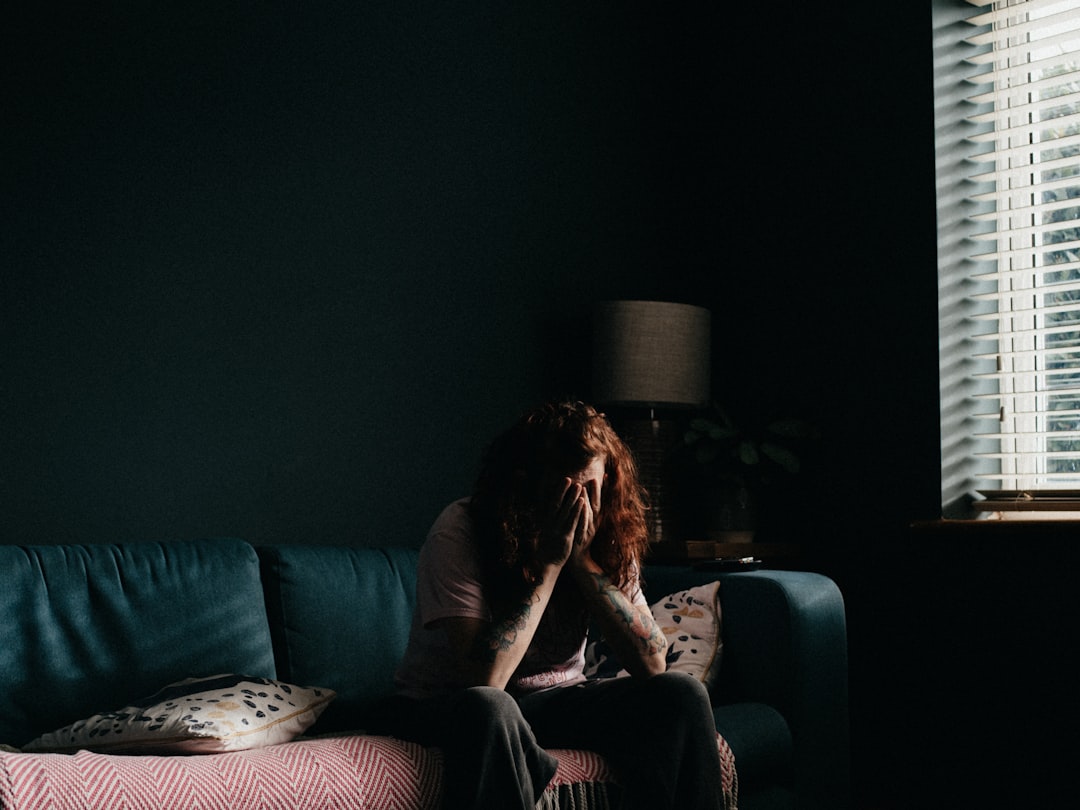
    The Benefits of CBT Compared to Other Therapies for Anxiety

    When comparing CBT to other therapeutic approaches for anxiety, several distinct advantages emerge.

    One of the primary benefits of CBT is its structured format, which provides clear goals and measurable outcomes.

    Unlike some therapies that may take a more exploratory approach, CBT focuses on specific issues and works towards tangible results within a relatively short timeframe.

    This efficiency makes it an appealing option for individuals seeking quick relief from their anxiety symptoms. Additionally, CBT is often more cost-effective than longer-term therapies. Because it typically requires fewer sessions than other modalities, such as psychodynamic therapy or prolonged counseling, individuals may find it more accessible both financially and logistically.

    Furthermore, the skills learned during CBT can be applied independently outside of therapy sessions, empowering individuals to take charge of their mental health without relying solely on ongoing professional support.

    The Process of CBT: What to Expect in Therapy Sessions

    Photo cognitive behavioral therapy anxiety

    Entering into CBT can be an enlightening experience for many individuals seeking help for anxiety. During the initial sessions, clients can expect to engage in a thorough assessment process where they discuss their symptoms, triggers, and personal history with their therapist. This collaborative approach helps establish a strong therapeutic alliance and ensures that treatment is tailored to the individual’s specific needs.

    As therapy progresses, clients will participate in various exercises designed to challenge negative thought patterns and practice new coping strategies. Homework assignments are often a key component of CBT; these tasks encourage clients to apply what they’ve learned in real-life situations between sessions. This active participation not only reinforces learning but also fosters a sense of accountability and commitment to the therapeutic process.

    CBT Techniques for Managing Anxiety

    CBT encompasses a variety of techniques specifically designed to help individuals manage anxiety effectively. One commonly used method is cognitive restructuring, which involves identifying irrational or distorted thoughts and replacing them with more balanced alternatives. For instance, if someone believes they will fail at a task due to overwhelming anxiety, they might reframe this thought by acknowledging past successes and recognizing that perfection is not required.

    Another effective technique is exposure therapy, which gradually exposes individuals to feared situations or stimuli in a controlled manner. This process helps desensitize individuals to their fears over time, reducing avoidance behaviors and increasing confidence in handling anxiety-provoking situations. Additionally, relaxation techniques such as deep breathing exercises or mindfulness practices can be integrated into CBT sessions to help individuals manage acute anxiety symptoms as they arise.

    Incorporating CBT into a Comprehensive Treatment Plan for Anxiety

    While CBT is a powerful tool for managing anxiety disorders, it is often most effective when integrated into a comprehensive treatment plan that may include medication management or other therapeutic modalities. For some individuals, particularly those with severe anxiety symptoms, medication may be necessary to stabilize mood and reduce distress before engaging fully in therapy. In such cases, collaboration between mental health professionals is essential to ensure a holistic approach to treatment.

    Furthermore, incorporating lifestyle changes such as regular exercise, healthy eating habits, and adequate sleep can enhance the effectiveness of CBT. These lifestyle factors play a significant role in overall mental health and can complement the skills learned during therapy. By addressing both psychological and physical aspects of well-being, individuals can create a robust support system that fosters resilience against anxiety.

    In conclusion, Cognitive Behavioral Therapy stands out as an effective treatment option for managing anxiety disorders due to its structured approach and evidence-based techniques. By understanding how thoughts influence emotions and behaviors, individuals can learn valuable skills to navigate their anxieties more effectively. With its proven efficacy and lasting benefits, CBT offers hope and empowerment for those seeking relief from anxiety’s grip on their lives.

    Cognitive Behavioral Therapy (CBT) is a widely recognized and effective treatment for anxiety, focusing on altering negative thought patterns and behaviors. For those interested in exploring more about mental health support, particularly for younger individuals, an insightful article can be found on expert teen counseling and youth mental support. This resource delves into the importance of providing targeted mental health services to adolescents, a demographic that can greatly benefit from interventions like CBT. You can read more about it by visiting the following link: Expert Teen Counseling: Brooklyn Youth Mental Support.

    FAQs

    What is cognitive behavioral therapy (CBT) for anxiety?

    Cognitive behavioral therapy (CBT) is a type of psychotherapy that focuses on identifying and changing negative thought patterns and behaviors that contribute to anxiety. It is a structured, goal-oriented approach that helps individuals develop coping skills and strategies to manage their anxiety.

    How does CBT work for anxiety?

    CBT works for anxiety by helping individuals recognize and challenge their negative thought patterns and beliefs. It also teaches them to develop healthier coping mechanisms and behaviors to manage their anxiety symptoms. CBT is often conducted in a structured and time-limited manner, with a focus on specific goals and outcomes.

    What are the techniques used in CBT for anxiety?

    Some common techniques used in CBT for anxiety include cognitive restructuring, exposure therapy, relaxation techniques, and behavioral activation. Cognitive restructuring involves identifying and challenging negative thought patterns, while exposure therapy involves gradually facing feared situations or objects to reduce anxiety. Relaxation techniques such as deep breathing and progressive muscle relaxation can also help manage anxiety symptoms.

    Is CBT effective for treating anxiety?

    Yes, CBT has been found to be highly effective in treating anxiety disorders. Numerous research studies have demonstrated the effectiveness of CBT in reducing anxiety symptoms and improving overall functioning in individuals with anxiety disorders. It is considered one of the most evidence-based treatments for anxiety.

    How long does CBT for anxiety take to work?

    The length of time it takes for CBT to work for anxiety can vary depending on the individual and the severity of their symptoms. Some people may start to see improvements within a few weeks of starting CBT, while others may require several months of treatment to experience significant changes. It is important to work closely with a qualified therapist to develop a personalized treatment plan that meets the individual’s needs.