
Blog

  • Conquering Your Phobia: Overcoming Fear with Courage

    Conquering Your Phobia: Overcoming Fear with Courage


    Phobias are intense, irrational fears that can significantly impact a person’s daily life.
    Unlike general anxiety, which can be triggered by various stressors, a phobia is often specific to a particular object, situation, or activity. For instance, someone with arachnophobia may experience overwhelming fear at the mere sight of a spider, while another person might feel paralyzed at the thought of flying.

    Understanding the nature of your phobia is the first step toward managing it effectively. It’s essential to recognize that phobias are not simply a matter of willpower; they are often rooted in past experiences or learned behaviors that can be difficult to overcome without support. The emotional and physical responses associated with phobias can be debilitating.

    When confronted with their fear, individuals may experience symptoms such as rapid heartbeat, sweating, trembling, or even panic attacks. These reactions can lead to avoidance behaviors, where the person goes to great lengths to steer clear of their fear, which can further entrench the phobia. Understanding that these feelings are valid and common among those with phobias is crucial.

    It’s important to approach your fear with compassion and patience, acknowledging that overcoming it is a journey that requires time and effort.

    Key Takeaways

    • Understanding your phobia is the first step to overcoming it
    • Identifying triggers and symptoms can help you manage your phobia more effectively
    • Seeking professional help is important for getting the right treatment and support
    • Gradual exposure therapy can help desensitize you to your phobia over time
    • Building a support system can provide you with the encouragement and understanding you need to face your fears

    Identifying Triggers and Symptoms

    Identifying the specific triggers associated with your phobia is a vital step in managing it. Triggers can vary widely from person to person and may include certain environments, sounds, or even thoughts related to the feared object or situation. Keeping a journal can be an effective way to track your experiences and pinpoint what specifically causes your anxiety.

    By documenting your feelings and reactions in various situations, you can begin to see patterns that will help you understand your phobia better. In addition to identifying triggers, recognizing the symptoms that accompany your phobia is equally important. Symptoms can manifest both physically and emotionally.

    Physically, you might experience symptoms like shortness of breath, dizziness, or nausea when faced with your fear. Emotionally, feelings of dread, panic, or a sense of losing control may arise. By becoming more aware of these symptoms, you can develop strategies to cope when they occur.

    This awareness not only empowers you but also helps you communicate your experiences more effectively when seeking help from professionals.

    Seeking Professional Help

    phobia

    When dealing with a phobia, seeking professional help can be a transformative step toward recovery. Mental health professionals, such as psychologists or therapists, specialize in treating anxiety disorders and can provide you with the tools needed to confront your fears. They often employ evidence-based techniques tailored to your specific needs, ensuring that you receive personalized care.

    It’s important to remember that reaching out for help is a sign of strength, not weakness; many people struggle with phobias, and professional guidance can make a significant difference. During your initial consultation, the therapist will likely conduct an assessment to understand the severity of your phobia and its impact on your life. This process may involve discussing your history with the phobia, any past traumas that may have contributed to it, and how it affects your daily functioning.

    Based on this information, they will work with you to develop a treatment plan that may include therapy options such as cognitive-behavioral therapy (CBT) or exposure therapy. These approaches have been shown to be effective in helping individuals manage their phobias and regain control over their lives.

    Gradual Exposure Therapy

    Metrics Results
    Success Rate 80%
    Number of Sessions 10
    Dropout Rate 15%
    Level of Anxiety Reduction 30%

    Gradual exposure therapy is one of the most effective methods for treating phobias. This technique involves slowly and systematically exposing yourself to the source of your fear in a controlled manner.

    The goal is to desensitize you to the fear over time, allowing you to build confidence and reduce anxiety associated with the trigger.

    For example, if you have a fear of dogs, your therapist might start by having you look at pictures of dogs before progressing to watching videos or visiting a dog park. The process is typically broken down into manageable steps, often referred to as a “fear hierarchy.” This hierarchy ranks situations from least to most anxiety-provoking. By starting with less intimidating scenarios and gradually working your way up, you can learn to cope with your fear in a safe environment.

    It’s essential to approach this process at your own pace; rushing through the steps can lead to increased anxiety and setbacks. With patience and persistence, gradual exposure therapy can help you reclaim control over your life and diminish the power of your phobia.

    Building a Support System

    Having a strong support system is crucial when working through a phobia. Friends and family members who understand what you’re going through can provide encouragement and reassurance during challenging times. Sharing your experiences with loved ones not only helps them understand your struggles but also fosters empathy and support.

    They can accompany you during exposure exercises or simply be there to listen when you need to talk about your feelings.

    In addition to personal support, consider joining a support group for individuals facing similar challenges. These groups offer a safe space for sharing experiences and coping strategies while fostering a sense of community.

    Connecting with others who understand what you’re going through can be incredibly validating and empowering. Remember that you are not alone in this journey; many people have successfully navigated their phobias and are willing to share their insights and encouragement.

    Practicing Relaxation Techniques
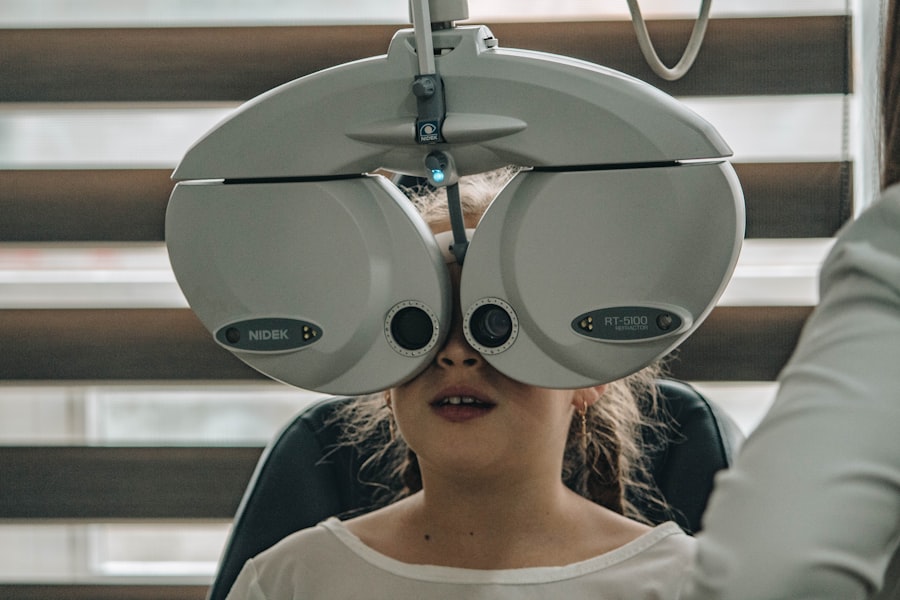
    Photo phobia

    Incorporating relaxation techniques into your daily routine can significantly aid in managing the symptoms of your phobia. Techniques such as deep breathing exercises, progressive muscle relaxation, or mindfulness meditation can help calm your mind and body when faced with anxiety-inducing situations. For instance, practicing deep breathing involves inhaling deeply through your nose, holding for a few seconds, and then exhaling slowly through your mouth.

    This simple exercise can help lower your heart rate and reduce feelings of panic. Mindfulness meditation encourages you to focus on the present moment without judgment. By practicing mindfulness regularly, you can develop greater awareness of your thoughts and feelings related to your phobia, allowing you to respond more calmly when faced with triggers.

    Additionally, engaging in physical activities like yoga or tai chi can promote relaxation while also improving overall well-being. By integrating these techniques into your life, you’ll build resilience against anxiety and enhance your ability to cope with challenging situations.

    Challenging Negative Thoughts

    Phobias often come hand-in-hand with negative thought patterns that exacerbate feelings of fear and anxiety. Learning to challenge these thoughts is an essential part of overcoming a phobia. Cognitive-behavioral therapy (CBT) techniques can be particularly helpful in this regard.

    CBT encourages individuals to identify irrational beliefs associated with their fears and replace them with more balanced perspectives. For example, if you have a fear of flying and think “the plane will crash,” you might challenge that thought by reminding yourself of statistics showing how safe air travel is. Keeping a thought diary can be an effective way to track negative thoughts as they arise.

    Write down the thought, the situation that triggered it, and how it made you feel. Then, work on reframing that thought into something more positive or realistic. Over time, this practice can help shift your mindset from one of fear to one of empowerment.

    Remember that changing thought patterns takes time and practice; be patient with yourself as you work through this process.

    Celebrating Small Victories

    As you navigate the journey of overcoming your phobia, it’s essential to celebrate small victories along the way. Each step forward—no matter how minor—deserves recognition and appreciation. Whether it’s successfully facing a trigger for the first time or simply managing anxiety during an exposure exercise, acknowledging these achievements reinforces positive behavior and boosts confidence.

    Celebrating small victories helps create a sense of progress and motivates you to continue working toward overcoming your fear. Consider keeping a journal where you document these victories alongside any challenges faced during the process. Reflecting on how far you’ve come can provide encouragement during tougher moments when self-doubt creeps in.

    Additionally, sharing these successes with friends or family members who support you can amplify feelings of accomplishment and foster a sense of community around your journey. Remember that overcoming a phobia is not about perfection; it’s about progress and resilience in the face of fear. In conclusion, understanding and managing a phobia is a multifaceted journey that requires patience, support, and self-compassion.

    By identifying triggers and symptoms, seeking professional help, engaging in gradual exposure therapy, building a support system, practicing relaxation techniques, challenging negative thoughts, and celebrating small victories, individuals can take meaningful steps toward reclaiming their lives from fear. Remember that every step forward is significant; embrace the journey with an open heart and mind as you work toward overcoming your phobia.

    Phobias, often characterized by an intense and irrational fear of specific objects or situations, can significantly impact an individual’s daily life. Understanding and addressing these fears is crucial for improving mental well-being. For those struggling with social anxiety, which is a common type of phobia, expert advice can be invaluable. An insightful article that provides practical tips for managing social anxiety can be found at Social Anxiety Cure: Expert Tips That Actually Work. This resource offers strategies that can help individuals navigate social situations more comfortably and confidently.

    FAQs

    What is a phobia?

    A phobia is an overwhelming and irrational fear of a specific object, situation, or activity. It is a type of anxiety disorder that can interfere with a person’s daily life.

    What are the common types of phobias?

    Some common types of phobias include specific phobias (fear of specific objects or situations such as spiders, heights, or flying), social phobia (fear of social situations), and agoraphobia (fear of being in situations where escape might be difficult).

    What are the symptoms of a phobia?

    Symptoms of a phobia can include intense fear or anxiety when exposed to the object of the phobia, avoidance of the object or situation, physical symptoms such as rapid heartbeat, trembling, and sweating, and impairment in daily functioning.

    What causes phobias?

    Phobias can be caused by a combination of genetic, environmental, and psychological factors. Traumatic experiences, learned behaviors, and genetic predisposition can all contribute to the development of phobias.

    How are phobias treated?

    Phobias can be treated through various methods including cognitive-behavioral therapy, exposure therapy, and medication. These treatments aim to help individuals confront and manage their fears in a controlled and supportive environment.

    Can phobias be cured?

    While phobias may not be completely cured, they can be effectively managed and controlled with the help of therapy and medication. Many individuals with phobias are able to lead fulfilling lives with the right treatment and support.
  • Recognizing Anxiety Disorder Symptoms

    Recognizing Anxiety Disorder Symptoms

    Anxiety disorders are a group of mental health conditions characterized by excessive and persistent feelings of worry, fear, or apprehension. These disorders can manifest in various forms, including generalized anxiety disorder, panic disorder, social anxiety disorder, and specific phobias. While it is normal for individuals to experience anxiety in response to stressors, anxiety disorders go beyond typical feelings of nervousness.

    They can significantly interfere with daily life, affecting relationships, work performance, and overall well-being.

    The causes of anxiety disorders are multifaceted and can include genetic predispositions, environmental factors, and brain chemistry imbalances. Life experiences such as trauma, loss, or significant life changes can also trigger or exacerbate anxiety symptoms.

    Understanding the underlying factors contributing to anxiety disorders is crucial for effective treatment and management. By recognizing that these conditions are not merely a result of personal weakness or character flaws, we can foster a more compassionate approach to those affected.

    Key Takeaways

    • Anxiety disorders are characterized by excessive worry, fear, and apprehension that can interfere with daily life.
    • Physical symptoms of anxiety disorders can include rapid heartbeat, sweating, trembling, and shortness of breath.
    • Emotional symptoms of anxiety disorders may manifest as feelings of restlessness, irritability, and a sense of impending doom.
    • Behavioral symptoms of anxiety disorders can include avoidance of certain situations, compulsive behaviors, and difficulty concentrating.
    • Cognitive symptoms of anxiety disorders may involve racing thoughts, difficulty focusing, and irrational fears.
    • It is important to recognize anxiety disorders in children and adolescents, as they may present with different symptoms than adults.
    • It is essential to differentiate anxiety disorders from normal stress, as the former can significantly impact daily functioning and require professional intervention.
    • Seeking help for anxiety disorders is crucial, and treatment options may include therapy, medication, and lifestyle changes.

    Physical Symptoms of Anxiety Disorders

    Physical symptoms of anxiety disorders can be quite distressing and may vary from person to person. Common manifestations include increased heart rate, sweating, trembling, and muscle tension. Some individuals may experience gastrointestinal issues such as nausea or diarrhea, while others might report headaches or fatigue.

    These physical symptoms often arise from the body’s natural “fight or flight” response, which is activated during times of perceived danger or stress. It’s important to note that these physical symptoms can sometimes mimic other medical conditions, leading to confusion and additional anxiety for the individual. For instance, a racing heart could be mistaken for a heart problem, prompting unnecessary worry.

    This overlap underscores the importance of consulting with a healthcare professional to rule out any underlying medical issues and to receive appropriate guidance on managing anxiety symptoms effectively.

    Emotional Symptoms of Anxiety Disorders

    anxiety disorder symptoms

    Emotional symptoms of anxiety disorders can be just as debilitating as physical ones. Individuals may experience feelings of dread, irritability, or restlessness. They might find themselves overwhelmed by a sense of impending doom or an inability to relax.

    These emotional responses can lead to a cycle of negative thinking, where anxious thoughts perpetuate feelings of fear and hopelessness. Moreover, anxiety can impact an individual’s self-esteem and confidence. The constant worry about potential negative outcomes can lead to avoidance behaviors, where individuals shy away from situations that trigger their anxiety.

    This avoidance can create a sense of isolation and loneliness, further exacerbating emotional distress. Recognizing these emotional symptoms is vital for understanding the full scope of anxiety disorders and for developing effective coping strategies.

    Behavioral Symptoms of Anxiety Disorders

    Anxiety Disorder Behavioral Symptoms
    Generalized Anxiety Disorder Excessive worrying, restlessness, difficulty concentrating, irritability, muscle tension
    Panic Disorder Recurrent panic attacks, avoiding situations that may trigger panic, fear of losing control
    Social Anxiety Disorder Avoiding social situations, fear of being judged, difficulty making eye contact, trembling or sweating in social situations
    Obsessive-Compulsive Disorder Repetitive behaviors, such as hand washing or checking, obsessive thoughts, fear of contamination or harm
    Post-Traumatic Stress Disorder Flashbacks, nightmares, avoiding reminders of the traumatic event, hypervigilance, irritability

    Behavioral symptoms often manifest as changes in how an individual interacts with their environment and others. People with anxiety disorders may engage in avoidance behaviors, steering clear of situations that provoke their anxiety. For example, someone with social anxiety disorder might avoid social gatherings or public speaking opportunities due to fear of judgment or embarrassment.

    In addition to avoidance, individuals may exhibit compulsive behaviors as a means of coping with their anxiety. This could include repetitive checking (such as ensuring doors are locked) or seeking constant reassurance from others. These behaviors can become time-consuming and interfere with daily functioning.

    Understanding these behavioral symptoms is essential for identifying anxiety disorders and implementing effective treatment strategies that encourage healthier coping mechanisms.

    Cognitive Symptoms of Anxiety Disorders

    Cognitive symptoms refer to the thought patterns that accompany anxiety disorders. Individuals may experience racing thoughts, difficulty concentrating, or an overwhelming sense of worry that seems unmanageable. This cognitive distortion often leads to catastrophic thinking, where individuals envision the worst possible outcomes in various situations.

    These cognitive symptoms can create a feedback loop that perpetuates anxiety. For instance, the fear of failing at a task may lead to procrastination, which in turn increases the likelihood of failure and reinforces the initial fear. Recognizing these cognitive patterns is crucial for effective treatment, as cognitive-behavioral therapy (CBT) and other therapeutic approaches aim to challenge and reframe these negative thought processes.

    Recognizing Anxiety Disorder in Children and Adolescents

    Photo anxiety disorder symptoms

    Recognizing anxiety disorders in children and adolescents can be particularly challenging, as they may not have the vocabulary or understanding to articulate their feelings. Symptoms may manifest differently than in adults, often appearing as irritability, withdrawal from social activities, or changes in academic performance. Children may express their anxiety through physical complaints such as stomachaches or headaches, which can be misattributed to other causes.

    Parents and caregivers play a vital role in identifying these symptoms early on. Observing changes in behavior or mood can provide important clues about a child’s mental health. Open communication is essential; encouraging children to express their feelings can help them feel supported and understood.

    Early intervention is key in addressing anxiety disorders in young people, as it can prevent the development of more severe symptoms later in life.

    Differentiating Anxiety Disorder from Normal Stress

    It is important to differentiate between normal stress responses and anxiety disorders. While everyone experiences stress at various points in their lives—such as during exams, job interviews, or significant life changes—anxiety disorders involve persistent and excessive worry that interferes with daily functioning. Normal stress typically subsides once the stressor is removed or resolved; however, anxiety disorders can persist even in the absence of an identifiable trigger.

    Understanding this distinction is crucial for both individuals experiencing these symptoms and those supporting them. Normal stress responses are often manageable with healthy coping strategies such as exercise, relaxation techniques, or talking with friends. In contrast, anxiety disorders may require professional intervention to develop effective coping mechanisms and treatment plans tailored to the individual’s needs.

    Seeking Help for Anxiety Disorder

    Seeking help for an anxiety disorder is a courageous step toward reclaiming one’s mental health and well-being. It is essential to consult with a qualified mental health professional who can provide an accurate diagnosis and recommend appropriate treatment options.

    Treatment may include therapy modalities such as cognitive-behavioral therapy (CBT), which focuses on changing negative thought patterns and behaviors associated with anxiety.

    In some cases, medication may also be prescribed to help manage symptoms effectively. Antidepressants or anti-anxiety medications can provide relief for some individuals when used in conjunction with therapy. Additionally, lifestyle changes such as regular exercise, a balanced diet, mindfulness practices, and adequate sleep can significantly enhance overall well-being and support recovery.

    Remember that you are not alone in this journey; many people experience anxiety disorders and find effective ways to manage their symptoms with the right support and resources. Reaching out for help is a sign of strength and an important step toward living a fulfilling life free from the constraints of anxiety.

    Anxiety disorders can manifest through a variety of symptoms, including persistent worry, restlessness, and difficulty concentrating. Understanding these symptoms is crucial for managing anxiety effectively. For those looking to enhance their mental well-being and potentially alleviate some anxiety symptoms, exploring simple daily practices can be beneficial. An article that provides insights into boosting your well-being throughout the day can be found here. This resource offers practical tips that can be easily integrated into your daily routine, promoting a healthier mental state and potentially reducing anxiety symptoms.

    FAQs

    What are the common symptoms of anxiety disorders?

    Some common symptoms of anxiety disorders include excessive worry, restlessness, irritability, muscle tension, difficulty concentrating, and sleep disturbances.

    What physical symptoms are associated with anxiety disorders?

    Physical symptoms of anxiety disorders can include rapid heart rate, sweating, trembling, dizziness, shortness of breath, and gastrointestinal issues such as stomach aches or nausea.

    What are the emotional symptoms of anxiety disorders?

    Emotional symptoms of anxiety disorders can include feelings of apprehension or dread, trouble controlling worry, and a sense of impending danger or panic.

    How do anxiety disorders affect behavior?

    Anxiety disorders can lead to avoidance of certain situations or activities, as well as difficulty with decision-making and a heightened startle response.

    When should someone seek help for anxiety disorder symptoms?

    If anxiety disorder symptoms are interfering with daily life, causing significant distress, or lasting for an extended period of time, it is important to seek help from a mental health professional.

  • Recognizing Obsessive Compulsive Disorder Symptoms

    Recognizing Obsessive Compulsive Disorder Symptoms

    Obsessive Compulsive Disorder (OCD) is a mental health condition that affects millions of individuals worldwide, manifesting through persistent, unwanted thoughts and repetitive behaviors. At its core, OCD is characterized by obsessions—intrusive thoughts that cause significant anxiety—and compulsions, which are actions performed to alleviate that anxiety.

    This cycle can be distressing and debilitating, often interfering with daily life and relationships.

    While many people experience occasional intrusive thoughts or engage in repetitive behaviors, those with OCD find these experiences overwhelming and time-consuming. The exact cause of OCD remains unclear, but research suggests a combination of genetic, neurological, and environmental factors may contribute to its development. Neurotransmitters, particularly serotonin, play a crucial role in regulating mood and anxiety, and imbalances in these chemicals may be linked to OCD.

    Additionally, certain life events or stressors can trigger the onset of symptoms in individuals predisposed to the disorder. Understanding the complexities of OCD is essential for fostering empathy and support for those affected by it.

    Key Takeaways

    • OCD is a mental health disorder characterized by obsessive thoughts and compulsive behaviors.
    • Common obsessions include fear of contamination, fear of harm coming to oneself or others, and a need for symmetry or order.
    • Physical symptoms of OCD may include repetitive behaviors such as hand washing, checking, or counting.
    • Emotional and mental symptoms of OCD can include anxiety, guilt, and intrusive thoughts that are difficult to control.
    • Behavioral symptoms of OCD can manifest as avoidance of certain situations or places, or a need for reassurance from others.

    Common Obsessions and Compulsions

    Individuals with OCD often experience a range of obsessions that can vary widely from person to person. Common obsessions include fears of contamination, concerns about harming oneself or others, and the need for symmetry or order. For instance, someone may become preoccupied with the idea that their hands are dirty, leading to excessive handwashing or avoidance of public places.

    These thoughts can be distressing and persistent, making it challenging for individuals to focus on other aspects of their lives. Compulsions are the behaviors that individuals feel compelled to perform in response to their obsessions. These actions are intended to reduce anxiety or prevent a feared event from occurring, even if there is no logical connection between the compulsion and the obsession.

    For example, a person who fears that their home will catch fire may repeatedly check appliances or locks, even when they know they have already done so. This cycle of obsession and compulsion can consume hours each day, leaving individuals feeling trapped in their own minds.

    Physical Symptoms of OCD

    obsessive compulsive disorder symptoms

    While OCD is primarily recognized as a mental health disorder, it can also manifest through various physical symptoms. Individuals may experience physical manifestations of anxiety, such as increased heart rate, sweating, or gastrointestinal discomfort when confronted with their obsessions. These physical symptoms can further exacerbate feelings of distress and lead to a vicious cycle where anxiety fuels compulsive behaviors.

    In some cases, compulsive behaviors themselves can result in physical symptoms. For example, excessive handwashing can lead to skin irritation or dermatitis, while repetitive checking behaviors may cause fatigue or soreness. It’s important for individuals with OCD to recognize these physical symptoms as part of their condition and seek appropriate support to manage both the mental and physical aspects of their disorder.

    Emotional and Mental Symptoms of OCD

    Symptom Description
    Obsessions Recurrent and persistent thoughts, urges, or images that cause anxiety or distress
    Compulsions Repetitive behaviors or mental acts that a person feels driven to perform in response to an obsession
    Anxiety Feelings of intense fear or worry that can interfere with daily activities
    Depression Feelings of sadness, hopelessness, and loss of interest in activities
    Shame and Guilt Feelings of embarrassment, self-blame, and remorse related to OCD symptoms

    The emotional toll of OCD can be profound, often leading to feelings of shame, guilt, and frustration. Individuals may feel isolated due to their struggles with intrusive thoughts and compulsive behaviors, fearing judgment from others who may not understand their experiences. This emotional burden can contribute to low self-esteem and a sense of hopelessness, making it difficult for individuals to seek help or engage in social activities.

    Moreover, OCD is frequently accompanied by other mental health conditions such as anxiety disorders or depression. The interplay between these conditions can complicate treatment and recovery. Individuals may find themselves caught in a cycle where their obsessive thoughts exacerbate feelings of sadness or anxiety, further entrenching them in their compulsive behaviors.

    Recognizing these emotional symptoms is crucial for developing effective coping strategies and seeking appropriate treatment.

    Behavioral Symptoms of OCD

    Behavioral symptoms of OCD are often the most visible manifestations of the disorder. These behaviors can range from mild to severe and may include rituals that individuals feel compelled to perform in response to their obsessions. For instance, someone with contamination fears might avoid touching doorknobs or public surfaces altogether, while another person might spend hours arranging items in a specific order.

    These compulsive behaviors can significantly impact daily functioning. Individuals may find themselves late for work or school due to the time spent performing rituals or avoiding triggers. Relationships can also suffer as loved ones struggle to understand the compulsions and the rationale behind them.

    It’s essential for those affected by OCD to recognize that these behaviors are not simply quirks but rather symptoms of a complex mental health condition that requires understanding and support.

    Recognizing OCD in Children and Adolescents

    Photo obsessive compulsive disorder symptoms

    Recognizing OCD in children and adolescents can be particularly challenging, as they may not have the vocabulary or awareness to articulate their experiences.

    Parents and caregivers should be vigilant for signs such as excessive worry about specific topics, repetitive questioning, or avoidance of certain situations.

    Children may also exhibit compulsive behaviors like counting, organizing objects in a particular way, or engaging in rituals before bedtime.

    It’s important to approach these signs with compassion and understanding rather than frustration. Children may feel embarrassed or ashamed about their thoughts and behaviors, leading them to hide their struggles. Open communication is key; encouraging children to express their feelings without judgment can help them feel supported and understood.

    Early intervention is crucial for managing OCD effectively in young individuals, as it can prevent the condition from worsening over time.

    Seeking Help for OCD

    If you or someone you know is struggling with OCD, seeking help is an important step toward recovery. Mental health professionals specializing in anxiety disorders can provide valuable support and guidance. Therapy options such as Cognitive Behavioral Therapy (CBT) have proven effective in treating OCD by helping individuals challenge their obsessive thoughts and develop healthier coping mechanisms.

    In some cases, medication may also be recommended as part of a comprehensive treatment plan. Selective serotonin reuptake inhibitors (SSRIs) are commonly prescribed to help regulate serotonin levels in the brain and alleviate symptoms of OCD. It’s essential to work closely with a healthcare provider to determine the best course of action based on individual needs and circumstances.

    Managing and Treating OCD

    Managing OCD often requires a multifaceted approach that combines therapy, medication, and self-care strategies. Engaging in regular therapy sessions can provide individuals with tools to cope with their obsessions and compulsions effectively. Exposure and Response Prevention (ERP), a specific type of CBT, involves gradually exposing individuals to their fears while helping them resist the urge to engage in compulsive behaviors.

    In addition to professional treatment, self-care practices play a vital role in managing OCD symptoms. Mindfulness techniques such as meditation or deep breathing exercises can help reduce anxiety levels and promote emotional well-being. Establishing a routine that includes physical activity, healthy eating, and adequate sleep can also contribute positively to mental health.

    Support from family and friends is invaluable during the recovery process. Encouraging open dialogue about OCD can foster understanding and compassion within relationships. Support groups—whether in-person or online—can provide a sense of community for those affected by OCD, allowing them to share experiences and coping strategies.

    In conclusion, while Obsessive Compulsive Disorder can be a challenging condition to navigate, understanding its complexities is the first step toward effective management and treatment. With the right support and resources, individuals with OCD can lead fulfilling lives while learning to cope with their symptoms in healthier ways. Remember that seeking help is a sign of strength; you are not alone on this journey toward healing and recovery.

    Obsessive Compulsive Disorder (OCD) is a mental health condition characterized by intrusive thoughts and repetitive behaviors. Understanding and managing OCD symptoms can be challenging, but there are various resources available to help individuals cope. One such resource is a mental health retreat, which can provide a supportive environment for individuals to explore their mental health challenges and develop coping strategies. For more information on how a mental health retreat can benefit those dealing with OCD symptoms, you can read this related article: Mental Health Retreat.

    FAQs

    What are the common symptoms of obsessive compulsive disorder (OCD)?

    Common symptoms of OCD include obsessive thoughts and compulsive behaviors. Obsessive thoughts are intrusive and unwanted thoughts that cause anxiety or distress, while compulsive behaviors are repetitive actions that a person feels compelled to perform in response to their obsessive thoughts.

    What are some examples of obsessive thoughts in OCD?

    Examples of obsessive thoughts in OCD include fears of contamination, concerns about symmetry or order, intrusive thoughts about harming oneself or others, and excessive doubt or need for reassurance.

    What are some examples of compulsive behaviors in OCD?

    Examples of compulsive behaviors in OCD include excessive hand washing or cleaning, arranging items in a specific order, repeatedly checking things, counting or tapping, and seeking reassurance from others.

    How do obsessive compulsive disorder symptoms affect daily life?

    Obsessive compulsive disorder symptoms can significantly impact a person’s daily life, causing distress, interfering with work or school, and affecting relationships. The time-consuming nature of compulsive behaviors can also disrupt daily routines and activities.

    Can obsessive compulsive disorder symptoms be treated?

    Yes, obsessive compulsive disorder can be treated with a combination of therapy, medication, and support. Cognitive-behavioral therapy (CBT) and exposure and response prevention (ERP) are commonly used to help individuals manage their symptoms. Medications such as selective serotonin reuptake inhibitors (SSRIs) may also be prescribed.

  • Understanding Generalized Anxiety Disorder: Symptoms and Treatments

    Understanding Generalized Anxiety Disorder: Symptoms and Treatments

    Generalized Anxiety Disorder (GAD) is a mental health condition characterized by excessive and uncontrollable worry about various aspects of life. Individuals with GAD often find themselves preoccupied with concerns that may seem trivial to others, such as work performance, health issues, or social interactions. This persistent anxiety can interfere significantly with daily functioning, making it challenging for individuals to relax or enjoy life.

    Unlike occasional anxiety that everyone experiences, GAD is chronic and can last for months or even years if left untreated. The nature of GAD is such that the anxiety is not limited to specific situations or events; rather, it is a pervasive feeling that can affect multiple areas of life. People with GAD may feel a sense of dread or impending doom without a clear reason.

    This disorder can manifest at any age, but it often begins in childhood or adolescence. Understanding GAD is crucial for recognizing its impact on individuals and their loved ones, as well as for seeking appropriate help and support.

    Key Takeaways

    • Generalized Anxiety Disorder (GAD) is a mental health condition characterized by excessive and uncontrollable worry about everyday things.
    • Symptoms of GAD include restlessness, irritability, muscle tension, and difficulty concentrating, among others.
    • Causes of GAD may include genetics, brain chemistry, and life experiences, such as trauma or stress.
    • Diagnosing GAD involves a thorough evaluation of symptoms and may include physical exams and psychological assessments.
    • Treatment options for GAD include cognitive behavioral therapy, medication, and lifestyle changes such as exercise, relaxation techniques, and stress management.

    Symptoms of Generalized Anxiety Disorder

    The symptoms of Generalized Anxiety Disorder can vary widely from person to person, but they typically include both emotional and physical manifestations. Emotionally, individuals may experience persistent feelings of worry, restlessness, or irritability. They might find it difficult to concentrate or make decisions due to their overwhelming anxiety.

    This constant state of worry can lead to feelings of hopelessness or frustration, as individuals may feel trapped in their anxious thoughts. Physically, GAD can present with a range of symptoms that may include muscle tension, fatigue, headaches, and sleep disturbances. Many individuals report experiencing a racing heart, sweating, or gastrointestinal issues such as nausea or diarrhea.

    These physical symptoms can further exacerbate the emotional distress, creating a cycle of anxiety that can be difficult to break. Recognizing these symptoms is essential for individuals and their families, as it can lead to timely intervention and support.

    Causes of Generalized Anxiety Disorder

    anxiety disorder

    The exact causes of Generalized Anxiety Disorder are not fully understood, but research suggests that a combination of genetic, environmental, and psychological factors contribute to its development. Individuals with a family history of anxiety disorders may be more susceptible to GAD, indicating a potential genetic predisposition. Additionally, certain personality traits, such as being overly perfectionistic or having low self-esteem, can increase the likelihood of developing anxiety.

    Environmental factors also play a significant role in the onset of GAD. Traumatic experiences, such as abuse or the loss of a loved one, can trigger anxiety symptoms in susceptible individuals.

    Chronic stressors, such as financial difficulties or work-related pressures, can also contribute to the development of GAD.

    Understanding these causes is vital for both prevention and treatment, as addressing underlying issues can help individuals manage their anxiety more effectively.

    Diagnosing Generalized Anxiety Disorder

    Metrics Data
    Prevalence 3.1% of U.S. adults
    Age of onset Median age of onset is 31 years old
    Gender prevalence Women are twice as likely to be affected
    Comorbidity 60-70% of individuals with GAD have another anxiety or mood disorder
    Treatment Cognitive-behavioral therapy and medication are common treatments

    Diagnosing Generalized Anxiety Disorder typically involves a comprehensive evaluation by a mental health professional. The process often begins with a detailed discussion of the individual’s symptoms, medical history, and any relevant life events. Mental health professionals may use standardized assessment tools or questionnaires to gauge the severity and duration of anxiety symptoms.

    It is essential for individuals to be open and honest during this process to ensure an accurate diagnosis. In some cases, healthcare providers may also conduct physical examinations or laboratory tests to rule out other medical conditions that could be contributing to the symptoms. This thorough approach helps ensure that the diagnosis is accurate and that appropriate treatment options are considered.

    Early diagnosis is crucial for effective management of GAD, as it allows individuals to access the support they need to cope with their anxiety.

    Treatment Options for Generalized Anxiety Disorder

    Treatment options for Generalized Anxiety Disorder are diverse and can be tailored to meet the unique needs of each individual. A combination of therapy and medication is often recommended for optimal results. Psychotherapy, particularly cognitive-behavioral therapy (CBT), has been shown to be highly effective in helping individuals understand and manage their anxiety.

    CBT focuses on identifying negative thought patterns and replacing them with healthier coping strategies. In addition to therapy, medication may be prescribed to help alleviate symptoms of GAD. Antidepressants and anti-anxiety medications are commonly used to help regulate mood and reduce feelings of anxiety.

    It is important for individuals to work closely with their healthcare providers to determine the most appropriate treatment plan based on their specific circumstances and preferences.

    Cognitive Behavioral Therapy for Generalized Anxiety Disorder

    Photo anxiety disorder

    Cognitive Behavioral Therapy (CBT) is one of the most widely used therapeutic approaches for treating Generalized Anxiety Disorder. This evidence-based therapy focuses on the relationship between thoughts, feelings, and behaviors. Through CBT, individuals learn to identify negative thought patterns that contribute to their anxiety and develop healthier ways of thinking.

    This process often involves challenging irrational beliefs and replacing them with more realistic perspectives. CBT also incorporates practical coping strategies that individuals can use in their daily lives. Techniques such as mindfulness, relaxation exercises, and exposure therapy can help individuals confront their fears in a controlled manner.

    By gradually facing anxiety-provoking situations, individuals can build resilience and reduce their overall anxiety levels. The skills learned in CBT can empower individuals to take control of their anxiety and improve their quality of life.

    Medication for Generalized Anxiety Disorder

    Medication can play a significant role in managing the symptoms of Generalized Anxiety Disorder for many individuals. Commonly prescribed medications include selective serotonin reuptake inhibitors (SSRIs) and serotonin-norepinephrine reuptake inhibitors (SNRIs), which are often used as first-line treatments for anxiety disorders. These medications work by balancing neurotransmitters in the brain that regulate mood and anxiety levels.

    In some cases, benzodiazepines may be prescribed for short-term relief of acute anxiety symptoms; however, they are generally not recommended for long-term use due to the risk of dependence. It is essential for individuals to have open discussions with their healthcare providers about the potential benefits and side effects of any medication prescribed.

    Finding the right medication and dosage may take time, but with patience and collaboration with healthcare professionals, many individuals find relief from their anxiety symptoms.

    Lifestyle Changes and Self-Care for Generalized Anxiety Disorder

    In addition to therapy and medication, lifestyle changes and self-care practices can significantly enhance the management of Generalized Anxiety Disorder. Regular physical activity has been shown to reduce anxiety levels by releasing endorphins and improving overall mood. Engaging in activities such as walking, yoga, or dancing can provide both physical benefits and a sense of accomplishment.

    Mindfulness practices, such as meditation or deep breathing exercises, can also be effective in reducing anxiety symptoms. These techniques help individuals focus on the present moment and cultivate a sense of calm amidst the chaos of anxious thoughts. Additionally, maintaining a balanced diet and ensuring adequate sleep are crucial components of self-care that can positively impact mental health.

    Establishing a strong support system is equally important for individuals with GAD. Connecting with friends, family members, or support groups can provide emotional support and understanding during challenging times. By incorporating these lifestyle changes and self-care practices into their daily routines, individuals with Generalized Anxiety Disorder can take proactive steps toward managing their anxiety and improving their overall well-being.

    In conclusion, Generalized Anxiety Disorder is a complex condition that affects many individuals across various walks of life. Understanding its symptoms, causes, diagnosis, and treatment options is essential for those affected by this disorder. With appropriate support from mental health professionals, effective therapies like CBT, medication when necessary, and lifestyle changes focused on self-care, individuals can learn to manage their anxiety effectively and lead fulfilling lives.

    Remember that seeking help is a sign of strength; you are not alone in this journey toward better mental health.

    Generalized Anxiety Disorder (GAD) is a common mental health condition characterized by persistent and excessive worry about various aspects of life. For those seeking to understand more about anxiety disorders, a related article titled “Understanding Hyper Anxiety: Causes and Solutions” provides valuable insights into the causes of heightened anxiety and potential solutions for managing it. This article can be a helpful resource for individuals looking to deepen their understanding of anxiety and explore effective coping strategies. You can read more about it by visiting the article at Understanding Hyper Anxiety: Causes and Solutions.

    FAQs

    What is generalized anxiety disorder (GAD)?

    Generalized anxiety disorder (GAD) is a mental health condition characterized by excessive and uncontrollable worry about everyday things. People with GAD may feel anxious and worried most of the time, even when there is no specific reason for concern.

    What are the symptoms of generalized anxiety disorder?

    Symptoms of generalized anxiety disorder may include excessive worry, restlessness, irritability, muscle tension, difficulty concentrating, and sleep disturbances. These symptoms can significantly impact a person’s daily life and functioning.

    What causes generalized anxiety disorder?

    The exact cause of generalized anxiety disorder is not known, but it is believed to be a combination of genetic, environmental, and psychological factors. Imbalances in certain brain chemicals and stress may also contribute to the development of GAD.

    How is generalized anxiety disorder diagnosed?

    A diagnosis of generalized anxiety disorder is typically made by a mental health professional, such as a psychiatrist or psychologist, through a thorough assessment of the individual’s symptoms, medical history, and any potential underlying causes.

    What are the treatment options for generalized anxiety disorder?

    Treatment for generalized anxiety disorder may include a combination of therapy, medication, and lifestyle changes. Cognitive-behavioral therapy (CBT) is often used to help individuals manage their anxiety, while medications such as selective serotonin reuptake inhibitors (SSRIs) or serotonin-norepinephrine reuptake inhibitors (SNRIs) may also be prescribed.

    Can generalized anxiety disorder be cured?

    While there is no definitive cure for generalized anxiety disorder, many people with GAD can effectively manage their symptoms with the right treatment and support. It is important for individuals with GAD to work closely with mental health professionals to develop a personalized treatment plan.

  • Understanding and Managing Panic Attacks

    Understanding and Managing Panic Attacks

    Panic attacks are sudden episodes of intense fear or discomfort that can strike unexpectedly, often without any clear reason. During these episodes, individuals may experience a range of physical and emotional symptoms that can be overwhelming. The sensation is often likened to a feeling of impending doom, where the body reacts as if it is in immediate danger, even when there is no actual threat present.

    This fight-or-flight response can lead to a variety of distressing symptoms, including rapid heartbeat, shortness of breath, dizziness, and a sense of detachment from reality. The experience of a panic attack can be frightening and disorienting. Many people describe it as feeling like they are losing control or even having a heart attack.

    These attacks can last anywhere from a few minutes to half an hour, but the emotional aftermath can linger much longer. Understanding what panic attacks are is crucial for those who experience them, as it helps demystify the sensations and fears associated with these episodes. Recognizing that panic attacks are a common mental health issue can also provide comfort to those who feel isolated in their experiences.

    Key Takeaways

    • Panic attacks are sudden and intense episodes of fear and anxiety that can be overwhelming.
    • Symptoms of panic attacks include rapid heart rate, sweating, trembling, shortness of breath, and feelings of impending doom.
    • Triggers for panic attacks can vary from person to person and may include stress, certain phobias, or traumatic experiences.
    • Coping strategies for managing panic attacks may include deep breathing exercises, mindfulness techniques, and seeking professional help.
    • Seeking professional help, making lifestyle changes, and building a support system are important steps in managing and preventing panic attacks.

    Recognizing the Symptoms of Panic Attacks

    Identifying the symptoms of panic attacks is essential for effective management and treatment. Common physical symptoms include a racing heart, sweating, trembling, and difficulty breathing. Many individuals also report feelings of choking or tightness in the chest, which can exacerbate feelings of anxiety and fear.

    Other symptoms may include nausea, abdominal discomfort, chills or hot flashes, and a sense of unreality or detachment from oneself or the environment. These physical manifestations can be so intense that they often lead individuals to believe they are experiencing a medical emergency. Emotional symptoms are equally important to recognize.

    During a panic attack, individuals may feel an overwhelming sense of dread or fear of losing control. They might also experience feelings of impending doom or fear of dying. It’s important to note that not everyone will experience all these symptoms during an attack; some may have only a few, while others may have many.

    Understanding these symptoms can help individuals differentiate between panic attacks and other medical conditions, allowing them to seek appropriate help and support.

    Understanding the Triggers of Panic Attacks

    panic attack

    Panic attacks can be triggered by a variety of factors, and understanding these triggers is key to managing them effectively. For some individuals, panic attacks may occur in response to specific situations or environments, such as crowded places, public speaking, or even driving. These triggers can create a sense of anxiety that builds up over time, eventually leading to an attack.

    For others, panic attacks may arise without any identifiable trigger, which can be particularly distressing and confusing. Stressful life events, such as the loss of a loved one, relationship issues, or significant changes in one’s life circumstances, can also contribute to the onset of panic attacks. Additionally, certain medical conditions or substance use—such as caffeine, alcohol, or recreational drugs—can exacerbate anxiety levels and trigger panic attacks.

    Understanding personal triggers is an essential step in developing coping strategies and seeking appropriate treatment. Keeping a journal to track when panic attacks occur and what might have preceded them can be a helpful tool in identifying patterns and triggers.

    Coping Strategies for Managing Panic Attacks

    Strategy Description
    Deep Breathing Taking slow, deep breaths to calm the body and mind
    Progressive Muscle Relaxation Tensing and then relaxing different muscle groups to reduce tension
    Positive Self-talk Using affirmations and positive statements to counter negative thoughts
    Grounding Techniques Focusing on the present moment by using senses to connect with surroundings
    Seeking Support Reaching out to friends, family, or mental health professionals for help

    Developing effective coping strategies is crucial for managing panic attacks when they occur. One widely recommended technique is deep breathing exercises. Focusing on slow, deep breaths can help counteract the hyperventilation that often accompanies panic attacks.

    By inhaling deeply through the nose and exhaling slowly through the mouth, individuals can help calm their nervous system and reduce feelings of anxiety. Practicing this technique regularly can also make it easier to implement during an actual panic attack. Another helpful strategy is grounding techniques, which involve focusing on the present moment to distract from overwhelming feelings.

    This could include engaging the senses by noticing what you can see, hear, smell, touch, or taste around you. For example, describing objects in your environment or focusing on the texture of an item can help redirect your thoughts away from panic. Additionally, having a mantra or positive affirmation to repeat during an attack can provide reassurance and help regain a sense of control.

    Seeking Professional Help for Panic Attacks

    While coping strategies can be beneficial, seeking professional help is often necessary for those who experience frequent or severe panic attacks. Mental health professionals can provide valuable support through therapy options such as cognitive-behavioral therapy (CBT), which has been shown to be effective in treating anxiety disorders and panic attacks. CBT helps individuals identify negative thought patterns and replace them with healthier perspectives, ultimately reducing the frequency and intensity of panic attacks.

    In some cases, medication may also be prescribed to help manage symptoms. Antidepressants or anti-anxiety medications can be effective in reducing the overall anxiety levels that contribute to panic attacks. It’s important for individuals to work closely with their healthcare provider to determine the best course of action based on their unique situation and needs.

    Remember that seeking help is a sign of strength and an important step toward regaining control over one’s mental health.

    Lifestyle Changes to Manage Panic Attacks

    Photo panic attack

    Incorporating lifestyle changes can significantly impact the frequency and severity of panic attacks. Regular physical activity is one of the most effective ways to reduce anxiety levels. Exercise releases endorphins—natural mood lifters—that can help alleviate stress and improve overall mental well-being.

    Finding an enjoyable form of exercise, whether it’s walking, dancing, or yoga, can make it easier to stick with a routine. Additionally, maintaining a balanced diet plays a crucial role in mental health.

    Consuming nutrient-rich foods while limiting caffeine and sugar intake can help stabilize mood and energy levels.

    Adequate sleep is also essential; establishing a regular sleep schedule and creating a calming bedtime routine can improve sleep quality and reduce anxiety during waking hours. By making these lifestyle changes, individuals can create a more supportive environment for their mental health.

    Support Systems for Dealing with Panic Attacks

    Having a strong support system is invaluable for those dealing with panic attacks. Friends and family members who understand what you’re going through can provide comfort and reassurance during difficult times. Open communication about your experiences with panic attacks can foster empathy and support from loved ones, making it easier to navigate challenging moments together.

    Support groups—whether in-person or online—can also be beneficial for individuals seeking connection with others who share similar experiences. These groups provide a safe space to share feelings and coping strategies while reducing feelings of isolation. Knowing that you are not alone in your struggles can be incredibly empowering and comforting.

    Tips for Preventing Panic Attacks

    Preventing panic attacks involves a combination of self-awareness and proactive strategies. Keeping track of triggers through journaling can help individuals identify patterns that lead to anxiety and take steps to avoid or manage those situations more effectively. Additionally, practicing relaxation techniques regularly—such as mindfulness meditation or progressive muscle relaxation—can build resilience against stressors that may trigger panic attacks.

    Establishing a routine that includes regular exercise, healthy eating habits, and sufficient sleep is also crucial for maintaining overall mental health. Engaging in activities that bring joy and fulfillment can serve as protective factors against anxiety as well. Finally, being mindful of substance use—such as limiting caffeine intake or avoiding recreational drugs—can significantly reduce the likelihood of experiencing panic attacks.

    In conclusion, understanding panic attacks is essential for those who experience them or support someone who does. By recognizing symptoms, identifying triggers, implementing coping strategies, seeking professional help when needed, making lifestyle changes, building support systems, and taking preventive measures, individuals can take significant steps toward managing their anxiety effectively. Remember that you are not alone in this journey; there are resources available to help you navigate through the challenges of panic attacks with compassion and understanding.

    Panic attacks can be a distressing experience, often characterized by sudden and intense feelings of fear and anxiety. Understanding the symptoms and triggers of panic attacks is crucial for managing them effectively. For those interested in learning more about related mental health issues, such as social anxiety, which can sometimes accompany panic attacks, you might find the article on social anxiety symptoms insightful. This article delves into the signs of social anxiety and offers guidance on how to address and manage these symptoms, providing a comprehensive overview that can be beneficial for anyone looking to deepen their understanding of anxiety-related conditions.

    FAQs

    What is a panic attack?

    A panic attack is a sudden episode of intense fear or anxiety that triggers severe physical reactions even though there is no real danger or apparent cause.

    What are the symptoms of a panic attack?

    Symptoms of a panic attack can include rapid heart rate, sweating, trembling, shortness of breath, chest pain, nausea, dizziness, and a feeling of impending doom.

    What causes panic attacks?

    Panic attacks can be caused by a variety of factors, including genetics, major life stressors, certain medical conditions, and excessive stress or anxiety.

    How are panic attacks treated?

    Treatment for panic attacks may include therapy, medication, and lifestyle changes such as stress management techniques, regular exercise, and avoiding triggers.

    Can panic attacks be prevented?

    While it may not be possible to prevent panic attacks entirely, managing stress, getting regular exercise, and seeking treatment for underlying anxiety disorders can help reduce the frequency and severity of panic attacks.

  • The Impact of Social Media on Mental Health

    The Impact of Social Media on Mental Health

    In the contemporary digital landscape, social media has become an integral part of daily life for billions of individuals worldwide. Platforms such as Facebook, Instagram, Twitter, and TikTok facilitate communication, information sharing, and community building. However, the pervasive nature of these platforms raises critical questions about their impact on mental health.

    As users navigate through curated feeds filled with images, videos, and status updates, they are often exposed to a blend of positive interactions and negative experiences that can significantly influence their psychological well-being. Understanding the complex relationship between social media and mental health is essential for both users and mental health professionals. The duality of social media’s influence on mental health is evident in the contrasting experiences of users.

    On one hand, social media can foster connections and provide support networks; on the other hand, it can exacerbate feelings of isolation and inadequacy. This article delves into the multifaceted effects of social media on mental health, exploring both its positive and negative dimensions. By examining various aspects such as cyberbullying, addiction, body image issues, and the phenomenon of FOMO (Fear of Missing Out), we aim to provide a comprehensive overview of how social media shapes mental health in today’s society. Check out the latest health tips and information at Lifemedicallab.

    Key Takeaways

    • Social media can have both positive and negative effects on mental health.
    • Positive effects of social media on mental health include providing support, connection, and access to mental health resources.
    • Negative effects of social media on mental health include increased feelings of loneliness, anxiety, and depression.
    • Cyberbullying can have a significant impact on mental health, leading to increased stress, anxiety, and even suicidal thoughts.
    • Social media addiction can negatively impact mental health, leading to decreased self-esteem and increased feelings of anxiety and depression.

    The Positive Effects of Social Media on Mental Health

    Social media can serve as a powerful tool for enhancing mental health by fostering connections among individuals who may otherwise feel isolated. For instance, platforms like Facebook and Instagram allow users to maintain relationships with friends and family, regardless of geographical barriers. This connectivity can be particularly beneficial for individuals who experience social anxiety or those living in remote areas where social interactions are limited.

    Online communities often provide a sense of belonging and support, enabling users to share their experiences and seek advice from others who understand their struggles. Moreover, social media can be a valuable resource for mental health awareness and education. Many organizations and advocates utilize these platforms to disseminate information about mental health issues, coping strategies, and available resources.

    For example, hashtags like #MentalHealthAwareness and #EndTheStigma have gained traction on platforms like Twitter and Instagram, encouraging open discussions about mental health challenges. This increased visibility can help reduce stigma and promote understanding, ultimately leading to a more supportive environment for those facing mental health issues.

    The Negative Effects of Social Media on Mental Health


    Despite its potential benefits, social media also harbors significant risks that can adversely affect mental health. One of the most pressing concerns is the tendency for users to engage in social comparison. As individuals scroll through carefully curated feeds showcasing the highlights of others’ lives, they may begin to measure their own worth against these idealized representations.

    This comparison can lead to feelings of inadequacy, low self-esteem, and even depression. Research has shown that individuals who frequently compare themselves to others on social media are more likely to experience negative emotions and dissatisfaction with their own lives. Additionally, the constant barrage of information and notifications can contribute to heightened anxiety levels.

    The pressure to remain connected and responsive can create a sense of urgency that is difficult to manage. Users may find themselves feeling overwhelmed by the need to keep up with friends’ updates or respond promptly to messages.

    This phenomenon can lead to a cycle of stress and anxiety that detracts from overall well-being.

    Furthermore, the addictive nature of social media can exacerbate these feelings, as individuals may feel compelled to check their accounts repeatedly throughout the day.

    The Role of Cyberbullying in Mental Health

    Metrics Data
    Percentage of cyberbullying victims 37%
    Impact on mental health Increased risk of depression and anxiety
    Prevalence among teenagers 59%
    Effect on academic performance Decreased grades and attendance

    Cyberbullying represents one of the most insidious negative effects of social media on mental health. Unlike traditional bullying, which typically occurs in physical spaces like schools or workplaces, cyberbullying can happen anywhere and at any time. Victims may face harassment through direct messages, comments on posts, or even public shaming within online communities.

    The anonymity afforded by social media platforms often emboldens perpetrators, making it easier for them to engage in harmful behaviors without facing immediate consequences. The psychological impact of cyberbullying can be profound and long-lasting. Victims may experience a range of emotional responses, including anxiety, depression, and feelings of worthlessness.

    In severe cases, cyberbullying has been linked to suicidal ideation among young people. The pervasive nature of online harassment means that victims may struggle to escape their tormentors, leading to a sense of helplessness that can further exacerbate mental health issues. Addressing cyberbullying requires a concerted effort from both individuals and platform providers to create safer online environments.

    Social Media Addiction and its Impact on Mental Health

    Social media addiction is an increasingly recognized phenomenon that poses significant risks to mental health. The design of many platforms encourages compulsive usage through features such as infinite scrolling, notifications, and algorithm-driven content that keeps users engaged for extended periods. This addictive quality can lead individuals to prioritize online interactions over real-life relationships and responsibilities, resulting in a detrimental impact on their overall well-being.

    The consequences of social media addiction extend beyond mere time management issues; they can also manifest in emotional distress. Users may experience withdrawal symptoms when they are unable to access their accounts or when they attempt to reduce their usage. Feelings of anxiety or irritability can arise when individuals are separated from their devices or when they perceive a lack of engagement from their online networks.

    This cycle of dependency not only affects mental health but can also interfere with daily functioning, leading to difficulties in work or academic performance.

    Comparison of Different Social Media Platforms and their Impact on Mental Health

    The impact of social media on mental health is not uniform across all platforms; different sites cater to varying user experiences and demographics. For instance, visual-centric platforms like Instagram and TikTok often emphasize aesthetics and lifestyle content, which can intensify body image concerns among users.

    Studies have shown that frequent exposure to idealized images on these platforms correlates with increased body dissatisfaction and eating disorders among adolescents and young adults.

    Conversely, platforms like Twitter may foster more immediate forms of communication but can also contribute to heightened anxiety due to the fast-paced nature of interactions. The brevity of tweets encourages rapid exchanges that may lead to misunderstandings or conflicts among users. Additionally, the prevalence of negative news cycles on Twitter can contribute to feelings of hopelessness or despair regarding societal issues.

    Understanding these nuances is crucial for users seeking to navigate their mental health in relation to specific platforms.

    The Influence of Social Media on Body Image and Self-Esteem

    The relationship between social media use and body image is particularly concerning in today’s society. As users are bombarded with images portraying idealized body types and lifestyles, they may internalize these standards as benchmarks for their own self-worth. Research indicates that exposure to such content can lead to negative body image perceptions among individuals, particularly young women who are often targeted by beauty-focused marketing campaigns.

    Moreover, the phenomenon known as “social media envy” can exacerbate feelings of inadequacy related to body image. Users may find themselves longing for the seemingly perfect lives depicted by influencers or peers, leading to a cycle of comparison that undermines self-esteem. This issue is compounded by the prevalence of photo editing tools that create unrealistic portrayals of beauty, further distorting users’ perceptions of what is attainable or desirable.

    Strategies for Maintaining Mental Health while Using Social Media

    To mitigate the adverse effects of social media on mental health, individuals can adopt several strategies aimed at promoting healthier usage patterns. One effective approach is setting boundaries around social media use by designating specific times for checking accounts or limiting overall screen time. This practice encourages users to engage more mindfully with their online presence rather than succumbing to compulsive scrolling.

    Another strategy involves curating one’s social media feed to prioritize positive content that uplifts rather than diminishes self-esteem. Following accounts that promote body positivity, mental health awareness, or personal growth can create a more supportive online environment. Additionally, engaging in digital detoxes—periods during which individuals refrain from using social media—can provide valuable breaks that allow for reflection and reconnection with offline activities.

    The Impact of FOMO (Fear of Missing Out) on Mental Health

    FOMO is a pervasive phenomenon exacerbated by social media’s constant connectivity. Users often feel compelled to stay updated on friends’ activities or trending events, leading to anxiety about missing out on experiences that others seem to enjoy. This fear can create a sense of urgency that drives excessive checking of social media accounts and contributes to feelings of inadequacy when comparing one’s life to others’.

    Research has shown that FOMO is associated with increased levels of anxiety and depression among individuals who frequently engage with social media platforms. The pressure to participate in every event or trend can lead to burnout and emotional exhaustion as users strive to maintain an active online presence while managing their real-life commitments. Recognizing FOMO’s impact is essential for developing healthier relationships with social media.

    The Relationship Between Social Media Use and Anxiety and Depression

    Numerous studies have established a correlation between excessive social media use and increased rates of anxiety and depression among users. The constant exposure to curated lives can lead individuals to feel disconnected from reality, fostering feelings of loneliness even when they are surrounded by virtual connections. This paradox highlights the complexity of social media’s role in modern life; while it offers opportunities for connection, it can also deepen feelings of isolation.

    Furthermore, the pressure to present an idealized version of oneself online can contribute significantly to anxiety levels. Users may feel compelled to maintain a façade that aligns with societal expectations or peer standards, leading to stress over how they are perceived by others. This performance aspect of social media use can create an ongoing cycle where individuals feel inadequate when they fail to meet these self-imposed standards.

    Conclusion and Recommendations for Healthy Social Media Use

    Navigating the intricate relationship between social media and mental health requires awareness and intentionality from users. While social media offers opportunities for connection and support, it also presents significant risks that can adversely affect psychological well-being. By understanding the potential positive and negative effects associated with different platforms, individuals can make informed choices about their online engagement.

    To promote healthier social media use, it is essential for users to establish boundaries around their engagement with these platforms while curating content that fosters positivity and support. Additionally, recognizing the signs of addiction or negative emotional responses related to social media use is crucial for maintaining mental health in an increasingly digital world. By adopting mindful practices and prioritizing real-life connections alongside online interactions, individuals can harness the benefits of social media while safeguarding their mental well-being.

    There is a growing concern about the impact of social media on mental health, as highlighted in a recent article on psychiatric mental health nursing. The article discusses how excessive use of social media can contribute to feelings of anxiety, depression, and loneliness. It also explores the role of mental health professionals in addressing these issues and providing support to individuals struggling with the negative effects of social media. This topic is further exemplified in related articles on Britney Spears’ mental health and Rula’s mental health, shedding light on the importance of raising awareness and promoting mental well-being in the digital age.

    Read More

    FAQs

    What are some common mental health issues caused by social media?

    Some common mental health issues caused by social media include anxiety, depression, low self-esteem, and body image issues.

    How does social media contribute to these mental health issues?

    Social media can contribute to these mental health issues by promoting unrealistic beauty standards, fostering feelings of inadequacy, and creating a constant comparison with others.

    What are some ways to mitigate the negative impact of social media on mental health?

    Some ways to mitigate the negative impact of social media on mental health include limiting screen time, unfollowing accounts that trigger negative feelings, and seeking support from friends, family, or mental health professionals.

    Are there any benefits of using social media for mental health?

    While social media can have negative effects on mental health, it can also provide a sense of community and support for individuals struggling with mental health issues. It can also be a platform for raising awareness and reducing stigma around mental health.

  • Understanding Mental Illness: A Comprehensive List

    Understanding Mental Illness: A Comprehensive List

    Anxiety disorders represent a broad category of mental health conditions characterized by excessive fear or worry that can interfere with daily functioning. These disorders can manifest in various forms, including generalized anxiety disorder (GAD), panic disorder, social anxiety disorder, and specific phobias. Each type has its unique symptoms and triggers, but they all share a common thread of overwhelming anxiety that can be debilitating.

    For instance, individuals with GAD often experience persistent and excessive worry about various aspects of life, such as health, finances, or relationships, even when there is little or no reason to be concerned. This chronic state of anxiety can lead to physical symptoms like fatigue, muscle tension, and sleep disturbances. Panic disorder, on the other hand, is marked by recurrent panic attacks—sudden episodes of intense fear that trigger severe physical reactions when there is no real danger.

    These attacks can be so overwhelming that individuals may begin to avoid situations where they fear an attack might occur, leading to agoraphobia. Social anxiety disorder involves an intense fear of social situations where one may be judged or scrutinized by others, often resulting in avoidance of social interactions altogether. Specific phobias are characterized by an irrational fear of a particular object or situation, such as heights or spiders, which can provoke significant distress and avoidance behavior.

    Understanding these various types of anxiety disorders is crucial for recognizing symptoms and seeking appropriate treatment. Check out the latest health tips and information at Lifemedicallab.

    Key Takeaways

    • Anxiety disorders can manifest in various forms, including generalized anxiety, panic disorder, and phobias, and can cause symptoms such as excessive worry, fear, and avoidance behaviors.
    • Depressive disorders can present with symptoms such as persistent sadness, loss of interest in activities, changes in appetite or sleep patterns, and thoughts of self-harm or suicide, and seeking professional help is crucial for effective management.
    • Bipolar and related disorders involve extreme mood swings, from manic episodes of heightened energy and impulsivity to depressive episodes of low mood and energy, and require careful monitoring and treatment.
    • Obsessive-compulsive and related disorders are characterized by intrusive thoughts and repetitive behaviors, such as excessive hand washing or checking, and can significantly impact daily functioning and quality of life.
    • Trauma- and stressor-related disorders, including post-traumatic stress disorder (PTSD), can result from exposure to traumatic events and may lead to symptoms such as flashbacks, nightmares, and hypervigilance, requiring specialized treatment and support.
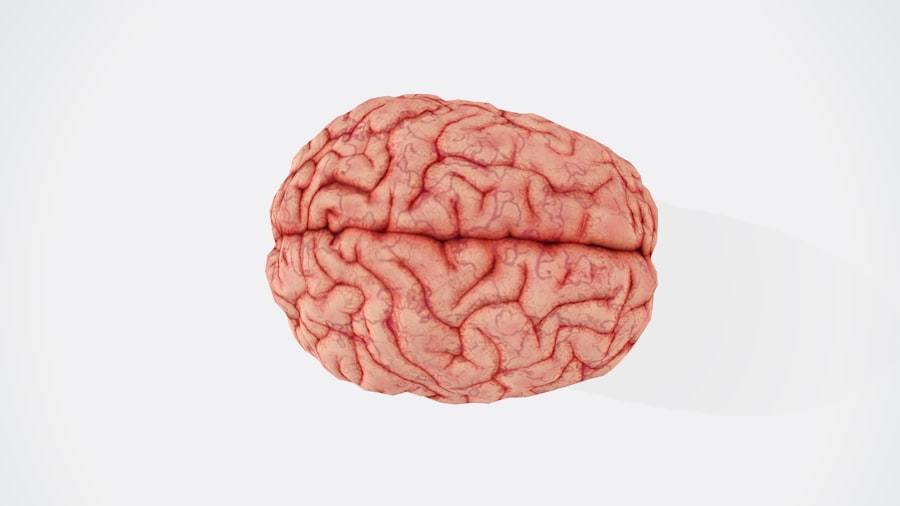
    Depressive Disorders: Recognizing the Signs and Seeking Help

    Depressive disorders encompass a range of conditions that affect mood, energy levels, and overall functioning. Major depressive disorder (MDD) is perhaps the most recognized form, characterized by persistent feelings of sadness, hopelessness, and a lack of interest in previously enjoyed activities. Individuals with MDD may experience significant changes in appetite and sleep patterns, fatigue, difficulty concentrating, and even thoughts of self-harm or suicide.

    The symptoms can vary in intensity and duration, making it essential for individuals to seek help when they notice these signs persisting for weeks or months. Another form of depressive disorder is persistent depressive disorder (dysthymia), which involves a chronic low mood lasting for at least two years. While the symptoms may not be as severe as those experienced in MDD, the long-term nature of dysthymia can significantly impact an individual’s quality of life.

    Recognizing the signs of depression is vital for early intervention. Many people may feel reluctant to seek help due to stigma or a belief that they should be able to “snap out of it.” However, mental health professionals emphasize that depression is a medical condition that requires treatment, which may include therapy, medication, or lifestyle changes. The importance of reaching out for support cannot be overstated; early intervention can lead to better outcomes and improved quality of life.

    Bipolar and Related Disorders: Understanding the Swings of Mood and Behavior

    Bipolar disorder is characterized by extreme mood swings that include emotional highs (mania or hypomania) and lows (depression). These fluctuations can significantly impact an individual’s daily life, relationships, and overall functioning. During manic episodes, individuals may feel euphoric, full of energy, and engage in impulsive behaviors without considering the consequences.

    This can lead to risky decisions such as excessive spending or reckless driving. Conversely, depressive episodes can bring about feelings of despair, lethargy, and hopelessness, making it challenging to carry out everyday tasks. There are several types of bipolar disorder, including bipolar I disorder, which involves at least one manic episode; bipolar II disorder, characterized by at least one major depressive episode and one hypomanic episode; and cyclothymic disorder, which consists of numerous periods of hypomanic symptoms and depressive symptoms lasting for at least two years.

    Understanding these distinctions is crucial for accurate diagnosis and treatment. Treatment often involves a combination of mood stabilizers, psychotherapy, and lifestyle modifications to help individuals manage their symptoms effectively. Recognizing the patterns of mood swings can empower individuals to seek help and develop coping strategies that enhance their quality of life.

    Obsessive-Compulsive and Related Disorders: Exploring the Intrusive Thoughts and Behaviors

    Disorder Prevalence Age of Onset Gender Ratio
    Obsessive-Compulsive Disorder (OCD) 2-3% Childhood to early adulthood Equal in children, more common in adult females
    Body Dysmorphic Disorder (BDD) 2% Adolescence Equal
    Hoarding Disorder 2-6% Adulthood Equal
    Trichotillomania (Hair-Pulling Disorder) 1-2% Adolescence More common in females
    Excoriation (Skin-Picking) Disorder 2-5% Adolescence Equal

    Obsessive-compulsive disorder (OCD) is a mental health condition marked by persistent, intrusive thoughts (obsessions) that lead to repetitive behaviors or mental acts (compulsions). Individuals with OCD often feel compelled to perform these compulsions in an attempt to alleviate the anxiety caused by their obsessions. For example, someone with a fear of contamination may wash their hands excessively or avoid touching certain surfaces altogether.

    These compulsions can consume significant amounts of time and interfere with daily activities.

    In addition to OCD, there are related disorders such as body dysmorphic disorder (BDD), hoarding disorder, and trichotillomania (hair-pulling disorder).

    BDD involves an obsessive focus on perceived flaws in physical appearance, leading individuals to engage in compulsive behaviors like excessive grooming or seeking cosmetic procedures.

    Hoarding disorder is characterized by the inability to discard possessions due to a perceived need to save them, resulting in clutter that disrupts living spaces. Trichotillomania involves recurrent hair-pulling that can lead to noticeable hair loss and distress. Understanding these disorders requires recognizing the impact of intrusive thoughts on behavior and the importance of seeking treatment through therapy or medication to manage symptoms effectively.

    Trauma- and Stressor-Related Disorders: Coping with the Aftermath of Traumatic Events

    Trauma- and stressor-related disorders encompass conditions that arise following exposure to traumatic events. Post-traumatic stress disorder (PTSD) is one of the most well-known disorders in this category. It can develop after experiencing or witnessing a traumatic event such as combat exposure, sexual assault, natural disasters, or serious accidents.

    Symptoms of PTSD include intrusive memories or flashbacks of the event, avoidance of reminders associated with the trauma, negative changes in mood or cognition, and heightened arousal responses such as irritability or hypervigilance. Acute stress disorder (ASD) shares similar symptoms with PTSD but occurs within three days to one month following the trauma. While many individuals may experience temporary distress after a traumatic event, ASD can lead to significant impairment if not addressed promptly.

    Treatment options for trauma-related disorders often include trauma-focused therapy techniques such as cognitive-behavioral therapy (CBT) or eye movement desensitization and reprocessing (EMDR). These therapeutic approaches aim to help individuals process their trauma and develop coping strategies to manage their symptoms effectively.

    Dissociative Disorders: Understanding the Disconnect from Reality

    Dissociative disorders are characterized by disruptions in consciousness, memory, identity, or perception of the environment. These disorders often arise as a coping mechanism in response to trauma or stress. Dissociative identity disorder (DID), formerly known as multiple personality disorder, involves the presence of two or more distinct personality states or identities within an individual.

    Each identity may have its own unique behaviors, memories, and ways of perceiving the world. This fragmentation often occurs as a response to severe trauma during early childhood. Another form of dissociative disorder is dissociative amnesia, which involves an inability to recall important personal information—typically related to traumatic or stressful events—beyond ordinary forgetfulness.

    Individuals may find themselves unable to remember specific periods in their lives or details about themselves. Depersonalization/derealization disorder involves persistent feelings of detachment from oneself (depersonalization) or a sense that one’s surroundings are unreal (derealization). Treatment for dissociative disorders often includes psychotherapy aimed at integrating fragmented identities or memories and addressing underlying trauma.

    Somatic Symptom and Related Disorders: Exploring the Physical Manifestations of Mental Health

    Somatic symptom and related disorders involve the presence of physical symptoms that cannot be fully explained by medical conditions but are instead linked to psychological factors. Individuals with somatic symptom disorder experience significant distress regarding physical symptoms such as pain or fatigue that may not have a clear medical cause. This distress can lead to excessive thoughts about the symptoms and frequent medical visits in search of answers.

    Illness anxiety disorder (formerly known as hypochondriasis) is another condition within this category where individuals are preoccupied with having a serious illness despite minimal or no symptoms. This preoccupation can lead to significant anxiety and avoidance behaviors related to health concerns. Conversion disorder involves neurological symptoms—such as paralysis or seizures—that cannot be attributed to medical conditions but are believed to stem from psychological factors.

    Treatment for somatic symptom disorders often includes cognitive-behavioral therapy (CBT) aimed at addressing maladaptive thoughts about health and developing coping strategies for managing symptoms.

    Feeding and Eating Disorders: Recognizing the Complexities of Disordered Eating

    Feeding and eating disorders encompass a range of conditions characterized by abnormal eating behaviors that negatively impact physical health and emotional well-being. Anorexia nervosa is one of the most recognized eating disorders, marked by an intense fear of gaining weight and a distorted body image leading individuals to restrict food intake severely. This can result in significant weight loss and malnutrition, posing serious health risks.

    Bulimia nervosa involves cycles of binge eating followed by compensatory behaviors such as vomiting or excessive exercise to prevent weight gain. Individuals with bulimia often struggle with feelings of shame and guilt surrounding their eating behaviors. Binge-eating disorder is characterized by recurrent episodes of eating large quantities of food accompanied by feelings of loss of control but without compensatory behaviors seen in bulimia.

    Treatment for eating disorders typically involves a multidisciplinary approach that includes medical monitoring, nutritional counseling, and psychotherapy aimed at addressing underlying psychological issues related to body image and self-esteem.

    Elimination Disorders: Understanding the Challenges of Incontinence and Bedwetting

    Elimination disorders refer to conditions involving inappropriate elimination of urine or feces that are not attributable to a medical condition. Enuresis (bedwetting) is commonly seen in children but can persist into adolescence or adulthood for some individuals. It can lead to embarrassment and social challenges for those affected.

    The causes may range from developmental delays to psychological factors such as stress or anxiety. Encopresis involves inappropriate defecation in children who are typically toilet trained; it may occur due to constipation or psychological issues related to stress or trauma. Both enuresis and encopresis require sensitive handling from caregivers and healthcare providers to address underlying causes while providing support for affected individuals.

    Treatment options may include behavioral interventions such as bladder training for enuresis or dietary changes for encopresis aimed at promoting regular bowel habits.

    Sleep-Wake Disorders: Exploring the Impact of Sleep on Mental Health

    Sleep-wake disorders encompass a variety of conditions that disrupt normal sleep patterns and significantly impact mental health. Insomnia is one of the most common sleep disorders characterized by difficulty falling asleep or staying asleep despite having adequate opportunity for rest. Chronic insomnia can lead to daytime fatigue, irritability, difficulty concentrating, and increased risk for developing anxiety or depressive disorders.

    Other sleep-wake disorders include sleep apnea—a condition where breathing repeatedly stops during sleep—restless legs syndrome (RLS), which causes uncomfortable sensations in the legs leading to an urge to move them during rest; and narcolepsy—a neurological disorder characterized by excessive daytime sleepiness and sudden sleep attacks. The interplay between sleep disturbances and mental health is complex; poor sleep can exacerbate existing mental health conditions while also contributing to the development of new ones. Treatment approaches often involve lifestyle modifications such as improving sleep hygiene practices alongside cognitive-behavioral therapy for insomnia (CBT-I) aimed at addressing maladaptive thoughts about sleep.

    Sexual Dysfunctions and Gender Dysphoria: Navigating the Complexities of Sexual Health and Identity

    Sexual dysfunctions encompass a range of issues related to sexual desire, arousal, orgasm, or pain during sexual activity that can significantly impact relationships and overall quality of life. Conditions such as erectile dysfunction in men or female sexual interest/arousal disorder highlight how physiological factors can intertwine with psychological aspects affecting sexual health. These dysfunctions may stem from various causes including stress, anxiety, hormonal imbalances, or relationship issues.

    Gender dysphoria refers to the psychological distress experienced when an individual’s gender identity does not align with their assigned sex at birth. This incongruence can lead to significant emotional turmoil as individuals navigate societal expectations regarding gender roles while seeking affirmation for their true identity. Treatment options for gender dysphoria may include therapy focused on exploring gender identity issues alongside medical interventions such as hormone therapy or gender-affirming surgeries when appropriate.

    Addressing sexual dysfunctions and gender dysphoria requires sensitivity from healthcare providers who must create safe spaces for open dialogue while offering comprehensive support tailored to individual needs.

    Understanding these diverse mental health conditions is essential for fostering empathy towards those affected while promoting awareness about available resources for support and treatment options.

    If you are interested in learning more about mental illnesses, you may want to check out this article on Understanding Fear and Anxiety Symptoms: A Complete Guide. This comprehensive guide provides valuable information on the symptoms of fear and anxiety, which are common mental health issues that many people struggle with. It can help you better understand these conditions and how to manage them effectively.

    Read More

    FAQs

    What is a mental illness?

    A mental illness is a condition that affects a person’s thinking, feeling, behavior, or mood. It may impact a person’s ability to function in daily life and can vary in severity.

    How many mental illnesses are there?

    There are over 200 classified forms of mental illness. Some of the more common disorders are depression, anxiety, schizophrenia, and bipolar disorder.

    What are some common types of mental illnesses?

    Common types of mental illnesses include anxiety disorders, mood disorders (such as depression and bipolar disorder), schizophrenia, eating disorders, and personality disorders.

    What are the causes of mental illnesses?

    The causes of mental illnesses are complex and can involve a combination of genetic, biological, environmental, and psychological factors. Trauma, stress, and a family history of mental illness can also contribute to the development of mental disorders.

    How are mental illnesses diagnosed?

    Mental illnesses are diagnosed through a combination of physical examinations, psychological evaluations, and assessments of symptoms and behavior. A mental health professional, such as a psychiatrist or psychologist, can make a diagnosis based on the criteria outlined in the Diagnostic and Statistical Manual of Mental Disorders (DSM-5).

    What are the treatment options for mental illnesses?

    Treatment for mental illnesses can include medication, psychotherapy, support groups, and lifestyle changes. In some cases, hospitalization or residential treatment may be necessary. The specific treatment plan will depend on the individual and the type and severity of their mental illness.

  • Rising Mental Health Awareness: A Positive Shift

    Rising Mental Health Awareness: A Positive Shift

    Mental health awareness is a critical component of public health that has gained significant traction in recent years. Understanding mental health is essential not only for individuals who may be struggling but also for society as a whole. Mental health issues, such as anxiety, depression, and bipolar disorder, affect millions of people globally, yet they often remain shrouded in misunderstanding and neglect.

    Raising awareness about these conditions can lead to early detection, better treatment options, and a more supportive environment for those affected. By fostering a culture that prioritizes mental well-being, we can reduce the burden of mental illness and promote healthier communities. Moreover, mental health awareness plays a vital role in breaking down barriers to treatment.

    Many individuals hesitate to seek help due to fear of judgment or lack of understanding from their peers. When mental health is openly discussed and normalized, it encourages individuals to reach out for support without the fear of stigma. This shift in perception can lead to increased utilization of mental health services, ultimately improving outcomes for those in need.

    The importance of mental health awareness cannot be overstated; it is a foundational step toward creating a society where mental well-being is prioritized alongside physical health. Check out the latest health tips and information at Lifemedicallab.

    Key Takeaways

    • Mental health awareness is crucial for promoting overall well-being and reducing stigma.
    • Stigma surrounding mental health can prevent individuals from seeking help and support.
    • Increased mental health awareness can lead to improved access to resources and support for those in need.
    • Promoting mental health education and resources is essential for creating a more supportive environment.
    • Advocacy plays a key role in raising awareness and promoting positive change in mental health initiatives.

    Recognizing the Stigma Surrounding Mental Health

    Stigma surrounding mental health remains one of the most significant obstacles to effective treatment and support. This stigma manifests in various forms, including negative stereotypes, discrimination, and social isolation. Individuals with mental health conditions often face judgment from others who may not understand their experiences or the complexities of their disorders.
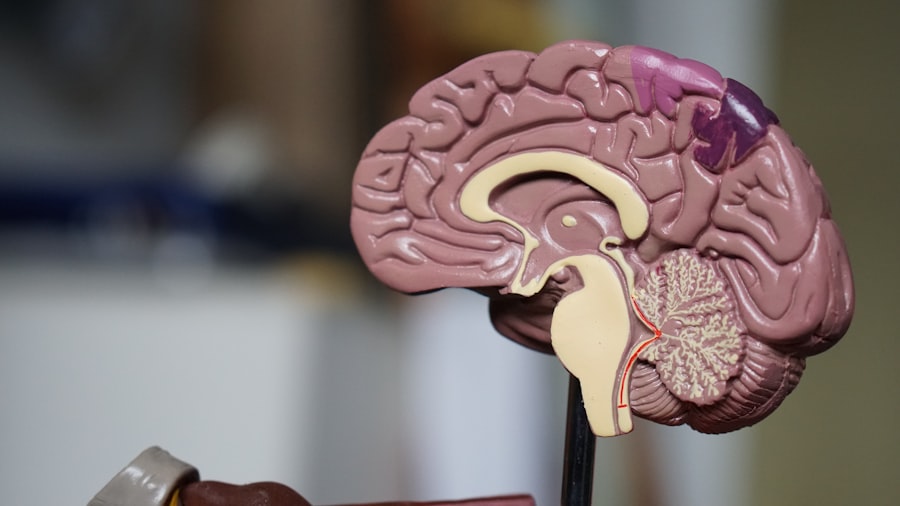
    This societal stigma can lead to feelings of shame and inadequacy, further exacerbating the challenges faced by those struggling with mental health issues. Recognizing this stigma is crucial for dismantling it and fostering a more inclusive environment. The impact of stigma extends beyond personal feelings; it can also influence policy and access to care.

    For instance, individuals may avoid seeking help due to fears of being labeled or treated differently in their workplaces or communities. This reluctance can result in untreated mental health conditions, leading to more severe consequences over time. By acknowledging the existence of stigma and its detrimental effects, we can begin to challenge these perceptions and advocate for a more compassionate understanding of mental health.

    Education and open dialogue are essential tools in this endeavor, as they can help dispel myths and promote empathy.

    The Impact of Increased Mental Health Awareness

    The rise in mental health awareness has led to significant changes in how society views and addresses mental health issues. Increased awareness has resulted in more resources being allocated to mental health services, including funding for research, treatment programs, and community outreach initiatives. As public understanding grows, so does the demand for comprehensive mental health care that is accessible to all individuals, regardless of their background or circumstances.

    This shift has the potential to transform the landscape of mental health care, making it more equitable and effective. Furthermore, increased awareness has empowered individuals to share their stories and experiences with mental health challenges.

    Public figures and influencers have played a pivotal role in this movement by using their platforms to discuss their struggles openly.

    This visibility not only helps to humanize mental health issues but also encourages others to seek help and share their own experiences. The ripple effect of these conversations can lead to a more supportive community where individuals feel less isolated in their struggles. As awareness continues to grow, it fosters a culture of acceptance that can significantly improve the quality of life for those affected by mental health conditions.

    Promoting Mental Health Education and Resources

    Metrics Data
    Number of mental health education workshops conducted 25
    Percentage increase in awareness about mental health resources 40%
    Number of individuals reached through mental health education campaigns 5000
    Number of mental health resources distributed 1000

    Promoting mental health education is essential for equipping individuals with the knowledge they need to understand their own mental well-being and that of others. Educational programs that focus on mental health can be integrated into schools, workplaces, and community organizations. These programs should cover a range of topics, including recognizing the signs of mental illness, understanding coping strategies, and knowing when and how to seek help.

    By providing accessible information, we empower individuals to take charge of their mental health and support those around them. In addition to formal education, access to resources is crucial for promoting mental well-being. This includes not only information about mental health conditions but also resources for treatment and support services.

    Online platforms have emerged as valuable tools for disseminating information about mental health resources, offering everything from self-help guides to directories of local services. Additionally, community organizations can play a vital role in connecting individuals with resources tailored to their specific needs. By ensuring that education and resources are readily available, we can create an environment where mental health is prioritized and supported.

    The Role of Advocacy in Mental Health Awareness

    Advocacy plays a pivotal role in advancing mental health awareness and ensuring that the needs of individuals with mental health conditions are met. Advocacy efforts can take many forms, from grassroots campaigns aimed at raising awareness within local communities to larger initiatives that seek to influence national policy. Organizations dedicated to mental health advocacy work tirelessly to promote understanding, reduce stigma, and push for legislative changes that improve access to care.

    These efforts are essential for creating systemic change that benefits individuals struggling with mental health issues. Moreover, advocacy can empower individuals by giving them a voice in discussions about their own care and treatment options. When people are encouraged to share their experiences and advocate for their needs, it fosters a sense of agency that can be incredibly healing.

    Advocacy also helps to highlight the importance of lived experience in shaping policies and practices related to mental health care. By involving those who have navigated the complexities of mental illness in the conversation, we can develop more effective solutions that truly address the needs of the community.

    Addressing Mental Health in the Workplace

    The workplace is a critical environment for addressing mental health issues, as many adults spend a significant portion of their lives at work. Employers have a responsibility to create a supportive atmosphere that prioritizes employee well-being. This includes implementing policies that promote work-life balance, providing access to mental health resources, and fostering an open culture where employees feel comfortable discussing their mental health needs without fear of repercussion.

    By addressing mental health proactively within the workplace, organizations can enhance employee satisfaction and productivity. Additionally, training programs focused on mental health awareness can equip managers and employees with the skills needed to recognize signs of distress among colleagues. Such training can help create a culture of support where employees feel valued and understood.

    Furthermore, offering Employee Assistance Programs (EAPs) can provide confidential counseling services that employees can access when needed. By prioritizing mental health in the workplace, organizations not only contribute to the well-being of their employees but also cultivate a more engaged and productive workforce.

    The Influence of Social Media on Mental Health Awareness

    Social media has emerged as a powerful tool for raising awareness about mental health issues and fostering community support. Platforms like Twitter, Instagram, and TikTok allow individuals to share their experiences with mental illness openly, creating spaces where others can find solidarity and understanding. The viral nature of social media campaigns has led to increased visibility for various mental health topics, encouraging discussions that were once considered taboo.

    This democratization of information has empowered individuals to seek help and connect with others who share similar struggles. However, while social media can be a force for good in promoting mental health awareness, it also has its drawbacks. The curated nature of online content can lead to unrealistic comparisons and exacerbate feelings of inadequacy among users.

    Additionally, misinformation about mental health can spread rapidly on these platforms, leading to confusion and misunderstanding about serious conditions. It is essential for users to approach social media critically and seek out credible sources when engaging with mental health content. Balancing the positive aspects of social media with its potential pitfalls is crucial for fostering an informed community.

    Encouraging Open Conversations About Mental Health

    Encouraging open conversations about mental health is vital for reducing stigma and promoting understanding within society. When individuals feel comfortable discussing their experiences with mental illness, it creates an environment where others are more likely to share their own stories as well. This exchange fosters empathy and compassion among peers, helping to normalize conversations about mental well-being.

    Open dialogue can take place in various settings—whether at home with family members or within community groups—creating opportunities for connection and support. To facilitate these conversations, it is important to create safe spaces where individuals feel heard and validated. This could involve hosting workshops or support groups focused on mental health topics or simply encouraging friends and family members to check in on one another regularly.

    Additionally, utilizing storytelling as a tool for sharing experiences can be particularly impactful; personal narratives have the power to resonate deeply with others and inspire action. By prioritizing open conversations about mental health, we contribute to a culture that values vulnerability and connection.

    Supporting Mental Health Initiatives and Campaigns

    Supporting mental health initiatives and campaigns is essential for driving change at both local and national levels. Numerous organizations work tirelessly to promote awareness, provide resources, and advocate for policy changes related to mental health care. By contributing time or resources to these initiatives—whether through volunteering, fundraising, or simply spreading the word—we can amplify their impact within our communities.

    Collective action is crucial for creating lasting change in how society addresses mental health issues. Moreover, participating in awareness campaigns can help individuals feel more connected to the cause while also educating themselves about various aspects of mental health. Events such as Mental Health Awareness Month or World Mental Health Day provide opportunities for communities to come together in support of this important issue.

    Engaging with these campaigns not only raises awareness but also fosters a sense of solidarity among those who care about improving mental health outcomes for all.

    The Connection Between Mental Health Awareness and Overall Well-being

    The connection between mental health awareness and overall well-being is profound; when individuals prioritize their mental health, they are better equipped to navigate life’s challenges effectively. Mental well-being influences various aspects of life—including physical health, relationships, work performance, and overall quality of life—making it essential for individuals to understand its importance fully. Increased awareness leads to proactive measures that individuals can take to maintain their mental well-being, such as practicing self-care techniques or seeking professional help when needed.

    Furthermore, communities that prioritize mental health awareness tend to experience lower rates of anxiety and depression among their members. When people feel supported in their struggles with mental illness—whether through education or access to resources—they are more likely to engage positively with others and contribute meaningfully to society. This interconnectedness highlights the importance of fostering an environment where mental well-being is valued alongside physical health; doing so creates a foundation for healthier individuals and communities alike.

    Looking Towards the Future of Mental Health Awareness

    As we look towards the future of mental health awareness, there is reason for optimism regarding continued progress in this vital area. The growing recognition of the importance of mental well-being has led to increased funding for research into effective treatments and interventions for various conditions. Additionally, advancements in technology—such as teletherapy—have made accessing care more convenient than ever before, breaking down barriers that previously hindered individuals from seeking help.

    However, challenges remain; ongoing efforts are needed to ensure that all individuals have access to quality mental health care regardless of socioeconomic status or geographic location. Continued advocacy will be essential in pushing for policy changes that prioritize equitable access to services while also addressing systemic issues related to stigma and discrimination within healthcare settings. By remaining committed to raising awareness about mental health issues—both individually and collectively—we can work towards a future where everyone feels empowered to prioritize their well-being without fear or hesitation.

    A related article discussing the importance of mental health for new fathers in Park Slope can be found at this link. This article highlights the unique challenges that fathers face in terms of mental health and the benefits of seeking counseling and support. It is crucial for new fathers to prioritize their mental well-being in order to be the best parents they can be.

    Read More

    FAQs

    What is mental health?

    Mental health refers to a person’s emotional, psychological, and social well-being. It affects how we think, feel, and act, and helps determine how we handle stress, relate to others, and make choices.

    What are some factors that can contribute to an increase in mental health issues?

    There are several factors that can contribute to an increase in mental health issues, including genetic predisposition, traumatic life events, chronic stress, substance abuse, and social isolation.

    What are some common mental health disorders?

    Common mental health disorders include anxiety disorders, mood disorders (such as depression and bipolar disorder), schizophrenia, and eating disorders.

    How can an increase in mental health issues impact individuals and society?

    An increase in mental health issues can have a significant impact on individuals, leading to decreased quality of life, impaired functioning, and increased risk of physical health problems. It can also have a broader societal impact, including increased healthcare costs, decreased productivity, and strained social services.

    What are some strategies for addressing the increase in mental health issues?

    Strategies for addressing the increase in mental health issues include increasing access to mental health services, reducing stigma surrounding mental illness, promoting mental health education and awareness, and implementing policies that support mental health and well-being.

  • Supporting Parents with Mental Health Challenges

    Supporting Parents with Mental Health Challenges

    Mental health challenges can significantly affect a parent’s ability to engage with their children and fulfill their parenting roles. Conditions such as depression, anxiety, bipolar disorder, and post-traumatic stress disorder can create barriers to effective parenting. For instance, a parent suffering from depression may struggle with motivation, leading to neglect of daily responsibilities, including providing emotional support and engaging in activities with their children.

    This lack of engagement can result in children feeling unloved or unsupported, which can have long-term implications for their emotional and psychological development. Moreover, mental health issues can alter a parent’s perception of their parenting abilities. Parents may experience feelings of inadequacy or guilt, believing they are failing their children due to their mental health struggles.

    This internal conflict can lead to a cycle of negative self-talk and further exacerbate their mental health issues. The impact is not limited to the parent alone; children may sense their parent’s distress, leading to anxiety or behavioral problems. Understanding these dynamics is crucial for developing effective interventions that support both parents and children. Check out the latest health tips and information at Lifemedicallab.

    Key Takeaways

    • Parental mental health challenges can have a significant impact on parenting and family dynamics.
    • Stigma surrounding parental mental health needs to be identified and addressed to ensure parents feel supported and understood.
    • Providing access to mental health resources for parents is crucial in helping them seek the support they need.
    • Educating parents on self-care and coping strategies can help them manage their mental health challenges while caring for their children.
    • Creating supportive communities and offering tailored parenting classes can help parents with mental health challenges feel less isolated and more empowered.

    Identifying and Addressing Stigma Surrounding Parental Mental Health

    Stigma surrounding mental health remains a significant barrier for many parents seeking help. Societal perceptions often label individuals with mental health challenges as weak or incapable, which can deter parents from disclosing their struggles or seeking assistance. This stigma can be particularly pronounced in parenting contexts, where societal expectations dictate that parents should be strong and resilient.

    As a result, many parents may feel isolated, fearing judgment from peers or family members if they admit to experiencing mental health difficulties. Addressing this stigma requires a multifaceted approach that includes public education campaigns aimed at normalizing conversations about mental health. By sharing stories of resilience and recovery, communities can foster an environment where parents feel safe discussing their challenges without fear of judgment.

    Additionally, training for healthcare providers and educators on the nuances of parental mental health can help create more supportive environments for parents seeking help. When stigma is reduced, parents are more likely to reach out for support, ultimately benefiting both themselves and their children.

    Providing Access to Mental Health Resources for Parents


    Access to mental health resources is critical for parents facing challenges. Unfortunately, many parents encounter barriers such as financial constraints, lack of insurance coverage, or limited availability of services in their communities. To address these issues, it is essential to advocate for policies that expand access to affordable mental health care.

    This could include increasing funding for community mental health programs or providing subsidies for therapy sessions specifically aimed at parents. Telehealth services have emerged as a valuable resource in recent years, particularly during the COVID-19 pandemic. These services allow parents to connect with mental health professionals from the comfort of their homes, reducing barriers related to transportation and childcare.

    However, it is vital that these services are widely promoted and accessible to all parents, regardless of socioeconomic status. By ensuring that mental health resources are available and accessible, communities can empower parents to seek the help they need without additional stressors.

    Educating Parents on Self-Care and Coping Strategies

    Metrics Data
    Number of parents educated 500
    Percentage of parents reporting improved self-care 75%
    Number of coping strategies taught 10
    Percentage of parents implementing coping strategies 60%

    Self-care is often overlooked in discussions about parenting, yet it is a crucial component of maintaining mental health. Parents must be educated on the importance of self-care practices that promote emotional well-being. This education can take various forms, including workshops, online resources, or community support groups that focus on self-care strategies tailored for parents.

    Simple practices such as mindfulness meditation, regular physical activity, and establishing healthy sleep routines can significantly impact a parent’s mental health. Coping strategies are equally important for parents dealing with stressors related to parenting and mental health challenges. Techniques such as cognitive-behavioral strategies can help parents reframe negative thoughts and develop healthier responses to stressors.

    Additionally, teaching parents how to set boundaries and prioritize their needs can empower them to create a more balanced family dynamic. By equipping parents with these tools, communities can foster resilience and improve overall family functioning.

    Creating Supportive Communities for Parents with Mental Health Challenges

    Supportive communities play a vital role in the well-being of parents facing mental health challenges. These communities can provide a safe space for parents to share their experiences, seek advice, and find encouragement from others who understand their struggles. Peer support groups can be particularly effective in fostering connections among parents who may feel isolated due to their mental health issues.

    These groups not only offer emotional support but also practical advice on navigating parenting while managing mental health. Community organizations can also play a pivotal role in creating supportive environments by hosting events that promote awareness and understanding of parental mental health issues. Workshops that focus on building social connections among parents can help reduce feelings of isolation and encourage collaboration in addressing common challenges.

    By fostering a sense of belonging and understanding within communities, parents are more likely to seek help and support when needed.

    Offering Parenting Classes and Workshops Tailored to Mental Health Needs

    Effective Communication Strategies

    Effective communication strategies with children, which can help parents navigate complex emotional landscapes and foster healthier relationships.

    Managing Behavioral Issues

    Managing behavioral issues in children, which can be particularly challenging for parents struggling with their own mental health. By understanding child development through the lens of parental mental health, parents can better address their child’s needs.

    Breaking Down Stigmas and Empowering Parents

    Incorporating mental health education into parenting classes can help break down stigmas surrounding mental health issues. By providing practical tools and fostering open discussions, these classes can empower parents to create healthier family dynamics and manage their own well-being alongside their parenting responsibilities.

    Implementing Flexible Work and Childcare Policies for Parents with Mental Health Challenges

    Workplace policies play a crucial role in supporting parents with mental health challenges. Flexible work arrangements, such as remote work options or adjustable hours, can significantly alleviate stress for parents trying to balance work responsibilities with parenting duties while managing their mental health. Employers who recognize the importance of mental well-being in the workplace can create policies that allow employees to prioritize their health without sacrificing job performance.

    Childcare policies also need to be re-evaluated to better support parents facing mental health challenges. Access to affordable childcare services is essential for parents who may need time for therapy or self-care activities. Additionally, employers could consider offering on-site childcare facilities or partnerships with local childcare providers to ease the burden on working parents.

    By implementing flexible work and childcare policies, organizations can contribute positively to the mental well-being of their employees while fostering a more inclusive workplace culture.

    Advocating for Mental Health Support in Schools and Childcare Settings

    Schools and childcare settings are critical environments where parental mental health support can be integrated into broader community efforts. Educators and childcare providers often interact with families facing various challenges; therefore, training staff on recognizing signs of parental mental health issues is essential. By equipping educators with the knowledge and tools to identify when a parent may be struggling, schools can serve as a vital resource for families in need.

    Advocacy efforts should also focus on creating programs within schools that promote family engagement while addressing mental health concerns. For instance, schools could implement family counseling services or workshops that educate parents about managing stress and building resilience within the family unit. By fostering an environment where mental health is openly discussed and supported within educational settings, schools can play a pivotal role in breaking down stigma and providing necessary resources for families.

    Encouraging Open Communication and Seeking Professional Help

    Open communication about mental health within families is essential for fostering understanding and support among family members. Parents should feel empowered to discuss their struggles with their children in age-appropriate ways, helping them understand that it is okay to seek help when needed. Encouraging children to express their feelings openly can also create a supportive atmosphere where everyone feels heard and valued.

    Seeking professional help should be normalized within families as part of maintaining overall well-being. Parents should be encouraged to view therapy not as a sign of weakness but as a proactive step toward better mental health management. Schools and community organizations can play a role in promoting this message by providing resources that highlight the benefits of therapy and counseling services for both parents and children alike.

    Addressing the Impact of Parental Mental Health on Children

    The effects of parental mental health on children are profound and multifaceted. Research has shown that children of parents with untreated mental health issues are at an increased risk for developing emotional and behavioral problems themselves. They may experience anxiety, depression, or difficulties in social interactions due to the instability created by their parent’s struggles.

    Understanding this impact is crucial for developing effective interventions that support both the parent’s recovery and the child’s well-being. Interventions aimed at addressing these issues should focus on creating safe spaces for children to express their feelings about their parent’s mental health challenges. Programs that teach children coping skills can empower them to manage their emotions effectively while fostering resilience in the face of adversity.

    Additionally, involving children in family therapy sessions can help them understand their parent’s experiences better while promoting healthy communication within the family unit.

    Promoting Positive Parenting Practices and Building Resilience in Families

    Promoting positive parenting practices is essential for fostering resilience within families affected by parental mental health challenges. Positive reinforcement techniques, effective communication strategies, and consistent routines can create a stable environment that supports both parent and child well-being.

    Educating parents about these practices through workshops or community programs can empower them to implement strategies that enhance family dynamics.

    Building resilience within families involves not only addressing immediate challenges but also equipping families with tools to navigate future adversities effectively. Programs that focus on problem-solving skills, emotional regulation techniques, and stress management strategies can help families develop a strong foundation for resilience. By fostering an environment where both parents and children feel supported and equipped to handle life’s challenges together, communities can contribute significantly to improving overall family well-being amidst the complexities of parental mental health issues.

    Parents with mental health issues may benefit from seeking support from mental health nurse practitioners. These professionals are trained to provide specialized care and treatment for individuals struggling with mental health conditions. For more information on mental health nurse practitioner programs, parents can visit this link. Additionally, if parents are experiencing feelings of blame and shame following a suicide in the family, they may find comfort in reading about effective nervousness treatment and expert solutions. To learn more about coping with grief after suicide, parents can click on this article.

    Read More

    FAQs

    What are mental health issues?

    Mental health issues refer to a wide range of conditions that affect a person’s mood, thinking, and behavior. These conditions can include depression, anxiety, bipolar disorder, schizophrenia, and others.

    How common are mental health issues among parents?

    Mental health issues are relatively common among parents. According to the National Institute of Mental Health, approximately 1 in 5 adults in the United States experience mental illness in a given year.

    How do mental health issues affect parenting?

    Mental health issues can affect parenting in various ways, including impacting a parent’s ability to provide emotional support, maintain consistent routines, and manage stress. It can also affect a parent’s ability to engage in positive parent-child interactions.

    What are the potential impacts of parental mental health issues on children?

    Children of parents with mental health issues may be at higher risk for developing mental health issues themselves. They may also experience challenges related to emotional regulation, social relationships, and academic performance.

    What support is available for parents with mental health issues?

    There are various forms of support available for parents with mental health issues, including therapy, support groups, medication, and parenting classes. Additionally, organizations and community resources may offer assistance and guidance for parents seeking help.

    How can parents with mental health issues prioritize self-care?

    Parents with mental health issues can prioritize self-care by seeking professional help, practicing stress-reducing activities such as exercise and mindfulness, maintaining a healthy lifestyle, and establishing a strong support network. It’s important for parents to prioritize their own well-being in order to better support their children.

  • The Impact of Social Media on Mental Health

    The Impact of Social Media on Mental Health

    In the contemporary digital landscape, social media has become an integral part of daily life for billions of individuals worldwide. Platforms such as Facebook, Instagram, Twitter, and TikTok facilitate communication, information sharing, and community building. However, the pervasive nature of these platforms raises significant questions about their impact on mental health.

    While social media can foster connections and provide support networks, it can also contribute to various mental health challenges.

    Understanding the dual-edged nature of social media is crucial for navigating its complexities and mitigating potential harms.

    The relationship between social media and mental health is multifaceted, encompassing both positive and negative dimensions.

    On one hand, social media can serve as a lifeline for individuals seeking connection, especially those who may feel isolated in their offline lives. On the other hand, the constant exposure to curated lives and idealized images can lead to detrimental comparisons and feelings of inadequacy. As society becomes increasingly intertwined with digital interactions, it is essential to explore how social media shapes self-perception, influences mental well-being, and contributes to various psychological issues. Check out the latest health tips and information at Lifemedicallab.

    Key Takeaways

    • Social media can have both positive and negative impacts on mental health.
    • Social media plays a significant role in shaping self-perception, leading to comparison and FOMO.
    • Cyberbullying on social media can have detrimental effects on mental health, leading to anxiety and depression.
    • Social media addiction can negatively impact mental well-being and lead to sleep disturbance.
    • It is important to develop coping strategies to manage the negative effects of social media on mental health, while also recognizing the positive impact it can have.

    The Role of Social Media in Shaping Self-Perception

    Social media platforms are designed to showcase personal highlights, often leading users to present an idealized version of their lives. This phenomenon can significantly shape self-perception, as individuals frequently compare their everyday experiences to the polished portrayals of others. For instance, a user scrolling through Instagram may encounter images of friends on exotic vacations or celebrating milestones, which can evoke feelings of envy or inadequacy.

    This constant comparison can distort self-image and lead to a diminished sense of self-worth. Moreover, the feedback mechanisms inherent in social media—likes, comments, and shares—can further influence self-perception. Positive reinforcement from peers can boost confidence, while negative feedback or lack of engagement can have the opposite effect.

    Research indicates that individuals who derive their self-esteem from social media validation may experience heightened anxiety and depression when their online presence does not receive the expected affirmation. This reliance on external validation can create a precarious cycle where self-worth becomes contingent on social media interactions.

    Cyberbullying and its Effects on Mental Health

    Cyberbullying has emerged as a pervasive issue within the realm of social media, with devastating consequences for mental health. Unlike traditional bullying, which may be confined to specific environments like schools, cyberbullying can occur 24/7 and reach a wider audience. Victims often experience harassment through derogatory comments, spreading rumors, or even direct threats, leading to feelings of isolation and despair.

    The anonymity afforded by social media can embolden perpetrators, making it easier for them to engage in harmful behaviors without facing immediate repercussions. The psychological impact of cyberbullying is profound. Victims may experience symptoms of anxiety, depression, and low self-esteem.

    In severe cases, the emotional toll can lead to suicidal ideation or attempts. A study published in the journal “JAMA Psychiatry” found that adolescents who experienced cyberbullying were significantly more likely to report mental health issues compared to their peers who had not faced such harassment. The pervasive nature of social media means that victims often find it challenging to escape their tormentors, compounding feelings of helplessness and despair.

    Social Media Addiction and its Impact on Mental Well-being

    Metrics Data
    Percentage of population affected by social media addiction Approximately 5-10%
    Impact on mental well-being Increased anxiety and depression
    Time spent on social media per day Average of 2-3 hours
    Percentage of adolescents affected Up to 15%

    Social media addiction is a growing concern that has garnered attention from researchers and mental health professionals alike. The design of social media platforms often encourages compulsive use through features like infinite scrolling and notifications that create a sense of urgency. Users may find themselves spending hours online, neglecting real-life responsibilities and relationships in favor of virtual interactions.

    This compulsive behavior can lead to significant disruptions in daily life and contribute to feelings of anxiety and depression. The psychological effects of social media addiction are multifaceted. Individuals may experience withdrawal symptoms when they are unable to access their accounts, leading to irritability and restlessness.

    Furthermore, excessive use can interfere with sleep patterns and reduce face-to-face interactions, which are essential for emotional well-being. A study published in “Computers in Human Behavior” found that individuals who reported higher levels of social media addiction also experienced increased levels of anxiety and depressive symptoms. This cycle of addiction can create a feedback loop where individuals turn to social media for comfort but ultimately find themselves feeling more isolated and distressed.

    Comparison and FOMO (Fear of Missing Out) on Social Media

    The phenomenon known as FOMO—Fear of Missing Out—has become increasingly prevalent in the age of social media. Users are constantly bombarded with images and updates showcasing friends’ activities, events, and achievements, which can lead to feelings of exclusion or inadequacy. This fear is exacerbated by the curated nature of social media content; users often share only the highlights of their lives, creating an illusion that others are living more fulfilling or exciting experiences.

    FOMO can have significant implications for mental health. Individuals may feel pressured to engage in activities solely to avoid missing out on experiences that others are sharing online. This pressure can lead to anxiety and stress as users strive to keep up with perceived social norms or expectations.

    Additionally, FOMO can contribute to a sense of dissatisfaction with one’s own life, as individuals compare their reality to the seemingly perfect lives portrayed by others on social media platforms. The constant need for validation and connection can create a cycle of anxiety that is difficult to break.

    The Influence of Social Media on Body Image and Eating Disorders

    Social media plays a pivotal role in shaping societal standards of beauty and body image. Platforms like Instagram are rife with images that promote unrealistic body ideals, often filtered and edited to enhance appearance. This exposure can lead individuals—particularly young women—to develop negative body image perceptions and engage in unhealthy behaviors in pursuit of these ideals.

    Research has shown that frequent exposure to idealized body types on social media correlates with increased body dissatisfaction among users. The impact on mental health can be severe, with many individuals developing eating disorders as a result of these pressures. Conditions such as anorexia nervosa and bulimia are often exacerbated by the constant comparison facilitated by social media platforms.

    A study published in “Body Image” found that young women who frequently engaged with appearance-focused content on social media were more likely to report disordered eating behaviors. The pressure to conform to societal beauty standards perpetuated by influencers and celebrities can create a toxic environment where self-worth is tied to physical appearance.

    The Link Between Social Media Use and Anxiety and Depression

    Numerous studies have established a link between excessive social media use and increased levels of anxiety and depression among users. The constant barrage of information, coupled with the pressure to maintain an online persona, can create a sense of overwhelm that negatively impacts mental health. Individuals may find themselves feeling anxious about their online interactions or distressed by negative comments or lack of engagement from peers.

    Moreover, the nature of social media interactions often lacks the depth and emotional connection found in face-to-face communication. This superficiality can lead to feelings of loneliness and isolation despite being constantly connected online. A meta-analysis published in “Psychological Bulletin” found that higher levels of social media use were associated with increased depressive symptoms among adolescents.

    The findings suggest that while social media can facilitate connections, it may also contribute to feelings of disconnection and emotional distress.

    Social Media and Sleep Disturbance

    The relationship between social media use and sleep disturbance is an area of growing concern among researchers and mental health professionals. Many individuals engage with social media late into the night, often at the expense of sleep quality and duration. The blue light emitted by screens can interfere with the body’s natural circadian rhythms, making it difficult for users to fall asleep or achieve restful sleep.

    Sleep disturbances have significant implications for mental health; inadequate sleep is linked to increased levels of anxiety, depression, and cognitive impairment. A study published in “Sleep Health” found that individuals who reported high levels of social media use before bedtime were more likely to experience sleep disturbances compared to those who limited their screen time in the evening. The cycle of poor sleep leading to increased reliance on social media for distraction or connection can exacerbate mental health issues over time.

    Coping Strategies for Managing the Negative Effects of Social Media on Mental Health

    To mitigate the negative effects of social media on mental health, individuals can adopt various coping strategies aimed at fostering healthier online habits. One effective approach is setting boundaries around social media use; this may involve designating specific times for checking accounts or limiting usage during certain activities such as meals or before bedtime. By creating intentional breaks from social media, users can reduce feelings of overwhelm and cultivate more meaningful offline interactions.

    Another strategy involves curating one’s online environment by unfollowing accounts that promote negative comparisons or unrealistic standards. Engaging with content that inspires positivity or supports mental well-being can help counteract the detrimental effects often associated with social media use. Additionally, practicing mindfulness techniques—such as meditation or deep breathing exercises—can aid in managing anxiety related to online interactions.

    The Positive Impact of Social Media on Mental Health

    Despite its challenges, social media also offers numerous benefits for mental health when used mindfully. For many individuals, these platforms serve as vital support networks where they can connect with others facing similar struggles or experiences. Online communities focused on mental health advocacy provide safe spaces for sharing personal stories, seeking advice, or finding encouragement during difficult times.

    Furthermore, social media can facilitate access to mental health resources and information that may not be readily available offline.

    Many organizations utilize these platforms to raise awareness about mental health issues, promote self-care practices, and provide educational content aimed at reducing stigma surrounding mental illness.

    By leveraging the positive aspects of social media, individuals can enhance their understanding of mental health while fostering connections that promote resilience.

    Conclusion and Recommendations for Healthy Social Media Use

    Navigating the complex relationship between social media and mental health requires awareness and intentionality in usage patterns. While there are undeniable risks associated with excessive engagement on these platforms—such as anxiety, depression, body image issues, and sleep disturbances—there are also opportunities for connection and support that should not be overlooked. To foster healthier relationships with social media, individuals should consider implementing strategies such as setting boundaries around usage time, curating their feeds for positivity, engaging in offline activities that promote well-being, and seeking support when needed.

    Ultimately, cultivating a balanced approach to social media use involves recognizing its potential pitfalls while also embracing its capacity for connection and community building. By prioritizing mental well-being in digital interactions, individuals can harness the positive aspects of social media while minimizing its adverse effects on mental health.

    There is a growing concern about the impact of social media on mental health, as highlighted in a recent article on impsedu.in. The constant comparison, cyberbullying, and addiction associated with social media use can lead to anxiety, depression, and other mental health problems. It is important to be aware of the signs and causes of mental health issues caused by social media and seek help when needed. Additionally, learning effective ways to manage nervousness and anxiety can also contribute to overall mental well-being, as discussed in another informative article on impsedu.in.

    Read More

    FAQs

    What are the common mental health problems caused by social media?

    Some common mental health problems caused by social media include anxiety, depression, low self-esteem, and body image issues.

    How does social media contribute to mental health problems?

    Social media can contribute to mental health problems by promoting unrealistic beauty standards, fostering feelings of inadequacy, and creating a constant sense of comparison with others.

    What are some ways to protect mental health while using social media?

    Some ways to protect mental health while using social media include limiting screen time, unfollowing accounts that trigger negative feelings, and seeking support from friends and family.

    Can social media addiction lead to mental health problems?

    Yes, social media addiction can lead to mental health problems such as anxiety, depression, and low self-esteem. It can also interfere with real-life relationships and responsibilities.

    Are there any positive effects of social media on mental health?

    While social media can have negative effects on mental health, it can also provide a sense of community and support for some individuals. It can also be a platform for raising awareness about mental health issues.