
Anxiety is a natural response to stress, often manifesting as feelings of worry, fear, or apprehension about future events. It can be a normal part of life, helping us to stay alert and focused in challenging situations. However, when anxiety becomes overwhelming or chronic, it can interfere with daily activities and overall well-being.
Many people experience anxiety in various forms, such as generalized anxiety disorder, panic disorder, or social anxiety. Understanding the underlying causes of anxiety is crucial for effective management and treatment. The symptoms of anxiety can vary widely from person to person.
Common signs include restlessness, rapid heartbeat, difficulty concentrating, and physical symptoms like sweating or trembling. These manifestations can be distressing and may lead individuals to avoid situations that trigger their anxiety. Recognizing these symptoms is the first step toward addressing them.
It’s important to remember that you are not alone in this struggle; many people face similar challenges, and there are effective strategies available to help manage anxiety.
Key Takeaways
- Anxiety is a natural response to stress, but when it becomes excessive, it can interfere with daily life.
- Meditation can help reduce anxiety by promoting relaxation and mindfulness.
- Different types of meditation, such as mindfulness meditation and loving-kindness meditation, can be effective for anxiety relief.
- Getting started with meditation is as simple as finding a quiet space, sitting comfortably, and focusing on your breath or a mantra.
- Creating a meditation routine and overcoming challenges, such as a wandering mind, can be achieved through consistency and patience.
Benefits of Meditation for Anxiety Relief
Meditation has gained popularity as a powerful tool for managing anxiety. One of the primary benefits of meditation is its ability to promote relaxation and reduce stress levels. By focusing on the present moment and calming the mind, meditation can help individuals break the cycle of anxious thoughts that often lead to heightened feelings of worry.
Research has shown that regular meditation practice can lead to significant reductions in anxiety symptoms, making it an appealing option for those seeking relief. In addition to reducing anxiety, meditation can enhance emotional resilience. It encourages a greater awareness of one’s thoughts and feelings, allowing individuals to observe their anxiety without judgment.
This practice fosters a sense of acceptance and helps individuals develop healthier coping mechanisms. Over time, meditation can lead to improved emotional regulation, enabling individuals to respond to stressors with greater calmness and clarity. The cumulative effects of meditation can create a more balanced emotional state, contributing to overall mental well-being.
Different Types of Meditation for Anxiety
There are various forms of meditation that can be particularly effective for alleviating anxiety. Mindfulness meditation is one of the most widely practiced types. It involves paying attention to the present moment without judgment, often focusing on the breath or bodily sensations.
This practice helps individuals become more aware of their thoughts and feelings, allowing them to detach from anxious thoughts and cultivate a sense of peace. Another popular form is loving-kindness meditation, which focuses on developing compassion for oneself and others. This practice encourages individuals to send positive thoughts and well-wishes to themselves and those around them.
By fostering feelings of love and connection, loving-kindness meditation can counteract feelings of isolation that often accompany anxiety. Additionally, guided meditations, where an instructor leads participants through visualization exercises or relaxation techniques, can be beneficial for those new to meditation or who prefer structured guidance.
How to Get Started with Meditation
| Steps | Details |
|---|---|
| Find a quiet space | Choose a peaceful and comfortable place to meditate |
| Set a time | Decide on a specific time for your meditation practice |
| Get in a comfortable position | Sit or lie down in a relaxed position |
| Focus on your breath | Concentrate on your breathing to help clear your mind |
| Start with short sessions | Begin with 5-10 minutes and gradually increase the duration |
| Be patient | It takes time to develop a meditation practice, so be patient with yourself |
Starting a meditation practice may seem daunting at first, but it can be a rewarding journey toward greater mental clarity and emotional stability.
It’s helpful to set aside a specific time each day for your practice, even if it’s just for a few minutes.
Start with short sessions—five to ten minutes is a great way to ease into meditation without feeling overwhelmed. When you sit down to meditate, close your eyes and take a few deep breaths to center yourself. Focus on your breath as it flows in and out of your body.
If your mind begins to wander—which is completely normal—gently bring your attention back to your breath without self-criticism. Over time, you may find it easier to maintain focus and experience the calming effects of meditation. Remember that consistency is key; even short daily practices can lead to significant benefits over time.
Creating a Meditation Routine
Establishing a regular meditation routine can enhance the effectiveness of your practice and make it a more integral part of your daily life. Consider incorporating meditation into your morning routine as a way to start the day with clarity and calmness. Alternatively, you might find it beneficial to meditate in the evening as a way to unwind and release the stresses of the day.
Whichever time you choose, consistency will help reinforce the habit. To create a supportive environment for your meditation practice, consider designating a specific spot in your home where you feel comfortable and relaxed. You might want to add elements that promote tranquility, such as soft lighting, cushions, or calming scents like lavender.
Additionally, using apps or online resources that offer guided meditations can provide structure and variety to your routine. As you become more comfortable with meditation, you may wish to experiment with different techniques or lengths of time to find what works best for you.
Tips for Overcoming Challenges in Meditation
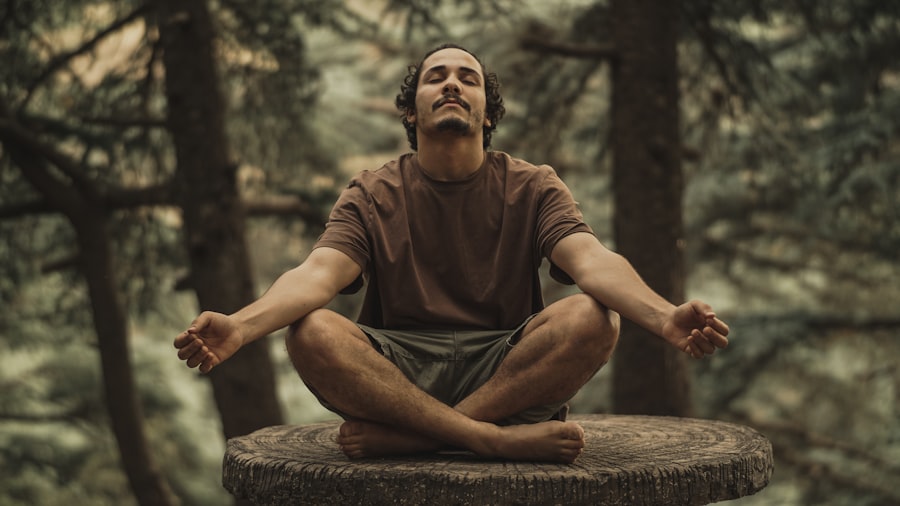
Many people encounter challenges when starting their meditation practice, such as difficulty concentrating or feeling restless. It’s important to approach these challenges with patience and self-compassion. Remember that meditation is a skill that takes time to develop; it’s perfectly normal for your mind to wander or for you to feel fidgety at first.
When distractions arise, gently acknowledge them without judgment and return your focus to your breath or chosen point of concentration. Another common challenge is finding the motivation to meditate regularly. To overcome this hurdle, consider setting realistic goals for your practice.
Instead of aiming for long sessions every day, start with shorter periods that feel manageable. You might also find it helpful to join a meditation group or community where you can share experiences and support one another in your journeys. Connecting with others who are also working on their meditation practice can provide encouragement and accountability.
Combining Meditation with Other Anxiety Relief Techniques
While meditation is a powerful tool for managing anxiety, it can be even more effective when combined with other techniques. Physical activity is one such complementary approach; regular exercise has been shown to reduce anxiety levels significantly by releasing endorphins and promoting overall well-being. Consider incorporating activities like yoga or tai chi into your routine, as these practices combine movement with mindfulness.
Additionally, practicing deep breathing exercises alongside meditation can enhance relaxation and help ground you during moments of heightened anxiety. Techniques such as diaphragmatic breathing or box breathing can be easily integrated into your meditation sessions or used as standalone practices when you feel anxious throughout the day. By combining these methods, you create a holistic approach to managing anxiety that addresses both the mind and body.
Seeking Professional Help for Severe Anxiety
While meditation and self-help techniques can be incredibly beneficial for managing anxiety, there are times when professional help is necessary. If you find that your anxiety is persistent, overwhelming, or interfering significantly with your daily life, it’s important to seek support from a licensed mental health professional. Therapists or counselors trained in cognitive-behavioral therapy (CBT) or other evidence-based approaches can provide valuable tools and strategies tailored to your specific needs.
In some cases, medication may also be recommended as part of a comprehensive treatment plan for severe anxiety disorders. A healthcare provider can help determine whether medication is appropriate based on your individual circumstances and symptoms. Remember that seeking help is a sign of strength; you don’t have to navigate anxiety alone.
With the right support and resources, it’s possible to find relief and regain control over your life. In conclusion, understanding anxiety and exploring various techniques like meditation can empower individuals on their journey toward emotional well-being. By incorporating mindfulness practices into daily routines and seeking professional guidance when needed, it’s possible to cultivate resilience against anxiety and foster a greater sense of peace in life’s challenges.
Meditation has long been recognized as a powerful tool for managing anxiety, offering a way to calm the mind and reduce stress. By incorporating regular meditation practices, individuals can cultivate a sense of inner peace and resilience against the pressures of daily life. For those interested in exploring additional methods to support mental health, an insightful article on the impact of screen time on mental and emotional well-being can provide valuable context. Understanding how various factors, such as technology use, influence our mental state can complement meditation practices. To learn more, you can read the article on how screen time affects your mental and emotional health.
FAQs
What is meditation?
Meditation is a practice that involves focusing the mind and eliminating the stream of jumbled thoughts that may be crowding your mind and causing stress. It is often used for relaxation and stress reduction.
How does meditation help with anxiety?
Meditation can help with anxiety by promoting relaxation, reducing stress, and increasing self-awareness. It can also help individuals develop a new perspective on stressful situations, making them feel calmer and more in control.
What are the different types of meditation for anxiety?
There are several types of meditation that can help with anxiety, including mindfulness meditation, loving-kindness meditation, and guided visualization. Each type may offer different benefits for managing anxiety.
How often should I meditate to see results for anxiety?
The frequency of meditation needed to see results for anxiety can vary from person to person. Some individuals may benefit from meditating for just a few minutes each day, while others may find it helpful to meditate for longer periods or multiple times a day.
Are there any potential risks or side effects of using meditation for anxiety?
Meditation is generally considered to be safe for most people. However, some individuals may experience feelings of frustration or disappointment if they are unable to clear their minds. It’s important to approach meditation with an open mind and be patient with the process.
Can meditation be used as a standalone treatment for anxiety?
Meditation can be used as a standalone treatment for mild to moderate anxiety, but it is often most effective when used in combination with other treatments, such as therapy or medication. It’s important to consult with a healthcare professional to determine the best approach for managing anxiety.