
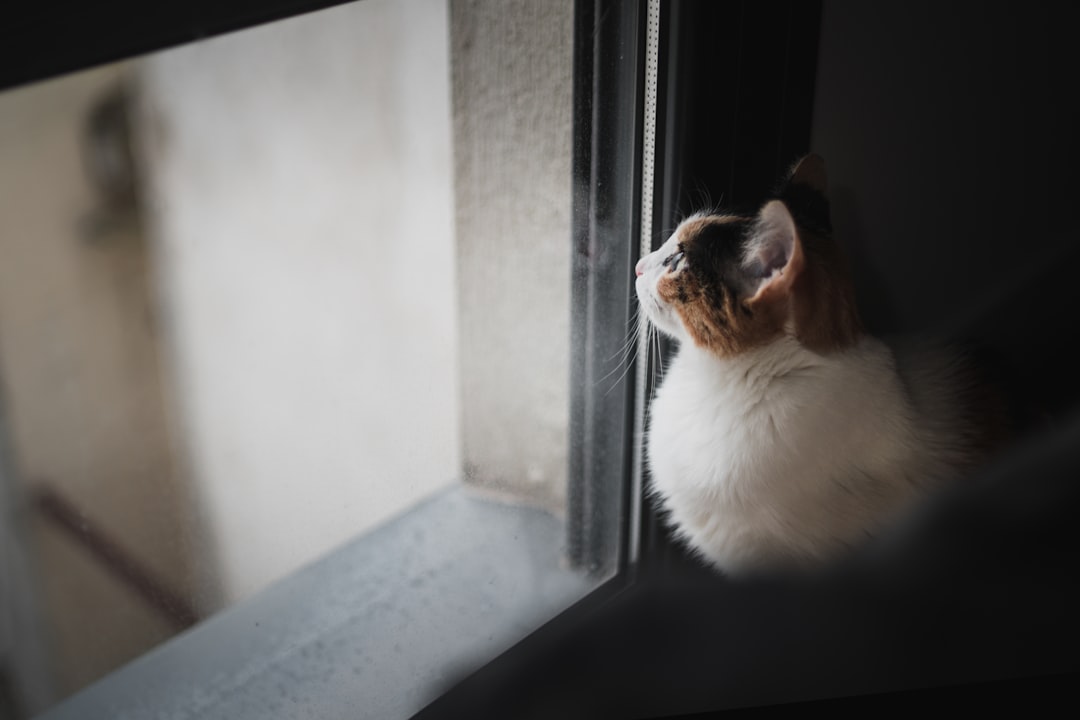
As I delve into the concept of introversion, I find it essential to clarify what it truly means. Introversion is often misunderstood, frequently equated with shyness or social awkwardness. However, I have come to realize that introversion is more about where I draw my energy from.
While extroverts thrive in social settings and gain energy from interactions, I find my vitality in solitude and introspection. This distinction is crucial, as it shapes how I navigate the world around me. In my journey of understanding introversion, I have learned that it is not a flaw or a limitation but rather a unique way of experiencing life.
I often prefer deep conversations over small talk, and I cherish moments of quiet reflection. This preference does not mean I dislike socializing; rather, I need to recharge after engaging with others. Recognizing this aspect of my personality has allowed me to embrace my introverted nature and appreciate the strengths that come with it.
Key Takeaways
- Introversion is a personality trait characterized by a preference for solitude and quiet environments, and a need for recharging through alone time.
- Social introverts enjoy meaningful one-on-one interactions and small group settings, but may feel drained by large social gatherings.
- Thinking introverts are introspective and enjoy deep, analytical thinking, often preferring to process their thoughts internally before sharing them with others.
- Anxious introverts may experience social anxiety and may feel overwhelmed in social situations, often needing time to mentally prepare for social interactions.
- Restrained introverts are cautious and deliberate in their actions, preferring to observe and listen before engaging in social interactions.
The Social Introvert
Among the various types of introverts, I identify with the social introvert. This type enjoys social interactions but prefers them in moderation. I often find myself thriving in smaller gatherings where meaningful conversations can take place.
Large parties or crowded events can be overwhelming for me, and I tend to retreat to quieter corners to recharge. It’s not that I don’t enjoy being around people; rather, I seek depth in my interactions. As a social introvert, I have learned to navigate social situations by setting boundaries for myself.
I often plan my outings, ensuring that I have time to recuperate afterward. This balance allows me to engage with friends and family without feeling drained. I appreciate the connections I make during these interactions, but I also recognize the importance of solitude in maintaining my well-being.
The Thinking Introvert

Another aspect of my introverted personality is the thinking introvert. This type is characterized by a rich inner world filled with thoughts, ideas, and reflections. I often find myself lost in contemplation, analyzing situations and pondering various perspectives.
This tendency can lead to profound insights, but it can also result in overthinking and self-doubt. Being a thinking introvert has its advantages; I am often able to approach problems with a unique perspective. My ability to think deeply allows me to connect dots that others might overlook.
However, it can also be a double-edged sword. There are times when my thoughts spiral into anxiety or self-criticism, making it challenging to take action. Recognizing this pattern has been crucial in my journey toward self-acceptance.
The Anxious Introvert
As I explore the different facets of introversion, I cannot ignore the anxious introvert within me. This type experiences heightened levels of anxiety in social situations, which can make interactions feel daunting. I often find myself worrying about how others perceive me or fearing judgment during conversations.
This anxiety can be paralyzing at times, leading me to avoid social gatherings altogether. Understanding that I am an anxious introvert has helped me develop coping strategies. I have learned to practice mindfulness and grounding techniques before entering social situations.
While the fear of judgment may never completely disappear, acknowledging it has empowered me to face my social fears head-on.
The Restrained Introvert
The restrained introvert is another layer of my personality that I have come to recognize. This type tends to be more reserved and cautious in expressing emotions and opinions. I often find myself weighing my words carefully before speaking, which can sometimes lead to missed opportunities for connection.
While this restraint can be beneficial in certain situations, it can also hinder my ability to express myself authentically. Embracing my identity as a restrained introvert has been a journey of self-discovery. I have learned that it’s okay to share my thoughts and feelings, even if they are met with differing opinions.
By gradually pushing myself out of my comfort zone, I have found that vulnerability can lead to deeper connections with others. It’s a delicate balance between being true to myself and allowing others to see the real me.
Recognizing Your Introvert Type

Recognizing which type of introvert resonates with me has been an enlightening experience. Each subtype offers unique insights into my behavior and preferences. By reflecting on my experiences, I have been able to identify patterns that align with the social, thinking, anxious, and restrained aspects of introversion.
To recognize my introvert type, I have engaged in self-reflection and journaling. By documenting my feelings and reactions in various social situations, I have gained clarity on what energizes or drains me.
Additionally, discussing these insights with trusted friends has provided valuable feedback and perspective. This process of exploration has not only deepened my understanding of myself but has also fostered a sense of acceptance regarding my introverted nature.
Embracing Your Introvert Nature
Embracing my introverted nature has been a transformative journey. Initially, I struggled with societal expectations that often glorify extroversion. However, as I began to appreciate the unique qualities that come with being an introvert, I found a sense of empowerment.
My introspective nature allows me to connect deeply with others and fosters creativity in ways that extroverts may not experience. I have learned to celebrate the quiet moments in life—the time spent reading a book, journaling my thoughts, or simply enjoying nature’s beauty. These moments are not just solitary; they are essential for my well-being and personal growth.
By embracing my introverted nature, I have cultivated a sense of pride in who I am and how I navigate the world.
Navigating Social Situations as an Introvert
Navigating social situations as an introvert can be both challenging and rewarding. I often find myself strategizing before attending events, considering factors such as the size of the gathering and the people who will be present. Understanding my limits allows me to engage without feeling overwhelmed.
For instance, I might choose to attend a smaller gathering where I know there will be familiar faces rather than a large party filled with strangers. During social interactions, I have learned to focus on quality over quantity. Instead of trying to engage with everyone at an event, I prioritize meaningful conversations with a few individuals.
This approach not only makes me feel more comfortable but also allows for deeper connections to form. By being intentional about my interactions, I can navigate social situations in a way that feels authentic and fulfilling.
Utilizing Your Strengths as an Introvert
As an introvert, I possess unique strengths that can be harnessed in various aspects of life. One of my greatest assets is my ability to listen actively and empathize with others. In conversations, I often find myself attuned to subtle cues and emotions that others may overlook.
This skill allows me to build strong relationships based on trust and understanding. Additionally, my introspective nature fuels creativity and innovation. Whether it’s through writing, art, or problem-solving, I often find inspiration in solitude.
By embracing these strengths, I have been able to carve out a niche for myself in both personal and professional settings. Recognizing that my introverted qualities are valuable has empowered me to pursue opportunities that align with who I am.
Overcoming Challenges as an Introvert
Despite the strengths that come with being an introvert, there are challenges that I must navigate regularly. One significant hurdle is the pressure to conform to extroverted norms in various environments—be it at work or social gatherings. There are times when I feel compelled to speak up or participate more than feels comfortable for me, leading to feelings of inadequacy or frustration.
To overcome these challenges, I have developed strategies that honor my introverted nature while still allowing me to engage meaningfully with others. Setting boundaries is crucial; knowing when to say no or take breaks during social events helps me maintain balance. Additionally, seeking out environments that celebrate diverse personalities has made a significant difference in how I experience social interactions.
Celebrating Diversity Within Introversion
As I reflect on my journey as an introvert, I recognize the beauty of diversity within this personality trait. Each type of introversion brings its own set of strengths and challenges, contributing to a rich tapestry of human experience. By celebrating this diversity, we can foster greater understanding and acceptance among individuals with varying personality types.
I have found solace in connecting with fellow introverts who share similar experiences and challenges. These connections remind me that I am not alone in navigating the complexities of being an introvert in an extroverted world. By embracing our differences and supporting one another, we can create spaces where all personality types are valued and celebrated.
In conclusion, understanding and embracing my introverted nature has been a journey filled with self-discovery and growth. By recognizing the various types of introversion within myself and utilizing my strengths while overcoming challenges, I have learned to navigate life authentically and meaningfully. Celebrating the diversity within introversion not only enriches my own experience but also fosters a greater appreciation for the unique contributions each individual brings to the world.
If you are interested in learning more about mental health awareness, you may want to check out this article on Men’s Mental Health Awareness Month. Understanding the different types of introverts can also be beneficial in promoting mental well-being. For those looking to pursue a career in mental health counseling, a program like Masters in Clinical Mental Health Counseling at Winnebago Mental Health Institute could be a great option to consider.
FAQs
What are the 4 types of introverts?
The 4 types of introverts are social, thinking, anxious, and restrained. Each type has its own characteristics and behaviors that define their introverted nature.
What are the characteristics of a social introvert?
A social introvert enjoys socializing and being around people, but they also need time alone to recharge. They are often good listeners and enjoy deep conversations with others.
What are the characteristics of a thinking introvert?
A thinking introvert is introspective and enjoys spending time alone to reflect and process their thoughts. They are often creative and enjoy activities that allow them to explore their inner world.
What are the characteristics of an anxious introvert?
An anxious introvert may feel overwhelmed in social situations and may experience anxiety or discomfort in large groups. They may prefer to spend time alone or in small, intimate settings.
What are the characteristics of a restrained introvert?
A restrained introvert is cautious and reserved in social situations. They may take time to warm up to new people and prefer to observe before actively participating in social interactions.