
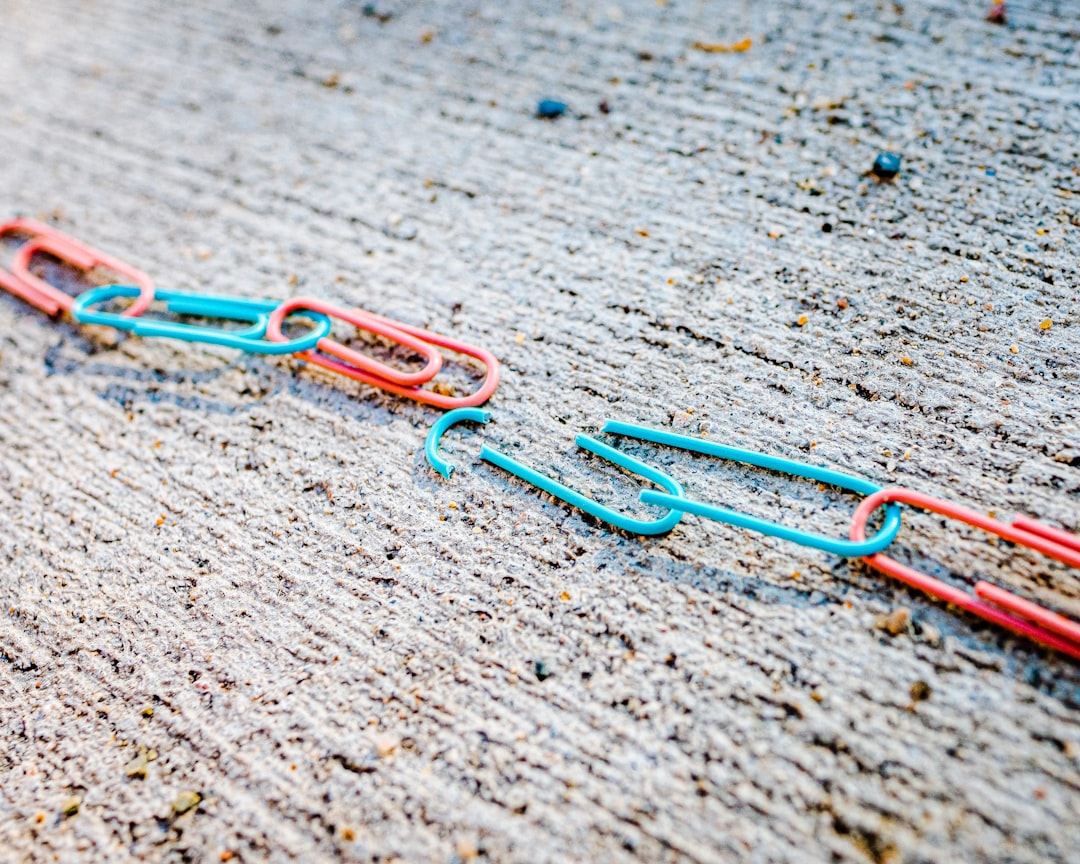
Navigating the landscape of a tumultuous relationship often feels like being strapped into a rollercoaster that I never signed up for. One moment, I am soaring high, filled with joy and excitement, basking in the warmth of affection and connection. The next moment, I plummet into a chasm of despair, grappling with feelings of confusion and heartache.
This emotional volatility can be exhilarating yet exhausting, leaving me breathless and disoriented. I find myself oscillating between euphoria and despair, questioning my own sanity as I try to make sense of the highs and lows. The intensity of these emotions can be both intoxicating and debilitating.
I often find myself caught in a cycle where the highs feel like a drug, compelling me to chase after them even when I know the lows are lurking just around the corner. It’s as if I am addicted to the thrill of the ride, unable to step off despite the toll it takes on my mental and emotional well-being. This rollercoaster ride can create a false sense of intimacy, making me believe that the intensity of our connection is a sign of true love.
Yet, deep down, I recognize that this pattern is unsustainable and ultimately damaging.
Key Takeaways
- Intense emotional rollercoaster: Individuals in toxic relationships often experience extreme highs and lows, leading to emotional exhaustion.
- Constant need for approval and validation: Those in toxic relationships may constantly seek validation and approval from their partner, leading to a lack of self-confidence.
- Fear of abandonment: There is often a deep-seated fear of being abandoned, leading individuals to tolerate harmful behavior in order to avoid being alone.
- Difficulty setting boundaries: People in toxic relationships struggle to set and maintain healthy boundaries, leading to a cycle of mistreatment.
- Feeling stuck in the relationship: Many individuals feel trapped in toxic relationships, unable to see a way out or envision a better future for themselves.
Constant Need for Approval and Validation
In the midst of this emotional chaos, I often find myself grappling with an insatiable need for approval and validation from my partner. It’s as if my self-worth is intricately tied to their perception of me. I constantly seek reassurance, craving words of affirmation that can temporarily soothe my insecurities.
This need can manifest in various ways—whether it’s fishing for compliments or anxiously awaiting their response to a text message. Each moment spent waiting for validation feels like an eternity, and when it arrives, it provides only fleeting comfort. This dependency on external validation can be suffocating.
I often feel like I am walking on eggshells, carefully curating my words and actions to elicit praise or approval. The fear of disappointing my partner looms large, leading me to suppress my own needs and desires in favor of theirs. I find myself losing sight of who I am as an individual, as my identity becomes intertwined with their expectations.
This constant quest for validation not only drains my energy but also perpetuates a cycle of insecurity that leaves me feeling unfulfilled.
Fear of Abandonment

The specter of abandonment looms large in my mind, casting a shadow over every interaction and decision I make within the relationship. This fear is often rooted in past experiences—whether it’s childhood trauma or previous relationships that ended abruptly. The thought of being left alone sends shivers down my spine, prompting me to cling tightly to my partner in an attempt to stave off the inevitable.
I find myself overanalyzing every word and action, convinced that any sign of discontent could lead to their departure. This fear can manifest in various ways, from jealousy to possessiveness. I often find myself questioning my partner’s loyalty, interpreting innocent interactions as potential threats to our bond.
The anxiety that accompanies this fear can be paralyzing, leading me to act in ways that are counterproductive to the relationship. Instead of fostering trust and open communication, I inadvertently create an environment of tension and insecurity. The irony is not lost on me; in my desperate attempt to hold onto my partner, I risk pushing them away.
Difficulty Setting Boundaries
Setting boundaries has always been a challenge for me, particularly within the context of a relationship fraught with emotional turmoil. I often struggle to articulate my needs and desires, fearing that doing so might upset the delicate balance we’ve established. The thought of asserting myself feels daunting; I worry that my partner will perceive my boundaries as rejection or criticism rather than an opportunity for growth.
As a result, I often find myself acquiescing to their demands, sacrificing my own well-being in the process. This difficulty in establishing boundaries can lead to feelings of resentment and frustration. I may agree to things that make me uncomfortable or compromise my values simply to maintain harmony.
Over time, this pattern erodes my sense of self and leaves me feeling powerless within the relationship. It’s a painful realization that by failing to advocate for myself, I am inadvertently contributing to a dynamic that is unhealthy and unsustainable. Learning to set boundaries is not just about protecting myself; it’s about fostering a healthier relationship built on mutual respect and understanding.
Feeling Stuck in the Relationship
As I navigate the complexities of this relationship, there are moments when I feel utterly trapped—like a bird in a gilded cage. Despite the love and connection I once felt, there are times when the weight of emotional turmoil becomes suffocating. I find myself questioning whether this is truly where I want to be or if I am simply clinging to the familiar out of fear of the unknown.
The thought of leaving feels overwhelming; it’s as if I am standing at the edge of a precipice, unsure of what lies beyond. This sense of being stuck can lead to feelings of hopelessness and despair. I often grapple with conflicting emotions—longing for freedom while simultaneously fearing the consequences of leaving.
Yet, deep down, I know that remaining in a situation that no longer serves me is not a viable option. It’s a painful realization that sometimes love alone is not enough to sustain a relationship.
Repeating Patterns of Abuse or Neglect

Reflecting on my experiences within this relationship, I can’t help but notice a troubling pattern emerging—one that echoes past relationships marked by abuse or neglect. It’s as if I am caught in a loop, repeating cycles that leave me feeling battered and bruised emotionally. Each instance of hurt feels familiar, triggering memories of past pain that I thought I had left behind.
This realization is both unsettling and illuminating; it forces me to confront the deeper issues at play within myself. Recognizing these patterns is a crucial step toward breaking free from their grip. It requires me to examine not only my partner’s behavior but also my own choices and responses.
Why do I continue to tolerate treatment that undermines my self-worth? What draws me back into relationships that mirror past traumas? These questions linger in my mind as I strive for clarity and understanding.
Breaking free from these cycles is not easy; it demands introspection, courage, and a commitment to healing.
Dependency on the Other Person for Happiness
In the midst of this emotional turmoil, I often find myself grappling with an unsettling truth: my happiness has become inextricably linked to another person’s actions and feelings. This dependency creates an unhealthy dynamic where my emotional state fluctuates based on their mood or behavior. When they are happy, I feel elated; when they are upset or distant, I spiral into despair.
It’s as if my emotional well-being hinges on their approval and affection—a precarious position that leaves me feeling vulnerable and exposed. This reliance on another person for happiness can be stifling. It robs me of the autonomy and agency necessary for personal fulfillment.
Instead of cultivating joy from within, I find myself seeking external sources of validation and happiness—often at the expense of my own needs and desires. This dependency not only undermines my self-esteem but also places an immense burden on my partner; they become responsible for my emotional state in ways that are neither fair nor sustainable.
Ignoring Red Flags and Excusing Harmful Behavior
As I reflect on my journey through this relationship, one painful truth emerges: I have often ignored red flags and excused harmful behavior in the name of love. There were moments when my partner’s actions raised alarms—instances where their words contradicted their behavior or where their treatment left me feeling small and unworthy. Yet, instead of addressing these concerns head-on, I found myself rationalizing their actions or dismissing them as temporary lapses in judgment.
This tendency to overlook red flags stems from a deep-seated desire to believe in the potential for change and growth within the relationship. I cling to hope, convinced that love can conquer all obstacles—even those rooted in unhealthy patterns or behaviors. However, this mindset can be dangerously misleading; it allows harmful dynamics to fester unchecked while eroding my sense of self-worth.
Acknowledging these red flags is essential for breaking free from cycles of abuse or neglect; it requires me to confront uncomfortable truths about both myself and my partner. In conclusion, navigating the complexities of an emotionally charged relationship can be an arduous journey filled with highs and lows, fears and dependencies. As I reflect on these experiences, I recognize the importance of self-awareness and personal growth in breaking free from unhealthy patterns.
It is only through acknowledging these challenges that I can begin to reclaim my sense of self and foster healthier connections moving forward.
If you are struggling to identify whether you are in a trauma bond or experiencing genuine love, seeking relationship counseling in Brooklyn can provide the support you need. This article on relationship counseling in Brooklyn offers valuable insights and guidance on navigating complex emotional dynamics. Understanding the signs of trauma bonding is crucial, especially when dealing with mental health issues like bipolar disorder. For a comprehensive guide on bipolar disorder, check out this informative article on bipolar disorder. Effective communication is key in any relationship, including therapy sessions with teens.