
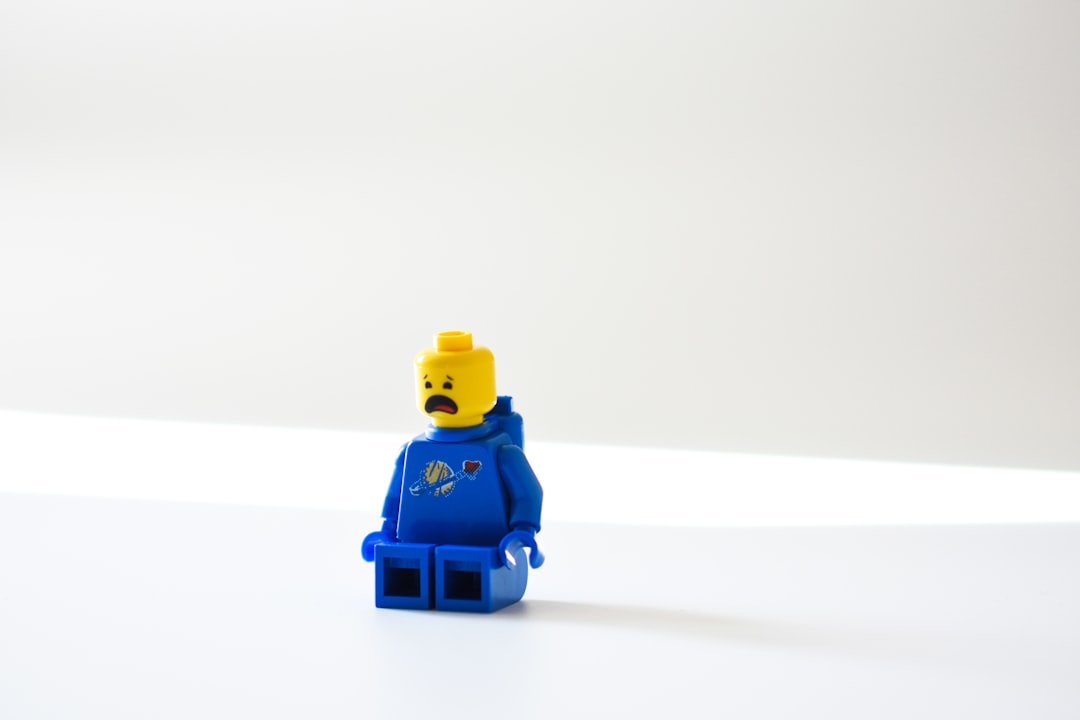
Emotional instability is a phenomenon that I have often encountered in both myself and others. It manifests as unpredictable mood swings, where one moment I might feel elated and the next, engulfed in a wave of sadness or anger. This rollercoaster of emotions can be exhausting, not just for me but also for those around me.
I find that my emotional responses can sometimes be disproportionate to the situation at hand, leading to misunderstandings and conflicts. For instance, a minor disagreement with a friend can spiral into a full-blown argument, fueled by my inability to regulate my feelings effectively. The impact of emotional instability extends beyond personal relationships; it seeps into my professional life as well.
I often notice that my fluctuating emotions can affect my productivity and decision-making abilities. When I am in a low mood, even the simplest tasks can feel insurmountable, while during high-energy moments, I may take on too much, leading to burnout. This inconsistency creates a cycle of stress and anxiety that is difficult to break.
I have come to realize that addressing emotional instability requires self-awareness and a commitment to developing healthier coping mechanisms. Engaging in mindfulness practices, such as meditation or journaling, has proven beneficial in helping me navigate my emotional landscape more effectively.
Key Takeaways
- Emotional instability can lead to unpredictable behavior and strained relationships.
- Lack of communication skills can result in misunderstandings and unresolved conflicts.
- Inability to compromise can create tension and hinder the ability to find mutually beneficial solutions.
- Constant need for validation can lead to seeking approval from others at the expense of one’s own well-being.
- Difficulty managing personal boundaries can result in feeling overwhelmed and taken advantage of in relationships.
Lack of communication skills
The Consequences of Poor Communication
This reluctance can result in a buildup of unspoken emotions, which eventually manifests as resentment or conflict. I have learned that effective communication is not just about speaking; it also involves active listening and being open to feedback.
Improving Communication Skills
In my journey to improve my communication skills, I have discovered the importance of being assertive without being aggressive. I often practice using “I” statements to express my feelings and needs without placing blame on others. For example, instead of saying, “You never listen to me,” I might say, “I feel unheard when my opinions are dismissed.” This shift in language has helped me convey my thoughts more constructively and has encouraged others to respond positively. Additionally, I have found that asking open-ended questions fosters deeper conversations and allows for a more meaningful exchange of ideas.
Building Stronger Connections
By actively working on my communication skills, I am gradually building stronger connections with those around me.
Inability to compromise

Compromise is a vital skill in any relationship, yet I often struggle with it. My tendency to hold onto my beliefs and desires can create tension when faced with differing opinions or needs. I find myself caught in a cycle of stubbornness, where I prioritize being right over finding common ground.
I have come to understand that compromise is not about losing; rather, it is about finding a solution that respects both perspectives. Recognizing the importance of compromise has prompted me to reflect on my approach to disagreements.
I have started to practice empathy by putting myself in the other person’s shoes and considering their viewpoint. This shift in perspective has allowed me to see the value in collaboration rather than competition. For instance, during a recent discussion with a colleague about a project direction, I made a conscious effort to listen actively and acknowledge their ideas before presenting my own.
This approach not only facilitated a more productive conversation but also led us to a solution that incorporated elements from both of our proposals. By embracing compromise, I am learning that relationships can thrive when both parties feel valued and respected.
Constant need for validation
The constant need for validation is a struggle that I grapple with daily. I often find myself seeking approval from others to feel worthy or accepted. This reliance on external validation can be debilitating, as it creates an endless cycle of seeking affirmation from friends, family, and colleagues.
When I receive praise or acknowledgment, it provides a temporary boost to my self-esteem; however, this feeling is fleeting and quickly replaced by the need for more validation. This pattern has made me realize how much I tie my self-worth to the opinions of others. To combat this need for validation, I have begun focusing on self-acceptance and self-compassion.
I remind myself that my worth is inherent and not contingent upon others’ approval. Engaging in positive self-talk has been instrumental in reshaping my mindset. Instead of waiting for someone else to validate my achievements or decisions, I have started celebrating my successes, no matter how small they may seem.
Journaling about my accomplishments and reflecting on my strengths has helped me build a more robust sense of self-worth that is less reliant on external factors. By nurturing this internal validation, I am gradually freeing myself from the constraints of seeking approval from others.
Difficulty managing personal boundaries
Managing personal boundaries is another area where I often find myself challenged. I have historically struggled with saying “no” or asserting my needs, which has led to feelings of overwhelm and resentment. My desire to please others often takes precedence over my own well-being, resulting in situations where I feel stretched too thin.
For example, when friends or colleagues ask for favors or assistance, I frequently agree out of fear of disappointing them, even when it conflicts with my own priorities. Recognizing the importance of setting boundaries has been a transformative experience for me. I have learned that establishing clear boundaries is not selfish; rather, it is an essential aspect of self-care and maintaining healthy relationships.
To improve my boundary-setting skills, I have started practicing assertiveness by communicating my limits clearly and respectfully. For instance, when asked to take on additional responsibilities at work, I now assess my current workload before responding rather than immediately agreeing out of obligation. This shift has empowered me to prioritize my own needs while still being supportive of others.
In addition to verbalizing my boundaries, I have also found it helpful to reflect on what boundaries are necessary for my emotional and mental well-being. This introspection has allowed me to identify areas where I need to be firmer in protecting my time and energy. By prioritizing self-care and recognizing that it is okay to put myself first at times, I am gradually learning how to manage personal boundaries more effectively.
This journey has not only improved my overall well-being but has also fostered healthier relationships built on mutual respect and understanding. In conclusion, navigating emotional instability, communication challenges, the inability to compromise, the constant need for validation, and difficulty managing personal boundaries are all interconnected aspects of personal growth that I continue to work on daily.
By embracing these challenges with openness and a willingness to learn, I am gradually becoming more resilient and equipped to foster healthier relationships with myself and others.
If you are struggling with mental health issues that are affecting your ability to handle a relationship, it is important to seek help. In a related article on mental health awareness, Mental Health Awareness Month 2025 discusses the importance of recognizing and addressing mental health issues in order to maintain healthy relationships. It is crucial to prioritize your mental well-being and seek support when needed in order to have successful and fulfilling relationships.
FAQs

What are the signs that indicate you cannot handle a relationship?
Some signs that indicate you may not be ready to handle a relationship include difficulty with communication, lack of emotional maturity, inability to compromise, fear of commitment, and unresolved personal issues.
How can difficulty with communication indicate that you cannot handle a relationship?
Difficulty with communication can indicate that you cannot handle a relationship because effective communication is essential for a healthy and successful relationship. If you struggle to express your thoughts and feelings, or have trouble listening and understanding your partner, it can lead to misunderstandings and conflicts.
Why does lack of emotional maturity indicate that you cannot handle a relationship?
Lack of emotional maturity can indicate that you cannot handle a relationship because it may lead to impulsive behavior, inability to manage emotions, and difficulty in handling the ups and downs of a relationship. Emotional maturity is important for maintaining a stable and supportive partnership.
How does inability to compromise indicate that you cannot handle a relationship?
Inability to compromise can indicate that you cannot handle a relationship because relationships require give and take. If you are unwilling to make compromises or always insist on having things your way, it can create tension and resentment in the relationship.
Why does fear of commitment indicate that you cannot handle a relationship?
Fear of commitment can indicate that you cannot handle a relationship because it may lead to avoidance of long-term plans, reluctance to fully invest in the relationship, and difficulty in building trust and intimacy with your partner.
How can unresolved personal issues indicate that you cannot handle a relationship?
Unresolved personal issues can indicate that you cannot handle a relationship because they can affect your mental and emotional well-being, and may lead to projecting your issues onto your partner, difficulty in forming a healthy connection, and challenges in maintaining a stable and fulfilling relationship.