
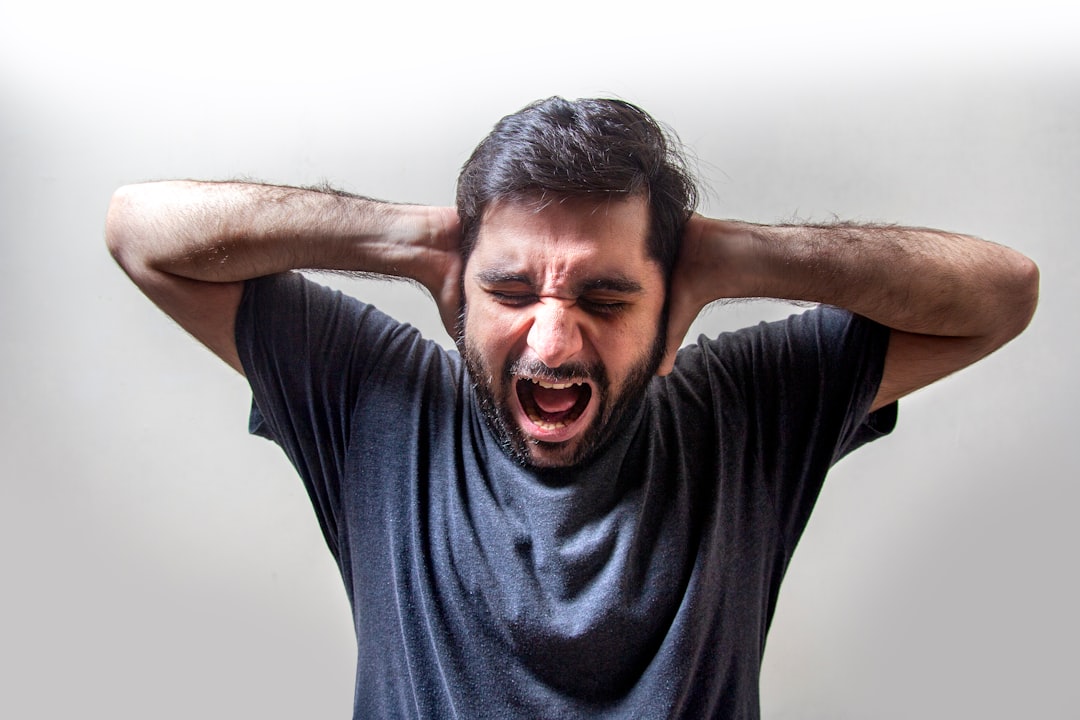
Panic attacks are sudden episodes of intense fear or discomfort that can strike unexpectedly, often without any clear reason. During these episodes, individuals may experience a range of physical and emotional symptoms that can be overwhelming. The sensation is often likened to a feeling of impending doom, where the body reacts as if it is in immediate danger, even when there is no actual threat present.
This fight-or-flight response can lead to a variety of distressing symptoms, including rapid heartbeat, shortness of breath, dizziness, and a sense of detachment from reality. The experience of a panic attack can be frightening and disorienting. Many people describe it as feeling like they are losing control or even having a heart attack.
These attacks can last anywhere from a few minutes to half an hour, but the emotional aftermath can linger much longer. Understanding what panic attacks are is crucial for those who experience them, as it helps demystify the sensations and fears associated with these episodes. Recognizing that panic attacks are a common mental health issue can also provide comfort to those who feel isolated in their experiences.
Key Takeaways
- Panic attacks are sudden and intense episodes of fear and anxiety that can be overwhelming.
- Symptoms of panic attacks include rapid heart rate, sweating, trembling, shortness of breath, and feelings of impending doom.
- Triggers for panic attacks can vary from person to person and may include stress, certain phobias, or traumatic experiences.
- Coping strategies for managing panic attacks may include deep breathing exercises, mindfulness techniques, and seeking professional help.
- Seeking professional help, making lifestyle changes, and building a support system are important steps in managing and preventing panic attacks.
Recognizing the Symptoms of Panic Attacks
Identifying the symptoms of panic attacks is essential for effective management and treatment. Common physical symptoms include a racing heart, sweating, trembling, and difficulty breathing. Many individuals also report feelings of choking or tightness in the chest, which can exacerbate feelings of anxiety and fear.
Other symptoms may include nausea, abdominal discomfort, chills or hot flashes, and a sense of unreality or detachment from oneself or the environment. These physical manifestations can be so intense that they often lead individuals to believe they are experiencing a medical emergency. Emotional symptoms are equally important to recognize.
During a panic attack, individuals may feel an overwhelming sense of dread or fear of losing control. They might also experience feelings of impending doom or fear of dying. It’s important to note that not everyone will experience all these symptoms during an attack; some may have only a few, while others may have many.
Understanding these symptoms can help individuals differentiate between panic attacks and other medical conditions, allowing them to seek appropriate help and support.
Understanding the Triggers of Panic Attacks

Panic attacks can be triggered by a variety of factors, and understanding these triggers is key to managing them effectively. For some individuals, panic attacks may occur in response to specific situations or environments, such as crowded places, public speaking, or even driving. These triggers can create a sense of anxiety that builds up over time, eventually leading to an attack.
For others, panic attacks may arise without any identifiable trigger, which can be particularly distressing and confusing. Stressful life events, such as the loss of a loved one, relationship issues, or significant changes in one’s life circumstances, can also contribute to the onset of panic attacks. Additionally, certain medical conditions or substance use—such as caffeine, alcohol, or recreational drugs—can exacerbate anxiety levels and trigger panic attacks.
Understanding personal triggers is an essential step in developing coping strategies and seeking appropriate treatment. Keeping a journal to track when panic attacks occur and what might have preceded them can be a helpful tool in identifying patterns and triggers.
Coping Strategies for Managing Panic Attacks
| Strategy | Description |
|---|---|
| Deep Breathing | Taking slow, deep breaths to calm the body and mind |
| Progressive Muscle Relaxation | Tensing and then relaxing different muscle groups to reduce tension |
| Positive Self-talk | Using affirmations and positive statements to counter negative thoughts |
| Grounding Techniques | Focusing on the present moment by using senses to connect with surroundings |
| Seeking Support | Reaching out to friends, family, or mental health professionals for help |
Developing effective coping strategies is crucial for managing panic attacks when they occur. One widely recommended technique is deep breathing exercises. Focusing on slow, deep breaths can help counteract the hyperventilation that often accompanies panic attacks.
By inhaling deeply through the nose and exhaling slowly through the mouth, individuals can help calm their nervous system and reduce feelings of anxiety. Practicing this technique regularly can also make it easier to implement during an actual panic attack. Another helpful strategy is grounding techniques, which involve focusing on the present moment to distract from overwhelming feelings.
This could include engaging the senses by noticing what you can see, hear, smell, touch, or taste around you. For example, describing objects in your environment or focusing on the texture of an item can help redirect your thoughts away from panic. Additionally, having a mantra or positive affirmation to repeat during an attack can provide reassurance and help regain a sense of control.
Seeking Professional Help for Panic Attacks
While coping strategies can be beneficial, seeking professional help is often necessary for those who experience frequent or severe panic attacks. Mental health professionals can provide valuable support through therapy options such as cognitive-behavioral therapy (CBT), which has been shown to be effective in treating anxiety disorders and panic attacks. CBT helps individuals identify negative thought patterns and replace them with healthier perspectives, ultimately reducing the frequency and intensity of panic attacks.
In some cases, medication may also be prescribed to help manage symptoms. Antidepressants or anti-anxiety medications can be effective in reducing the overall anxiety levels that contribute to panic attacks. It’s important for individuals to work closely with their healthcare provider to determine the best course of action based on their unique situation and needs.
Remember that seeking help is a sign of strength and an important step toward regaining control over one’s mental health.
Lifestyle Changes to Manage Panic Attacks
Incorporating lifestyle changes can significantly impact the frequency and severity of panic attacks. Regular physical activity is one of the most effective ways to reduce anxiety levels. Exercise releases endorphins—natural mood lifters—that can help alleviate stress and improve overall mental well-being.
Finding an enjoyable form of exercise, whether it’s walking, dancing, or yoga, can make it easier to stick with a routine. Additionally, maintaining a balanced diet plays a crucial role in mental health.
Adequate sleep is also essential; establishing a regular sleep schedule and creating a calming bedtime routine can improve sleep quality and reduce anxiety during waking hours. By making these lifestyle changes, individuals can create a more supportive environment for their mental health.
Support Systems for Dealing with Panic Attacks
Having a strong support system is invaluable for those dealing with panic attacks. Friends and family members who understand what you’re going through can provide comfort and reassurance during difficult times. Open communication about your experiences with panic attacks can foster empathy and support from loved ones, making it easier to navigate challenging moments together.
Support groups—whether in-person or online—can also be beneficial for individuals seeking connection with others who share similar experiences. These groups provide a safe space to share feelings and coping strategies while reducing feelings of isolation. Knowing that you are not alone in your struggles can be incredibly empowering and comforting.
Tips for Preventing Panic Attacks
Preventing panic attacks involves a combination of self-awareness and proactive strategies. Keeping track of triggers through journaling can help individuals identify patterns that lead to anxiety and take steps to avoid or manage those situations more effectively. Additionally, practicing relaxation techniques regularly—such as mindfulness meditation or progressive muscle relaxation—can build resilience against stressors that may trigger panic attacks.
Establishing a routine that includes regular exercise, healthy eating habits, and sufficient sleep is also crucial for maintaining overall mental health. Engaging in activities that bring joy and fulfillment can serve as protective factors against anxiety as well. Finally, being mindful of substance use—such as limiting caffeine intake or avoiding recreational drugs—can significantly reduce the likelihood of experiencing panic attacks.
In conclusion, understanding panic attacks is essential for those who experience them or support someone who does. By recognizing symptoms, identifying triggers, implementing coping strategies, seeking professional help when needed, making lifestyle changes, building support systems, and taking preventive measures, individuals can take significant steps toward managing their anxiety effectively. Remember that you are not alone in this journey; there are resources available to help you navigate through the challenges of panic attacks with compassion and understanding.
Panic attacks can be a distressing experience, often characterized by sudden and intense feelings of fear and anxiety. Understanding the symptoms and triggers of panic attacks is crucial for managing them effectively. For those interested in learning more about related mental health issues, such as social anxiety, which can sometimes accompany panic attacks, you might find the article on social anxiety symptoms insightful. This article delves into the signs of social anxiety and offers guidance on how to address and manage these symptoms, providing a comprehensive overview that can be beneficial for anyone looking to deepen their understanding of anxiety-related conditions.
FAQs
What is a panic attack?
A panic attack is a sudden episode of intense fear or anxiety that triggers severe physical reactions even though there is no real danger or apparent cause.
What are the symptoms of a panic attack?
Symptoms of a panic attack can include rapid heart rate, sweating, trembling, shortness of breath, chest pain, nausea, dizziness, and a feeling of impending doom.
What causes panic attacks?
Panic attacks can be caused by a variety of factors, including genetics, major life stressors, certain medical conditions, and excessive stress or anxiety.
How are panic attacks treated?
Treatment for panic attacks may include therapy, medication, and lifestyle changes such as stress management techniques, regular exercise, and avoiding triggers.
Can panic attacks be prevented?
While it may not be possible to prevent panic attacks entirely, managing stress, getting regular exercise, and seeking treatment for underlying anxiety disorders can help reduce the frequency and severity of panic attacks.