

Stress and anxiety are common experiences that many individuals face in their daily lives. Stress is often a response to external pressures, such as work deadlines, family responsibilities, or financial concerns. It can manifest physically, emotionally, and mentally, leading to symptoms like headaches, irritability, and fatigue.
On the other hand, anxiety is characterized by persistent feelings of worry or fear that can be overwhelming and may not always have a clear cause. While a certain level of stress can be motivating and help us meet challenges, chronic stress and anxiety can have detrimental effects on our overall well-being. Understanding the difference between stress and anxiety is crucial for effective management.
Stress typically arises from specific situations and tends to dissipate once the stressor is removed. Anxiety, however, can linger long after the initial trigger has passed, often leading to a cycle of worry that can be difficult to break. Recognizing these feelings and their triggers is the first step toward finding effective coping strategies.
By acknowledging the impact of stress and anxiety on our lives, we can begin to explore various methods to alleviate these burdens.
Key Takeaways
- Stress and anxiety are common experiences that can have negative effects on mental and physical health.
- Meditation can help reduce stress and anxiety by promoting relaxation and mindfulness.
- There are various types of meditation practices, including mindfulness meditation, loving-kindness meditation, and transcendental meditation.
- Starting a meditation practice can be as simple as finding a quiet space and focusing on your breath for a few minutes each day.
- Incorporating meditation into your daily routine can be beneficial for managing stress and anxiety, and can be done through guided meditation apps or classes.
The Benefits of Meditation for Stress and Anxiety
Meditation has gained popularity as a powerful tool for managing stress and anxiety. This ancient practice encourages individuals to focus their minds and cultivate a sense of inner peace. One of the primary benefits of meditation is its ability to promote relaxation.
By engaging in meditation, individuals can activate the body’s relaxation response, which helps to lower heart rates, reduce blood pressure, and decrease levels of stress hormones like cortisol. This physiological shift can lead to a profound sense of calm and well-being. In addition to its physical benefits, meditation also fosters emotional resilience.
Regular practice can help individuals develop a greater awareness of their thoughts and feelings, allowing them to respond to stressors with more clarity and composure.
Furthermore, studies have shown that meditation can enhance overall mental health by reducing symptoms of anxiety and depression, ultimately leading to a more balanced and fulfilling life.
Different Types of Meditation Practices
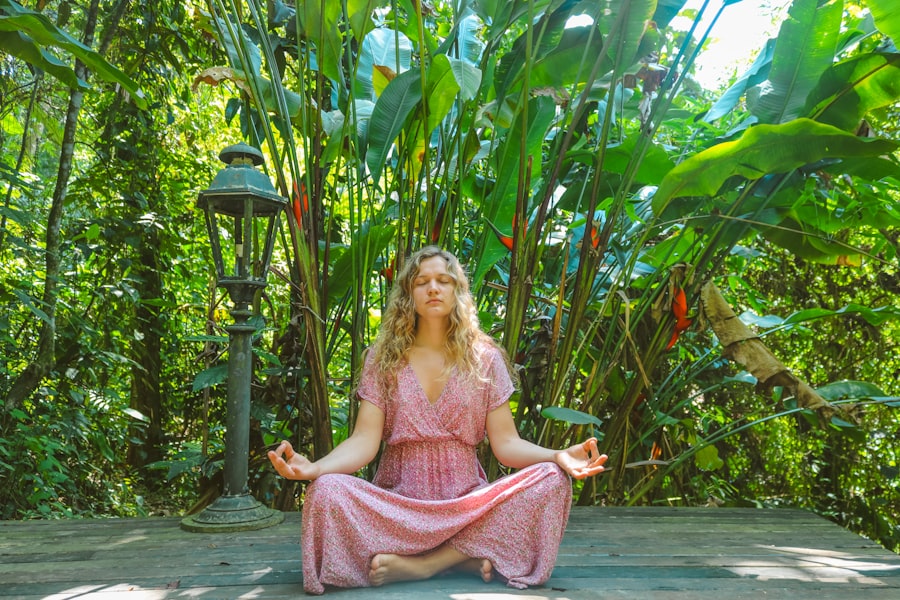
There are various types of meditation practices, each offering unique approaches to achieving mindfulness and relaxation. Mindfulness meditation is one of the most widely practiced forms, focusing on being present in the moment without judgment. This practice encourages individuals to observe their thoughts and feelings as they arise, fostering a sense of acceptance and awareness.
By cultivating mindfulness, individuals can learn to detach from negative thought patterns that contribute to stress and anxiety. Another popular form is loving-kindness meditation, which emphasizes compassion towards oneself and others. This practice involves silently repeating phrases that express goodwill and kindness, helping to foster positive emotions and reduce feelings of isolation or negativity.
Additionally, guided meditation is an excellent option for beginners, as it involves following along with a recorded session led by an experienced instructor. This format can provide structure and support, making it easier for individuals to engage in meditation without feeling overwhelmed.
How to Start a Meditation Practice
| Steps | Details |
|---|---|
| 1 | Find a quiet and comfortable place to sit |
| 2 | Set a time for your meditation practice |
| 3 | Start with deep breathing to relax |
| 4 | Focus on your breath or a mantra |
| 5 | Observe your thoughts without judgment |
| 6 | End your practice with gratitude |
Starting a meditation practice can feel daunting, but it doesn’t have to be complicated. The key is to find a comfortable space where you can sit or lie down without distractions. Begin by setting aside just a few minutes each day to focus on your breath or a specific mantra.
It’s important to approach meditation with an open mind and without any expectations; the goal is not to achieve perfection but rather to cultivate a sense of presence. As you become more comfortable with the practice, you can gradually increase the duration of your sessions. Many people find it helpful to use guided meditations or apps that offer structured programs tailored for beginners.
These resources can provide valuable support as you explore different techniques and find what resonates with you. Remember that consistency is key; even short daily sessions can lead to significant benefits over time.
Incorporating Meditation into Your Daily Routine
Integrating meditation into your daily routine can enhance its effectiveness in managing stress and anxiety. One approach is to establish a specific time each day dedicated solely to your practice. Whether it’s first thing in the morning or just before bed, having a set schedule can help reinforce the habit.
Additionally, consider pairing meditation with other daily activities, such as practicing mindfulness while walking or during your commute. Creating a calming environment can also enhance your meditation experience. Consider using soft lighting, soothing music, or essential oils to create a peaceful atmosphere that encourages relaxation.
You might also find it helpful to keep a journal where you can reflect on your thoughts and feelings before and after each session. This practice not only deepens your self-awareness but also allows you to track your progress over time.
Tips for Using Meditation to Manage Stress and Anxiety
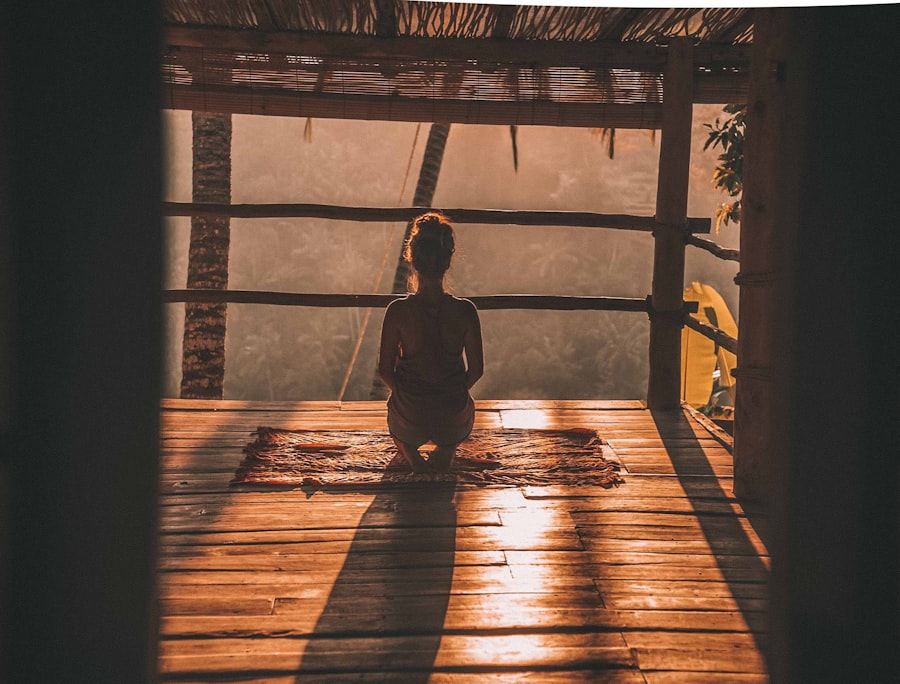
To maximize the benefits of meditation for stress and anxiety management, consider incorporating a few practical tips into your practice. First, be patient with yourself; it’s normal for your mind to wander during meditation. When this happens, gently guide your focus back to your breath or mantra without judgment.
Over time, you’ll develop greater concentration and mindfulness. Another helpful tip is to explore different meditation techniques until you find what resonates with you. Some individuals may prefer silent meditation, while others might benefit from guided sessions or visualization techniques.
Experimenting with various styles can keep your practice fresh and engaging. Additionally, consider joining a local meditation group or online community where you can share experiences and gain support from others on similar journeys.
Research and Studies on the Effectiveness of Meditation for Stress and Anxiety
Numerous studies have explored the effectiveness of meditation in reducing stress and anxiety levels among various populations. Research has shown that mindfulness-based interventions can lead to significant reductions in anxiety symptoms among individuals with generalized anxiety disorder (GAD). In one study published in JAMA Internal Medicine, participants who engaged in mindfulness meditation reported lower levels of anxiety compared to those who did not participate in any form of meditation.
Furthermore, neuroimaging studies have revealed that regular meditation practice can lead to structural changes in the brain associated with improved emotional regulation and resilience against stressors. These findings underscore the potential of meditation as a valuable tool for enhancing mental health and well-being. As more research continues to emerge, it becomes increasingly clear that meditation offers a promising avenue for individuals seeking effective strategies for managing stress and anxiety.
Additional Resources and Support for Meditation Practice
For those looking to deepen their meditation practice or seek additional support, there are numerous resources available. Many apps offer guided meditations tailored for various needs, including stress relief, sleep improvement, and emotional healing. Popular options include Headspace, Calm, and Insight Timer, which provide a wide range of sessions led by experienced instructors.
Books on mindfulness and meditation can also serve as valuable resources for individuals seeking guidance on their journey. Titles such as “The Miracle of Mindfulness” by Thich Nhat Hanh or “Wherever You Go, There You Are” by Jon Kabat-Zinn offer insights into the philosophy behind meditation practices while providing practical tips for implementation. Additionally, consider exploring local classes or workshops led by certified instructors who can provide personalized guidance and support as you navigate your meditation journey.
Connecting with others who share similar interests can foster a sense of community and encouragement as you work towards managing stress and anxiety through meditation. In conclusion, understanding stress and anxiety is essential for effective management, and meditation offers a powerful tool for promoting relaxation and emotional resilience. By exploring different types of meditation practices and incorporating them into daily routines, individuals can cultivate greater self-awareness and find relief from the burdens of stress and anxiety.
With patience, consistency, and support from available resources, anyone can embark on a fulfilling journey toward improved mental well-being through the transformative power of meditation.
Meditation has long been recognized as a powerful tool for managing stress and anxiety, offering a pathway to inner peace and mental clarity.
This resource can be particularly beneficial for individuals seeking to complement their meditation practice with a broader awareness of mental health. You can read more about it by visiting the article at Common Bad Anxiety Symptoms to Watch For.
FAQs
What is meditation?
Meditation is a practice that involves focusing the mind and eliminating the stream of jumbled thoughts that may be crowding your mind and causing stress and anxiety.
How does meditation help with stress and anxiety?
Meditation has been shown to reduce the levels of stress hormones in the body, such as cortisol, and promote a sense of calm and relaxation. It can also help individuals develop a greater sense of self-awareness and mindfulness, which can reduce anxiety.
What are the different types of meditation for stress and anxiety?
There are various types of meditation that can help with stress and anxiety, including mindfulness meditation, loving-kindness meditation, and transcendental meditation. Each type may focus on different techniques, such as breath awareness, visualization, or mantra repetition.
How often should I meditate to see results for stress and anxiety?
The frequency of meditation needed to see results for stress and anxiety can vary from person to person. Some individuals may benefit from meditating for just a few minutes each day, while others may find it helpful to meditate for longer periods or multiple times throughout the day.
Are there any potential risks or side effects of meditation for stress and anxiety?
Meditation is generally considered safe for most people. However, some individuals may experience feelings of frustration or impatience when first starting a meditation practice. It’s important to approach meditation with an open mind and be patient with the process. If you have a history of mental health conditions, it’s important to consult with a healthcare professional before starting a meditation practice.